birds

ANIMAL HOLIDAY WEEK DAY # 5

HOLIDAY ANIMAL WEEK

Our last day of holiday week keeps us in Europe to meet another famous bird from the Twelve Days of Christmas song! These birds come in pairs! So let’s get our binoculars and head out on today’s adventure!
e e woods

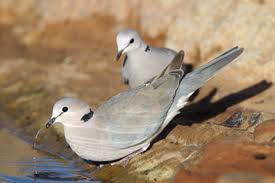
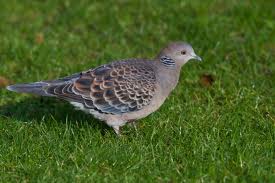
MEET THE TURTLE DOVE!

turtle dove   Range/Habitat: Europe-Africa/ woodlands, fields

   Diet: Omnivores: seeds, insects

   Length/Weight: 9-11”/ 3-6 oz

   Conservation Status: common


Fun Facts:

  • Turtle doves form pair bonds.
  • They are related to doves and pigeons.
  • Turtle doves migrate. They winter in Africa.
  • Turtle doves have beautiful gray, brown and pinkish colors.
  • They feed on the ground.

Turtle doves are gorgeous little birds. Because they form lifelong pair bonds, they are often a symbol for true love. And we love that about turtle doves!

 turtle dove2turtle dove3

Categories: adventure, Animals, birds, Children, conservation, education, Environment, nature, science, wildlife | Tags: , , , , , , , , | 1 Comment

HOLIDAY WEEK DAY # 4

HOLIDAY ANIMAL WEEK

We’ll be spending the next two days in Europe bird watching for two birds who are very famous during the holidays! Apparently you are supposed to give these to your true love. We think it would be better to take your true love bird watching with us! Let’s head out!

e e woods

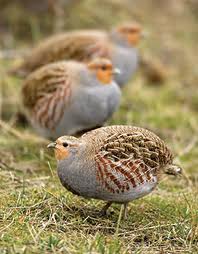
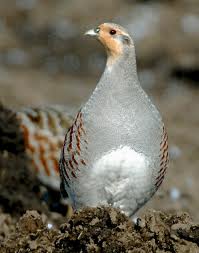
MEET THE GRAY PARTRIDGE!

gray partridge   Range/Habitat: Europe-West/Central Asia/ grasslands, farms

   Diet: Omnivore: seeds, insects

   Length/Weight: 12”/11-16 oz

   Conservation Status: common


Fun Facts:

  • Gray Partridges have tawny heads and grayish bodies.
  • They live in small groups of 15-20 individuals. The groups are called coveys.
  • Female Gray Partridges lay around 16-18 eggs in a clutch.
  • They feed off the ground.
  • Gray partridges nest on the ground.

Gray partridges are neat little birds! We are wondering who came up with the line in the song that says a partridge in a pear tree, since these birds tend to live on the ground. Hhhhmmm… maybe they never met a real gray partridge!

 gray partride3gray partride2

Categories: adventure, Animals, birds, Children, conservation, education, Environment, holidays, nature, science, wildlife | Tags: , , , , , , , , , , | Leave a comment

FEATHERY FRIDAY # 55

FEATHERY FRIDAY #55

We’re off to the Galapagos Islands today on the E & E boat to meet a bird who soars in the skies over the ocean! Grab your life jacket and let’s head out on this adventure!

e e boat

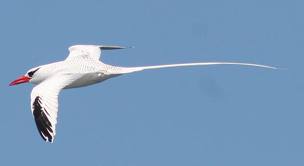
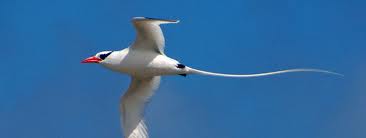
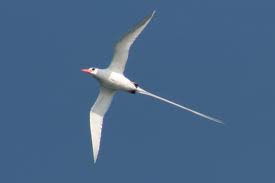
MEET THE RED BILLED TROPICBIRD!

red billed tropicbird   Range/Habitat: Eastern Pacific-Central Atlantic/ oceans-coasts

   Diet: Carnivore: squid, fish

   Length/Weight: 31-32”/ 21-29 oz

   Conservation Status: common


Fun Facts:

  • Red Billed tropicbirds are often found hundreds of miles from shore.
  • They poor swimmers!
  • Red billed tropicbirds plunge into the ocean to catch their prey.
  • They have webbed feet.
  • Red billed tropicbirds have long tail streamers.
  • Red billed tropicbirds are very awkward on land.

Red billed tropicbirds are gorgeous birds! These high fliers were built to spend their lives in the air. We sure would like to be able to fly one day! How about you?

 red billed tropicbird2red billed tropicbird3


Categories: adventure, Animals, birds, Children, conservation, education, Environment, nature, science, wildlife | Tags: , , , , , , , , , | Leave a comment

FEATHERY FRIDAY # 54

FEATHERY FRIDAY #54

It’s that special day of the week dedicated to our feathery friends! So are you ready to head to Central America to meet a duck who doesn’t quack? Let’s head out on today’s adventure!

e & e wetlands

MEET THE MUSCOVY DUCK!

muscovy duck   Range/Habitat: Central-South America/ wetlands, lakes, rivers

   Diet: Omnivore: roots, leaves, fish, insects

   Length/Weight: 26-33”/ 7-15 lbs

   Conservation Status: common


Fun Facts:

  • Muscovy Ducks have wild and domesticated populations.
  • They are not very vocal and only make a few noises, including hisses!

  • Muscovy ducks have black and white feathers.
  • They have wide flat tails.
  • Muscovy ducks perch in trees.
  • Muscovy ducks have claws on their feet.

Muscovy ducks are super cute! Who knew there were ducks out there that didn’t quack! Neat! Hiss! Hiss!

muscovy duck2   muscovy duck3

Categories: adventure, Animals, birds, Children, conservation, education, Environment, nature, science, wildlife | Tags: , , , , , , , , , | Leave a comment

SUPER SURPRISE THURSDAY # 54

SUPER SURPRISE THURSDAY #54

We’re going to the rainforests of South America today to meet one gorgeous and colorful bird! We’ll have to climb to the top to find them! Are you ready?

e & e rainforest2

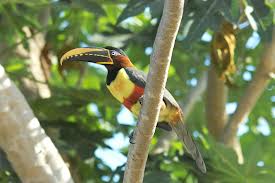
MEET THE CHESTNUT-EARED ARACARI!

chestnut eared aracari   Range/Habitat: Central- Northern South America/ rainforests

   Diet: Frugivore: fruit, insects

   Length/Weight: 13-16”/ 11 oz

   Conservation Status: common


Fun Facts:

  • Chestnut-eared aracari have black feathers with yellow bellies.
  • They live in the canopies of the rainforest.
  • Chestnut-eared aracari have large bills with yellow teeth like looking markings.
  • They are members of the toucan family.
  • Chestnut-eared aracari live in small groups.

We just love these gorgeous birds! Those beaks are just perfect for picking fruit from the trees! What do you think?

chestnut eared aracari3


Categories: adventure, Animals, birds, Children, conservation, education, Environment, nature, rainforests, science, wildlife | Tags: , , , , , , , , , | Leave a comment

FEATHERY FRIDAY GREATEST HITS!

FEATHERY FRIDAY GREATEST HITS!

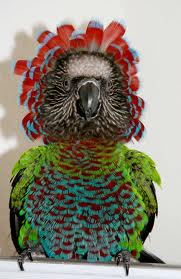
It’s another fabulous Feathery Friday and we have a resident of the Amazon rainforest for today’s animal. Are you ready this little bird with two different names? Well, let’s do this…

MEET THE RED FANNED PARROT!

   Range/Habitat: Northern South America/Amazon Rainforest

   Diet: Herbivore: fruit, seeds, flowers, nuts

   Length/Weight: 14”/ 8 oz

   Conservation Status: Common


Fun Facts:

  • Red Fanned Parrots are also known as the Hawk-headed parrot.
  • They have red feathers on the back of their necks. They raise the feathers up when threatened or alarmed. It gives them an appearance of being larger than they are.
  • They have long tail feathers also that resemble some birds of prey.
  • Red fanned parrots are found in pairs or small groups.
  • They often nest in tree hollows.

Red Fanned Parrots are really neat little birds! We think they look like lions with their feathers up! We wonder if they know how to roar? We doubt it :)!

Categories: adventure, Animals, birds, Children, conservation, education, Environment, nature, rainforests, science, wildlife | Tags: , , , , , , , , , | 1 Comment

FEATHERY FRIDAY # 53

FEATHERY FRIDAY #53

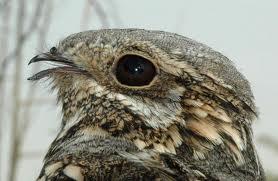
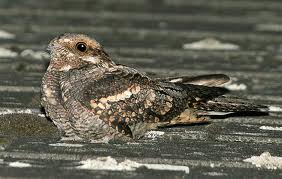
Let’s head off to Europe today to meet a little bird who is an expert at camouflage. We’ll need our night vision goggles to catch these night flying birds! Are you ready for a night adventure?

MEET THE EUROPEAN NIGHTJAR!

   Range/Habitat: Europe-Asia-Africa/ forests, grasslands

   Diet: Insectivore: flying insects

   Length/Weight: 10-11”/ 1 ¾-3 5/8 oz

   Conservation Status: common


Fun Facts:

  • European Nightjars are nocturnal.
  • They have silent flight.
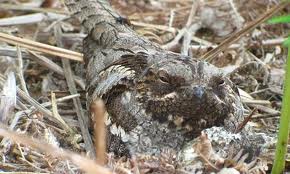
  • European nightjars have brown molted colored feathers that are perfect for camouflaging in with the ground.
  • They do not build nests, but rest on the ground.
  • Male European nightjars are territorial.
  • European nightjars winter in Africa.

European Nightjars are such gorgeous birds and man you can hardly spot them when they are resting in leaves and twigs! Camouflage is one of favorite defense mechanisms! We may just have to do a post of awesome camouflage photos!


Categories: adventure, Animals, birds, Children, education, Environment, nature, science, wildlife | Tags: , , , , , , , , , | Leave a comment

FEATHERY FRIDAY # 52

FEATHERY FRIDAY #52

It’s Feathery Friday and we’re going to another tiny island today, this one is the southwest Pacific Ocean! So let’s hop aboard a boat and set sail to this tiny island and explore their rainforest to find…

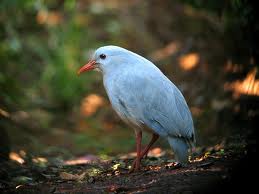
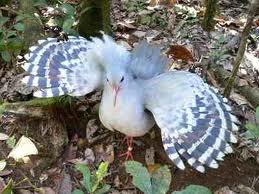
MEET THE KAGU!

   Range/Habitat: New Caledonia/ rainforest

   Diet: Carnivore: insects, lizards, beetles

   Length/Weight: 22”/ 32 oz

   Conservation Status: endangered


Fun Facts:

  • Kagus are flightless birds that live on the ground.
  • They have large crests on their heads.
  • Kagus dig for prey in the ground.
  • They have long legs and can run fast.
  • Kagus are bluish-grey in coloration.
  • Kagus have special feathers that make a powder that cleans and waterproof them.
  • They have excellent vision.

Kagus are such beautiful birds! We love their crests! Who knew there were so many flightless birds in the world?


Categories: adventure, Animals, birds, Children, conservation, education, Environment, nature, science, wildlife | Tags: , , , , , , , , , | 1 Comment

FEATHERY FRIDAY # 51

FEATHERY FRIDAY #51

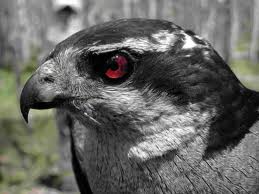
We’re off to the forests of Canada today to meet a member of the raptor family! These gorgeous birds can be hard to spot, so you’ll need your best observation skills! Are you ready? Let’s meet…

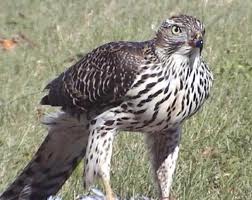
MEET THE NORTHERN GOSHAWK!

    Range/Habitat: Northern Hemisphere/ forests-mainly old growth

    Diet: Carnivore: birds, small mammals

    Length/Weight: 19-28”/ 2 ¼-3 ¼ lbs

    Conservation Status: common


Fun Facts:

  • Northern Goshawks are raptors.
  • They have long tails.
  • Northern Goshawks coloration varies by the region that they live in.
  • Female Northern Goshawks are larger than males.
  • They are very territorial.
  • Northern Goshawks are shy and secretive.
  • They can reach high speeds when flying.

Northern Goshawks are very majestic birds. They are often used in falconry too. We love raptors as a group, because they are so awesome!


Categories: adventure, Animals, birds, Children, conservation, education, Environment, nature, science, wildlife | Tags: , , , , , , , , , | Leave a comment

FEATHERY FRIDAY # 50

FEATHERY FRIDAY #50

Woohoo, we’ve made it to Friday and that means it time to meet a new bird friend! We’re off to the island country of New Zealand today to meet a member of the pigeon family! So let’s head out on today’s adventure!

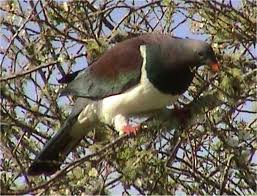
MEET THE NEW ZEALAND PIGEON!


   Range/Habitat: New Zealand/ forest-woodlands

   Diet: Frugivores: fruits, plants

   Length/Weight: 18-20”/ 21-29 oz

   Conservation Status: near threatened


Fun Facts:

  • New Zealand Pigeons are the largest species of pigeons in New Zealand.
  • They are the only native pigeon species.
  • They are also called the Kereru in New Zealand.
  • New Zealand pigeons have dark and iridescent feathers on the top of their bodies and white bellies.
  • They can eat very large fruit.
  • New Zealand pigeons are important seed dispersers. They poop out seed of the fruit they eat and in turn help to grow new fruit trees.

Pigeons often get such a bad rap, but we just love these birds. New Zealand pigeons are so very important for the growth of new trees too. Without seed dispersers like these birds, forests would often have little new growth! Way to go pigeons!!


Categories: adventure, Animals, birds, Children, conservation, education, Environment, science, wildlife | Tags: , , , , , , , , , | Leave a comment

Blog at WordPress.com.