birds

HAPPY HALLOWEEN!!

HAPPY HALLOWEEN!!!

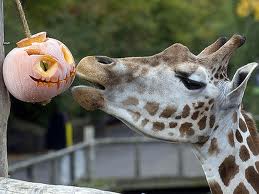
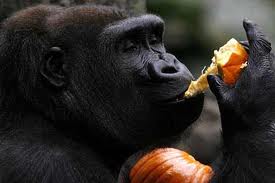
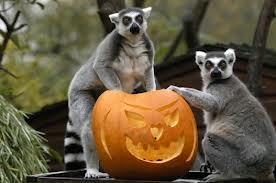
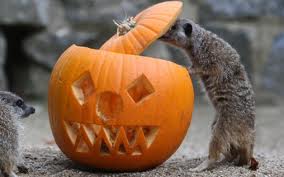
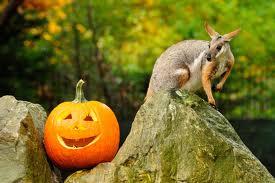
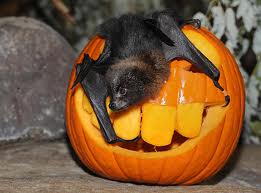
We’re celebrating Halloween with a fun set of pictures of animals with pumpkins! Often zoos and aquariums give animals in the fall pumpkins for enrichment! What’s enrichment you ask?

Enrichment is either food, habitat, or training. Enrichment provides animals with stimulation that they may not get in captivity. Here’s a great explanation of enrichment from the National Zoo in Washington DC.

Let’s check out these fun pictures  and videos and Happy Halloween!

Here’s a FUN VIDEO FROM DISNEY’S ANIMAL KINGDOM AND SAN DIEGO SAFARI PARK!
Categories: adventure, Animals, birds, Children, conservation, education, Environment, Halloween, mammals, nature, science, wildlife | Tags: , , , , , , , , , , | Leave a comment

HALLOWEEN WEEK- FRIGHTENING FEATHERY FRIDAY!

HALLOWEEN WEEK!

FRIGHTENING FEATHERY FRIDAY!
It is Frightening Feathery Friday and we’re going to Europe to meet one of the world’s largest owls! Get your night vision goggles and let’s go exploring! Whooooooo do you think we’re looking for?

MEET THE EURASIAN EAGLE OWL!

   Range/Habitat: Europe-Asia/ forests, deserts, mountains, grasslands

   Diet: Carnivore: hares, rats, birds

   Length/Weight: 22-30”/ 3.3- 9.3 lbs

   Conservation Status: common

Fun Facts:

  • Eurasian Eagle Owls are one of the world’s largest owls.
  • They have bright orange eyes.
  • Eurasian Eagle Owls are nocturnal (active at night).
  • Eurasian eagle owls have large ear tufts.
  • They have powerful talons and fully feathered legs.
  • They nest in cliffs and caves.
  • Eurasian eagle owls live up to 20 years.

WOW! These big owls are so awesome! Do you think it’s creepy when you hear an owl hoot at night or do you wish you could see these creatures of the night? Check out this video of one calling!  We always want to go find them!

Categories: adventure, Animals, birds, Children, conservation, education, Environment, nature, owls, science, wildlife | Tags: , , , , , , , , , | Leave a comment

FEATHERY FRIDAY # 49

FEATHERY FRIDAY #49

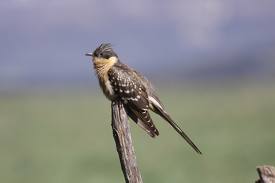
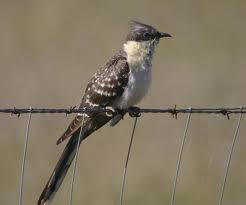
This Friday is full of feathers as usual and we’re going to meet our bird friend in Europe! These birds are very colorful. Let’s get our binoculars and practice our bird watching skills.


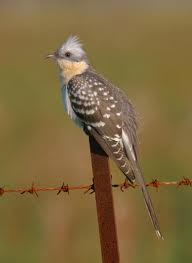
MEET THE GREATER SPOTTED CUCKOO!

   Range/Habitat: Europe-West Asia-Africa/ woodlands

   Diet: Insectivore: insects, caterpillars

   Length/Weight: 14-15 ½”

   Conservation Status: common


Fun Facts:

  • Greater spotted cuckoos are related to roadrunners.
  • They have a small crest of gray feathers on their head.
  • Greater spotted cuckoos will remove the venomous hairs off caterpillars before they eat them.
  • They lay their eggs in other bird’s nests, like crows, with the crow’s eggs.
  • The crows then raise the Greater Spotted Cuckoo’s chicks.

These interesting birds use a very unusual method of raising their offspring. Instead of raising themselves they have another bird do it for them! Wow! Pretty crazy!


Categories: adventure, Animals, birds, Children, conservation, education, Environment, nature, rivers, wildlife | Tags: , , , , , , , , , | Leave a comment

SUPER SURPRISE THURSDAY # 49

SUPER SURPRISE THURSDAY #49

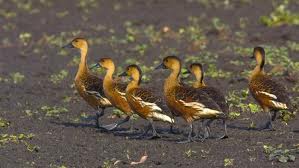
It’s off to the land down under today to find a gorgeous bird who lives near water.  Do you have your hiking shoes and a snack? All right, then let’s head out!

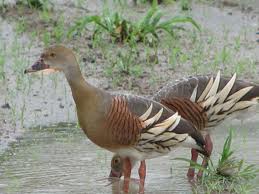
MEET THE PLUMED WHISTLING DUCK!

   Range/Habitat: Northeast Australia/ wetlands, lakes

   Diet: Herbivore: grasses

   Length/Weight: 16-23”/ 1-3 ¼ lb

   Conservation Status: common

Fun Facts:

  • Plumed Whistling Ducks have long legs and large webbed feet.
  • They mate for life.
  • Plumed Whistling Ducks mostly feed on grass on land.
  • They have upward pointed feathers on their sides.
  • Plumed Whistling Ducks have orange and black mottled beaks.
  • Both male and female plumed whistling ducks raise the chicks.

We really love these ducks fancy feathers! It makes them look so funny! Edmond would love to share a nice field of grass with these cute little fowl!

Categories: adventure, Animals, birds, Children, conservation, education, Environment, nature, science, wildlife | Tags: , , , , , , , , , | 2 Comments

FEATHERY FRIDAY # 48

FEATHERY FRIDAY #48

It’s Feathery Friday and we’re going to Africa to meet an inhabitant of the marshes! These colorful birds love wading through the mud to find a tasty meal. So let’s put on our waders and go meet…

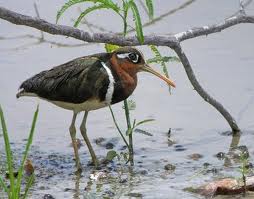
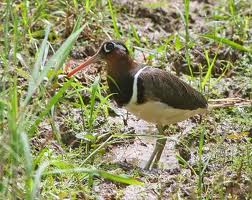
MEET THE GREATER PAINTED-SNIPE!

   Range/Habitat: Africa-Southeast Asia-Australia/ wetlands, marshes

   Diet: Omnivore: invertebrates, seeds, grasses

   Length/Weight: 9-11”/ 3 ¼-7 oz

   Conservation Status: common


Fun Facts:

  • Greater Painted-Snipes have white eye patches and colorful tan-cream feathers.
  • They use their long beaks to find prey in the mud.
  • Greater Painted-Snipes have long legs for wading.
  • They are not graceful or good fliers.
  • Greater Painted-Snipes are shy and are often hard to spot.
  • Male Greater Painted-Snipes incubate the eggs and raise the chicks.

These fun little birds are built to live in their marshy habitats. How cool is it that the dads do all the work raising the chicks? Way to go dads!


Categories: adventure, africa, Animals, birds, Children, conservation, education, Environment, nature, science, wetlands, wildlife | Tags: , , , , , , , , , | Leave a comment

FEATHERY FRIDAY # 47

FEATHERY FRIDAY #47

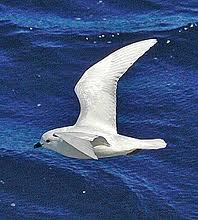
We’re putting on our heavy coats, scarves and snow shoes and going to the South Pole to meet today’s feathery friend.  We need to keep our distance because we don’t want to get hit with their stinky defense mechanism. Are you ready?

MEET THE SNOW PETREL!

   Range/Habitat: Antarctica/ oceans-coasts

   Diet: Carnivore: krill

   Length/Weight: 12-16”/ 9 oz

   Conservation Status: common


Fun Facts:

  • Snow Petrels have pure white feathers.
  • Snow petrels have black beaks and eyes.
  • They are one of the few birds that live and bread on the Antarctic continent.
  • They live in large colonies.
  • Snow petrels are territorial.
  • Snow petrels defend themselves & territory by spitting a foul smelling oil.

Snow petrels are pretty birds! They survive in a habitat that most animals wouldn’t even think about living in! But man those birds sure can stink up the joint!


Categories: Animals, birds, Children, conservation, education, Environment, nature, science, wildlife | Tags: , , , , , , , | 3 Comments

SUPER SURPRISE THURSDAY # 47

SUPER SURPRISE #47

We’re going bird watching in North Africa today! We’re on the lookout for a brightly colored bird with funny feathers around the beak! Grab your binoculars and let’s head on today’s adventure!

MEET THE BEARDED BARBET!

   Range/Habitat: North Africa/ woodlands

   Diet: Omnivore: fruit, figs, insects

   Length/Weight: 10”/ 2 ½-4 oz

   Conservation Status: common


Fun Facts:

  • Bearded Barbets are black and red.
  • They have bristly feathers around their beaks. These feathers give them their name.
  • Bearded barbets are related to toucans and woodpeckers.
  • Bearded barbets live in groups of 4-5 birds.
  • They are plump birds.
  • Bearded barbets use their bills to pound open holes in trees.

These gorgeous birds are funny looking with their feathery beards. Did you know that birds who eat fruit such as figs, help grow more fig trees? That’s right, when these birds poop, they redistribute the seeds and help another tree grow! Neat!


Categories: adventure, Animals, birds, Children, conservation, education, Environment, nature, science, wildlife | Tags: , , , , , , , , | 1 Comment

FEATHERY FRIDAY # 46

FEATHERY FRIDAY #46

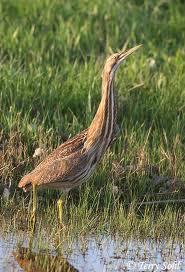
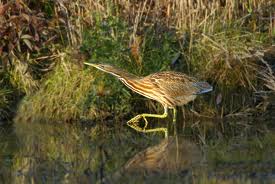
We’re staying in North America today to meet a bird who is a master at camouflage! They live near rivers and lakes, because that’s where their favorite prey lives. Grab your walking stick, best observation skills and binoculars and let’s go!

MEET THE AMERICAN BITTERN!

   Range/Habitat: North America-Central America/ wetlands, marshes, rivers

   Diet: Carnivore: fish, frogs

   Length/Weight: 23 ½-34”/ 18-32 oz

   Conservation Status: common


Fun Facts:

  • American Bitterns have mottled brown feathers that are perfect at helping them camouflage in their habitat.
  • They are members of the heron family.
  • American Bitterns use their dagger like bills to catch their prey.
  • They are solitary.
  • American Bitterns point their bills in the air and sway with the grass to avoid being detected by predators.
  • They have a loud booming call that sounds like a drum.

These small members of the heron family sure are neat! We love their funny call! Now all we need is a washboard and a banjo playing bird and we could have one awesome marsh bird band! Hahaha!


Categories: adventure, Animals, birds, Children, conservation, education, Environment, nature, science, wetlands, wildlife | Tags: , , , , , , , , | Leave a comment

FEATHERY FRIDAY # 45

FEATHERY FRIDAY #45

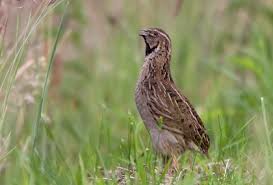
We’re going to Europe to meet a shy and often heard but not seen bird. We’re taking a nice stroll to see if we can find these feathery friends. Do you have your walking stick? Let’s head out!

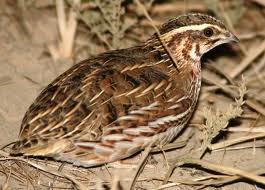
MEET THE COMMON QUAIL!

    Range/Habitat: Europe-Asia-Africa/ grasslands

    Diet: Omnivore: seeds, fruits, leaves, insects

   Length/Weight: 7”/ 2 ½-5 oz

   Conservation Status: common


Fun Facts:

  • Common quails are often heard but not seen.
  • They use calls to find their mates.
  • They are members of the pheasant family.
  • Common quails roost on the ground in groups.
  • They do migrate.
  • Common quails have a lifespan of about 11 years.

We could sit around and listen to these little quails all night! They are so cute and their feathers are perfect for camouflaging in with their habitat!


Categories: adventure, Animals, birds, Children, conservation, education, Environment, nature, science, wildlife | Tags: , , , , , , , , | 2 Comments

FEATHERY FRIDAY # 44

FEATHERY FRIDAY #44

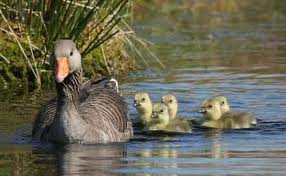
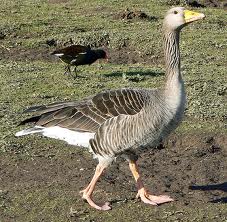
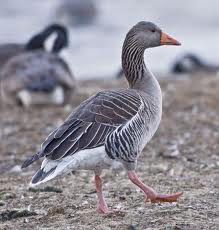
We’re off to the UK to meet the ancestor of all domestic geese! These gorgeous birds are large and in charge! So let’s out together to meet this fine feathery friend!

MEET THE GRAYLAG GOOSE!

   Range/Habitat: Europe-Asia/ wetlands, lakes

   Diet: Herbivore: grains, vegetation

   Length/Weight: 30-35”/ 6 ½-8 ¾ lbs

   Conservation Status: common


Fun Facts:

  • Graylag geese are the wild ancestor of domestic geese.
  • They get their name because they migrate late in the year or lag behind other birds.
  • Graylag geese are large birds; in fact they are the largest goose species in Europe.
  • They live in large flocks and are very social.
  • Graylag geese are very vocal. Check out their calls!
  • Graylag geese mate for life.
  • Male and females raise the chicks.

We just love geese and these Graylag geese are gorgeous with their gray and brown feathers. It is cool to meet the wild cousins of our domestic friends too! Can you make a goose sound? Honk! Honk!

Categories: adventure, Animals, birds, Children, conservation, education, Environment, nature, science, wildlife | Tags: , , , , , , , , | 1 Comment

Blog at WordPress.com.