conservation

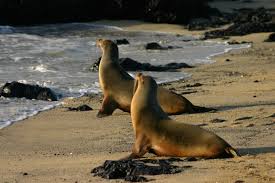
Island Sea Lions

Island Sea Islands

img_2581sea-lion2

ellie_edmund_professors-bear

Date: 10/17

Location: Galapagos Islands

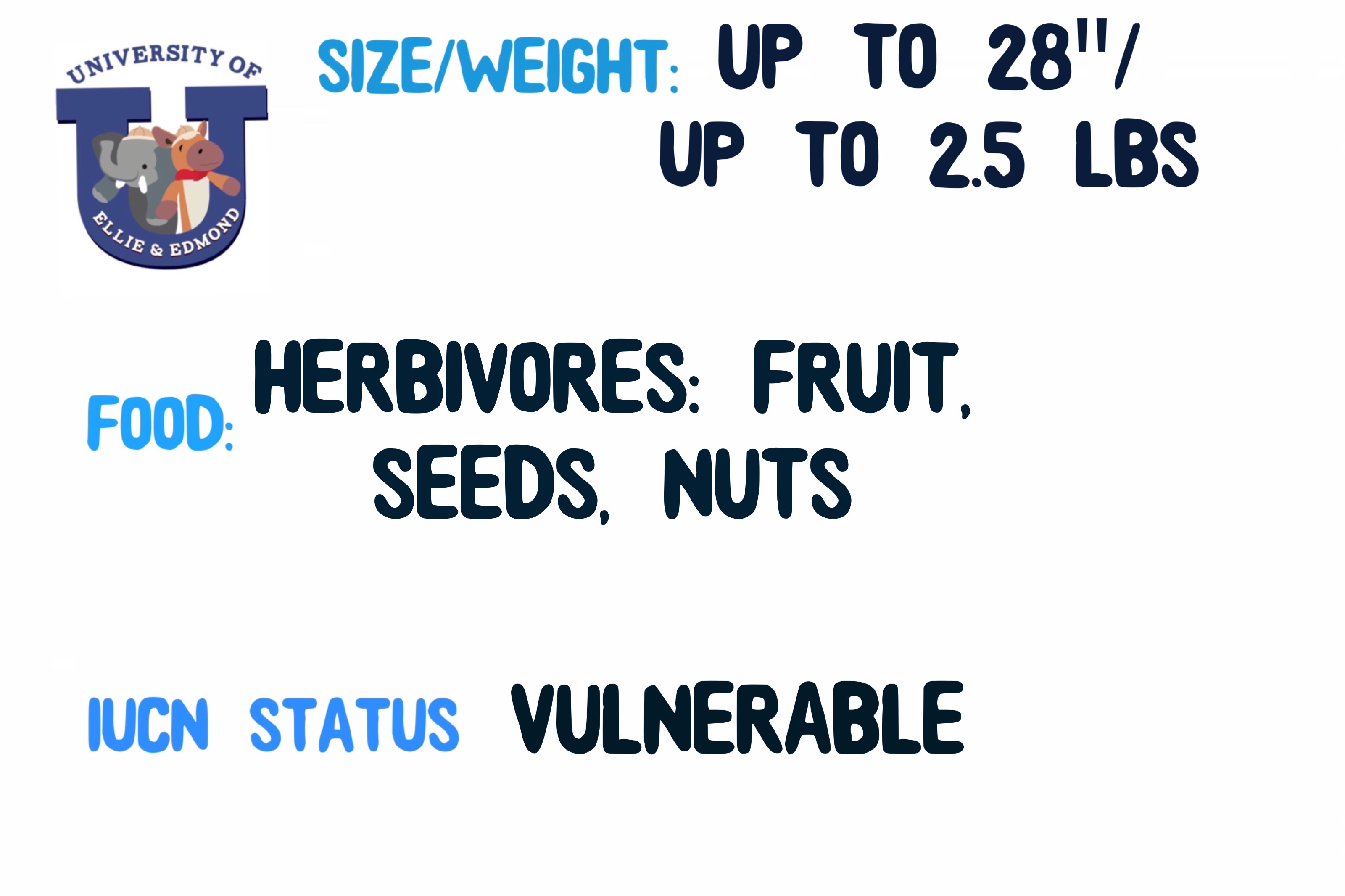
  • Galapagos sea lion are smaller than their California sea lion cousins.
  • Galapagos sea lions love sardines. They can suffer in years when the sardine population is low.

img_2585

  • Like other sea lions are also very vocal. They communicate with each other with barks and grunts.
  • Galapagos sea lions have long pointy snouts.
  • Males have large crests on their heads.
  • Dominate males have a territory that they share with a group of females.
  • Non-dominate males live in small bachelor groups.
sea-lion3sea-lion

We sat and watched the sea lions all afternoon today. They are very gregarious and loud, not to mention a bit smelly! Hehehe! The islands have very strict rules on watching these social pinnipeds- you must not get too close. That is a good rule for the wildlife and the people who love to watch them.

Categories: adventure, Animals, Children, conservation, education, Environment, mammals, nature, science, Today's Post, wildlife | Tags: , , , , , , , , , | Leave a comment

One Magnificent Frigate Bird!

One Magnificent Frigate Bird!

frigateimg_2535


ellie_edmund_professors-bfbooby


Date: 10/13

Location: Galapagos Islands

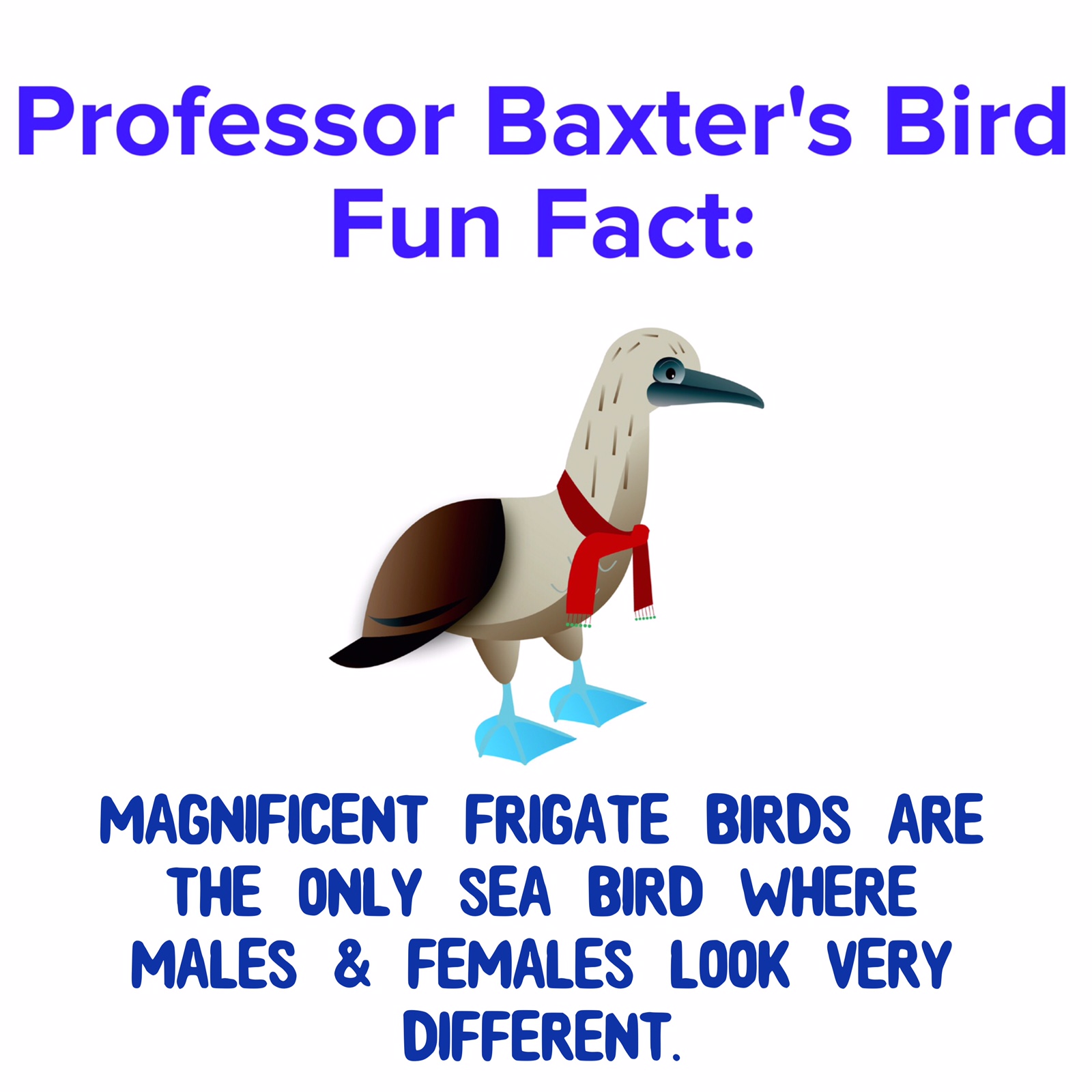
  • Magnificent frigate birds feed on flying fish that catch when the fish jump out of the water.
  • They spend most of their lives at sea.

img_2536

  • Male magnificent frigate birds have large red throat sacs. They use these to attract females during mating season.
  • Females are dark with white coloration. They are also large than the males.
  • They have long hooked bills.
  • You magnificent frigate birds stay with their mother for up to a year.
  • They are also known as the Man-O-War bird.

frigate3frigate2

We watched these birds soar from the boat and then as we were on land watching the Sally Lightfoot crabs. These amazing sea birds are so graceful in the air, diving down to catch their meals. Sea going birds are a favorite at the University- Professor Baxter might be a bit bias though :). Hehehehe!


Categories: adventure, Animals, birds, Children, conservation, education, Environment, nature, science, Today's Post, wildlife | Tags: , , , , , , , , , | Leave a comment

Meet Sally Lightfoot

Meet Sally Lightfoot!

sally-lightfoot2img_2533


ellie_edmund_professors-grasshopper


Date: 10/12

Location: Galapagos Islands

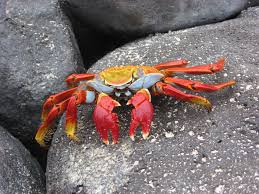
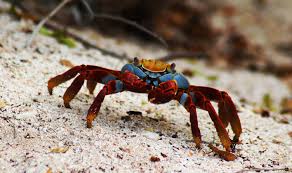
  • Sally lightfoot crabs vary in color.
  • They live on rock shores.

img_2534

  • Sally lightfoots are also known as the red rock crab.
  • Juvenile crabs are darker in coloration- brown or black. This helps them camouflage in with the volcanic rock of the islands.
  • They are fast and very agile.
  • Baby sally lightfoots hatch from eggs in the ocean, where they spend the first part of their lives growing and eating plankton.
  • Sally lightfoots can shed a leg when they are grabbed by a predator.

sally-lightfoot3sally-lightfoot


We had such a ball watching these gregarious crabs on the rocks. They jump and leap and so agile on a habitat that other animals do not do so well on. It is so cool to know each creature occupies their spot in the environment.

Categories: adventure, Animals, Children, conservation, education, Environment, nature, science, Today's Post, wildlife | Tags: , , , , , , , , | Leave a comment

Is That an Iguana in the Ocean?

Is That an Iguana in the Ocean?

iguanaimg_2531


ellie_edmund_professors-chameleon(1)


Date: 10/11

Location: Galapagos Islands

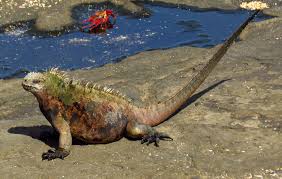
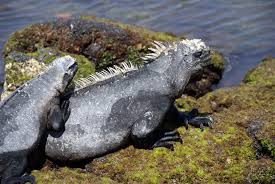
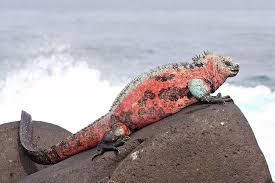
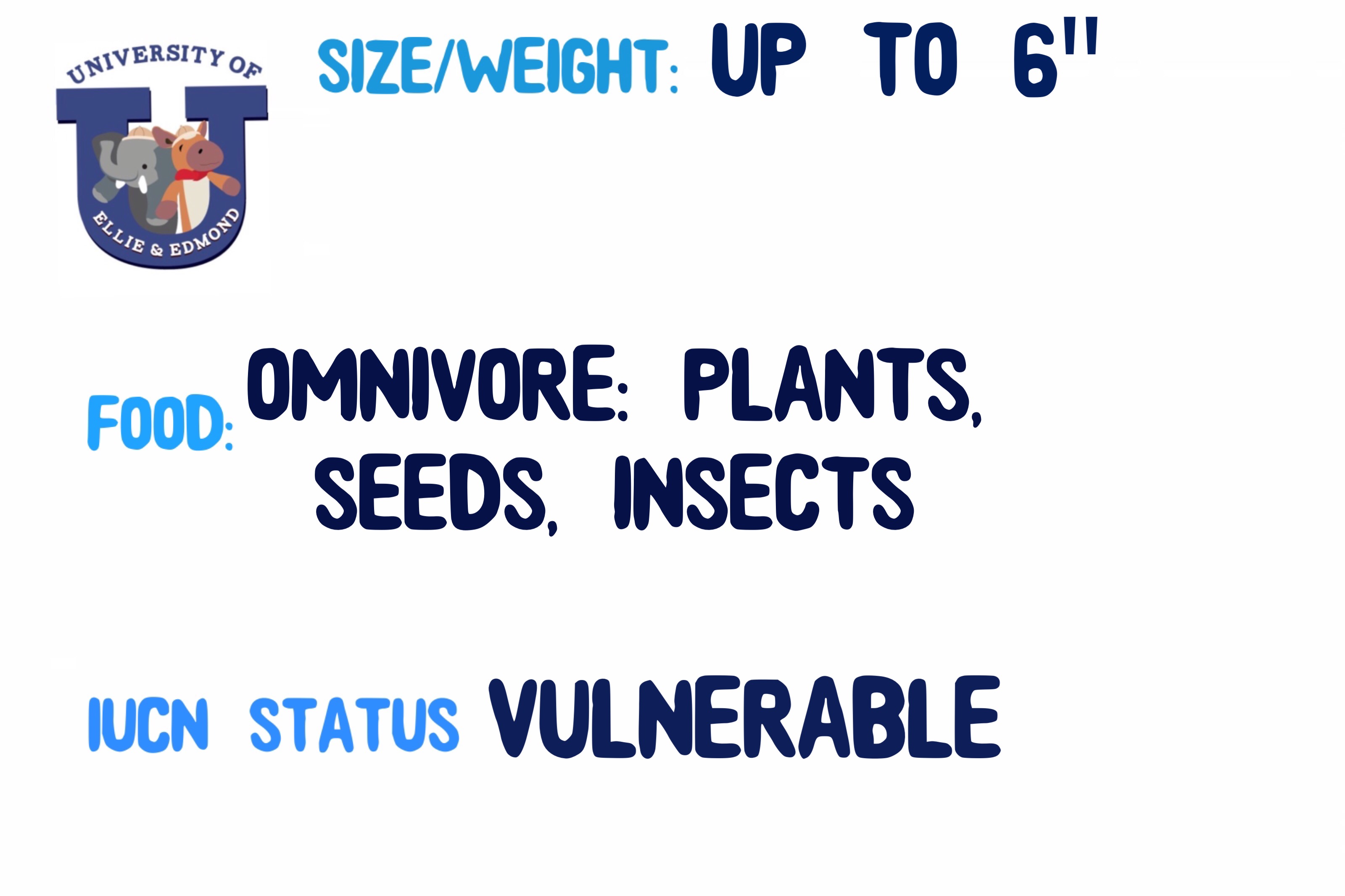
  • Marine Iguanas colors vary by the island they live on.
  • The iguanas on Espanola are nicknamed “Christmas Iguanas” because of their red coloration.
  • They have large flat tails to help them swim along the rocky coasts.
  • Only the largest iguanas swim often. They do not lose body heat as much.
  • Marine Iguanas have razor sharp teeth that they use to scrape off algae and eat seaweed.

img_2532

  • They sun themselves on lava rocks after being the cold ocean waters.
  • During years when food is in shortage, marine iguanas actually get smaller. They are the only known vertebrate to be able to shrink.
  • Marine iguanas can live up to 60 years.

iguana2iguana3


We woke up a little late after our evening excursion looking for the rice rats. Once we were up, we headed back on the island to meet it’s little dinosaur looking iguanas! Marine iguanas may not be the cutest, but they are spectacular! We love their knobby heads and spiky spines. Watching them sneeze, is so funny too!

Categories: adventure, Animals, Children, conservation, education, Environment, nature, reptiles, science, Today's Post, wildlife | Tags: , , , , , , , , , , | Leave a comment

Island Rats!

Island Rats

rice-ratimg_2529


ellie_edmund_professors-bear


Date: 10/10

Location: Galapagos Islands

  • Galapagos island rice rats were first described by Charles Darwin.
  • They are nocturnal.
  • Rice rats burrow under rocks or in the hollow of a cactus.

img_2530

  • They are the only native rat on the Galapagos Islands.
  • They now live only on one island, Santa Fe.
  • Rice rats have more babies during wet years.

We had to disembark the SS Ellie and Edmond at night to locate these tiny inhabitants. We always carry red flashlights as not to disturb the animals (many animals can not detect it). Our guide knew just where to look. We watched a few little rats chowing down on dinner and scurrying about! We’ll sleep in before heading off to meet tomorrow’s animal.

Categories: adventure, Animals, Children, conservation, education, Environment, mammals, nature, science, Today's Post, wildlife | Tags: , , , , , , , , , | Leave a comment

Professor Baxter’s Relatives

Professor Baxter’s Relatives

blue-footed3img_2398


ellie_edmund_professors-bfbooby


Date: 10/6

Location: Galapagos Island

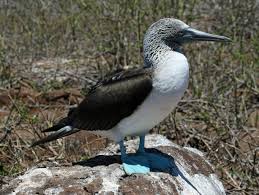
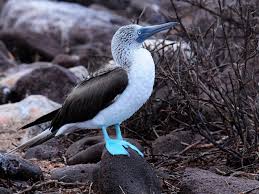
  • We blue footed boobies are excellent swimmers and divers. We can dive in to the ocean from as high as 80 feet in the air.
  • We fly over the ocean to find fish to eat. We often hunt in groups.
  • Our name booby comes from the Spanish word bobo meaning “fool or clown”. They were named that because they are so clumsy when walking on land.

blue-footed

  • We get the blue coloration in our feet from the pigments in the fish we eat!
  • We nest on land.
  • They use their bright blue webbed feet to keep their chicks warm.
  • Both parents take care of the chicks.

img_2399blue-footed2


We had a great time hanging out with Professor Baxter today. It was so fun meeting his relatives. They are quiet the funny lot. As clumsy as they are on land, watching them dive for fish is amazing! They have always been one of our favorite birds and now they are even more so!

Categories: adventure, Animals, birds, Children, conservation, education, Environment, nature, science, Today's Post, wildlife | Tags: , , , , , , , , , | Leave a comment

A Painted Bug?

A Painted Bug?

painted-locusts2img_2396


ellie_edmund_professors-grasshopper


Date: 10/5

Location: Galapagos Islands

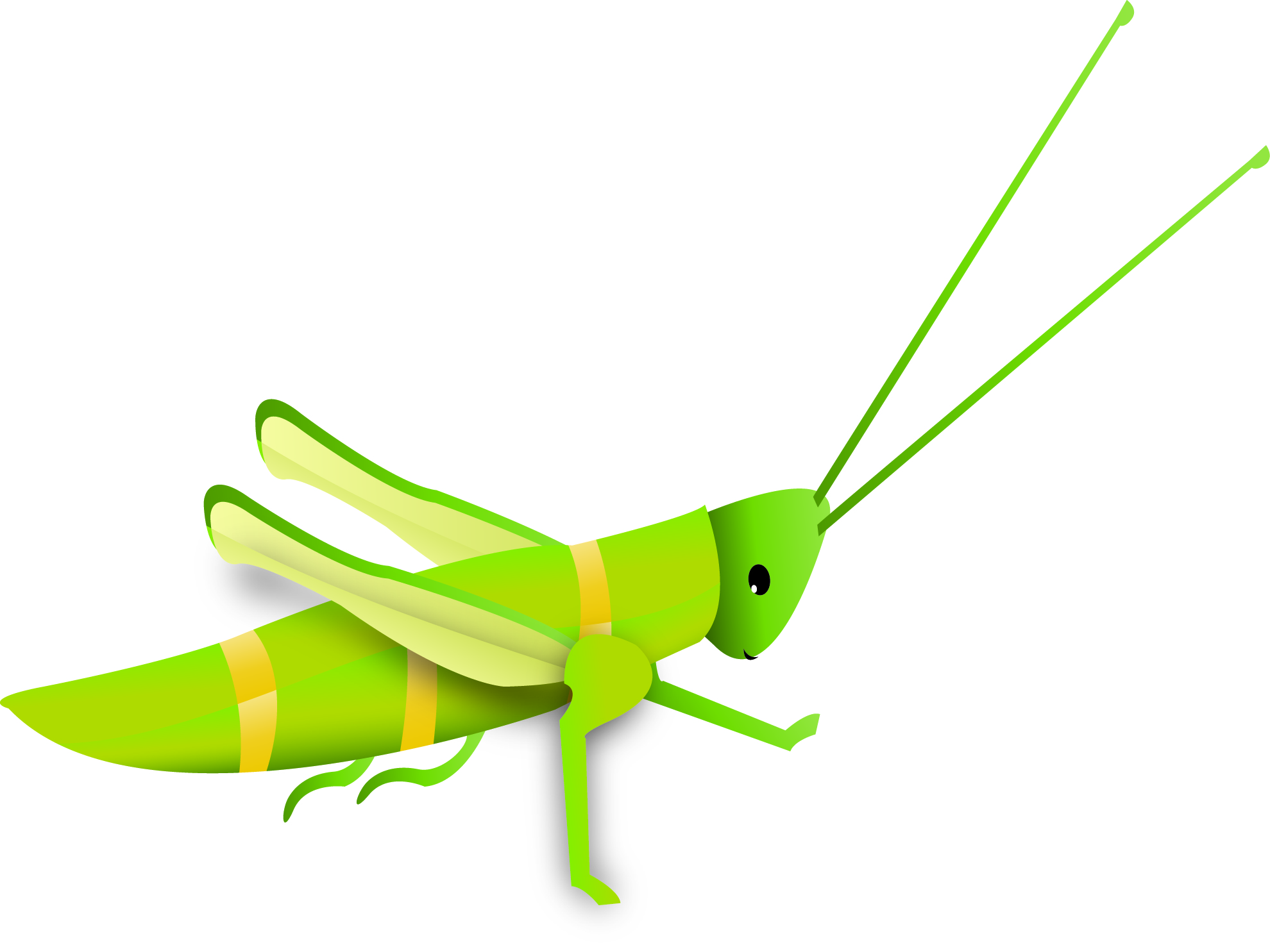
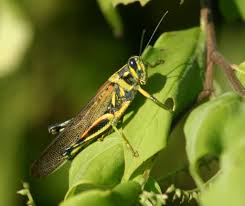
  • Large painted locusts can be found on all the islands except one.
  • They are easy to spot due to their bright coloration.
  • These locusts are a favorite of the lava lizard and the Galapagos Hawk.

img_2397

  • The locust are bright orange and lime green in coloration.
  • Like other locusts they can fly.
  • They can also jump as high as 9 feet! WOW!

painted-locusts

Many explorers forget to look at all the inhabitants of the place they visit. While many may find these insects gross, we think they are gorgeous. They habitats of the Galapagos are fairly drab, even most of the animals here are too. They all match their surroundings. It was neat to find these bright bugs in the brush! And without them, several predators wouldn’t have any dinner.

Categories: adventure, Animals, Children, conservation, education, Environment, insects, nature, science, Today's Post, wildlife | Tags: , , , , , , , , | Leave a comment

That is One Big Tortoise

That is One Big Tortoise

gal-tortoiseimg_2393


ellie_edmund_professors-chameleon(1)


Date: 10/3

Location:  Galapagos Islands

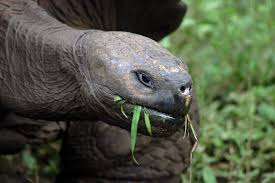
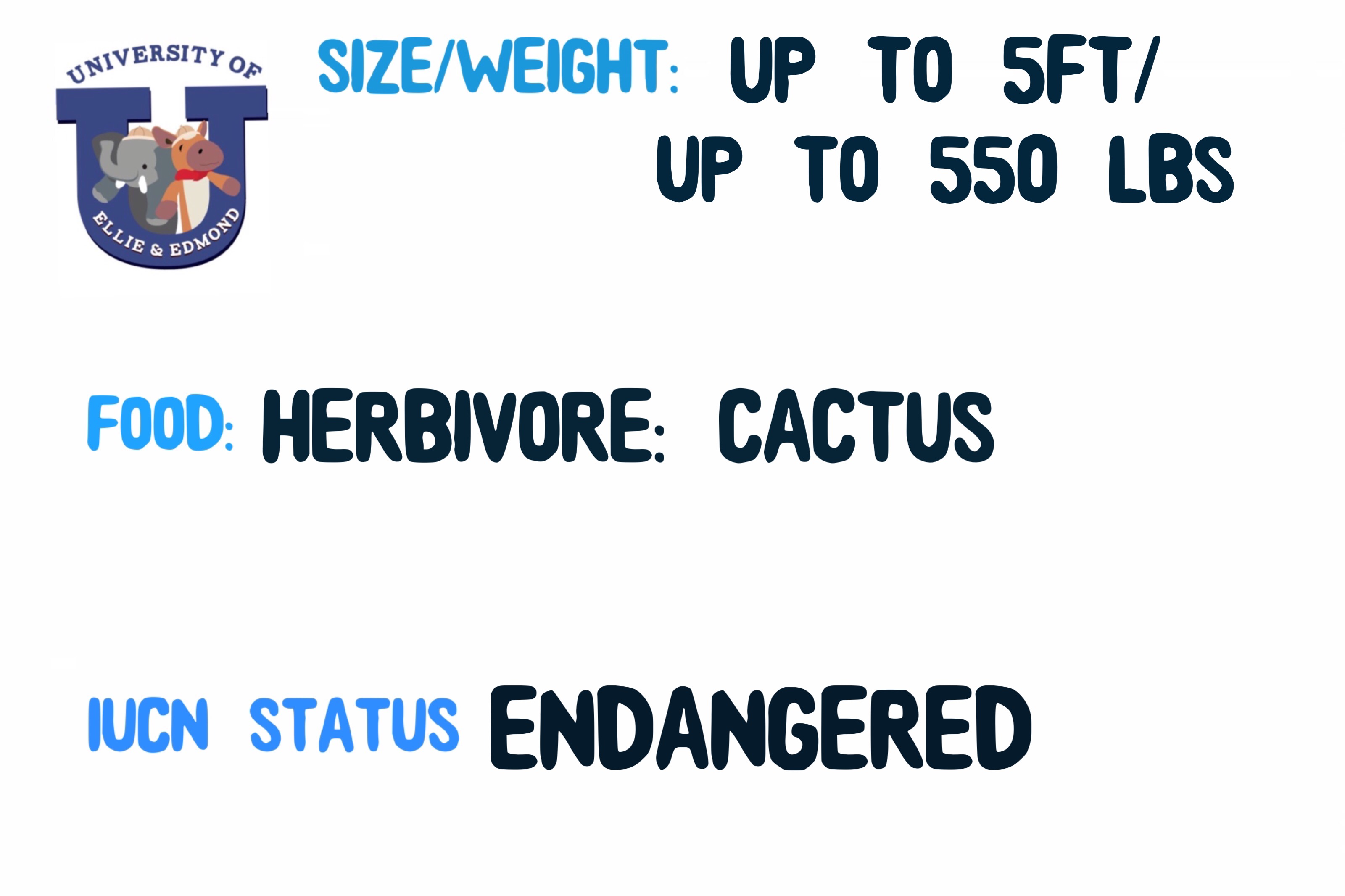
  • Galapagos tortoises are the largest tortoise species on earth.

img_2394

  • These large reptiles can spend up to 16 hours a day sleeping.
  • They can also go up to a year without food or water, due to slow metabolisms.
  • The Galapagos Islands were actually  named after these gentle giants. Galapago is Spanish for tortoise!
  • There are 11 subspecies of Galapagos tortoise. They can be found on the different islands.
  • Galapagos finches are known to “clean” the tortoises by eating parasites off their skin. This mutual symbiotic relationship benefits the birds and the tortoise.

img_2395gal-tortoise3

We found a guide to help us through our tour of these special islands. Most of the Galapagos are now protected and people and horse & elephant adventurers can not just go exploring around on their own. These magnificent animals, were once hunted to near extinction with only 3,000 of them left. Conservationists have worked with captive breeding programs to bring those numbers up to around 19,000. Thank goodness we have such great people to protect these old reptiles!

We can not wait to go on to our next island to see an insect! We’ll need to get Edmond some sea sickness medicine first!

Categories: adventure, Animals, Children, conservation, education, endangered species, Environment, nature, reptiles, science, Today's Post, wildlife | Tags: , , , , , , , , , , | Leave a comment

Galapagos- Here We Come!

Galapagos- Here We Come!

img_2448

Wow! We enjoyed our trip to the Amazon rainforest. Everyone was so accommodating and amazing. We saw so many amazing animals too. We could spend a whole year there and not even begin to meet all of the creatures that call that habitat home. Sadly, it was time for us to move on and head to the Galapagos Islands where we will be spending the  month of October.

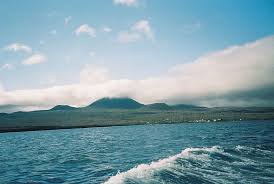
The Galapagos Islands are located on the equator just west of Ecuador in South America. These iconic islands became famous after the famous Charles Darwin stopped there in the 1830’s. He used his studies of the island’s animals to form his theory of evolution through natural selection.

galapagos

The islands were formed by volcanoes millions of years ago. There are 19 islands in total. The habitats on the on the islands include beaches, rocky shores, volcanic mountains and lush forests. Around 25,000 people call the islands their home. The Galapagos islands are also a World Heritage Site. This title helps protect these amazing habitats from development. We will be taking the SS Ellie and Edmond boat all around the islands with the other professors in tow. As we island hop we’ll be meeting some of the islands most famous critters! We are ready to get this adventure started!

e-e-boat


Categories: adventure, Animals, Children, conservation, education, Environment, nature, science, Today's Post, wildlife | Tags: , , , , , , , , | Leave a comment

Military Style!

Military Style!

military-macawimg_2323


ellie_edmund_professors-bfbooby


Date:9/29

Location: Amazon rainforest

  • Military macaws get their name from their green plumage, which reminded someone of green military uniforms.
  • They are not fully green though; they have blue flight feathers and a red bar around the face and a red lined tail.
  • Military macaws live in large flocks.
  • Like other macaws they are very vocal.
  • Those large beaks are perfect for breaking open even the hardest nut.

img_2324

  • Military macaws live in higher elevations than most macaws.
  • They nest at the tops of trees or on cliffs.
  • Military macaws can live up to 65 years in the wild.

We had another high climb today. Whew! We are tired and ready to head back to the University for a few days! Watching the military macaws fly in their large flocks was worth the sore fluff- hehehe! These magnificent birds belong in the wild though. We know macaws are popular pets, but they are high maintenance and often are loud, stressed and can outlive their owners! 


Categories: adventure, Animals, birds, Children, conservation, education, Environment, mammals, nature, science, Today's Post, wildlife | Tags: , , , , , , , , , , | Leave a comment

Blog at WordPress.com.