conservation

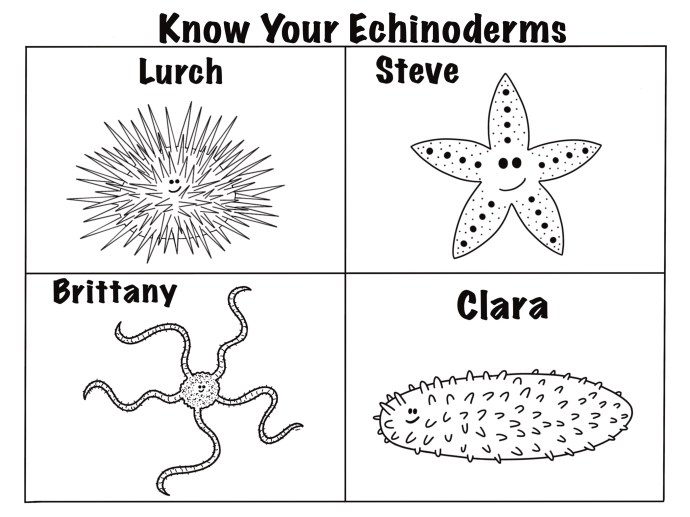
Know Your Echinoderms

CB62F432-51CF-4AF6-971D-028E41135961

Echinoderm Fun Facts: 

  • Echinoderms include sea stars, brittle and basket stars, sea urchins and sand dollars and sea cucumbers. 
  • They have been around for around 500 million years.
  • Their name comes from Greek and means urchin and skin. They all have spines- some larger and sharper than others.
  • Most Echinoderms have radial symmetry- body parts are arranged around a central point. 
  • Echinoderms do not have blood- they use water to circulate throughout their body. Water also helps them move their tube feet which they use for locomotion. 
  • Some Echinoderms can regenerate their body parts. Sea stars are known for regrowing arms. 

We’ll meet some neat Echinoderms this summer at camp? Do you have a favorite? We love sea stars and sand dollars in particular. 
Categories: adventure, Animals, camp, Children, conservation, education, Environment, nature, oceans, science, sea stars, Today's Post, wildlife | Tags: , , , , , , , , , , , , , | Leave a comment

Meet a Hog?

Meet a Hog?

We’re back on the Camp E&E boat today to meet some other fish! We may even done our snorkeling gear tomorrow! Today we’re saying hello to a species that is named after another farm animal- but this time they are named after a hog!


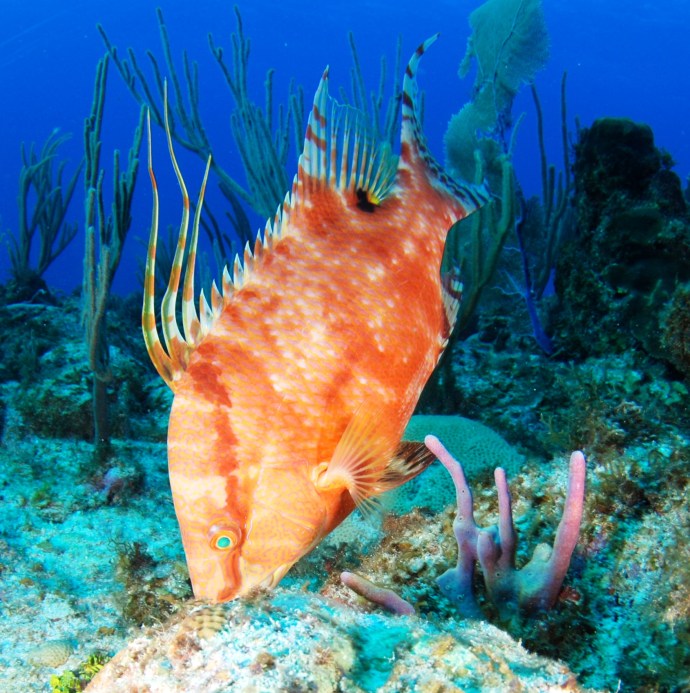
Meet the Hogfish

60F7ADB7-3CC5-405D-AA1C-AB33112E4B9F

FUN FACTS:

  • Hogfish have long snouts that they use to root around the ocean floor looking for prey.
  • They often make a grunting noise when looking for food too. This is where they get their famous name- the hogfish.
  • These carnivores are big fans of crustaceans.
  • Hogfish are Sequential hermaphrodites. That means they change their sex during their lifetime. All hogfish start off as female and change to male as they mature.
  • Males have a large black spot on their behind their pectoral fin and are a bright orange or red. Females are grey or brown.
  • They are members of the wrasse family, but are closely related to parrotfish.
  • These popular recreational fish are listed as Vulnerable by the IUCN. The number of individuals that are fished is controlled to avoid overfishing.


Categories: adventure, Animals, camp, Children, conservation, education, endangered species, Environment, nature, oceans, science, Today's Post, wildlife | Tags: , , , , , , , , , , , | Leave a comment

Hello Sea Snail

Hello Sea Snails

After our boat ride – we met a little creature buried in the sand right at the waves line of the beach. It’s amazing what you’ll find when you are looking.  These snails have great shells and again have cow in their name! Do we see a theme here at camp so far? Hehehehe!

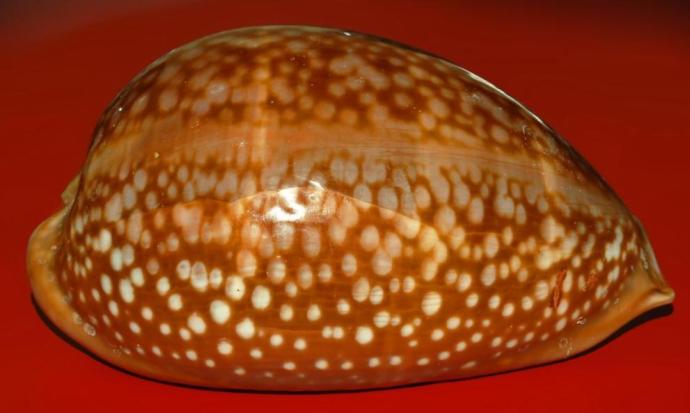
Meet the Atlantic Deer Cowrie

42B43BE8-F9B8-4CE3-90A1-15417FD0363B

FUN FACTS:

  • These cowries are one of the largest species of cowries and grow up to 7 1/2 inches.
  • These herbivores eat algae.
  • Cowries constantly clean their shells keeping them shiny.
  • Keeping their shells so shiny and smooth keeps barnacles and sponges from attaching.
  • Cowries are marine gastropods, or snails.
  • They have no operculum- a trap door or covering.
  • They have few predators, but some octopus can drill through the shell!


We love looking for shells on the shore. The rule is campers may take shells that have no animals in them. We’ll be learning more about shells at camp later! What’s your favorite shell to find on the beach?


Categories: adventure, Animals, camp, Children, conservation, education, Environment, nature, oceans, science, Today's Post, wildlife | Tags: , , , , , , , , , , | Leave a comment

Moo?

Moo?

CEAA81EE-5045-4ACD-BC43-D3E97958443B

Hello campers! We’re heading out on a boat ride today to meet one of animals that calls the ocean just offshore from camp home.  Any guess on the elasmobranch we’re going to meet from our title clue? Could cow be in the name?


Meet the Cownose Ray

96DCEC01-8CF8-4919-93F7-E82028952893

Fun Facts: 

  • These adorable rays are named after that blunt square- cow shaped nose.
  • They are typically found near the surface of the ocean.
  • Cownose rays give birth to a live pup once a year.
  • These carnivores feed on oysters, clams and other mollusks. They have crushing plates – not teeth- to crush open shells and get to the soft bodies of their prey.
  • They do have mildly venomous barbs, but only use those when threatened. When rays are known to be in local waters, its a good idea to shuffle your feet when walking in the ocean as to not step on one accidentally.
  • These little sea flapper (hehehe) flap their fins to swim. They belong to their own group of rays.
  • These cartilaginous (skeletons made of cartilage) fish, are known for their migrations from the Gulf of Mexico to the Chesapeake Bay. They can be seen in schools with up to 10,000 individuals.

These amazing animals are one of our favorites. They are often spotted in aquariums too. Like other rays they have spiracles that pass water over their gills when they rest on the bottom of the ocean.


Categories: adventure, Animals, camp, Children, conservation, education, Environment, fish, nature, oceans, science, Today's Post, wildlife | Tags: , , , , , , , , , , , | Leave a comment

Camp E&E Info

Camp E&E Info

FBCED0AA-3CAE-4A43-84F8-04E6CEBFB9CD

Hello! We are so excited to have everyone join us this summer! We’re going to spend most of our time at Camp E&E by the sea this summer! First we want to go over some rules for all campers:

  • Be courteous & kind to all your fellow campers and animals.
  • Bring your reusable water and coffee mugs with you.
  • Leave all habitats the way you found them. Pick up all trash.
  • When packing for picnics, bring your reusable napkins, utensils and sandwich bags.
  • When visiting the beach at night, no pictures or lights are allowed. You must only use a red flashlight to not distract nesting sea turtles.
  • Campers may collect shells as long as they are empty.
  • Please do not feed wild animals.
  • Enjoy all activities and have fun!


We are so excited to meet our animal friends next week along with sharing stories, making s’mores by the campfire and making new friends! What are you most excited about?


Categories: adventure, Animals, camp, Children, conservation, education, Environment, mammals, nature, oceans, science, wildlife | Tags: , , , , , , , , , , , , , | 1 Comment

CAMP E&E IS BACK


CAMP E&E


0F9AAAB1-0DDC-42AE-A672-81CE65A4487A

Hello and welcome to Camp E&E this summer! We are so excited to head to the beach for our first part of camp! We’ll meet so many cool animals, talk about ways to keep the beach clean and tell great tales! We have missed all of our readers and friends- so we are especially excited for this years camp! 

EB036A95-947A-4459-B2E1-C80ABCDF39C1


So campers- it’s time to pack your bags and get your cabin assignment. Camp E&E is kicking off summer!

Packing list:
Sheets
Flashlight
Bug spray
Hiking shoes
Water shoes
Swimsuits or trunks
Mud SPF 50 sunscreen
Your favorite stuffed animal to sleep with
Sleeping bag
Refillable water bottles
Swim goggles
Binoculars
Nature journal


Categories: adventure, Animals, camp, Children, conservation, education, Environment, mammals, nature, oceans, science, Today's Post, wildlife | Tags: , , , , , , , , , , | 1 Comment

Penguins!

Penguins!

We are meeting an adorable species of flightless bird today, the chinstrap penguin! Everybody practice their waddle!


5436BF07-8A23-492E-B08D-99E4ACAF4C061D85E286-D2C8-42AA-9605-50B23E7382D67EC2F113-059F-4EF8-8516-AD7C61BCD150090F07A7-FEE4-4F65-920F-2C042D4F3E77

Categories: adventure, Animals, birds, Children, conservation, education, endangered species, Environment, nature, science, Today's Post, wildlife | Tags: , , , , , , , , , , | 1 Comment

Ox

Ox

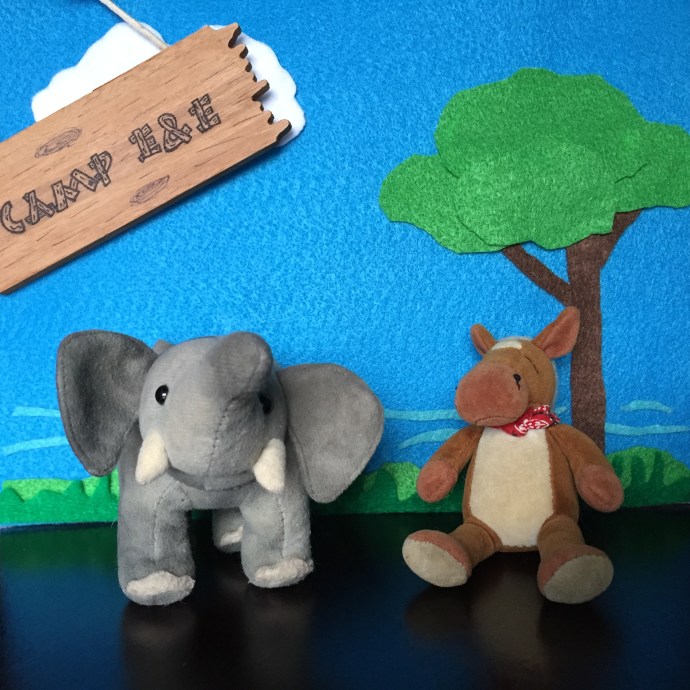
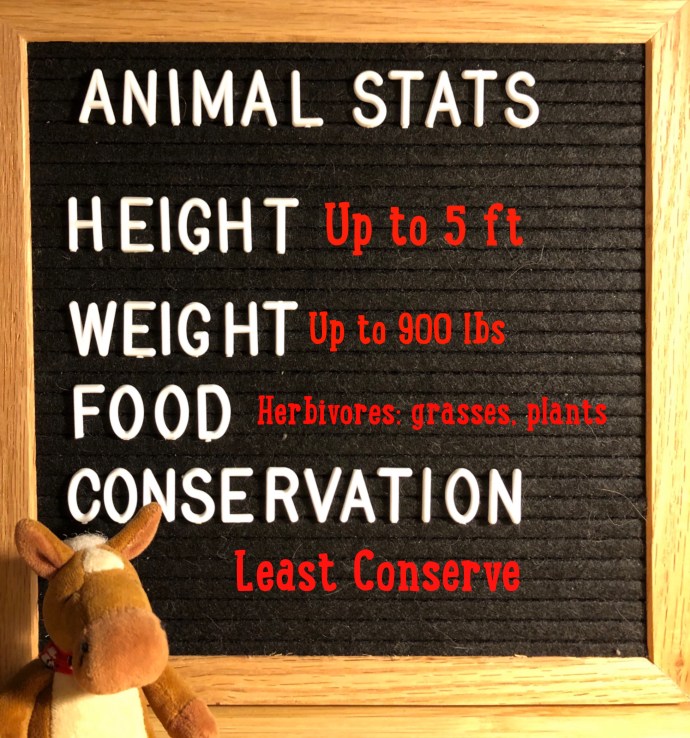
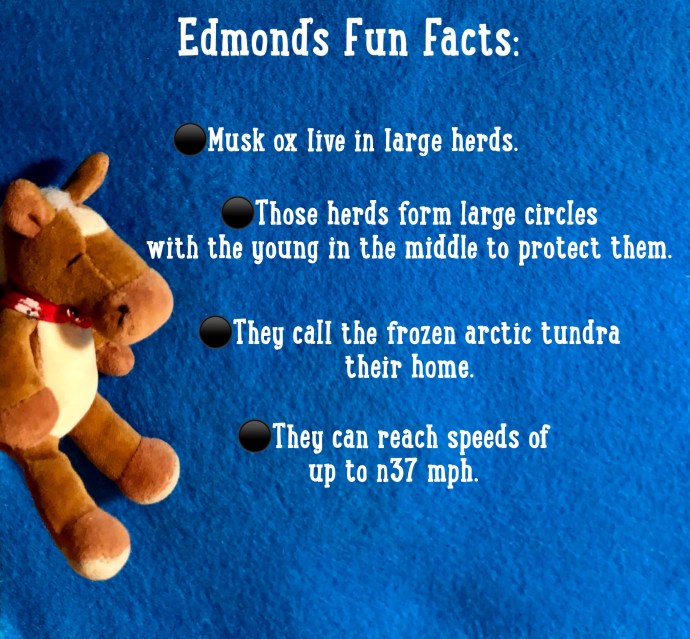
We are meeting an animal that spends most of their life in the cold- the musk ox. These large mammal are so cool with their thick coats and horns! Let’s learn more about them.


80D57D9B-3F90-4BF6-8110-95EE907059E528AA21F2-C75F-47B2-A83F-6E97FB1A19190F8B9DA1-F40E-4B1E-A1EB-21B51C0526E1181D2CB1-82AF-4F4D-B68B-912AAFD341C2

Categories: adventure, Animals, Children, conservation, education, Environment, nature, science, Today's Post, wildlife | Tags: , , , , , , , , , , | 1 Comment

Frozen Frogs

Frozen Frogs

Today we are meeting first animal that has some crazy wild winter adaptations! Come meet the wood frog!


1EC930E2-26B8-4BC4-9FAC-C99CEF44BD7DE82B551B-CA51-4679-A6C6-50EAE984D3C4DD844651-E421-456C-A25B-6D83C5F086FB

Categories: adventure, amphibians, Animals, Children, conservation, education, endangered species, entertainment, Environment, nature, science, Today's Post, wildlife | Tags: , , , , , , , , | 1 Comment

Wonderful Winter Adaptations

Wonderful Winter Adaptations

We are spending this month meeting animals have some of the coolest winter adaptations around. People often wonder what animals do to survive extreme cold. Some animals hibernate and some just reduce their activities. Some animals are built to live in the cold all year round. There are some animals that even “freeze” themselves.

Get your best winter gear on and grab a cup of hot cocoa- with extra marshmallows- and get ready to learn about winter animals with us starting tomorrow! We’re meeting an amphibian first!

AAF59002-B237-41F0-92C8-B1BF7D957C58

Categories: adventure, Animals, Children, conservation, education, endangered species, Environment, nature, science, Today's Post, wildlife | Tags: , , , , , , , , | 1 Comment

Blog at WordPress.com.