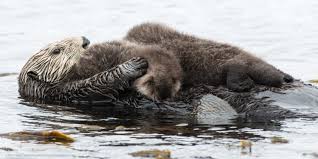
endangered species

Pinkies!

Pinkies!

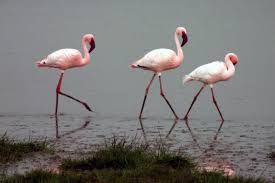
We’re back- after having an internet issue out here in the Serengeti, we got our signal back. We headed off to meet some bright pink birds! Flamingos are always one of our favorites!

img_2150

flamingo2

Date: 2/9

Location: Serengeti

Lesser Flamingo Fun Facts:

  • Lesser flamingos have black edges on their wings.
  • They have deep red bills and crimson legs.
  • Flamingos have no sense of smell.

img_2151

  • Lesser flamingos are famous for their group mating dances. These can include a few bird or up to several hundred.
  • Male and females incubate the egg.
  • Lesser flamingos travel around lakes to find food.
flamingo

We had fun watching these fabulous flamingos dance around and eat. We love long legged birds and flamingos fit the bill. Hehehe!


Categories: adventure, Animals, birds, Children, conservation, education, endangered species, Environment, nature, science, Today's Post, wildlife | Tags: , , , , , , , , , | 1 Comment

Dogs in Africa

Dogs in Africa

We spent our day watching a pack of wild dogs. These amazing canines are so fascinating. Let’s learn more about them!


wild-dog4


img_2094


Date: 2/7

Location: Serengeti

African Wild Dog Fun Facts:

  • African wild dogs’ name in Latin means painted wolf.
  • They are highly social. They live in a pack with a dominate breeding pair.
  • African wild dogs hunt in packs.
  • They can reach speeds of up to 35 mph. They generally can not outrun a prey animals, but instead can wear it out.

img_2095

  • Females are the ones who leave the pack when they are mature adults.
  • The entire pack eats together with no show of aggression to each other.
  • The pack also helps raise the pups.

wild-dog3

wild-dog


These gorgeous canines need a large territory. Unfortunately as their habitat disappears, so do the dogs. Many zoos in the US are working with partners in Africa to make sure these dogs are around for future generations.

Categories: adventure, Animals, Children, conservation, education, endangered species, Environment, mammals, nature, science, Today's Post, wildlife | Tags: , , , , , , , , , | 1 Comment

We’re Having a Whale of a Time

We’re Having a Whale of a Time

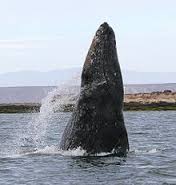
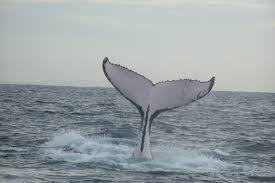
We’re entering our last week here at the Kelp Forest. We sure have had a blast. Today we boarded the SS Ellie and and Edmond and went whale watching. We have met humpbacks off the coast of California, but we have never spotted the gray whale. So we headed out to find these giants of the deep.

img_1668

grey-whale3


Date: 1/23

Location: Off the California coast

Gray Whale Fun Facts:

  • Gray whales are baleen whales. They have plates of fine hair to filter out the tiny food they eat.
  • Their baleen is a cream color, unlike other baleen whales with black colored baleen.
  • Most gray whale lay on their right side to scoop sediment from the ocean floor.
  • Gray whales have two v-shaped blowholes on top of their head.
  • Gray whales have no dorsal fin, instead sport a bumpy dorsal ridge.

img_1672

  • They are often covered in barnacles.
  • The Northern pacific population of grey whales is the largest population in the world.

grey-whale2

grey-whale


We had such a fabulous time watching for these migrating giants. We love whales. Gray whales were almost hunted to extinction, but with protections put in place their populations grew and the Pacific populations are now stable.

Categories: adventure, Animals, Children, conservation, education, endangered species, nature, oceans, science, Today's Post, wildlife | Tags: , , , , , , , | 1 Comment

Howdy Otter!

Howdy Otter!

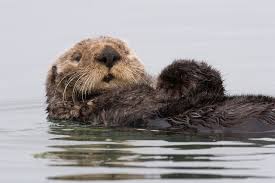
We spent our day on a boat going around the bay. We spotted several otters swimming, eating and snoozing! What a treat!

otter3

img_1312


  • Sea Otters are members of the weasel family.
  • Sea Otters live in the Pacific ocean along the North American shore and the Northern Asian shore.
  • Sea Otters spend most of their time in water. They will occasionally come ashore to rest.
  • Sea Otters’ fur is water repellent and very thick.

img_1372


  • Sea Otters role in order to trap air bubbles in their fur. The air bubbles help keep them warm.
  • Sea Otters are often found floating on the surface of kelp forests. They will even wrap the kelp around themselves to keep anchored while sleeping
  • Sea Otters groom themselves constantly. This helps keep their fur clean and waterproof.
  • Sea Otters use rocks to break some of their prey, including crabs and sea urchins.


otter2

otter


Sea Otters help keep the balance in a kelp forest. One of their favorite prey, sea urchins eat kelp; and without the otters to keep the urchin population in check, the kelp would be gone. We had such a great time watching these furry critters. It never gets old seeing otters in the wild!


Categories: adventure, Animals, Children, conservation, education, endangered species, mammals, oceans, science, Today's Post, wildlife | Tags: , , , , , , | 1 Comment

That is One Big Tortoise

That is One Big Tortoise

gal-tortoiseimg_2393


ellie_edmund_professors-chameleon(1)


Date: 10/3

Location:  Galapagos Islands

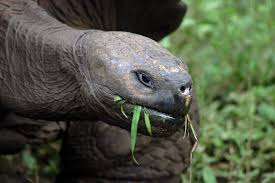
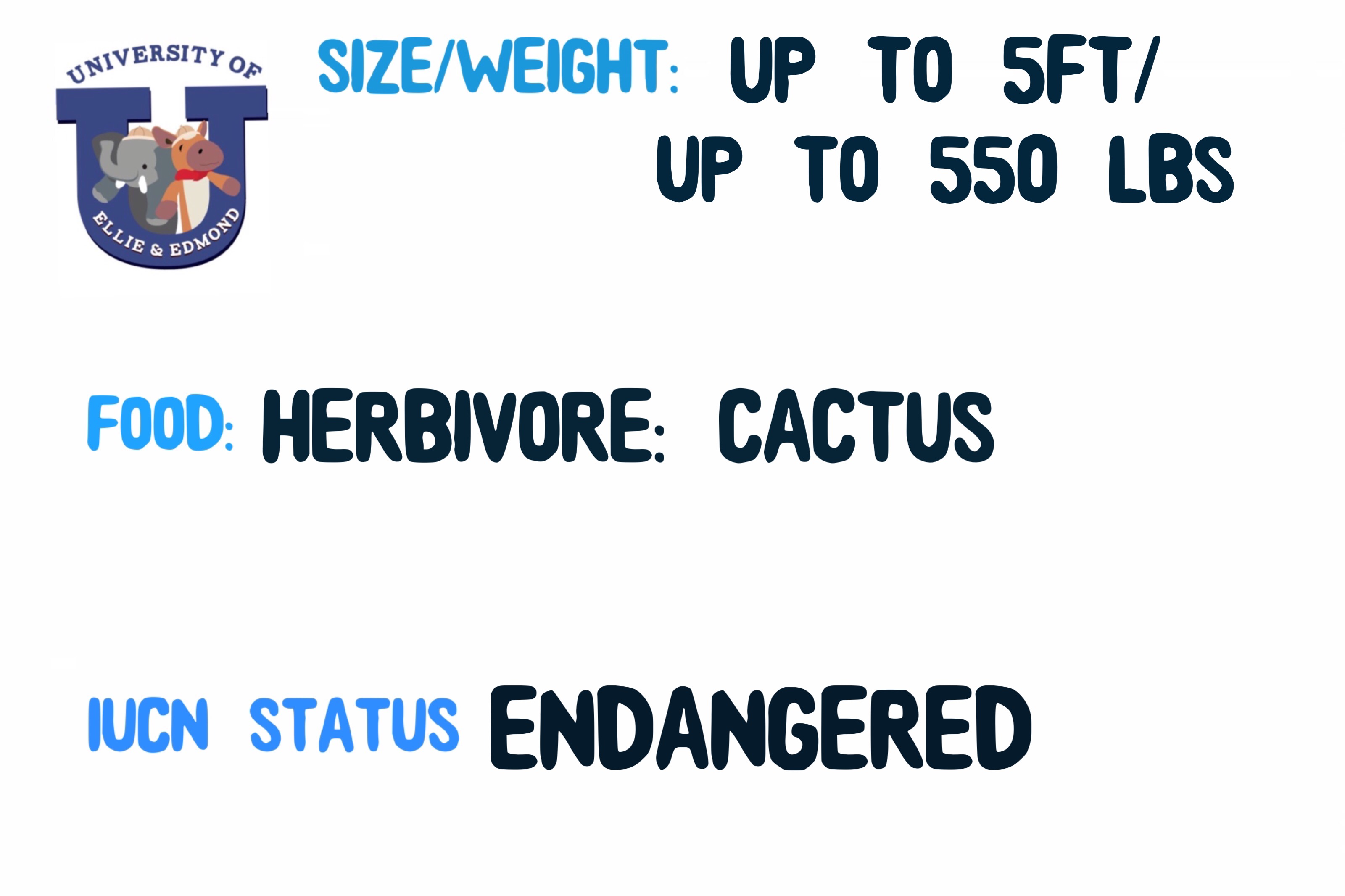
  • Galapagos tortoises are the largest tortoise species on earth.

img_2394

  • These large reptiles can spend up to 16 hours a day sleeping.
  • They can also go up to a year without food or water, due to slow metabolisms.
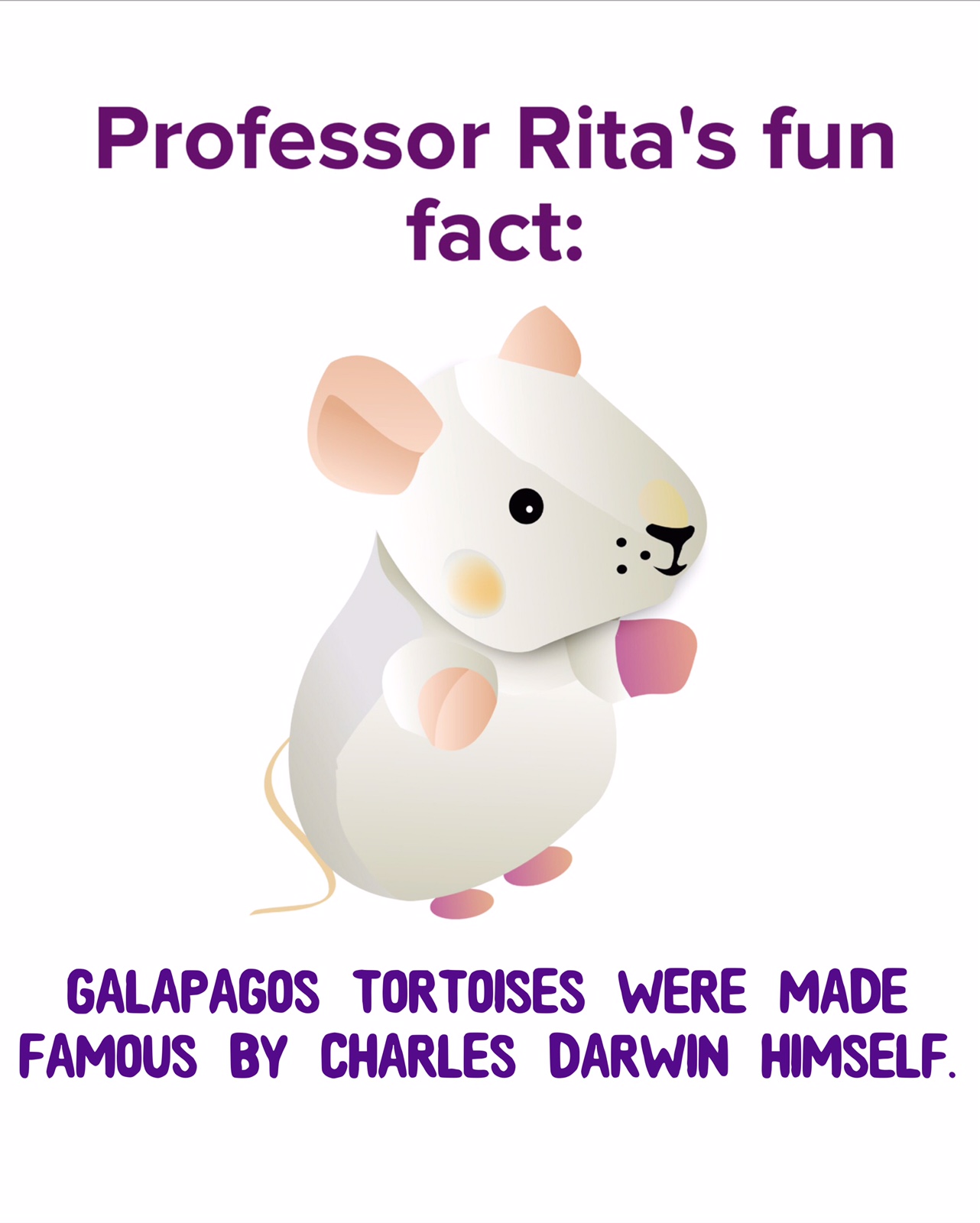
  • The Galapagos Islands were actually  named after these gentle giants. Galapago is Spanish for tortoise!
  • There are 11 subspecies of Galapagos tortoise. They can be found on the different islands.
  • Galapagos finches are known to “clean” the tortoises by eating parasites off their skin. This mutual symbiotic relationship benefits the birds and the tortoise.

img_2395gal-tortoise3

We found a guide to help us through our tour of these special islands. Most of the Galapagos are now protected and people and horse & elephant adventurers can not just go exploring around on their own. These magnificent animals, were once hunted to near extinction with only 3,000 of them left. Conservationists have worked with captive breeding programs to bring those numbers up to around 19,000. Thank goodness we have such great people to protect these old reptiles!
We can not wait to go on to our next island to see an insect! We’ll need to get Edmond some sea sickness medicine first!

Categories: adventure, Animals, Children, conservation, education, endangered species, Environment, nature, reptiles, science, Today's Post, wildlife | Tags: , , , , , , , , , , | Leave a comment

WORLD ELEPHANT DAY!

WORLD ELEPHANT DAY!

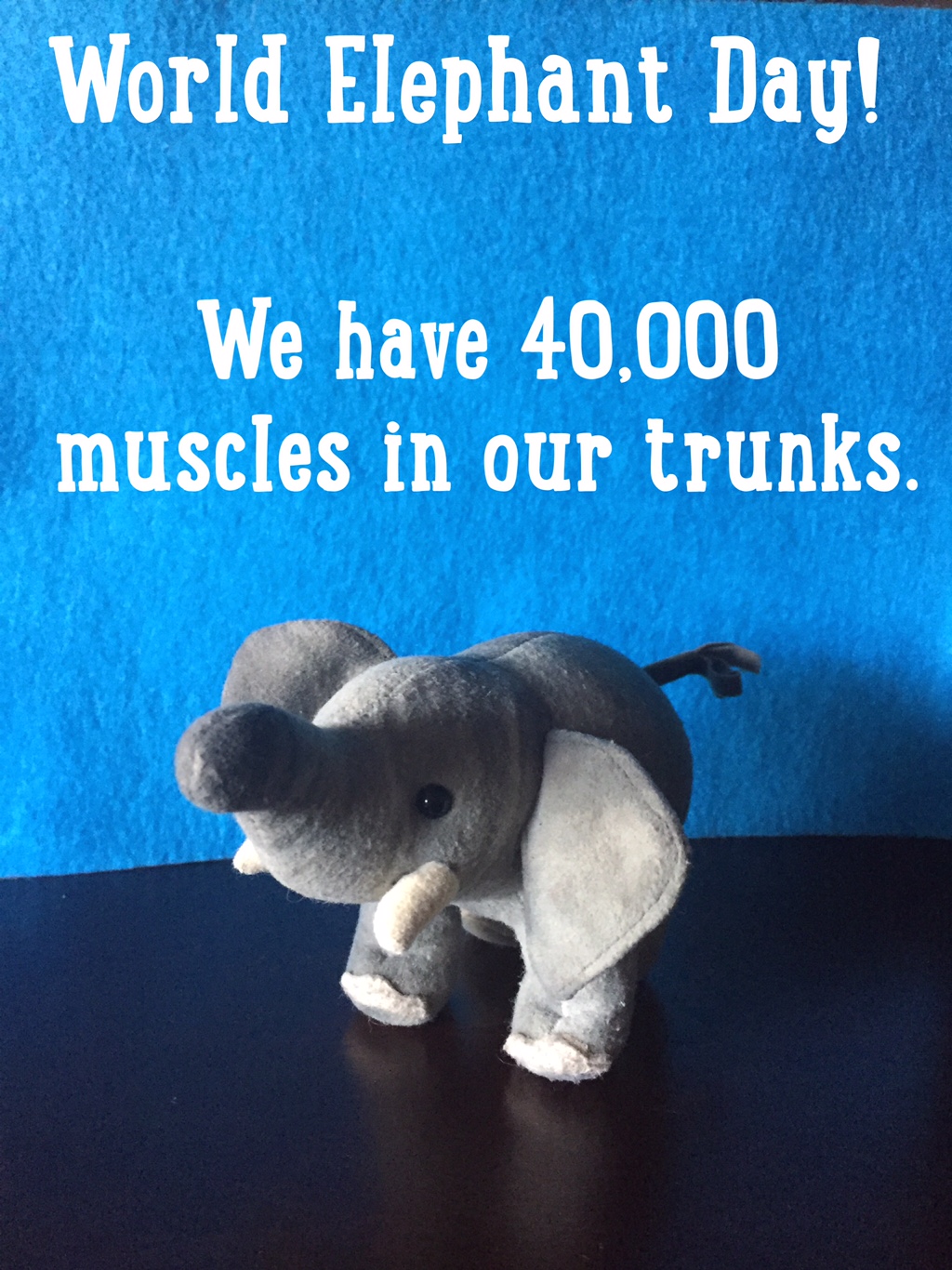
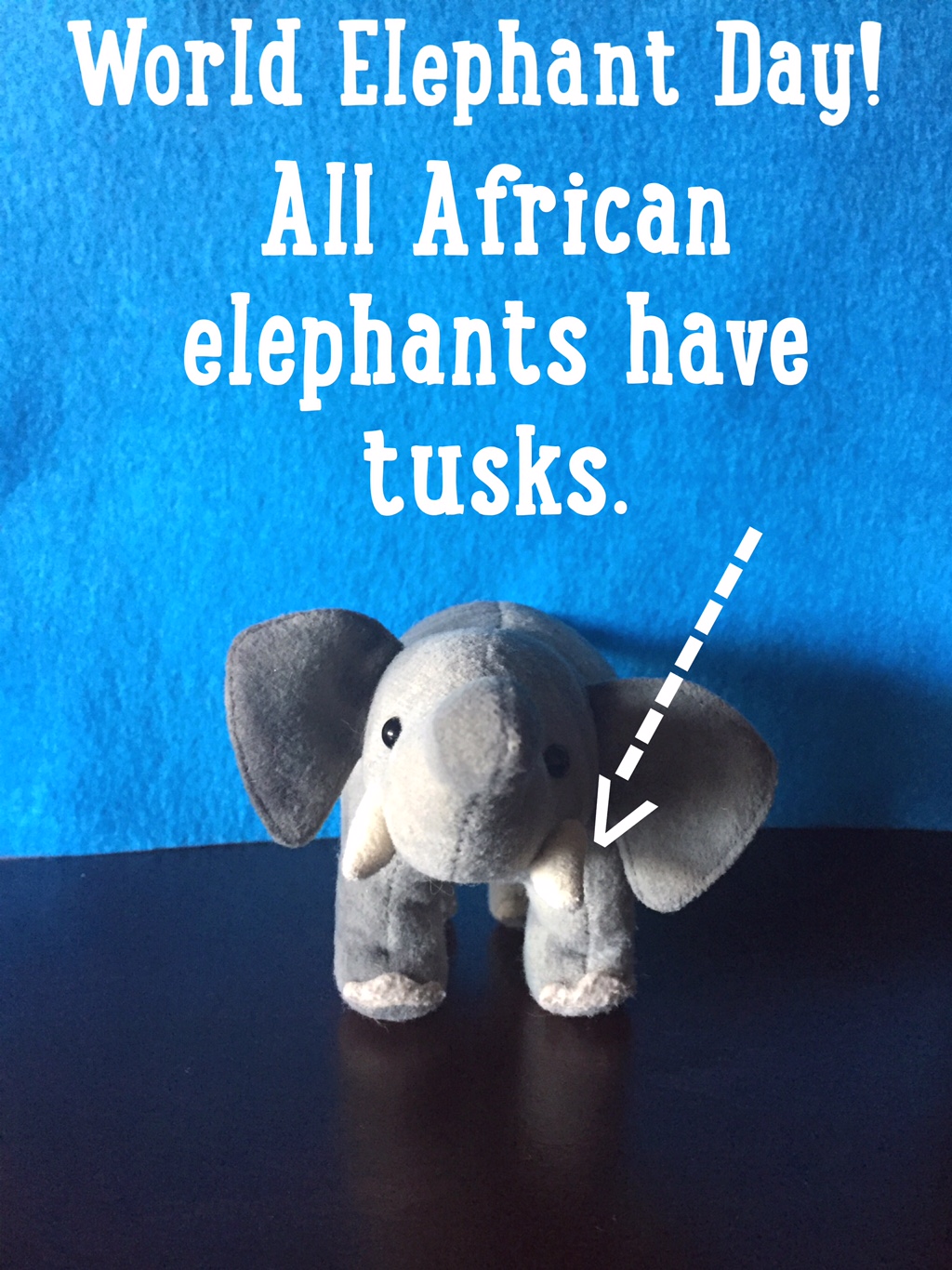
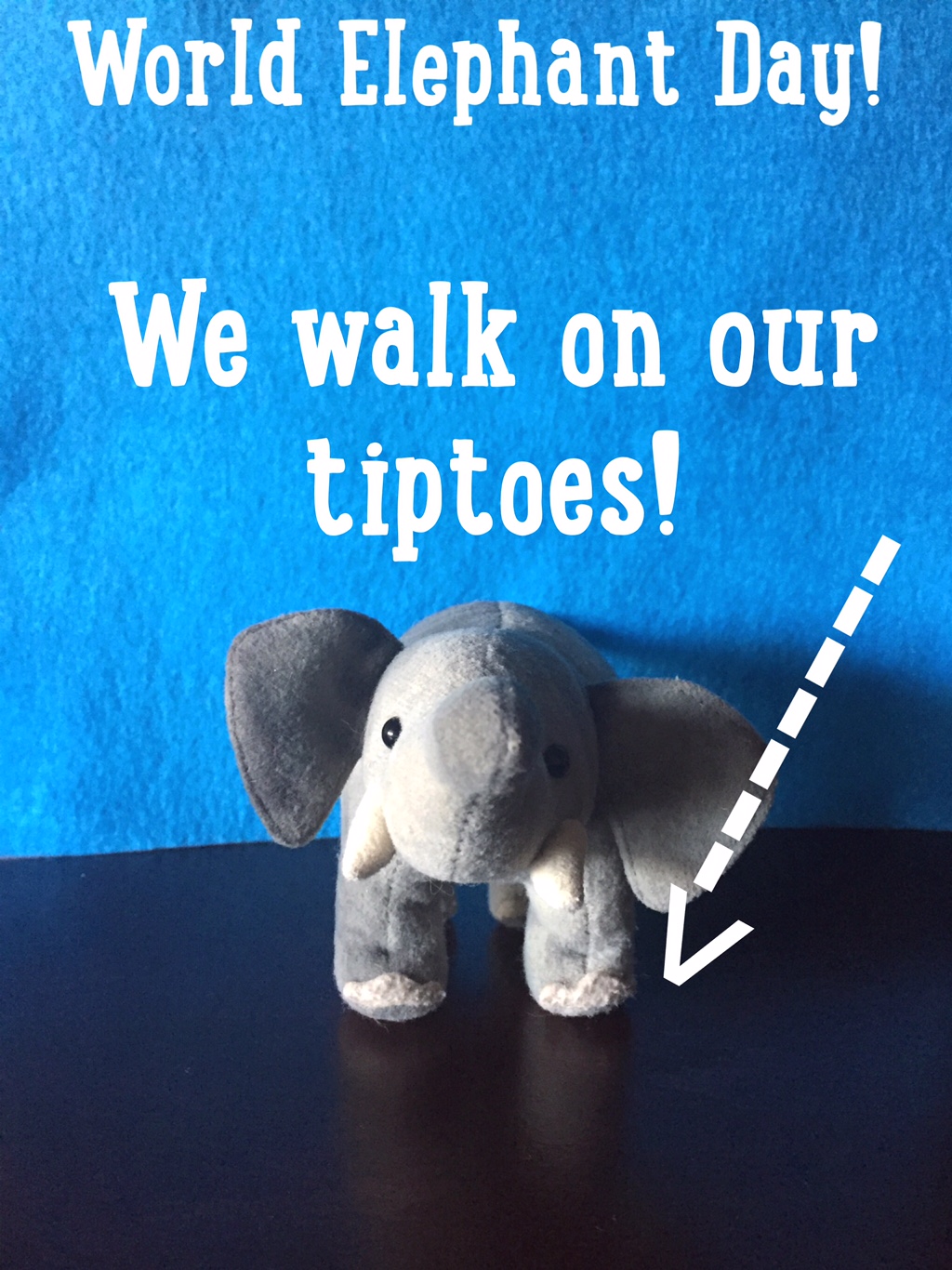
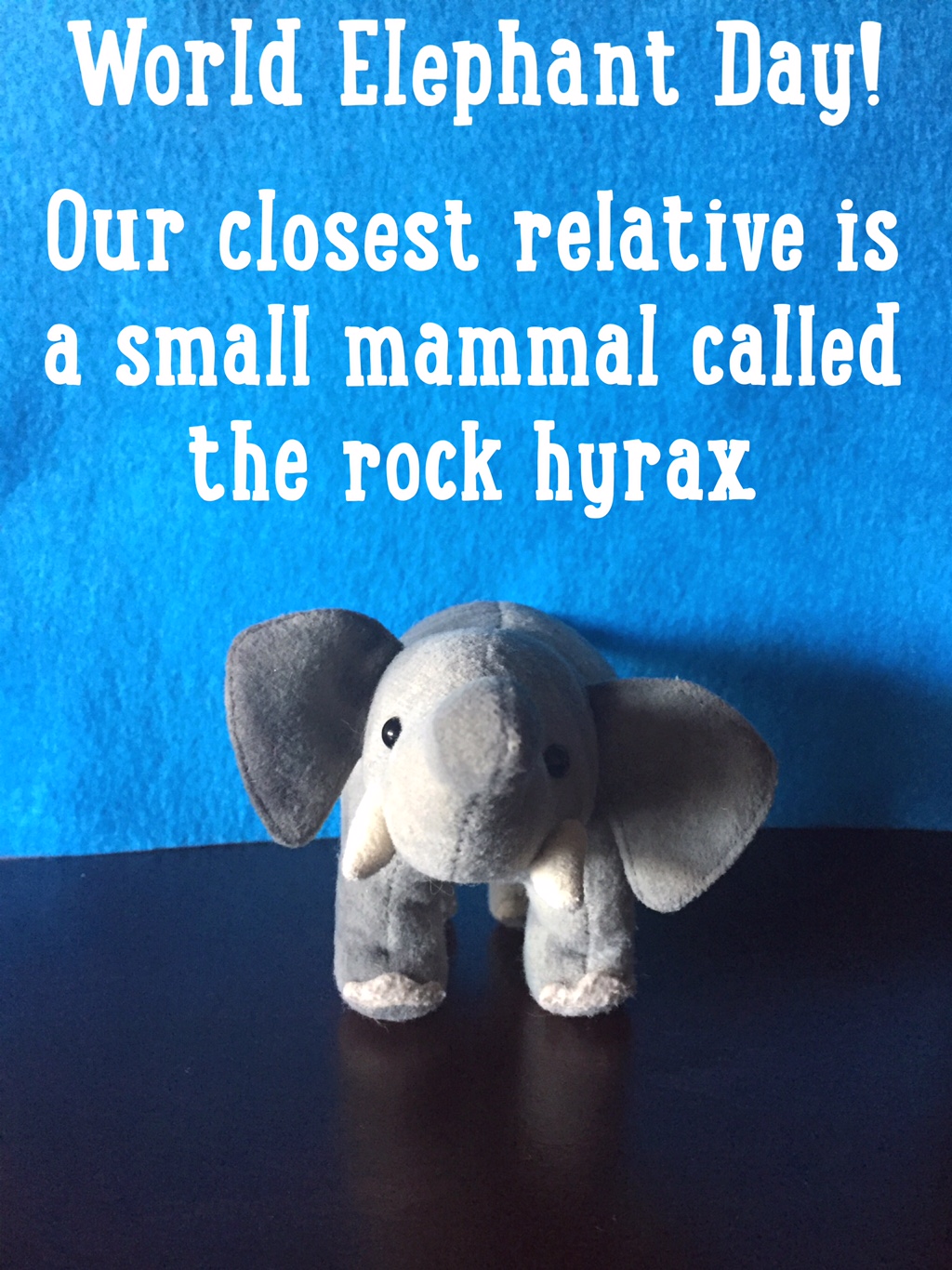
It’s World Elephant Day and Ellie is sharing just a few of the reasons elephants are so awesome! She’ll also be sharing some reasons why they need your help!

IMG_1275

IMG_1287

IMG_1283

IMG_1286

IMG_1276

IMG_1290

IMG_1277

IMG_1278

IMG_1279

IMG_1284

IMG_1288We lose an elephant to poachers every 15 minutes. That’s 96 elephants every day!

IMG_1291IMG_1291IMG_1291IMG_1291

IMG_1291IMG_1291IMG_1291IMG_1291

IMG_1291FullSizeRender(77)

These magnificent creatures are killed for their tusks! Tusks that are used to make trinkets, carvings and jewelry. We must all work to stop this! There are ways you can help!

Educate others! Donate to David Sheldrick Wildlife Trust.

Get involved- make your voice heard! Check out 96 elephants to learn more about wildlife crime and how you can help stop it! Together we can protect elephants!

Categories: adventure, Animals, Children, conservation, education, elephants, endangered species, Environment, mammals, nature, science, wildlife | Tags: , , , , , , , , , , , | Leave a comment

World Sea Turtle Day!


World Sea Turtle Day!

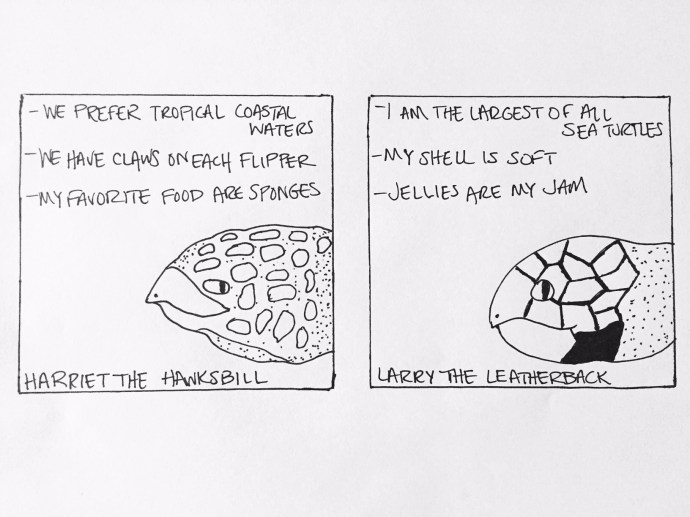
Come learn some cool facts about sea turtles and then meet four turtles! Woohoo- it’s all about the turtles at camp today!

  • Sea turtles have been around for 65 million years.
  • Most sea turtles travel many miles to lay their nest of eggs one the beach where they were born.
  • Most sea turtle species are listed as threatened or endangered.
  • Sea turtles come ashore at night to lay their eggs in nests at the edge of sand dunes.
  • Sea turtles can not pull their heads and fins in to their shells.
  • Baby sea turtles use the full moon  to guide them to the ocean after they hatch.

Keeping our beaches & oceans sea turtle friendly:

  • Keep all trash off the beach- especially plastic bags.
  • Turn off all beach lights at night so turtles are not confused.
  • Keep noise levels down at night.
  • If you are walking on the beach and need a light, use a flashlight with a red lens.

Now it’s time to meet our sea turtle friends!

image

image

Categories: adventure, Animals, Children, conservation, education, endangered species, Environment, nature, oceans, science, turtles, wildlife | Tags: , , , , , , , , , , , , | 1 Comment

ENDANGERED SPECIES QUIZ

ENDANGERED SPECIES QUIZ!

We’ve got an endangered species quiz to test your knowledge on this Endangered Species Day!

Leatherback turtles often mistake plastic bags for jellies.  True or False

Leatherback turtles often mistake plastic bags for jellies.
                             True or False


All species of tigers are not endangered.  True or False

All species of tigers are not endangered.
                    True or False


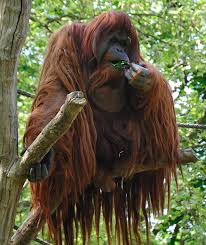
Using products with sustainable palm oil can protect orangutans. True or False

Using products with sustainable palm oil can protect orangutans.
             True or False


WHICH ONE OF THESE IS THE ENDANGERED SPECIES?

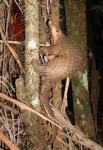
Pangolin

Pangolin

arctic fox

Arctic fox

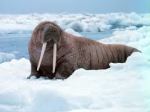
Walrus

Walrus


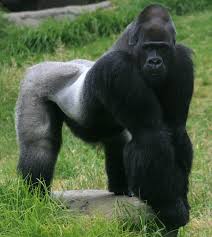
Recycling which one will help protect gorilla habitats? A) cell phones B) paint C) toothbrushes

Recycling which one will help protect gorilla habitats?
A) cell phones
B) paint
C) toothbrushes


blue whale

Many ocean dwelling ocean creatures consume plastic and trash. True or False


Plovers and other shore birds get caught in trash left by raccoons.  True or False

Plovers and other shore birds get caught in trash left by raccoons.
True or False


Pesticides do no harm to frogs and other amphibians. True or False

Pesticides do no harm to frogs and other amphibians.
True or False


Together we can all make a difference to help protect the endangered species of the world.  True or False

Together we can all make a difference to help protect the endangered species of the world.
True or False


Categories: adventure, Animals, Children, conservation, education, endangered species, Environment, nature, science, wildlife | Tags: , , , , , , , , , , | 1 Comment

That is One Big Parrot!

That is One Big Parrot!

We are off to land down under to meet one extraordinary parrot! Who else is excited?

e & e rainforest2


  • Kakapos live on two islands south of New Zealand. They live in forest and scrublands.
  • Kakapos are herbivores. They eat stems, fruit, shoots and bark. Their favorite fruit is the rimu berry!

kakapo

  • They can grow up to 25 inches and weigh up to 8 lbs.
  • Kakapos are listed by the IUCN as critically endangered. There are only 125 birds left in the wild.
  • Kakapos are the heaviest parrot in the world.

IMG_1788

  • They are nocturnal and solitary.
  • Males make a “boom” sound during mating season. Their mating calls can be heard up to 3 miles away.

kakapo3

  • Kakapos have an excellent sense of smell.
  • They are also excellent climbers and can be seen in the tallest parts of the tree.
  • Kakapos are also called the owl parrot!

IMG_1789


We love these fat little parrots! There is great organization helping protect these birds from man introduced parrots, like rats and cats; Kakapo Recovery! There may only be only a few birds left, but this group is helping!

kakapo2

Categories: adventure, Animals, birds, Children, conservation, education, endangered species, Environment, nature, science, wildlife | Tags: , , , , , , , , , | 1 Comment

ENDANGERED SPECIES WEEK!

ENDANGERED SPECIES WEEK-

African Wild Dog!

We’re going to meet some endangered species this week as we get ready for Endangered Species Day! We’re kicking it off with the African Wild Dog!

wild dog


African Wild Dog Fun Facts:

  • African wild dogs live in sub-Saharan Africa on the savanna or in woodlands.
  • African wild dogs can grow up to 55 1/2 inches long and weigh up 74 lbs.
  • They are carnivores and hunt in groups to take down prey, including antelopes, wildebeest and birds.
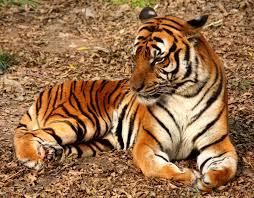
  • African wild dogs are listed by the IUCN as endangered. They are losing their habitat and can get diseases from domestic dogs.
  • They roam large home territories of 600-900 square miles.
  • African wild dogs are highly social and live in packs.
  • A pack is dominated by a monogamous breeding pair of dogs.
  • They are also called the painted dog.

IMG_1623


  • Each African Wild dog has its own unique coat coloration pattern.
  • Female African wild dogs can have up to 10 pups in a litter. Only the dominate female in a pack with give birth.
  • They are highly vocal and communicate sounds not heard in any other member of the canine family.
  • African Wild dogs are crepuscular. They are known to travel at night.
  • They are distance runners and can maintain a speed of 35 mph for up to 2 miles!

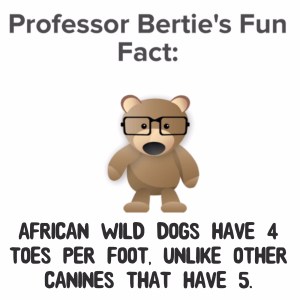
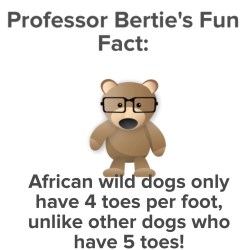
These awesome canines are so fascinating, from their funny feet to their complex social system the African Painted dog definitely deserved protection and respect. You can learn more on how to protect these wild canines at the African Wildlife Federation.


wild dog2


Categories: adventure, Animals, Children, conservation, education, endangered species, Environment, mammals, nature, science, Uncategorized, wildlife | Tags: , , , , , , , | 2 Comments

Blog at WordPress.com.