endangered species

Apartment Builders of the Wild!

Apartment Builders of the Wild!

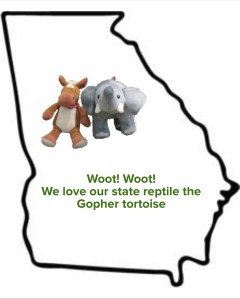
Since we we’re talking about burrows this week, we wanted to feature one of the best burrowers of animal world! These cute reptiles are the state reptile of Georgia too (our home state)!

IMG_0239

gopher tortoise

  • Gopher tortoises live in the sandy soil habitats of the Southeastern United States.
  • Gopher tortoises grow up to 12 inches long and have an average weight of 9 lbs.
  • They are listed as Vulnerable by the IUCN.
  • These tortoises are herbivores. They eat up to 300 varieties of plants.
  • They rarely drink water because they get it from plants.IMG_6686
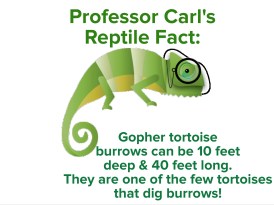
  • Gopher tortoises are a keystone species. The burrows they dig are important, as they provide shelter for many animals, including indigo snakes, burrow owls and rabbits. Scientists think up to 400 species of animals use gopher tortoise burrows!
  • Like other tortoises, gophers do not swim and spend their life on land.
  • Gopher tortoises front feet are shaped like shovels to help them dig those burrows.
  • These tortoises have suffered major habitat loss and are now protected in every state the live in, because of this! Without them, many animals would not have shelter.

gopher tortoise3gopher tortoise2

Let’s give three cheers for these amazing reptiles! Go Gopher Tortoises!

Categories: adventure, Animals, Children, conservation, education, endangered species, Environment, nature, reptiles, science, wildlife | Tags: , , , , , , , , , | 1 Comment

WORLD ELEPHANT DAY!!

WORLD ELEPHANT DAY!!

IMG_3479

World Elephant Day is here again! We have some great fun facts, photos and resources on how you can help elephants! Tomorrow we’ll learn who the We Spy was and more about the elephants closest relative in a brand new We Are Fanimaly!

IMG_3517

ELEPHANT FUN FACTS:

  • There are two species of elephants- Asian and African (Ellie).
  • Only male Asian elephants have tusks.
  • Both female and male African have tusks.
  • Tusks are modified teeth that are made of ivory.
  • All elephants are herbivores.
  • Elephants are the largest land animal on earth.
  • Elephants walk on their tip toes.
  • African elephants can walk up to 50 miles a day.
  • Elephants live in family groups that are made up of females, their female relatives and their offspring. The group is led by the oldest female.
  • Adult male elephants live a solitary live.
  • Elephants use their ears to cool off.

IMG_3476   IMG_3460


On this World Elephant Day we must remember that 96 elephants are killed everyday for their ivory! We can take a stand! Join us and others at 96elephants.org- the Wildlife Conservation Society’s page dedicated to helping elephants! Lend your voice! Make a video of you stomping for elephants– like ours!

Categories: adventure, Animals, Children, conservation, education, elephants, endangered species, Environment, nature, science, wildlife | Tags: , , , , , , , , , , | Leave a comment

SCIENCE WORD OF THE WEEK!

SCIENCE WORD OF THE WEEK!

swow endangered

It’s time for the Science Word of the Week! Friday is Endangered Species Day so we’ll be sharing information, puzzles and some great success stories all week! We promise to have E & E’s Chicago picks up too. It was a busy week at the University and we fell a bit behind.

Today’s Word is Endangered- when an animal is on the brink of extinction. Animals that are at risk of being endangered are listed by the IUCN  as vulnerable, endangered and critically endangered.  We here at the University work hard to share how we can all help endangered species! We look forward to sharing that all week!

Categories: adventure, Animals, Children, conservation, education, endangered species, Environment, mammals, nature, science, wildlife | Tags: , , , , , , , , , | 2 Comments

HABITAT WEEK!!

HABITAT WEEK!

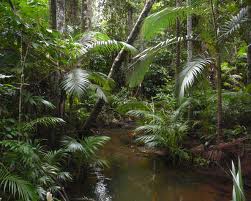
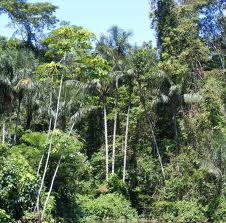
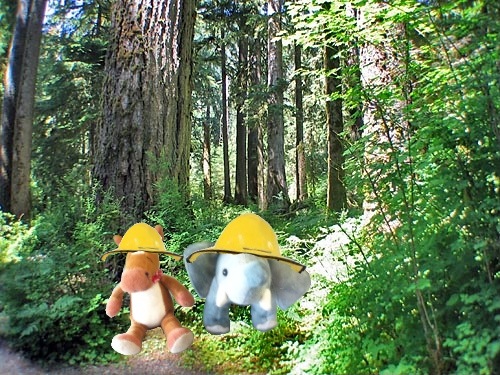
It’s Habitat Week here at Headquarters. We meet so many amazing animals and we talk about their habitats, but never in detail. So we thought it was high time that we learn more about these amazing habitats that make up our planet. First up, tropical rainforests!

e & e rainforest

Fun Rainforests Facts:

  •        Tropical Rainforests are found near the equator in South America, Africa and parts of Asia.
  •        Tropical rainforests are warm and humid all year round.
  •         Tropical rainforests have four layers, the emergent (top), the canopy (just below the emergent layer), the understory and the forest floor.
  •         The emergent layer trees grow tall to compete for sunlight.
  •        The canopy houses most of the animal life in the tropical rainforest.
  •         The forest floor is full of decomposing plant material. Not much grows in this part of the rainforest due to lack of sunlight.

rainforest2

  •         Rainforest cover about 2-6% of the earth’s surface, but are home to numerous species (many of which have not even been discovered)
  •         Tropical rainforests are home to nearly 50 % of all animal and plant species on earth.
  •         Tropical rainforests have helped people, not only do all those plants help produce oxygen for everyone to breath, but many medicines have been derived from plants only found in the rainforests.
  •         The largest tropical rainforest is the Amazon rainforest in Brazil.

rainforest


Animals you can find in the Amazonian Rainforest:

  •         Jaguars
  •         Ants
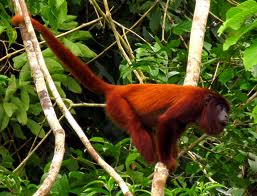
  •         Howler Monkeys
  •         Sloths
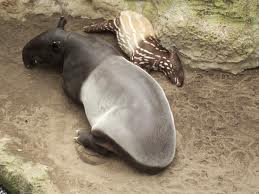
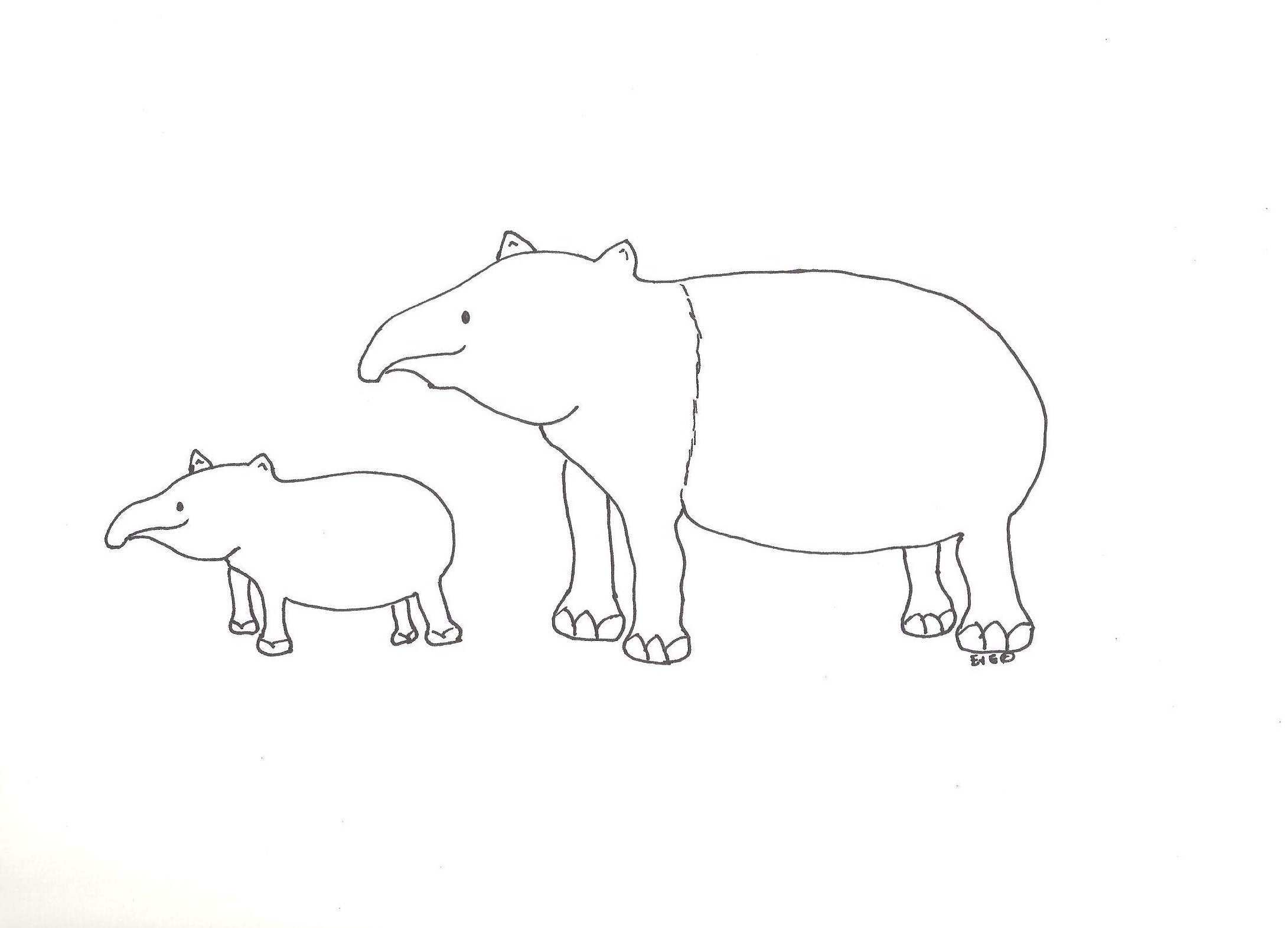
  •         Tapirs (Check out Ellie’s Coloring Sheet Below)
  •         Forest Eagles
  •         Poison Dart Frogs
  •         Bats
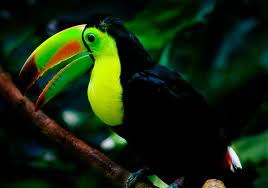
  •         Toucans
  •         Macaws
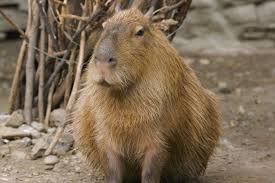
  •         Capybara
  •         Caiman
  •         Emerald Tree Boas


jaguars   capybara

tapir

toucan      howler monkey

The rainforest is an amazing place. It is so full of life and wonderful things to discover. We can’t even begin to pick our favorite thing about this special habitat. What do you love about rainforests? Check out The Rainforest Foundation for ways to help protect rainforests and their inhabitants around the world.

 Image


Categories: adventure, Animals, Children, conservation, education, endangered species, Environment, habitats, nature, rainforests, science, wildlife | Tags: , , , , , , , , , , | 2 Comments

WE ARE FANIMALY!!

WE ARE FANIMALY!!!

It’s another installment of We Are Fanimaly! Come learn who’s related to who!

ImageThat’s right everyone- hippos and whales are related to each other. This is recent discovery thanks to DNA. Scientist don’t have a full understanding of this relationship and it’s evolutionary timeline, but we think it is super cool! 

HIPPO FUN FACTS!

  • Hippopotamus means river horse.
  • Hippos have clear membranes that help them see under water.
  • Hippos can not swim. They actually walk along riverbeds.
  • Hippos “sweat” a red/pink mucus that helps keep their skin moist.
  • Hippos spend most of their day in water and their nights on land grazing.
  • Hippos are social animals and live in herds.
  • Hippos have large canine and incisor teeth.
  • Scientist have discovered in recent years that hippos sing songs underwater.

WHALE FUN FACTS!

  • Whales are marine mammals.
  • Blue whales are the largest mammal on earth.
  • Orcas or Killer whales are actually the largest member of the dolphin family.
  • Whales are carnivores.
  • There are toothed whales and baleen whales.
  • Toothed whales are smaller than baleen whales.
  • Some whales, like the humpback sing songs to communicate with each other.
  • Some whales use echolocation to find food.
  • Many whales and dolphins are social animals.
Categories: adventure, Animals, Children, conservation, education, endangered species, Environment, mammals, nature, science, wildlife | Tags: , , , , , , , , , , | 2 Comments

ENDANGERED SPECIES DAY!

ENDANGERED SPECIES DAY!

We’ve been highlighting endangered species and how you can help them all week. We want to explain a bit more about endangered species and have you meet a few animals who have success stories!
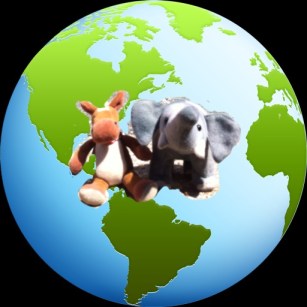
e & e eco explorers

First, what is an endangered species? Well, that is a complicated answer. The IUCN (International Union for Conservation of Nature) is an International group that is made up of scientist, conservation organizations and governments from all over the world. They work on conservation issues all around the globe and help determine populations of animals. They have ranking system that starts at Data Deficient and goes to Critically Endangered to Extinct. Individual countries sometimes have their own ranking system and that here in the U.S. started with the Endangered Species Act. It lists animals who need protection or help due to low populations. When an animal is put on the endangered species list, it helps people protect their habitat and their population.

We often hear so many negative stories when it comes to endangered species and we wanted to share some success stories! We can make a difference and we can help protect critical habitats and the animals who live there!

Peregrine Falcons

At one time there were just 324 pairs of these fast fliers left, but now there are over 1,700 pairs*!
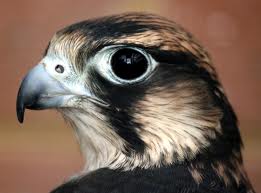
perigrin falcon

Sea Otters

These adorable otters have gone from 1,700 individuals to over 2,700 due to protecting their habitat and rehabilitation efforts by places like the Monterey Bay Aquarium!

sea otter

Hawaiian Goose

The state bird of Hawaii has gone from just 400 birds to several thousand due to captive breeding programs that reintroduce the birds in their habitats!
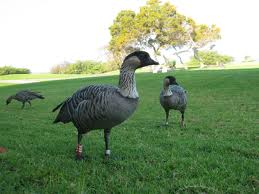
hawaiian goose

Gray Whale

These giants of the ocean are protected from hunting internationally and have seen their numbers grow under that protection. They now number in the 30,000s!
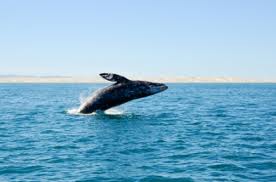
gray whale

*Numbers from biologicaldiversity.org

We love sharing animal success stories! You can make a difference when it comes to helping endangered species. You can  get involved with local and global conservation organizations. You can participate in a habitat clean up. You can recycle, reduce your trash and reuse items. You can take a trip to your local AZA accredited zoo or aquarium, all of which not only work with the animals they house, but with wild populations. Lastly, share your passion and love of animals with everyone you know!

Categories: adventure, Animals, Children, conservation, education, endangered species, Environment, nature, science, wildlife | Tags: , , , , , , , , , | 3 Comments

ENDANGERED SPECIES WEEK DAY # 5

ENDANGERED SPECIES WEEK

DAY # 5

Today’s adventure takes us to South America to meet one gorgeous parrot. These beauties are endangered and we can’t imagine living in a world where these feathery friends aren’t around! Grab your gear, your binoculars and let’s go meet these big blue birds!

e & e rainforest

MEET THE HYACINTH MACAW!

hyacinth macaw   Range/Habitat: Central South America/ rainforest

   Diet: Herbivore: nuts, fruits

   Length/Weight: 3 ¼ ft/ 3 lbs

   Conservation Status: endangered


Fun Facts:

  •          Hyacinth Macaws are the largest member of the parrot family that can fly.
  •          They have bright blue feathers.
  •          Hyacinth macaws are very social.
  •          Hyacinth macaws have long tails.
  •          They have large curved beaks to help them crack open nuts.


Hyacinth macaws are one of our favorites. They are endangered mainly due to the pet trade. If you decide a pet parrot is right for your home, make sure you get one from a reputable breeder. Remember that parrots are very social and live a very long time, so they are very high maintenance and require a lot of care.

hyacinth macaw3    hyacinth macaw2

Categories: adventure, Animals, birds, Children, conservation, endangered species, Environment, nature, science, wildlife | Tags: , , , , , , , , , , | Leave a comment

ENDANGERED SPECIES- GUESS THE ANIMAL!

ENDANGERED SPECIES WEEK- GUESS THE ANIMAL

WHO AM I?

snow leopard

  • I live in the mountains in Asia.
  • I am able to jump 50 feet in one leap.
  • I am large cat.

WHO AM I?

Categories: adventure, Animals, Children, conservation, education, endangered species, Environment, mammals, nature, science, wildlife | Tags: , , , , , , , , , , | 10 Comments

ENDANGERED SPECIES WEEK- MANATEE BOOKMARK

Endangered Species Week- Craft Day

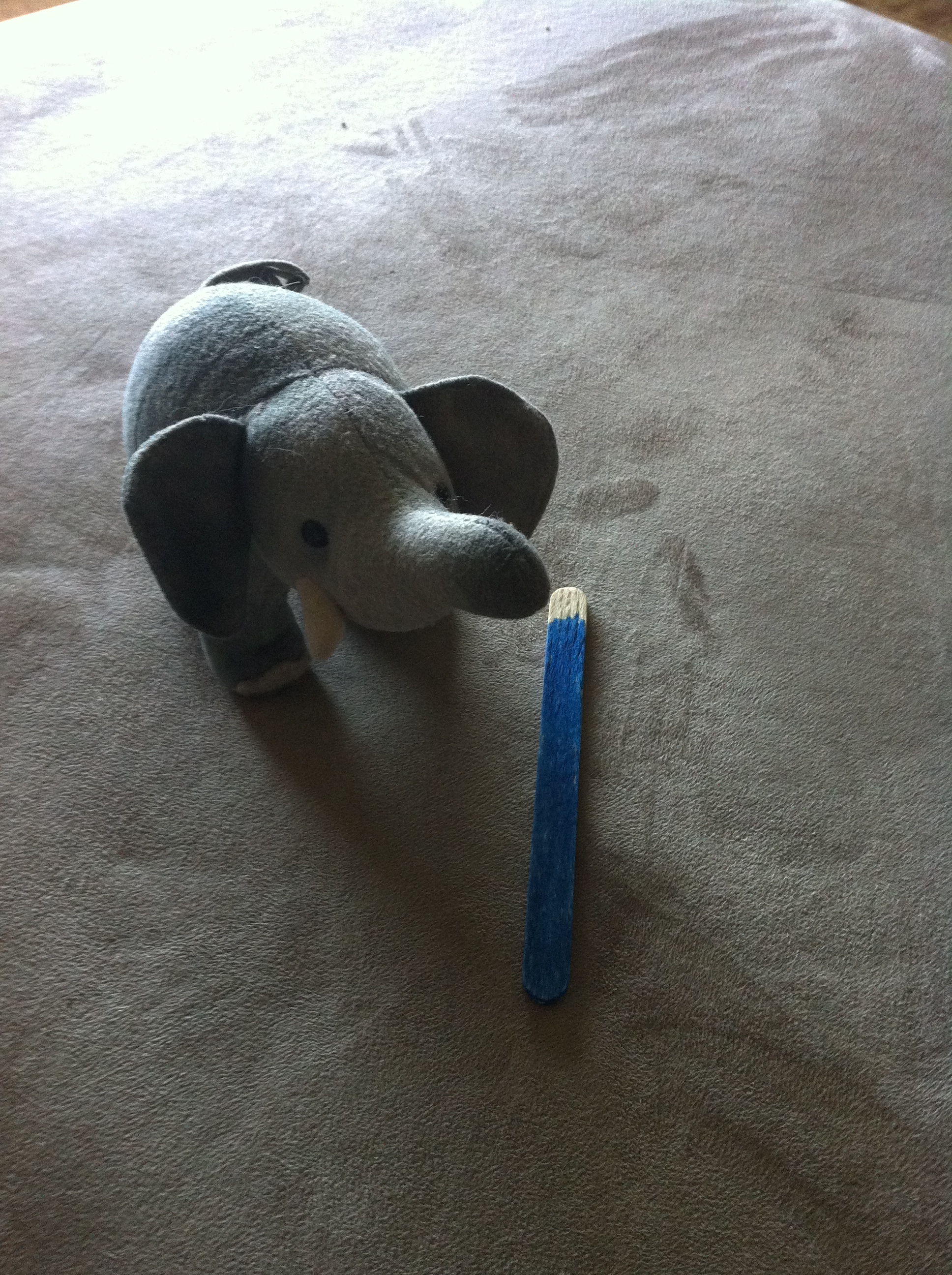
We’re making a manatee bookmark today. These amazing marine mammals are listed as vulnerable and there is much that we can do to help them; like making sure their ocean and river habitats are free of trash. Also making sure if you are boating in their habitat you go slow as not to hurt them. Lastly, help reduce the pollution that goes in our waterways, by using natural cleaning products. Let’s get started on this adorable bookmark that will remind you how neat manatees are!

manatee craft5


Materials:

  • A popsicle stick
  • Gray Felt
  • Hot glue (to be used by an adult)
  • Black marker and blue marker


Instructions:

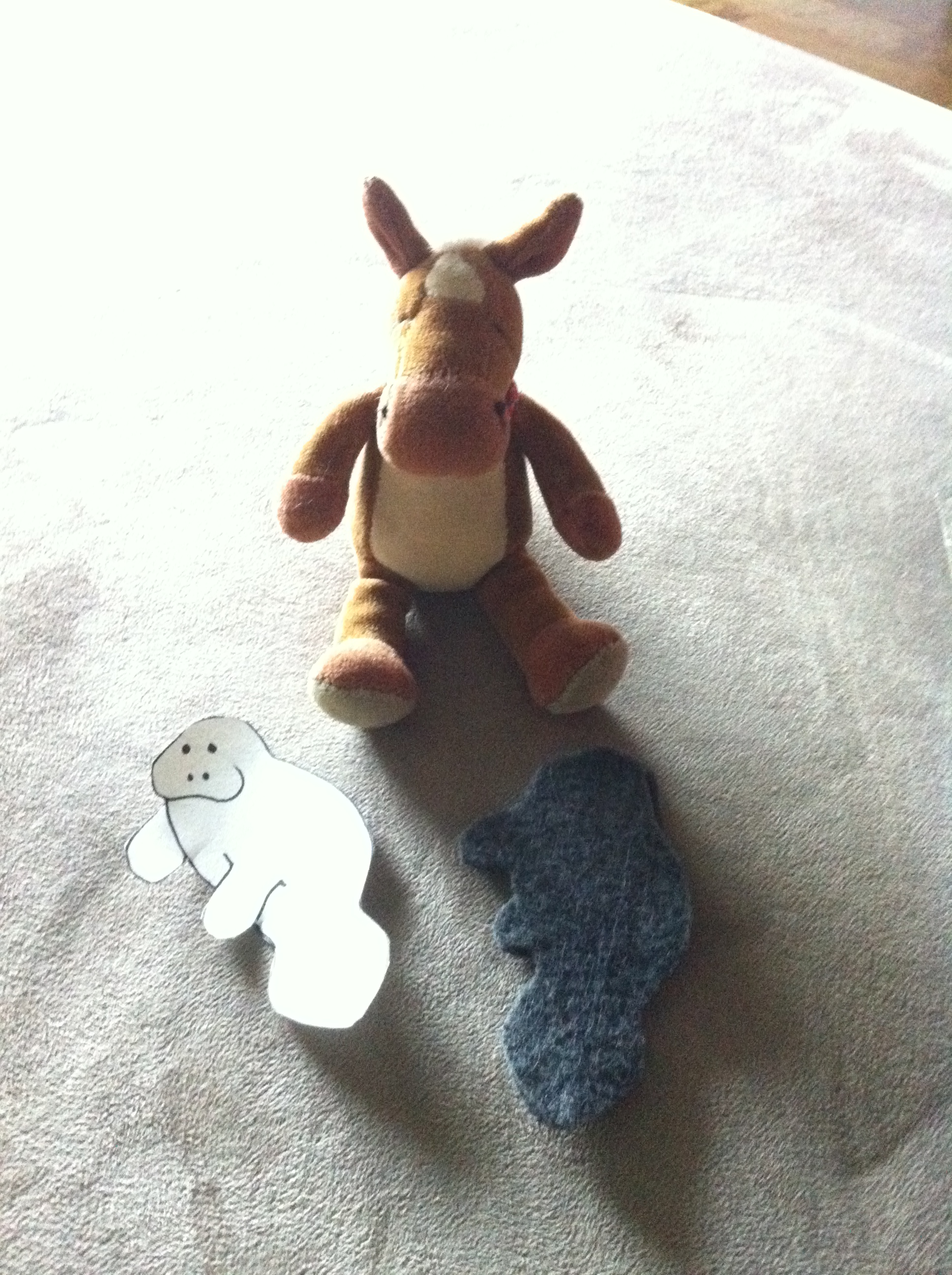
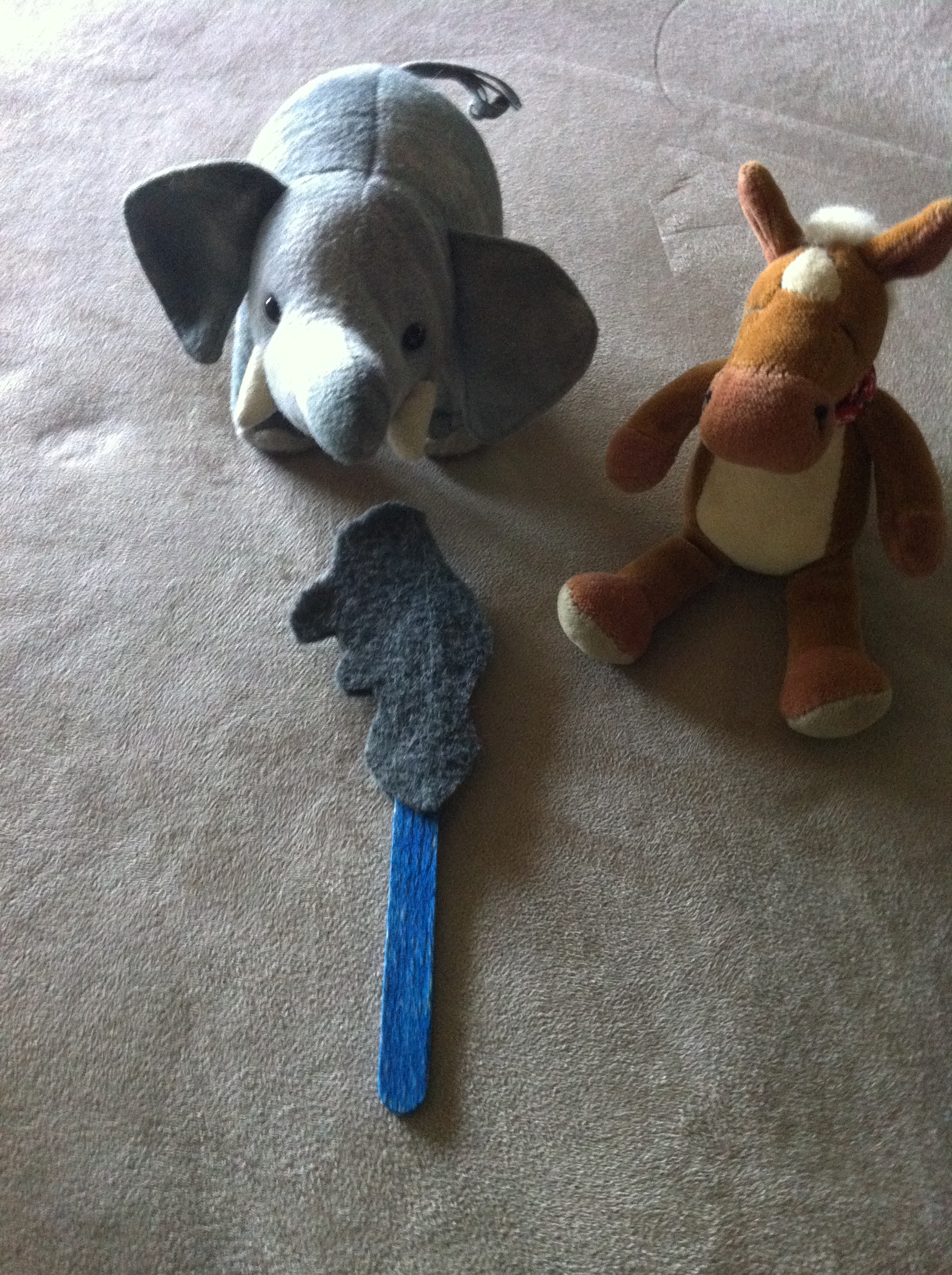
  • Print pattern (below) and trace on the felt. You’ll need two manatees.
  • Cut out your manatees.

manatee craft4

  • Color your popsicle stick with the blue marker.

manatee craft1

  • Place one manatee down, then the popsicle stick, then the other manatee on top- glue this together.

manatee craft3

  • Add face details to your manatee.

manatee craft

Image

Categories: adventure, Animals, Children, conservation, crafts, education, endangered species, Environment, mammals, nature, wildlife | Tags: , , , , , , , , , | Leave a comment

ENDANGERED SPECIES WEEK DAY #2

ENDANGERED SPECIES WEEK

DAY #2

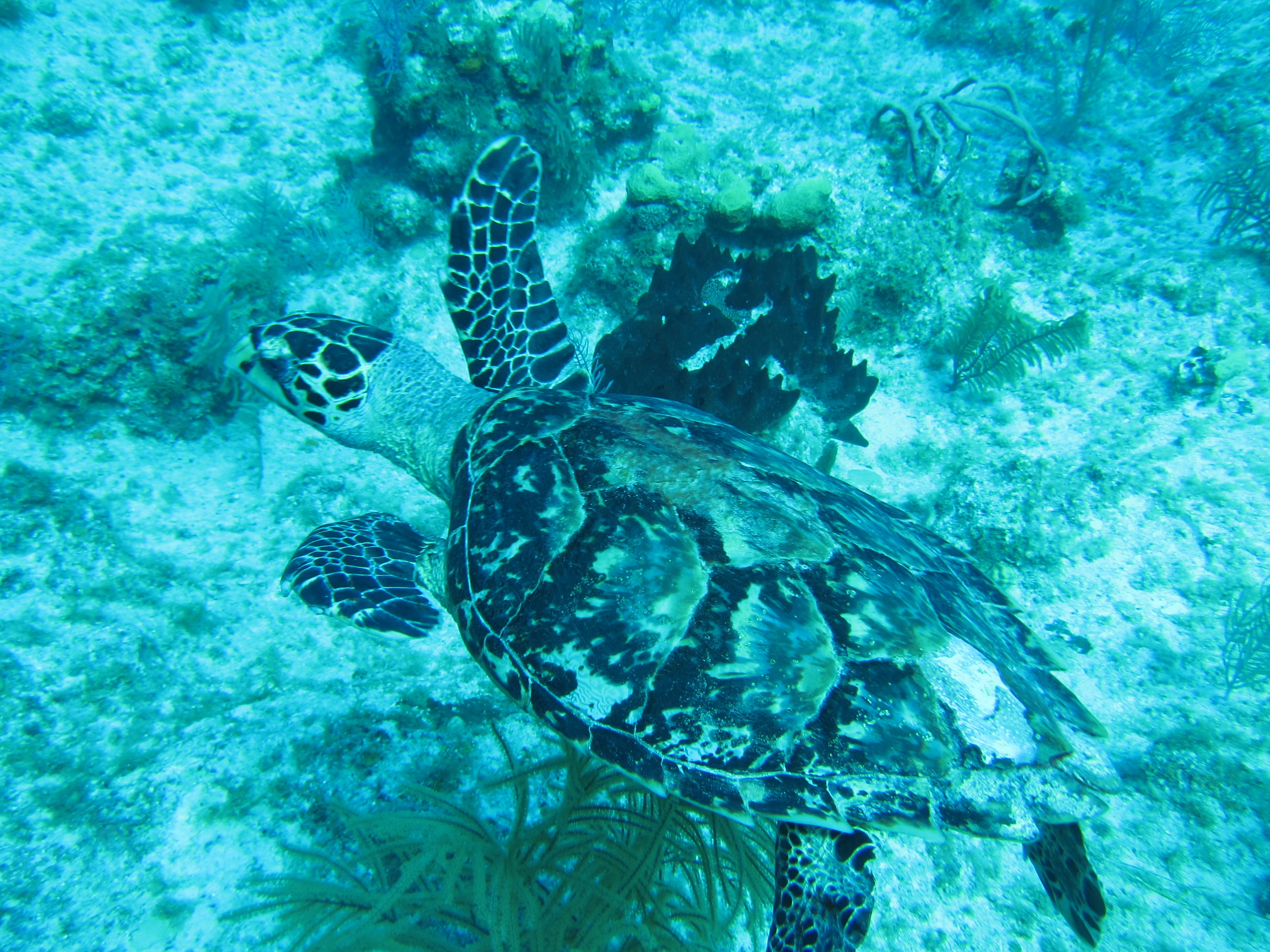
Day two of Endangered Species Week takes us to the Caribbean to meet a large swimming reptile. We’ve met these turtles before, but are happy to go and find them again! Let’s hop aboard the E & E boat and grab our snorkeling gear to meet today’s endangered species.

e e boat

MEET THE GREEN SEA TURTLE!

???????????????????????????????   Range/Habitat: tropical-subtropical-temperate oceans worldwide

   Diet: Herbivore: sea grass, roots, jellies

   Length/Weight: 3 ¼-4 ft/145-600 lbs

   Conservation Status: endangered


Fun Facts:

  •          Green Sea Turtles have a smooth carapace.
  •          The carapace (top shell) is a brown-olive color.
  •          Green sea turtles have small heads.
  •          Green sea turtles have strong flippers.
  •          They are the only sea turtle that can be seen occasionally sunbathing on the beach.
  •          Green sea turtles lay eggs on the beach.

Green sea turtles are beautiful reptiles. They have been on the planet for about 65 million years and we sure hope they stick around. One great way to help sea turtles is pick up your trash! Turtles often mistake trash for food. If we make sure our oceans our clean, then the turtles only have their food to eat!  

IMG_4816   IMG_4820

Categories: adventure, Animals, Children, conservation, education, endangered species, Environment, nature, reptiles, science, turtles, wildlife | Tags: , , , , , , , , , | 1 Comment

Blog at WordPress.com.