oceans

We’re Seeing Red

We’re Seeing Red

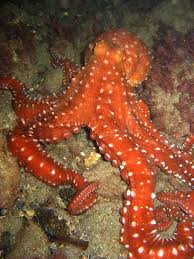
We decided to go diving in the kelp forest today to see if we could find an elusive but super cool animal- the red octopus! Octopus are one of our favorites. These cephalopods are intelligent and amazing!

img_1434

red-octopus


Date: 1/10

Location: Kelp forest

Red Octopus Fun Facts

  •  Red octopus have thousands of chemical receptors on their suckers to help them find food. Those same suckers also have millions of touch receptors.
  • Adult red octopus can be found as deep as 600 feet below the ocean’s surface.
  • Like other octopus, they can change color and texture in seconds!
  • Red octopus have a nasty venom they spit out after biting prey or a predator.
  • They use their sharp beaks to pry open shells of their favorite prey.
img_1435

  • Red octopus have excellent eyesight.
  • They are nocturnal.
  • Often red octopus leave the shells of their prey outside the caverns they hide in.

red-octopus2

These cunning predators are amazing to watch. Cephalopods always astound us with their ability to change color and texture so quickly. They are also highly intelligent and have been known to work out complicated puzzles in aquariums! Neat!
 

Categories: adventure, Animals, Children, conservation, education, Environment, nature, oceans, science, Today's Post, wildlife | Tags: , , , , , , | 1 Comment

Howdy Otter!

Howdy Otter!

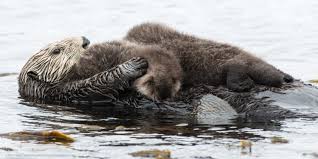
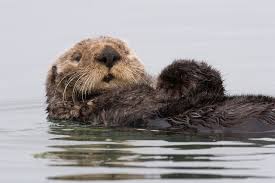
We spent our day on a boat going around the bay. We spotted several otters swimming, eating and snoozing! What a treat!

otter3

img_1312


  • Sea Otters are members of the weasel family.
  • Sea Otters live in the Pacific ocean along the North American shore and the Northern Asian shore.
  • Sea Otters spend most of their time in water. They will occasionally come ashore to rest.
  • Sea Otters’ fur is water repellent and very thick.

img_1372


  • Sea Otters role in order to trap air bubbles in their fur. The air bubbles help keep them warm.
  • Sea Otters are often found floating on the surface of kelp forests. They will even wrap the kelp around themselves to keep anchored while sleeping
  • Sea Otters groom themselves constantly. This helps keep their fur clean and waterproof.
  • Sea Otters use rocks to break some of their prey, including crabs and sea urchins.


otter2

otter


Sea Otters help keep the balance in a kelp forest. One of their favorite prey, sea urchins eat kelp; and without the otters to keep the urchin population in check, the kelp would be gone. We had such a great time watching these furry critters. It never gets old seeing otters in the wild!


Categories: adventure, Animals, Children, conservation, education, endangered species, mammals, oceans, science, Today's Post, wildlife | Tags: , , , , , , | 1 Comment

We Urchin You To Meet Us

We Urchin You To Meet Us

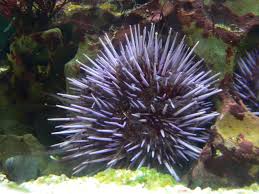
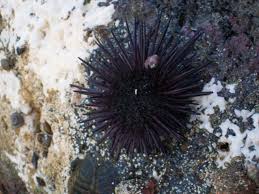
Hehe! Ok, we do love a good pun. Today we strapped on our dive gear (Ellie has a hard time getting her trunk covered) and we headed to ocean floor to see where the purple sea urchins call home. These kelp forest inhabitants are essential to the kelp forest ecosystem. Let’s learn more about them!

psuimg_1311


  • Purple sea urchins have spines that cover their bodies. These spines can move on ball and socket joints (like your shoulder).
  • The urchins use their spines to catch food and to protect themselves.
  • Sea urchins, like their relative the sea star has tiny tube feet that move them along the ocean floor.

img_1313

  • Purple sea urchins have toothlike plates around their mouths called the “Aristotle’s lantern. These strong plates help them dig holes in stones. They dig these as their burrow hideaway.
  • Purple sea urchins live in hordes. A group can decimate an entire kelp forest, by eating the plants from the bottoms up.
  • Purple sea urchins are a favorite food of the sea otter and the sunflower sea star- which swallow the urchin whole! WOW!!
  • Young sea urchins have green spines!
  • Like other echinoderms (the family sea stars belong in), they have five fold symmetry.

psu2purple-sea-urchin

We had such fun diving and watching these animals. Sea urchins don’t have eyes, they have light sensitive cells on the tips and the base of their spines. Soooooo cool!


Categories: adventure, Animals, Children, conservation, education, Environment, nature, oceans, science, Today's Post, wildlife | Tags: , , , , , , , | 1 Comment

Going to Kelp Forest

Going to the Kelp Forest

img_13091


We’re spending the month of January in Monterey, California where we will be exploring the kelp forests just off the coasts. This magnificent habitat is made up of giant algae called kelp. The kelp forests are a diverse habitat that hundreds of species call home. Kelp forests are often compared to rainforests, with a canopy and layers going deeper in the ocean.

Kelp forests fun facts:

  • Giant kelp grows about 10-12 inches a day!
  • Kelp has gas filled bladders along fronds. These help it grow vertical to the surface.
  • Giant kelp can grow up to 175 long.
  • Kelp is flexible and sways in the ocean currents.
  • Kelp does not have roots in the sand,  but it attaches to rocks.
  • Sea urchins can destroy a kelp forest when their populations are out of control.
  • Sea otter wrap kelp around themselves so they do not drift away while sleeping.
  • Many fish and invertebrates call the kelp forest home, including sea stars, garibaldi fish, sharks, anemones and sponges.

fullsizerender86

We are so excited to meet the animals of this amazing habitat! Are you ready to join us?

Categories: Animals, Children, conservation, education, Environment, habitats, nature, oceans, science, Today's Post, wildlife | Tags: , , , , , , , | 1 Comment

Gold Medal Swimmers and Divers!

Gold Medal Swimmers and Divers!

Today we’re meeting the gold medal winning animals who take water sports to a whole new level! Those humans have nothing on these amazing aquatic creatures!

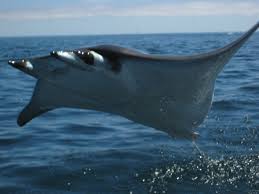
Some species of manta ray breach! Scientists aren’t sure why, but seeing them fly is amazing!

manta ray

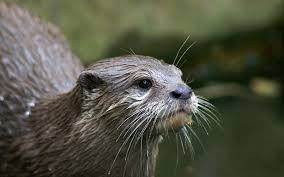
Otters close their nostrils & ears when they swim. They don’t need nose plugs or hair caps! Their fur keeps the water from their skin too!

otter

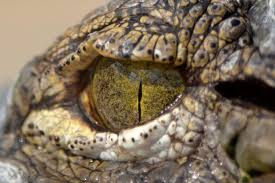
Alligators have nictitating membrane that allows them to see underwater. No goggles needed for these reptiles.

alligator

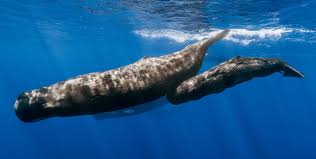
Sperm whales can make dives that can last up to 90 minutes! This beats every mammal record on earth!

sperm whale

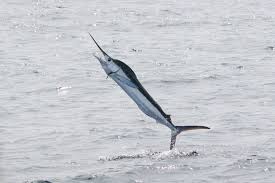
Sailfish can reach up to 70 mph. Now- that is fast!

sailfish

Emperor penguins can dive to depths of 210 feet. And they dive from icy platforms in formal wear. Hehehehe!

penguin

Cape gannets can dive into the ocean at speeds of up to 60mph. Those fish below better watch out- these birds are fast and graceful! 10s from all the judges for them!

cape gannet

The ultimate in synchronized swimmers are certain fish species that move in groups in a coordinated manner. No flashy suits, just amazing behaviors to help them survive!

school of fish
These are just a few of the awesome aquatic animals who have jaw dropping skills! We know who would win the free style swimming if they let in the sailfish though! Hehehe!
Categories: adventure, Animals, Children, conservation, education, Environment, nature, oceans, science, wildlife | Tags: , , , , , , , , , | Leave a comment

SHARK STICK PUPPET!

SHARK STICK PUPPET!

It’s craft day once again at Camp E&E! Let’s get right to it and make a shark stick puppet!

IMG_0433

Materials:

  1. Scissors
  2. Blue or grey felt
  3. White stiff felt
  4. White soft felt
  5. Felt glue
  6. white pom pom or googly eye
  7. marker
  8. popsicle sticks
  9. shark pattern (below)


Instructions:

  • Print and cut out pattern.
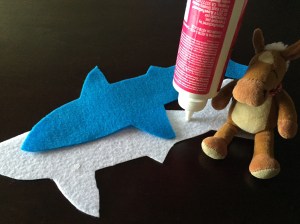
  • Then cut out one shark from the blue or grey felt and one from the stiff white felt.

IMG_0434

  • Glue the two sharks together.

IMG_0435

  • Cut out teeth from soft white felt and draw a black spot on the pom pom (skip if using a googly eye). Then glue the teeth and eye on your shark.

IMG_0436(1)

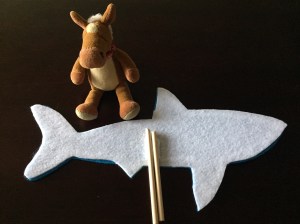
  • Then take your sticks and glue them on the back of your shark. Make sure they are fully dry before you pick up your shark!

IMG_0437

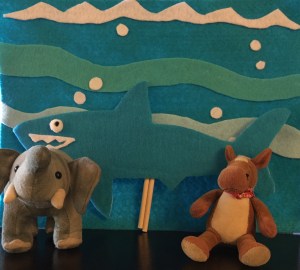
  • Once the sticks are dry! You can have a puppet show with your shark! Make sure you give him a nice clean ocean habitat!

FullSizeRender(62)


There you have it! Our shark stick puppet craft! Enjoy making yours and share it with us!

Printable shark pattern

Printable shark pattern

Categories: adventure, Animals, Children, conservation, crafts, education, Environment, nature, oceans, science, sharks, wildlife | Tags: , , , , , , , , , , , | Leave a comment

GUESS THE SHARK!

GUESS THE SHARK!

Can you guess the shark from the cartoon? Scroll down to the bottom to see if your answers are right and learn a few facts about each shark!

Shark A!

Shark A!


Shark B!

Shark B!


Shark C!

Shark C!


Shark A:

Bull shark!
They tend to head butt prey before biting.
They are known to swim in brackish & fresh water systems.
They are also known as the Zambezi shark.
They can grow to lengths of 11 feet & weigh up to 500lbs.
They are listed as near threatened.


Shark B:
Lemon shark!
They have a horizontal band in their retina that gives them ability to see color and detail.
They are crepuscular.
They rest on ocean floor- to get cleaned by other fish.
They are very social.
They are near threatened.


Shark C:
Tiger shark!

Their famous tiger stripes on a tiger shark usually disappear on adult sharks.

They can grow up to 14 feet long and weigh up to 1,400lbs!

They are called the “wastebaskets of the sea” because they are known to eat anything, including trash.

They are listed as near threatened.

They are nocturnal hunters!


Categories: adventure, Animals, Children, conservation, education, Environment, nature, oceans, science, sharks, wildlife | Tags: , , , , , , , , , , , | Leave a comment

C is for Cookie- Cookie Cutter Shark!

C is for Cookie- Cookie Cutter Shark!

Today we’re meeting a bizarre little shark today! We sure wouldn’t get to close to this crazy critter! Best to look from a distance campers!

  • Cookie cutter sharks can grow up to 22 inches.
  • They live in deep tropical waters world wide- especially near islands.
  • They are carnivores. They eat fish, marine mammals and even other sharkrs.
  • They are listed as least concern by IUCN.

cookie cutter

  • Cookie cutter sharks are members of dogfish family.
  • Cookie cutter sharks have light emitting photophores on it’s underside to blend in with moonlight.
  • They also have a bioluminescent collar that can flash & may help them attract prey.
  • They are famous for the cone shaped chunks it takes out of its prey- including larger sharks, marine mammals and fish.
  • Their famous bite marks have been seen on submarines and underwater cables.
  • Cookie cutter sharks  have lower teeth that are long, sharp and triangular shaped. There have 25-31 teeth on the bottom row of their mouth.
  • They travel in schools.
  • Cookie cutter sharks were discovered in the 1800s, but the strange bite marks were not attributed to the little sharks until the 1970s.

    cookie cutter2

    Aren’t they the craziest looking creatures ever? We think so! What’s your favorite crazy looking shark?

Categories: adventure, Animals, Children, conservation, education, Environment, nature, oceans, science, sharks, wildlife | Tags: , , , , , , , , , , | Leave a comment

CAMP NUDIBRANCH!

CAMP NUDIBRANCH!

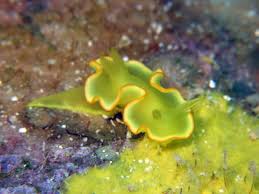
We have some colorful friends join us at camp- sea slugs! So let’s meet our nudibranch friends!

nudibranch

  • Nudibranchs are mollusks.
  • They are members of the sea slug family.
  • There are more than 3,000 species of nudibranchs.

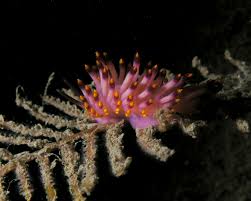
nudibranch3

  • Nudibranchs can be anywhere from .25″ to 12″ long.
  • Nudibranchs are carnivores.
  • They get their bright warning coloration from the food they eat.

nudibranch2

  • Some nudibranchs are poisonous. They retain the toxins from their prey.
  • The tentacles on their heads are sensitive to taste, touch and smell.
  • Some nudibranchs store algae in their tissues. They live off sugar produced by that algae during photosynthesis.
  • Nudibranch can only detect light.

nudibranch4

nudibranch5


These little campers sure are bright and colorful! When you’re done meeting them- head over to the craft tent and get out the crayons and color the nudibranch coloring sheet.

IMG_0151


Categories: adventure, Animals, Children, conservation, education, Environment, nature, oceans, science, wildlife | Tags: , , , , , , , , , | Leave a comment

World Sea Turtle Day!


World Sea Turtle Day!

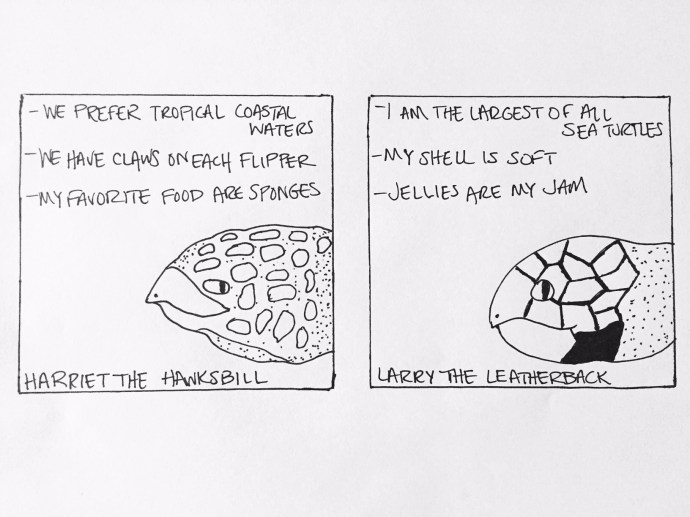
Come learn some cool facts about sea turtles and then meet four turtles! Woohoo- it’s all about the turtles at camp today!

  • Sea turtles have been around for 65 million years.
  • Most sea turtles travel many miles to lay their nest of eggs one the beach where they were born.
  • Most sea turtle species are listed as threatened or endangered.
  • Sea turtles come ashore at night to lay their eggs in nests at the edge of sand dunes.
  • Sea turtles can not pull their heads and fins in to their shells.
  • Baby sea turtles use the full moon  to guide them to the ocean after they hatch.

Keeping our beaches & oceans sea turtle friendly:

  • Keep all trash off the beach- especially plastic bags.
  • Turn off all beach lights at night so turtles are not confused.
  • Keep noise levels down at night.
  • If you are walking on the beach and need a light, use a flashlight with a red lens.

Now it’s time to meet our sea turtle friends!

image

image

Categories: adventure, Animals, Children, conservation, education, endangered species, Environment, nature, oceans, science, turtles, wildlife | Tags: , , , , , , , , , , , , | 1 Comment

Blog at WordPress.com.