Posts Tagged With: birds

Beach Time!!

BEACH TIME!!

beach

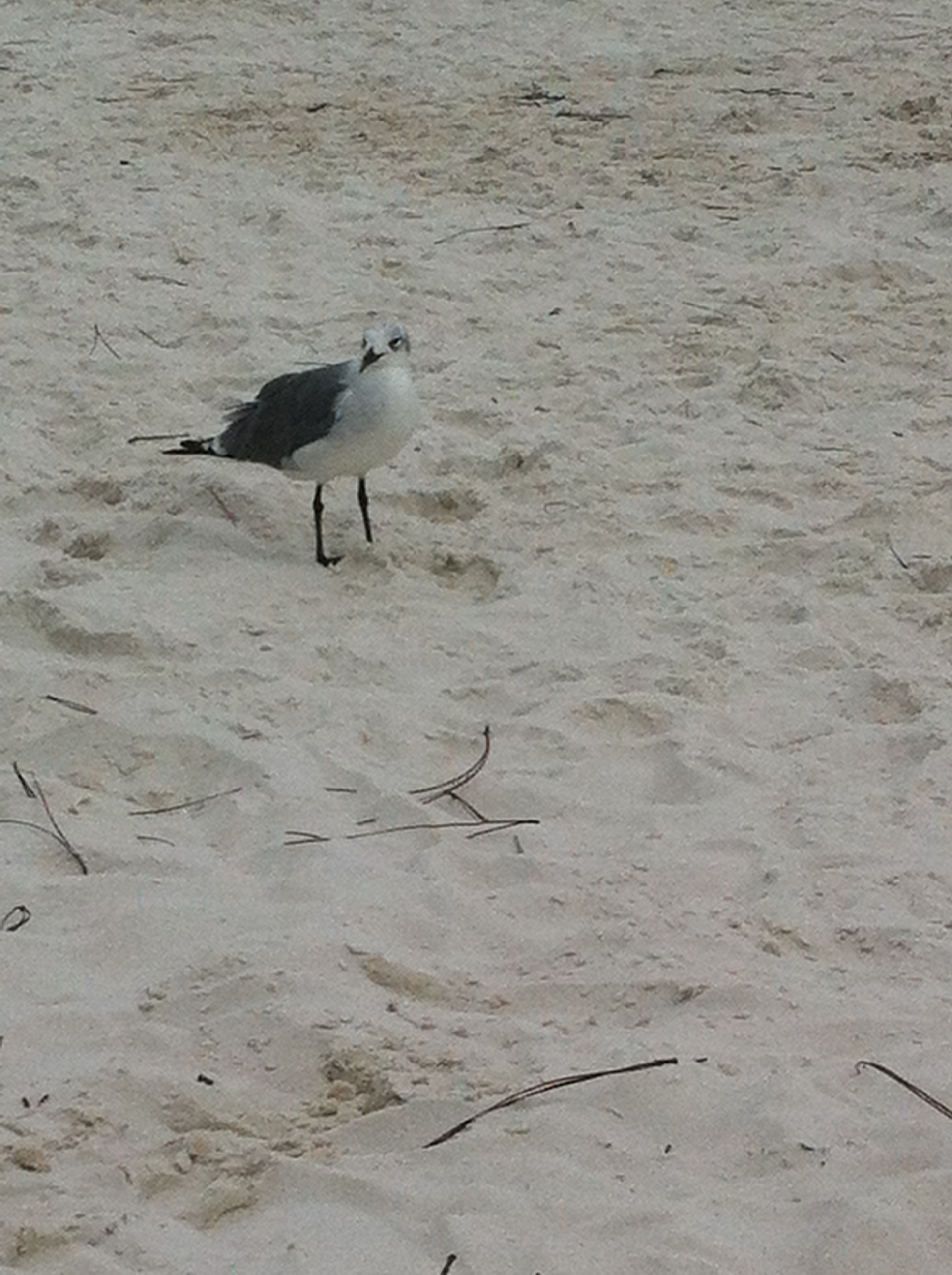
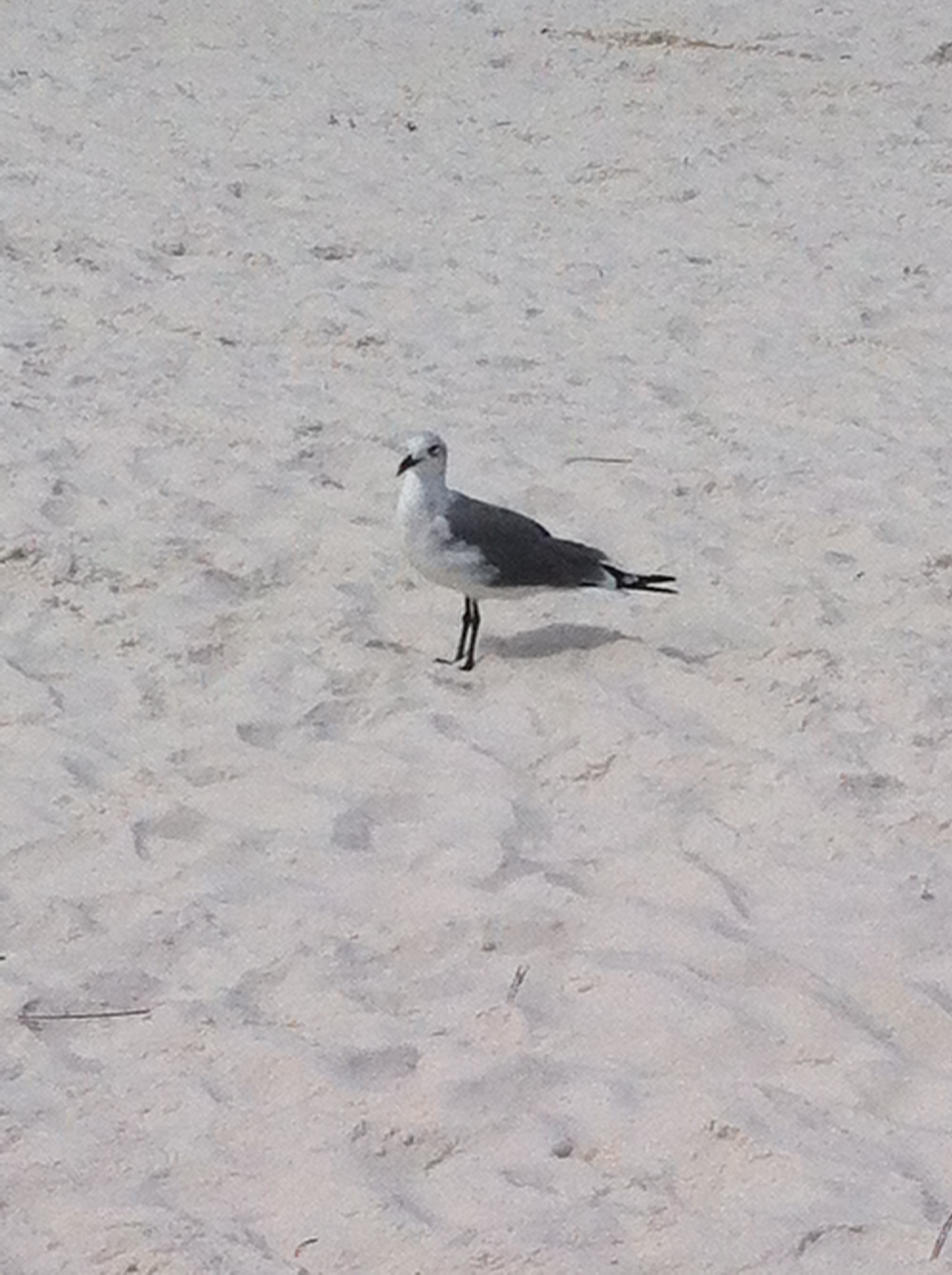
We are back! We spent our holiday on the Gulf coast of Florida to relax on the beach! We found some shells, watched the waves and met some seagulls! Meeting those funny little birds got us to thinking! We don’t know much about seagulls, except for their bad reputation! So we did some research and we’re sharing some fun seagull facts with you!

Hello birdie!

Hello birdie!

FUN FACTS:

  • Seagulls should be called gulls, as some live inland and most rarely venture out to sea.
  • They mate for life and both parents look after the chicks.
  • Gulls can drink salt water. They express the salt through their nostrils!
  • Gulls can move their eyes in the their sockets. This ability gives them excellent vision!
  • Gulls are highly intelligent and have many creative ways of hunting and extracting prey.
  • Adult gulls teach their chicks their own unique ways of hunting.
  • They are highly vocal and have many different calls.
  • The smallest species of gull is the Little gull.
  • The largest species is the Great Black beaked gull.
  • Young gulls live in nursery setting. They are watched after by several male adults.
beach4beach5


We bet you didn’t know that gulls were so cool! They get a bad rap as being annoying and pushy! This reputation is not only undeserved, but is brought on when people feed them. Remember, never feed wildlife, they have everything they need right there and it is not your sandwich! Make sure when you take a trip to the coast, take everything you brought with you. Sea birds can get in big trouble when you leave trash! A clean beach is a happy beach!

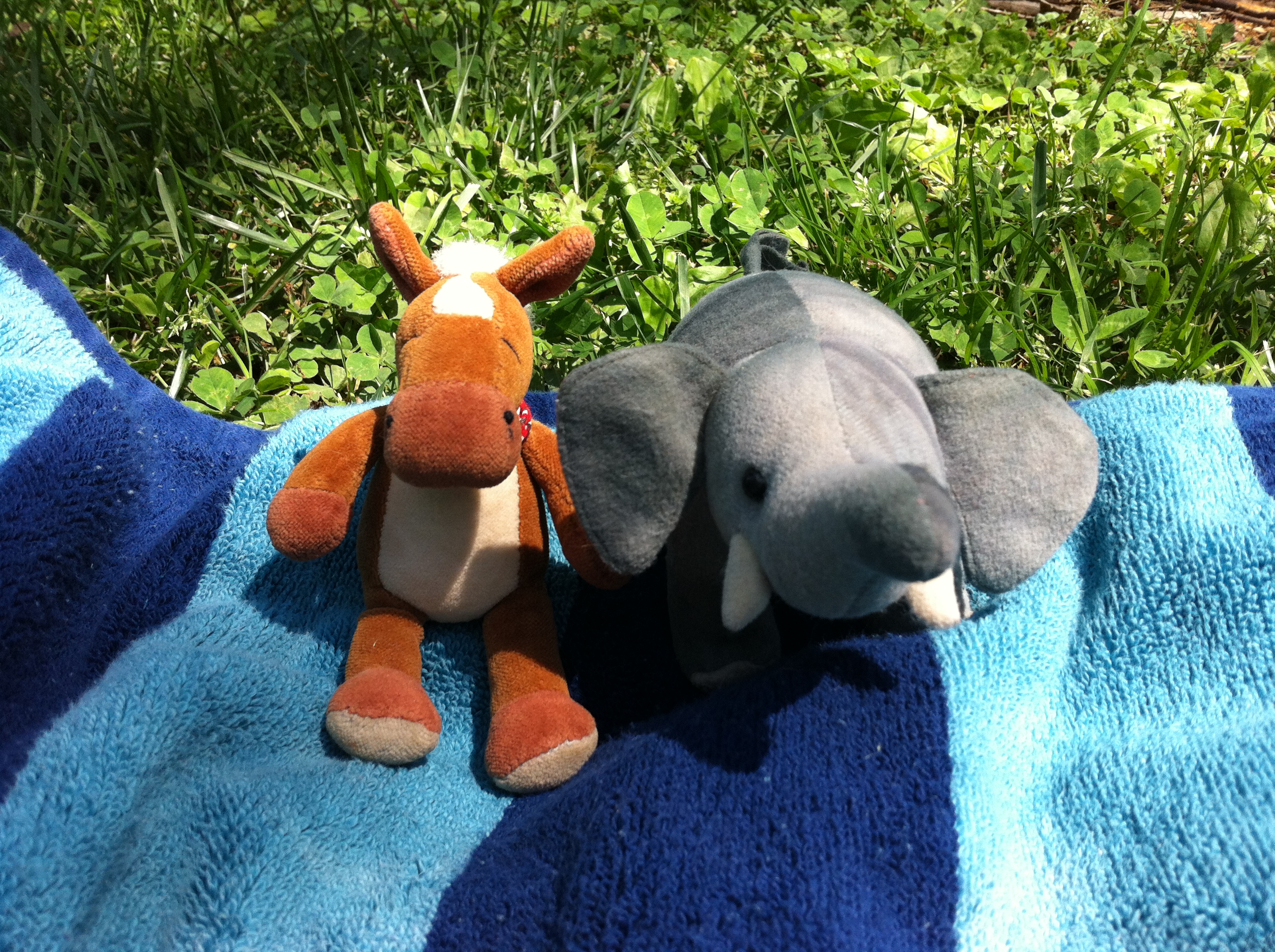
Edmond photo bombing a gull!
Edmond photo bombing a gull!


Categories: adventure, Animals, birds, Children, conservation, education, Environment, nature, science, Uncategorized, wildlife | Tags: , , , , , , , , , , | 4 Comments

FEATHERY FRIDAY # 81

FEATHERY FRIDAY #81

Woohoo- it’s time to meet another bird friend and we’re heading to the northern United States to meet today’s feathery friend. The good news is that this bird can be found all over the world! Are you ready? Let’s go!!!!

e e grasslands

MEET THE HEN HARRIER!

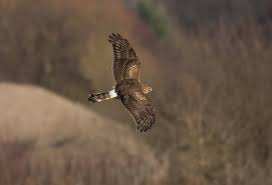
hen harrier    Range/Habitat: North America-Europe-Asia/grasslands

    Diet: Carnivore: small mammals

    Length/Weight: 17-20 ½”/13-19 oz

    Conservation Status: common


Fun Facts:

  •          Hen harriers fly close to the ground.
  •          They have keen eyesight and hearing.
  •          Hen harriers nest on the ground.
  •          Hen harriers females are brown and the males are gray.
  •          Females are larger than the males.

Hen harriers are cool birds of prey. The way the fly close to the ground is very unusual! Watch out animals!

hen harrier2    hen harrier3

Categories: adventure, Animals, birds, Children, conservation, education, Environment, nature, science, wildlife | Tags: , , , , , , , , , | Leave a comment

WORLD ORANGUTAN DAY!!

WORLD ORANGUTAN DAY!

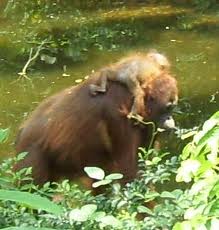
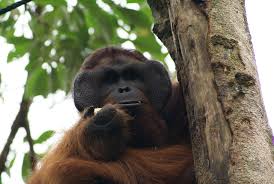
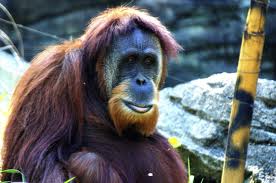
We’re celebrating one of our favorite great apes today! These magnificent beauties are intelligent, amazing and closely related to humans! They have one of the longest periods of child rearing in the animal kingdom, because learning to be an orangutan takes time. Unfortunately they are endangered, but we can help! Let’s learn some fun facts and then see how we all can protect these great apes!

orangutanORANGUTAN FUN FACTS:

  • There are two species of orangutans, Bornean and Sumantran.
  • The name Orangutan means man of the forest.
  • Orangutans are arboreal. They spend most of their lives in the trees.
  • They are mostly solitary.
  • Baby orangutans stay with their moms for 8-10  years.
  • Orangutans are extremely intelligent.
  • They have culture. They share their patterns and behavior with their offspring and others.
  • An adult male orangutan has an arm span of about 7 feet.
  • Orangutans are frugivores.
  • Orangutans build nests in the trees each night.
  • Adult male orangutans develop large cheek pads and throat pouches.

orangutan2  orangutan3


orangutan4orangutan5orangutan6


We love those faces. Orangutans are losing their precious forest homes due to palm oil plantations. Palm oil is used in many products and food. It is very hard to avoid totally. Cheyenne Mountain Zoo has a wonderful resource for consumers to use. They have a list of products that use palm oil that is produced in a sustainable manner and is not taking over orangutans homes. This resource is a great tool to help orangs! Visiting your local zoo and learning more about these apes is a great way to help! Our local zoo, Zoo Atlanta does some fantastic research with orangutans. They are learning to use computers!

Check out the Cheyenne Mountain Zoo website. They even have a nifty app you can take with you when you are shopping!

Learn more about Zoo Atlanta’s Orangutan Learning Tree Project! They are doing some amazing work! We’ll be participating in the Redhead Run here in Atlanta to support orangutans too!

Categories: adventure, Animals, Children, conservation, education, Environment, mammals, nature, orangutans, science, wildlife | Tags: , , , , , , , , , , | 1 Comment

FEATHERY FRIDAY # 79

FEATHERY FRIDAY #79

We’re super excited to head down to South America for today’s adventure! We’re going to meet a flamingo and do some flamenco! Hahahaha!  

E & E lake

MEET THE PUNA FLAMINGO!

puna flamingo

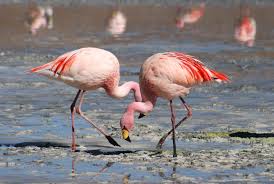
   Range/Habitat: West South Amercia/ wetlands-salt lakes

   Diet: herbivores: microscopic algae

   Length/Weight: 8”/3 ½-4 oz

   Conservation Status: near threatened


Fun Facts:

  •          Puna flamingos are also known as James’s Flamingos.
  •          They are pink with red streaks.
  •          Puna flamingos are one of 3 South American flamingo species.
  •          Puna flamingos live in high altitude.
  •          They live in large flocks.

Puna flamingos do a fancy mating dance during breeding season. They even do it as a flock! Get on your dancing shoes!

puna flamingo2  puna flamingo3

Categories: adventure, Animals, birds, Children, conservation, education, Environment, nature, science, wildlife | Tags: , , , , , , , , , | Leave a comment

FEATHERY FRIDAY #78

FEATHERY FRIDAY #78

We’re excited for Friday because we’re going to South America to meet today’s bird! We’re on the lookout for a bird of prey, so keep your eyes peeled!

e & e rainforest

MEET THE BARRED FOREST FALCON!

barred forest falcon   Range/Habitat: South America/ rainforests-forests

   Diet: carnivore: insects, ants, small mammals

   Length/Weight: 12-15”/ 5-8 oz

   Conservation Status: common 


Fun Facts:

  •          Barred Forest Falcons have rounded wings.
  •          They have long slender legs.
  •          Barred forest falcons hunt from the trees.
  •          Barred forest falcons do not build nests; they live in tree cavities.
  •          They live in areas without many humans.

Barred forests falcons are gorgeous small little raptors. The forests are so full of amazing birds! Do you have a favorite?

barred forest falcon2

Categories: adventure, Animals, birds, Children, conservation, education, Environment, nature, science, wildlife | Tags: , , , , , , , , | Leave a comment

FEATHERY FRIDAY # 77

FEATHERY FRIDAY #77

We’re heading to Southeast Asia to find today’s feathery friend. These little birds are often found in parks and near homes, so let’s have an evening picnic and meet today’s bird!

e e picnic

MEET THE SUNDA SCOPS OWL!

sunda scops owl   Range/Habitat: Southeast Asia/ forests, suburbs

   Diet: carnivore: insects, rodents

   Length/Weight: 8”/3 ½-4 oz

   Conservation Status: common 


Fun Facts:

  •          Sunda Scops Owls are small.
  •          They have prominent ear tufts.
  •     Sunda Scops owls hunt at dusk.
  •          Sunda Scops owls lay up to 3 eggs per clutch.
  •          Male and females call together.

Sunda Scops owls are so cute. We wish we had them near us! It’s great that they love to eat bugs too!

sunda scops owl2   sunda scops owl3

Categories: adventure, Animals, birds, Children, conservation, education, Environment, nature, science, wildlife | Tags: , , , , , , , , , | 1 Comment

FEATHERY FRIDAY # 76

FEATHERY FRIDAY #76

It’s Friday! It’s Friday! It’s Feathery Friday! We’re going right out our back door for today’s adventure in search of a really cool little feathery friend!

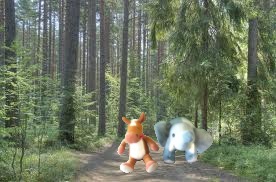
e e woods

MEET THE NORTHERN FLICKER!

northern flicker   Range/Habitat: North-Central America/ woodlands-suburbs

   Diet: carnivore: insects

   Length/Weight: 30-35”/ 100-175 g

   Conservation Status: common 


Fun Facts:

  •         Northern Flickers are members of the woodpecker family.
  •          They have long pointed bills.
  •          Northern flickers often feed on the ground.
  •          Northern flickers long bills are used for pecking in to the ground.
  •          They have spotted undersides.
  •          Northern flickers have long tails.

We love it when we find a Northern Flicker pecking on the ground in our neighborhood. Who knew there were woodpeckers who didn’t just peck on trees for their dinner?

northern flicker2  northern flicker3

Categories: adventure, Animals, birds, Children, conservation, education, Environment, nature, science, wildlife | Tags: , , , , , , , , , | 2 Comments

SUPER SURPRISE THURSDAY # 76

SUPER SURPRISE THURSDAY # 76

WHO AM I? Look at the picture, read the clues and take a guess!

snowy owl

  • I live in the Arctic.
  • I am a carnivore.
  • I am active during the day, unlike most of my relatives.

WHO AM I?

Categories: adventure, Animals, birds, Children, conservation, education, Environment, nature, science, wildlife | Tags: , , , , , , , , , | 2 Comments

FEATHERY FRIDAY # 74

FEATHERY FRIDAY #74

It’s Feathery Friday and we’re going to the tropical seas to meet a bird who spends most of it time out over open water. So let’s board the E & E boat and head out on today’s bird watching adventure!

e e boat

MEET THE SOOTY TERN!

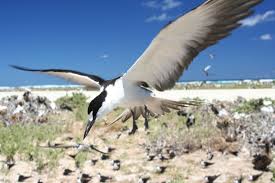
sooty tern   Range/Habitat: Worldwide/ Tropical seas

   Diet: carnivore: fish

   Length: 13-14”

   Conservation Status: common 


Fun Facts:

  •          Sooty Terns are brownish-black on top with white on the bellies.
  •          They are often seen in large flocks over open ocean.
  •          Sooty terns swoop near the water to scoop up prey.
  •          Sooty terns do not dive.
  •          They nest in large colonies on small islands.
  •          Sooty terns have a life span of up to 32 years.

Sooty terns are beautiful birds. We love that there are amazing birds that fly over open waters looking for their dinner!

sooty tern2   sooty tern3

Categories: adventure, Animals, birds, Children, conservation, education, Environment, nature, science, wildlife | Tags: , , , , , , , , , | Leave a comment

FEATHERY FRIDAY # 73

FEATHERY FRIDAY #73

Woohoo for Friday! It’s that day where we meet a feathery friend! We’re going to South America to meet a bird of prey who has a very particular prey! Grab your wellies because we’re heading in to the marshes!

e & e wetlands

MEET THE SNAIL KITE!

sail kite   Range/Habitat: Cuba-Central & South America/ wetlands-marshes

   Diet: Carnivore: apple snails

   Length/Weight: 16-18”/ 13-14 oz

   Conservation Status: common 


Fun Facts:

  •          Snail Kites fly slowly and low to the ground to spot their snail meals.
  •          They have a curved beak they use to remove the snail from its shell.
  •          Male snail kites are dark grey.
  •          Female snail kites are brown.
  •          Snail kites nest in bushes or on the ground.

Snail kites are gorgeous! Often birds of prey are not so specialized when it comes to food. We do wonder if apple snails taste like apples though. If they do, Edmond might try them out!

sail kite2   sail kite3

Categories: adventure, Animals, birds, Children, conservation, education, Environment, nature, science, wildlife | Tags: , , , , , , , , , | 2 Comments

Blog at WordPress.com.