Posts Tagged With: birds

CAMP AT NIGHT!

CAMP AT NIGHT!

FullSizeRender(13)

We sure hope you’re enjoying camp! We’ve got a few more days to go! Sitting by the camp fire tonight we’re enjoying all the sounds you hear at camp! Often you can not see these animals but you can identify them by their sounds. We’re going to share a few with you and see if you can guess who the animals are?

IMG_0163

Can you guess this first one?

Who do you think this is?

What about this animal?

And who is this one?

Listen good for this one!

What about this animal?

Did you get all the animal sounds right? Tweet or Facebook or Comment us your answers and we’ll send you the all ears badge!


Categories: adventure, Animals, Children, conservation, education, Environment, nature, science, Uncategorized, wildlife | Tags: , , , , , , , , , | 3 Comments

KNOW YOUR SHOREBIRDS!

KNOW YOUR SHOREBIRDS!

It’s time to get to know your shorebirds! Enjoy this coloring sheet and bonus points to those of you who can tell us the species!

image-0001

Categories: adventure, Animals, Children, conservation, crafts, education, Environment, nature, science, wildlife | Tags: , , , , , , , , , , , | 2 Comments

WE SPY!!

WE SPY!!

FullSizeRender

Professor Tamandua talked about biomes yesterday, so that inspired us to go to the beautiful rainforest of South America.

We Spied this bird there! Can you guess who it is?

we spy

Categories: adventure, Animals, Children, conservation, education, Environment, mammals, nature, science, wildlife | Tags: , , , , , , , , , , | 3 Comments

EARTH DAY 2015

EARTH DAY 2015!

We're hear to protect you earth! Thanks Samantha Dellinger for the great art!

We’re hear to protect you earth!
Thanks Samantha Dellinger for the great art!

We’re having a party for our planet today! This great big blue planet has so many amazing places and animals that we love! We work everyday to share those animals with you and share ways that we can all contribute to making the planet a better place for all animals and people!

Visit your local zoo or aquarium and learn about their conservation programs!

Visit your local zoo or aquarium and learn about their conservation programs!


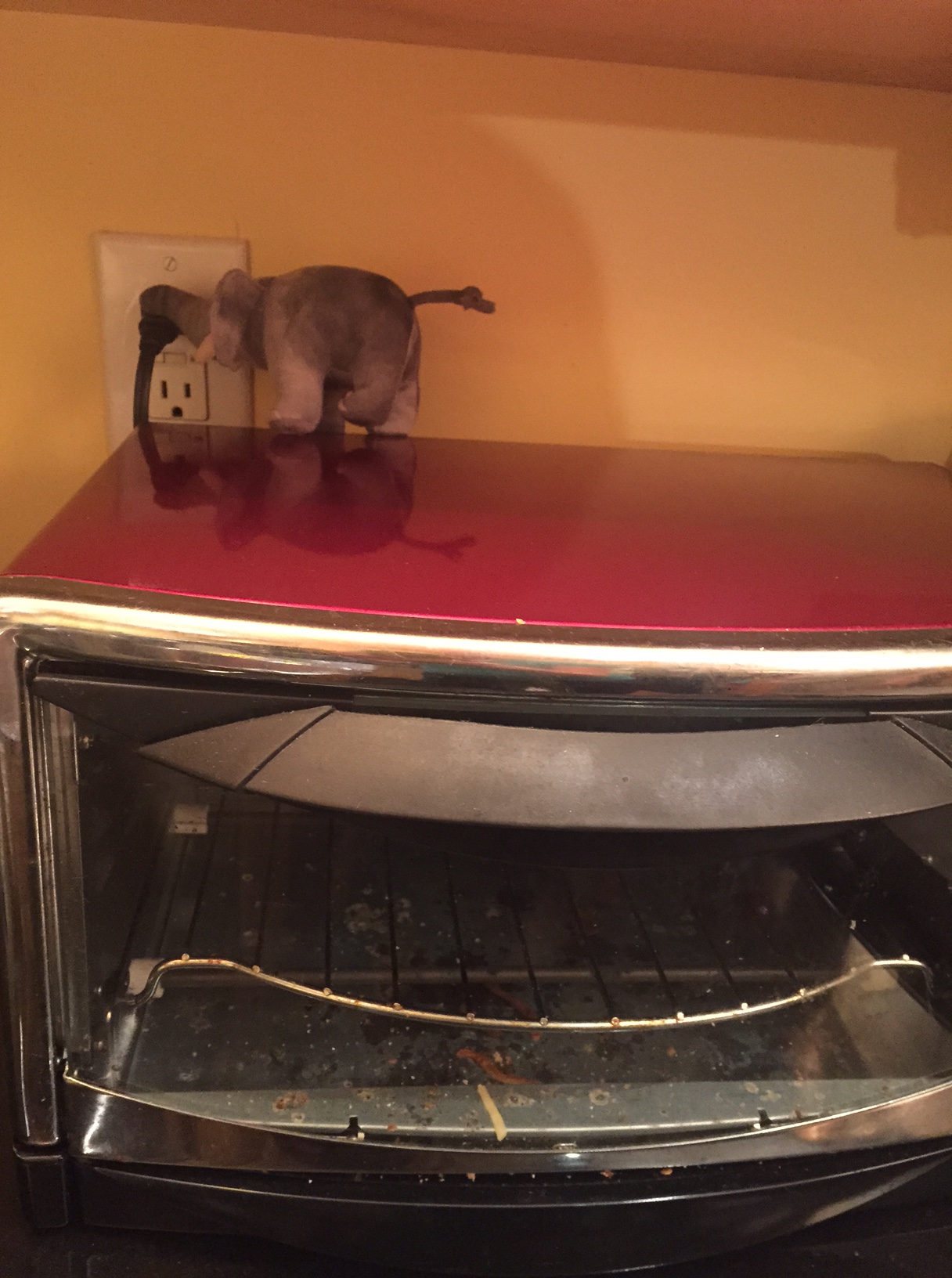
Turn off all power strips when not in use!

Turn off all power strips when not in use!

Unplug appliances when not in use!

Unplug appliances when not in use!

Use vinegar and water as a cleaner!

Use vinegar and water as a cleaner!


Turn off the water when brushing your tusks!

Turn off the water when brushing your tusks!

Turn off lights when you leave a room!

Turn off lights when you leave a room!

Ride your bike to work!

Ride your bike to work!


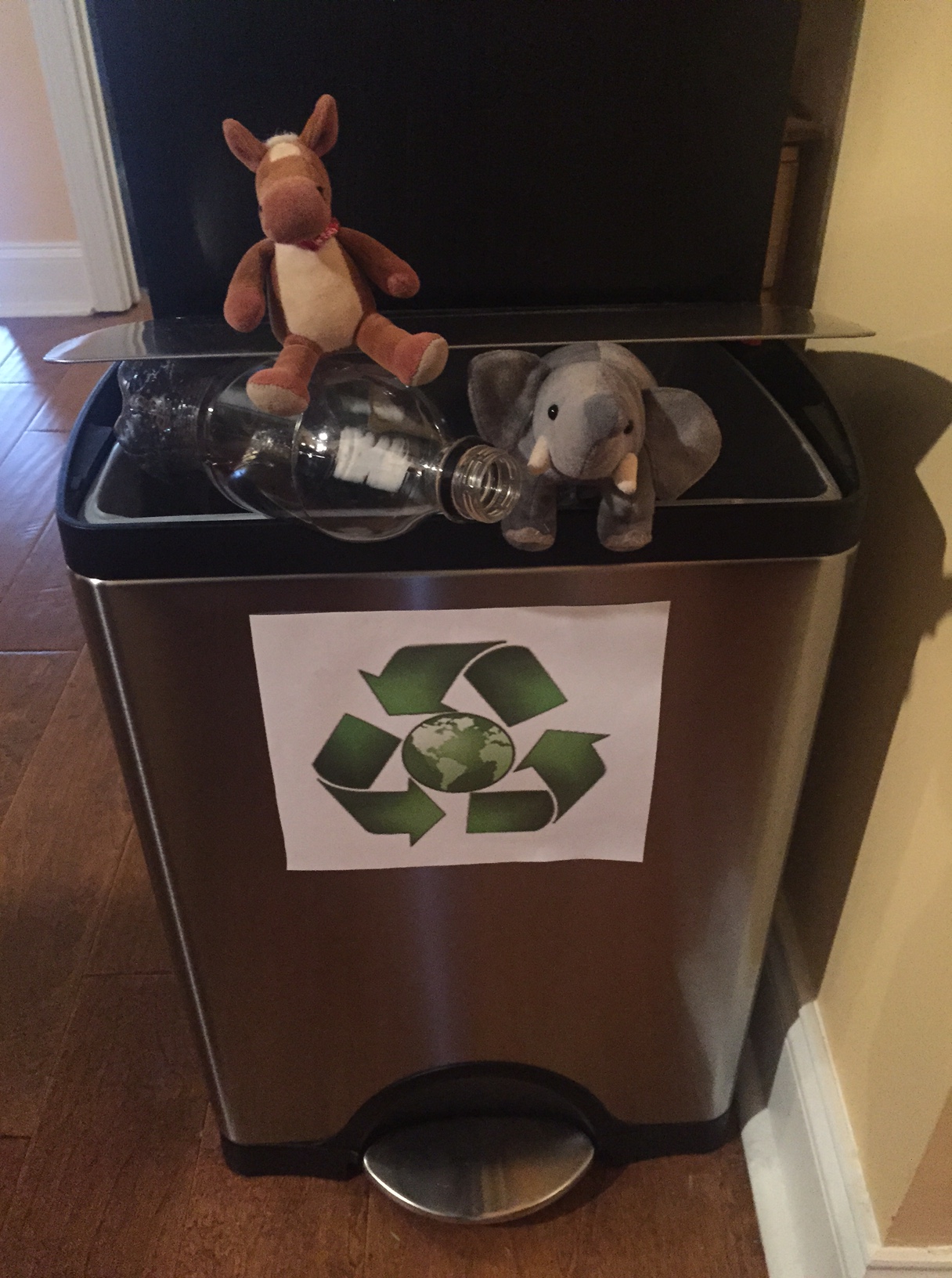
Recycle! Recycle plastic, glass, aluminum and paper! Take electronics to a special recycling drop-offs!

Recycle! Recycle plastic, glass, aluminum and paper! Take electronics to a special recycling drop-offs!


Bring your own reusable bags to the store!

Bring your own reusable bags to the store!


Categories: adventure, Animals, Children, conservation, education, Environment, nature, science, wildlife | Tags: , , , , , , , , , , | 2 Comments

I Want to Drink Your Blood….

I WANT TO DRINK YOUR BLOOD!!

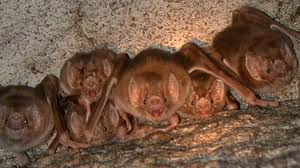
People often get so scared of our animal friends and they get a bad reputation.  Sometimes they may even be a little scary, but we love all animals! Sometimes we just love them from a distance! Today’s animal is a bat with sharp pointy teeth and a really bad reputation.


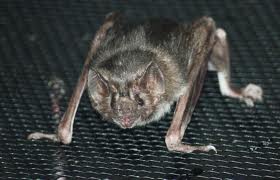
MEET THE COMMON VAMPIRE BAT!

Pretty cute!

I   Range/Habitat: Mexico-South America/roost in caves, mines, trees

   Diet: Hematophagy: blood of mammals such as cattle, pigs and tapirs

   Length/Weight: 2 ¾”-3 ¾”/ around 1 oz

   Conservation Status: common

vampire bat2

Fun Facts:

  • Common Vampire Bats are one of three bats that’s only source of food is the blood of other animals.IMG_1264
  • They have sharp thin-pointed teeth they use to bite animals.
  • Their teeth are so sharp that often the animals do not feel the bite.
  • Common vampire bats are strong fliers.
  • They have strong forelimbs and legs that help them get around on the ground. In fact they are very agile and speedy.
  • Common vampire bats have heat seeking receptors in their nose to help them locate veins closest to the skin.
  • Common vampire bats are nocturnal.
  • Common vampire bats live in large groups of usually several hundred individuals. They are known to have strong family bonds. There is even evidence of females adopting young bats that are orphaned.
vampire bat

We’ll admit these bats are a little creepy. But all animals have a place in this world. So we respect them all, again from a distance!
IMG_1265


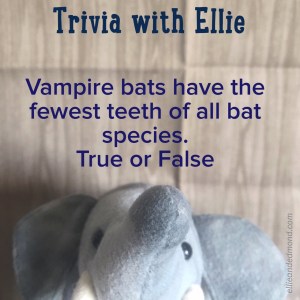
Answer: True

Categories: adventure, Animals, Children, conservation, education, Environment, mammals, nature, science, wildlife | Tags: , , , , , , , , , , | 1 Comment

BUILD A NEST AND THEY WILL COME!

BUILD A NEST AND THEY WILL COME!

Valentine’s Day is fast approaching and we wanted to talk birds! We met some birds who do some fancy building when they are looking for a mate! First up- the Bowerbird!

bowerbird2bowerbird

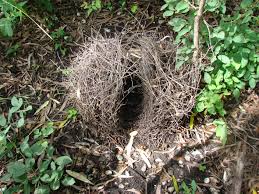
  • Male Bowerbirds build large courtship sites.
  • They build a tunnel like avenue and courtyard called a bower!
  • Bowerbirds live in Australia.
  • A female will inspect the bower and decide if the male is worth mating with.
  • Watch this video by David Attenborough about these birds!
  • Scientists also think Bowerbirds make an optical illusion with their bowers! These birds are soooo cool!


Meet the Hammerkop

hammerkophammerkop2

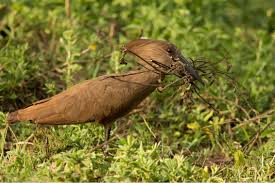
  • Hammerkops live in Africa and Madagascar.
  • A pair of hammerkops build a nest together.
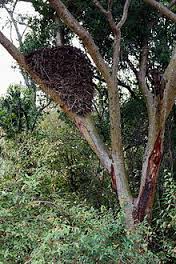
  • The nests can be up to 5ft across, can have many chambers and weigh up to 55 lbs.
  • They are wading birds.
  • They build the largest nest of any bird in Africa.
  • Abandon nests are used by many other species.

These two species of birds are quiet amazing! That is loads of work to attract a mate and have chicks! We are tired just thinking about all that nest building! Anyone out there planning on building a nest for their Valentine this year?


Categories: adventure, Animals, birds, Children, conservation, education, Environment, nature, science, wildlife | Tags: , , , , , , , , , | Leave a comment

RED FEET NOT BLUE…

RED FEET NOT BLUE…

red footed booby3

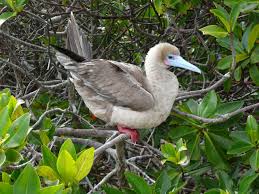
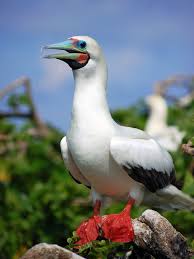
Did everyone get our We Spy animal yesterday? It was the Blue Footed Booby, one of our most favorite birds! Today we’re near the Galapagos Islands and we’re meeting a the Red Footed Booby! Those blue footed birds get the spotlight often, but we were really interested in meeting their sea going cousins! Come join us as we find these amazing birds!

e e galapagos

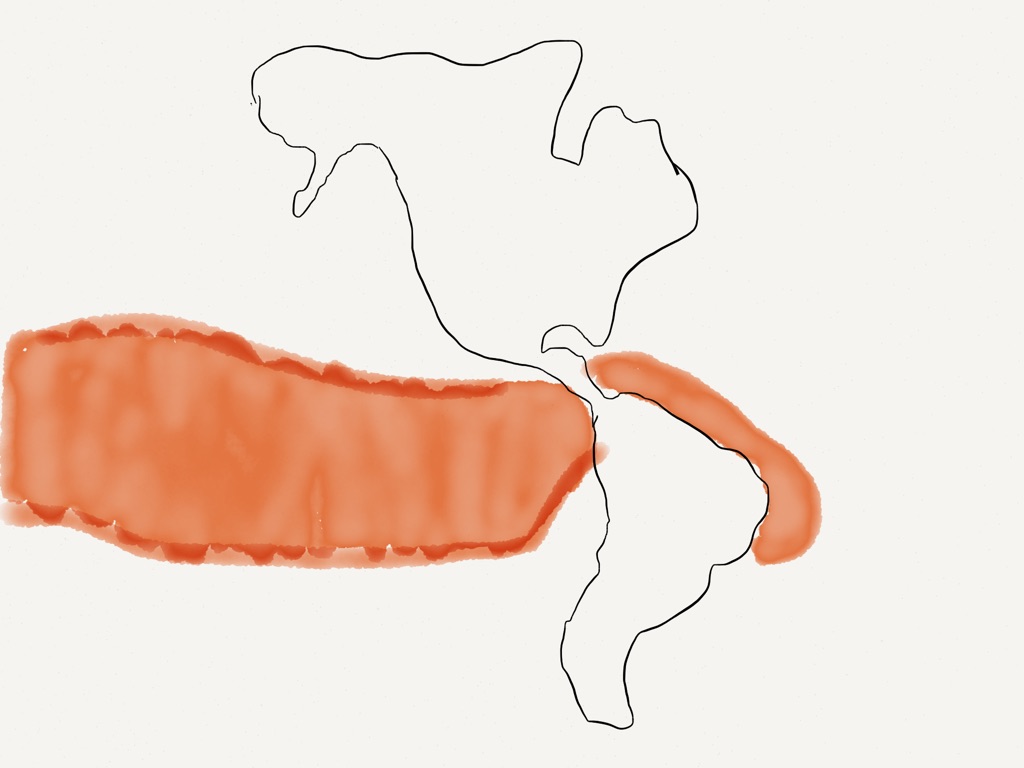
Habitat/Range: Tropical/subtropical Pacific, Indian and Atlantic Oceans

map map2

Weight/Length: 30-39 oz/25-30″

Diet: Carnivore: fish, squid

Conservation Status: least concern

red footed booby4

Fun Facts:

  • Red footed boobies are the smallest member of the booby bird family.
  • They feed at sea, but nest and land in coastal areas.
  • Red footed boobies can dive up to 98 ft in to the water to catch their prey.
  • Red footed boobies can close their nostrils when diving!
  • They live in large groups called colonies.
  • Red footed boobies do not migrate.
  • Both male and female red footed boobies take care of the egg and chick.
  • Red footed boobies can live up to 20 years!

red footed booby2   red footed booby

These birds had us laughing! They are quiet loud and playful as a group! Those red feet are hard to miss! We giggle every time we see them!

Categories: adventure, Animals, birds, Children, conservation, education, Environment, nature, science, wildlife | Tags: , , , , , , , , , | 1 Comment

SCIENCE WORD OF THE WEEK- ORNITHOLOGY!

SCIENCE WORD OF THE WEEK!!

swow ornithology

Hello and welcome back to class everyone!! We are so excited to be back to class here at the University of E & E! We had a lovely break, but I am ready to get back to learning our science words! Today’s word is related to National Bird Day, which we celebrated yesterday! Starting next week- I’ll be introducing our Professor of Travel and he’ll be letting you know where Ellie and Edmond are traveling for the week!

Today’s word is Ornithology: the study of birds. An ornithologist is a scientist who studies birds.

Did you know that there are nearly 10,000 species of birds on the planet? That makes for a lot of subjects for scientists to study! We love our feathery friends. Being an ornithologist is hard work! If you were going to study birds, which ones would you study? I know Ellie and Edmond would head straight to the Galapagos to study the Blue Footed Booby!

This our Blue Footed Booby pal!

This our Blue Footed Booby pal!

Categories: adventure, Animals, birds, Children, conservation, education, Environment, nature, science, vocabulary, wildlife | Tags: , , , , , , , , , | 1 Comment

NATIONAL BIRD DAY!!

NATIONAL BIRD DAY!!

national bird day

We are so excited to be back! We hope you like the new bold look of our website! Look for more graphics and pictures too! We’re kicking off the year with National Bird Day! Let’s learn some cool facts about ancient and modern birds!

  • The largest bird egg ever was laid by the extinct Elephant Bird.
Elephant bird egg on right next to an ostrich egg.

Elephant bird egg on right next to an ostrich egg.

  • The largest egg known today is laid by the ostrich.
  • The oldest known bird lived 150 million years ago and was called the Archaeopteryx.Archaeopteryx
  • Kiwi and penguins are flightless birds.
penguin

We can fly underwater!

kiwi

I have no wings!


  • About 1/5 of a bird’s weight consists of air sacs.
  • Bird bones are hollow inside.
  • There are 9,865 species of birds today! WOW!!
  • Birds have no teeth!
bird beak

See- no teeth!


  • Hammerkop males build large nests to attract a mate!

nesthammerkop


We just love birds! They come in so many sizes and colors! They can fly! They can swim! They can dive! Birds are so diverse and amazing! Do you have a favorite bird? We were the proud adopters of a snowy plover this holiday! He’s quiet the fantastic feathery friend!

plover

Categories: adventure, Animals, birds, Children, conservation, education, Environment, nature, science, wildlife | Tags: , , , , , , , , , | 1 Comment

We’re Talking Turkey

We’re Talking Turkey!

e e turkey

We’re talking turkeys today! We love these amazing birds! Wild turkeys are often under appreciated if you ask us! Come learn some fun facts about turkeys!

turkey3

  • Turkeys live in North America. They are found throughout the U.S.
  • Turkeys can fly! They have around 5-6 thousand feathers!
  • Male turkeys are more colorful than females. Males have the beards and the big fanned out tail.
  • Male turkeys are called gobblers and females are called hens.
  • Turkeys can run up to 25 mph!
  • Turkeys can fly up to 55 mph! Who knew?
  • Baby turkeys are called poults!
  • Turkeys live in open areas and woodland habitats.
  • Turkeys are omnivores. They eat nuts, seeds and insects.
  • By the early 1900s there were only 30,000 turkeys in North America, but with conservation efforts there around 7 million wild turkeys today!
  • You can hear a turkey’s call up to a mile and half away! Wow!

turkey2turkey


We bet you had no idea how cool wild turkeys real are! We hope you’ll have a better appreciation for these majestic birds! We know we sure do! Let’s go Turkeys!!

Categories: adventure, Animals, birds, Children, conservation, education, Environment, nature, science, wildlife | Tags: , , , , , , , , , | 1 Comment

Blog at WordPress.com.