Posts Tagged With: endangered species

Marshy Deer

Marshy Deer

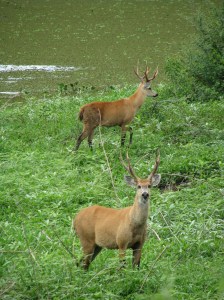
We are meeting one of the iconic animals of the Pantanal today-the Marsh Deer! Woohoo- we won’t delay meeting today’s animal!

923487B8-5AFC-44E7-ACA1-803D18D81693


Marsh Deer Fun Facts: 

  • The deer is the largest deer species in South America.
  • They can grow up to 6 feet long and weigh up to 275 lbs.
  • Marsh deer are known to be very shy.
  • Only the males have antlers that grow up to 1 foot.
  • These marsh dwellers have wide set hooves that are covered with a stretchy membrane that gives the hoof more stability in the water filled habitat.
  • These herbivores prevere to live near areas of water.
  • They are listed as vulnerable by the IUCN.
D46F1B67-69E8-46D4-B1FA-DBFE75ABDD88

These cute deer with their giant ears are so fun. They keep to themselves and spend most of their time munching on grasses.
Categories: adventure, Animals, Children, conservation, education, endangered species, Environment, mammals, nature, science, Today's Post, wildlife | Tags: , , , , , , , , , , | 1 Comment

Emperors of the South Pole

Emperors of the South Pole

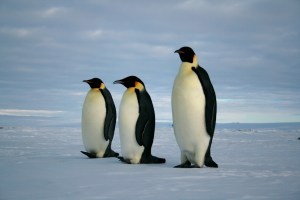
We put on our warmest coats, gloves, hats and boots and headed out to the meet one of Antarcticas most iconic animals- the Emperor Penguin. These tall flightless birds live in a harsh climate, but they are built to survive.

787B4882-1C52-4FCD-A012-F2F8B5ABE4FA


Emperor Fun Facts: 

  • These penguins can grow up to 45 inches and weigh up to 85 lbs! They are the largest penguins on earth.
  • These birds huddle together for warmth. The birds rotate from the interior of the group to the center.
  • They can dive 1,800 ft deep and stay under water for up to 20 minutes. They can dive deeper than any bird on the planet.
  • Females lay one egg. The males incubate the eggs on top of their feet. They cover the eggs with their brood pouch.
  • Females head out to the open ocean to gorge on food while the eggs are incubating.
  • When the chicks hatch, the females and males switch duties.
  • These big gorgeous birds are listed as Near Threatened by the IUCN.

04BAD5D3-74B9-42E4-9A2A-FF86B9843646

We had fun watching these birds. They are very curious. We can not imagine living in the frigid temps though or swimming so much time in that cold ocean. This horse & elephant miss the warm weather.

Categories: adventure, Animals, birds, Children, conservation, education, endangered species, Environment, nature, science, Today's Post, wildlife | Tags: , , , , , , , , , , , | 1 Comment

One Funny Looking Animal!

One Funny Looking Animal!

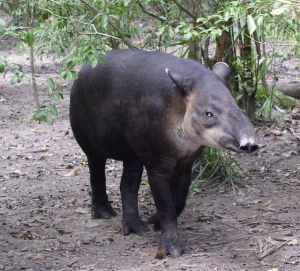
We went looking for one funny looking animal of the rainforest. Tapirs, with their long snouts look like they might be related to Ellie, but in reality they are related to Edmond! Neat! Today, we are meeting the largest of the tapir family.

OLYMPUS DIGITAL CAMERA


Baird’s Tapir Fun Facts: 

  • These large tapirs can grow up to 8 ft long and weigh over 800 lbs.
  • Their funny looking feet have four toes on the front and three on the back.
  • Tapirs use their long flexible noses for snorkels, sniffing odors in the forest and for finding food.
  • These nocturnal herbivores look for leaves and fruits during the evening hours.
  • They are excellent swimmers. They head to the water when threatened.
  • Once thought to be solitary, it is now believed they live in small family groups.
  • The young stay with their mothers for up to two years.
  • Baird’s tapirs are listed as endangered due to habitat loss and hunting.

0EF66EC7-2BB1-433E-9E1B-59C9FC579CEB

There are efforts to protect these beautiful animals. It would be a terrible thing to lose such a unique animal.

Categories: adventure, Animals, Children, conservation, education, endangered species, Environment, mammals, nature, science, Today's Post, wildlife | Tags: , , , , , , , , , | 1 Comment

The Real Kermit

The Real Kermit

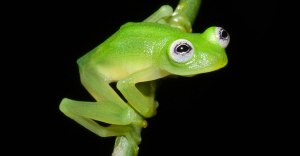
We went frogging during the evening. Costa Rica is one of the best places for spotting amphibians. We went looking for a very new species and we were not dissappointed.


C7B4F3D6-2A5D-4921-85AC-BCB8BD3ADA4A

Diane’s Bare-Hearted Glass Frog: 

  • Glass frogs have transparent skin on their bellies. You can see all of their organs!
  • These frogs are found in the mountains of Costa Rica. They are the first new glass frog species to be discovered in 40 years.
  • It has long thin fingers and toes.
  • They are nocturnal.
  • Males have an almost insect like call they use to attract females.
  • These cuties have white ping pong like eyeballs with black irises that make them look just like Kermit the frog.


We often think it is crazy that scientists are still discovering new species. It is so important to protect the wild places on earth so that all animals- known and not known have a healthy habitat to call home.

Categories: adventure, amphibians, Animals, Children, conservation, education, endangered species, Environment, nature, science, Today's Post, wildlife | Tags: , , , , , , , , , , , | 1 Comment

Slow Mover

Slow Mover

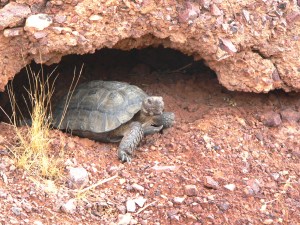
We headed to the heart of the Mojave Desert in search of one of two species of tortoises! These desert tortoises call this their home and we were thrilled to learn more about them!

7C6942F8-76AB-4ED6-867E-F9624A0E245C

Desert Tortoise Fun Facts:

  • These tortoises spend most of their time in burrows and shelters. They are inactive most of the year. They stay in cool areas to avoid losing water during the heat and they hibernate during the winter.
  • You’ll find them mostly after a rain.
  • They can live up to 80 years.
  • Desert tortoises have sharp claws that help them dig burrows. They can spend 95% of their lives in burrows.
  • Desert tortoises are slow growing. They still are only around 8 inches at 16 years old. They can reach up to 30 inches total.
  • These herbivores are listed as threatened and vulnerable- depending on the population.
  • Their biggest threat is habitat loss.

Desert Tortoise

These amazing creatures are made for the desert. They can survive a year without direct access to water! WOW!!

Categories: adventure, Animals, Children, conservation, education, endangered species, Environment, nature, reptiles, science, Today's Post, wildlife | Tags: , , , , , , , , , , | 1 Comment

Finding the Sandbar

Finding the Sandbar

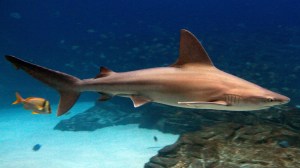
We are heading out on the S.S E&E to meet a shark today! Often when you are at the beach, you’ll see where more sand has accumulated and even sticks out of the water- this is called sandbar! Well today we are meeting the sandbar shark! They are found around bays, estuaries and sandy bottoms.

IMG_0314

Sandbar Shark Fun Facts: 

  • These streamline sharks can grow up to 8 feet long.
  • Sandbar sharks have large dorsal fins.
  • These carnivores eat mollusks, crustaceans and fish.
  • Sandbar sharks are also called brown sharks.
  • They are listed as Vulnerable by the IUCN.
  • Sandbar sharks give birth to live young!


IMG_0323

These relatives of the bull shark are not aggressive like their cousins. Like other sharks, they are threatened by humans- due to shark finning, pollution and over fishing.

Categories: adventure, Animals, Children, conservation, education, endangered species, Environment, fish, nature, oceans, science, sharks, Today's Post, wildlife | Tags: , , , , , , , , , , , , | 1 Comment

Bees, Bugs & Butterflies

Bees, Bugs & Butterflies

IMG_4406

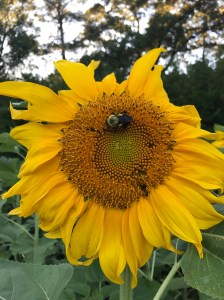
We are so excited for week 3 of Camp E & E! We’re meeting insects and the like this week! But first, we are taking the campers to garden here at camp to get our hands dirty! We’ll be planting a bee and butterfly garden. So get your pots, soil and garden tools out! We’re helping the bees!

FullSizeRender

Tips for planting a Bee Friendly Garden:

  • Plant native flowers and herbs to your area. Some good choices are: sunflowers, lavender (which keeps mosquitoes away), basil, blueberries, blackberries, black eyed susans, peonies, bachelor buttons, tulips, goldenrod and honeysuckle.
  • Plant the same flowers in one group or row.
  • Try to pick plants that bloom more than once in a season.
  • Fill a shallow dish with rocks and fresh water for the bees to drink!
  • Make sure to not use any pesticides and herbicides in your garden. They are toxic to bees.
  • Leave the weeds! Clover, dandelions and milkweed are all important to bees and butterflies! Weeds are friends!


FullSizeRender(1)

Bees are essential for the survival of all living things! Without bees to pollinate food and crops, we will all be in big trouble! Unfortunately our bee friend populations are in steep decline. So let’s give them a chance and some great habitats! And if you have deer or rabbits that nibble your garden, that’s ok too!


Categories: adventure, Animals, backyard, butterflies, camp, Children, conservation, education, endangered species, Environment, nature, science, Today's Post, wildlife | Tags: , , , , , , , , , , | 1 Comment

One Large Bat

One Large Bat

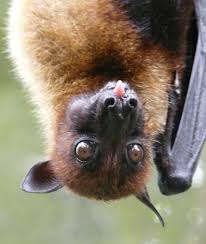
We decided to explore some of the islands this week. We do love our oceans, but the islands have some really neat creatures to meet too! Today we are meeting one of the largest flying mammals in the world and we couldn’t be more excited!

flying fox

IMG_4024


Date: 5/8

Location: Raja Ampat Islands

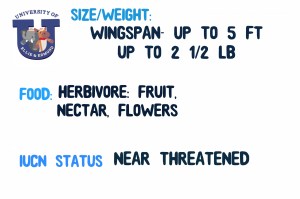
Large Flying Fox Fun Facts:

  • Large flying fox live in large colonies.
  • They are able to hang upside down just as smaller bats do.
  • Large flying foxes have long tongues to help them eat nectar and fruit.

IMG_4025

  • Large flying foxes are pollinators and seed disperses. Their poop contains seeds that they disperse and they get pollen on their fur when they eat nectar. They spread the pollen from plant to plant.
  • They feed in the upside down position.

flying fox2

flying fox3


These large bats are so cool to see! We spotted a whole tree full just roosting and came back at night to watch them head out to find food! They fly silently, but they are a noisy bunch when they are eating! Edmond can be a loud eater too!

Categories: adventure, Animals, Children, conservation, education, endangered species, Environment, nature, science, Today's Post, wildlife | Tags: , , , , , , , , , , , | 1 Comment

The Parrot with a Crown!

The Parrot with a Crown!

We met a feathered friend in the outback! This shy green bird is not always easy to spot, but we were lucky!

princess parrot2

IMG_3813


Date: 2/25

Location: Great Victorian Desert

Princess Parrot Fun Facts:

  • Princess parrots were named after Princess Alexandra of Denmark.
  • They are quiet colorful, with bluish heads, pink throats and blue tails.
  • Males have longer tails and brighter colors than females.

IMG_3814

  • They make loud calls.
  • Princes parrots are known to live around 30 years.

princess parrot

We were so excited to find a few of these chatty little birds! They tend to gather in a group for mating and then disappear again!

Categories: adventure, Animals, birds, Children, conservation, education, endangered species, Environment, nature, science, Today's Post, wildlife | Tags: , , , , , , , , , | 1 Comment

Hello Wallaby!

Hello Wallaby!

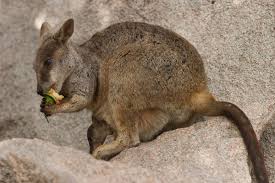
We met one of the cutest inhabitants of the desert today! These hopping marsupials are so fun! Let’s learn more about the Brush-tailed rock wallaby!

rock wallaby

IMG_3811


Date: 4/24

Location: Great Victorian Desert

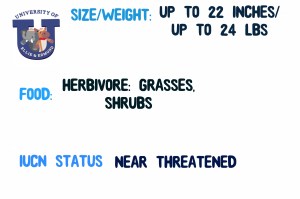
Brush-tailed Rock Wallaby Fun Facts:

  • Brush-tailed Rock Wallabies have rough padded feet to help them get around the rocky terrain.
  • They live in groups where each animal has their own territory. One male’s territory overlaps several female’s territory.
  • Brush-tailed rock wallabies are crepuscular (active at dawn & dusk).

IMG_3812

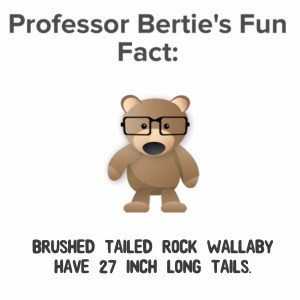
  • Those long tails help them balance on the rocky habitats.
  • They find shelter in caves or rocky crevices.

rock wallaby2

Rock wallaby’s are just the cutest! They are threatened due to habitat lose and the introduction of the non-native red fox. Ecosystems are very delicate and invasive species can quickly destroy it.

Categories: adventure, Animals, Children, conservation, education, endangered species, Environment, nature, science, Today's Post, wildlife | Tags: , , , , , , , , , , | 1 Comment

Blog at WordPress.com.