Posts Tagged With: mammals

SUPER SURPRISE THURSDAY # 52

SUPER SURPRISE THURSDAY #52

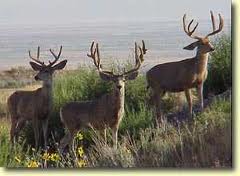
We are so happy to be back on dry land today! We’re going to the Wild West of North America to meet a handsome ungulate. Let’s grab our hiking gear and walking sticks and set out on today’s adventure!

MEET THE MULE DEER!

   Range/Habitat: West North America/ mountains, forests, grasslands

   Diet: Herbivore: plants

   Length/Weight: 2 ¾-7 ft/ 120- 460 ft

   Conservation Status: common


Fun Facts:

  • Mule deer are gray-brown in winter and rusty brown in the summer.
  • Male mule deer have antlers that they shed once a year.
  • Mule deer have black tips on their tales.
  • They are also called the Black Tailed Deer.
  • They have very large ears.
  • Mule deer are related to White tailed deer.

We just love Mule deer! They are majestic looking, especially the males with their large antlers! Do you love deer? What’s your favorite species?



Categories: adventure, Animals, Children, conservation, education, Environment, mammals, nature, science, wildlife | Tags: , , , , , , , , , | Leave a comment

ORANGUTAN AWARENESS DAY!

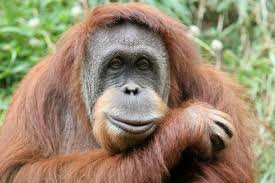
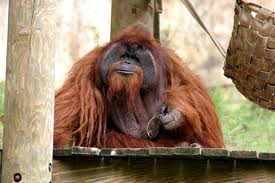
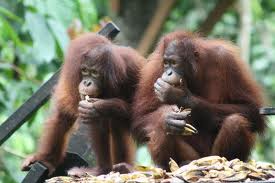
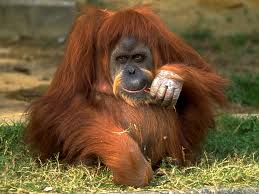
ORANGUTAN AWARENESS DAY!

We are sporting orange today and going to the rainforests of Southeast Asia to celebrate one of the most special mammals and great apes on the planet! These amazing apes are gorgeous, intelligent and unfortunately endangered. So today we are going to share some fun facts, photos and resources and how you can help protect these special creatures!


  • Orangutans are great apes.
  • There are two species, the Bornean and the Sumantran.
  • Orangutans are solitary in the wild.
  • Orangutans are arboreal (spend most of their lives in trees.)
  • They are frugivores.
  • Orangutans are highly intelligent.
  • Baby orangutans stay with their mothers for around 8 years, the longest of any primate.
  • Orangutans have extremely long arm spans, up to 7 feet from finger tips to finger tips.
  • Orangutans’ feet are built just like hands and help them climb in the trees.

There are several organizations that are working very hard to ensure that orangutans have a future in the wild. Their rainforest home is rapidly disappearing mainly due to palm oil plantations. Cheyenne Mountain Zoo is one of the leading institutions working to solve this issue. Check out their website!


Categories: adventure, Animals, apes, Children, conservation, education, Environment, mammals, nature, orangutans, rainforests, science, wildlife | Tags: , , , , , , , , , | Leave a comment

MAMMAL MONDAY # 52

MAMMAL MONDAY #52

We’re off to Southeast Asia today to meet a monkey who lives amongst people and in the wild! Are you ready to head out and see who we meet today? Let’s do this!

MEET THE LONG TAILED MACAQUE!

   Range/Habitat: Southeast Asia/ rainforests, urban, coasts

   Diet: Omnivore: fruit, seeds, aquatic animals

   Length/Weight: 14 ½-23”/ 7 ¾- 26 lbs

   Conservation Status: common


Fun Facts:

  • Long tailed Macaques are one of the most common monkeys in Southeast Asia.
  • They live in troops of 5-60 individuals.
  • Long tailed Macaques are also known as the Crab-Eating Macaques.
  • Their tails are as long as their bodies.
  • Long tailed macaques often live in areas that are populated with people.
  • They use tools such as stones to open nuts and oysters.

Long tailed Macaques are so cool. People and monkeys often live together, but the monkeys can be a nuisance. It is important that we remember; feeding wild animals can be bad for them as they learn that humans are not dangerous or that human food is better than their natural diet.

Categories: adventure, Animals, Children, conservation, education, entertainment, mammals, nature, science, wildlife | Tags: , , , , , , , , , | Leave a comment

SUPER SURPRISE THURSDAY # 51

SUPER SURPRISE THURSDAY #51

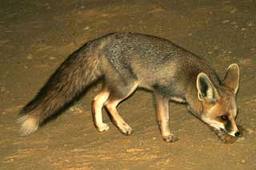
It’s time to meet our Super Surprise Thursday animal and to do so we must go to North Africa! We’re on the lookout for a small member of the canine family. Are you ready for today’s adventure?


MEET THE RUPPELL’S FOX!

   Range/Habitat: North Africa- West Asia/ scrub-desert

   Diet: Omnivore: reptiles, insects, grasses

   Length/Weight: 16-20”/ 2 ¼-6 ½ lbs

   Conservation Status: common


Fun Facts:

  • Ruppell’s Foxes are also called the Sand Fox.
  • They are crepuscular (active at dawn and dusk).
  • Ruppell’s Foxes change their dens every few days.
  • They scent mark their territories.
  • Ruppell’s foxes have large ears and white tipped tails.
  • They are one of the smallest members of the fox family.

Ruppell’s foxes are so cute with their large ears and slender bodies. We see red fox near our house and they are so fast. Do you love foxes?


Categories: adventure, africa, Animals, Children, conservation, education, Environment, mammals, nature, science, wildlife | Tags: , , , , , , , , , | Leave a comment

MAMMAL MONDAY # 51

MAMMAL MONDAY #51

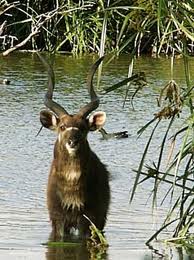
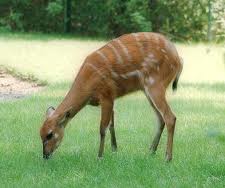
We’re going to West Africa today to meet a member of the cattle family who lives in marshes! That’s right everyone, these guys can swim! So let’s grab our wellies and head out into the marshland to meet…

MEET THE SITATUNGA!

   Range/Habitat: West-Central Africa/ wetlands-swamps

   Diet: Herbivore: aquatic plants

   Length/Weight: 4-5 ½ ft/ 110-280 lbs

   Conservation Status: common


Fun Facts:

  • Sitatungas are also called the Marshbuck.
  • They have hooves that are made for walking on muddy ground.
  • Sitatungas are excellent swimmers.
  • Male Sitatungas have long pointed horns.
  • They are crepuscular (active at dawn and dusk).
  • Female Sitatungas live in small herds.

Sitatungas are really handsome! It is so cool that spend so much of their time in marshes. They have such neat feet that are built for living in a squishy habitat! Would you ever want to live in a marsh?


Categories: adventure, africa, Animals, Children, conservation, education, Environment, mammals, nature, science, wetlands, wildlife | Tags: , , , , , , , , | Leave a comment

HAPPY HALLOWEEN!!

HAPPY HALLOWEEN!!!

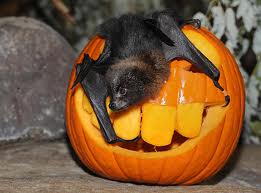
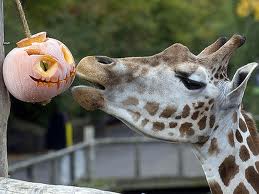
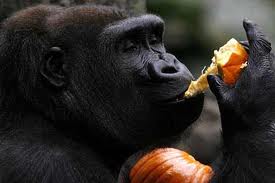
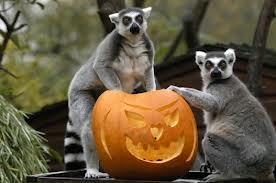
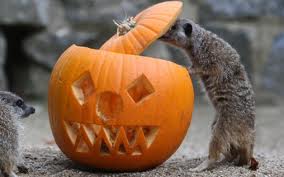
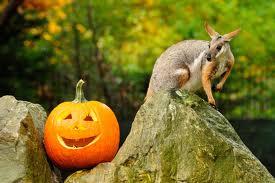
We’re celebrating Halloween with a fun set of pictures of animals with pumpkins! Often zoos and aquariums give animals in the fall pumpkins for enrichment! What’s enrichment you ask?

Enrichment is either food, habitat, or training. Enrichment provides animals with stimulation that they may not get in captivity. Here’s a great explanation of enrichment from the National Zoo in Washington DC.

Let’s check out these fun pictures  and videos and Happy Halloween!

Here’s a FUN VIDEO FROM DISNEY’S ANIMAL KINGDOM AND SAN DIEGO SAFARI PARK!

Categories: adventure, Animals, birds, Children, conservation, education, Environment, Halloween, mammals, nature, science, wildlife | Tags: , , , , , , , , , , | Leave a comment

MAMMAL MONDAY # 50

MAMMAL MONDAY #50

We hope you enjoyed Halloween Week last week, we have one last surprise up our sleeves (we don’t actually have sleeves) on Wednesday for you! Today though we are off to Europe to meet one of the most beloved and adorable native animals there. Grab a flashlight and let’s head out into an English garden to meet today’s animal.

MEET THE EUROPEAN HEDGEHOG!

   Range/Habitat: Europe/ gardens, forests, woodland

   Diet: Omnivore: worms, spiders, slugs

   Length/Weight: 26”/ 20 lbs

   Conservation Status: common


Fun Facts:

  • European Hedgehogs are a favorite resident of gardens of Europe.
  • They are covered in pointy spines that help protect them.
  • When threatened European Hedgehogs roll into balls, exposing only their spiny covered backs.
  • European Hedgehogs are nocturnal.
  • They are generally solitary.
  • European hedgehogs hide under bushes and logs during the day.
  • Some European hedgehogs hibernate during the winter.
  • Baby hedgehogs (hoglets) are born with their spines just under the skin.

Hedgehogs are so iconic and adorable. There are so many people who love these spiny mammals. We know we do, just don’t try and pet one!

Categories: adventure, Animals, backyard, Children, conservation, education, Environment, mammals, nature, science, wildlife | Tags: , , , , , , , , , | 2 Comments

OCTOBER CRAFT!! BAT MASK!!!

October Craft!!

BAT MASK!

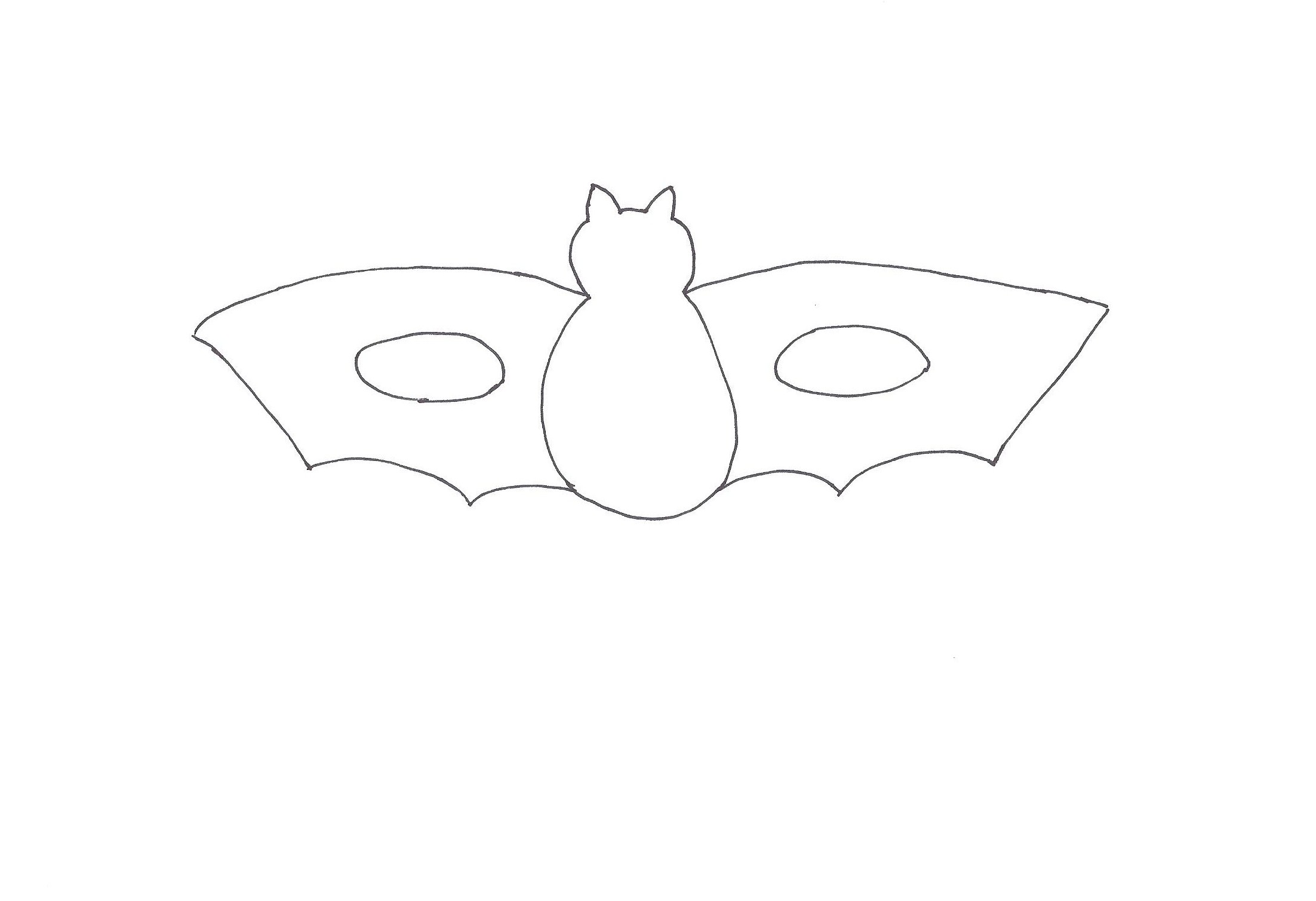
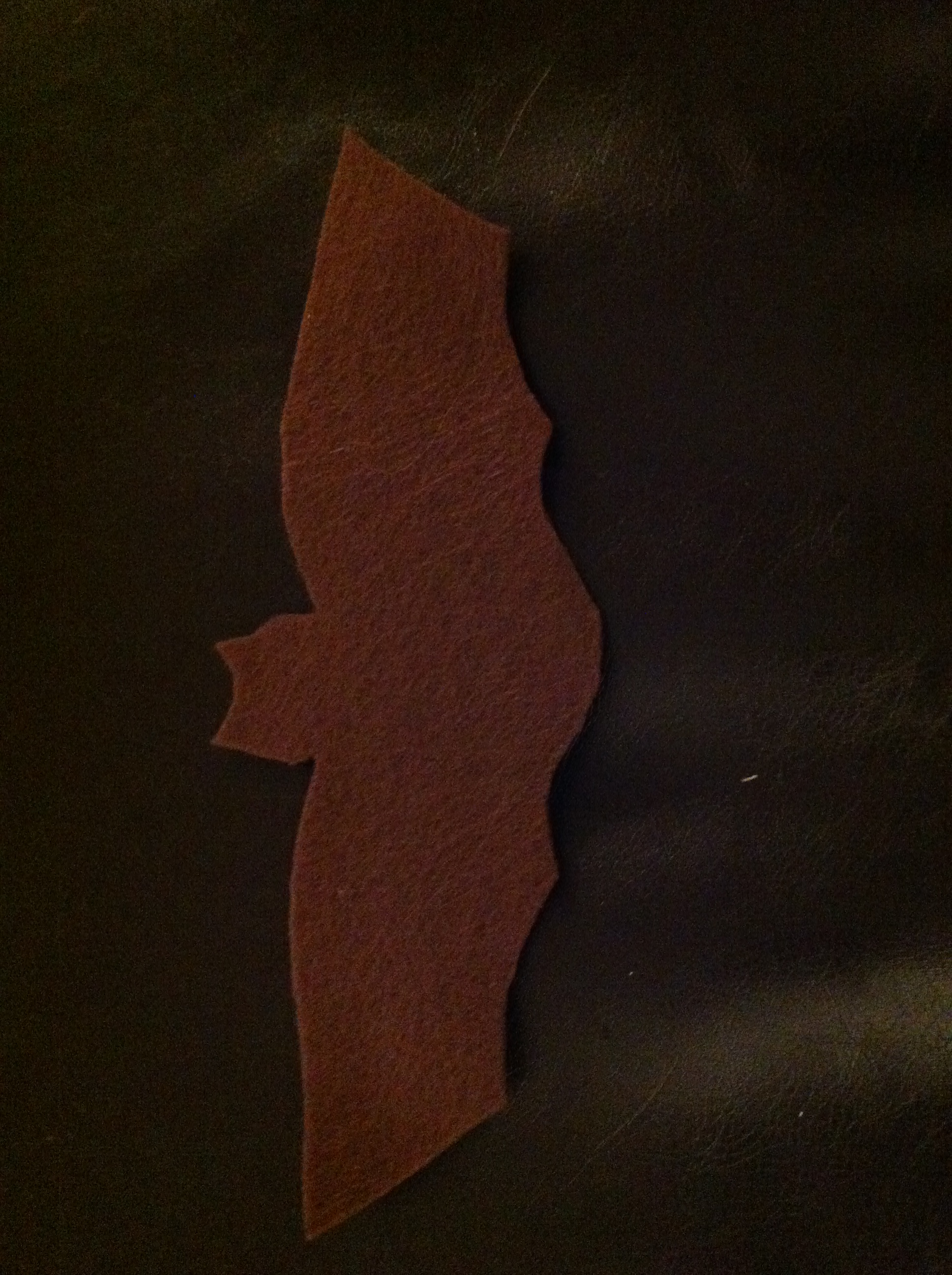
It’s almost Halloween and we thought a bat masks would be perfect! We have come up with a bat mask design! We have instructions for both the paper mask and a felt version!


Materials: (We showing the felt version here)

  • Pattern for Paper or Felt Mask
  • Print out on Cardstock (if making paper mask)
  • Crayons, Markers or Colored Pencils (if making paper mask)
  • Felt (brown)
  • Hot glue (for felt masks- to be used by an adult)
  • Hole punch (For both)
  • Scissors (For both)
  • String or ribbon (For both)


Instructions for Paper Mask:

1.     Print out the pattern for your mask on cardstock

2.     Cut out your mask and color.

3.     Punch holes in each side of the mask.

4.     Attach ribbon to each side and tie it your face J!


Instructions for Felt Mask:

1.     Print out Pattern and trace it on the felt.


2.     Cut out the mask. When done, cut out eye holes by folding bat wing in half & cutting an oval.


3.     Decorate your mask with glitter, etc… if you want to dress it up!

4.     Punch holes in the sides of mask. Tie or glue ribbon to the holes.


5.     Wear your mask!


Categories: Animals, bats, Children, crafts, education, Environment, Halloween, mammals, nature, wildlife | Tags: , , , , , , , , | 2 Comments

HALLOWEEN WEEK! MONSTOROUS MAMMAL MONDAY!

HALLOWEEN WEEK!

MONSTROUS  MAMMAL MONDAY!

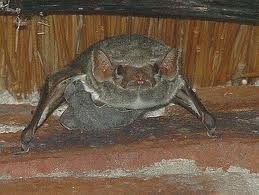
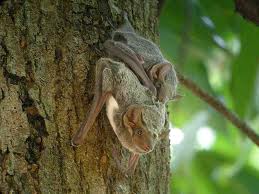
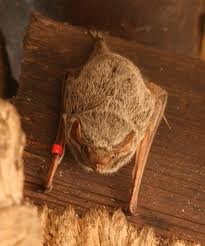
We’re celebrating weird, creepy and feared animals this week as Halloween approaches! These animals haunt your dreams and make you have goose bumps! Ok, these animals are not that bad, but they often have bad reputations! First up we’re off to meet a flying mammal that comes out at night! Grab your night vision goggles and let’s do this!

MEET THE MAURITIAN TOMB BAT!

   Range/Habitat: Central- South Africa/ scrub-savannas

   Diet: Insectivore: insects

   Length/Weight: 2 ¾-3 ½”/ 1 1/16 oz

  Conservation Status: common


Fun Facts:

  • Mauritian Tomb Bats make a variety of vocalizations (not all audible are to humans).
  • They use echolocation to find prey.
  • Mauritian Tomb Bats roosts in trees and buildings.
  • They roost in small groups instead of large colonies.
  • Mauritian Tomb Bats have good eyesight.
  • They are nocturnal (active at night).

Mauritian Tomb Bats are really cool. Well, all bats are really cool if you ask us. Most bats eat insects, some eat fruit and yes there are a few who drink blood! Wow! What’s your favorite thing about bats?
Categories: adventure, Animals, bats, Children, conservation, education, Environment, mammals, nature, rainforests, science, wildlife | Tags: , , , , , , , , , , | Leave a comment

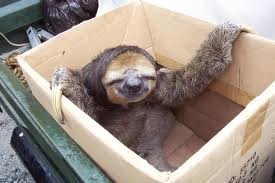
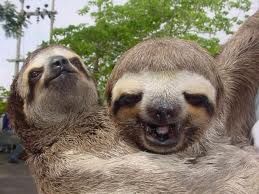
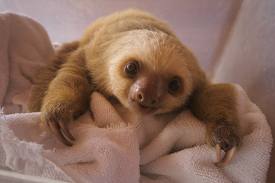
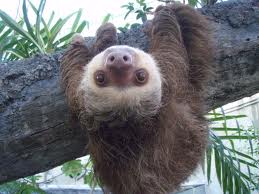
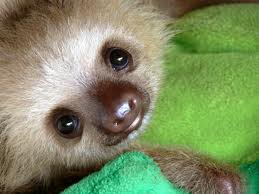
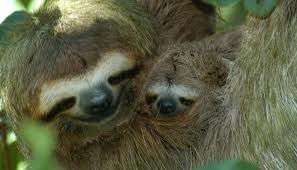
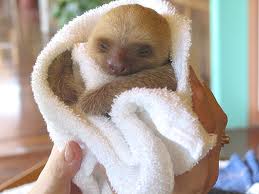
INTERNATIONAL SLOTH DAY!

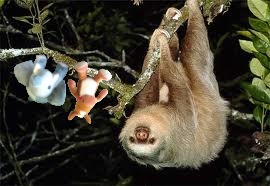
Happy International Sloth Day!

YAAAAAWN! Do you know what animal sleeps 20 hours a day and spends most of their lives upside down in a tree? If you guessed sloth you’re right!!!

We’re celebrating these sleepy creatures today with some fun facts and great photos! Are you ready to head to the rainforests of Central and South America to meet these cute and lazy animals?

  • Sloths sleep up to 20 hours a day.
  • Sloths are arboreal (they spend most of their lives in trees).
  • They only poop once a week; and they do that on the ground to keep the scent away from where they live.
  • Sloths have algae that grows on their fur. It helps keep them camouflaged in their habitats.
  • They are related to armadillos and anteaters.
  • There are two species of sloth; the three toed sloth and the two toed sloth.
  • Three toed sloths have two extra vertebrae in their necks that allow them to turn them almost all the way around.
  • Sloths eat fruit and leaves.
  • Sloths are very awkward on land, but are excellent swimmers.
  • The ancient relative of the sloth is The Giant Sloth who was almost as big as an elephant! If you are on twitter, you can talk to Rusty the Giant Sloth from the University of Iowa Natural History Museum (@RustyGiantSloth).


Sloths are listed as vulnerable species, mainly due to habitat loss. There is a wonderful Sloth Sanctuary in Costa Rica that helps protects these wonderful animals. Check them out for more info on how you two can protect our lazy friends too!


                                                                                   Who’s ready for a nap?

Categories: adventure, Animals, Children, conservation, education, Environment, mammals, nature, rainforests, science, wildlife | Tags: , , , , , , , , | Leave a comment

Blog at WordPress.com.