Posts Tagged With: science

SUPER SURPRISE THURSDAY # 55

SUPER SURPRISE THURSDAY #55

We’re heading out our own back door and into the woods to find today’s super surprise animal. As we’re hiking, be on the lookout and keep your distance, because this animal has one stinky defense!
e e woods (2)

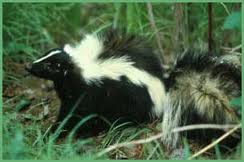
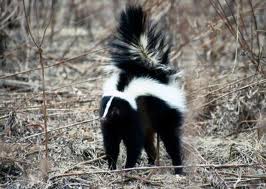
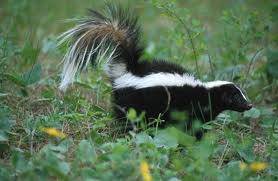
MEET THE STRIPED SKUNK!

striped skunk   Range/Habitat: Canada-North Mexico/ woodlands, suburbs

   Diet: Omnivore: fruits, seeds, fish

   Length/Weight: 22-30”/ 5 ½-14lb

   Conservation Status: common


Fun Facts:

  • Striped skunks are solitary.
  • They are known for their stinky defense system. Striped skunks will stand on their front feet and spray a predator with a very foul smelling liquid!
  • Striped skunks’ main predator is the Great Horned Owl because the owl has no sense of smell.
  • They are crepuscular (active at dawn and dusk).
  • Young striped skunks stay with their mother’s for almost a year.
  • Striped skunks winter in dens and burrows.

These stinky little mammals are really cute! It is best to watch them from a distance or from inside the house, you certainly don’t want to encounter the wrong end of these animals!
 striped skunk2striped skunk3


Categories: adventure, Animals, Children, conservation, education, Environment, mammals, nature, science, wildlife | Tags: , , , , , , , , , | 1 Comment

WATERY WEDNESDAY # 55

WATERY WEDNESDAY # 55

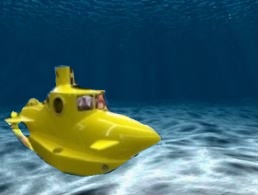
We’re taking the E & E submarine out today to meet one of the oceans’ predators! These cartilaginous fish have mouths full of teeth, so we’ll be on the lookout from the safety of the sub!

e e sharks

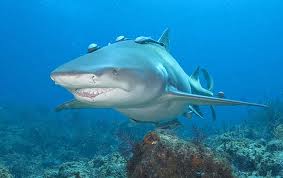
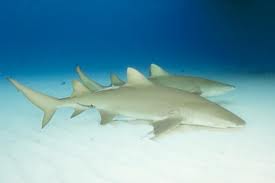
MEET THE LEMON SHARK!

lemon shark    Range/Habitat: Eastern Pacific-Western Atlantic/ oceans-near coasts

    Diet: Carnivore: stingrays, fish

    Length/Weight: up to 11 ft/over 400 lbs

    Conservation Status: common


Fun Facts:

  • Lemon sharks are also called Sharptooth sharks.
  • They are yellowish-brown in color.
  • Lemon sharks can go in brackish waters.
  • They have large blunt noses.
  • Lemon sharks have two rows of long, thin triangular shaped teeth to catch prey with; then rows of extra teeth behind those.

Lemon sharks are fierce predators, but they are also amazing animals. Ecosystems are dependent on top predators in the food chain and without them the oceans would be in big trouble. It is important that we respect sharks and help protect them!

lemon sharks2   lemon shark3

Categories: adventure, Animals, Children, conservation, education, Environment, nature, oceans, science, sharks, wildlife | Tags: , , , , , , , , , | Leave a comment

REPTILIAN TUESDAY # 55

REPTILIAN TUESDAY #55

Are you ready to meet a cute little reptile today? We’re staying on the continent of Africa but heading to the deserts of Northern Africa. So grab your sunglasses and sunscreen and let’s head out on an adventure!

e e desert

MEET THE ELEGANT SAND GECKO!

elegant sand gecko   Range/Habitat: Northern-Eastern Africa/ desert

   Diet: Insectivore: ants, beetles, moths

   Length: 3 ½-4 ¼”

  Conservation Status: common


Fun Facts:

  • Elegant sand geckos have long limbs and long tails.
  • They are sand colored to help them camouflage in with the desert.
  • Elegant sand geckos live in holes in the sand.
  • They are excellent diggers.
  • Elegant sand geckos have large eyes.
  • They are most active at dusk

Elegant sand geckos are so cute with their big eyes. They are all the better to spot bugs with my dear! Hahahaha!

elegant sand gecko2


Categories: adventure, africa, Animals, Children, conservation, education, Environment, nature, reptiles, science, wildlife | Tags: , , , , , , , , , | 2 Comments

MAMMAL MONDAY # 55

MAMMAL MONDAY #55

It’s that special day of the week when we meet a mammal and today’s adventure takes us to a small area in the West of Africa. Get ready to do some monkying around! Let’s do this!

e e savanna

MEET THE GUINEA BABOON!

guinea baboon   Range/Habitat: West Africa/ grasslands

   Diet: Omnivore: roots, grubs, eggs

   Length/Weight: 27”/ 39 lb

   Conservation Status: near threatened


Fun Facts:

  • Guinea baboons are the smallest of all baboons.
  • Male guinea baboons have large manes of fur.
  • They live in troops of around 40 individuals.
  • Guinea baboons forage for food on the ground, but sleep in the trees at night.
  • They are also called the savanna baboon.
  • Guinea baboons are highly vocal.

We love baboons and the Guinea baboons are so handsome with their large manes. These highly social and vocal primates are so fun to observe!

guinea baboon2     guinea baboon3


Categories: adventure, africa, Animals, Children, conservation, education, Environment, mammals, science, wildlife | Tags: , , , , , , , , , | Leave a comment

FEATHERY FRIDAY # 54

FEATHERY FRIDAY #54

It’s that special day of the week dedicated to our feathery friends! So are you ready to head to Central America to meet a duck who doesn’t quack? Let’s head out on today’s adventure!

e & e wetlands

MEET THE MUSCOVY DUCK!

muscovy duck   Range/Habitat: Central-South America/ wetlands, lakes, rivers

   Diet: Omnivore: roots, leaves, fish, insects

   Length/Weight: 26-33”/ 7-15 lbs

   Conservation Status: common


Fun Facts:

  • Muscovy Ducks have wild and domesticated populations.
  • They are not very vocal and only make a few noises, including hisses!
  • Muscovy ducks have black and white feathers.
  • They have wide flat tails.
  • Muscovy ducks perch in trees.
  • Muscovy ducks have claws on their feet.

Muscovy ducks are super cute! Who knew there were ducks out there that didn’t quack! Neat! Hiss! Hiss!

muscovy duck2   muscovy duck3

Categories: adventure, Animals, birds, Children, conservation, education, Environment, nature, science, wildlife | Tags: , , , , , , , , , | Leave a comment

SUPER SURPRISE THURSDAY # 54

SUPER SURPRISE THURSDAY #54

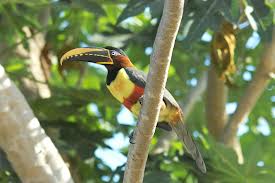
We’re going to the rainforests of South America today to meet one gorgeous and colorful bird! We’ll have to climb to the top to find them! Are you ready?

e & e rainforest2

MEET THE CHESTNUT-EARED ARACARI!

chestnut eared aracari   Range/Habitat: Central- Northern South America/ rainforests

   Diet: Frugivore: fruit, insects

   Length/Weight: 13-16”/ 11 oz

   Conservation Status: common


Fun Facts:

  • Chestnut-eared aracari have black feathers with yellow bellies.
  • They live in the canopies of the rainforest.
  • Chestnut-eared aracari have large bills with yellow teeth like looking markings.
  • They are members of the toucan family.
  • Chestnut-eared aracari live in small groups.

We just love these gorgeous birds! Those beaks are just perfect for picking fruit from the trees! What do you think?

chestnut eared aracari3


Categories: adventure, Animals, birds, Children, conservation, education, Environment, nature, rainforests, science, wildlife | Tags: , , , , , , , , , | Leave a comment

WATERY WEDNESDAY #54

 WATERY WENESDAY # 52

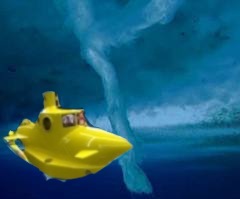
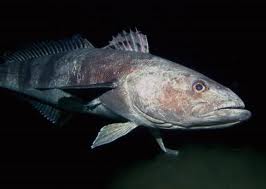
We’re taking the E & E submarine to the cold waters of the South Pole. Luckily the submarine is heated because you wouldn’t want to be caught in these cold waters unless you are one of these amazing fish! All aboard….

MEET THE ANTARCTIC TOOTHFISH!

   Range/Habitat: Antarctic Circle/ oceans

   Diet: Carnivore: crabs, squid, fish

   Length/Weight: up to 7 ¼ ft/ up to 260 lbs

   Conservation Status: common

Fun Facts:

  • Antarctic Toothfish live in very deep waters.
  • They are very slow growing.
  • Antarctic toothfish have a special protein in their blood that acts as an anti-freeze.
  • Antarctic toothfish have high body fat content and light bones.
  • They have a cartilaginous skull.

Wow, these fish are really cool and kind of creepy! Yet again we are fascinated by the animals that call the deep ocean their home! Those deep dark waters really are like another planet!

Categories: adventure, Animals, Children, conservation, education, Environment, fish, nature, oceans, science, wildlife | Tags: , , , , , , , , , , | Leave a comment

REPTILIAN TUESDAY # 54

REPTILIAN TUESDAY #54

It’s that wondrous day of the week, where we go on an adventure to meet a reptile and today we are off to the marshes of North America to find one colorful turtle! Apparently they like painting! Hahahaha!

e & e wetlands

MEET THE PAINTED TURTLE!

painted turtle   Range/Habitat: North America/lakes, rivers, ponds

   Diet: Omnivores: bugs, plants

   Length: 6-10”

   Conservation Status: common


Fun Facts:

  • Painted turtles are freshwater turtles.
  • They have a flat, smooth carapace (top shell).
  • Painted turtles have yellow stripes on their necks and orange coloration on their bottom shells.
  • Painted turtles bask in the sun in groups.
  • They sleep on the bottom of the river at night.
  • In colder climates Painted turtles hibernate during the winter.

Painted turtles are so gorgeous. They are great additions to any watery habitat! We love to count turtles piled on logs and rocks in the summertime! How about you?

painted turtle2     painted turtle3


Categories: adventure, american, Animals, Children, conservation, education, Environment, nature, reptiles, rivers, science, turtles, wildlife | Tags: , , , , , , , , , , | Leave a comment

MAMMAL MONDAY # 54

MAMMAL MONDAY #54

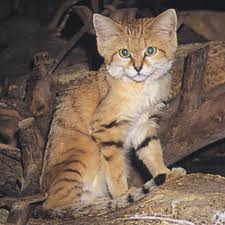
We’re back from vacation and it’s time to head off to the deserts of North Africa to meet a special little member of the feline family! Let’s grab the mud SPF 30 sunscreen & our favorite hats and head out on a new adventure across the sands!

e e desert

MEET THE SAND CAT!

sand cat   Range/Habitat: Northern Africa-Western Asia/ desert

   Diet: Carnivore: gerbils, rodents

   Length/Weight: 18-22 ½”/ 3 ½-7 ¾ lb

   Conservation Status: near threatened


Fun Facts:

  • Sand cats are solitary and nocturnal.
  • They have yellow-sandy fur with stripes.
  • Sand cats are the smallest cat species in Arabia.
  • They live in burrows or dens during harsh conditions.
  • Sand cats have fur on the pads of their feet to protect them.
  • Sand cats get their water from the good they eat.

Sand cats are super cute. They have great adaptations for living in the harsh desert habitat! We just love how animals have such different adaptations to survive all over the world.

sand cat2   sand cat3


Categories: adventure, africa, Animals, Children, conservation, education, Environment, mammals, nature, science, wildlife | Tags: , , , , , , , , , | Leave a comment

SUPER SURPRISE THURSDAY GREATEST HITS!!

SUPER SURPRISE THURSDAY GREATEST HITS

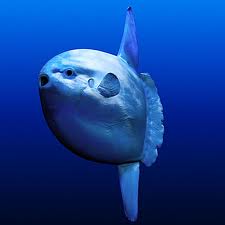
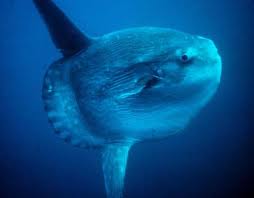
Happy Super Surprise Thursday! We’ve gone back to the ocean today to find an amazing animal friend for you to meet! This large, slow moving fish is pretty special, because you won’t see any fish like them! Let’s meet…

MEET THE OCEAN SUNFISH!

   Range/Habitat: Tropical-Temperate Waters Worldwide

   Diet:  Carnivore: jellies, squid, crustaceans

   Length/Weight: 6 ft-13 ft/ 1-2 tons

   Conservation Status: Common


Fun Facts:

  • Ocean Sunfish are the heaviest bony fish in the world.
  • They have disk shaped bodies and elongated dorsal (top) and anal (bottom) fins.
  • Ocean sunfish have beak like mouths for snipping at jellies.
  • Their skeletons are made up of lots of cartilage (the tissue in your ears and nose) as well as bone.
  • Ocean sunfish are fairly slow moving and clumsy looking when swimming.
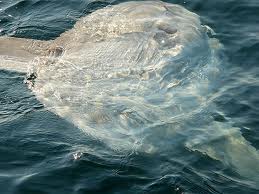
  • Ocean sunfish can be seen basking in the sun near the surface of the ocean.
  • Ocean sunfish scientific name is Mola Mola. It comes from the Latin that means millstone, because they look like giant round stones!

Mola mola or Ocean Sunfish sure are some crazy looking fish! And isn’t mola mola fun to say? We continue to be fascinated by the different creatures who inhabit our oceans!

Categories: adventure, Animals, Children, conservation, education, Environment, fish, nature, oceans, science, wildlife | Tags: , , , , , , , , , , | Leave a comment

Blog at WordPress.com.