Posts Tagged With: science

WATERY WEDNESDAY # 47

WATERY WENESDAY # 47

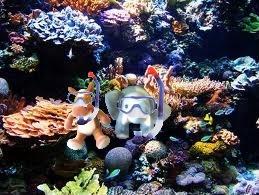
It’s Watery Wednesday and we’re going diving in a Pacific coral reef to meet a fish who can blow a mean horn! Ok, they can’t actually play the trumpet, but they are pretty cute! Let’s do this!

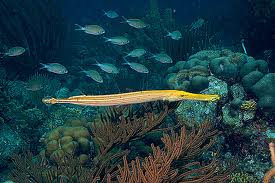
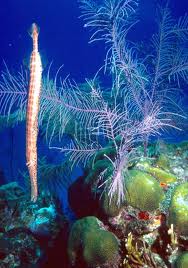
MEET THE TRUMPETFISH!

   Range/Habitat: Pacific-Indian Ocean/ coral reef

   Diet: Carnivore: small fish

   Length: up to 32”

   Conservation Status: common


Fun Facts:

  • Trumpetfish have long slender bodies and long snouts.
  • They are ambush predators.
  • Trumpetfish are yellow or brown in color.
  • They camouflage among the coral by floating vertically head down.
  • Trumpetfish have small jaws and usually suck in their prey.


Trumpetfish are masters of camouflage! They just float around looking like coral til their prey swims by and grabs them! If you could camouflage in any habitat what would it be?


Categories: adventure, Animals, Children, conservation, education, Environment, fish, nature, oceans, science, wetlands | Tags: , , , , , , , , , | Leave a comment

REPTILIAN TUESDAY # 47

REPTILIAN TUESDAY #47

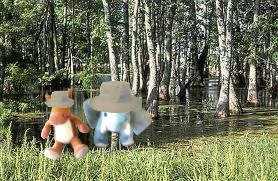
We docked the boat from our trip off the coast of South America and jumped on a plane to the northern part of the continent. We’re going on the wetlands to find one cool reptile. Grab your hats and let’s go!

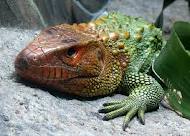
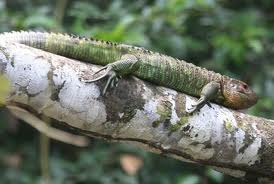
MEET THE CAIMAN LIZARD!

   Range/Habitat: Northern South America/rainforest-wetlands

   Diet: Carnivore: snails, crabs

   Length: 3- 3 ½ ft

   Conservation Status: not listed


Fun Facts:

  • Caiman lizards have large cone shaped scales on their backs and tails.
  • Male Caiman lizards have green bodies and orange throats and females have gray throats.
  • Caiman lizards have strong jaws for crushing snail shells.
  • They are excellent swimmers.
  • Caiman lizards spend most of their time in or near water.

Caiman lizards are so colorful and cool! They look like little dinosaurs, well if they had feathers they would! If you could color a lizard any color, what colors would you use?


Categories: adventure, Animals, Children, conservation, education, Environment, nature, rainforests, reptiles, science, wildlife | Tags: , , , , , , , , | 1 Comment

MAMMAL MONDAY # 47

MAMMAL MONDAY #47!

This Mammal Monday we’re going a boat to South America to find one amazing and beautiful marine mammal! What’s black and white and swims? Let’s go find out!

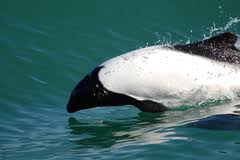
MEET THE COMMERSON’S DOLPHIN!

   Range/Habitat: Tip of South America/ Indian Ocean/ oceans-coastlines

   Diet: Carnivore: sea stars, fish, crabs

   Length/Weight: 4 ½-5 ½ ft

   Conservation Status: common


Fun Facts:

  • Commerson’s Dolphins are black and white and look like small killer whales.
  • Commerson’s Dolphins calves are gray and develop their coloration as adults.
  • They live in schools of around 10 individuals.
  • Commerson’s Dolphins are also called the Panda Dolphin.
  • They are very acrobatic swimmers.
  • Commerson’s Dolphins are known to swim upside down to find their prey on the ocean floor.

Wow, these fast and graceful dolphins are gorgeous! They really do look like mini orcas! Did you know that Orcas are the largest members of the dolphin family? Neat!


Categories: adventure, Animals, Children, conservation, education, Environment, mammals, nature, oceans, science, wildlife | Tags: , , , , , , , , , , , | 2 Comments

FEATHERY FRIDAY # 46

FEATHERY FRIDAY #46

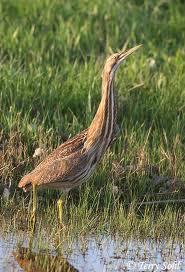
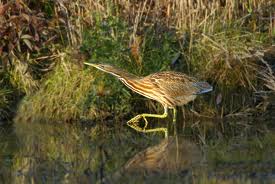
We’re staying in North America today to meet a bird who is a master at camouflage! They live near rivers and lakes, because that’s where their favorite prey lives. Grab your walking stick, best observation skills and binoculars and let’s go!

MEET THE AMERICAN BITTERN!

   Range/Habitat: North America-Central America/ wetlands, marshes, rivers

   Diet: Carnivore: fish, frogs

   Length/Weight: 23 ½-34”/ 18-32 oz

   Conservation Status: common


Fun Facts:

  • American Bitterns have mottled brown feathers that are perfect at helping them camouflage in their habitat.
  • They are members of the heron family.
  • American Bitterns use their dagger like bills to catch their prey.
  • They are solitary.
  • American Bitterns point their bills in the air and sway with the grass to avoid being detected by predators.
  • They have a loud booming call that sounds like a drum.

These small members of the heron family sure are neat! We love their funny call! Now all we need is a washboard and a banjo playing bird and we could have one awesome marsh bird band! Hahaha!


Categories: adventure, Animals, birds, Children, conservation, education, Environment, nature, science, wetlands, wildlife | Tags: , , , , , , , , | Leave a comment

BUTTERFLY DAY!

BUTTERFLIES!!!

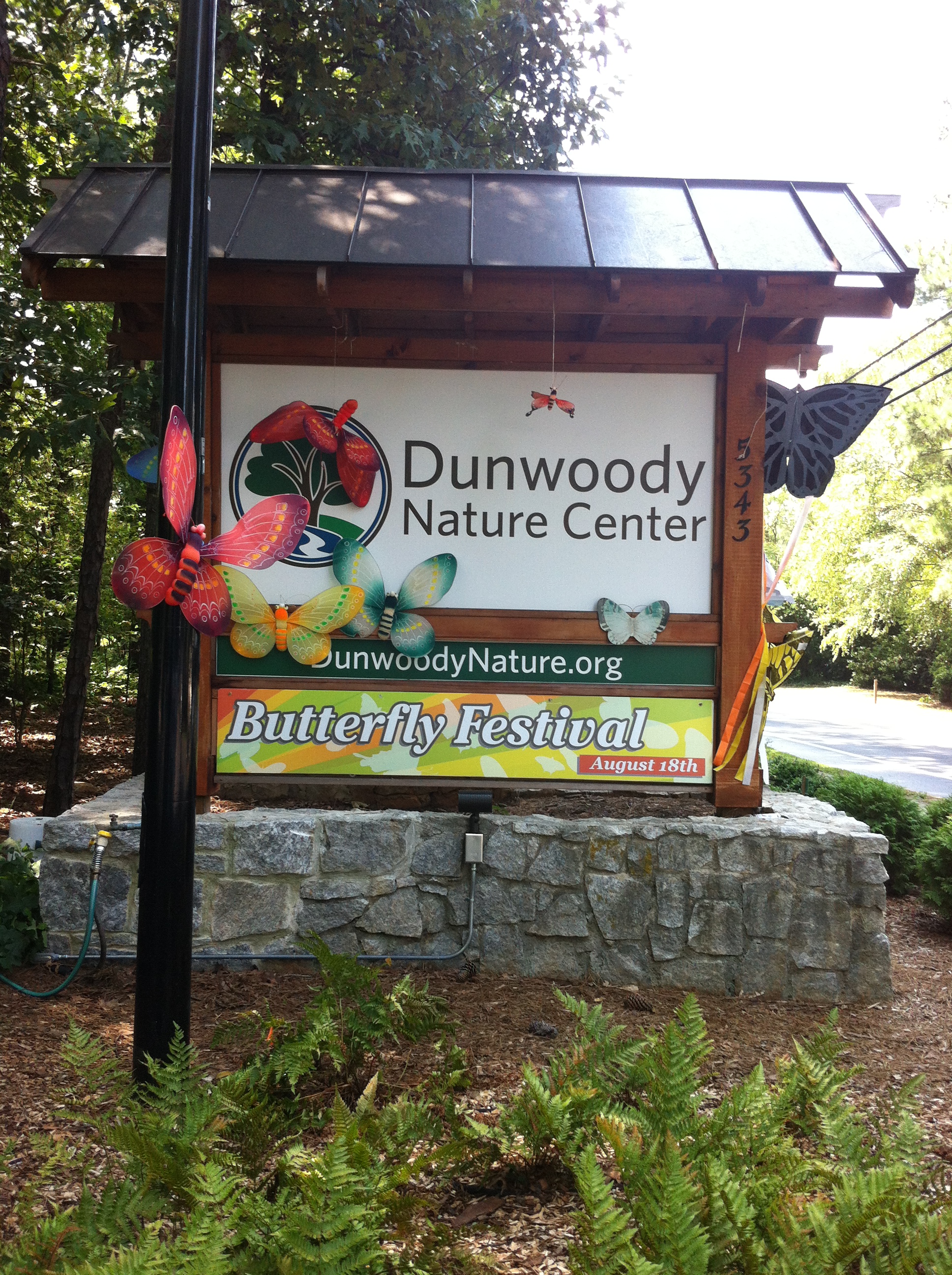
The Dunwoody Nature Center just north of Atlanta had a Butterfly Festival recently and of course we had to go! Our good pals Trevor and Ayden came with their parents, so it was a party for everyone!
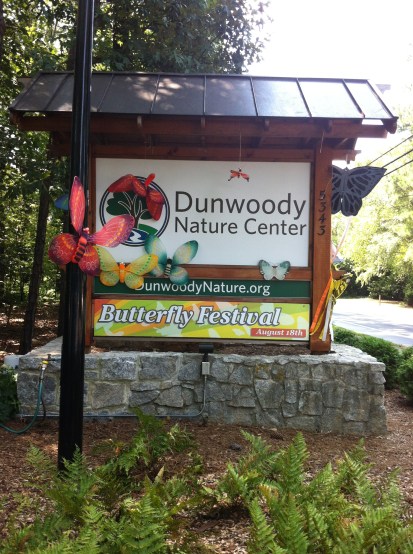
 

Butterfly Festival here we come!


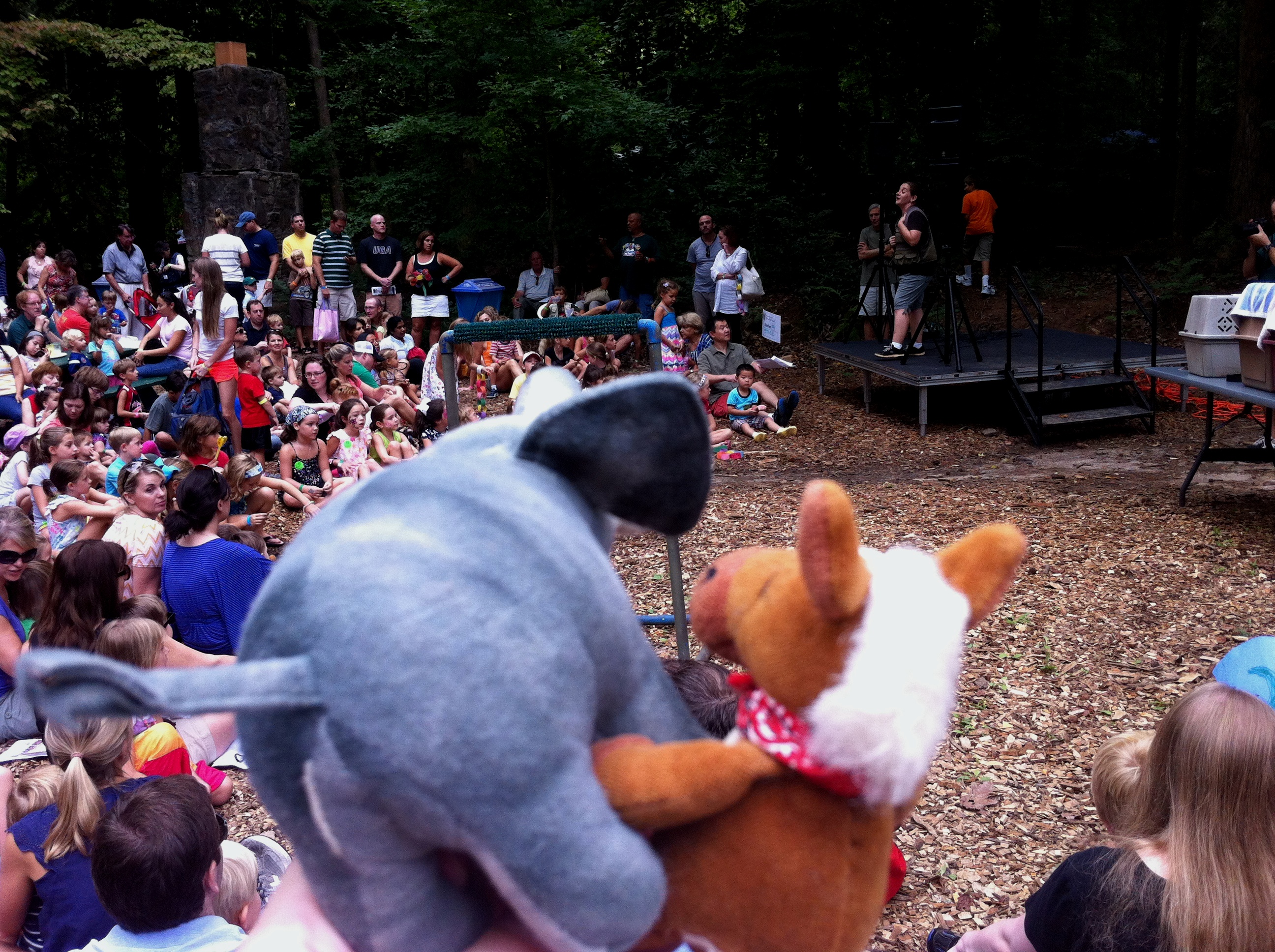
We had a lovely time exploring this neat little nature center and all the festivities they had throughout the day! First up we saw a Birds of a Prey show presented by Nature’s Echo.

We’re getting ready to meet some birds of prey!

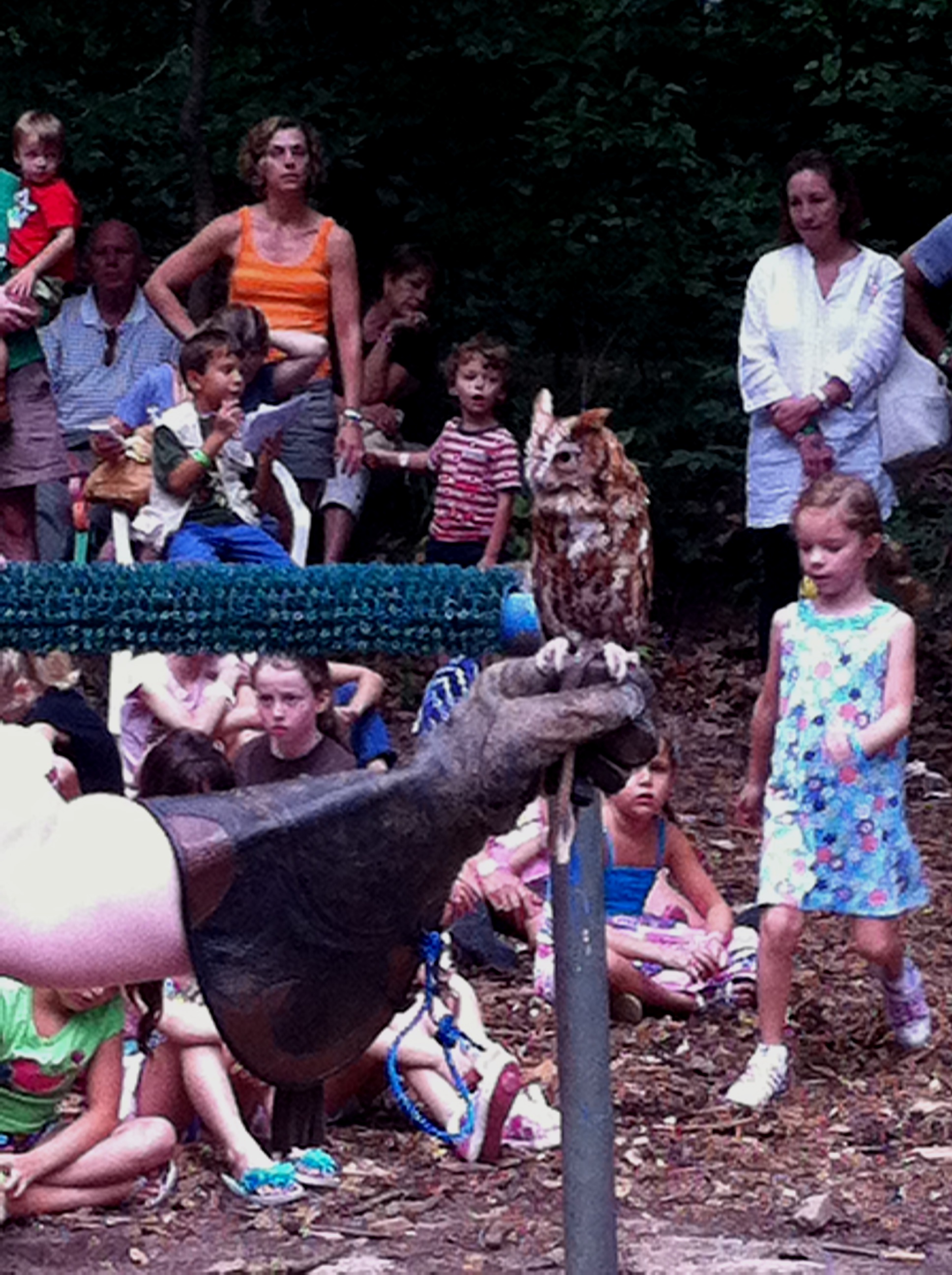
The ladies from Nature’s Echo had 3 birds with them; a Mississippi Kite, a Screech Owl and a Red Tailed Hawk. These amazing birds were so cool to see up close and we learned some super neat facts about them!

  • A Mississippi Kite’s eyesight is so keen they can see every wing beat of a hummingbird’s wing.
  • Owls have 14 vertebrates in their necks.
  • It is illegal to own a raptor feather in the state of Georgia.
  • An owl’s ears are off set on their head.

Mississippi Kite having a snack!


Mississippi Kite- gorgeous!


Screech Owl! They are really small!


Edmond & Trevor meet the kite!
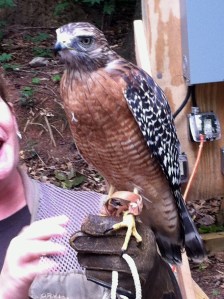


We met a red tailed hawk!


Check out this talon! Wow!

They had a wing you could touch and feel!


Wow! Raptors have some super cool adaptations! We really enjoyed meeting these gorgeous birds!


After the birds of prey show we wandered around the nature center’s grounds to check out the fun activities and vendors! You could make crafts, enjoy treats or get a bug tattoo! We wanted a tattoo but we couldn’t decide where to put them.
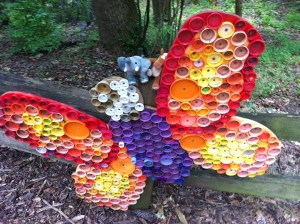
This butterfly is made of bottle caps! Reusing items to make art is awesome!

We ran into this wonderful bear in his National Park outfit!
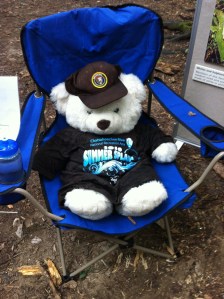
Handsome bear!


It finally was time to enter the butterfly tent and man, were we excited! We could hardly contain ourselves! Luckily we learned some fun butterfly facts as we waited in line!

Butterfly facts!

More fun facts!


We finally made it in the tent & there were butterflies everywhere! They were all different sizes, shapes and colors! We just loved meeting each one of them!
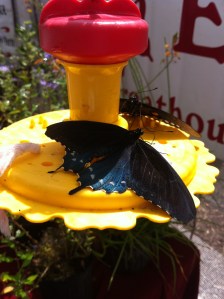
Butterfly sits on a feeder!


Black & yellow butterfly!


Can you spot the butterfly?
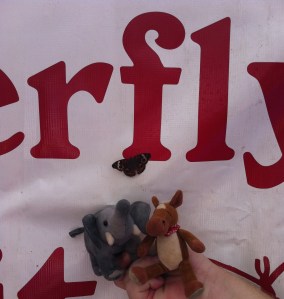
 

See the tiny butterfly above us?

Trevor & his mom helped us find this lovely butterfly umbrella!


One last gorgeous butterfly shot!


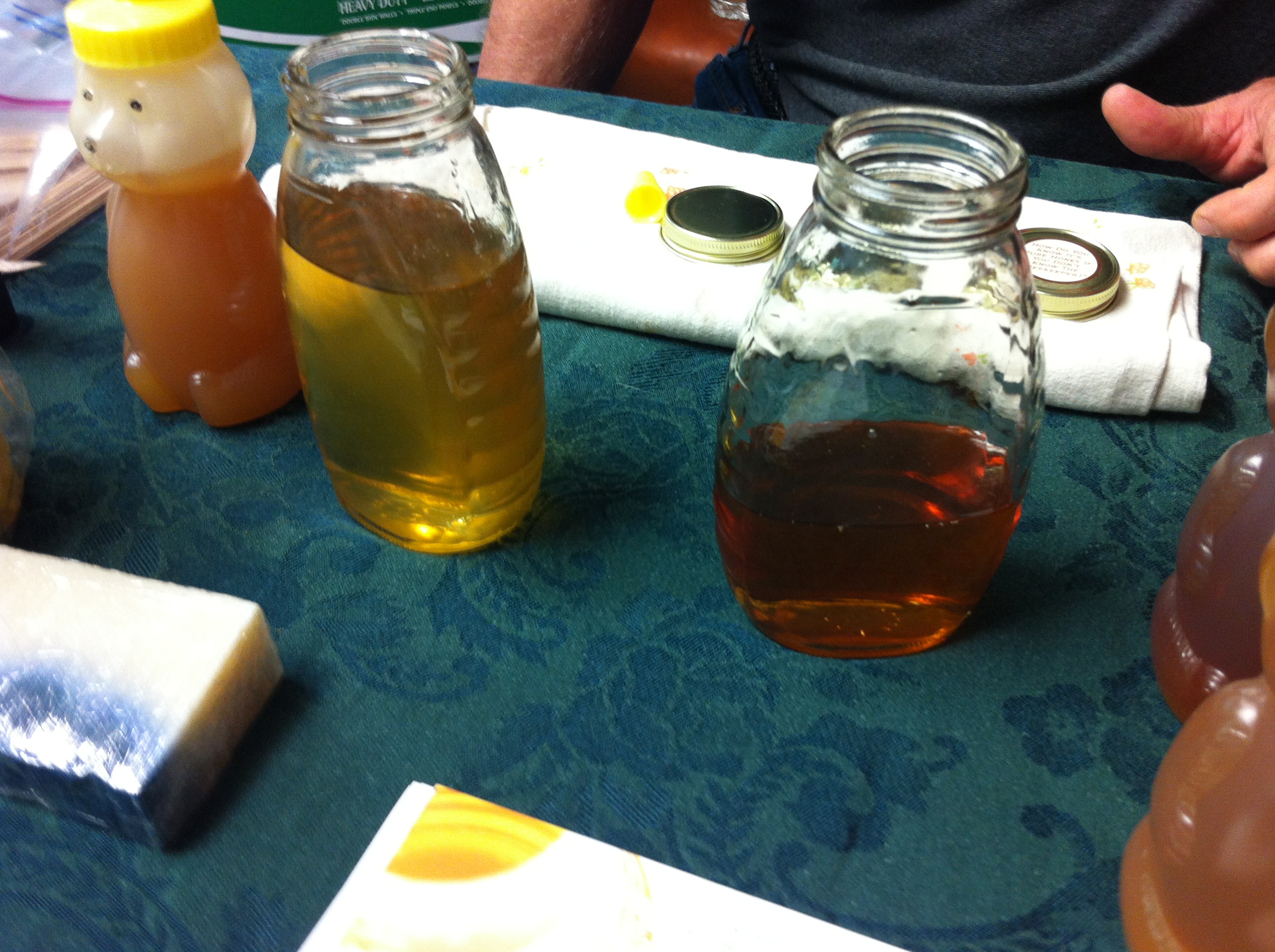
Our last stop of the day was inside the nature where we met some local beekeepers and sampled their honey! Yum! We could see the inside of the hive and we spotted the queen thanks to one observant boy who found her! Did you know that they queen has a yellow spot on her back? Cool!


Beehive!

Honey samples! Delicious!


We had the best time at The Dunwoody Nature Center’s Butterfly Festival! If you’re in Atlanta you should check out this special nature center and all their fun activities!
 

Categories: adventure, Animals, Atlanta, backyard, Children, conservation, education, Environment, insects, Local, nature, science, wildlife | Tags: , , , , , , , , , , , | Leave a comment

WATERY WEDNESDAY # 46

WATERY WENESDAY # 46

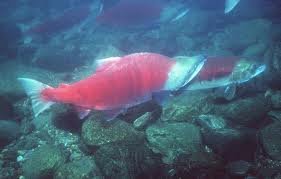
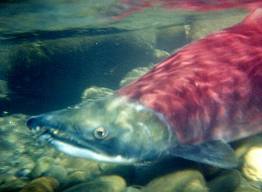
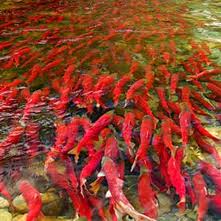
Let’s all get on our sweaters, hiking boots and grab a walking stick because we’re going for a hike in Northwestern US to meet a fish that starts and ends its life in freshwater.  Be on the lookout, because the river will be full of them!

MEET THE SOCKEYE SALMON!

   Range/Habitat: Northeast Asia-North Pacific-Northwest America/

rivers-oceans

   Diet: Carnivore: zooplankton

   Length/Weight: up to 33”/up to 15 lbs

   Conservation Status: locally common


Fun Facts:

  • Sockeye salmon spawn in rivers and lakes.
  • They are also known as red salmon.
  • Sockeye salmon have blue heads and backs as adults.
  • Sockeye salmon live in the ocean for most of their adult lives.
  • They travel up to 900 miles to spawn (release their eggs & sperm to make new salmon).
  • When they go into freshwater systems to spawn they turn bright green and red.
  • A group of sockeye salmon is called a run.

Sockeye salmon are really cool fish! They die in the same freshwater habitat that they were born in. Can you imagine swimming all those miles? Sockeye salmon must get very tired!

Categories: adventure, Animals, Children, conservation, education, Environment, fish, nature, rivers, science, wildlife | Tags: , , , , , , , , , | Leave a comment

REPTILIAN TUESDAY # 46

REPTILIAN TUESDAY #46

We’re jetting off to New Guinea to find one odd looking reptile! Grab your wellies and a snack because we’re taking a walk in some freshwater rivers! Let’s do this!

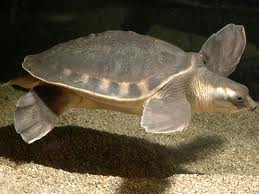
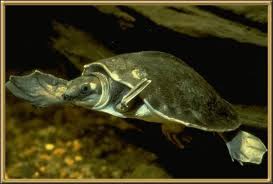
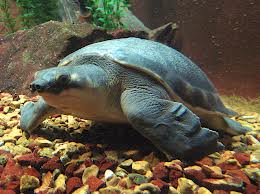
MEET THE PIG NOSED RIVER TURTLE!

   Range/Habitat: S New Guinea-North Australia/rivers-lakes

   Diet: Omnivore: fruits, fish, snails

   Length: 28-30”

   Conservation Status: vulnerable


Fun Facts:

  • Pig nosed river turtles have a pig like snout. This helps them breathe when they are submerged in water.
  • Pig nosed river turtles are also known the Fly River turtles.
  • They have flipper like limbs that resemble a sea turtle more than a freshwater turtle.
  • Pig nosed river turtles have a soft, leathery skin on top of their carapace (top shell).
  • They are unlike any other freshwater turtle alive today.
  • Pig nosed river turtles are territorial.

We think these crazy looking turtles are so cool! They look like a pig, a sea turtle and a freshwater turtle all meshed in to one animal! If you could make a mixed up animal what you would make?


Categories: adventure, Animals, Children, conservation, education, Environment, nature, reptiles, rivers, science, turtles, wildlife | Tags: , , , , , , , , , | Leave a comment

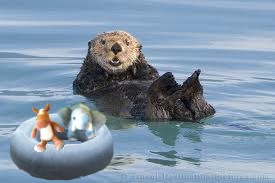
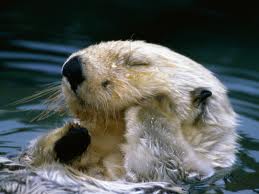
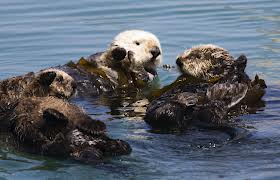
SEA OTTER AWARENESS WEEK!

SEA OTTER AWARENESS WEEK!

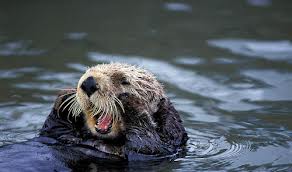
We’re celebrating the largest member of the otter family all this week! That’s right we’re giving a shout out to those adorable marine mammals the Sea Otter!

We’re sharing some cute photos, fun facts and resources to celebrate these fur balls!

  • Sea Otters are members of the weasel family!
  • Sea Otters live in the Pacific ocean along the North American shore and the Northern Asian shore.
  • Sea Otters spend most of their time in water. They will occasionally come ashore to rest.
  • Sea Otters’ fur is water repellant and very thick. They can have up to 1 million furs per square inch.
  • Sea Otters role in order to trap air bubbles in their fur. The air bubbles help keep them warm.
  • Sea Otters are often found floating on the surface of kelp forests. They will even wrap the kelp around themselves to keep anchored while sleeping
  • Sea Otters groom themselves constantly. This helps keep their fur clean and waterproof. 
  • Sea Otters use rocks to break some of their prey, including crabs and sea urchins.
  • Sea Otters help keep the balance in a kelp forest. One of their favorite prey, sea urchins eat kelp; and without the otters to keep the urchin population in check, the kelp would be gone!

There are so many reasons to love sea otters and to protect them! There are many organizations that are working hard to make sure otters have a future in our oceans! Monterey Bay Aquarium has a great sea otter program. There is a new movie going around the country called Otter 501 all about the rescue of an orphaned otter! We are hoping to see it this week!


Tell us what you love about Sea Otters!

Categories: adventure, Animals, Children, conservation, education, Environment, mammals, nature, oceans, science, sea otters, wildlife | Tags: , , , , , , , , , , | Leave a comment

INTERNATIONAL RHINO DAY!

INTERNATIONAL RHINO DAY!

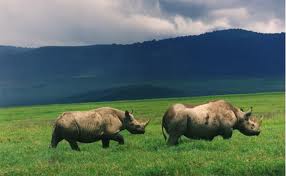
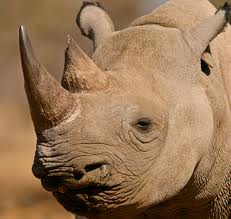
We’re celebrating our friends the rhinoceros today! These magnificent animals are one of our very favorites, with their large bodies, hairy ears and fabulous horns!

We’re going to give you some fun rhino facts, a coloring sheet and some great resources to help our friends!

RHINO FUN FACTS:

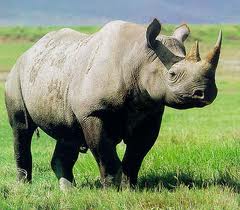
  • There are 5 species of rhinos, the Black Rhino, the White Rhino (the African species), the Northern India Rhino, the Sumatran Rhino and the Javan Rhino (the Asian species).
  • Rhinoceros is Greek for nose and horn!
  • All rhinos have poor eyesight.
  • White rhinos have a large broad mouth for grazing grass.
  • Black rhinos have a narrow prehensile lip to help them grasp leaves.
  • Rhino horns are made of keratin, the same protein that makes up your hair and fingernails.
  • Rhinos’ ears can move and rotate independently of each other. This adaptation helps the rhino hear.
  • Rhinos are herbivores.
  • Rhinos are related to horses, tapirs and zebras! Woohoo!
  • The Sumatran Rhino is the smallest rhino weighing around 1,700 lbs and the White rhino is the largest weighing around 5,000 lbs.
  • A group of rhinos is called a crash!
  • All rhinos are endangered. Many organizations, like World Wildlife Fund and Saving Rhinos are working very hard to save and protect these amazing animals. Check them out and see how you can help!


We have a cute rhino for you to color! As always, remember to share your pictures when you color them!


Categories: adventure, africa, Animals, Children, conservation, education, Environment, mammals, nature, rhinos, science, wildlife | Tags: , , , , , , , , , | 3 Comments

FEATHERY FRIDAY # 45

FEATHERY FRIDAY #45

We’re going to Europe to meet a shy and often heard but not seen bird. We’re taking a nice stroll to see if we can find these feathery friends. Do you have your walking stick? Let’s head out!

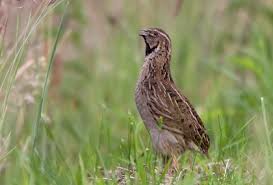
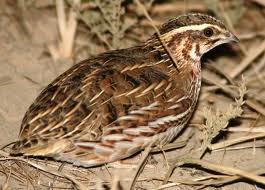
MEET THE COMMON QUAIL!

    Range/Habitat: Europe-Asia-Africa/ grasslands

    Diet: Omnivore: seeds, fruits, leaves, insects

   Length/Weight: 7”/ 2 ½-5 oz

   Conservation Status: common


Fun Facts:

  • Common quails are often heard but not seen.
  • They use calls to find their mates.
  • They are members of the pheasant family.
  • Common quails roost on the ground in groups.
  • They do migrate.
  • Common quails have a lifespan of about 11 years.

We could sit around and listen to these little quails all night! They are so cute and their feathers are perfect for camouflaging in with their habitat!


Categories: adventure, Animals, birds, Children, conservation, education, Environment, nature, science, wildlife | Tags: , , , , , , , , | 2 Comments

Blog at WordPress.com.