Posts Tagged With: science

An Elk Named Roosevelt

An Elk Named Roosevelt

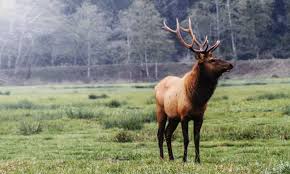
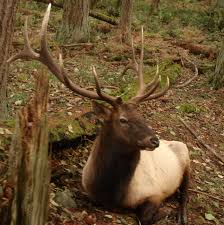
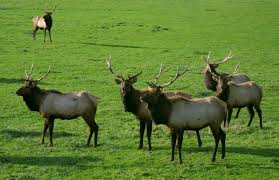
Today we went looking for one of the largest members of the North American elk family. It’s a great time of year to find these great animals, as it is mating season. We could hear them call in the mist in the morning. Did you know that males coat themselves in urine to attract the ladies? Eeeeewww…
r-elkimg_0187


ellie_edmund_professors-bear


Date: 11/7

Location: Pacific Northwest

  • Roosevelt elks were named after President Teddy Roosevelt.
  • They have large antlers with three point tips on each one. Those are called crowns. Only the males have antlers.
  • Like other animals with antlers, they shed them during the fall and winter.
img_0192

  • Some herds of elk migrate, while others do not. It all depends on food supply throughout the year.
  • Elk have two large canine teeth made of ivory. They are the only animal with antlers to have such teeth. It is believed to be a remnant of their extinct ancestors.
  • Adult male elks are called bulls. They are solitary or live in bachelor groups.
  • Elk are very vocal.

img_0190r-elk2

We had such a great time in the forest watching the elk graze on ferns and moss.  We found a few more males and goodness did they stink! We sure are glad lady elks (cows) enjoy that smell. Mating season is called The Rut- neat!
r-elk3


Categories: adventure, Animals, Children, conservation, education, Environment, mammals, nature, science, Today's Post, wildlife | Tags: , , , , , , , , , | Leave a comment

We Call a Spade a Spadefoot!

We Call A Spade A Spadefoot!
spadefoot2img_0128


ellie_edmund_professors-chameleon(1)


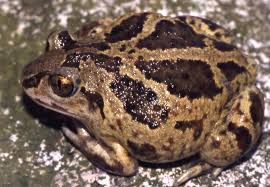
We slept in after looking for great horned owls. During the day we met a herpetologist and we went looking for frogs and toads. We found the cutest little toads- called the Great Basin Spadefoot.

Date 11/3

Location: Pacific Northwest

  • Great Basin Spadefoots have warty skin.
  • They produce a toxin and it is used to ward off predators.
  • Great basin spadefoots can vary from brown to grey to olive in color.

img_0129

  • Great basin spadefoots have spade on their front feet to help them dig in the ground.
  • They come out at night to absorb moisture from the air.
  • They are dormant in the fall and winter.

spadefoot


We were lucky to spot some toads as fall is setting in and these amphibians are heading in their dens for the season. They live off their fat stores while they are their! NEAT!

Categories: adventure, amphibians, Animals, Children, conservation, education, Environment, nature, science, Today's Post, wildlife | Tags: , , , , , , , , | Leave a comment

Whoooooo Did We Spot?

Whoooooo Did We Spot?

horned-owl3img_0126


ellie_edmund_professors-bfbooby


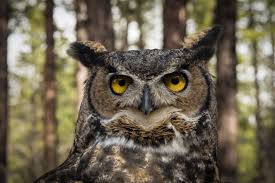
We spent our first night in a cabin in the forest. The trees are so big and tall. We hope to learn more about the trees while we are here, not just the animals. It is definitely chilly, but we sat on the back porch so that we could listen and look for this animal. And man did we hear them and we did spot one with our night vision goggles! We found the great horned owl.

horned-owl2


  • Great horned owls have feathery tufts on their heads.
  • They are the most abundant owl in the Americas.

img_0127

  • They have been known to predate on falcons, other owls and even scorpions.
  • Great horned owls are nocturnal.
  • Male great horned owls are smaller than the females.
  • Great horned owls are known to mate for life. You can often hear pairs call to each other.
  • They have bright amazing yellow eyes.


horned-owl

We could have stayed up all night to listen to the owls calling each other! Take a listen to their haunting calls. These amazing raptors can be found all over North America, but it sure was neat to spot them on our first night in the temperate rainforest!

Categories: adventure, Animals, birds, Children, conservation, education, Environment, nature, science, Today's Post, wildlife | Tags: , , , , , , , , , | Leave a comment

Off We Go Again…

Off We Go Again…
fullsizerender83

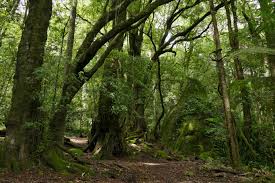
We’re off to our 3 stop on our world trip this year. We started off in September in the Amazon Rainforest and then we spent most of October in the Galapagos Islands. Now we are packing up the raincoats, warm boots and gloves and heading up the Pacific Northwest to discover the wonders of the temperate rainforest! That’s right, most people know all about the tropical rainforests and their amazing animals, but there are temperate rainforests too.

rain

Let’s learn some basics about the temperate rainforest:

  • They can be found in Europe, Asia, New Zealand, Australia and North & South America.
  • Temperate rainforest do receive much less rain than tropical rainforests. They get around 60-100″ in a year.
  • Tropical rainforest have no seasons. Temperate rainforests have seasons, from hot summers to freezing winters. They also have a dry season and a wet season.
  • The Pacific Northwest region the U.S. & Canada is the largest temperate rainforest in the world!
  • The temperate rainforest is home to tall trees, mosses, birds, mammals and slugs!

e-e-rainforest

We’ll be meeting many of the residents of these amazing forests and we hope you’ll love sharing in November’s adventure!

Categories: adventure, Animals, Children, conservation, education, Environment, nature, science, Today's Post, wildlife | Tags: , , , , , , , , | Leave a comment

SPOOOOOOKY ANIMALS!

SPOOOOOOKY ANIMALS!

8975547d-bff8-4c03-ab83-a9918370b4a0

We are meeting a few creepy crawly spooktacular animals has we get closer to Halloween! Don’t let these animals fool you though, they are more amazing than they are creepy!

fullsizerender82

Only female angler fish have the lighted lures. Males are very tiny and attach the females where they are eventually absorbed by the female, so that she can reproduce! CREEPY!

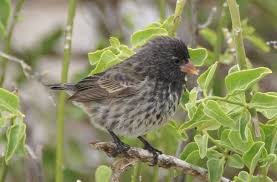
vampire-finch

The Vampire Finch lives only on two islands in the Galapagos Islands. They feed mostly on the blood of other birds, where they tear little scratches on the birds and drink a little blood. They are endangered and really cute if you ask us!


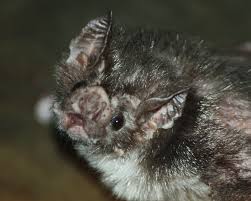
vampire-bat

These infamous flying mammals are also the only mammal that feeds exclusively on blood. These frightening animals are very good parents and have been known to be surrogates for orphaned babies.


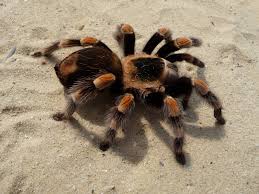
tarantula

Rose tarantulas have stiff spiny hairs on their stomachs that they can throw when they are threatened. We’ll just wave from a distance.

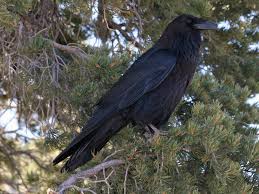
raven

Ravens are the largest member of the corvid family. Ravens can mimic other species of birds and some have been taught human speech. If one lands on your porch and says hello, say hi back :)!


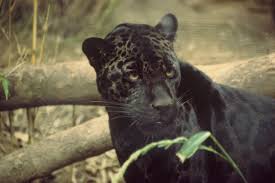
Black cats have been associated with witches and evil, but the black jaguar just has a color mutation called melanism- where their fur has more color than usual.

Black cats have been associated with witches and evil, but the black jaguar just has a color mutation called melanism- where their fur has more color than usual.


cave-salamander

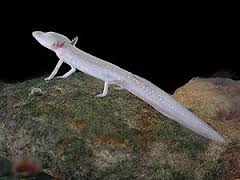
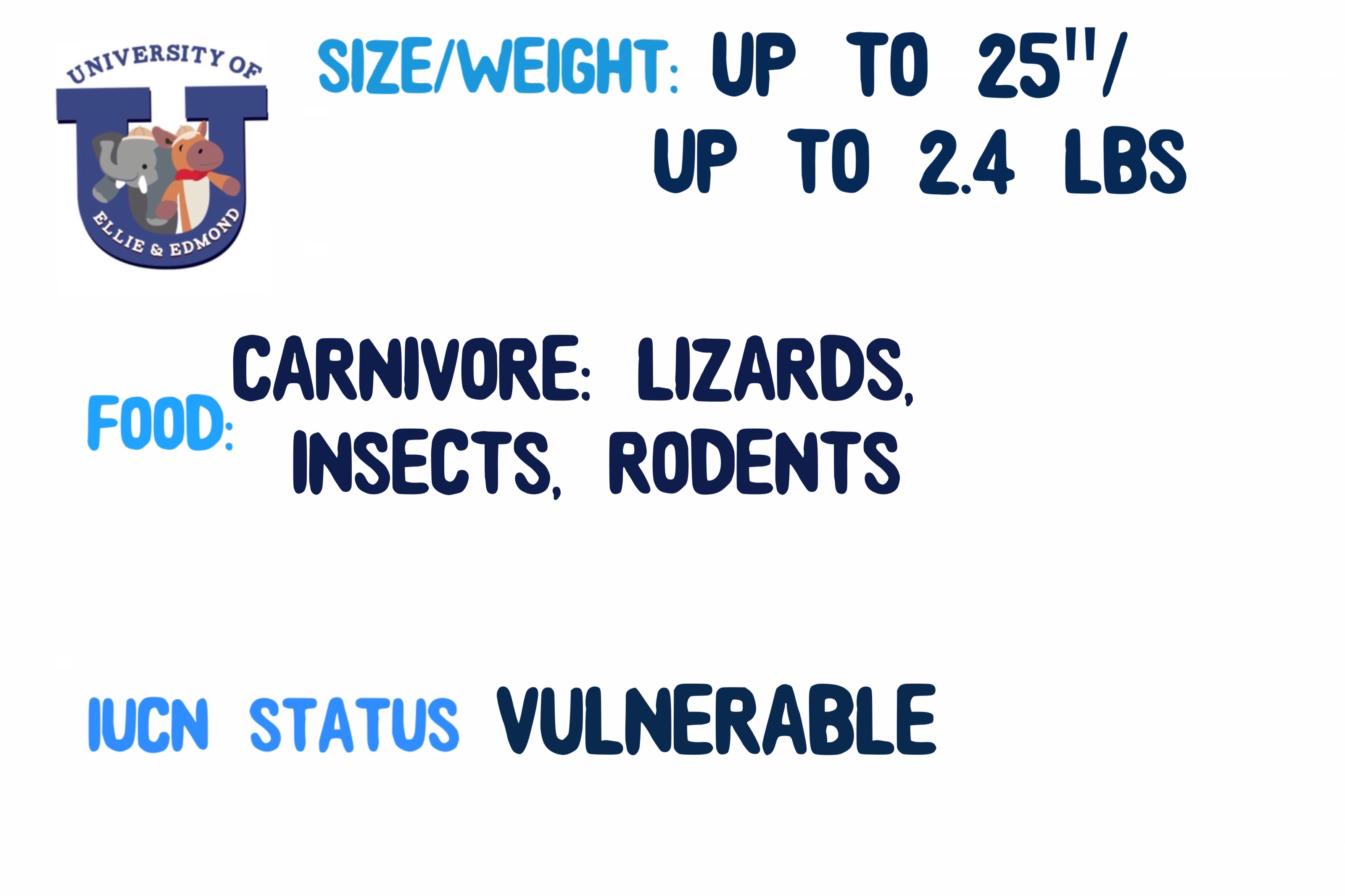
The Texas Blind Salamander calls the inside of a cave its home. This habitat has led to this amphibian having no coloration and no eyes. These alien looking creatures are amazing!

These are just a few of the animals that people are afraid of, but there is no need to be frighten of the creatures that we share this amazing planet with! Even the ones with creepy reputations are amazing once you learn more about them!

Categories: adventure, Animals, Children, conservation, education, Environment, nature, science, Today's Post, wildlife | Tags: , , , , , , , , | Leave a comment

Flying Over the Islands

Flying Over the Islands

img_2584g-hawk


ellie_edmund_professors-bfbooby


Date: 10/20

Location: Galapagos Islands

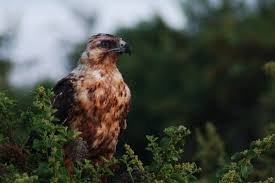
  •          Galapagos hawks are diurnal.
  •          Female Galapagos hawks are larger than the males.
  •          They have large talons.

img_2588

  •          Galapagos hawks catch their prey from the air.
  •          Both the female and male take care of the young.

g-hawk3g-hawk2

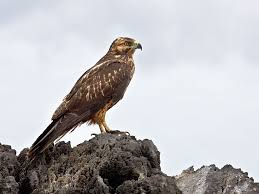
These little hawks are so amazing to watch fly over the islands. We witnessed one catch a lava lizard for breakfast.

Categories: adventure, Animals, birds, Children, conservation, education, Environment, nature, science, Today's Post, wildlife | Tags: , , , , , , , , , | Leave a comment

We Go Diving in the Galapagos

We Go Diving in the Galapagos

whitetip-shark2img_2583


ellie_edmund_professors-seahorse(1)


Date: 10/19

Location: Galapagos Islands

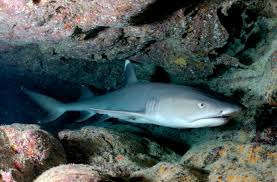
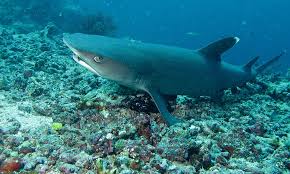
  • These smaller sharks get their names from the white tips on their dorsal fins and tail fins.

img_2587

  • Whitetip reef sharks hide out in rocks during the day.
  • The sharks will share caves during the day.
  • They often chase their prey into crevices. Their narrow snouts and rear sitting dorsal fins help them get in to tight spots to get food.
  • Whitetip reef sharks can live up to 25 years.
  • They tend to be shy sharks.

whitetip-sharkwhitetip-shark3

We did a nice dive at near dusk so we could spot these elusive and shy sharks. They didn’t want to stick around when they saw us-  but at least we caught a glimpse or two! We love the creatures you find in the oceans!

Categories: adventure, Animals, Children, conservation, education, Environment, nature, science, sharks, Today's Post, wildlife | Tags: , , , , , , , , , , | Leave a comment

Lava Lizards Not Lamps

Lava Lizards Not Lamps

img_2582lava-lizard3


ellie_edmund_professors-chameleon(1)


Date: 10/18

Location: Galapagos Islands

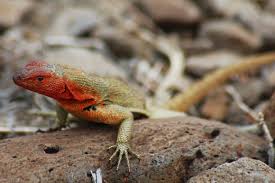
  • Lava lizards can vary in color, from bright colors to drab browns.
  • They can change their color when they are in danger or if the temperature drops.
  • These carnivores help keep insect populations down.

img_2586

  • Females lay eggs that incubate for 12 months. Baby lava lizards hatch out and are around 2″ long!
  • They are diurnal.
  • Female lava lizards mature at 9 months, but it takes a male up to 3 years to fully mature!

lava-lizard2

lava-lizard

Wow, who knew these little lizards were so interesting! They are favorite meal of the Galapagos Hawk! Thank goodness they camouflage in with their habitats!

Categories: adventure, Animals, Children, conservation, education, Environment, nature, science, Today's Post, wildlife | Tags: , , , , , , , , , | Leave a comment

Island Sea Lions

Island Sea Islands

img_2581sea-lion2

ellie_edmund_professors-bear

Date: 10/17

Location: Galapagos Islands

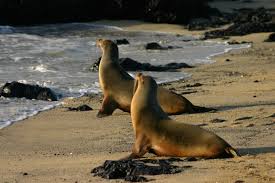
  • Galapagos sea lion are smaller than their California sea lion cousins.
  • Galapagos sea lions love sardines. They can suffer in years when the sardine population is low.

img_2585

  • Like other sea lions are also very vocal. They communicate with each other with barks and grunts.
  • Galapagos sea lions have long pointy snouts.
  • Males have large crests on their heads.
  • Dominate males have a territory that they share with a group of females.
  • Non-dominate males live in small bachelor groups.

sea-lion3sea-lion

We sat and watched the sea lions all afternoon today. They are very gregarious and loud, not to mention a bit smelly! Hehehe! The islands have very strict rules on watching these social pinnipeds- you must not get too close. That is a good rule for the wildlife and the people who love to watch them.

Categories: adventure, Animals, Children, conservation, education, Environment, mammals, nature, science, Today's Post, wildlife | Tags: , , , , , , , , , | Leave a comment

One Magnificent Frigate Bird!

One Magnificent Frigate Bird!

frigateimg_2535


ellie_edmund_professors-bfbooby


Date: 10/13

Location: Galapagos Islands

  • Magnificent frigate birds feed on flying fish that catch when the fish jump out of the water.
  • They spend most of their lives at sea.

img_2536

  • Male magnificent frigate birds have large red throat sacs. They use these to attract females during mating season.
  • Females are dark with white coloration. They are also large than the males.
  • They have long hooked bills.
  • You magnificent frigate birds stay with their mother for up to a year.
  • They are also known as the Man-O-War bird.

frigate3frigate2

We watched these birds soar from the boat and then as we were on land watching the Sally Lightfoot crabs. These amazing sea birds are so graceful in the air, diving down to catch their meals. Sea going birds are a favorite at the University- Professor Baxter might be a bit bias though :). Hehehehe!


Categories: adventure, Animals, birds, Children, conservation, education, Environment, nature, science, Today's Post, wildlife | Tags: , , , , , , , , , | Leave a comment

Blog at WordPress.com.