Posts Tagged With: science

MAMMAL MONDAY # 74

MAMMAL MONDAY # 74

It’s just another Mammal Monday and we sure are happy about that! We’re hoping a plane and heading to that one of kind island, Madagascar! Grab your luggage, snacks and night goggles and let’s go meet…

e & e night rainforest

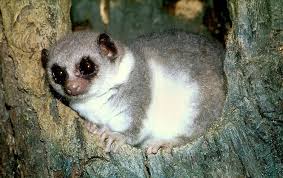
MEET THE FAT TAILED LEMUR!

fat tailed lemur   Range/Habitat: Madagascar/ rainforest

   Diet: Omnivore: insects, flowers, fruits

   Length/Weight: 7-10”/ 6 oz

   Conservation Status: common


Fun Facts:

  •          Fat tailed lemurs store fat in their body and tails.
  •          Fat tailed lemurs go into a torpid state (period of slower metabolism and activity) during the dry season.
  •          They are arboreal (spend most of their time in trees).
  •          Fat tailed lemurs are one of the smallest members of the lemur family.
  •          They are nocturnal.
  •          They have a 15-20 year life span.

Fat tailed lemurs are so cute. It is so cool that they spend up to 6 months in an inactive state during the dry season. They live off the fat in their tails! Neat!

fat tailed lemur2

Categories: adventure, Animals, Children, conservation, education, Environment, mammals, nature, science, wildlife | Tags: , , , , , , , , , | 2 Comments

WE ARE FANIMALY!!

WE ARE FANIMALY!

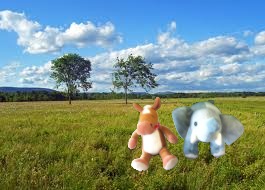
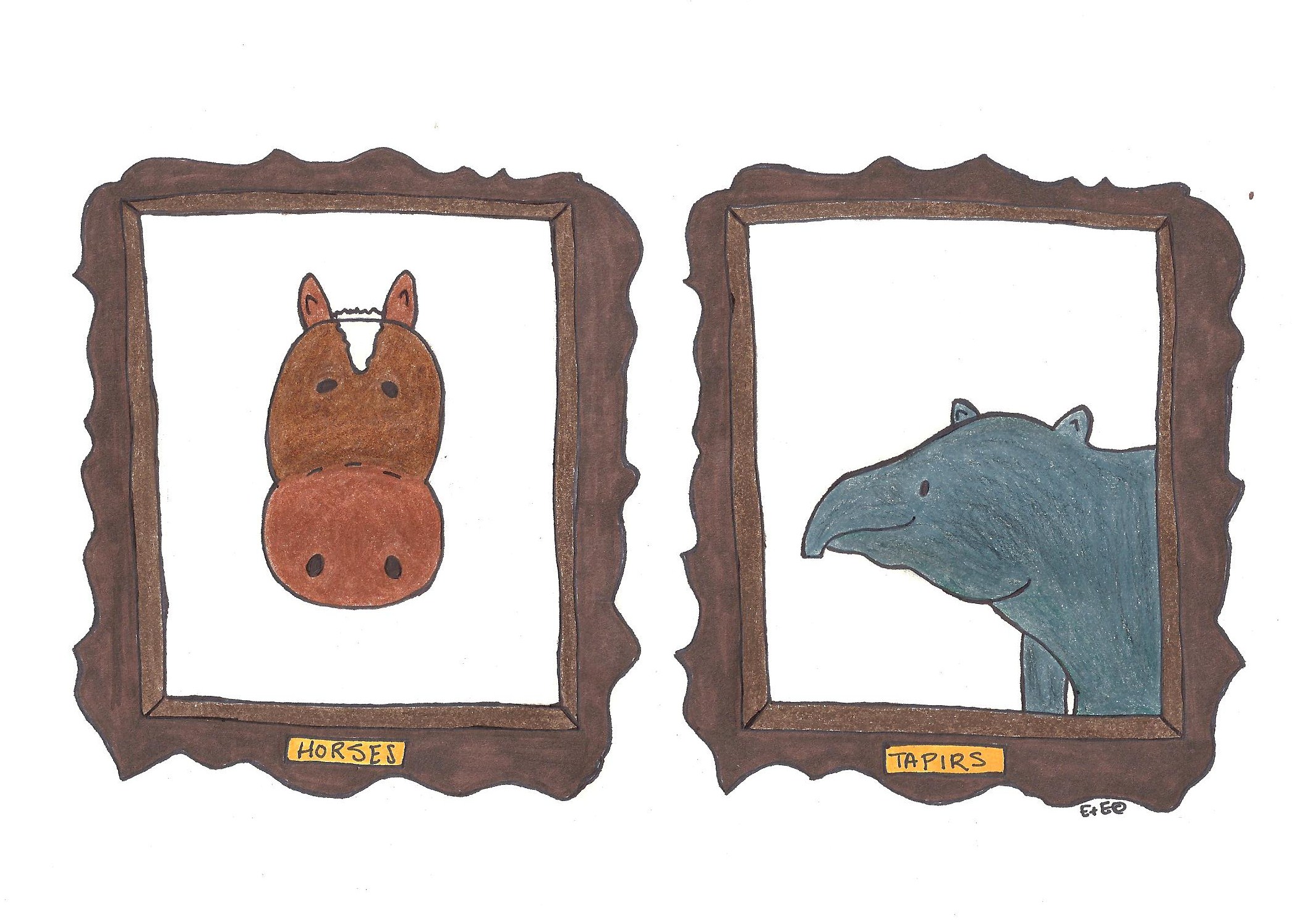
We’re going to introduce you two relatives in the animal kingdom! One of them happens to be Edmond!

Image

Horse Fun Facts:

  • Horses have the largest eye of any land mammal!
  • Horses have 36-40 teeth.
  • Horse hooves are made up of keratin.
  • Horses are herbivores.
  • Horses can see nearly 360 degrees around them.
  • Horses only sleep 2-3 hours a day.

Tapir Fun Facts:

  • Tapirs have been around for millions of years.
  • Tapirs have an extended lip and nose that makes a mini prehensile trunk.
  • Tapirs are herbivores.
  • Tapirs are excellent swimmers.
  • Tapirs have an odd number of toes.
  • Tapir toes are splayed to help them walk on muddy river banks.

Wow! Who knew Edmond’s family tree included tapirs? Baby tapirs are spotted and quiet cute! We had some friends say they look like watermelons with legs :)!

Categories: adventure, Animals, Children, conservation, education, Environment, nature, science, wildlife | Tags: , , , , , , , , | 2 Comments

FEATHERY FRIDAY # 73

FEATHERY FRIDAY #73

Woohoo for Friday! It’s that day where we meet a feathery friend! We’re going to South America to meet a bird of prey who has a very particular prey! Grab your wellies because we’re heading in to the marshes!

e & e wetlands

MEET THE SNAIL KITE!

sail kite   Range/Habitat: Cuba-Central & South America/ wetlands-marshes

   Diet: Carnivore: apple snails

   Length/Weight: 16-18”/ 13-14 oz

   Conservation Status: common 


Fun Facts:

  •          Snail Kites fly slowly and low to the ground to spot their snail meals.
  •          They have a curved beak they use to remove the snail from its shell.
  •          Male snail kites are dark grey.
  •          Female snail kites are brown.
  •          Snail kites nest in bushes or on the ground.

Snail kites are gorgeous! Often birds of prey are not so specialized when it comes to food. We do wonder if apple snails taste like apples though. If they do, Edmond might try them out!

sail kite2   sail kite3

Categories: adventure, Animals, birds, Children, conservation, education, Environment, nature, science, wildlife | Tags: , , , , , , , , , | 2 Comments

SUPER SURPRISE THURSDAY # 73

SUPER SURPRISE THURSDAY # 73

Look at the picture, read the clues and then tell us who the animal is!

african wild dog

  • I live in Africa.
  • I am a member of the canine family.
  • I have very large ears.

WHO AM I?

Categories: adventure, Animals, Children, conservation, education, Environment, nature, science, wildlife | Tags: , , , , , , , , | Leave a comment

WATERY WEDNESDAY # 73

WATERY WEDNESDAY # 73

 It’s time to hop aboard the E & E sub today and meet a fish with big teeth! There’s always room for everyone has we head out to the Pacific Ocean to meet…

e e deep sea

MEET THE WOLF HERRING!

wolf herring   Range/Habitat: Indo-Pacific Ocean/ ocean

   Diet: Carnivore: fish

   Length/Weight:  3 ¼ ft/ 14 oz

Conservation Status: common


Fun Facts:

  •          Wolf Herrings are the largest member of the herring family.
  •          They are bright blue in coloration.
  •          Wolf herrings are active hunters.
  •          Wolf herrings have two fang-like teeth that protrude out of their mouth.
  •          They are known to hunt in small groups.

Wolf herrings are truly predators with those large teeth. We sure wouldn’t want to meet with that end of these fish!

Categories: adventure, Animals, Children, conservation, education, Environment, fish, nature, oceans, science, wildlife | Tags: , , , , , , , , , | Leave a comment

REPTILIAN TUESDAY # 73

REPTILIAN TUESDAY # 73

We’re hoping a plane to Australia on this Reptilian Tuesday. We’re going to meet a lizard today. Do you think they say good day mate?

e e woods

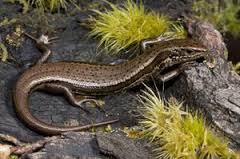
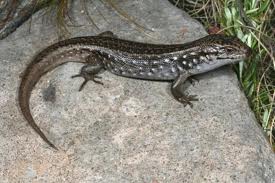
MEET THE MAJOR SKINK!

major skink   Range/Habitat: South New Guinea- Northeast Australia/forest

   Diet: Carnivore: insects, small invertebrates

   Length: 23 ½-28”

   Conservation Status: common


Fun Facts:

  •          Major skinks have a squarish shaped body.
  •          They have muscular legs.
  •          Major skinks are dark brown with a yellow underside.
  •          Major skinks are often seen basking in the sun.
  •          Female major skinks can have up to 6 babies per litter.

Major skinks are funny looking with their little short legs and blunt noses. We love all skinks and these guys are no exception.

major skink2


Categories: adventure, Animals, Children, conservation, education, Environment, nature, reptiles, wildlife | Tags: , , , , , , , , , | 2 Comments

MAMMAL MONDAY # 73

MAMMAL MONDAY # 73

We sure hope you enjoyed Habitat Week! We’re back to going to some of those of one of those habitats to meet today’s mammal! Grab your gear and let’s get ready to go!

e e grasslands

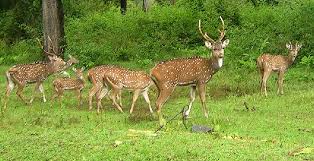
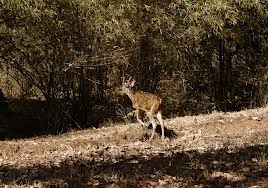
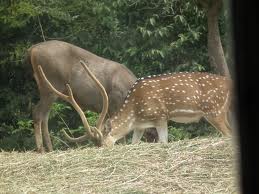
MEET THE CHITAL!

chital   Range/Habitat: South Asia/ grasslands

   Diet: Herbivore: fruit, vegetation

   Length/Weight: 3 ¼-5 ft/ 155-175 lb

   Conservation Status: common


Fun Facts:

  •          Chitals are also called the Axis Deer.
  •          Chitals live in large herds, up to 100 animals.
  •          They share their habitat with langurs, who warn for predators.
  •          Chitals run up to 40 mph.
  •          Chital males have antlers!

These members of the deer family are really cool. We love their crazy antlers! Who knew deer came in so many shapes and sizes?

chital2    chital3

Categories: adventure, Animals, Children, conservation, education, Environment, nature, science, wildlife | Tags: , , , , , , , , , | Leave a comment

HABITAT WEEK- CRAFT!

HABITAT WEEK- CRAFT!

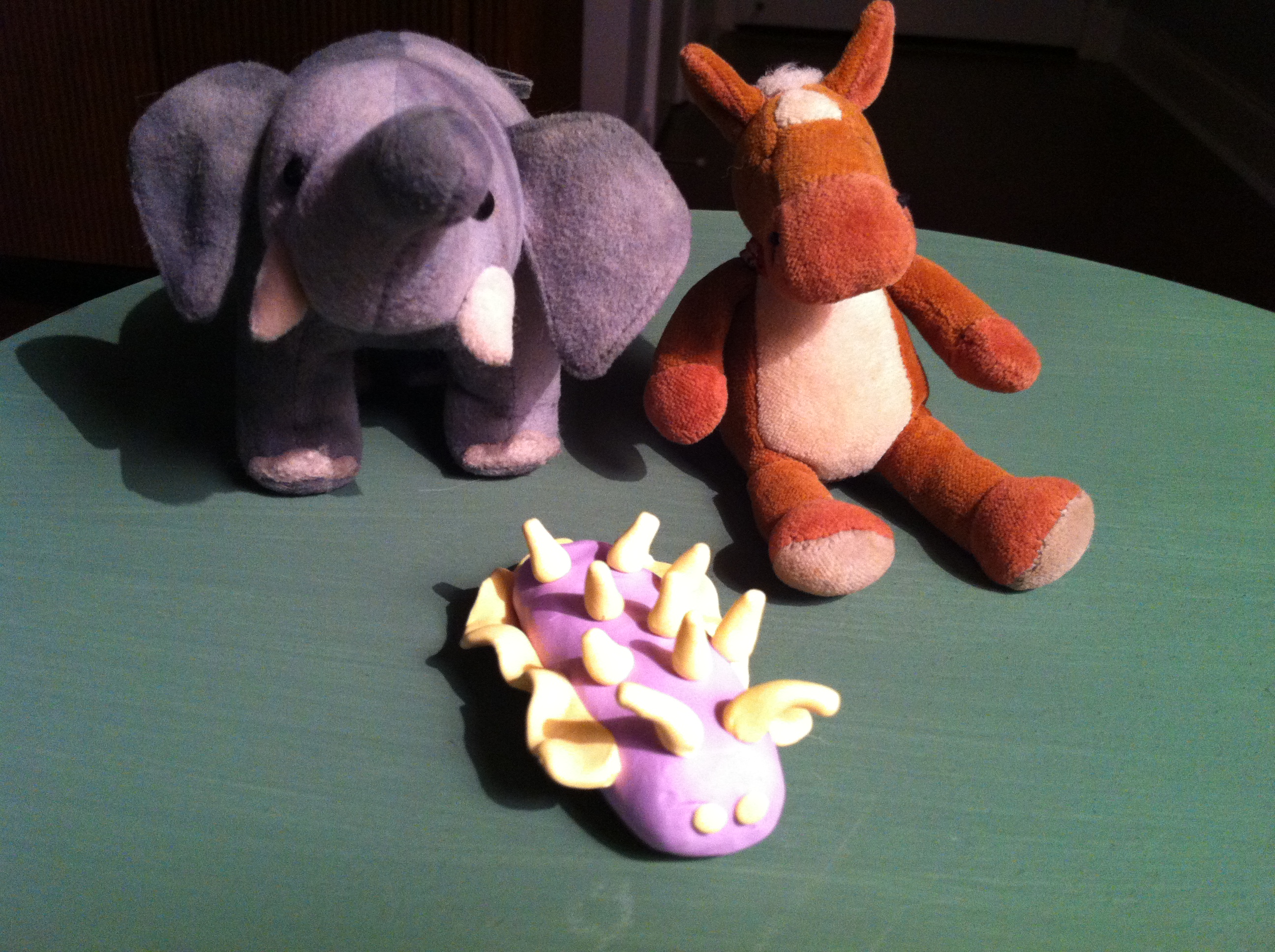
We’ve had so much fun celebrating some of the world’s amazing habitats! We first thought we might make a habitat for this month’s craft, but then we decided to go smaller and make a clay nudibranch! A what- you ask? A nudibranch or sea slug is one of our favorite animals in the coral reef. Are you ready to make one? Here’s what these crazy, colorful creatures look like!

nudibranch   nudibranch2

nudibranch3

Materials:

  •        Clay in any color you like (Air dry or oven bake will work)

e e nudibranch

Instructions:

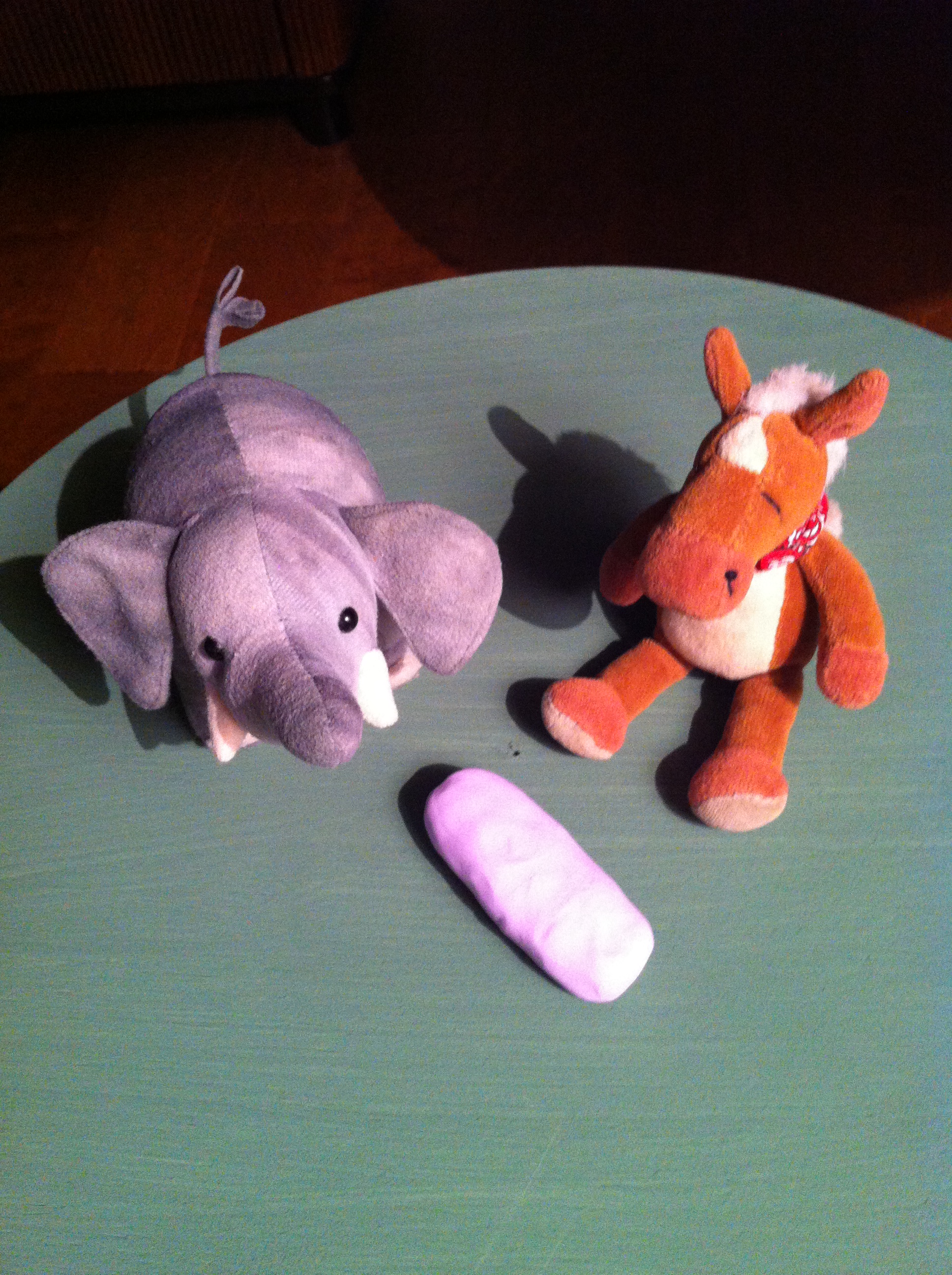
  •         Take one color and make a large tube.

e e nudibranch2

  •         Next, take your second color and make small cones (as many as you like)

e e nudibranch3

  •         Then take a piece of the second color and roll a long tube and press it flat.
  •         Roll two small balls for the eyes.

e e nudibranch4

  •         If you using clay that has to be dried in the oven- bake according to package directions. Then enjoy your new pal!
Categories: adventure, Animals, Children, conservation, crafts, education, Environment, habitats, nature, oceans, science, wildlife | Tags: , , , , , , , , , , | Leave a comment

HABITAT WEEK- DAY #4

HABITAT WEEK DAY #4

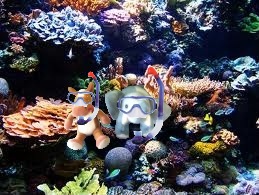
It’s Day 4 of our Habitat Week and we’re grabbing our snorkel gear and going for a dip to find the most diverse habitat in the ocean. We’re going to visit a coral reef. Grab your wetsuit and let’s head out to check out this amazing habitat!
e & e snorkeling

Coral Reef Fun Facts:

  •         Coral reefs are made up of colonies of tiny animals called coral.
  •         Corals are soft bodied polyps that are related to jellies. They have a limestone skeleton.
  •         There are two kinds of coral- soft and hard.
  •         There are three kinds of coral reefs- atolls, barrier reefs and fringing reefs.
  •         The largest coral reefs are in the Indo-Pacific oceans.
  •         Coral reefs are located in tropical waters. The coral need water that is above 64 degrees.
  •         Corals also need light to survive. They share their skeletons with algae called zooxanthellea.
  •         Coral reefs contain one third of the world’s fish species.
  •        Reefs are like rainforest, because of their diversity.


Animals of the Coral Reef:

  •         Sea Stars
  •         Sea Turtles
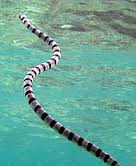
  •         Sea Snakes
  •         Sponges
  •         Anemones
  •         Yellow Tangs
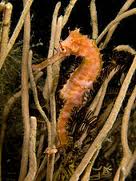
  •         Sea Horses
  •         Stingrays
  •         Coral
  •         Parrot Fish
  •         Clownfish

coral   clownfish

sea horse

yellow tang   anemone

parrot fish

sea snake   sea turtle

seastars

We could spend hours and hours swimming in the reef. There is so much to see! The fish alone are often too many to count. Coral reefs are full of symbiotic relationships (where two organisms depend on each other).  These relationships help the animals survive in these beautiful and amazing habitats. 


Categories: adventure, Animals, Children, conservation, education, Environment, nature, oceans, science, wildlife | Tags: , , , , , , , , , | Leave a comment

HABITAT DAY WEEK- DAY #3

HABITAT WEEK DAY #3

It’s off to Ellie’s home on this third day of our Habitat Week! That’s right we’re going to visit the grasslands of the world. There different types of grasslands out there, but their common feature is grass and lots of it! These giant habitats are home to many different kinds of animals. So let’s learn more about grasslands!
e e grasslands


Grassland Fun Facts:

  •         Grasslands are on every continent except Antarctica.
  •         There are temperate grasslands that lie north or south of the equator, these are often called prairies.
  •         Tropical grasslands are located near the equator, these are often called savannas.
  •         One quarter of the earth’s surface is covered in grasslands.
  •         Grasslands are open and flat.
  •         Tropical grasslands have dry and rainy seasons.
  •         Temperate grasslands have a growing season and a dormant season.
  •         Grass grows from the bottom to the top.
  •         Grasslands have trees, but not many.

Animals of the Grassland:

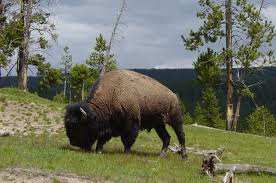
  •         Bison
  •         Giraffe
  •         Elephants
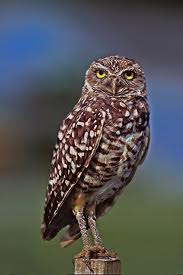
  •         Burrowing Owls
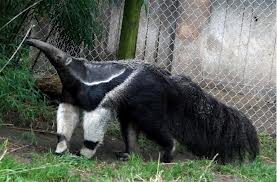
  •         Giant anteaters
  •         Baboons
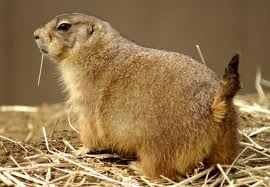
  •         Prairie Dogs
  •         Ostrich
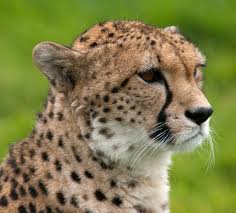
  •         Cheetahs
  •         Gerenuks
  •         Vultures

vulture   gerenuk

cheetah

ostrich   prairie dogs

baboon

burrowing owl

giant anteater

giraffe   bison

Grasslands are definitely Ellie’s favorite habitat on the planet. In fact on the prairies of North America there are wild horses, so Edmond is a fan too. Grasslands are home to so many kinds of herbivores and their carnivore predators. From the smallest insect to the largest land mammal on earth, grasslands are complex habitats that support a huge diversity of life.  

Categories: adventure, Animals, Children, conservation, education, Environment, habitats, nature, science, wildlife | Tags: , , , , , , , , , | 2 Comments

Blog at WordPress.com.