Posts Tagged With: science

WE ARE FANIMALY!©

WE ARE FANIMALY!©

We are so excited to introduce our new comic series- We Are Fanimaly!

Once a month (or more often if we can) we’ll post a comic showing two animals who are related! Some are quite shocking and some you probably already knew! We just want to increase your knowledge of the amazing animal kingdom and we want you to remember that we are ALL FANIMALY!

First up the only living relative of the tallest animal on earth- the Giraffe!

Image

GIRAFFE

OKAPI

  • I live in Africa on savannahs.
  • My prehensile tongue is 18-20 inches long.
  • I have seven vertebrates in my neck.
  • I am the tallest land animal on earth.
  • I do not have horns, they are called ossicones.
  • My ossicones are part of my skull.
  • I live in Africa in the forests.
  • My prehensile tongue is 13-15 inches long.
  • I have stripes on my back end and legs.
  • I am very shy.
  • I do not have horns, they are called ossicones.
  • My ossicones are part of my skull.


Categories: adventure, Animals, Children, conservation, education, Environment, mammals, nature, science, wildlife | Tags: , , , , , , , , , | 6 Comments

Meet Mark, A Frog Conservationist!

 Meet Mark, A Frog Conservationist!

            We went to the Atlanta Botanical Gardens to meet with Mark Mandica, Amphibian Conservation Coordinator and learn about the gardens fantastic frog conservation program. We were in for a big treat as we had no idea how extensive this program is!

            Mark took us on a tour of behind the scenes and around the grounds to see all the fabulous frogs! So let’ take you on this hopping good adventure.

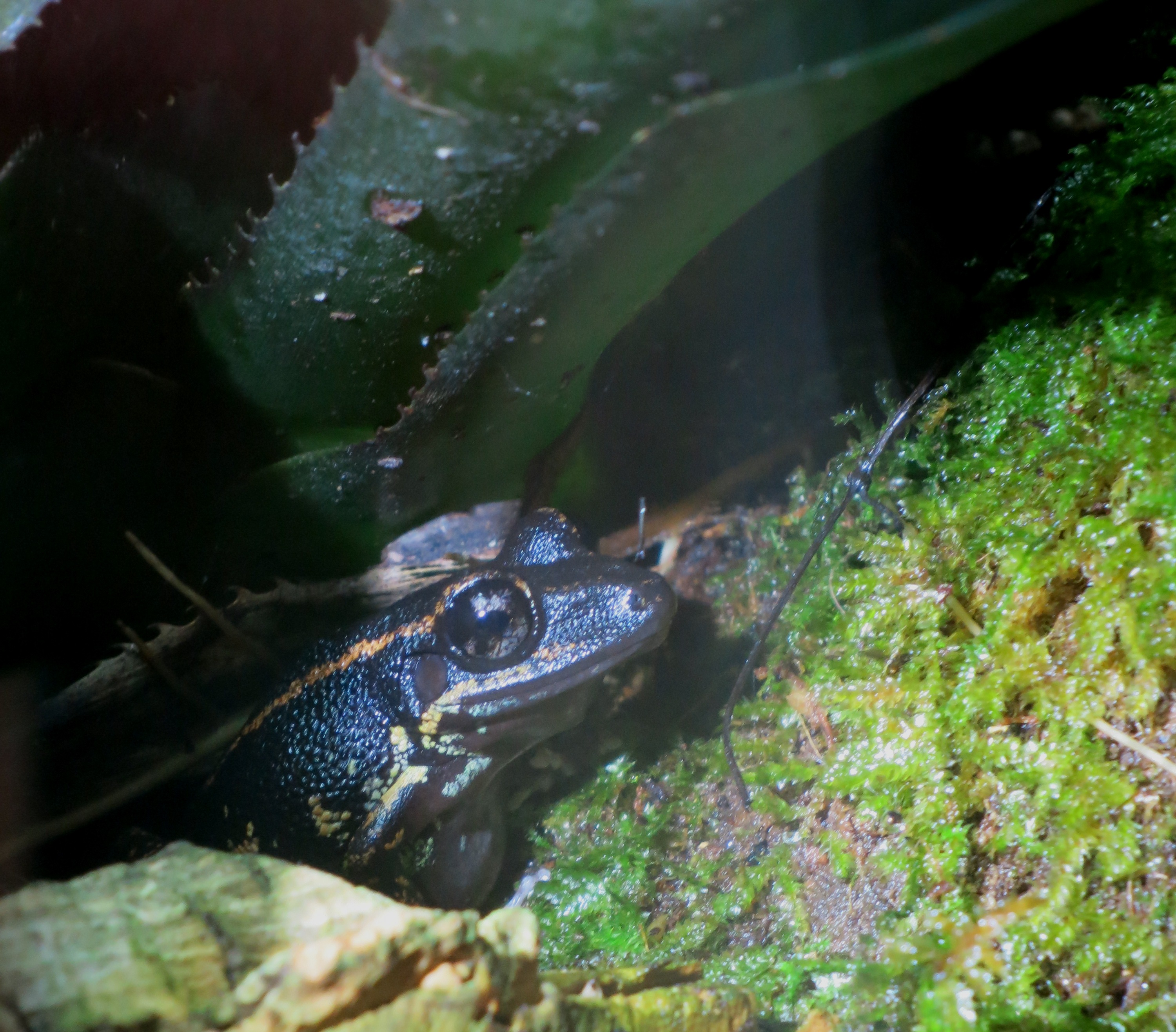
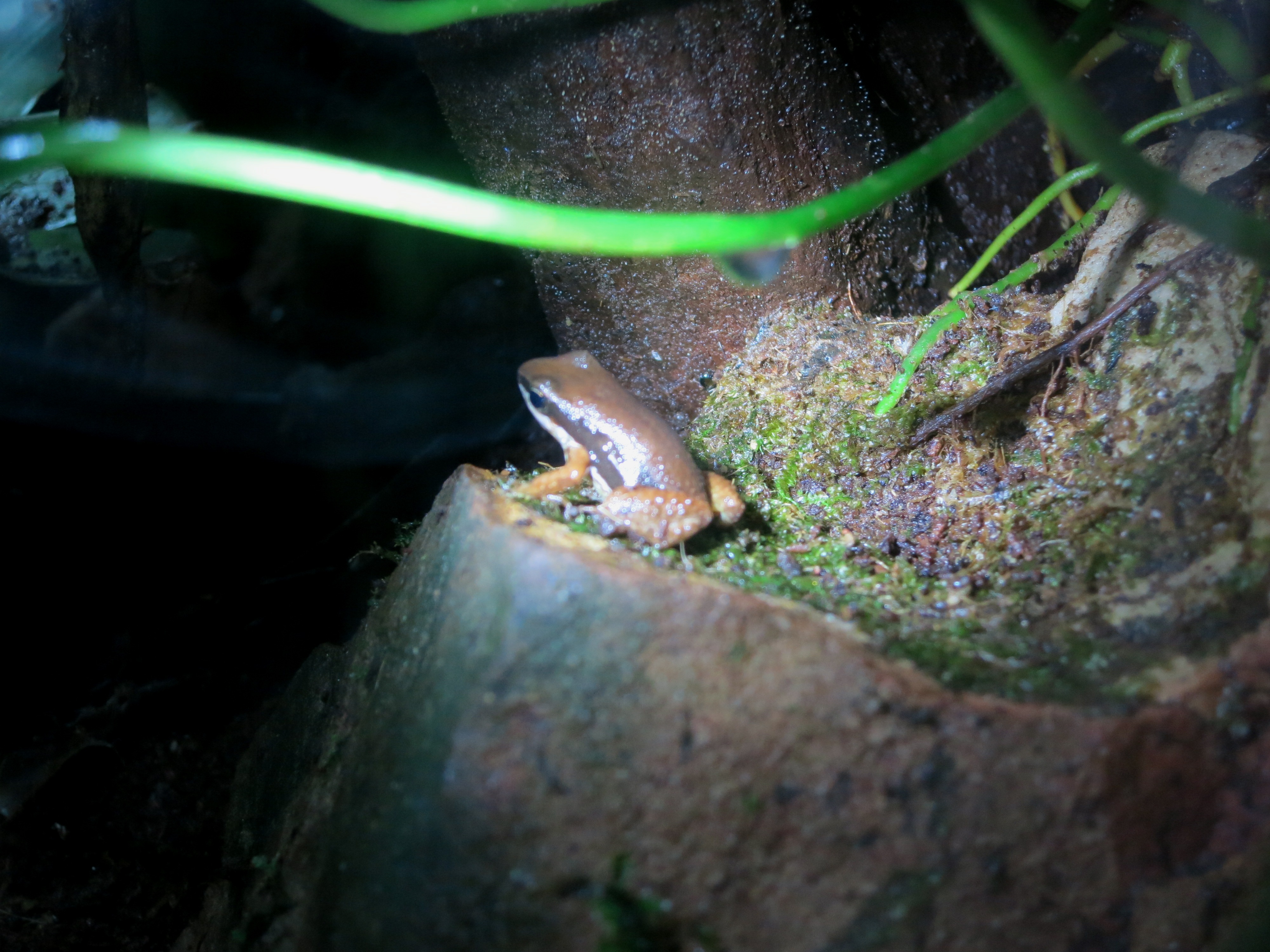
            We started out with the frog exhibits. These medium to large sized tanks have several species of frogs and numerous individuals. These exhibits were our first introduction to frogs’ amazing ability to camouflage and hide, even the brightly colored ones.

Rain Frog!

Rain Frog!

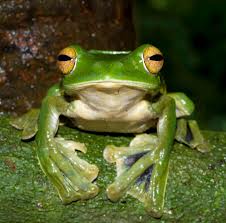
Rocket Frog!

Rocket Frog!

Can you spot the frog?

Can you spot the frog?

Luckily, Mark knew where to look and helped us locate them. The gardens have many species, including poison dart frogs, glass frogs and leafy frogs.  

Dyeing Dart Frog

Dyeing Dart Frog

Golden Poison Frog- The World's Most Toxic Frog

Golden Poison Frog- The World’s Most Toxic Frog

There's no frog here.

There’s no frog here.

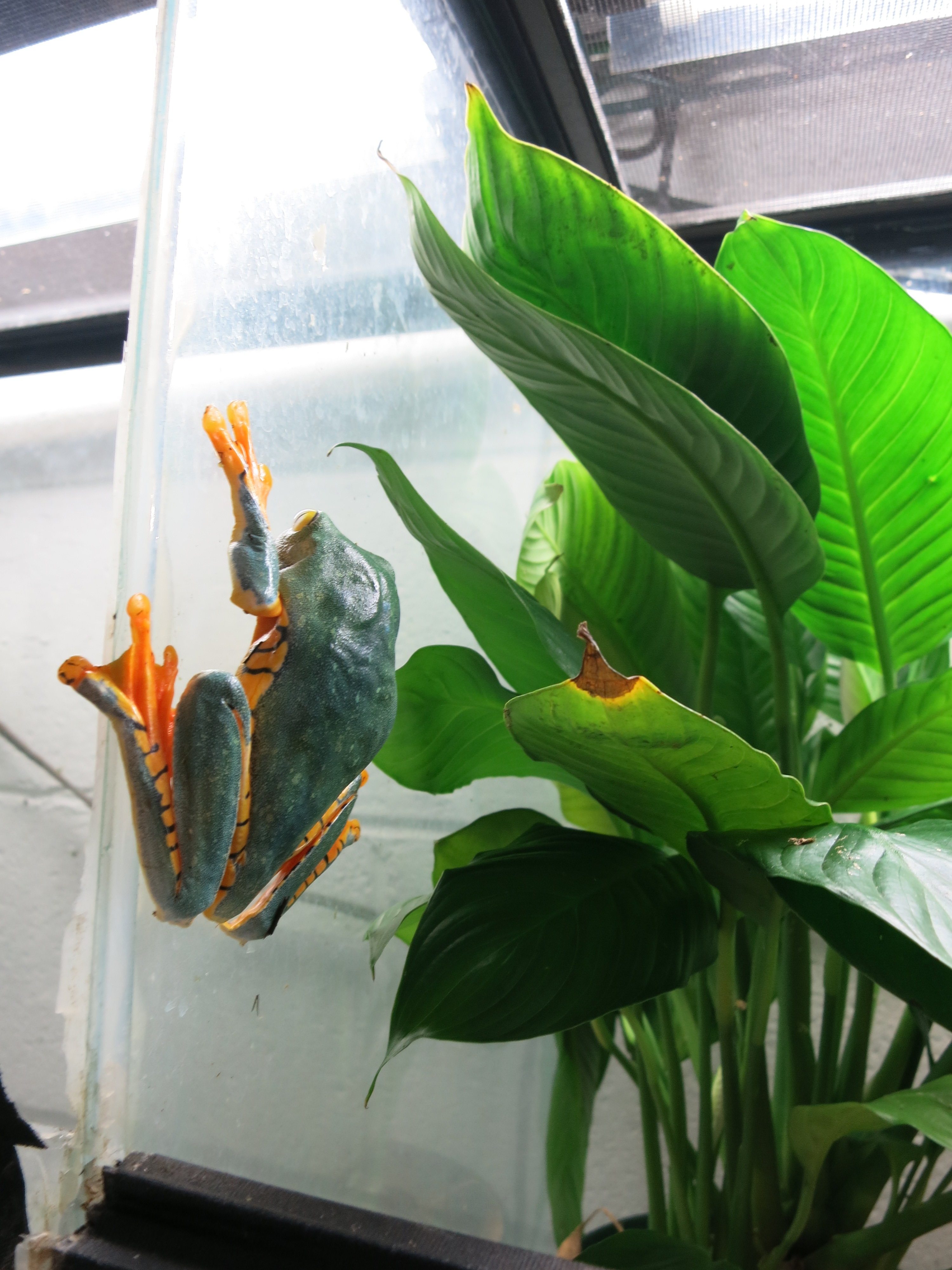
Splendid Leaf Frog

Splendid Leaf Frog

Glass frog on a leaf!

Glass frog on a leaf!


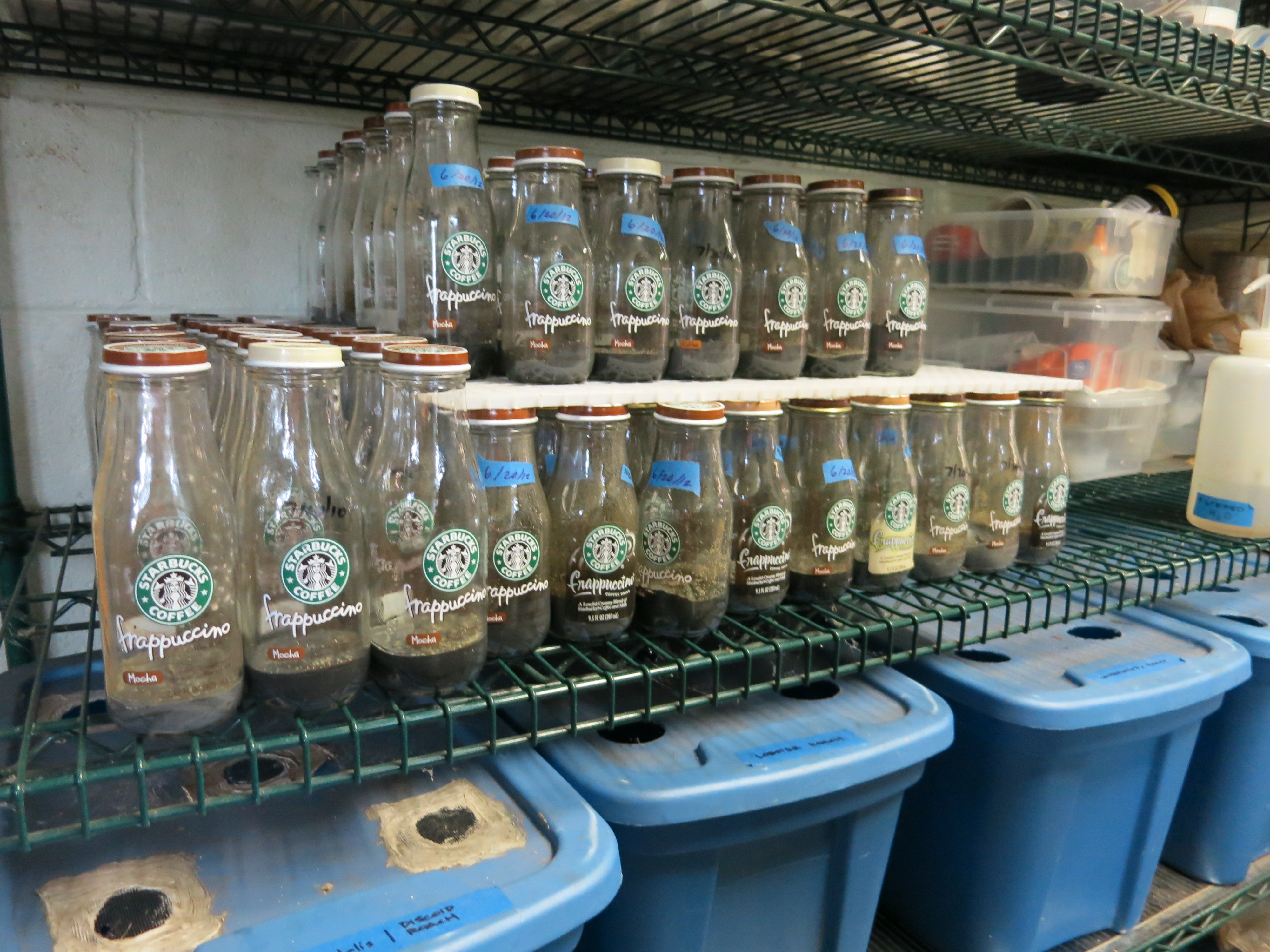
Next Mark took us behind the scenes where all the yummy froggy food is kept and where they breed frogs. All frogs are carnivores and insects are one of their favorite prey. The gardens keep worms, crickets and flies to feed the frogs. Yum!

Frog food!

Frog food!

Frog food!

Frog food!


After we checked out the frog food, we entered the breeding room. Whew, it was humid in there! The garden raises frogs for conservation and to send to other facilities, likes zoos and aquariums.  There were frogs getting ready to breed, eggs, tadpoles and baby frogs. We could hardly contain our excitement! Did you know that there are some species of frogs that live as tadpoles for a year?

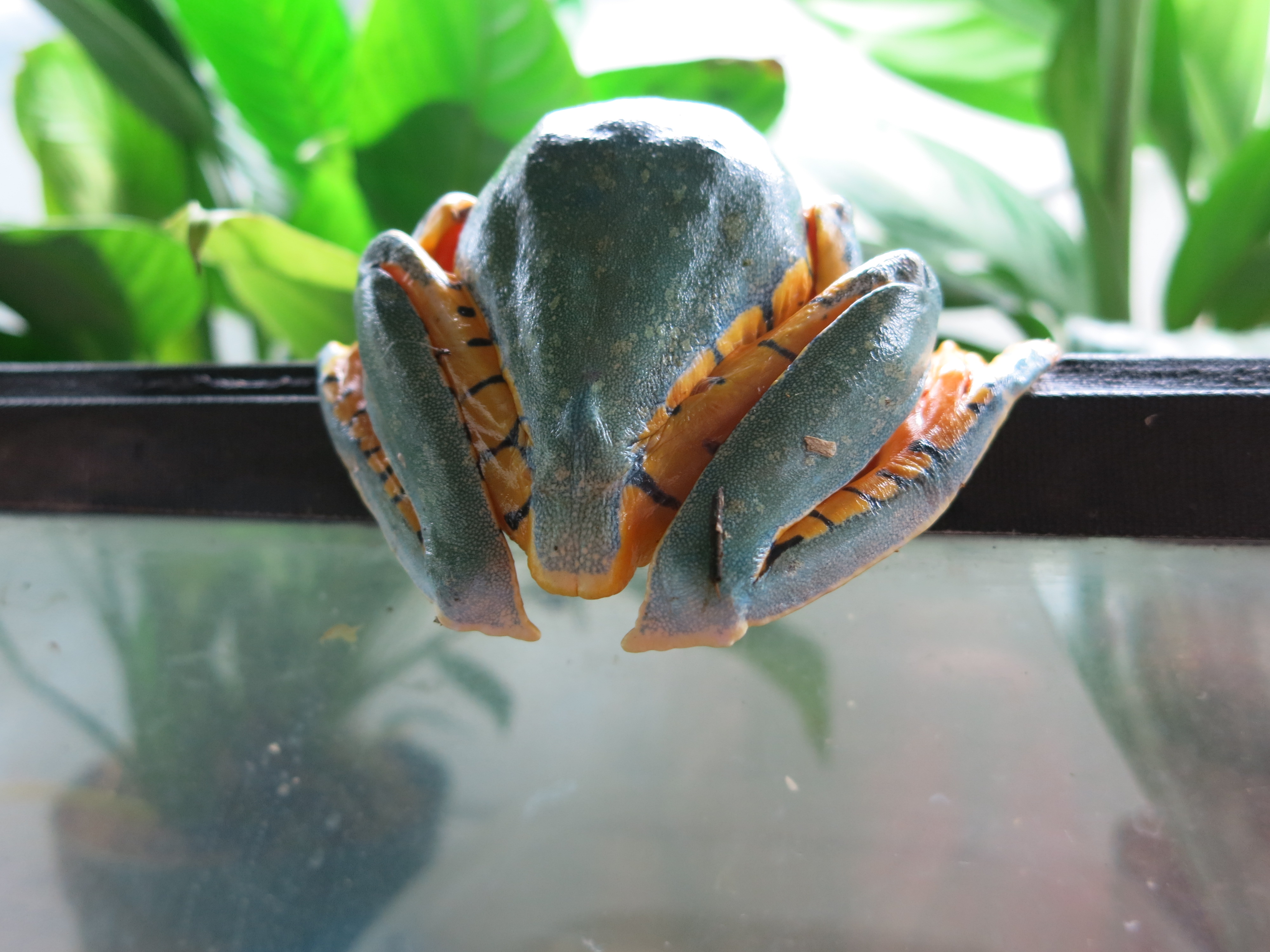
Splendid Leafy Frog bum!

Splendid Leafy Frog bum!

Hanging on!

Hanging on!

Glass frog chilling on a leaf!

Glass frog chilling on a leaf!

Can you find the frog?

Can you find the frog?

Frog hanging on the glass.

Frog hanging on the glass.

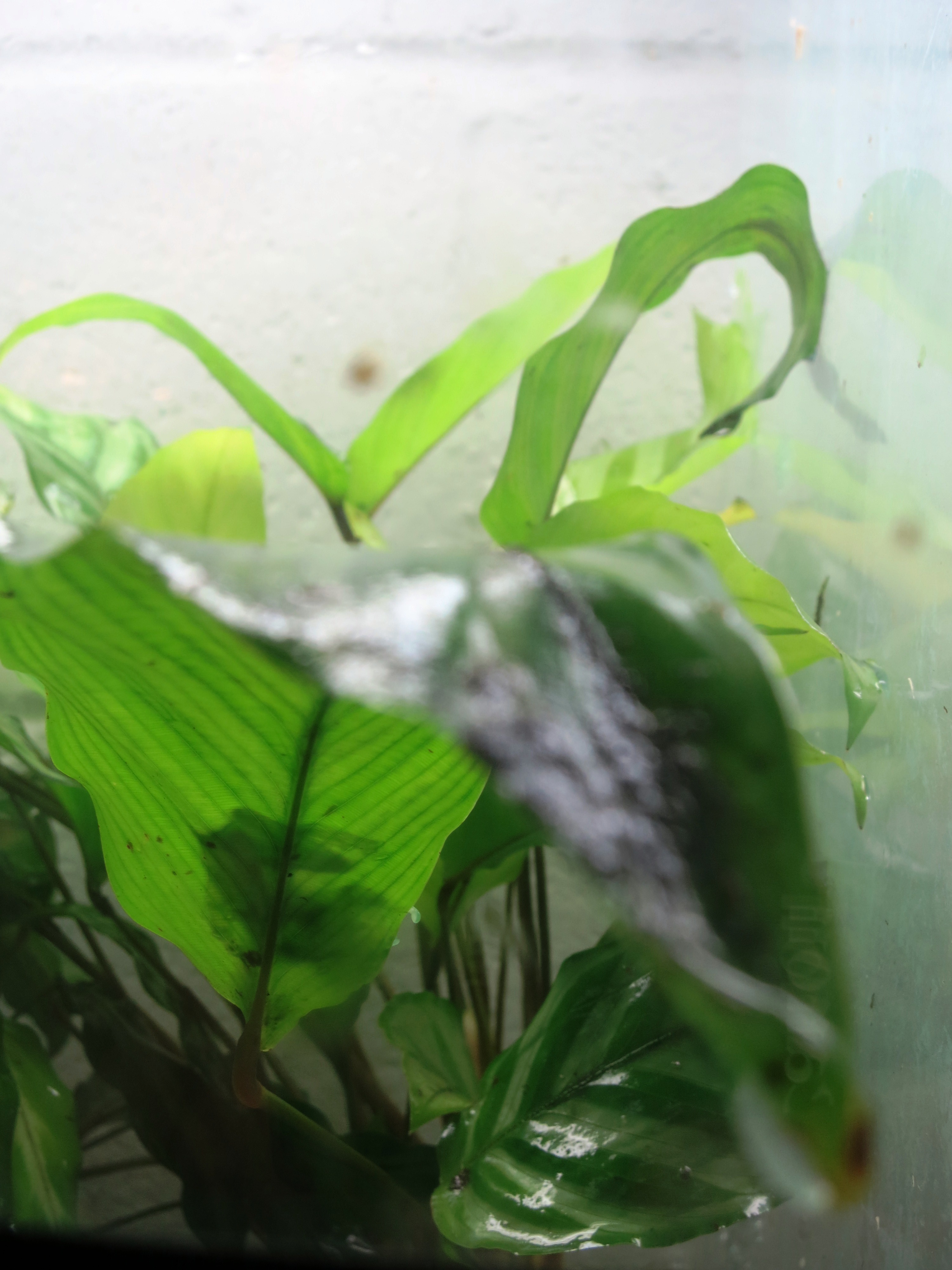
Frog eggs

Frog eggs

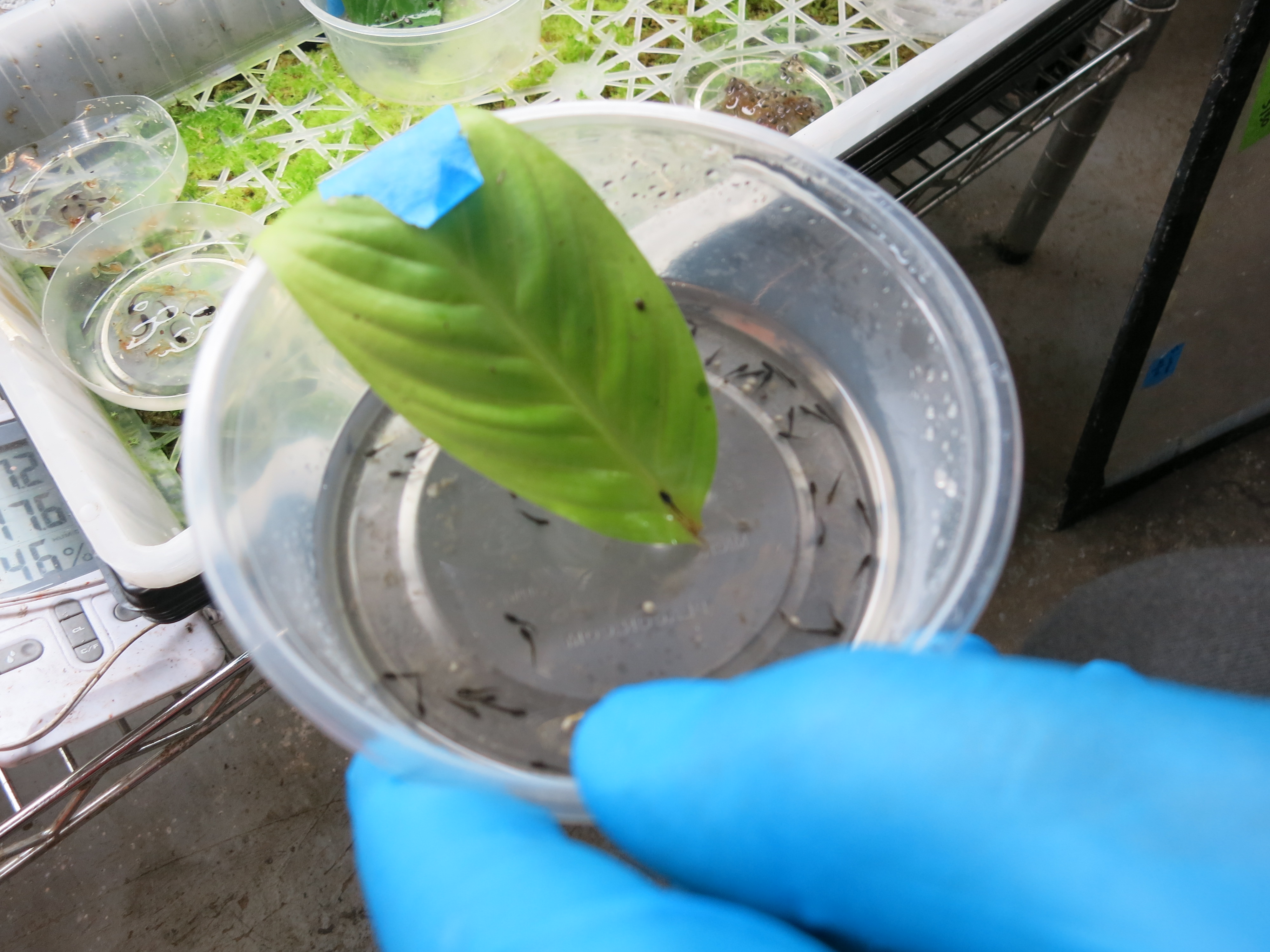
Teeny tiny tadpoles

Teeny tiny tadpoles

Poison dart frogs develop their coloration as tadpoles

Poison dart frogs develop their coloration as tadpoles

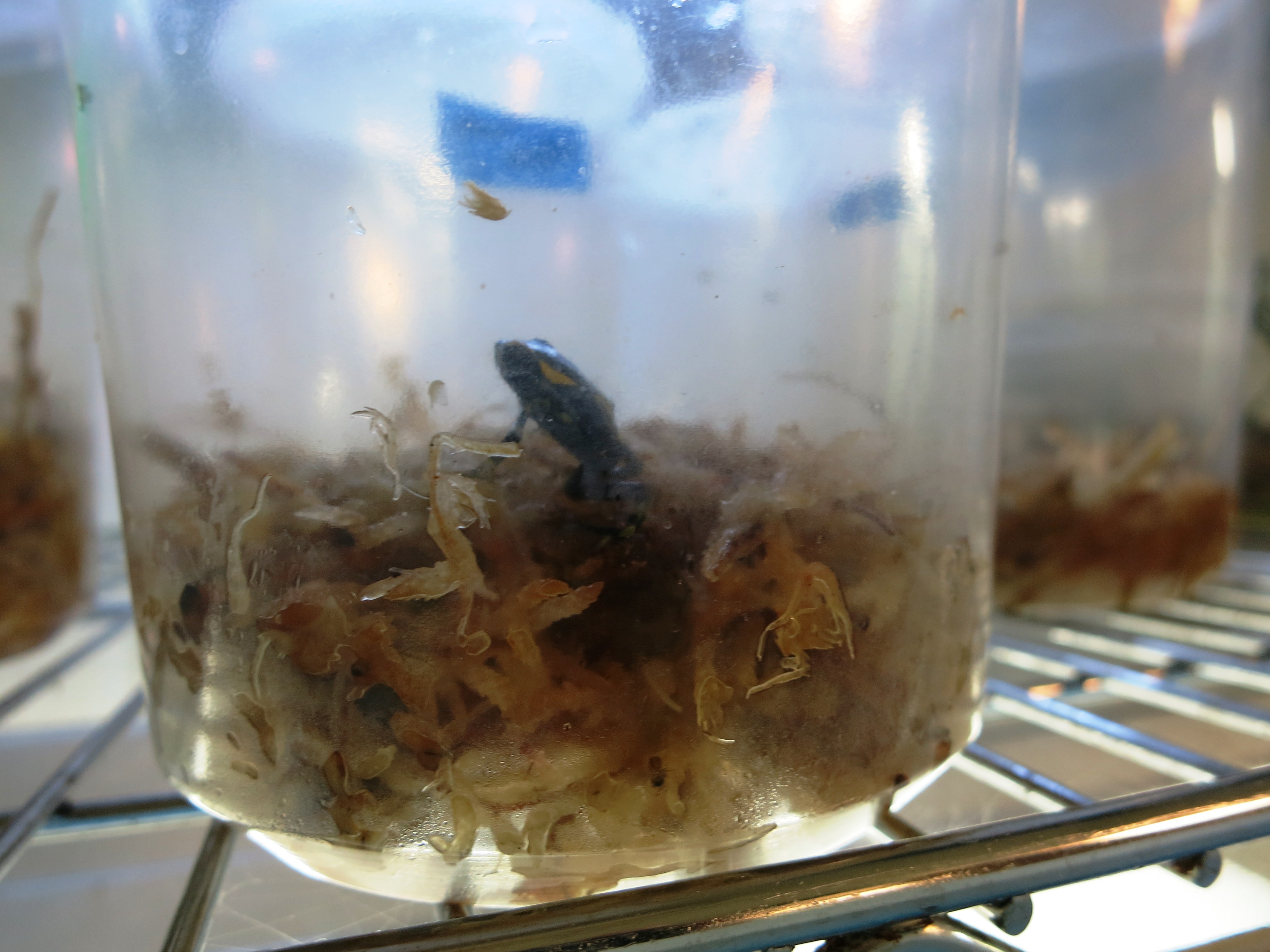
Baby frog

Baby frog


We then went in to the conservatory where we played spot the frog. The conservatory houses five species of frogs, all of whom you can hear but are hard to spot. Luckily Mark knew where to look. There are also turtles and birds in the conservatory.

Inside the conservatory!

Inside the conservatory!

Looking for frogs!

Looking for frogs!

Phantasmal Poison frog

Phantasmal Poison frog

Bullfrog

Bullfrog

            After our fantastic tour we sat down to ask Mark some questions.

Us: Tell us a bit about yourself.

Mark: I have been with Atlanta Botanical Gardens for three years and I am the Amphibian Conservation Coordinator. I worked at the University of Miami and in the Everglades with frogs, salamanders and turtles. Frogs that live in puddles are my specialty.

Us: Wow! We bet working in the Everglades was cool. When did you discover your love of frogs? Which species is your favorite?

Mark: I have always loved frogs. I took a frog class at the end of college and that changed my life. The Surinam Toad (Pipa Pipa) is my favorite.


Us: Cool! How many species do you have at Atlanta Botanical Gardens? Do you have any poison dart frogs?

Mark: We have around 300 individual frogs and several dozen species. We have 12 species of poison dart frogs, all from Central and South America. (The poison dart frogs are not fed the flies that make them toxic.)


Us: We had no idea you had so many frogs! Do you have any wild frogs on the grounds?

Mark: We have American Bullfrogs.


Us: Oh, we must go look for the bullfrogs! Glass frogs are one of favorites. What is the purpose of the translucent skin?

Mark: The translucent skin helps them camouflage. The translucent skin does help us take care of them; you can see when they have eaten.


Us: Hehe, see through skin does make it easy! Tell us about the frogPod.

Mark: It houses frogs that the Atlanta Botanical Gardens and Zoo Atlanta went to Panama to collect. The frogs were collected to save them from Chytrid Fungus. (The fungus is spreading through frog populations and decimating many species.)


Us: We have been to the Atlanta Botanical Gardens before, but had no idea that your frog conservation program was so extensive. Can you tell us a bit more about what you do?

Mark: People are constantly surprised when they find out we are involved in frog conservation. We offer education programs and classes for toddlers to college students. We even go out to schools and colleges. I designed a program for the Duke University summer program for teens.


Us: Wow! We might need to sign up for one of those frog classes! Do you travel to help take care of or introduce frogs?

Mark: We do help with native frogs up and down the east coast. We are also part of a head start program with Gopher Frogs. We breed them here then release the little frogs in South Georgia. Gopher frogs live with gopher tortoises in the burrows that the tortoises dig. We use a scope with a camera to find the frogs and tortoises. The burrows can be 20 feet deep. (You can learn more about this program here.)


Us: That is great work! Gopher tortoises are one of our favorites. We call them the apartment builders of the wild. We had no idea there were gopher frogs! How can people help frogs?

Mark: Letting your vegetation grow out and not using chemicals on your lawn is a good start. If you have wetlands or water, try to maintain them and keep them clean. You can add a water feature, but make sure you keep it chemical and fish free. (The fish will eat frogs-except bullfrogs.)


Us: Excellent! Thank you so much for sitting down with us and taking us on a wonderful tour! We were so excited to learn all about the frog conservation program! If you just love frogs you can learn more about the Atlanta Botanical Gardens amphibian conservation program on their website! If you’re in Atlanta make sure to check out this wonderful place!

We stopped to check out the tulips!

We stopped to check out the tulips!

We stopped to read a book!

We stopped to read a book!

Categories: adventure, amphibians, Animals, Atlanta, Children, conservation, education, Environment, frogs, nature, science, wildlife | Tags: , , , , , , , , , , , | 5 Comments

FROG WEEK DAY # 5

FROG WEEK DAY #5

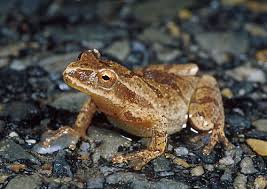
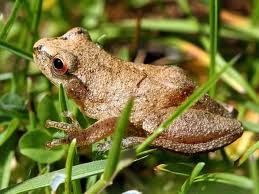
 It’s the second to last day of our Frog Week and we’re off to meet our last frog of the week! We’re going exploring in our very own neighborhood to see if we can meet this loud frog! The best part is they are one of the first signs of spring and we can all use a little spring right now!

e e woods

MEET THE SPRING PEEPER!

spring peeper   Range/Habitat: Southeast Canada-Eastern U.S./ woods, ponds,

   creeks

   Diet: Carnivore: insects

   Length: ¾- ½”

   Conservation Status: common


Fun Facts:

  •        Spring Peepers mating call ushers in the spring season.
  •       Spring Peepers are members of the chorus frogs.
  •      They have adhesive pads on their toes.
  •      Spring peepers are great climbers.
  •      They winter under leaves and logs.
  •      Spring peepers have an X-shaped pattern on their backs.

Jeepers-Creepers, where’d you get those Spring Peepers! Hehe- we couldn’t resist! We just love the sounds of spring; birds singing, bugs calling and of course frogs chirping! What’s your favorite sound of spring?

 spring peeper2  spring peeper3


Categories: adventure, amphibians, Animals, Children, conservation, education, Environment, frogs, nature, science, wildlife | Tags: , , , , , , , , , , | 2 Comments

FROG WEEK- GUESS THE FROG!!!

FROG WEEK- GUESS THE FROG!

red eyed tree frog

  • I live in the rainforests of Central America.
  • I am nocturnal.
  • My eye color is thought to thwart predators.

WHO AM I?

Categories: adventure, amphibians, Animals, Children, conservation, education, Environment, frogs, nature, science, wildlife | Tags: , , , , , , , , , | 2 Comments

FROG WEEK DAY # 2

FROG WEEK DAY #2

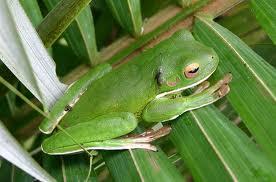
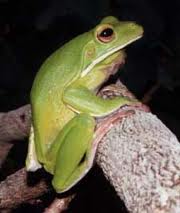
Today we are off to the land down under to meet another frog. We’ll be getting out the climbing gear to find these frogs because they live in the trees! Are you ready to meet…

e & e rainforest

MEET THE GIANT TREE FROG!

giant tree frog   Range/Habitat: Australia- New Guinea/ rainforests-gardens

   Diet: Carnivore: insects

   Length: 4-5 ½”

  Conservation Status: common


Fun Facts:

  •        Giant tree frogs are arboreal.
  •      Giant tree frogs have a white stripe around their lip.
  •        They are one of the largest frogs in Australia.
  •         Giant tree frogs have large adhesive pads on their toes that help them climb.
  •         They have large eyes with horizontal pupils.

Tree frogs are so cool! We only have the little ones where we live! Australia always has all the cool stuff- marsupials, platypus and giant tree frogs!

giant tree frog2    giant tree frog3

Categories: adventure, amphibians, Children, conservation, education, Environment, frogs, nature, science, wildlife | Tags: , , , , , , , , , , | Leave a comment

FROG WEEK!!

FROG WEEK!

Save the Frogs Day is coming up in a few weeks and we wanted to start the celebration off with a week devoted to those fabulous amphibians. We’ll be featuring three frogs, a frog craft and a very cool interview with a frog conservation scientist! Today’s adventure takes us to the deserts of the Southwestern U.S. to meet one amazing burrowing frog! Grab your backpack and sunglasses and let’s go!

e e desert

MEET THE COUCH’S SPADEFROG!

spadefoot frog   Range/Habitat: Southwestern U.S- Northern Mexico/ desert-scrub

   Diet: Carnivore: insects

   Length: 2 ¼-3 ½”

   Conservation Status: common


Fun Facts:

  •   Couch’s Spadefrogs are yellowish-green in coloration.
  •    They have large, bulbous eyes.
  •    Couch’s spadefrogs have spade shaped ridges on their hind feet for digging.
  •    Couch’s spadefrogs dig deep burrows; up to 3 ft deep.
  •   They shed their skin to make water tight cocoons during the dry season.
  •      A couch’s spadefrog’s cocoon will break down during the rainy season.

Wow! These amazing frogs have so many cool adaptations. They dig deep burrows and they form their own cocoons! It must be exhausting to be a spadefrog!

 spadefoot frog2

Categories: adventure, Animals, Children, conservation, education, Environment, frogs, nature, science, wildlife | Tags: , , , , , , , , , , , | 2 Comments

LET’S GET BIRDING!

We here at headquarters decided that we wanted to learn more about birds, bird watching and bird photography! We found two lovely people on Twitter who know quite a bit about all of things and they were nice enough to do an interview with us and share their amazing photos!  The best part about Curtis & Norma is that they are from our home state of Georgia! Let’s all learn about how to find some of our feathery friends!
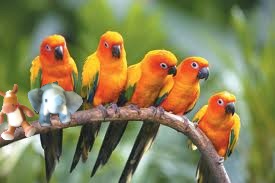
 e e birds


E & E: Tell us a little bit about yourself.

Curtis & Norma: We are writers and photographers who live in a rural area in Georgia where they enjoy photographing birds, nature and landscapes.  Their website is www.lkjournalphotos.com and they are on Twitter @lkjournal.  (www.twitter.com/lkjournal)


E & E:  Excellent! How long have you been bird watching and taking bird photos?

Curtis & Norma: Our bird photography started accidentally over three years ago when Curtis photographed a Yellow-Bellied Sapsucker drilling holes into a pecan tree in our front yard.  We have both enjoyed nature photography for many years; however, our bird photography became more serious over a year ago when we participated in Cornell University’s 2012 Backyard Bird Count.  We went to Lowe’s and bought some bird feeders and bird seed, and then placed the feeders in our trees near our kitchen window.  We were amazed at the different species of birds that came to the feeders.
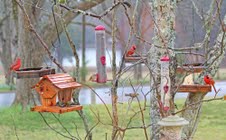
cardinals

Cardinals!

E & E: We’ve heard doing the Backyard Bird count is fun! When did your love of birds begin?

Curtis & Norma: We have always loved nature and enjoyed photographing coastal scenes and shore birds, but we really became more serious about bird photography during the 2012 Cornell University Backyard Bird Count.

E & E: Great! We love birds, but are complete novices when it comes to bird watching. Where should we get started?

Curtis & Norma: It always helps to purchase a bird identification book so that you can identify the different species of birds who visit the feeders.  Also, visit places like Lowe’s, Walmart or Wild Birds Unlimited to see the many different bird feeders and bird seed.  Keep it simple.  One open bird feeder and a small bag of mixed seed featuring black oil sunflower, white millet and safflower will produce exciting results.  Be patient…… because sometimes it takes up to two weeks for birds to find the feeders.

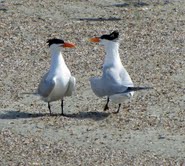
caspian terns

Caspian Terns


E & E: Those are some great tips! What guides do you recommend for first time bird watchers? 

Curtis & Norma: Some of the following books are written for Georgia residents, but they are excellent guides for learning about birds in the South.
Birds of Georgia  – Dr. John Parrish, Giff Beaton and Gregory Kennedy

Birding Georgia – Giff Beaton

Birds of Georgia Field Guide – Stan Tekiela

The Sibley Guide to Birds – David Allen Sibley

For the Birds – Anne Schmauss, Mary Schmauss and Geni Krolick

The Backyard Bird Feeder’s Bible – Sally Roth


great white egret

Great White Egret!

E & E: We’ll be hitting up the bookstore! Our HQs is a condo so we can’t have bird feeders. What is another good way to find birds?
Curtis & Norma: We always love to go to the beach to see the many shore birds, such as Ring-Billed Gulls, Laughing Gulls, Brown Pelicans, Boat-Tailed Grackles and many more.  There are always many fascinating shore birds near a coastal area.

Plus, anywhere near a lake or a pond usually has beautiful birds.  At local ponds, many times you will see Canadian Geese, Mallards, Great Egrets and Great Blue Herons.

If you live near a state park or a wildlife management area, you will also see birds, squirrels and deer.  A state park is a great place to see nature and wildlife, and especially birds.  Georgia has many wonderful state parks and wildlife management areas.   The National Wildlife Refuge System also provides an opportunity to see many species of birds.  Here are links to Georgia State Parks, Georgia Wildlife Management Areas and the National Wildlife Refuge System.

goldfinches

Goldfinches

E & E: Those are some great places to check out! Luckily we have a pond across the street from us! Tell us some great ways to attract birds to your yard?
Curtis & Norma: A very popular way to attract birds to your yard is to have a birdbath.  The birdbath should never be over two inches deep so that the birds will not drown.  Birds love a birdbath.  They need to drink water and they also enjoy taking a long bath, especially the Eastern Bluebirds.
Another way to attract birds is to hang bird feeders on a tree and place bird seed in the feeder.  The most popular seeds for songbirds are:  black oil sunflower, white millet, safflower and unsalted peanuts.  It’s best to not feed red millet because most birds do not like red millet or red milo.

American Goldfinches and Pine Siskins enjoy thistle seed.  They especially enjoy the thistle socks.

Woodpeckers enjoy the suets and the woodpecker treats that are available in places like Lowe’s or Walmart.  Blue Jays and Red-Bellied Woodpeckers enjoy unsalted peanuts and are famous for coming to the feeders, grabbing peanuts and storing them for the winter.  It is very entertaining to watch them.  The unsalted peanuts will need to be cut into smaller pieces.
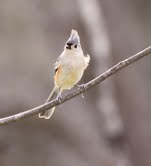
titmouse

Titmouse


E & E: We had no idea there were so many kinds of birds seed! What are some good basic tips for first time bird photographers?

Curtis & Norma: When attempting to photograph a bird outside and not through a window, always be very still.  Birds notice the slightest movement and will fly away if they see you move.

2.  Try to photograph when the sun is not too harsh because very bright sunlight can cause a picture to look really fuzzy or unclear.

3.  If your birdbath or bird feeders are outside your kitchen or living room window, you can still get great pictures.  Have plenty of their favorite seeds in the feeders and be sure that your birdbath has fresh water.  Then, clean your windows inside and out with White Distilled Vinegar.  This is the best product to use to guard against spots and streaks.

4.  Birds seem to be very active during migration and during cool, rainy days.  Northern Flickers, Pileated Woodpeckers, Red-Bellied Woodpeckers, Red-Winged Blackbirds, American Robins and Common Grackles are very active on rainy or overcast days.  Sometimes you can get some nice pictures on a cloudy day.

5.  To get really good close-up photos, we use a Canon EF 70 – 300mm f/4-5.6 IS USM Lens.

We photograph in the backyard, through the kitchen window, in a pecan orchard, near cotton fields, at state parks, wildlife management areas, ponds, lakes and at the beach.

Robin

Robin

E & E: WOW! We will be taking our camera out this spring! What kind of habitats are good for finding migratory birds?
Curtis & Norma: Actually, your backyard can be a great place to bird watch during Spring Migration.  Plus, birds are always active near lakes, ponds, rivers or the ocean.  A body of water attracts many species of birds.

Another area where birds are usually abundant are rural, wooded areas.  Birds enjoy the space of a rural area and they enjoy the pine trees and pecan trees.  Pecan orchards attract many woodpeckers and warblers.

Cardinal Eating Millet

Cardinal Eating Millet

We have so many places to go explore and see if we can find birds! Thank you so much for taking the time to answer our questions! We hope our readers will be as inspired as we are to go out and meet some bird friends!


Categories: adventure, Animals, backyard, birds, Children, conservation, education, Environment, nature, science, wildlife, wildlife photography | Tags: , , , , , , , , , , , | 2 Comments

FEATHERY FRIDAY # 66

FEATHERY FRIDAY #66

We’re off to the Land Down Under to meet today’s giant bird! Grab your back packs and some snacks and let’s get moving to meet…

e e grasslands2

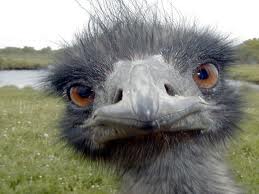
MEET THE EMU!

emus   Range/Habitat: Australia/ forests, scrub

   Diet: Omnivore: seeds, berries, insects

   Length/Weight: 5-6 ½ ft/ 66-130 lbs

   Conservation Status: common


Fun Facts:

  • Emus are the largest birds in Australia.
  • They are flightless.
  • Emus have 3 toed feet.
  • Emus have fur like feathers.
  • They can run up to 31 mph.
  • They live in flocks.

Emus are giant birds with big feet that are made for running! They are so funny looking too! We just love Emus! How about you?

emus2    emus3

Categories: adventure, Animals, birds, Children, conservation, education, Environment, nature, science, wildlife | Tags: , , , , , , , , , | 2 Comments

SUPER SURPRISE THURSDAY #66

SUPER SURPRISE THURSDAY #66

Check out the picture, read the clues and give it a guess on what animal it is!

weedy sea dragon-g

  • I live in the ocean.
  • I can only be found in the waters off Australia.
  • I can not breathe fire.

WHO AM I?

Categories: adventure, Animals, Children, conservation, dragons, education, Environment, oceans, science, wildlife | Tags: , , , , , , , , , | 2 Comments

WATERY WEDNESDAY # 66

WATERY WEDNESDAY # 66

 We’re going to the coasts of Southern California to meet a small fish with a big reputation! Grab your beach towel and let’s head off on today’s adventure!

e e beach

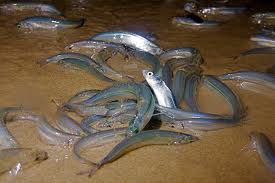
MEET THE CALIFORNIA GRUNION!

grunion   Range/Habitat: Eastern North Pacific/ oceans, coasts

   Diet: Carnivore: plankton

   Length/Weight: up to 7 ½”/ up to 3 5/8 oz

   Conservation Status: common


Fun Facts:

  • California grunions are members of the silverside family.
  • California grunions live close to the shore.
  • They swim in large schools.
  • California grunions strand themselves on beaches at night during mating season.
  • They have a blue-silver stripe down each side.

These little fish cause quiet the splash during their mating season! People come from all over to see this spectacular feat of nature! Would you make the trip to see them?

grunion2


Categories: adventure, Animals, Children, conservation, education, Environment, fish, nature, oceans, science, wildlife | Tags: , , , , , , , , , , | Leave a comment

Blog at WordPress.com.