amphibians

SAVE THE FROGS DAY!

SAVE THE FROGS DAY!

The pond behind us is full of bullfrog tadpoles! YAY!!

The pond behind us is full of bullfrog tadpoles! YAY!!

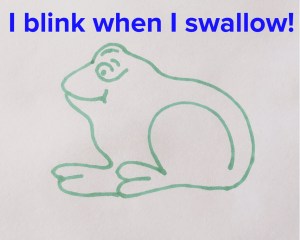
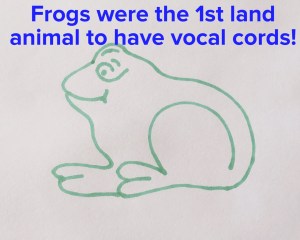
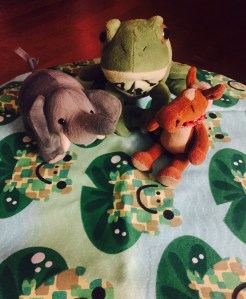
Today is Save the Frogs Day! One-third of all amphibians are in danger of becoming extinct! So we thought we’d share 7 reasons why frogs are so awesome and therefore in need of protection!

IMG_1326

IMG_1332

IMG_1331

IMG_1329

IMG_1330(1)

IMG_1328

IMG_1327(1)

Now if those aren’t reasons enough to want to protect our frog friends! We don’t know what will convince you!

Categories: adventure, amphibians, Animals, Children, conservation, education, Environment, frogs, nature, science, wildlife | Tags: , , , , , , , , , , , | 1 Comment

FUN WITH FROGS- GLASS FROG!

FUN WITH FROGS- GLASS FROGS!

We’re meeting our last frog today- Seymour the Glass Frog!  Make sure to play I Spy with us tomorrow on Instagram or Facebook or Twitter! We’ll give you a hint- it’s a frog!

IMG_1157

  • I get my name because the skin on my belly is translucent (see through).
  • You can see a glass frog’s organs through their skin! You can even see my beating heart!
  • Like many of my other frog friends, I am nocturnal.
  • We glass frogs are arboreal and like to call humid rainforests our home. You can find me and many of my cousins in Central and South America.
  • We glass frogs have a claim to fame- one of our species looks like the famous Kermit the frog! It is a honor to represent such a celebrity in the wild!
  • We glass frogs are not very big! We range from 1 inch to 3 inches long!
  • Male glass frogs are territorial. We like our own space.
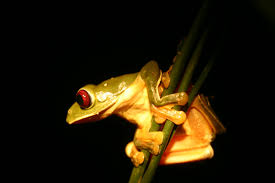
  • Our big eyes face forward and not to the side like tree frogs!

glass frogglass frog2


We sure do love glass frogs! Who knew their were species in the world who like to show off their insides? It’s their cute faces that get us the most though!

Categories: adventure, amphibians, Animals, Children, conservation, education, Environment, frogs, nature, science, wildlife | Tags: , , , , , , , , , , | 1 Comment

FUN WITH FROGS- GOLDEN POISON DART FROGS!

FUN WITH FROGS- GOLDEN POISON DART FROGS!

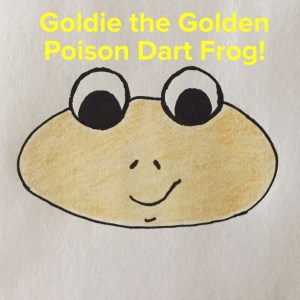
Today we’re meeting Goldie the Golden Poison Dart Frog!

IMG_1155

  • I live in a small area of rainforest in South America.
  • I am considered to be the most toxic frog on the planet!
  • Just one frog has enough toxins to kill 10 grown human men.
  • The native people in my rainforest have used my toxin for centuries as poison for their darts! That’s how we poison dart frogs got our name!
  • Due to habitat destruction, I am an endangered species.
  • My bright coloration is called warning coloration. It is an adaptation to ward off predators.
  • Scientists have developed a compound similar to my toxin that is a painkiller used for humans!

golden poison dart frog

Goldie sure is a cool little frog. These small amphibians are brilliant to see, but from a distance! Haha!

Categories: adventure, amphibians, Animals, Children, conservation, education, Environment, frogs, nature, science, wildlife | Tags: , , , , , , , , , , | 1 Comment

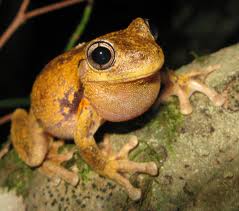
FUN WITH FROGS- SPRING PEEPERS!

FUN WITH FROGS-SPRING PEEPERS!

FullSizeRender(15)

April is frog month! Woohoo! This week we’re meeting three frogs and then we’re rounding out the week with a great Earth Day celebration!

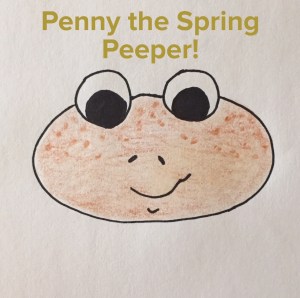
Today we’re meeting Penny the Peeper!

FullSizeRender(42)

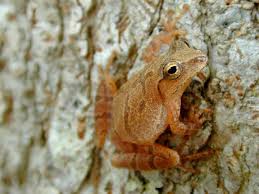
  • My calls usher in spring across the Eastern United States.
  • I am a member of a group of frogs known as chorus frogs.
  • I have pads on my toes that help me grip to surfaces.
  • Those pads help make me an excellent climber!
  • Like all frogs, I am a carnivore.
  • I like to winter in Florida, hahaha! Just kidding, I hide under piles of leaves and logs.
  • In the winter, I allow my body to freeze! Yep, bet you can’t do that!
  • I have a lovely X shaped pattern on my back.
  • You can hear our lovely chorus here!

I am one shy frog and you won’t see me out during the day! But if you’re sitting outside listen for us and our lovely songs of spring!

spring peeper


Categories: adventure, amphibians, Animals, Children, conservation, education, Environment, frogs, nature, science, wildlife | Tags: , , , , , , , , , , | 1 Comment

SAVE THE FROGS DAY!

SAVE THE FROGS DAY!

We’re celebrating frogs today! We usually would share some fun frog facts with you, but we learned of this excellent frog the other day and decided to feature it on Save The Frogs Day! Come meet the frog that is often called the Jaba the Hut of frogs! Hahaha!

WAXY MONKEY FROG!

waxy monkey tree frog3

Range/Habitat: South America/dry scrub forests

Juxtaposer Image(3)


 Diet: Insectivore: insects

Length:  2-3 inches

 Conservation Status: least concern

waxy monkey tree frog2

Fun Facts:

  • Females are larger than males.
  • They are also called the painted monkey frog or grasping frog.IMG_0782
  • Waxy monkey frogs hunt at night and bask in the sun during the day.
  • Waxy monkey frogs walk rather than jump in the trees where they live.
  • They get their name from the waxy coating on their skin that help keeps them from drying out.
  • Waxy tree frogs make a nest for their eggs with a leaf that they fold over.

waxy monkey tree frog


We love these amazing an odd looking frogs! They are a great species to help us Save The Frogs Day! Amphibians have been on the earth for millions of years and many ecosystems would not survive without them! Our frog friends are very important! GOOOOO FROGS!!! Can you answer Ellie’s trivia question? (answer below)

IMG_0783


Answer: True

Categories: adventure, amphibians, Animals, Children, conservation, education, Environment, nature, science, wildlife | Tags: , , , , , , , , , , | 2 Comments

SCIENCE WORD OF THE WEEK!

SCIENCE WORD OF THE WEEK!

swow herpetology

Happy Monday and welcome to the University today! We hope you are having a great day! I’m excited to share this week’s word with you! We’re learning another field of study word! Are you ready? Let’s do this!

Today’s word is Herpetology: herpetology is the branch of biology that studies amphibians and reptiles. A herpetologists can study all of these or just amphibians or just reptiles. There area around 6,500 species of amphibians on earth and 9,500 species of reptiles! That makes for a huge amount of animals that can be studied! If you were a herpetologist what animal would you study?

turtletortoise

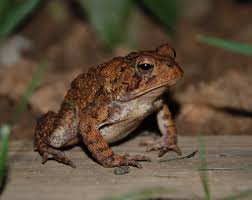
toad

snakesalamander

frog

Categories: adventure, amphibians, Animals, Children, conservation, education, Environment, nature, reptiles, science, wildlife | Tags: , , , , , , , , , , | 4 Comments

CREEPY ANIMALS WEEK- DAY 4!!

CREEPY ANIMALS WEEK- DAY 4!

e & e wetlands

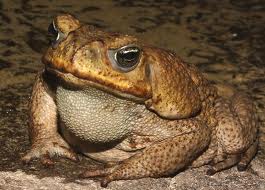
Who’s excited to meet another creepy animal? We think this amphibian is kind of cute with their warty skin! But watch out, these toads are quiet toxic just like their rough skinned newt friends!

THE MARINE TOAD!


Range/Habitat: Central-South America/ wetlands, rivers, lakes

Diet: Carnivore: ants, beetles, invertebrates

Length: 4-6”

Conservation Status: common

Fun Facts:

  • Marine toads are also known as cane toads.
  • Marine toads are world’s largest toads.
  • They have a tough warty skin.
  • Marine toads are nocturnal (active at night).
  • They are very hardy and can survive in many different habitats.
  • Marine toads have large glands that secret a very toxic poison.

Marine toads are big bad dudes! They will eat almost anything too! We do think it’s best if we just let them hang out by themselves, you know with their toxic skin and all!


Categories: adventure, amphibians, Animals, Children, conservation, education, Environment, nature, science, wildlife | Tags: , , , , , , , , , | Leave a comment

CREEPY ANIMALS WEEK!

CREEPY ANIMALS WEEK!

Professor Tamandua and the rest of the University Staff are on a fall break, so we’re taking this opportunity to spotlight some creepy animals this week in honor of Halloween! First up, a newt…

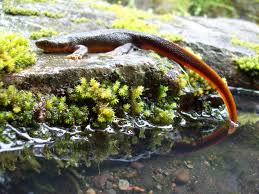
This little animal is often referred to in stories about witches, or at least their eyes are! Ever heard of the eye of newt? Well this one doesn’t have scary eyes, but they have scary skin! Come meet them…
e & e wetlands

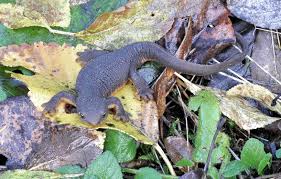
MEET THE ROUGH SKINNED NEWT!

rough skinned newt

Range/Habitat: Western United States-Canada/ woodlands and ponds

Diet: Carnivore: aquatic invertebrates, tiny fish

Length: 3 ½”- 7 ½”

Conservation Status: Common
 

rough skinned newt3

Fun Facts:

  • The Rough Skinned Newt is an amphibian. Other amphibians also include frogs, toads and salamanders.
  • Rough skinned newts have rough, bumpy skin as implied by their name.
  • They are extremely toxic. They produce a strong toxin that can cause death if eaten. It can also be absorbed through the skin if you have an open cut or wound.
  • They are brownish-black in color with yellow to orange bellies.
  • Rough skinned newts feed at night.
  • They can live as long as 12 years!
  • The common garter snake is the rough skinned newt’s only predator. The snakes have developed immunity to their toxin.

rough skinned newt2

Wow! Who knew a cute little newt could be so poisonous? Well we think they are pretty awesome! We think this animal is best seen and not eaten!

Categories: adventure, amphibians, Animals, Children, conservation, education, Environment, nature, science, wildlife | Tags: , , , , , , , , , | Leave a comment

World Frog Day!

World Frog Day!!

Somehow we missed World Frog Day yesterday, so we’re celebrating this amazing amphibians today! Frogs come in all colors and sizes.  Let’s tell you why we love frogs!

eefrog

  • Frogs are amphibians
  • They live on all continents except Antarctica.
  • The Goliath Frog is the larges species of frog in the world.
  • Wood frogs can “freeze” solid and survive the winter.
  • The Golden Dart Frog is the most toxic frog in the world.

frog

  • Bullfrog tadpoles are toxic.
  • Frogs are cold blooded.
  • There are about 4,900 species of frogs in the world.
  • A group of frogs is called an army. A group of toads is called a knot.
  • Frogs do have ears! They are located right behind their eyes.
  • Frogs have been around for 200 million years.

frog4

frog3   frog2


Last year we interviewed a frog scientist from the Atlanta Botanical Gardens! Read that interview here! Tell us what you love about frogs!

Categories: adventure, amphibians, Animals, Children, conservation, education, Environment, nature, science, Uncategorized, wildlife | Tags: , , , , , , , , , , | Leave a comment

AMPHIBIAN TUESDAY #88

AMPHIBIAN TUESDAY # 88

We’re celebrating amphibians today! Our adventures are taking us the northwestern corner of the United States to find a salamander! You know we love our amphibian friends! Grab your gear and your wellies and let’s head out!  

e e woods (2)

MEET THE PACIFIC GIANT SALAMANDER!

pacific giant salamander   Range/Habitat: Northwestern U.S.A.-South west Canada

   Diet: Carnivore: invertebrates and small aquatic vertebrates

   Length: 6 ½-13”

   Conservation Status: unconfirmed


Fun Facts:

  •          Giant Pacific Salamanders are nocturnal.
  •          They are usually found by streams.
  •          Giant pacific salamanders excrete mucus from their tail when threatened.
  •          Giant pacific salamanders stay in their juvenile aquatic stage their whole life.
  •          They either become terrestrial or they stay aquatic with gills.
  •          Giant pacific salamanders are the largest terrestrial salamander in the world.

These gorgeous salamanders can be over a foot long. How weird is that some of these salamanders stay in their aquatic stage their whole lives?

 pacific giant salamander2  pacific giant salamander3

Categories: adventure, amphibians, Animals, Children, conservation, education, Environment, nature, science, wildlife | Tags: , , , , , , , , , | Leave a comment

Blog at WordPress.com.