Animals

Bat Fun Facts

Bat Fun Facts

We love our bat friends! They come out every night by camp searching for mosquitoes.   Brown bats are the ones we see the most at camp! They live just inside the caves on the other side of the lake. These little buddies can eat up to 1000 mosquitoes an hour! Yay! Let’s learn more about bats!

brown bat3


  • Bats are the only true flying mammal on earth!
  • There are around 1,200 different species.
  • Bats have specialized wings that help them fly- bat wings have five appendages- including a thumb on top to help them climbs.
  • Bat wings are covered in a thin membrane called the patagium.
  • Scientists believe that bats evolved around 100 million years ago.
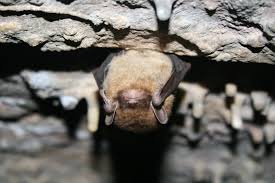
brown bats

  • Bats are nocturnal.
  • Bats use echolocation to detect prey, especially flying insects.
  • Most bats are very social and live in large groups.
  • Some bats do sleep upside down.
  • When a bat’s feet are gripped around a branch upside down they are in a relaxed position. When humans make a fist, their muscles are rigid. That is the opposite with bat feet! Pretty neat huh? 
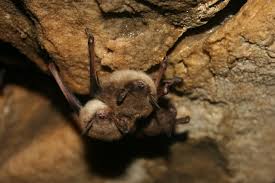
brown bats2

These beneficial little critters don’t spend all of their lives in caves, they must come out to find food every night! We just love them!!


Categories: adventure, Animals, bats, camp, Children, conservation, education, Environment, mammals, nature, science, Today's Post, wildlife | Tags: , , , , , , , , , , | 1 Comment

The Caves at Lake Salamander

The Caves at Lake Salamander

We’re spending this week at camp learning more about the caves just on the other side of the Lake. There are many stories of the ghosts that inhabitant the local caves, but we know they are just the home to some super amazing animals! We are so excited to go exploring and learn more about the caves.

cave

Cave Basics:

  • Caves are underground caverns created by the weathering of rock by water.
  • Water containing chemicals erodes at limestone and other kinds of rock to form the large caverns.
  • Some caves are formed by lava and some are formed by the sea near cliffs.
  • Stalactites are mineral deposits on the ceilings of the cave. You can remember them by saying stalactites hold tight to the ceiling.
  • Stalagmites are formed by the same mineral deposits form pillars on the ground. You can remember them by saying stalagmites push up with all their might.
  • Stalactites and stalagmites grow around an inch every 100 years.
  • Troglobites are animals that live in caves and never leave their cave home.

FullSizeRender

Caves are so neat! Do you know people who explore caves are called spelunkers? Hehehe! That is an excellent name!

Categories: adventure, Animals, camp, Children, conservation, education, Environment, nature, science, Today's Post, wildlife | Tags: , , , , , , , , , | 1 Comment

The Dam at Lake Salamander

The Dam at Lake Salamander

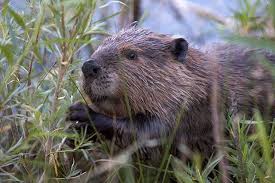
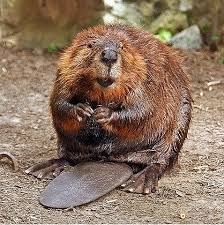
We went canoeing on the lake today! It is so peaceful and we always stop to meet the turtles, the birds and the fish. We decided to canoe all the way to the other side of the lake to see the dam. We aren’t talking about a man made dam! We went to see the giant one made by Lake Salamander’s very own beaver family! And man is it a beauty!

beaver


Beaver Fun Facts:

  • Beavers are rodents and large ones, they can get up to 45 bs.
  • These big herbivores love to eat plants, twigs, bark and leaves.
  • Beavers are built for the water! They have webbed back feet and large flat tails they use as rudders.
  • Beavers have a  clear nictitating membrane that covers their eye and let’s them see underwater! And they can stay underwater for up to 15 minutes!
  • Beavers are very beneficial. Their dams and lodges create watery habitats that other animals use! They benefit salmon, birds and an area’s biodiversity!
  • Their dams can even help drought stricken areas.
  • Beavers are able to change a habitat more than any other animal, beside humans!
  • There are an estimated 10 to 15 million beavers in the U.S. now, but at one point there were thought to be 200 million.

beaver3

beaver2

We loved stopping by the beaver lodge! There is a lovely family inside! The birds who live near by love it too! They said it’s the fanciest house in the neighborhood! Hahaha!

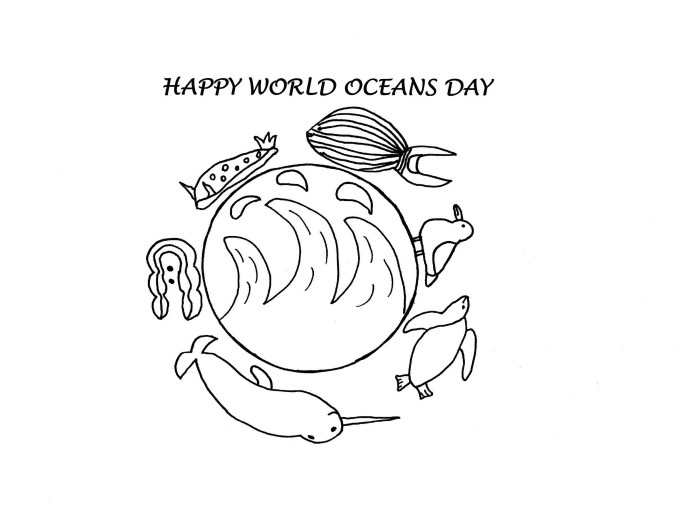
Today is World Ocean’s Day! All water makes it was to the ocean eventually! We are all connected to the oceans of the worlds! Let’s spend our afternoon coloring the sheet to celebrate! Just save, print & color.

Scan20170605193400 (2)


Categories: adventure, Animals, camp, Children, conservation, education, Environment, nature, science, Today's Post, wildlife | Tags: , , , , , , , , , | 1 Comment

High Flying Craft

High Flying Crafts!

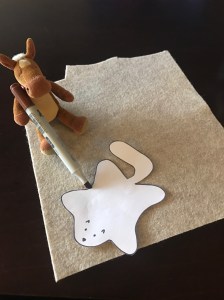
We’re heading to the craft tent for the first time this summer! Woohoo! We’re making flying squirrel magnets!

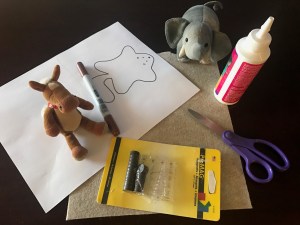
Materials:

  • pattern (at bottom)
  • scissors
  • magnets
  • tan felt
  • glue
  • brown marker

IMG_4510


Instructions:

  • Print and cut out pattern.
  • Draw pattern on felt and cut out.

IMG_4511

  • Put magnets and glue on one of the pieces.

IMG_4512IMG_4513


  • Put together the two pieces.

IMG_4515

  • Draw face and markings on your squirrel.

Don’t forget to hang your  squirrel! And show us your craft on Facebook, Twitter or tag us on Instagram!

Scan20170601211526

Categories: adventure, Animals, camp, Children, crafts, nature, science, Today's Post, wildlife | Tags: , , , , , , , , | 1 Comment

Taking Flight at Camp

Taking Flight at Camp!

IMG_0163

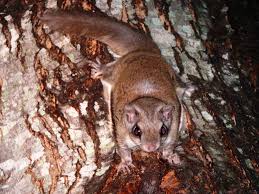
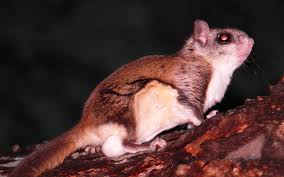
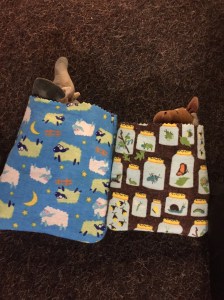
We are ready to meet our first animal who lives at Camp E&E! This little creature comes out at night, so we were thrilled to spot some after the welcome bonfire! With our bellies full of marshmallows and chocolate we head out to meet the flying squirrels that call the Salamander Woods home.


flying squirrel2

Flying Squirrel Fun Facts:

  • Flying squirrels are small critters- only reaching about a foot in length.
  • Flying squirrels are nocturnal.
  • They do not actually fly- they glide. (Can you name the only flying mammal?)
  • They have a large flap of skip from their wrists to their ankles that acts like a parachute allowing them to glide from branch to branch!
  • Flying squirrels are such excellent flyers they can change direction mid-flight.
  • They have flat tails that they use a rudder.
  • Flying squirrels love to nibble on berries, bark, snails and nuts. They collect nuts for the winter months.
  • They live in groups in holes of trees.

flying squirrel

These little rodents are just so stinking cute! Meeting them on the first night of camp was super special. Many of our campers stayed up in the wee hours talking about these amazing creatures. Who can blame them? Camp is so exciting!

Categories: adventure, Animals, camp, Children, conservation, education, Environment, nature, science, Today's Post, wildlife | Tags: , , , , , , , , | 1 Comment

Camp 2017

Camp 2017

IMG_0167

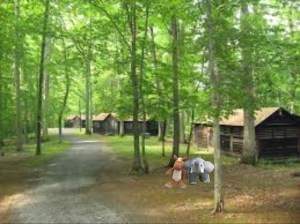
Welcome to Camp E&E 2017! We are so excited for all new summer adventures this year! We are spending our first month of camp at Lake Salamander in the Salamander woods. In July we will head to the beach for beach camp! Woohoo! So get your trunk packed for the summer and let’s get ready for another fantastic summer!


FullSizeRender(13)

Things You’ll Need:

  • Sleeping bag
  • Bug spray
  • Hiking shoes
  • Binoculars
  • Rain gear
  • Backpacks
  • Swim gear
  • Camera
  • Nature notebooks & pencils
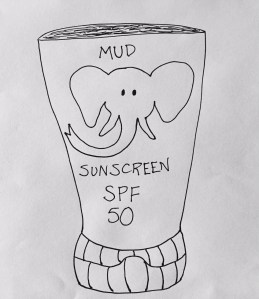
  • Sunscreen
  • Flashlights
  • Water shoes


IMG_0931(1)

FullSizeRender(51)

Let’s all sing the Camp song together to get the season started!

On the shores of Lake Salamander, among the old live oak…

We enjoy Camp Ellie and Edmond and the frogs that croak.

We salute you Camp E & E and all your animal friends…

All our days are each a gem.

While we sit next to the campfire, telling stories of old…

We laugh and sing and watch the stars of gold.

We love you Camp E &E and all our memories of our days…

We hold Camp E & E close to our hearts and we’ll never stray!


Categories: adventure, Animals, camp, Children, conservation, education, Environment, nature, Today's Post, wildlife | Tags: , , , , , , , , | 1 Comment

End of the Year!

End  of the Year!

Well it’s the end of the year and we had such a fabulous time traveling all around the world to meet so many amazing animals that we share this big planet with! Thank you to everyone who joined us! We are taking next week off to get ready for Summer Camp on June 5th! We’ll be heading back to Lake Salamander and then off to beach camp in July! Woohoo- bring on the fun in the sun!

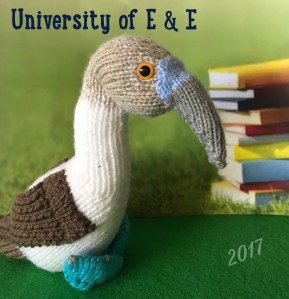
Here are some of our year book pictures from the university with some inspirational quotes!

IMG_3508

Make new friends wherever you go!

IMG_3510

Tip the scales in your favor- reduce, reuse and recycle!

IMG_3511

Live by this bear principle- honey is better shared.

IMG_3512

Think twice before calling someone a bird brain- we are quiet smart!


IMG_3509

Learn something new everyday!

IMG_3507

If it comes from the horses mouth- you know it punny!

Categories: adventure, Animals, Children, conservation, education, elephants, Environment, nature, science, Today's Post, wildlife | Tags: , , , , , , , | 2 Comments

Another Ocean Giant

Another Ocean Giant

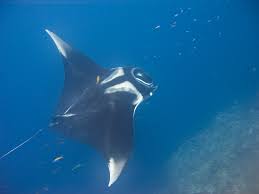
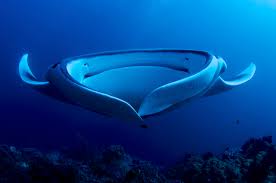
We met another giant of the ocean on our snorkeling trip- the Giant Manta Ray! These graceful creatures are so fun to watch “fly” through the water!  They are truly magical.

giant manta

IMG_4350


Date: 5/24

Location: Raja Ampat Islands

Giant Manta Ray Fun Facts:

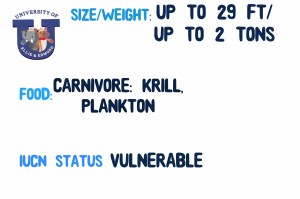
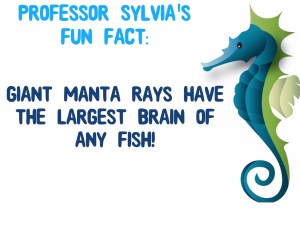
  • Giant Manta Rays are the largest member of the ray family.
  • They are filter feeders and use their front lobes to push food in their mouths. Recent discoveries have shown that they also eat larger deep sea fish!
  • Scientists guess that they can live up to 50 years.
  • Mantas get their name for the Spanish word that means blanket.

FullSizeRender

  • Manta rays are covered in a protective mucus coating.
  • Manta rays do not have the venomous barb.
  • It is thought they have been around 5 million years.

giant manta2

giant manta

Our time here in these amazing islands is done and we are bummed. There is so much more to see and do! We head back to the University and get ready for camp to start in June! We will definitely be back!


Categories: adventure, Animals, Children, conservation, education, endangered species, Environment, fish, nature, oceans, science, Today's Post, wildlife | Tags: , , , , , , , , | 1 Comment

One Big Mollusk!

One Big Mollusk!

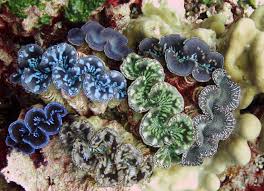
While snorkeling we came upon one big animal- the giant clam! And they are a sight to see! We had to share this amazing creature with you!

giant clam

IMG_4305


Date: 5/23

Location: Raja Ampat Islands

Giant Clam Fun Facts:

  • Giant clams live their whole lives in one spot on the reef. It’s hard to move 500 lbs of body.
  • They share their bodies with algae. They feed off the sugar and proteins the algae give off.

IMG_4304

  • Each clam has a unique color pattern.
  • Giant clams have a siphon to pull in water in plankton.
  • They can not close their shell completely.
  • Giant clams can live up to 100 years!


We love these giant mollusks! Do you remember the largest land arthropod? We met them not to long ago! Mollusks are so amazing!

Categories: adventure, Animals, Children, conservation, education, endangered species, Environment, nature, oceans, science, Today's Post, wildlife | Tags: , , , , , , , , , | 1 Comment

Barracuda!

Barracuda!

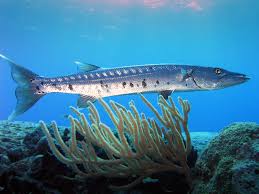
We had a blast snorkeling the next day after our night drive. We saw one of the coolest fish in all of the oceans- the barracuda! They even have their own song! We bet you don’t much about these long predators. Well it’s time to change that!

barracuda2

IMG_4298


Date: 5/22

Location: Raja Ampat Islands

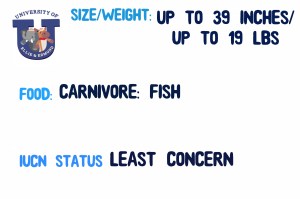
Barracuda Fun Facts:

  • Barracuda have underbites- hehehe!
  • They have large powerful jaws.

FullSizeRender

  • They are known to hunt in groups and gather a school of fish in a area to guard them when they are hungry.
  • Barracuda have a reputation for being aggressive to divers, but that reputation in unwarranted.
  • It is not a good idea to go spear fishing around barracuda though, as they make away with your meal.
  • They have few natural predators.

barracuda3

barracuda


It is always fun to spot some barracuda! We like to wave and swim the in the other direction. They may not be aggressive, but those teeth don’t say let’s be friends.

Categories: adventure, Animals, Children, conservation, education, Environment, fish, nature, oceans, science, Today's Post, wildlife | Tags: , , , , , , , , , , | 1 Comment

Blog at WordPress.com.