conservation

FEATHERY FRIDAY # 63

FEATHERY FRIDAY #63

It’s Feathery Friday and we’re off to Eastern Asia to meet a colorful duck! Let’s grab a picnic lunch and head off to watch ducks all afternoon!

E & E lake

MEET THE MANDARIN DUCK!

mandarin     Range/Habitat: Northwestern Europe-Eastern Asia/ woods, wetlands,

lakes

    Diet: Omnivore: seeds, nuts, insects

    Length/Weight: 16-19”/ 22 oz

   Conservation Status: common


Fun Facts:

  • Mandarin Ducks perch and nest in trees instead of the ground like most ducks.
  • Breeding male Mandarin ducks have some of the most brightly colored plumage of all ducks.
  • Female Mandarin ducks are brown.
  • They have long broad tails to help them fly.
  • Mandarin ducks have sharp claws to help them rest in trees.
  • Mandarin duck ducklings must jump from the nest when they are very young.


Mandarin ducks are so gorgeous with their bright colors and feathers. We could watch them all day. Do you like sitting by a pond and watching ducks?

mandarin2    mandarin3


Categories: adventure, Animals, birds, Children, conservation, education, Environment, nature, science, wetlands, wildlife | Tags: , , , , , , , , , | 2 Comments

Learn About Butterflies Day

Learn About Butterflies Day!

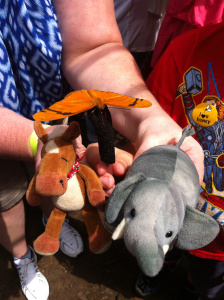
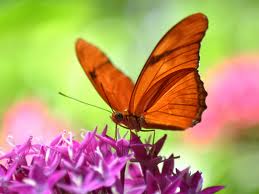
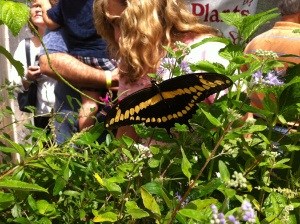
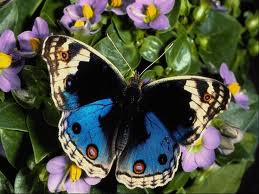
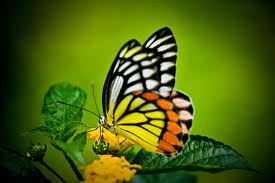
Today is Learn About Butterflies Day and butterflies are Edmond’s favorite! He loves watching for them all spring and summer! Do you have a favorite butterfly species? Edmond loves monarchs because they travel so far! We’re going to celebrate Learn About Butterflies Day with fun facts, photos and a coloring sheet drawn by Ellie! Woohoo!

E & E butterfly

FUN FACTS ABOUT BUTTERFLIES:

  • Butterflies are insects.
  • They live on all continents but Antarctica.
  • There are around 24,ooo species of butterflies.
  • Butterflies eat nectar.
  • They can not fly if their body temperature is below 85 degrees.
  • Butterflies can see red, green and yellow.
  • Monarch butterflies have one of the longest migrations of any animal on the planet.
  • Skipper butterflies can fly up to 37 miles per hour.
  • Butterflies taste with their feet.
  • The largest butterfly is the Queen Alexandra’s Birdwing.
  • The smallest butterfly is the Blue Pygmy.
  • Butterflies have a unique life cycle! We found this great video explaining it!

butterfly3   butterfly8


butterfly coloring7

butterfly4  butterfly2


butterfly5

butterfly6   e e butterfly


Image

Categories: adventure, Animals, butterflies, Children, conservation, education, Environment, nature, science, wildlife | Tags: , , , , , , , , , | 2 Comments

WATERY WEDNESDAY # 63

WATERY WENESDAY # 63

 We’re taking the E & E sub out to meet a large round fish! As always our little sub has plenty of room for everyone so let’s head out on today’s adventure!

e e deep sea

MEET THE OPAH!

opah   Range/Habitat: Tropical-temperate oceans worldwide

   Diet: Carnivore: small fish, squid

   Length/Weight: up to 6 ft/ up to 110 lbs

   Conservation Status: common


Fun Facts:

  • Opahs are also known as moonfish.
  • Opahs have bright red fins.
  • They have oval shaped bodies.
  • Opahs do not use their tail fins to swim, but instead use their pectoral (top) fin.
  • They are toothless.

Opahs are really neat looking fish and wow, are they big! It is so cool that they use that top fin to swim too!

opah2

Categories: adventure, Animals, Children, conservation, education, Environment, fish, oceans, science, wildlife | Tags: , , , , , , , , , , | 2 Comments

AMPHIBIAN TUESDAY # 63

AMPHIBIAN TUESDAY # 63

It’s that great day when we head out to meet an amphibian! Grab your gear and get ready because we’re going to meet a little frog in South Africa.

e e grasslands

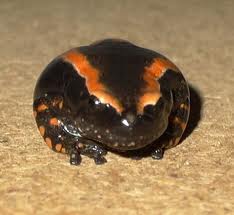
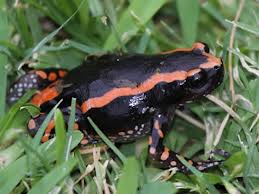
MEET THE BANDED RUBBER FROG!

banded rubber frog   Range/Habitat: Southeast Africa/ grasslands

   Diet: Insectivore: termites, ants

   Length:  1 ½- 2 ¼”

   Conservation Status: common


Fun Facts:

  • Banded Rubber Frogs have short legs.
  • They are black with pink or red stripes.
  • Banded rubber frogs inflate their bodies when threatened.
  • Banded rubber frogs walk instead of hopping or jumping.
  • They produce toxins that can be harmful to humans if threatened.

Banded rubber frogs are cute little frogs. Their bright colors help warn predators that they are toxic. Thanks we need that warning!

banded rubber frog2    banded rubber frog3

Categories: adventure, amphibians, Animals, Children, conservation, education, Environment, frogs, nature, science, wildlife | Tags: , , , , , , , , | 1 Comment

MAMMAL MONDAY # 63

MAMMAL MONDAY # 63

We’ve backed our bags and are going to Europe to find a member of the flying mammal club! And since there’s only one member of this club, it’s obvious we are going to meet a bat! Grab those night vision goggles and let’s head off on today’s adventure.

e & e night rainforest

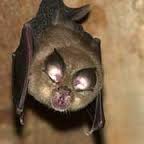
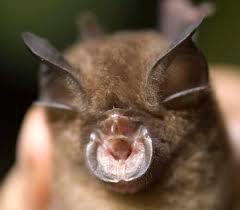
MEET THE LESSER HORSESHOE BAT!

lesser horseshoe bat   Range/Habitat: Europe-North Africa-W. Asia/ scrub-woods

   Diet: Insectivore: insects

   Length/Weight: 1 ½”/ 3/8 oz

   Conservation Status: common


Fun Facts:

  • Lesser Horseshoe bats are one of the smallest bats in the world.
  • They have a horseshoe shaped nose.
  • Lesser horseshoe bats live in colonies.
  • Lesser horseshoe bats are smaller than a human thumb.
  • They hibernate underground in the winter.
  • Lesser horseshoe bats usually fly close to the ground.

These tiny little flying mammals are ugly and cute and the same time. Bats come in all shapes and sizes and they are all beneficial! Bats rock!

lesser horseshoe bat2   lesser horseshoe bat3

Categories: adventure, Animals, bats, Children, conservation, education, Environment, mammals, nature, science, wildlife | Tags: , , , , , , , , , , | 1 Comment

FEATHERY FRIDAY # 62

FEATHERY FRIDAY #62

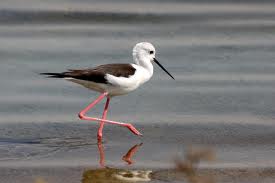
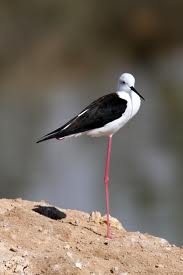
We’re off to the coasts of Africa to meet a little bird with loooooong legs! These little feathery friends live all around the world, so there’s a chance they may live near you too! Are you ready to meet today’s bird pal?
e & e wetlands

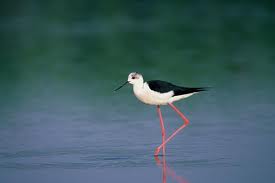
MEET THE BLACK-WINGED STILT!

black winged stilt   Range/Habitat: Europe-Asia-Africa/ wetlands, estuaries, coasts

   Diet: Carnivore: insects, mollusks, crustaceans

   Length/Weight: 14-16”/ 5-7 oz

   Conservation Status: common


Fun Facts:

  • Black Winged Stilts have very long legs. They are the longest legs of any bird in relation to their body size.
  • Black winged stilts have long thin bills.
  • Their long legs and bills help them wade for prey in very deep waters.
  • Black winged stilts are often found in large flocks.
  • Male and female black winged stilts build the nest and incubate the eggs.


Well we know where these little birds get their names from; it sure looks like they walk on stilts! Edmond wants to try out walking on stilts. I smell disaster :)!

black winged stilt2   black winged stilt3

Categories: adventure, Animals, birds, Children, conservation, education, Environment, nature, science, wildlife | Tags: , , , , , , , , , | 1 Comment

SUPER SURPRISE THURSDAY # 62

SUPER SURPRISE THURSDAY # 62

Time to look at the picture, read the clues and take a guess in the comments!

Cardinal

  • I am the official bird of seven states.
  • Males are brightly colored and females are more brownish.
  • We are known to sing a variety of songs

WHO AM I?

Categories: adventure, Animals, birds, Children, conservation, education, Environment, nature, science, wildlife | Tags: , , , , , , , , , | 7 Comments

WATERY WEDNESDAY # 62

WATERY WENESDAY # 62

We’re taking the E & E sub out today to meet a member of the shark family! We have plenty of room for everyone, so come join us on today’s adventure to meet…

e e deep sea

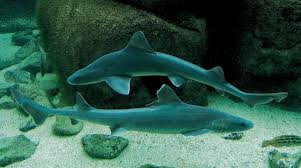
MEET THE SMOOTH HOUND SHARK!

smooth hound shark   Range/Habitat: Atlantic Ocean, Mediterranean

   Diet: Carnivore: mollusks, crabs, lobsters

   Length/Weight: up to 5 1/4 ft/ 29 lbs

   Conservation Status: common


Fun Facts:

  • Smooth Hound Sharks have short snouts.
  • Smooth hound sharks have smooth skin.
  • They are often seen in schools.
  • Smooth hound sharks are nocturnal.
  • They have flat teeth for crushing their prey.

These small sharks are really cool and their mouths are on the bottom! Did you know that when a shark or ray’s mouth is on the underside it indicates that their prey lives on the bottom of the ocean floor? Pretty cool!

smooth hound shark2   smooth hound shark3


Categories: adventure, Animals, Children, conservation, entertainment, Environment, nature, science, sharks, wildlife | Tags: , , , , , , , , , , | 2 Comments

REPTILIAN TUESDAY # 62

REPTILIAN TUESDAY # 62

We’re going to the warm climates of the Southwestern United States to meet a small lizard named after a big reptile! Grab your backpacks and let’s head out on today’s adventure!

e e woods (2)

MEET THE ARIZONA ALLIGATOR LIZARD!

arizona alligator lizard3    Range/Habitat: Southwestern U.S.- Northwest Mexico/ forests-

mountains-grasslands

     Diet: Carnivore: insects, spiders

    Length:  7 ½-12”

    Conservation Status: common

Fun Facts:

  • Arizona alligator lizards have stripes of dark brown and light brown.
  • Arizona alligator lizards are diurnal.
  • They have folds of skins down each side of their bodies.
  • They are shy and secretive.
  • Arizona alligator lizards hibernate during the winter.

These little lizards don’t look like the large reptiles they are named after. That’s a good thing, we can’t imagine a bunch of mini alligator relatives running around out there!

arizona alligator lizard2   arizona alligator lizard


Categories: adventure, Animals, Children, conservation, education, Environment, nature, reptiles, science, wildlife | Tags: , , , , , , , , , | 2 Comments

MAMMAL MONDAY # 61

MAMMAL MONDAY # 62

We’re jetting off to Southeast Asia on this Mammal Monday to meet one high flying mammal! Keep your eyes and ears pealed because these apes like to sing! Are you ready?

e & e rainforest2

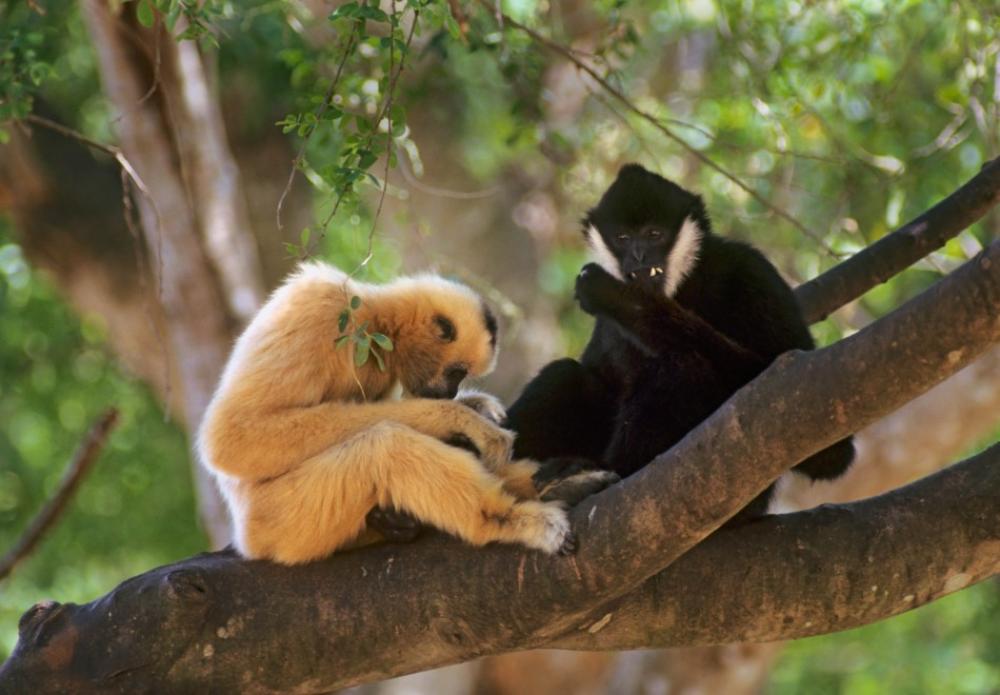
MEET THE BLACK CRESTED GIBBON!

crested gibbon2   Range/Habitat: Southeast Asia/ rainforest-mountains

   Diet: Herbivore: fruit, leaves, shoots

   Length/Weight: 18-25”/10-20 lbs

   Conservation Status: critically endangered


Fun Facts:

  • Black crested gibbons are arboreal (spend most of their time in trees).
  • They have long arms to help them swing through the trees.
  • Black crested gibbons live in small family groups.
  • Male black crested gibbons are black with white cheeks and females are tan with black crests on their heads.
  • Black crested gibbons produce songs, as pairs and as individuals.
  • They are lesser apes.

Black crested gibbons are so gorgeous. Do you know what makes them apes and not monkeys? One key feature is that they do not have tails! Neat!

crested gibboncrested gibbon3


Categories: adventure, Animals, apes, Children, conservation, education, Environment, mammals, nature, rainforests, science, wildlife | Tags: , , , , , , , , , | 2 Comments

Blog at WordPress.com.