mammals

The Real Wolverine!

The Real Wolverine

We headed out to meet the real wolverine, the furry ferocious animal that is famous for its tenacious attitude! This arctic dwellers are so cool!

wolverine3img_0677


ellie_edmund_professors-bear


Date: 12/8

Location: Arctic Circle

  • Wolverines are solitary.
  • They occupy a large territory and will roam up to 15 miles a day.
  • Wolverines live in North America, Asia and Europe.
  • They are called the “skunk bear” by the Blackfeet Indians.
img_0680

  • Wolverines do not hibernate.
  • Their dense fur helps them stay warm even in the snowiest conditions.
  • Wolverines have webbed feet that act like snowshoes.
  • Females give birth to 2-5 kits (babies) in late winter in a den. The kits are white!
  • Wolverines are often found in rugged areas.
  • They have a strong sense of smell. They can find carrion buried 6 feet in the snow.

wolverine2 wolverine


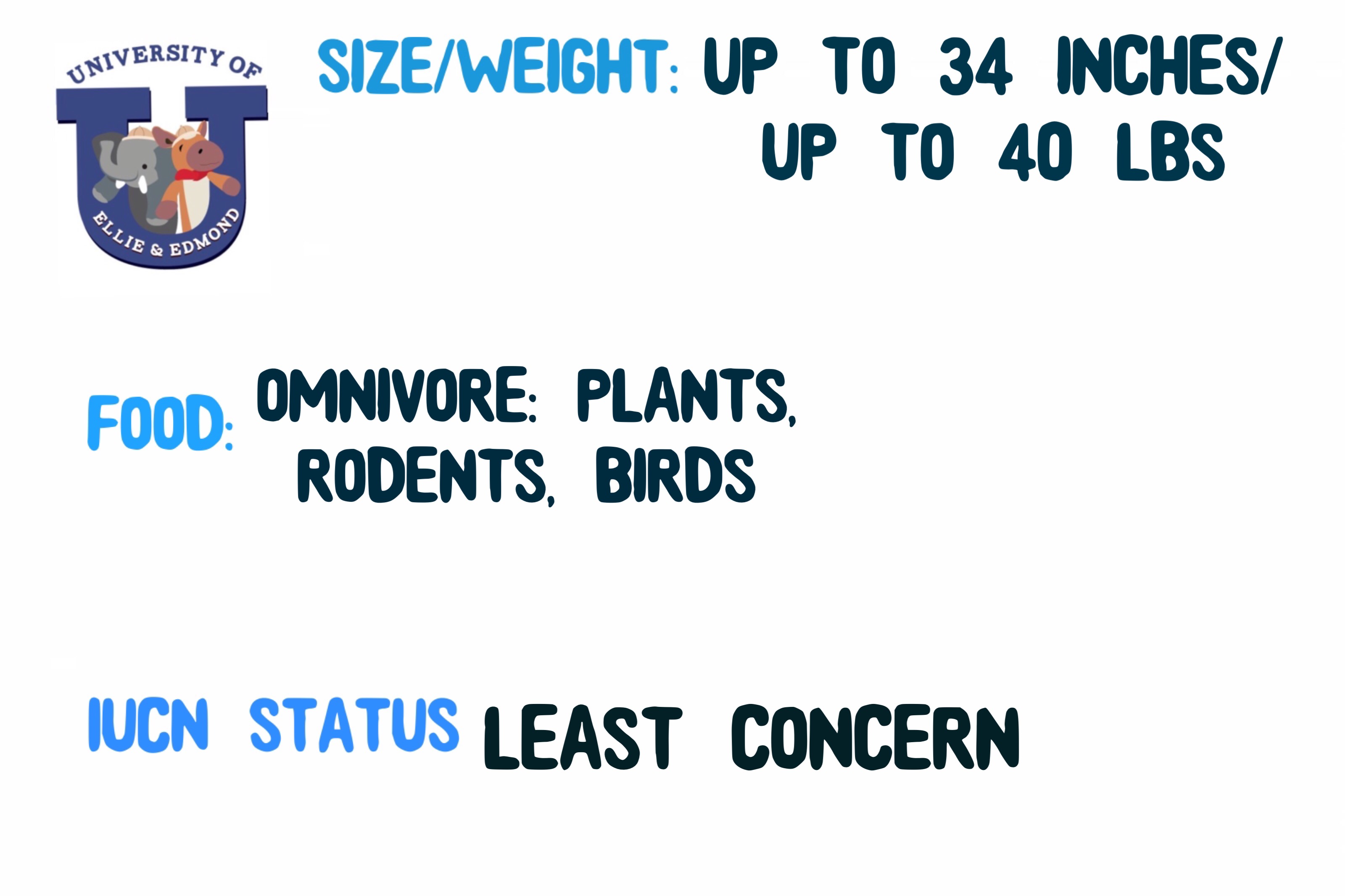
These little furry animals are very cute, but they are tough and territorial. It’s best not to confront one. Even though they are listed by the IUCN as Least Concern, they have disappeared from much of their home range. They are no longer found in most of the US now, even though they once called the Rockies home.
Categories: adventure, Animals, Children, conservation, education, Environment, mammals, nature, science, Today's Post, wildlife | Tags: , , , , , , , , , | Leave a comment

Cold Weather Hare

Cold Weather Hare

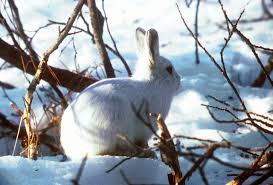
We were so excited to meet today’s animal. Yesterday we met the snowy owl and today we met another white fluffy animal in the cold weather. Instead of the feathery kind of animal, we met a furry one!

arctic-hare3img_0678


ellie_edmund_professors-bear


Date: 12/7

Location: Arctic Circle

  • They have thick coats of fur that turn brown-gray in the summer and white in the winter to help them camouflage.
  • Up to 20% of their body is fat!
  • Arctic hares have large feet that help them walk in the snow.

img_0679

  • Arctic hares have smaller ears to help them regulate their body heat, smaller ears lose less heat!
  • They hide in rocky outcrops and crevices.
  • Arctic hares do not hibernate.
  • They can be solitary or found in groups.

arctic-hare2arctic-hare


We had such a great time spotting these white hares. We love their ears withe the dark patches. Those dark spots absorb the heat. They are hardy little mammals. We are amazed at the adaptations that animals have to survive such harsh habitats.

Categories: adventure, Animals, Children, conservation, education, Environment, mammals, nature, science, Today's Post, wildlife | Tags: , , , , , , , , | Leave a comment

We Love Muskrats!

We Love Muskrats!

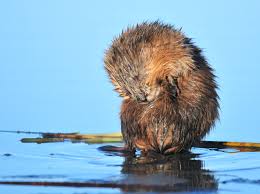
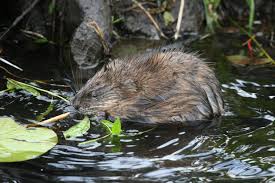
We are enjoying are last few days here in the Pacific Northwest after the holiday. We set up a new camp in order to locate the last few animals that we wanted to meet. It has gotten chilly up here, so it’s nice to a cabin at our new spot. We headed out to the local lake to see if we could spot the animal called the muskrat! We were so excited when we spotted one!

muskrat3img_0388

ellie_edmund_professors-bear

  • Muskrats are rodents, that are closely related to voles and lemmings.
  • They give off a musky odor to mark their territorial.
  • Muskrats have flat tails to help them swim. They leave a distinctive trail when they walk on land.
  • Their tails are covered in scales not fur.

img_0393

  • They close their ears while swimming.
  • Muskrats live in small family groups.
  • They are crepuscular or nocturnal.
  • Sometimes they build dome shaped lodges out of sticks, similar to beavers.

muskrat2muskrat


We had a nice time watching these rodents. One could mistake them for beavers, but they are much smaller. Their dens are different, as they are just plants, where as beavers use sticks and tree stumps. Muskrat is super fun to say too!

Categories: adventure, Animals, Children, conservation, education, Environment, mammals, nature, science, Today's Post, wildlife | Tags: , , , , , , , , | 1 Comment

Brown Bear Brown Bear

Brown Bear Brown Bear

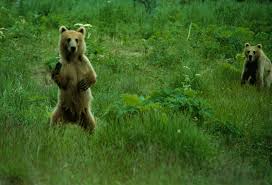
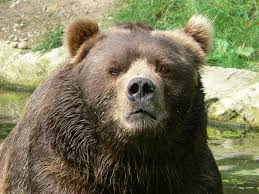
We headed up to Alaska to meet one special resident- the Kodiak Bear. They are a subspecies of the brown bear and they are only found on the islands west of Alaska! We had to bundle up to watch these bears as they get ready for winter! But, wow- what a day watching these massive creatures!

kodiakimg_02531


ellie_edmund_professors-bear


Date: 11/14/16

Location: Kodiak Islands, Alaska

  • The Kodiak bears are the largest subspecies of brown bears.

img_02541

  • Kodiak bears colors vary from light blond to orange to brown.
  • Kodiak bears are mostly diurnal.
  • You can find them together more than their cousin the grizzly bear.
  • Kodiak bears have been on the islands for around 12,000 years.
  • Kodiak bears are considered to be very intelligent.

kodiak3kodiak2


We had a fabulous day observing these magnificent bears! And  man are they huge! We were glad to have a guide show us the bears. It is crucial that humans (and horses & elephants) do not interfere with the bears. There are few reports of bears attacking humans, but making sure they don’t get used to humans and more importantly their food, makes it safe for bears and people alike!

Categories: adventure, Animals, Children, conservation, education, Environment, mammals, nature, science, Today's Post, wildlife | Tags: , , , , , , , , , | Leave a comment

Meeting Moose!

Meeting Moose

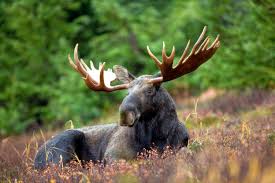
We have some dear friends who are moose! They live in the UK and they are wild bunch! But we had never meet some wild Canadian moose. We headed up the coast into Canada to meet some moose!

moose3img_0193


ellie_edmund_professors-bear


Date: 11/9

Location: Canada Temperate Rainforest

  • Moose are the largest member of the deer species.
  • Moose can eat up to 70lbs of food a day. As the winter comes that drops down.
  • Only male moose have antlers. Sometimes those antlers are called paddles. They can weigh up to 40 lbs!
  • Like other deer species, they shed their antlers in the winter.
  • Like their cousins the Roosevelt elk, they are excellent swimmers.

img_01941


  • Each moose have a flap of skin under their chin that is called a bell.
  • They are crepuscular-most active at dawn and dusk.
  • Most moose are solitary, except during mating season.

moose2img_01951  moose


We had a great day, watching these wild moose forage for food. The name the Algonquin tribe have for moose means “twig eater”. Hehehe- we do love to nibble on some grasses and maybe a piece of bark too. Good thing there was plenty to snack on in the forest!

Categories: adventure, Animals, Children, conservation, education, Environment, mammals, nature, science, Today's Post, wildlife | Tags: , , , , , , , , , | 1 Comment

An Elk Named Roosevelt

An Elk Named Roosevelt

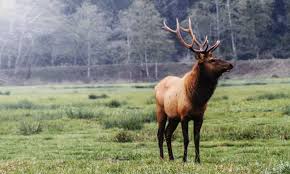
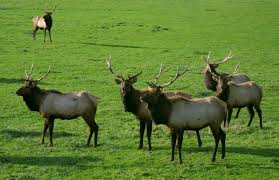
Today we went looking for one of the largest members of the North American elk family. It’s a great time of year to find these great animals, as it is mating season. We could hear them call in the mist in the morning. Did you know that males coat themselves in urine to attract the ladies? Eeeeewww…

r-elkimg_0187


ellie_edmund_professors-bear


Date: 11/7

Location: Pacific Northwest

  • Roosevelt elks were named after President Teddy Roosevelt.
  • They have large antlers with three point tips on each one. Those are called crowns. Only the males have antlers.
  • Like other animals with antlers, they shed them during the fall and winter.

img_0192

  • Some herds of elk migrate, while others do not. It all depends on food supply throughout the year.
  • Elk have two large canine teeth made of ivory. They are the only animal with antlers to have such teeth. It is believed to be a remnant of their extinct ancestors.
  • Adult male elks are called bulls. They are solitary or live in bachelor groups.
  • Elk are very vocal.

img_0190r-elk2

We had such a great time in the forest watching the elk graze on ferns and moss.  We found a few more males and goodness did they stink! We sure are glad lady elks (cows) enjoy that smell. Mating season is called The Rut- neat!

r-elk3


Categories: adventure, Animals, Children, conservation, education, Environment, mammals, nature, science, Today's Post, wildlife | Tags: , , , , , , , , , | Leave a comment

Island Sea Lions

Island Sea Islands

img_2581sea-lion2

ellie_edmund_professors-bear

Date: 10/17

Location: Galapagos Islands

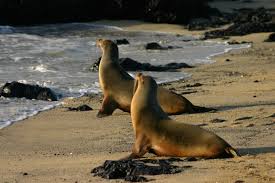
  • Galapagos sea lion are smaller than their California sea lion cousins.
  • Galapagos sea lions love sardines. They can suffer in years when the sardine population is low.

img_2585

  • Like other sea lions are also very vocal. They communicate with each other with barks and grunts.
  • Galapagos sea lions have long pointy snouts.
  • Males have large crests on their heads.
  • Dominate males have a territory that they share with a group of females.
  • Non-dominate males live in small bachelor groups.

sea-lion3sea-lion

We sat and watched the sea lions all afternoon today. They are very gregarious and loud, not to mention a bit smelly! Hehehe! The islands have very strict rules on watching these social pinnipeds- you must not get too close. That is a good rule for the wildlife and the people who love to watch them.

Categories: adventure, Animals, Children, conservation, education, Environment, mammals, nature, science, Today's Post, wildlife | Tags: , , , , , , , , , | Leave a comment

Island Rats!

Island Rats

rice-ratimg_2529


ellie_edmund_professors-bear


Date: 10/10

Location: Galapagos Islands

  • Galapagos island rice rats were first described by Charles Darwin.
  • They are nocturnal.
  • Rice rats burrow under rocks or in the hollow of a cactus.

img_2530

  • They are the only native rat on the Galapagos Islands.
  • They now live only on one island, Santa Fe.
  • Rice rats have more babies during wet years.

We had to disembark the SS Ellie and Edmond at night to locate these tiny inhabitants. We always carry red flashlights as not to disturb the animals (many animals can not detect it). Our guide knew just where to look. We watched a few little rats chowing down on dinner and scurrying about! We’ll sleep in before heading off to meet tomorrow’s animal.

Categories: adventure, Animals, Children, conservation, education, Environment, mammals, nature, science, Today's Post, wildlife | Tags: , , , , , , , , , | Leave a comment

Military Style!

Military Style!

military-macawimg_2323


ellie_edmund_professors-bfbooby


Date:9/29

Location: Amazon rainforest

  • Military macaws get their name from their green plumage, which reminded someone of green military uniforms.
  • They are not fully green though; they have blue flight feathers and a red bar around the face and a red lined tail.
  • Military macaws live in large flocks.
  • Like other macaws they are very vocal.
  • Those large beaks are perfect for breaking open even the hardest nut.

img_2324

  • Military macaws live in higher elevations than most macaws.
  • They nest at the tops of trees or on cliffs.
  • Military macaws can live up to 65 years in the wild.

We had another high climb today. Whew! We are tired and ready to head back to the University for a few days! Watching the military macaws fly in their large flocks was worth the sore fluff- hehehe! These magnificent birds belong in the wild though. We know macaws are popular pets, but they are high maintenance and often are loud, stressed and can outlive their owners! 


Categories: adventure, Animals, birds, Children, conservation, education, Environment, mammals, nature, science, Today's Post, wildlife | Tags: , , , , , , , , , , | Leave a comment

Is That a Lion in the Tree?

Is that a Lion in the Tree?

golden-lion-tamarinimg_2326


ellie_edmund_professors-bear


Date: 9/28

Location: Brazilian Rainforest


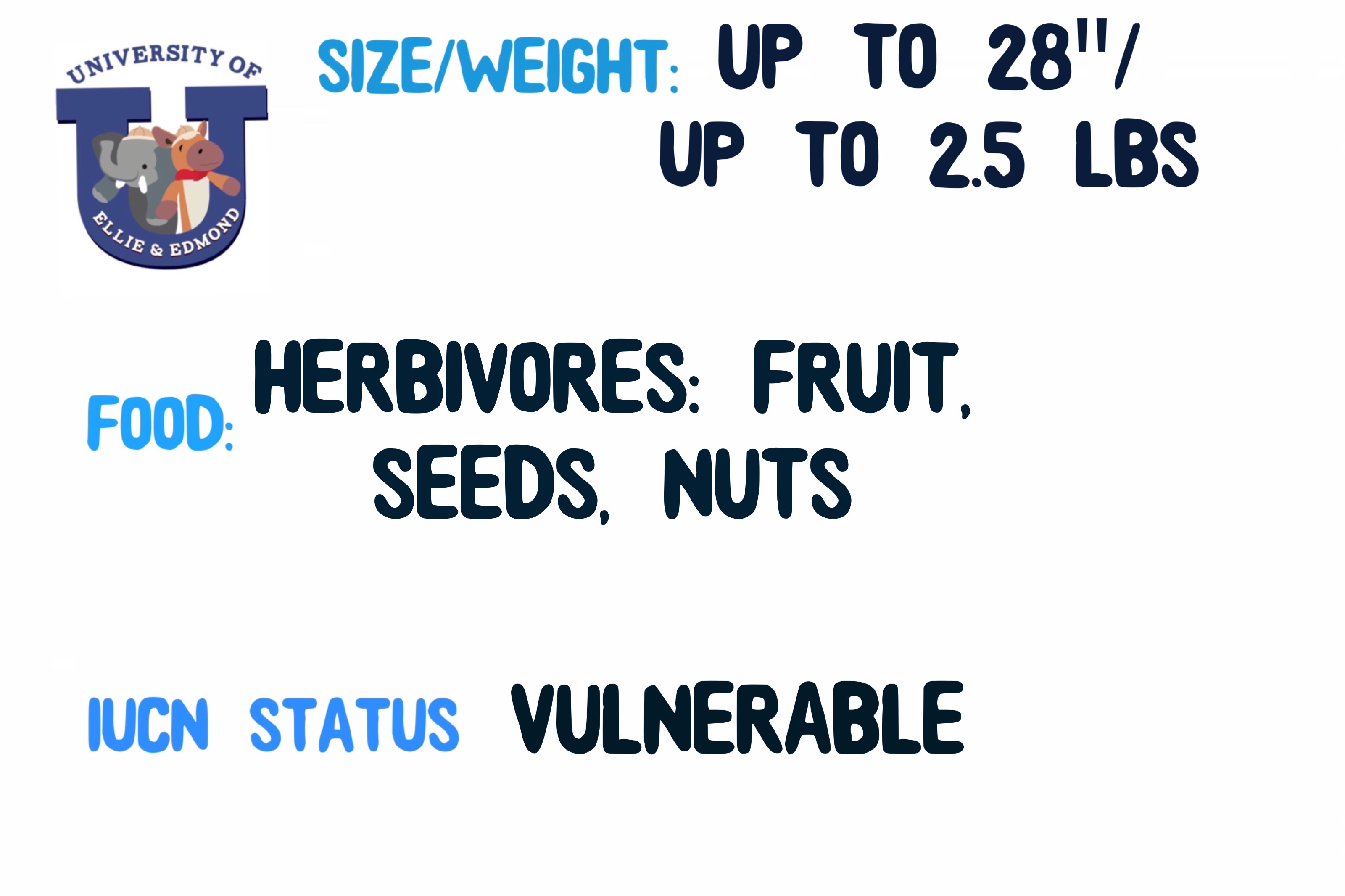
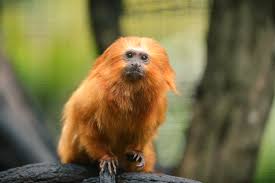
  • Golden Lion Tamarins have beautiful golden coats and fluffy manes around their faces.
  • They are diurnal (active during the day) and arboreal (live in the trees).
  • Golden Lion Tamarins live in small family groups led by a female-male breeding pair.
  • Mother Golden lion tamarins give birth to 1 or 2 offspring.
  • Father Golden lion tamarins take care of the babies and carry them on their backs. They give them to their mom when it’s time for feeding.

img_2325 golden-lion-tamarin3

golden-lion-tamarin2


Golden lion tamarins are adorable, but they are endangered. We saw a group because ranchers have saved parts of their land to give the monkeys a home. Zoos in America are raising these tamarins and sending them back to the wild to be released. They are tagged with radio collars and followed by scientists! This is conservation at work. It takes all of us!
Categories: adventure, Animals, Children, conservation, education, Environment, mammals, nature, science, Today's Post, wildlife | Tags: , , , , , , , , , , | Leave a comment

Blog at WordPress.com.