Posts Tagged With: adventure

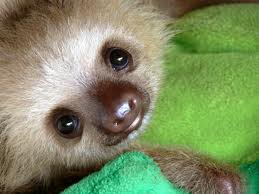
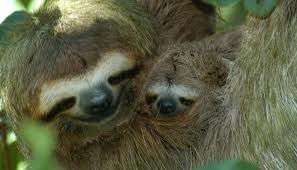
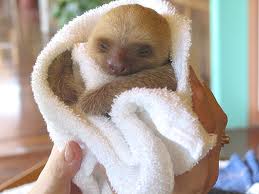
INTERNATIONAL SLOTH DAY!

Happy International Sloth Day!

YAAAAAWN! Do you know what animal sleeps 20 hours a day and spends most of their lives upside down in a tree? If you guessed sloth you’re right!!!
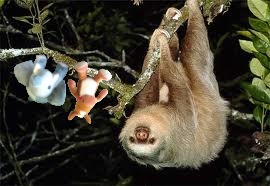
We’re celebrating these sleepy creatures today with some fun facts and great photos! Are you ready to head to the rainforests of Central and South America to meet these cute and lazy animals?

  • Sloths sleep up to 20 hours a day.
  • Sloths are arboreal (they spend most of their lives in trees).
  • They only poop once a week; and they do that on the ground to keep the scent away from where they live.
  • Sloths have algae that grows on their fur. It helps keep them camouflaged in their habitats.
  • They are related to armadillos and anteaters.
  • There are two species of sloth; the three toed sloth and the two toed sloth.
  • Three toed sloths have two extra vertebrae in their necks that allow them to turn them almost all the way around.
  • Sloths eat fruit and leaves.
  • Sloths are very awkward on land, but are excellent swimmers.
  • The ancient relative of the sloth is The Giant Sloth who was almost as big as an elephant! If you are on twitter, you can talk to Rusty the Giant Sloth from the University of Iowa Natural History Museum (@RustyGiantSloth).




Sloths are listed as vulnerable species, mainly due to habitat loss. There is a wonderful Sloth Sanctuary in Costa Rica that helps protects these wonderful animals. Check them out for more info on how you two can protect our lazy friends too!
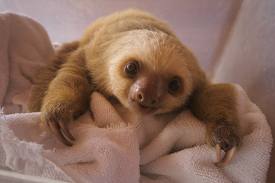



                                                                                   Who’s ready for a nap?
Categories: adventure, Animals, Children, conservation, education, Environment, mammals, nature, rainforests, science, wildlife | Tags: , , , , , , , , | Leave a comment

FEATHERY FRIDAY # 49

FEATHERY FRIDAY #49

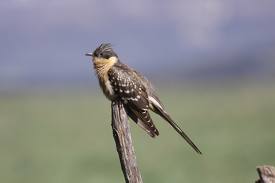
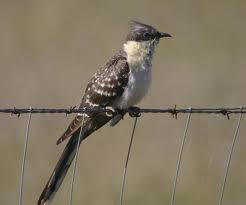
This Friday is full of feathers as usual and we’re going to meet our bird friend in Europe! These birds are very colorful. Let’s get our binoculars and practice our bird watching skills.


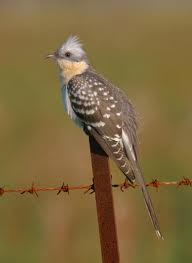
MEET THE GREATER SPOTTED CUCKOO!

   Range/Habitat: Europe-West Asia-Africa/ woodlands

   Diet: Insectivore: insects, caterpillars

   Length/Weight: 14-15 ½”

   Conservation Status: common


Fun Facts:

  • Greater spotted cuckoos are related to roadrunners.
  • They have a small crest of gray feathers on their head.
  • Greater spotted cuckoos will remove the venomous hairs off caterpillars before they eat them.
  • They lay their eggs in other bird’s nests, like crows, with the crow’s eggs.
  • The crows then raise the Greater Spotted Cuckoo’s chicks.

These interesting birds use a very unusual method of raising their offspring. Instead of raising themselves they have another bird do it for them! Wow! Pretty crazy!


Categories: adventure, Animals, birds, Children, conservation, education, Environment, nature, rivers, wildlife | Tags: , , , , , , , , , | Leave a comment

SUPER SURPRISE THURSDAY # 49

SUPER SURPRISE THURSDAY #49

It’s off to the land down under today to find a gorgeous bird who lives near water.  Do you have your hiking shoes and a snack? All right, then let’s head out!

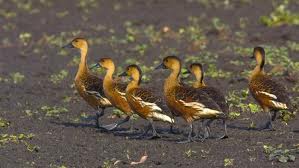
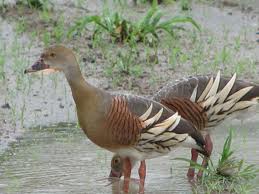
MEET THE PLUMED WHISTLING DUCK!

   Range/Habitat: Northeast Australia/ wetlands, lakes

   Diet: Herbivore: grasses

   Length/Weight: 16-23”/ 1-3 ¼ lb

   Conservation Status: common

Fun Facts:

  • Plumed Whistling Ducks have long legs and large webbed feet.
  • They mate for life.
  • Plumed Whistling Ducks mostly feed on grass on land.
  • They have upward pointed feathers on their sides.
  • Plumed Whistling Ducks have orange and black mottled beaks.
  • Both male and female plumed whistling ducks raise the chicks.

We really love these ducks fancy feathers! It makes them look so funny! Edmond would love to share a nice field of grass with these cute little fowl!

Categories: adventure, Animals, birds, Children, conservation, education, Environment, nature, science, wildlife | Tags: , , , , , , , , , | 2 Comments

WATERY WEDNESDAY # 49

WATERY WENESDAY # 49

We’re going to the Northwest U.S. today to meet a freshwater and ocean going fish! That’s right folks; there are fish who spend part of their lives in both habitats! You ready?

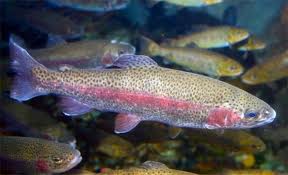
MEET THE RAINBOW TROUT!


   Range/Habitat: Northern Pacific/ North America

   Diet: Carnivore: insects, fish, snails

   Length/Weight: up to 4 ft/ up to 53 lbs

  Conservation Status: common


Fun Facts:

  • Rainbow trout are members of the salmon family.
  • Some rainbow trout are called steelheads.
  • Steelhead rainbow trout live their adult lives in the ocean, but spawn in freshwater habitats.
  • Some rainbow trout spend their whole lives in freshwater habitats.
  • Rainbow trout are blue green with yellow and a pink streak down their side.

Rainbow trout are really colorful fish! They have been introduced around the U.S. and now are a popular sporting fish.


Categories: adventure, Animals, Children, conservation, education, Environment, fish, nature, oceans, rivers, science, wildlife | Tags: , , , , , , , , , , | Leave a comment

REPTILIAN TUESDAY # 49

REPTILIAN TUESDAY #49

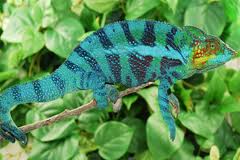
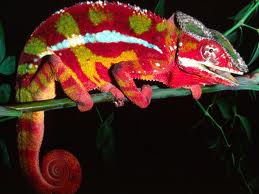
We’re jetting off to the island of Madagascar today to find one of their many species of chameleons! They may be using their camouflage super powers, so we will have to use our expert observation skills! You ready? Let’s do this!

MEET THE PANTHER CHAMELEONS!


   Range/Habitat: Madagascar/ rainforests

   Diet: Carnivore: insects, small animals

   Length: 16-20”

  Conservation Status: common


Fun Facts:

  • Male Panther Chameleons are the most colorful of all chameleons.
  • They can change color to blend in with their habitat.
  • Male Panther Chameleons also change their colors to attract females.
  • Each Panther Chameleon eye moves independently of each other. They can point them in two different directions at the same time!
  • They have long sticky tongues that they use to capture their prey!
  • Panther Chameleon tongues can be longer than their bodies!
  • They are slow movers.

Panther Chameleons are gorgeous with their bright colors. Did you know that even a blind chameleon could still blend in with its habitat? Cool, huh? We just love chameleons; how about you?


Categories: adventure, Animals, Children, conservation, education, Environment, rainforests, reptiles, science, wildlife | Tags: , , , , , , , , , | Leave a comment

MAMMAL MONDAY # 49

MAMMAL MONDAY #49

Pack your bags, because we’re going to South America today to find a resident of the rainforest! Keep your binoculars and tree climbing gear ready because this primate lives in the trees. Let’s head out on today’s animal adventure!

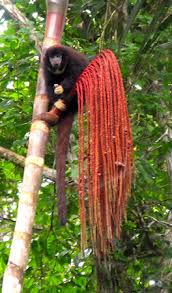
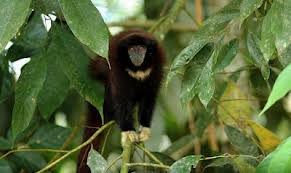
MEET THE YELLOW-HANDED TITI MONKEY!

   Range/Habitat: Northwest South America/ rainforest

   Diet: Omnivore: fruit, seeds, insects

   Length/Weight: 12-18”/ 2 ¼- 3 ¼ lbs

   Conservation Status: common


Fun Facts:

  • Yellow-handed titi monkeys have stocky bodies covered with thick black fur.
  • They have a white fur collar around their neck and bright yellow hands.
  • Yellow-handed titi monkeys have long bushy tails.
  • They are arboreal.
  • They live in small family groups.
  • Yellow-handed titi monkeys pair bond for life.
  • Male yellow-handed titi monkeys help carry the young.

These fluffy little glove wearing monkeys are so cute! Ok, they don’t really wear gloves, but their little yellow hands are great!

Categories: adventure, Animals, Children, conservation, education, Environment, mammals, nature, rainforests, science, wildlife | Tags: , , , , , , , , , | 1 Comment

FEATHERY FRIDAY # 48

FEATHERY FRIDAY #48

It’s Feathery Friday and we’re going to Africa to meet an inhabitant of the marshes! These colorful birds love wading through the mud to find a tasty meal. So let’s put on our waders and go meet…

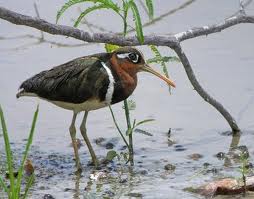
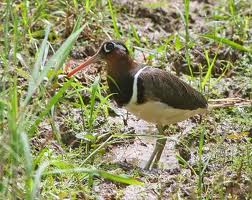
MEET THE GREATER PAINTED-SNIPE!

   Range/Habitat: Africa-Southeast Asia-Australia/ wetlands, marshes

   Diet: Omnivore: invertebrates, seeds, grasses

   Length/Weight: 9-11”/ 3 ¼-7 oz

   Conservation Status: common


Fun Facts:

  • Greater Painted-Snipes have white eye patches and colorful tan-cream feathers.
  • They use their long beaks to find prey in the mud.
  • Greater Painted-Snipes have long legs for wading.
  • They are not graceful or good fliers.
  • Greater Painted-Snipes are shy and are often hard to spot.
  • Male Greater Painted-Snipes incubate the eggs and raise the chicks.

These fun little birds are built to live in their marshy habitats. How cool is it that the dads do all the work raising the chicks? Way to go dads!


Categories: adventure, africa, Animals, birds, Children, conservation, education, Environment, nature, science, wetlands, wildlife | Tags: , , , , , , , , , | Leave a comment

SUPER SUPRISE THURSDAY # 48

SUPER SURPRISE THURSDAY #48

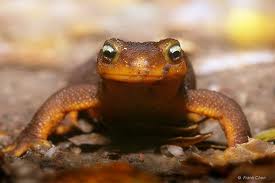
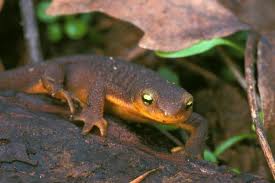
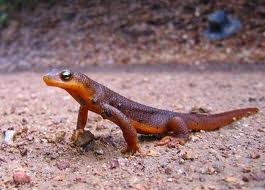
We’re hoping on a plane to the woods of Northern California. We have our backpacks and walking sticks ready and we’re looking for a tiny amphibian! Tread carefully and look closely because we’re off to meet…

MEET THE CALIFORNIA NEWT!

   Range/Habitat: Western USA (California)/ woods, mountains, wetlands

   Diet: Carnivore: invertebrates

   Length: 5-8”

   Conservation Status: common


Fun Facts:

  • California newts have rough warty bodies.
  • They are brown-red on the top and yellow-orange on their bellies.
  • California newts are also called the orange bellied newt.
  • They are nocturnal (active at night).
  • California newts mass migrate during breeding season.
  • California newts are very poisonous. They secrete a toxin through their skin for defense.

Amphibians are so awesome! And California newts are so small and cute!  These amphibians are best to observe and not touch though; you don’t want to mess with their toxic skin!


Categories: Uncategorized | Tags: , , , , , , , , , | Leave a comment

WATERY WEDNESDAY # 48

WATERY WENESDAY # 48

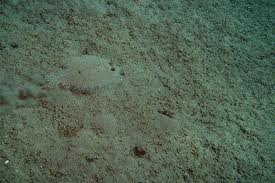
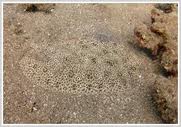
We’re taking the E & E submarine out today to find a fish who lives on the bottom of the ocean floor. Get out your best observation eyes because they are masters of camouflage! Are you ready? We have plenty of room!

MEET THE SOLE!

   Range/Habitat: Eastern North Atlantic- Mediterranean/ oceans-

estuaries

   Diet: Carnivore: mollusks, worms

   Length/Weight: up to 28”/ up to 66 lbs

  Conservation Status: vulnerable


Fun Facts:

  • Soles have flat bodies.
  • Soles are brown with dark blotches.
  • They burrow in the sandy or muddy ocean floor.
  • Soles have both eyes on the right side of their bodies.
  • They have an excellent sense of smell that helps them locate their prey.

Soles are cousins of flounders, both have those flat bodies. Our favorite part of the Sole is their funny side faces. What’s your favorite part?


Categories: adventure, Animals, Children, conservation, education, Environment, fish, nature, oceans, science, wildlife | Tags: , , , , , , , , , | Leave a comment

REPTILIAN TUESDAY # 48

REPTILIAN TUESDAY #48

We’re going on a short road trip today to meet one cute but stinky reptile! These turtles inhabit our local area and we’ve even met a few on twitter! So let’s get on our hiking shoes and go looking for these great reptiles!

MEET THE STINKPOT!

   Range/Habitat: Southeastern United States/ wetlands, ponds

   Diet: Omnivore: plants, insects, mollusks

   Length: 3 ¼-5”

   Conservation Status: common


Fun Facts:

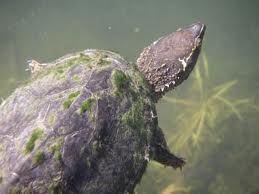
  • Stinkpots are also known as the Common Musk Turtle.
  • They expel a foul musk odor as a defense mechanism.
  • Stinkpots spend most of the lives in water.
  • They are often covered in algae.
  • Stinkpot males have longer tails than females.
  • They have barbells on their chin that help them find food.
  • Stinkpots use their tongues to breathe underwater.

Stinkpots are such cute little turtles! So many animals use the defense of emitting a stinky smell, so it must work! The best part of these little turtles is their fun name- Stinkpots! Try saying it without smiling!


Categories: adventure, Animals, Children, conservation, education, Environment, reptiles, science, turtles, wildlife | Tags: , , , , , , , , , | 2 Comments

Blog at WordPress.com.