Posts Tagged With: adventure

Welcome to the Serengeti

Welcome to the Serengeti
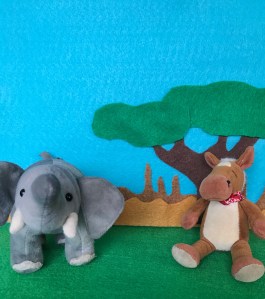
fullsizerender

Whew! After heading back to HQs at the University, we unloaded all our ocean adventurer stuff and began packing for a three weeks in the Serengeti. We need rain gear as the wet season is just beginning and warm weather gear for the days and sweaters for the cool nights. Many think these dry plains are always hot, but it can get quiet cold at night. We packed our trunks – the box ones- not Ellie’s and we head all the way Africa!

We arrived at camp- it is lovely. We have a nice tent/cabin and great rangers to help us find the animals we are looking for this trip! We learned more about this magical place. The Serengeti is home to many species, including Ellie’s wild cousins- the African Elephant! There are many more fun facts about the Serengeti! Let’s learn more before we meet our first official animal tomorrow!

serengeti2

  • The Serengeti is not just flat savannas. It has hills, mountains, volcanic craters and forests.
  • The Serengeti National Park sits in Tanzania and Kenya. The park was originally established in the 1920s.
  • The Maasai tribe of people are probably one of the areas most famous group of people! They are known for their cattle.
  • There is one active volcano in the Serengeti- Ol Doinyo Lengai.
  • Many people know of the annual migration of wildebeest, zebras and antelopes. There are over a million animals that travel miles and miles to get to areas where fresh are.
  • Many animals call the Serengeti home, including antelope, buffalo, leopard, elephants, baboons, giraffes, wild dogs and many many more.
  • Some of the oldest human ancestors were found here- including Lucy, one of the most famous fossils ever found.

serengeti3

We’re super excited to meet the animals of the amazing habitat! We’ll see you tomorrow to meet an amazing predator!
 

Categories: adventure, africa, Animals, Children, conservation, education, Environment, nature, science, Today's Post, wildlife | Tags: , , , , , , , , | 1 Comment

It’s a Ray! It’s a Bat Ray!

It’s a Ray! It’s a Bat Ray!

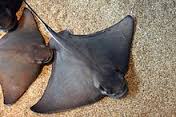
We wrapped up our last day on the west coast diving and we found this amazing ray. Rays are such graceful and neat fish and we were super excited to meet the bat ray!

img_1692

bat-ray


Date: 1/26

Location: Kelp forest

Bat Ray Fun Facts:

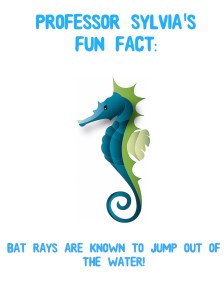
  • Bat rays belong in the eagle ray family.
  • They use their pectoral fins to swim and to stir-up sand and reveal prey.
  • When these rays “dig” out holes from the sand, they leave holes that other fish, like the horn shark use to hide in.
  • Bat rays have strong crushing plates that they use to crush hard shells.

img_1694

  • Bat rays give live birth. The pups have the venomous spine, but it is soft and covered in a sheath to protect the mother.
  • Bat rays have spiracles that move water over their gills when they are resting on the ocean floor.
  • Bat rays are mostly solitary.

bat-ray2

Wow! We so enjoyed watching the rays swim so gracefully in the waters just off the coast! We couldn’t have picked a better last day! We did miss many animals though; that just means we’ll have to come back! For now, we’ll head back to our HQs at the University and get our things back for the Serengeti! That’s right, we’re going to Africa and back to Ellie’s home! We are so excited!!!

Categories: adventure, Animals, Children, conservation, Environment, fish, nature, science, Today's Post, Uncategorized | Tags: , , , , , , , , , , | 1 Comment

It’s An Orange Fish

It’s An Orange Fish

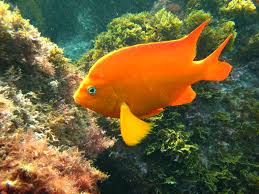
On our first dive yesterday, one of the most striking fish we saw was the Garibaldi fish. These orange fish get their name from a famous Italian politician who often work bright orange/red. Mother nature gave this fish their color and thank goodness it did!

garibaldi3

img_15751


Date: 1/19

Location: Kelp forest

Garibaldi fish fun facts:

  • Garibaldi are members of the damselfish family.
  • They are the largest member of the damselfish family.
  • Garibaldi are very territorial.
  • Males will aggressively defend eggs while they are incubating. They are even known to bite divers who get to close.
  • When they charge, they make a grunting noise as a warning.

img_15761

  • Garibaldi are the state marine fish of California.
  • Females choose their mates by how much they like the nest a male has. Females can check out over a dozen nests before choosing the right one.
  • They often choose a nest that has other females’ eggs in it. This means the male defends the nest well.

garibaldi2

garibaldi

It’s amazing how nature works. Who knew that female Garibaldi were so picky. But who can blame them, when there are many predators in the sea who find your eggs to be so tasty.

Categories: adventure, Animals, Children, conservation, education, Environment, nature, oceans, science, Today's Post, wildlife | Tags: , , , , , , , , , | 1 Comment

One Swell Shark

One Swell Shark

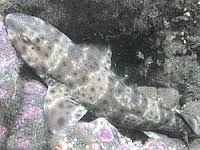
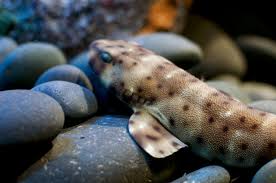
We went diving again today in the kelp forest. Our goal was to meet some of the fish who call this special place home! First up is one cool shark! Don’t worry- they are pretty shy and small :)!

img_1453

swell-shark

Date: 1/18

Location: Kelp forest

Swell Shark Fun Facts:

  • Swell sharks get their name from their unique defense mechanism. They grab their tail in their mouth and pump air or water in their stomach and swell to double their normal size.
  • They let out a barking noise when releasing the excess air.
  • Swell sharks are not strong swimmers.
  • They spend their days hiding in caves or crevices.
  • Swell sharks are mostly nocturnal and venture out to find prey.

img_14541

  • They lay eggs, called mermaids purses. The eggs are attached to hard structure to stay in play.
  • Swell sharks are biofluorescent. They absorb light electromagnetic light waves and re-emit as a different color. This neat adaptation was only discovered a few years ago.

swell-shark2

swell-shark3

We dove at two separate times -once during the day and once at night. We knew the little swell shark would be out at night. We were so excited to spot on swimming in the water. They are very shy and often when they see divers, freeze. It’s a shark that plays opossum- hehehe!

Categories: adventure, Animals, Children, conservation, education, Environment, nature, oceans, sharks, Today's Post, wildlife | Tags: , , , , , , , , , | 1 Comment

Bird of the Sea!

Bird of the Sea!

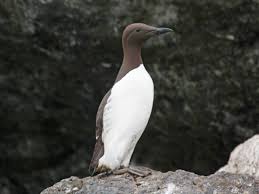
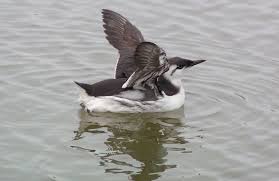
We spent the day on the cliffs bird watching. So many sea birds to love and learn about. We were especially thrilled to spot some black and white birds, reminiscent of penguins in appearance, but better fliers!

img_1445

common-mure


Date: 1/12

Location: kelp forest coastline

Common Murre Fun Facts:

  • Common murres are not very agile flyers, but are amazing at diving.
  • Common murres use their wings to propel them deep in the water to catch fish.
  • They have been recorded diving at depths of 590 ft.
  • They are related to gulls and terns.

img_1458

  • Common murre eggs are pointed on one end. They are also different colors.
  • It is thought the eggs are different colors to help the breeding pairs tell them apart.
  • After mating season, both females and males molt. During the molting season they can not fly.

common-mure3

common-mure2


We had a great time watching these birds dive and hang out on the rocks. It was a great way to end the week!

Categories: adventure, Animals, birds, Children, conservation, education, Environment, nature, oceans, science, Today's Post, wildlife | Tags: , , , , , , , | 1 Comment

Scorpions! Fish! Scorpionfish!

Scorpions! Fish! Scorpionfish!

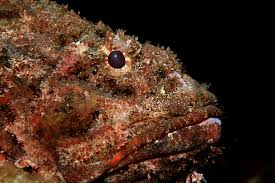
As we were diving – we met another inhabitant of the kelp forest, the California Scorpionfish. These menacing looking fish are not easy to spot because of their amazing camouflage ability.

img_1446

scorpionfish3


Date: 1/11

Location: kelp forest

California Scorpionfish

  • Scorpionfish do not stay in the one territory and often travel around.
  • They are a deep red or brown.
  • They are also called the spotted scorpionfish.
  • California scorpionfish have no swim bladder.

img_1447

  • Their venom effects heart rates and blood pressure.


scorpionfish2

scorpionfish


We had a great time spotting these neat and dangerous fish! They may not be the cutest, but they sure are cool!

Categories: adventure, Animals, Children, conservation, education, Environment, fish, nature, oceans, science, Today's Post, wildlife | Tags: , , , , , , , , | 1 Comment

We Urchin You To Meet Us

We Urchin You To Meet Us

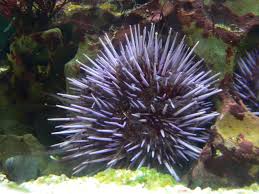
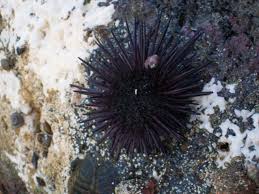
Hehe! Ok, we do love a good pun. Today we strapped on our dive gear (Ellie has a hard time getting her trunk covered) and we headed to ocean floor to see where the purple sea urchins call home. These kelp forest inhabitants are essential to the kelp forest ecosystem. Let’s learn more about them!

psuimg_1311


  • Purple sea urchins have spines that cover their bodies. These spines can move on ball and socket joints (like your shoulder).
  • The urchins use their spines to catch food and to protect themselves.
  • Sea urchins, like their relative the sea star has tiny tube feet that move them along the ocean floor.

img_1313

  • Purple sea urchins have toothlike plates around their mouths called the “Aristotle’s lantern. These strong plates help them dig holes in stones. They dig these as their burrow hideaway.
  • Purple sea urchins live in hordes. A group can decimate an entire kelp forest, by eating the plants from the bottoms up.
  • Purple sea urchins are a favorite food of the sea otter and the sunflower sea star- which swallow the urchin whole! WOW!!
  • Young sea urchins have green spines!
  • Like other echinoderms (the family sea stars belong in), they have five fold symmetry.

psu2purple-sea-urchin

We had such fun diving and watching these animals. Sea urchins don’t have eyes, they have light sensitive cells on the tips and the base of their spines. Soooooo cool!


Categories: adventure, Animals, Children, conservation, education, Environment, nature, oceans, science, Today's Post, wildlife | Tags: , , , , , , , | 1 Comment

Going to Kelp Forest

Going to the Kelp Forest

img_13091


We’re spending the month of January in Monterey, California where we will be exploring the kelp forests just off the coasts. This magnificent habitat is made up of giant algae called kelp. The kelp forests are a diverse habitat that hundreds of species call home. Kelp forests are often compared to rainforests, with a canopy and layers going deeper in the ocean.

Kelp forests fun facts:

  • Giant kelp grows about 10-12 inches a day!
  • Kelp has gas filled bladders along fronds. These help it grow vertical to the surface.
  • Giant kelp can grow up to 175 long.
  • Kelp is flexible and sways in the ocean currents.
  • Kelp does not have roots in the sand,  but it attaches to rocks.
  • Sea urchins can destroy a kelp forest when their populations are out of control.
  • Sea otter wrap kelp around themselves so they do not drift away while sleeping.
  • Many fish and invertebrates call the kelp forest home, including sea stars, garibaldi fish, sharks, anemones and sponges.

fullsizerender86

We are so excited to meet the animals of this amazing habitat! Are you ready to join us?

Categories: Animals, Children, conservation, education, Environment, habitats, nature, oceans, science, Today's Post, wildlife | Tags: , , , , , , , | 1 Comment

Unicorns of the Sea!

Unicorns of the Sea!

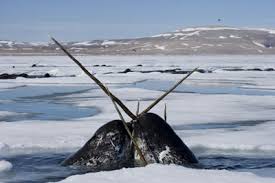
We couldn’t resist to make one last stop in our trip to the Arctic Circle to see some narwhals! They are one of our favorites- we even have two narwhals living at HQs! We had a great time on the SS Ellie and Edmond boat watching these unicorns of the sea!

narwhalimg_0893


ellie_edmund_professors-bear


Date: 12/20

Location: arctic circle

  • The Narwhal is often called the unicorn of the sea.
  • They have the most northerly range of any mammal on the planet.
  • Narwhals have a modified upper incisor tooth that grows up to 9ft long.
  • This tooth looks like a horn. It grows through the upper mouth and is seen mostly in male Narwhals, but females can have small tusks.  Scientists aren’t completely sure what the purpose of the tusk is, but think it might be for attracting females.
  • The long tusk is made of ivory, just like an elephants tusks!

img_08941

  • Narwhals have a thick layer of blubber, like other arctic animals that help keep them warm in the cold water.
  • Narwhals swim in groups called pods. Pods can include as many as 1000 individuals.
  • Narwhals are very communicative and use a wide range sounds, including clicks and whistles.
  • They suck food through their powerful lips and tongue.

narwhalnarwhal2


Narwhals are amazing animals! They survive in very cold waters and grow this awesome long tusk that makes them look unique!  If you could pick a crazy adaptation like tusks what would it be?


Categories: adventure, Animals, Children, conservation, education, Environment, mammals, nature, science, Today's Post, wildlife | Tags: , , , , , , , , , , , | Leave a comment

Foxy

Foxy

We’re meeting our last few animals this week before heading home to HQs at the University for the holidays. We wrapped up in our cold weather gear to head out and find the Arctic Fox. These amazing little mammals survive in some of the worst conditions. It’s amazing!

arctic-fox3img_0844


ellie_edmund_professors-bear


Date: 12/19

Location: Arctic circle

  • Arctic fox have white coats of fur in the winter to help them blend in with snow. In the summer, their coats turn to brown.
  • Arctic fox’s tails are large and bushy. They help them with balance and they help keep them warm on the coldest days of winter.

img_0845

  • Arctic fox don’t hibernate- despite living in such cold conditions.
  • Arctic fox will gain up to 50% of their body weight in the fall to prepare for winter.
  • They live in dens with complex tunnels that are not deep in the ground.
  • Arctic fox are the only native mammal in Iceland.
  • The arctic fox’s range was much larger during the ice age.

arctic-fox2arctic-fox


We had a great time watching a few fox around the tundra. These gorgeous little beauties are cunning hunters and scavengers. We are glad we don’t live where they do for sure! It is cold!


Categories: adventure, Animals, Children, conservation, education, Environment, nature, science, Today's Post, wildlife | Tags: , , , , , , , , , | Leave a comment

Blog at WordPress.com.