Posts Tagged With: animal

Peacock in the Ocean

Peacock in the Ocean

We’re loading up the SS E&E- our research boat with campers for the next three days as we head out to sea! It’s time for all our campers to grab their scuba gear and go diving! We’re exploring the ocean floor today! If we’re looking for a flat fish, so keep those eyes peeled for the Peacock flounder!

peacock flounder

Peacock Flounder Fun Facts:

  • They are known as the flowery flounder.
  • Peacock flounders have flower shaped blue spots.
  • They have have two eyes on the left side of their body.
  • Each eye can move in all directions. They can move independently of each other.
  • Flounder fry (babies) swim like normal fish. Their eyes on each side of their body. As they mature the eyes move to one side! CRAZY!
  • Peacock flounders prey on crabs, shrimp and small fish.
  • Peacock flounders have specialized skin cells that allow them to change their color to match their surroundings! They can do this in as little as 8 seconds.

peacock flounder2

Peacock flounders are amazing animals! These flat fish are masters of camouflage! We are glad our campers were able to spot a few! Hehehe!


Categories: adventure, Animals, camp, Children, conservation, education, Environment, fish, nature, oceans, science, Today's Post, wildlife | Tags: , , , , , , , , , , | 1 Comment

Bees, Bugs & Butterflies

Bees, Bugs & Butterflies

IMG_4406

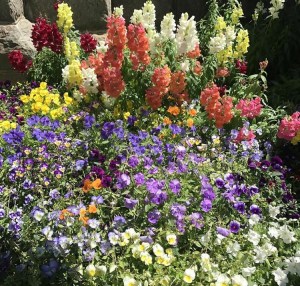
We are so excited for week 3 of Camp E & E! We’re meeting insects and the like this week! But first, we are taking the campers to garden here at camp to get our hands dirty! We’ll be planting a bee and butterfly garden. So get your pots, soil and garden tools out! We’re helping the bees!

FullSizeRender

Tips for planting a Bee Friendly Garden:

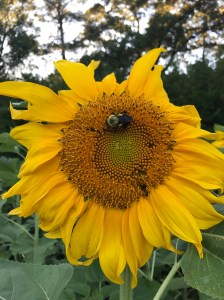
  • Plant native flowers and herbs to your area. Some good choices are: sunflowers, lavender (which keeps mosquitoes away), basil, blueberries, blackberries, black eyed susans, peonies, bachelor buttons, tulips, goldenrod and honeysuckle.
  • Plant the same flowers in one group or row.
  • Try to pick plants that bloom more than once in a season.
  • Fill a shallow dish with rocks and fresh water for the bees to drink!
  • Make sure to not use any pesticides and herbicides in your garden. They are toxic to bees.
  • Leave the weeds! Clover, dandelions and milkweed are all important to bees and butterflies! Weeds are friends!


FullSizeRender(1)

Bees are essential for the survival of all living things! Without bees to pollinate food and crops, we will all be in big trouble! Unfortunately our bee friend populations are in steep decline. So let’s give them a chance and some great habitats! And if you have deer or rabbits that nibble your garden, that’s ok too!
 

Categories: adventure, Animals, backyard, butterflies, camp, Children, conservation, education, endangered species, Environment, nature, science, Today's Post, wildlife | Tags: , , , , , , , , , , | 1 Comment

End of the Year!

End  of the Year!

Well it’s the end of the year and we had such a fabulous time traveling all around the world to meet so many amazing animals that we share this big planet with! Thank you to everyone who joined us! We are taking next week off to get ready for Summer Camp on June 5th! We’ll be heading back to Lake Salamander and then off to beach camp in July! Woohoo- bring on the fun in the sun!

Here are some of our year book pictures from the university with some inspirational quotes!

IMG_3508

Make new friends wherever you go!

IMG_3510

Tip the scales in your favor- reduce, reuse and recycle!

IMG_3511

Live by this bear principle- honey is better shared.

IMG_3512

Think twice before calling someone a bird brain- we are quiet smart!


IMG_3509

Learn something new everyday!

IMG_3507

If it comes from the horses mouth- you know it punny!

Categories: adventure, Animals, Children, conservation, education, elephants, Environment, nature, science, Today's Post, wildlife | Tags: , , , , , , , | 2 Comments

One Big Mollusk!

One Big Mollusk!

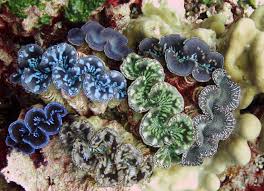
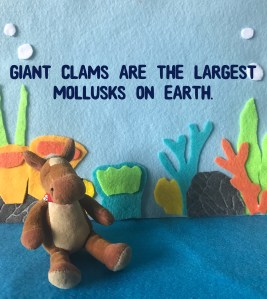
While snorkeling we came upon one big animal- the giant clam! And they are a sight to see! We had to share this amazing creature with you!

giant clam

IMG_4305


Date: 5/23

Location: Raja Ampat Islands

Giant Clam Fun Facts:

  • Giant clams live their whole lives in one spot on the reef. It’s hard to move 500 lbs of body.
  • They share their bodies with algae. They feed off the sugar and proteins the algae give off.

IMG_4304

  • Each clam has a unique color pattern.
  • Giant clams have a siphon to pull in water in plankton.
  • They can not close their shell completely.
  • Giant clams can live up to 100 years!


We love these giant mollusks! Do you remember the largest land arthropod? We met them not to long ago! Mollusks are so amazing!

Categories: adventure, Animals, Children, conservation, education, endangered species, Environment, nature, oceans, science, Today's Post, wildlife | Tags: , , , , , , , , , | 1 Comment

Giant Crab!

Giant Crab!

We were exploring another island and met an infamous arthropod! These giant, slightly creepy looking creatures are the coconut crab and man are we excited for you to meet them too!

coconut crab

IMG_4048


Date: 5/10

Location: Raja Ampat Islands

Coconut Crab Fun Facts:

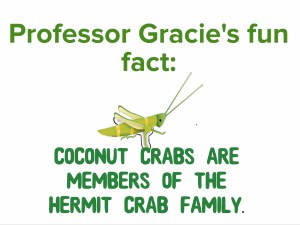
  • Coconut crabs are the largest land arthropods in the world.

IMG_4049

  • Young coconut crabs use other animals’ shells to protect themselves, just like other hermit crabs. As they grow older their exoskeleton hardens.
  • They do eat coconuts. They scrape away the fibrous outside and crack open the shell to get to the meaty inside.
  • As a coconut crab grows, they shed their exoskeleton and grow a new one.
  • Coconut crabs have an excellent sense of smell.
  • They are solitary and territorial.
  • Coconut crabs can live up to 40 years.


coconut crab3

coconut crab2


These giant creatures may be one of our favorites! They are the stuff of bad B horror movies, but aren’t they cool. People do not eat them- which is good. They are tough! Hahahaha!

Categories: adventure, Animals, Children, conservation, education, Environment, nature, science, Today's Post, wildlife | Tags: , , , , , , , , , , | 1 Comment

One Large Bat

One Large Bat

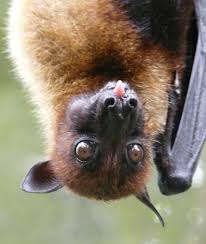
We decided to explore some of the islands this week. We do love our oceans, but the islands have some really neat creatures to meet too! Today we are meeting one of the largest flying mammals in the world and we couldn’t be more excited!

flying fox

IMG_4024


Date: 5/8

Location: Raja Ampat Islands

Large Flying Fox Fun Facts:

  • Large flying fox live in large colonies.
  • They are able to hang upside down just as smaller bats do.
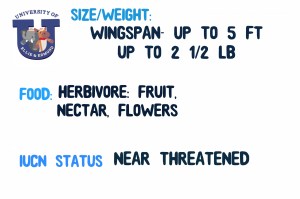
  • Large flying foxes have long tongues to help them eat nectar and fruit.

IMG_4025

  • Large flying foxes are pollinators and seed disperses. Their poop contains seeds that they disperse and they get pollen on their fur when they eat nectar. They spread the pollen from plant to plant.
  • They feed in the upside down position.

flying fox2

flying fox3


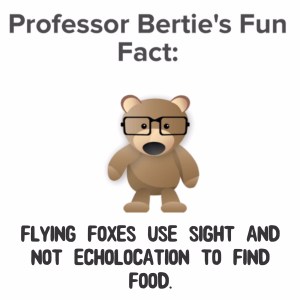
These large bats are so cool to see! We spotted a whole tree full just roosting and came back at night to watch them head out to find food! They fly silently, but they are a noisy bunch when they are eating! Edmond can be a loud eater too!

Categories: adventure, Animals, Children, conservation, education, endangered species, Environment, nature, science, Today's Post, wildlife | Tags: , , , , , , , , , , , | 1 Comment

The Clowns of the Ocean!

The Clowns of the Oceans!

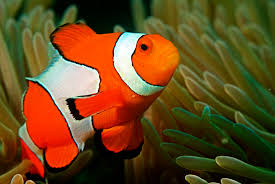
While snorkeling we also encountered one of the reef’s most iconic residents- the clown anemonefish! These brightly colored fish became famous after a certain movie. Well we’re going to teach you some cool clown fish facts!

clown

IMG_3988


Date: 5/4

Location: Raja Ampat Islands

Clown Anemonefish Fun Facts:

  • Clown anemonefish are one of many species of anemonefish.
  • They have a three white and black stripes on their orange bodies.
  • Clown anemonefish have a layer of mucus that protects them from their anemone and its stinging cells.
  • The fish and the anemone share a symbiotic relationship (where both animals benefit). The anemone gets food and some protection from the fish and vice/versa.
  • Clown anemonefish live in small groups with a dominate female.

IMG_3990

  • Clown anemonefish spawn during the fool moon.
  • The males defend the eggs.

clown2

clown3


The relationship that clown anemonefish have with their anemones are so cool. There are many symbiotic relationships found in nature! Elephants have birds that bugs and parasites of them! Pretty neat right?


Categories: adventure, Animals, Children, conservation, education, Environment, fish, nature, oceans, science, Today's Post, wildlife | Tags: , , , , , , , , , , , | 1 Comment

Sharky Shark Shark

Sharky Shark Shark

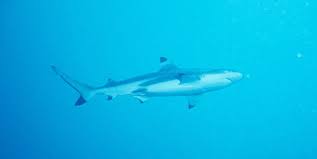
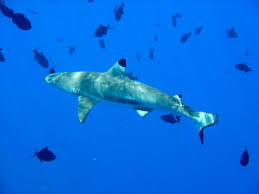
We strapped on our snorkel equipment to go exploring! We spotted so many fish, but we were most excited to see the black tip reef shark! These sleek predators are common inhabitants of the reef!

reef shark3

IMG_3999


Date: 5/3

Location: Raja Ampat Islands

Black Tip Reef Shark Fun Facts:

  • Blacktip Reef Sharks are the most common shark in coral reefs of the Pacific Ocean.
  • Blacktip reef sharks have streamlined bodies with black color on the tips of their fins.
  • They are powerful are strong and quick swimmers.

FullSizeRender

  • Blacktip reef sharks must swim to breath. The motion moves the water over their gills that extract oxygen from the water.
  • They can be curious of divers.

reef shark2

reef shark


Blacktip reef sharks are fast! They are very important in their coral reef habitats, because they’re apex predators (top of the food chain). Blacktip reef sharks look so sleek and smooth! Do you think they feel that way? Nope- they feel like sandpaper! Neat, huh?

Categories: adventure, Animals, Children, conservation, education, endangered species, Environment, fish, nature, oceans, science, Today's Post, wildlife | Tags: , , , , , , , , , , , | 1 Comment

Off to the Islands!

Off to the Islands!

FullSizeRender

We have arrived at our last destination of the school year- the Raja Ampat Islands of Indonesia. These remote and magical islands are home to some of the most beautiful and diverse coral reefs in the world. It’s those reefs and one or two island stops that we will be exploring! We have the SS Ellie and Edmond ready to go and explore all around the Pacific Ocean!

islands

  • The islands consist of up to 1,500 small islands and cays. There are four large main islands where most of the population lives.
  • Canderawasih Bay is the largest marine sanctuary in Indonesian.
  • The Coral triangle is considered to be the most bio-diverse reef habitat in the world.
  • These islands are remote and mostly uninhabited, so the reefs are mostly undisturbed. The islands that do house sparse populations of people that still live in a very different world.
  • These islands contain some of the most beautiful birds and flora anywhere in the world.

islands2

islands3

The big draw is in the ocean though! And that’s where we will be exploring the most! Stay tuned for tomorrow!

Categories: adventure, Animals, Children, conservation, education, Environment, fish, nature, oceans, science, Today's Post, wildlife | Tags: , , , , , , , , , | 1 Comment

Hello Wallaby!

Hello Wallaby!

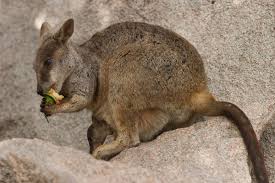
We met one of the cutest inhabitants of the desert today! These hopping marsupials are so fun! Let’s learn more about the Brush-tailed rock wallaby!

rock wallaby

IMG_3811


Date: 4/24

Location: Great Victorian Desert

Brush-tailed Rock Wallaby Fun Facts:

  • Brush-tailed Rock Wallabies have rough padded feet to help them get around the rocky terrain.
  • They live in groups where each animal has their own territory. One male’s territory overlaps several female’s territory.
  • Brush-tailed rock wallabies are crepuscular (active at dawn & dusk).

IMG_3812

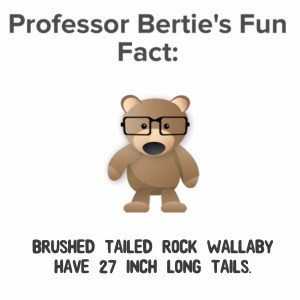
  • Those long tails help them balance on the rocky habitats.
  • They find shelter in caves or rocky crevices.

rock wallaby2

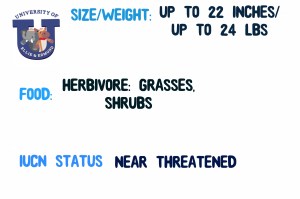
Rock wallaby’s are just the cutest! They are threatened due to habitat lose and the introduction of the non-native red fox. Ecosystems are very delicate and invasive species can quickly destroy it.

Categories: adventure, Animals, Children, conservation, education, endangered species, Environment, nature, science, Today's Post, wildlife | Tags: , , , , , , , , , , | 1 Comment

Blog at WordPress.com.