
WE SPY!!

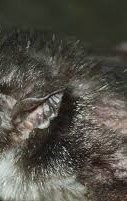
We have a great animal for you today! We spied this mammal in South America. They have a bad reputation but they aren’t nearly as scary as they seem! Can you guess who this flying animal who doesn’t eat insects or fruit is?
WE SPY!!
We have a great animal for you today! We spied this mammal in South America. They have a bad reputation but they aren’t nearly as scary as they seem! Can you guess who this flying animal who doesn’t eat insects or fruit is?
SCIENCE WORD OF THE WEEK!

Hello and welcome to class! We’re gearing up for Bat Week here at the University and then Ellie and Edmond will be celebrating Owl-O-Ween! So who’s ready to learn a super cool word today?
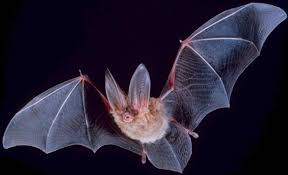
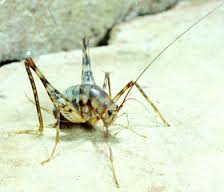
Today’s word is Trogolophile: trogolophiles are animals that live just inside the entrance of a cave. Light can be abundant and the animals don’t have adaptations to survive in complete darkness. The word trogolophile comes from greek words (troglos- cave) and (phileo- love). Some trogolophiles include bats, rats, insects and salamanders.

INTERNATIONAL SNOW LEOPARD DAY!
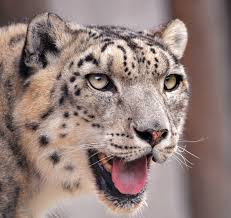
Woohoo! We’re heading to the chilly mountains of Asia to meet one of the more gorgeous and elusive big cats on earth! Happy International Snow Leopard Day! We’re going to celebrate with some fun facts about these neat cats!



World Wombat Day!!
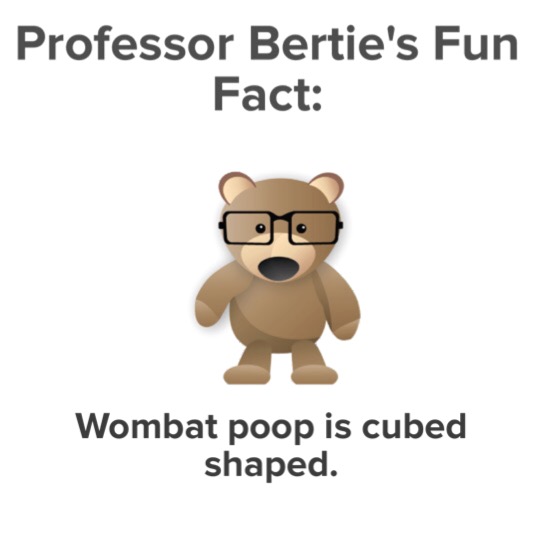
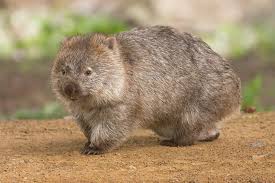
Come celebrate the wonderful wombat with us today! We love these marsupials from the land down under! Hopefully you will too after you learn some cool stuff about them!



INTERNATIONAL SLOTH DAY!
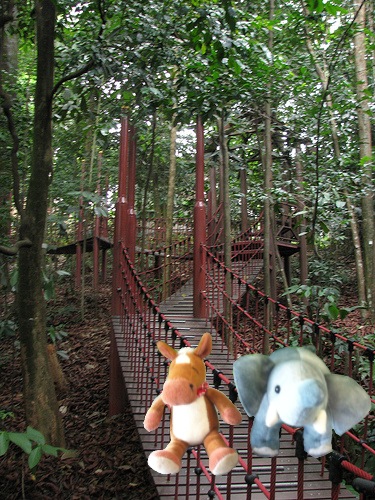



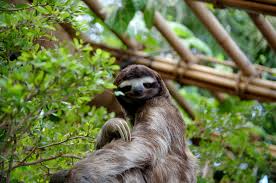

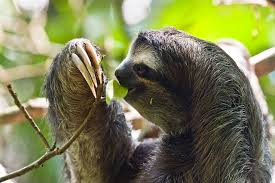
Check out the Sloth Sanctuary of Costa Rica for more information about these amazing animals and how you can help!
Bird Brain!
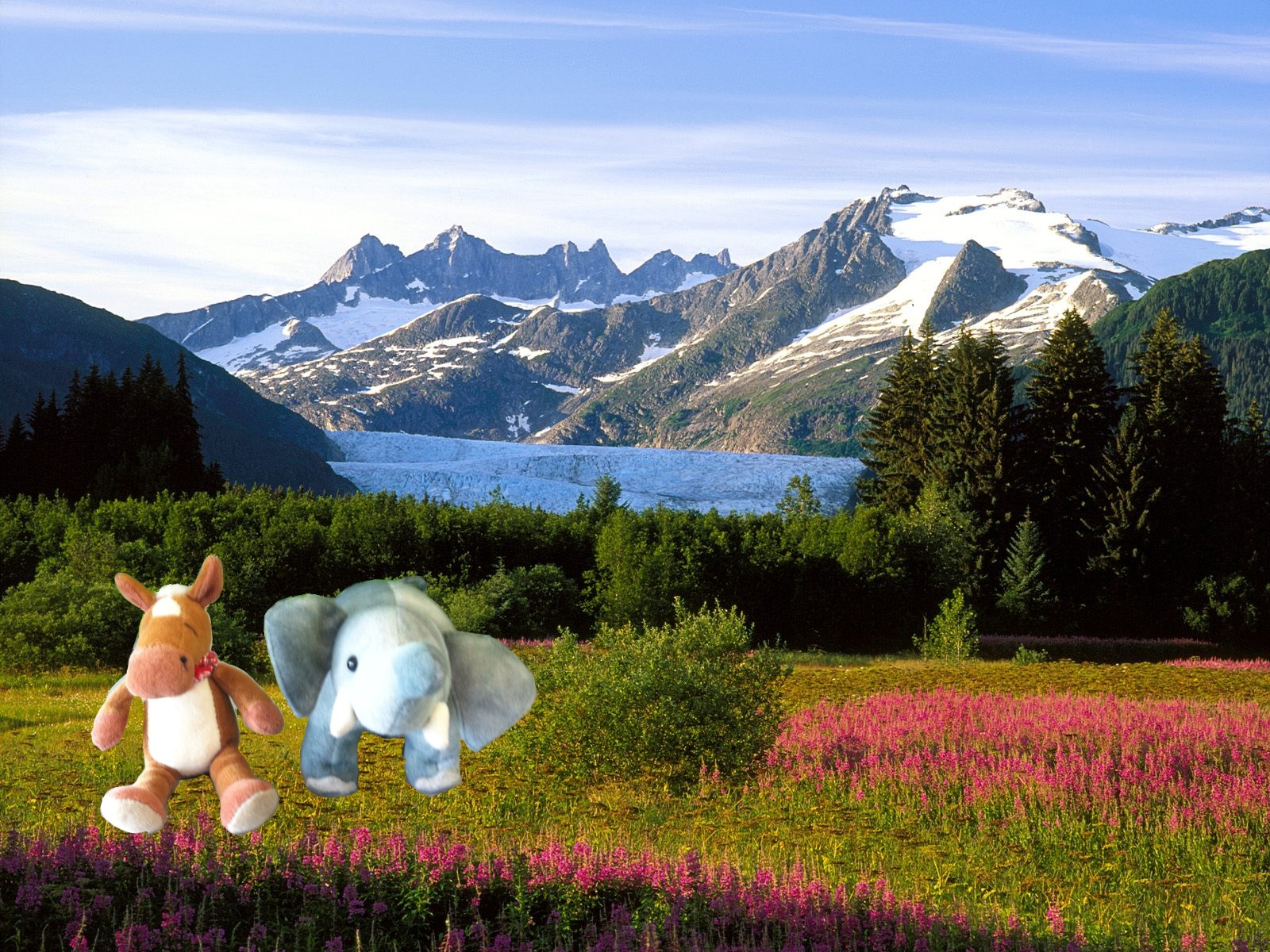
We’re off to the mountains of the northeastern United States to meet one amazing bird today! These birds have memories that are hard to match! Come meet the Clark’s nutcrackers!
Range/Habitat: Northwestern United States/mountainous forests

Diet: Omnivore: seed, insects and small animals
Length/Weight: 10-11 inches/3-6 oz
Conservation Status: least concern

Fun Facts:
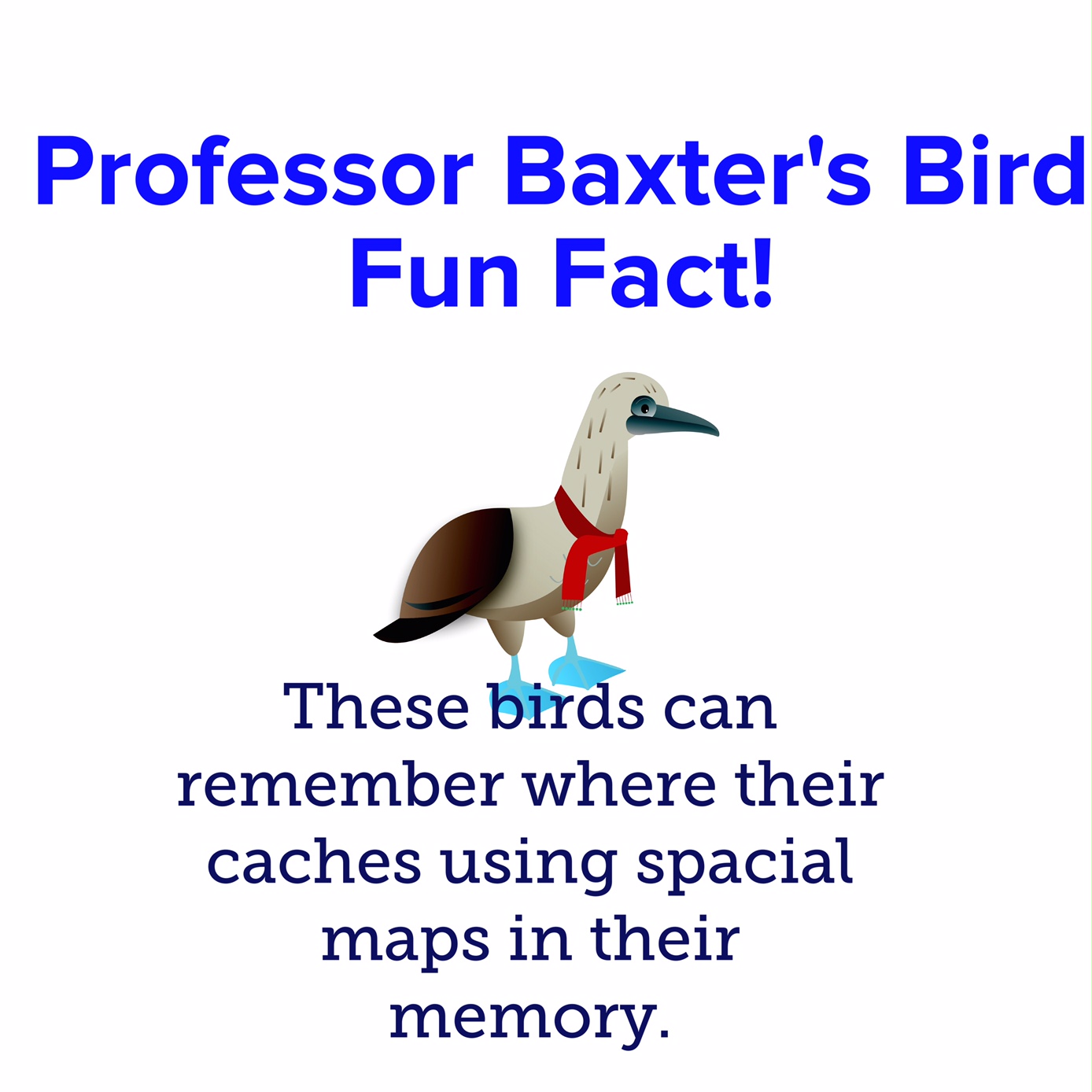


Clark’s nutcrackers have amazing capabilities! These birds form maps in their minds of where they have stashed thousands and thousands of seeds! It’s like if you close your eyes you can picture where things are in your bedroom- but on a much bigger scale! It is truly awe inspiring! Go Clark’s nutcrackers!
We’re Seeing Red!
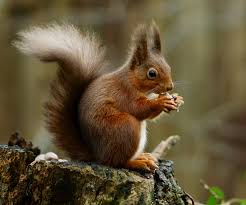
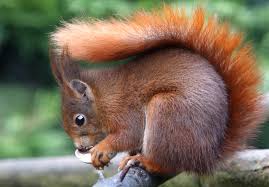
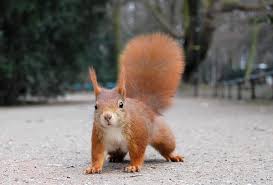
Fall has arrived in the Northern Hemisphere and that means many animals are starting to hoard or cache food for the winter! Today we are heading to Europe to meet a small rodent who hoards food for the winter! Let’s go meet the red squirrel!
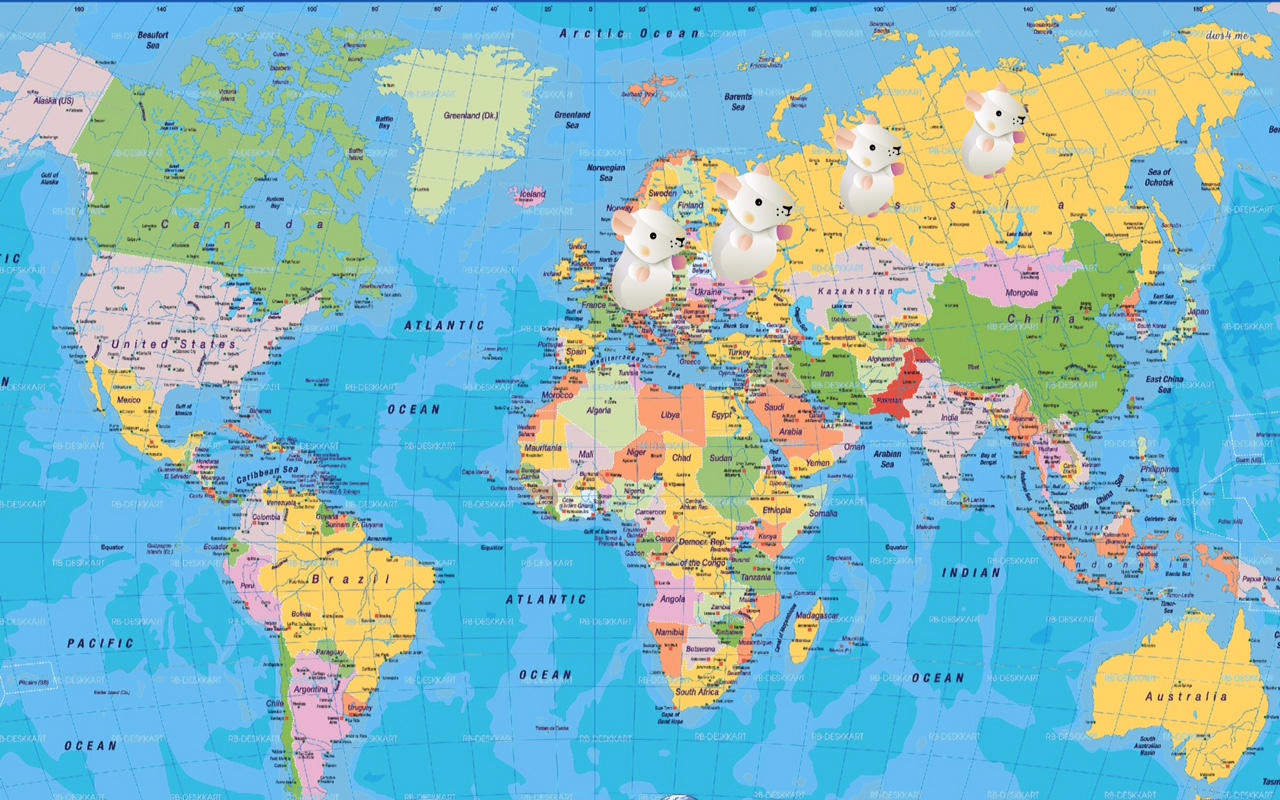
Range/Habitat: Northern Europe- Asia
Diet: Omnivore: seeds, nuts, fungus and bird eggs
Length/Weight: 5-8 inches/ 9-12 oz
Conservation Status: least concern
Fun Facts:
SCIENCE WORD OF THE WEEK!
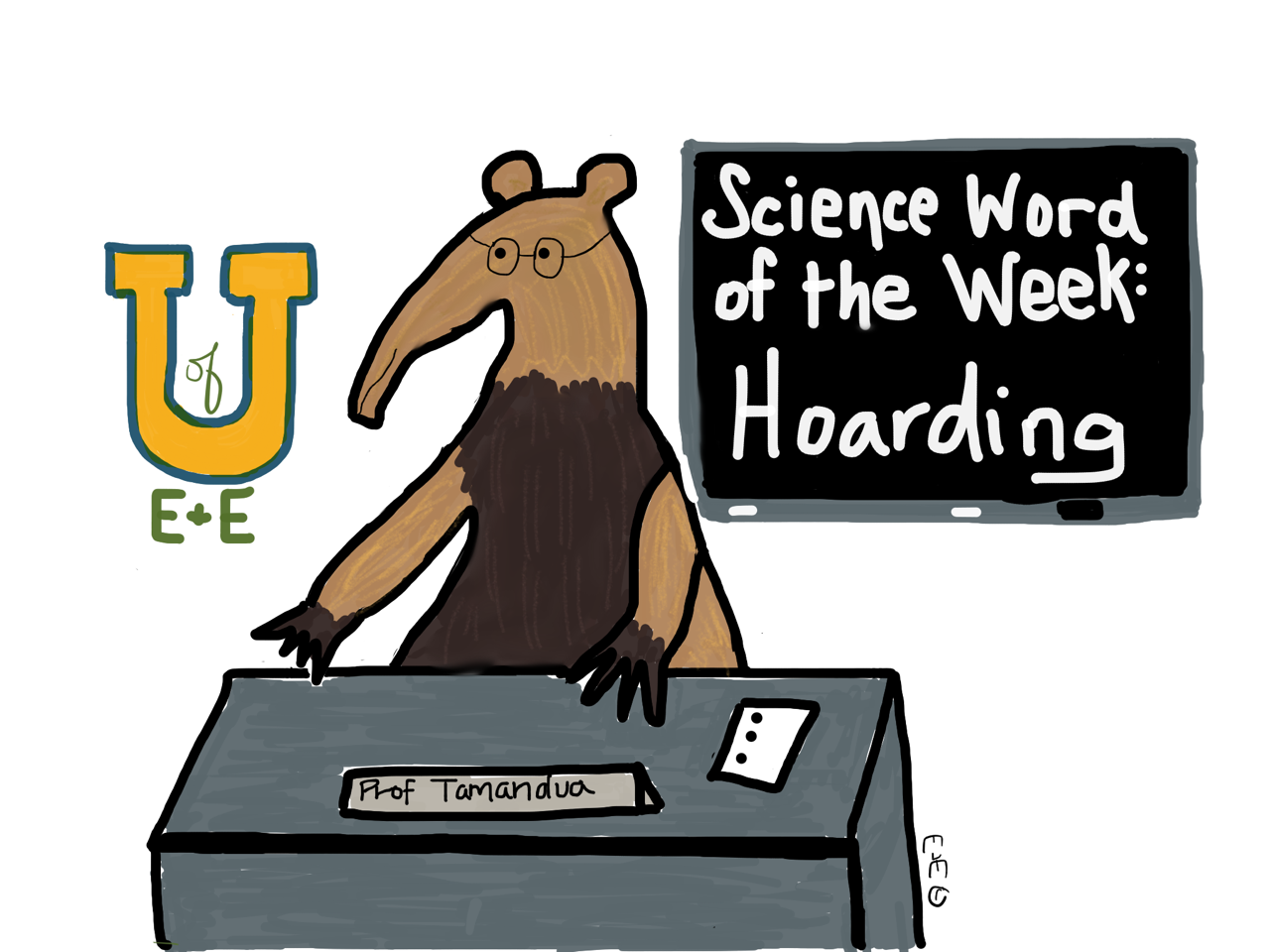
Welcome back to class this week! Who’s ready to learn today’s word? Ellie and Edmond will be meeting some animals this week that are busy during the fall getting ready for winter. Today’s word has to do with that behavior.
Today’s word is Hoarding: gathering and storing food to be eaten later. There are two kinds of hoarding behavior. Larder hoarding is where an animal stores all its food in one place. Scatter hoarding is where an animal stores its food in different places. Caching is also used in place of hoarding.
Animals who hoard food include squirrels, ravens, hamsters and nutcrakers.
World Octopus Day!

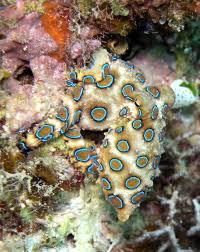
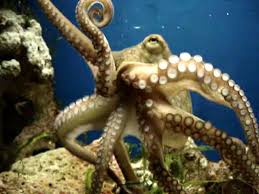
Woohoo- we’re celebrating thew wonderful and intelligent Octopus today! With eight great arms to hug you with- we couldn’t think of a better way to wrap up Cephalopod Appreciation Week!
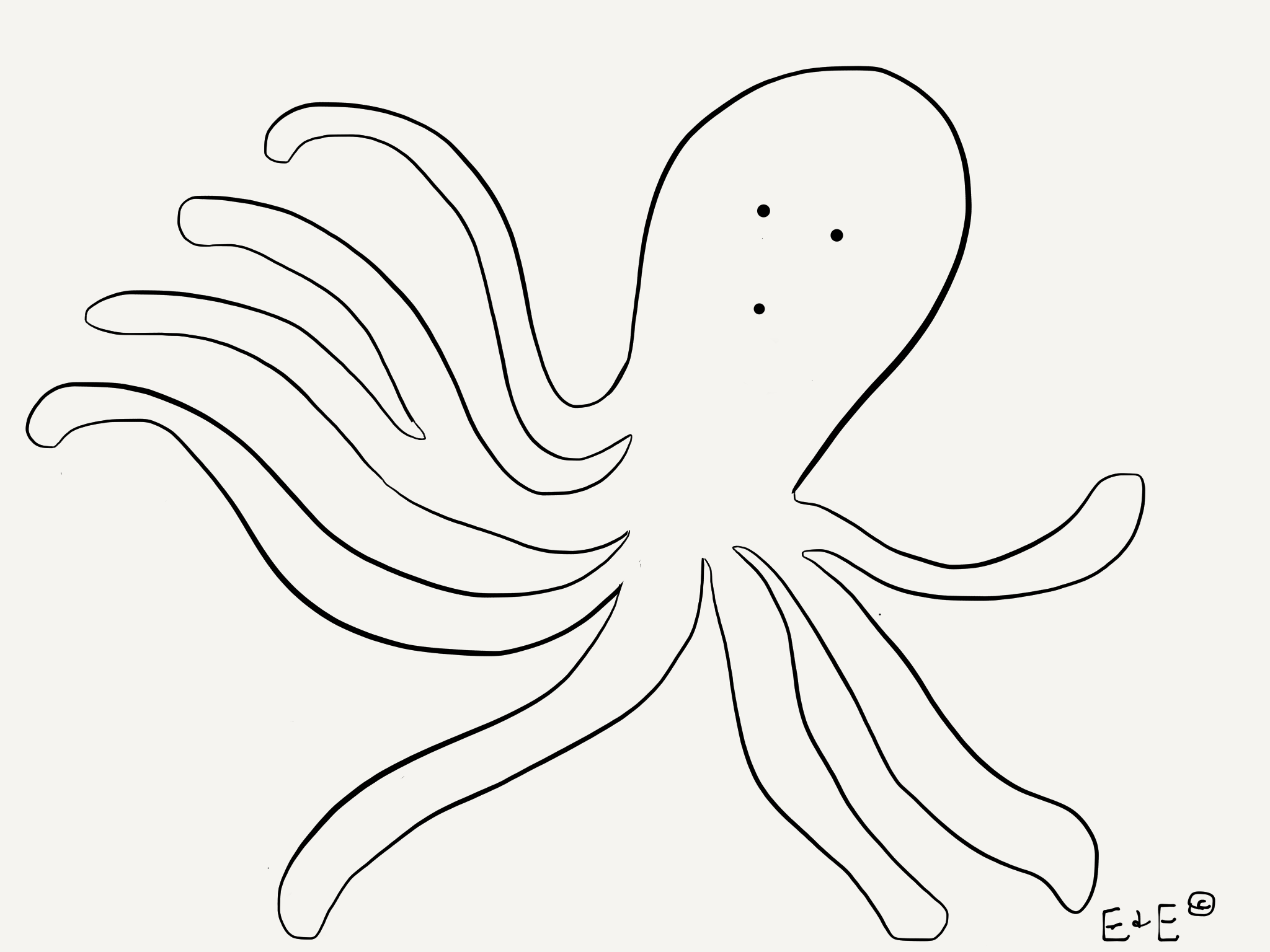
Let’s learn some fun facts about octopus and print our coloring sheet!

Who wants to cuttle?

Today’s cephalopod is a common cuttlefish! We are so excited introduce this little invertebrate to you!
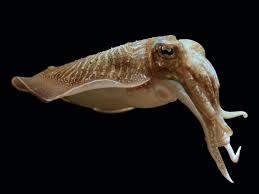


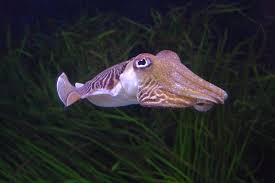
Cuttlefish are intelligent creatures. We have met several over the years. They are so amazing to watch. Their ability to change color and texture is fascinating.

 The Adventures of Ellie and Edmond