Posts Tagged With: animals

WATERY WEDNESDAY # 67

WATERY WEDNESDAY # 67

 We’re taking the E &E boat to New Zealand today to meet a fast and fabulous mammal on the Watery Wednesday! So practice your bad accent and let’s get moving on today’s adventure!  

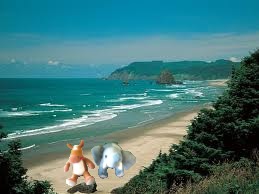
e e coast

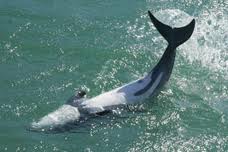
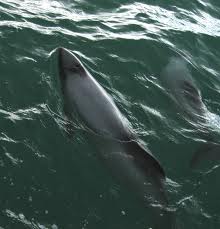
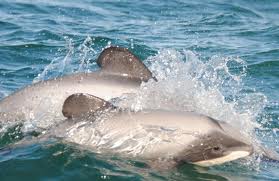
MEET THE HECTOR’S DOLPHIN!

hector's dolphin   Range/Habitat: New Zealand/ ocean

   Diet: Carnivore: fish, squid

   Length/Weight: 4-5 ft/ up to 125 lbs

   Conservation Status: endangered


Fun Facts:

  •          Hector’s Dolphins are one of the smallest dolphins on earth.
  •          They live in small schools.
  •          Hector’s dolphins are grey with black fins, tails and flippers.
  •          Hector’s dolphins are very social.
  •          They have short beaks.
  •          Hector’s dolphins are the only dolphin native to New Zealand.


Hector’s dolphins are gorgeous! The look like small orcas to us! What do you think?

hector's dolphin3   hector's dolphin2

Categories: adventure, Animals, Children, conservation, education, Environment, mammals, nature, oceans, science, wildlife | Tags: , , , , , , , , , , | Leave a comment

REPTILIAN TUESDAY # 67

REPTILIAN TUESDAY # 67

We’re going to the coast of Central America to find one cool sea reptile! So let’s grab our beach towels and our quiet voices because we do not want to disturb these majestic creatures as they come ashore!
e & e coast

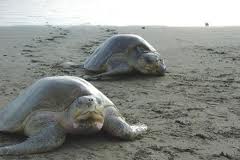
MEET THE OLIVE RIDLEY SEA TURTLE!

olive ridley sea turtle   Range/Habitat: Tropical oceans/ Atlantic-Indian-Pacific oceans

   Diet: Carnivores: fish, crustaceans, squid

   Length/Weight: 20-30”/ up to 100 lbs

   Conservation Status: vulnerable


Fun Facts:

  •        Olive Ridley Sea Turtles are one of the smallest members of the sea turtle family.
  •        They have a smooth, olive colored carapace.
  •        Olive Ridley Sea turtles nest all over the world.
  •        Olive Ridley sea turtles are closely related to the Kemp’s Ridley Sea Turtle.
  •      You can tell the difference between a male and female, by looking at the tail.  The males’ tail sticks out.

We looooove sea turtles and the Olive Ridley’s are no exception. Like all other sea turtles they vulnerable and there are easy ways to help! One big tip: Pick Up Trash! Sea turtles mistake ocean trash for food and eat it. Let’s all pledge to pick up our trash!

olive ridley sea turtle2   olive ridley sea turtle3

Categories: adventure, Animals, Children, conservation, education, Environment, nature, reptiles, science, turtles, wildlife | Tags: , , , , , , , , , | 1 Comment

EARTH DAY!!!!

EARTH DAY!!!

We celebrated Earth Day this year by helping with a trail clean up at our local natural history museum, Fernbank Museum of Natural History. We had a great time, pulled weeds and replanted some local plants that grow fruit that deer and racoons eat! 

We didn't see the beavers :(....

We didn’t see the beavers :(….


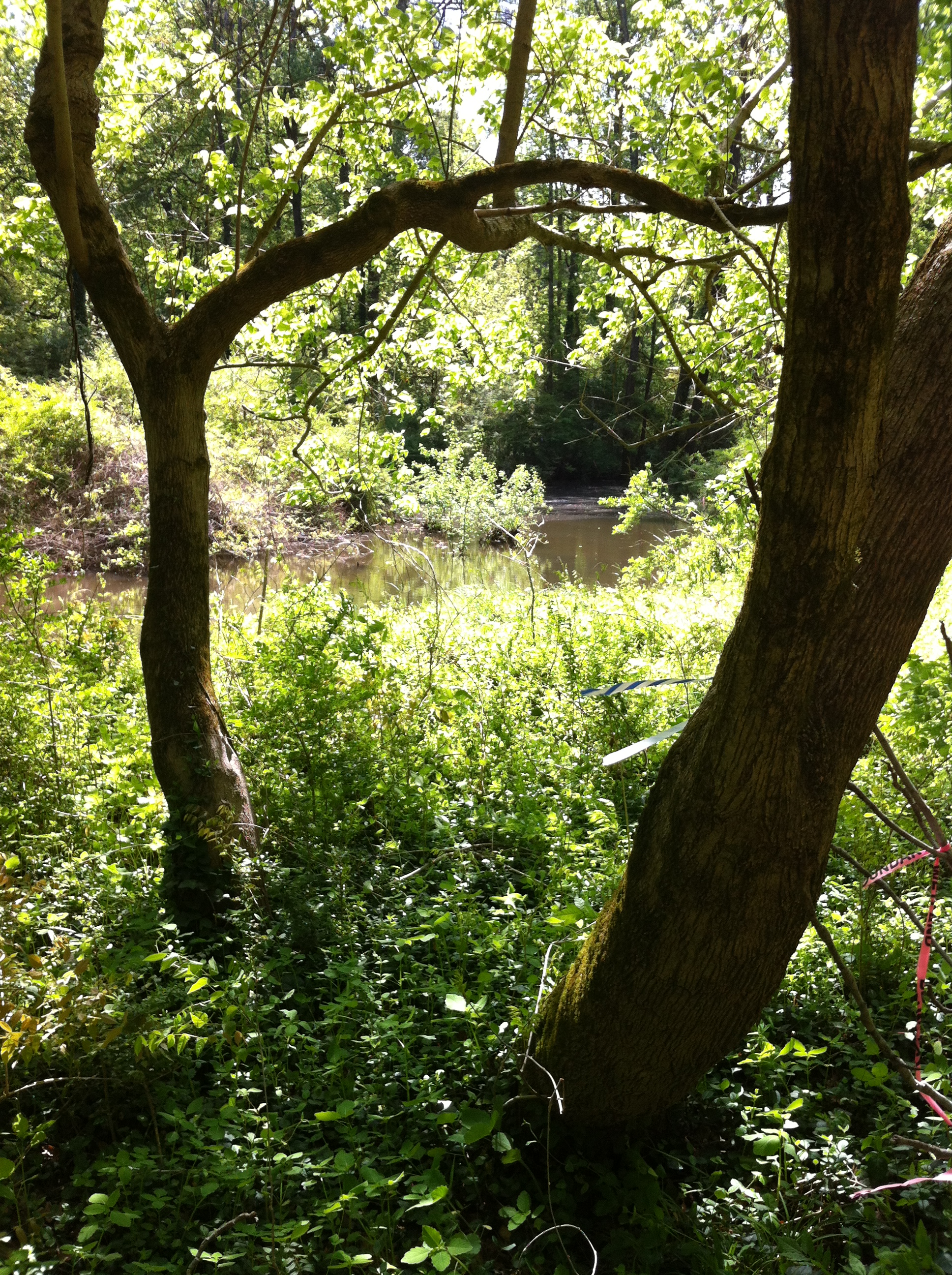
Beaver retention pond

Beaver retention pond


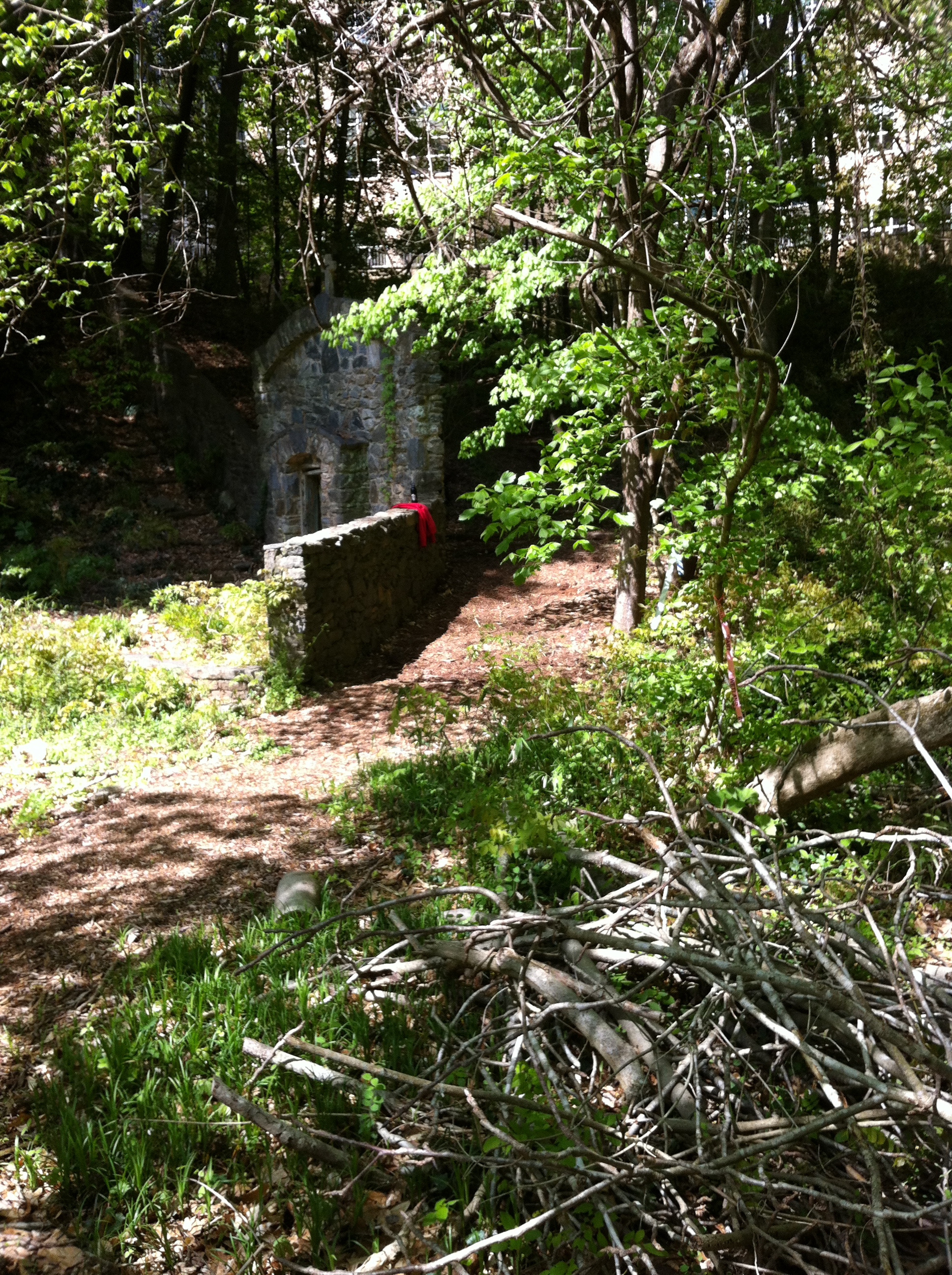
Part of the trail we worked on!

Part of the trail we worked on!

Plants we transplanted!

Plants we transplanted! 


Here we are at the registration table!

Here we are at the registration table!


We also made a coloring sheet to celebrate Earth Day! We would love to see your artwork and tell us how you’ll be celebrating this fabulous holiday! We’ll be playing our Backyard Bingo Game (included below with coloring sheet!)

Image


Backyard bingo-1


Categories: adventure, Animals, backyard, Children, conservation, crafts, earth day, education, Environment, nature, science, wildlife | Tags: , , , , , , , , , , , | 3 Comments

WE ARE FANIMALY!©

WE ARE FANIMALY!©

We are so excited to introduce our new comic series- We Are Fanimaly!

Once a month (or more often if we can) we’ll post a comic showing two animals who are related! Some are quite shocking and some you probably already knew! We just want to increase your knowledge of the amazing animal kingdom and we want you to remember that we are ALL FANIMALY!

First up the only living relative of the tallest animal on earth- the Giraffe!

Image

GIRAFFE

OKAPI

  • I live in Africa on savannahs.
  • My prehensile tongue is 18-20 inches long.
  • I have seven vertebrates in my neck.
  • I am the tallest land animal on earth.
  • I do not have horns, they are called ossicones.
  • My ossicones are part of my skull.
  • I live in Africa in the forests.
  • My prehensile tongue is 13-15 inches long.
  • I have stripes on my back end and legs.
  • I am very shy.
  • I do not have horns, they are called ossicones.
  • My ossicones are part of my skull.


Categories: adventure, Animals, Children, conservation, education, Environment, mammals, nature, science, wildlife | Tags: , , , , , , , , , | 6 Comments

Meet Mark, A Frog Conservationist!

 Meet Mark, A Frog Conservationist!

            We went to the Atlanta Botanical Gardens to meet with Mark Mandica, Amphibian Conservation Coordinator and learn about the gardens fantastic frog conservation program. We were in for a big treat as we had no idea how extensive this program is!

            Mark took us on a tour of behind the scenes and around the grounds to see all the fabulous frogs! So let’ take you on this hopping good adventure.

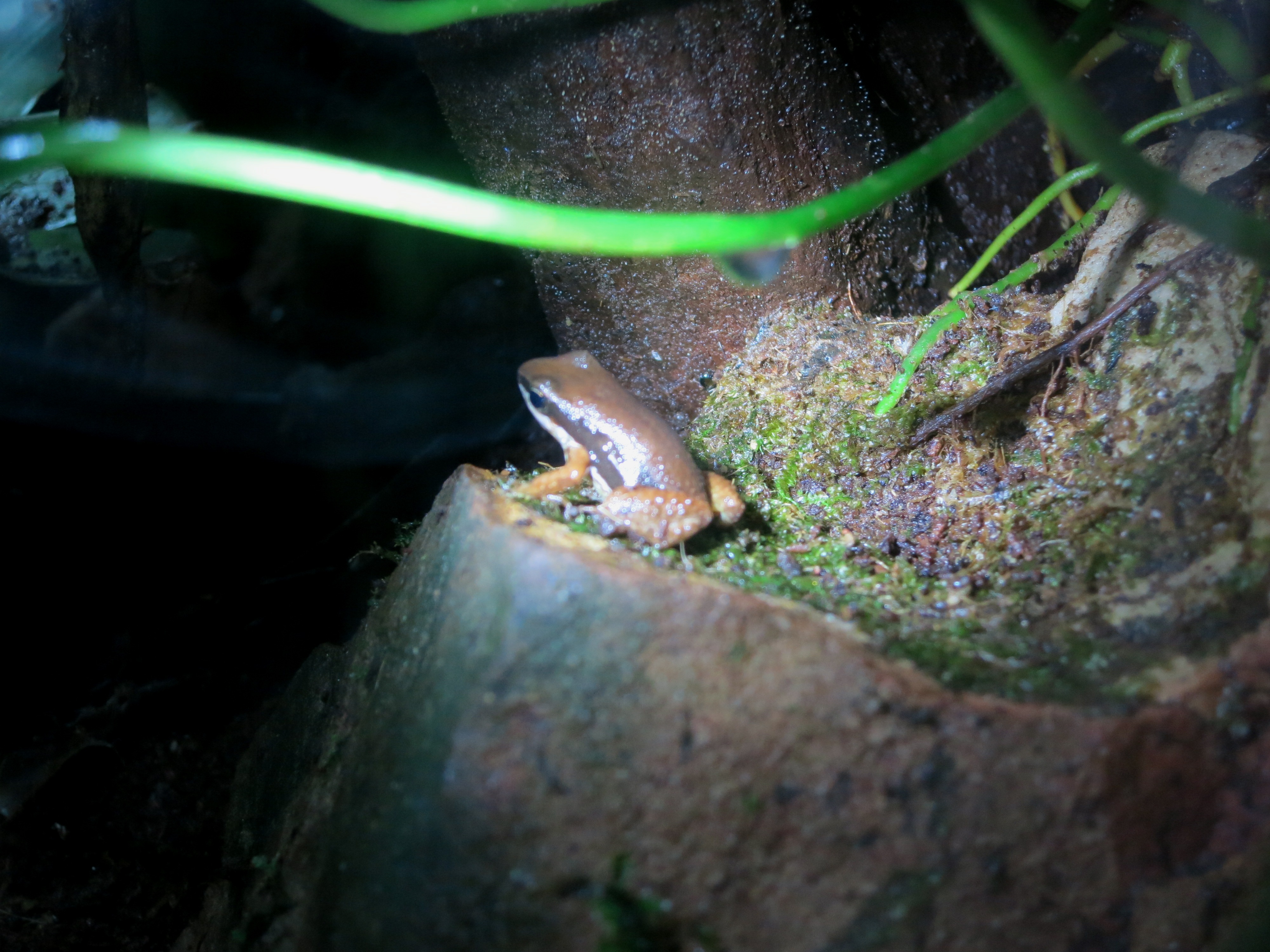
            We started out with the frog exhibits. These medium to large sized tanks have several species of frogs and numerous individuals. These exhibits were our first introduction to frogs’ amazing ability to camouflage and hide, even the brightly colored ones.

Rain Frog!
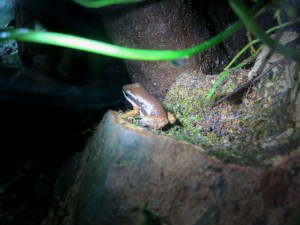
Rain Frog!

Rocket Frog!

Rocket Frog!

Can you spot the frog?

Can you spot the frog?

Luckily, Mark knew where to look and helped us locate them. The gardens have many species, including poison dart frogs, glass frogs and leafy frogs.  
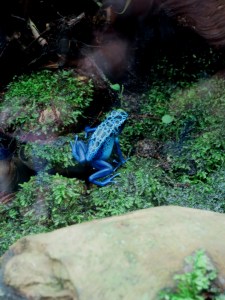
Dyeing Dart Frog
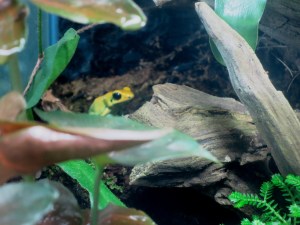
Dyeing Dart Frog

Golden Poison Frog- The World's Most Toxic Frog

Golden Poison Frog- The World’s Most Toxic Frog

There's no frog here.

There’s no frog here.

Splendid Leaf Frog

Splendid Leaf Frog

Glass frog on a leaf!

Glass frog on a leaf!


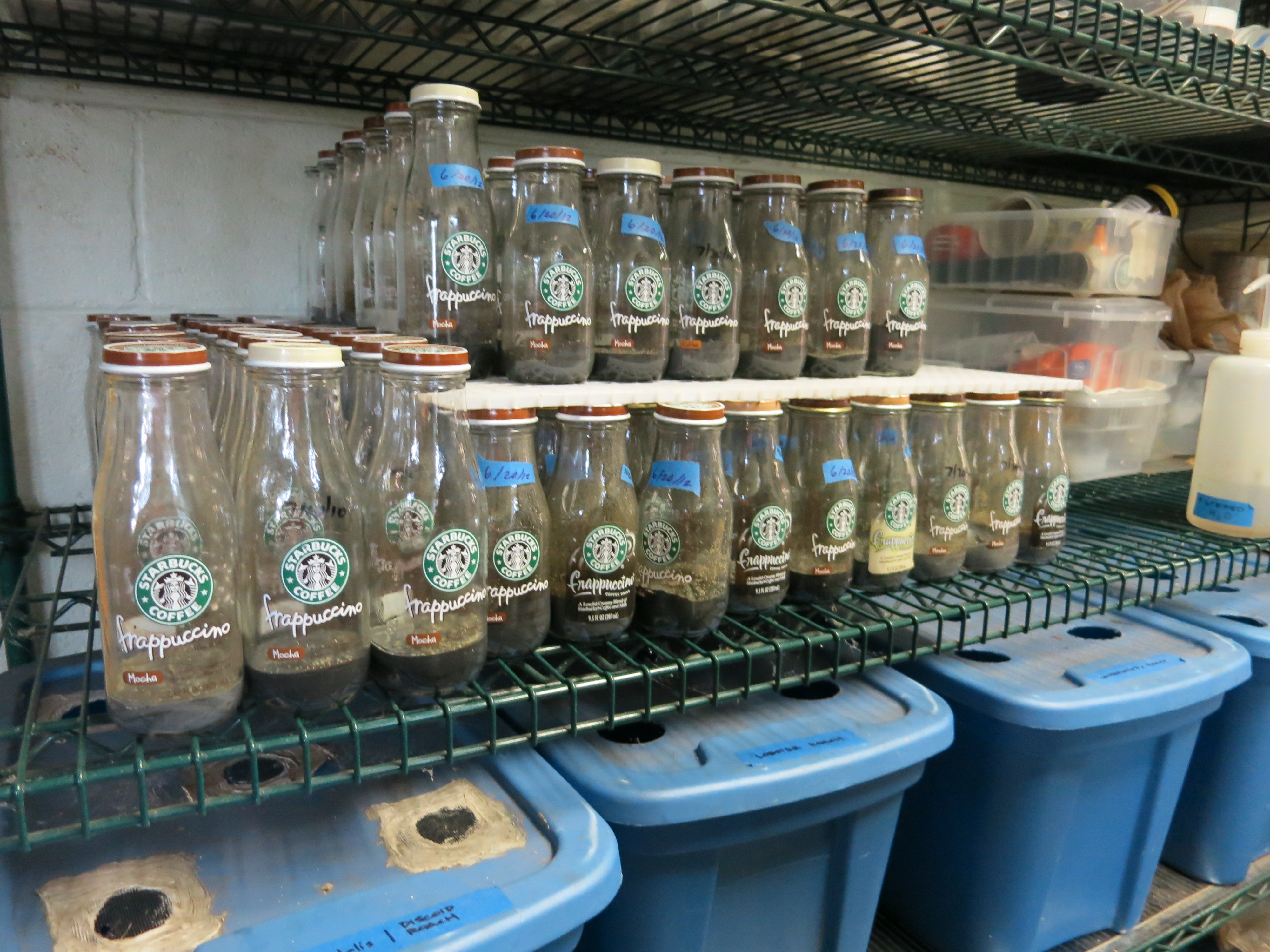
Next Mark took us behind the scenes where all the yummy froggy food is kept and where they breed frogs. All frogs are carnivores and insects are one of their favorite prey. The gardens keep worms, crickets and flies to feed the frogs. Yum!

Frog food!

Frog food!

Frog food!

Frog food!


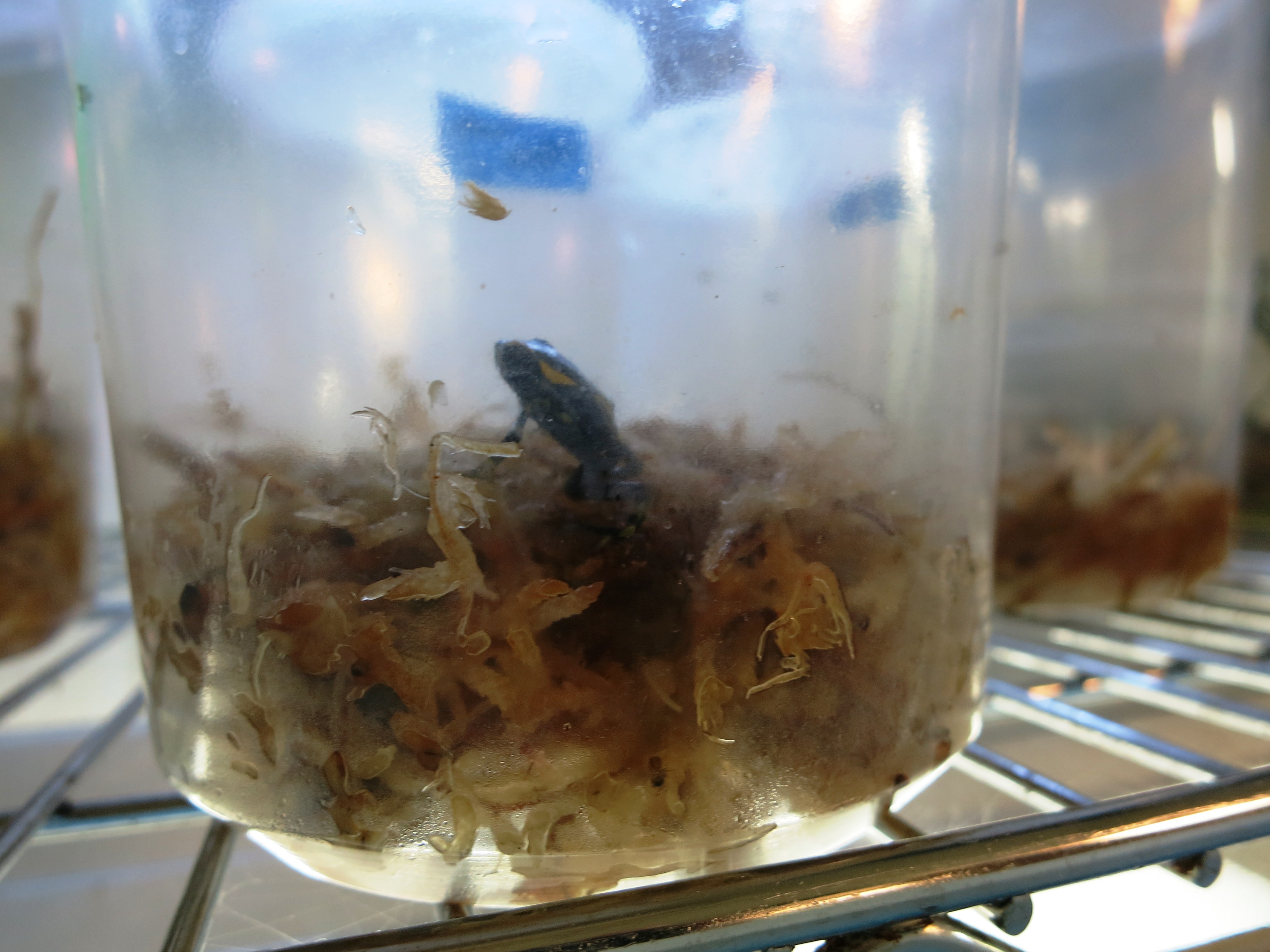
After we checked out the frog food, we entered the breeding room. Whew, it was humid in there! The garden raises frogs for conservation and to send to other facilities, likes zoos and aquariums.  There were frogs getting ready to breed, eggs, tadpoles and baby frogs. We could hardly contain our excitement! Did you know that there are some species of frogs that live as tadpoles for a year?

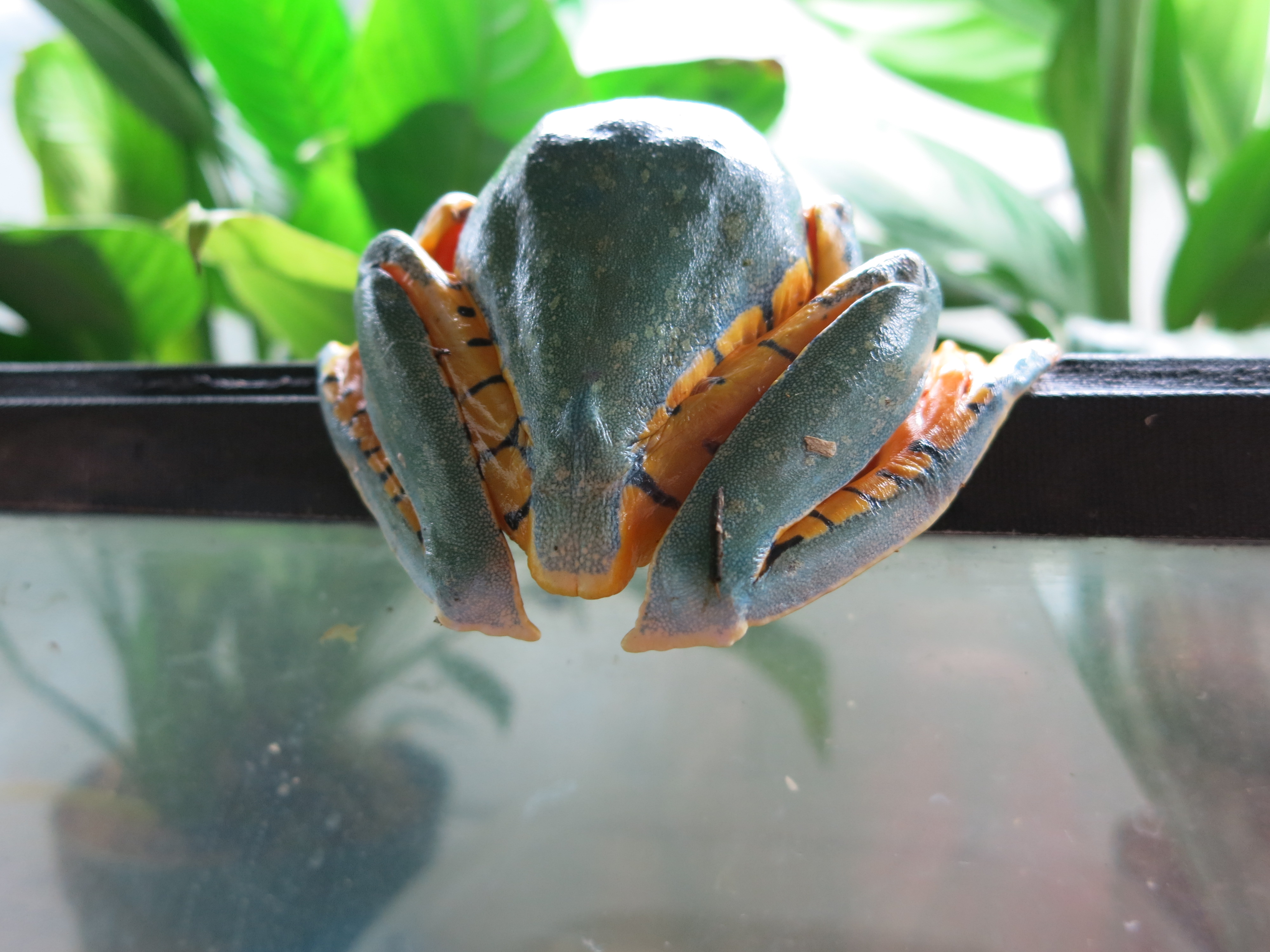
Splendid Leafy Frog bum!
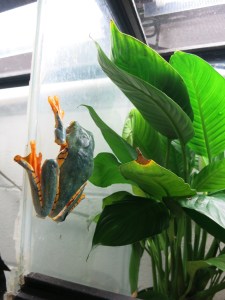
Splendid Leafy Frog bum!

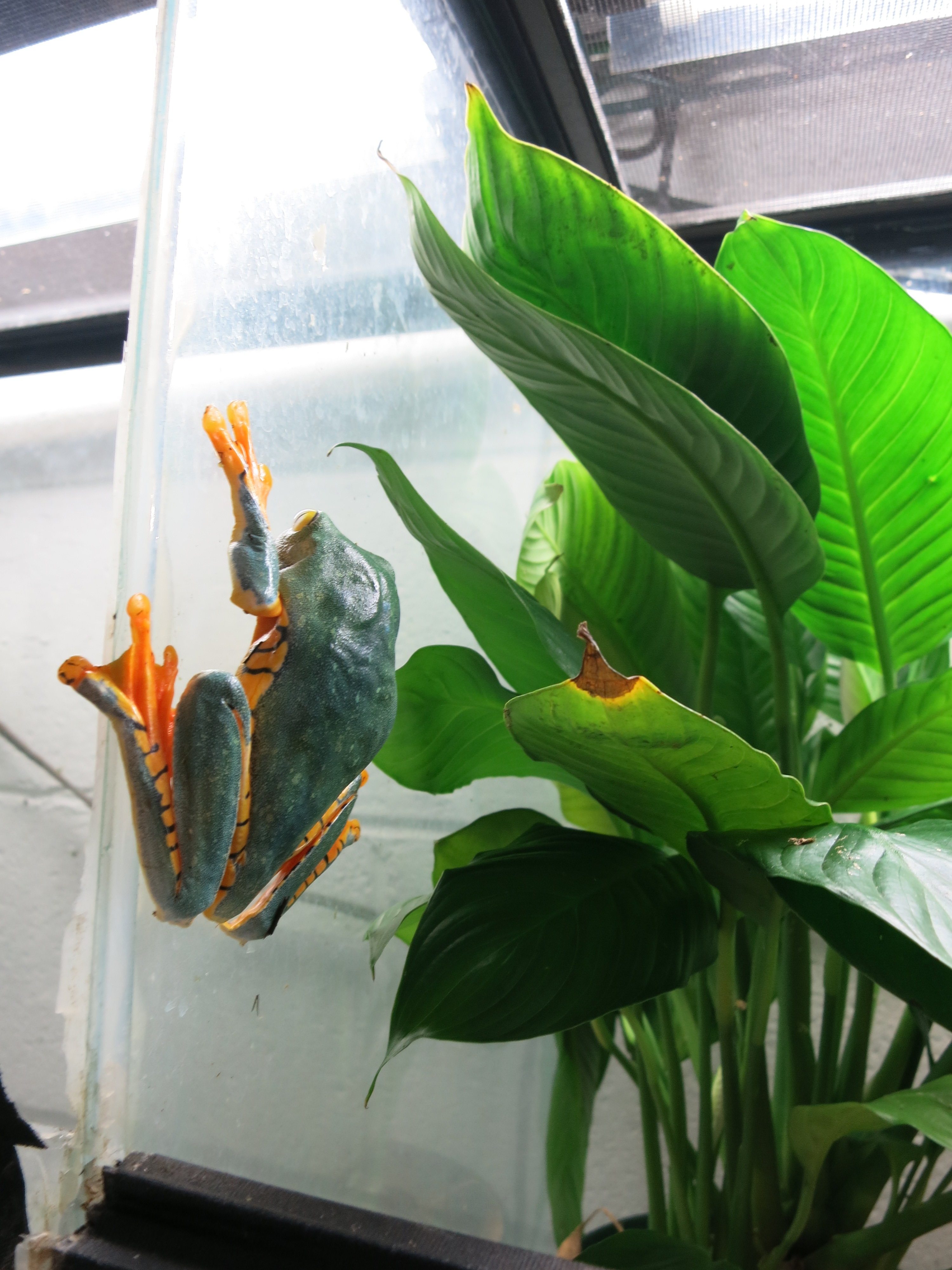
Hanging on!
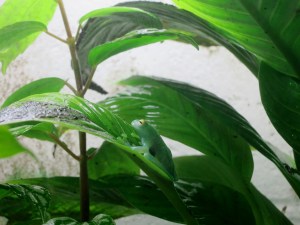
Hanging on!

Glass frog chilling on a leaf!

Glass frog chilling on a leaf!

Can you find the frog?

Can you find the frog?

Frog hanging on the glass.
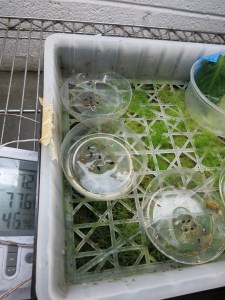
Frog hanging on the glass.

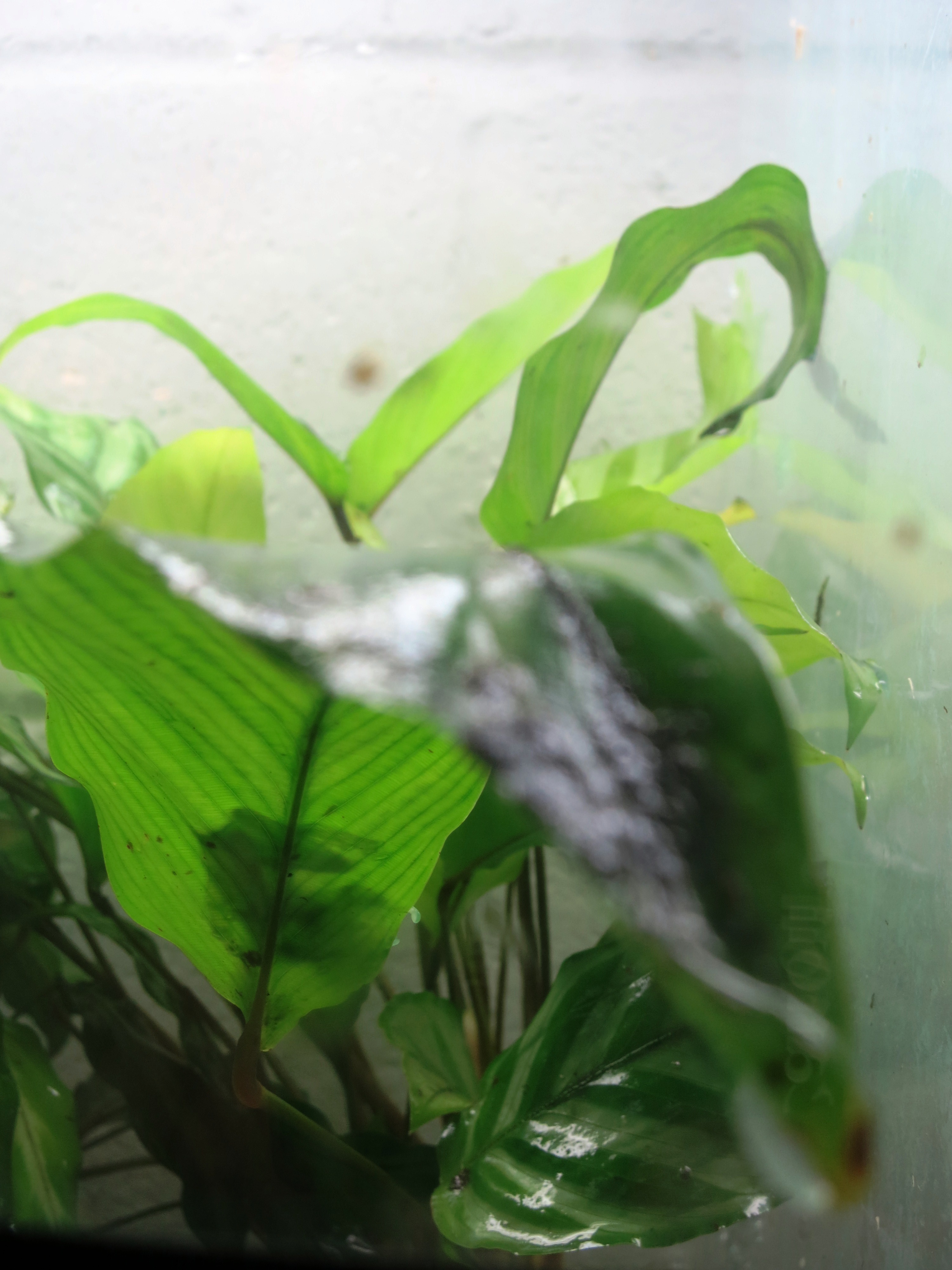
Frog eggs

Frog eggs

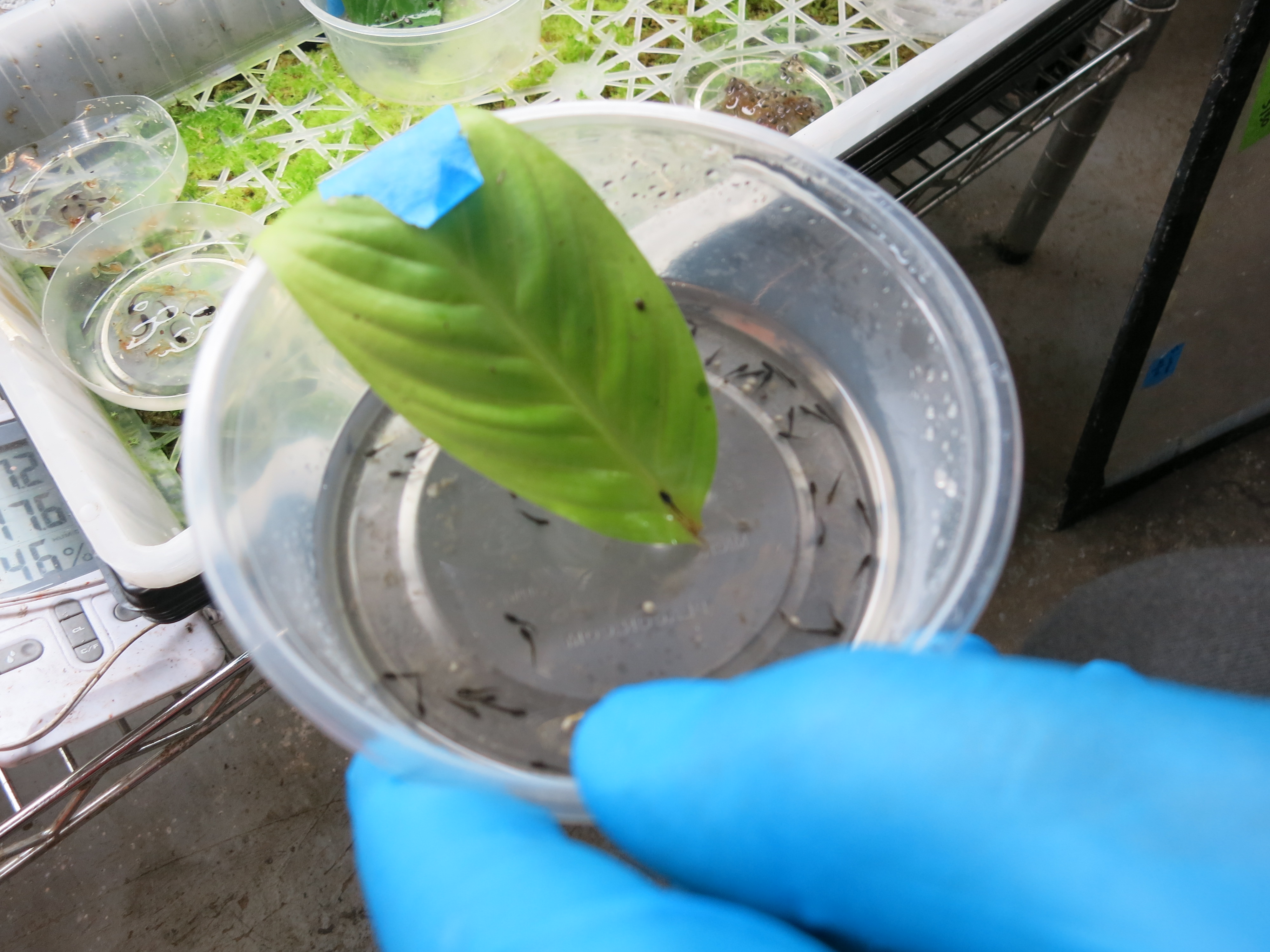
Teeny tiny tadpoles

Teeny tiny tadpoles

Poison dart frogs develop their coloration as tadpoles

Poison dart frogs develop their coloration as tadpoles

Baby frog

Baby frog


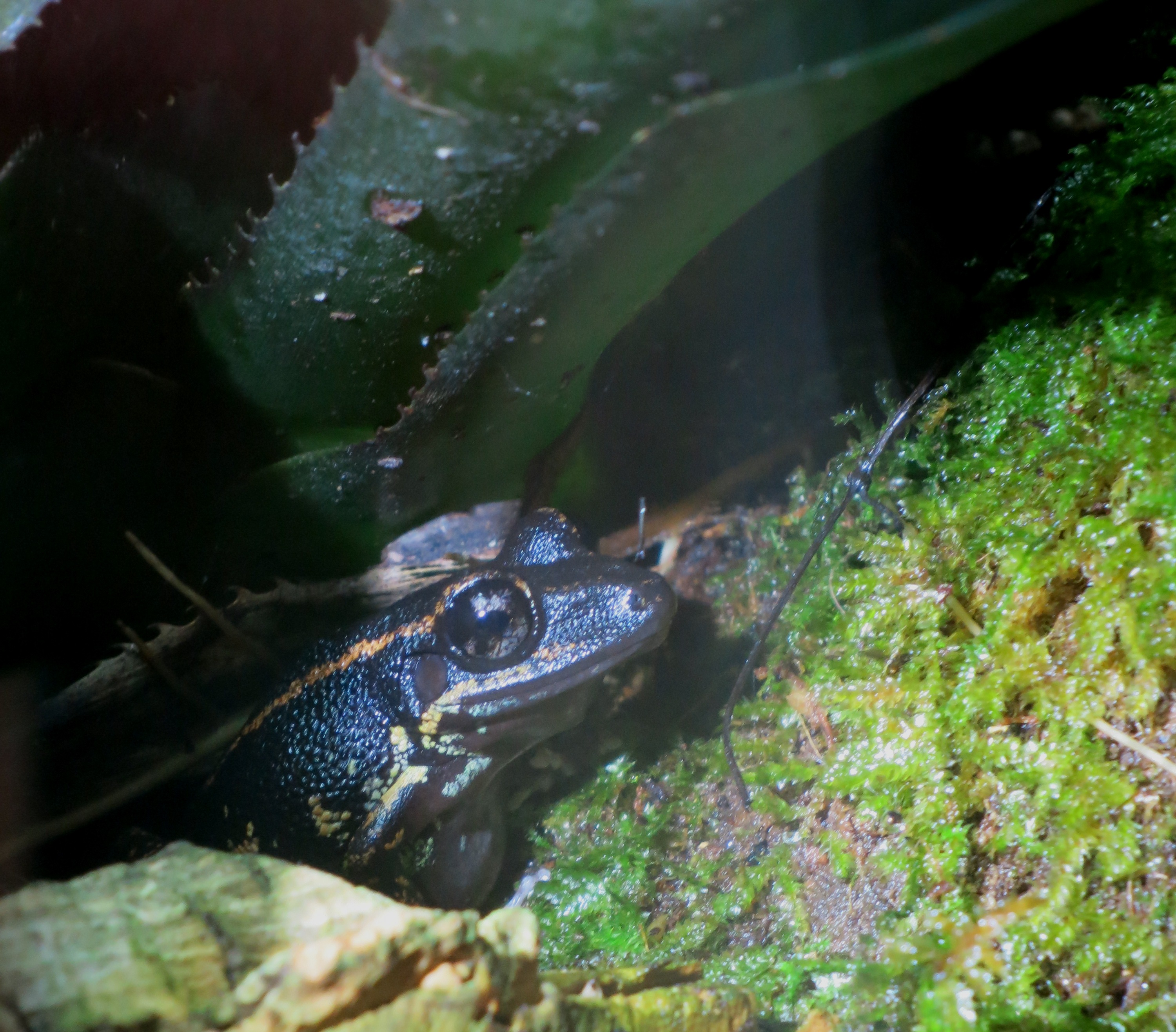
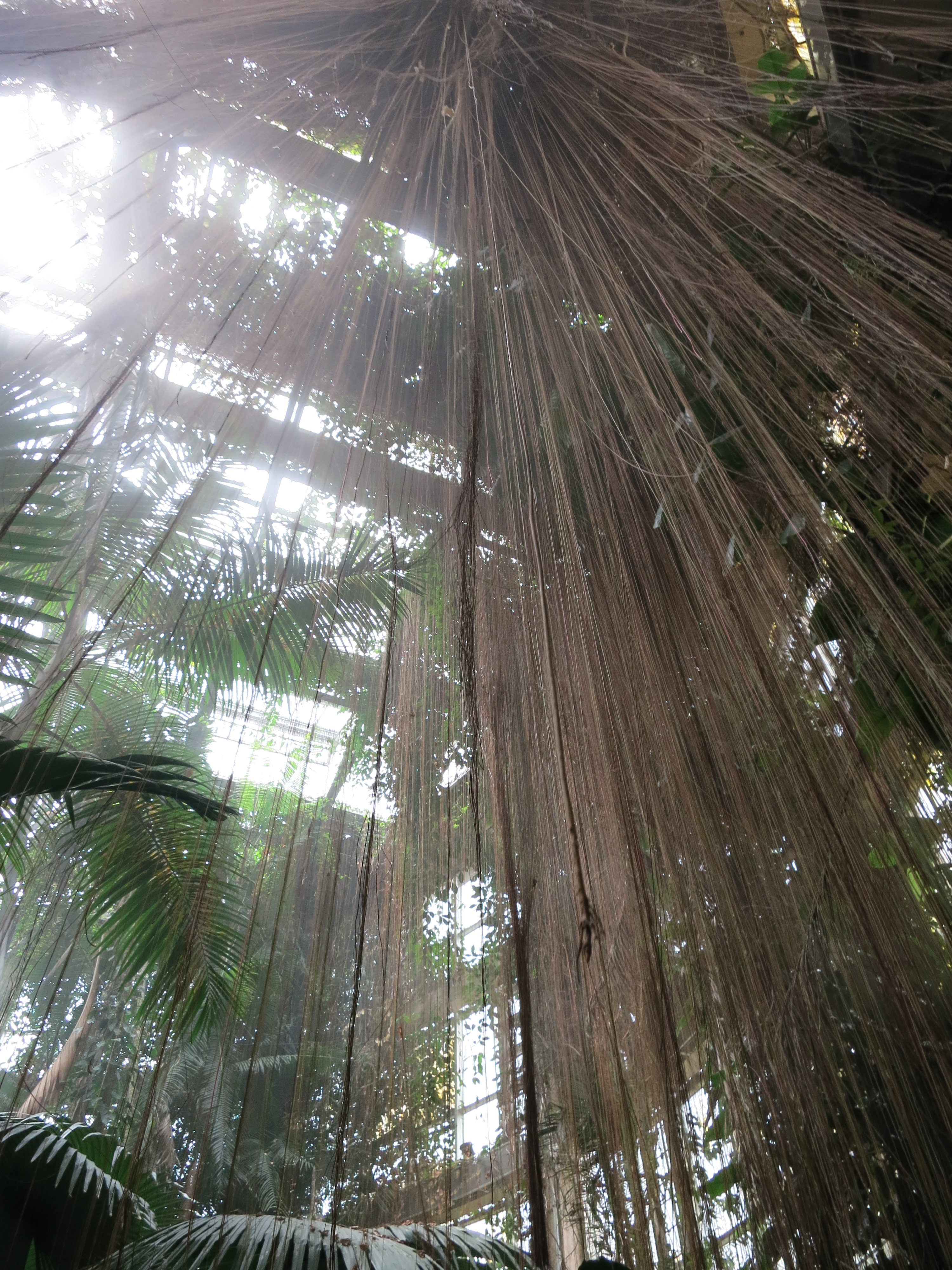
We then went in to the conservatory where we played spot the frog. The conservatory houses five species of frogs, all of whom you can hear but are hard to spot. Luckily Mark knew where to look. There are also turtles and birds in the conservatory.

Inside the conservatory!

Inside the conservatory!

Looking for frogs!

Looking for frogs!

Phantasmal Poison frog

Phantasmal Poison frog

Bullfrog

Bullfrog

            After our fantastic tour we sat down to ask Mark some questions.

Us: Tell us a bit about yourself.

Mark: I have been with Atlanta Botanical Gardens for three years and I am the Amphibian Conservation Coordinator. I worked at the University of Miami and in the Everglades with frogs, salamanders and turtles. Frogs that live in puddles are my specialty.

Us: Wow! We bet working in the Everglades was cool. When did you discover your love of frogs? Which species is your favorite?

Mark: I have always loved frogs. I took a frog class at the end of college and that changed my life. The Surinam Toad (Pipa Pipa) is my favorite.


Us: Cool! How many species do you have at Atlanta Botanical Gardens? Do you have any poison dart frogs?

Mark: We have around 300 individual frogs and several dozen species. We have 12 species of poison dart frogs, all from Central and South America. (The poison dart frogs are not fed the flies that make them toxic.)


Us: We had no idea you had so many frogs! Do you have any wild frogs on the grounds?

Mark: We have American Bullfrogs.


Us: Oh, we must go look for the bullfrogs! Glass frogs are one of favorites. What is the purpose of the translucent skin?

Mark: The translucent skin helps them camouflage. The translucent skin does help us take care of them; you can see when they have eaten.


Us: Hehe, see through skin does make it easy! Tell us about the frogPod.

Mark: It houses frogs that the Atlanta Botanical Gardens and Zoo Atlanta went to Panama to collect. The frogs were collected to save them from Chytrid Fungus. (The fungus is spreading through frog populations and decimating many species.)


Us: We have been to the Atlanta Botanical Gardens before, but had no idea that your frog conservation program was so extensive. Can you tell us a bit more about what you do?

Mark: People are constantly surprised when they find out we are involved in frog conservation. We offer education programs and classes for toddlers to college students. We even go out to schools and colleges. I designed a program for the Duke University summer program for teens.


Us: Wow! We might need to sign up for one of those frog classes! Do you travel to help take care of or introduce frogs?

Mark: We do help with native frogs up and down the east coast. We are also part of a head start program with Gopher Frogs. We breed them here then release the little frogs in South Georgia. Gopher frogs live with gopher tortoises in the burrows that the tortoises dig. We use a scope with a camera to find the frogs and tortoises. The burrows can be 20 feet deep. (You can learn more about this program here.)


Us: That is great work! Gopher tortoises are one of our favorites. We call them the apartment builders of the wild. We had no idea there were gopher frogs! How can people help frogs?

Mark: Letting your vegetation grow out and not using chemicals on your lawn is a good start. If you have wetlands or water, try to maintain them and keep them clean. You can add a water feature, but make sure you keep it chemical and fish free. (The fish will eat frogs-except bullfrogs.)


Us: Excellent! Thank you so much for sitting down with us and taking us on a wonderful tour! We were so excited to learn all about the frog conservation program! If you just love frogs you can learn more about the Atlanta Botanical Gardens amphibian conservation program on their website! If you’re in Atlanta make sure to check out this wonderful place!

We stopped to check out the tulips!
We stopped to check out the tulips!

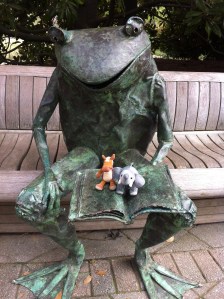
We stopped to read a book!

We stopped to read a book!

Categories: adventure, amphibians, Animals, Atlanta, Children, conservation, education, Environment, frogs, nature, science, wildlife | Tags: , , , , , , , , , , , | 5 Comments

FROG WEEK DAY # 5

FROG WEEK DAY #5

 It’s the second to last day of our Frog Week and we’re off to meet our last frog of the week! We’re going exploring in our very own neighborhood to see if we can meet this loud frog! The best part is they are one of the first signs of spring and we can all use a little spring right now!

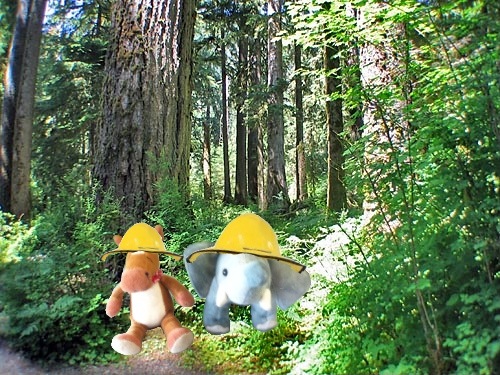
e e woods

MEET THE SPRING PEEPER!

spring peeper   Range/Habitat: Southeast Canada-Eastern U.S./ woods, ponds,

   creeks

   Diet: Carnivore: insects

   Length: ¾- ½”

   Conservation Status: common


Fun Facts:

  •        Spring Peepers mating call ushers in the spring season.
  •       Spring Peepers are members of the chorus frogs.
  •      They have adhesive pads on their toes.
  •      Spring peepers are great climbers.
  •      They winter under leaves and logs.
  •      Spring peepers have an X-shaped pattern on their backs.

Jeepers-Creepers, where’d you get those Spring Peepers! Hehe- we couldn’t resist! We just love the sounds of spring; birds singing, bugs calling and of course frogs chirping! What’s your favorite sound of spring?

 spring peeper2  spring peeper3


Categories: adventure, amphibians, Animals, Children, conservation, education, Environment, frogs, nature, science, wildlife | Tags: , , , , , , , , , , | 2 Comments

FROG WEEK- GUESS THE FROG!!!

FROG WEEK- GUESS THE FROG!

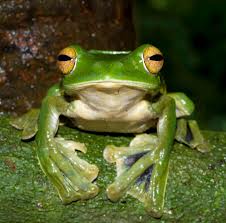
red eyed tree frog

  • I live in the rainforests of Central America.
  • I am nocturnal.
  • My eye color is thought to thwart predators.

WHO AM I?

Categories: adventure, amphibians, Animals, Children, conservation, education, Environment, frogs, nature, science, wildlife | Tags: , , , , , , , , , | 2 Comments

FROG WEEK CRAFT!!!

FROG WEEK CRAFT!

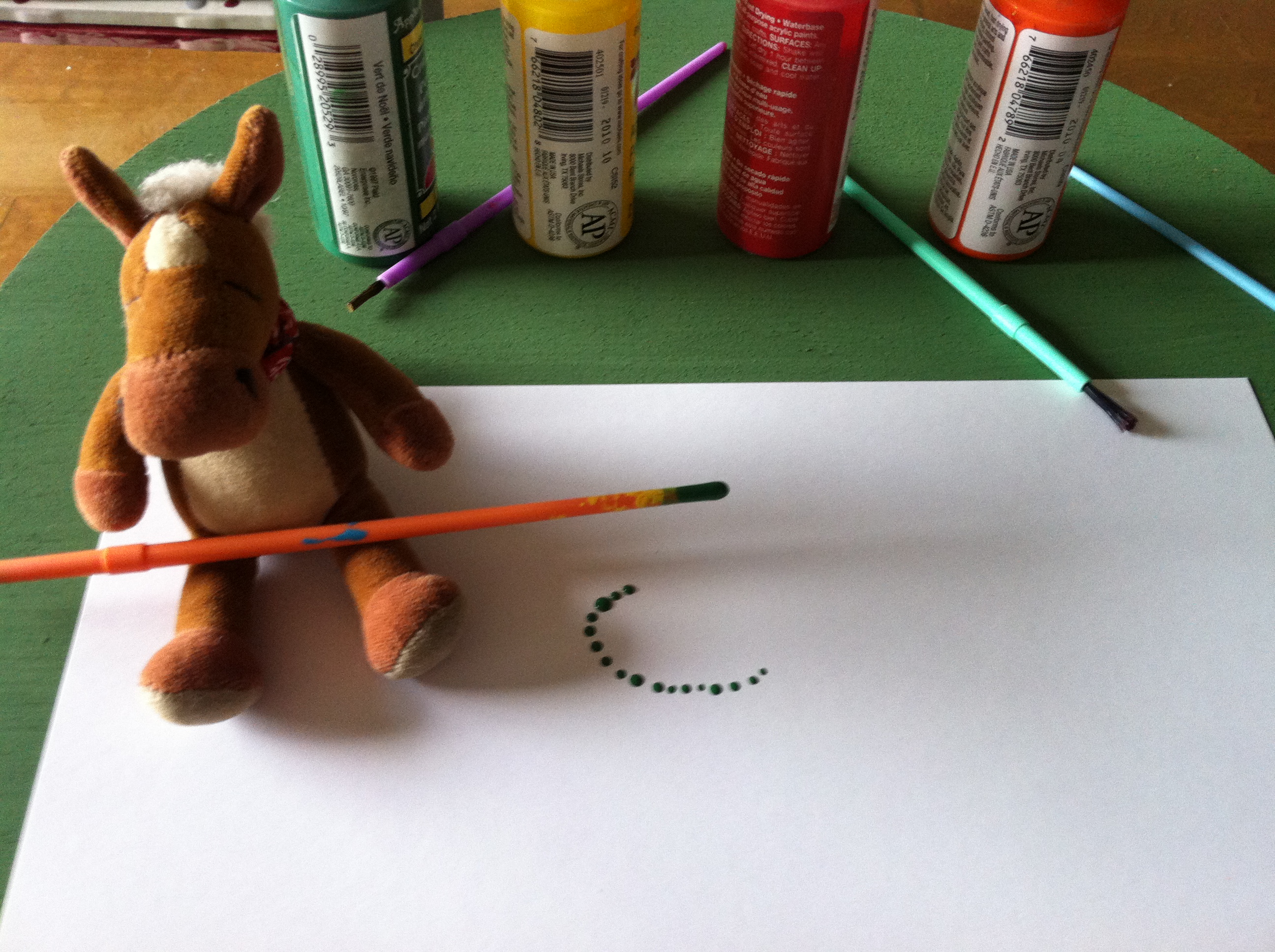
We are making a wonderful frog piece of art that is so easy; all you have to do is make dots! Anyone can make it fancy! Come celebrate these fancy amphibians and show us your art! You can post pictures on our Facebook or Tweet them to us!

frog craft1


Materials:

  •        Colorful paints (we used red, orange, green and yellow)*
  •         Small paint brushes (chopsticks, pencil erasers or toothpicks will work too)

*If you don’t have paints around, markers will work too


Instructions:

  • If you need too- sketch your frog first.
  • All you are doing is “drawing” a frog with dots! We started with the head and then the eyes and then the body outlines.

frog craft2   frog craft3


  • We dotted eyes and a mouth.
  • Then we filled in the body with dots. 

frog craft4

  • You don’t have to do a particular pattern, just be creative! You can make all kinds of colored frogs too!

frog craft5

Categories: adventure, Animals, Children, crafts, education, Environment, frogs, nature, wildlife | Tags: , , , , , , , , | 2 Comments

FROG WEEK DAY # 2

FROG WEEK DAY #2

Today we are off to the land down under to meet another frog. We’ll be getting out the climbing gear to find these frogs because they live in the trees! Are you ready to meet…

e & e rainforest

MEET THE GIANT TREE FROG!

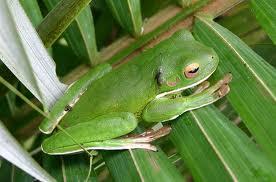
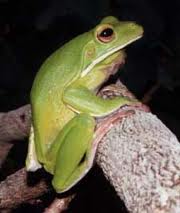
giant tree frog   Range/Habitat: Australia- New Guinea/ rainforests-gardens

   Diet: Carnivore: insects

   Length: 4-5 ½”

  Conservation Status: common


Fun Facts:

  •        Giant tree frogs are arboreal.
  •      Giant tree frogs have a white stripe around their lip.
  •        They are one of the largest frogs in Australia.
  •         Giant tree frogs have large adhesive pads on their toes that help them climb.
  •         They have large eyes with horizontal pupils.

Tree frogs are so cool! We only have the little ones where we live! Australia always has all the cool stuff- marsupials, platypus and giant tree frogs!

giant tree frog2    giant tree frog3

Categories: adventure, amphibians, Children, conservation, education, Environment, frogs, nature, science, wildlife | Tags: , , , , , , , , , , | Leave a comment

FROG WEEK!!

FROG WEEK!

Save the Frogs Day is coming up in a few weeks and we wanted to start the celebration off with a week devoted to those fabulous amphibians. We’ll be featuring three frogs, a frog craft and a very cool interview with a frog conservation scientist! Today’s adventure takes us to the deserts of the Southwestern U.S. to meet one amazing burrowing frog! Grab your backpack and sunglasses and let’s go!

e e desert

MEET THE COUCH’S SPADEFROG!

spadefoot frog   Range/Habitat: Southwestern U.S- Northern Mexico/ desert-scrub

   Diet: Carnivore: insects

   Length: 2 ¼-3 ½”

   Conservation Status: common


Fun Facts:

  •   Couch’s Spadefrogs are yellowish-green in coloration.
  •    They have large, bulbous eyes.
  •    Couch’s spadefrogs have spade shaped ridges on their hind feet for digging.
  •    Couch’s spadefrogs dig deep burrows; up to 3 ft deep.
  •   They shed their skin to make water tight cocoons during the dry season.
  •      A couch’s spadefrog’s cocoon will break down during the rainy season.

Wow! These amazing frogs have so many cool adaptations. They dig deep burrows and they form their own cocoons! It must be exhausting to be a spadefrog!

 spadefoot frog2

Categories: adventure, Animals, Children, conservation, education, Environment, frogs, nature, science, wildlife | Tags: , , , , , , , , , , , | 2 Comments

Blog at WordPress.com.