Posts Tagged With: children

REPTILIAN TUESDAY # 38

REPTILIAN TUESDAY # 38

Whew, it’s hot here in this desert! We hope someone brought some mud for sunscreen! We’re here to find a marvelous lizard who can blow himself up! No, no, the lizard doesn’t actually explode, instead they inflate! Are you ready to meet this new friend?

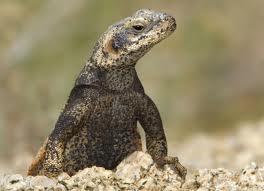
MEET THE CHUCKWALLA!
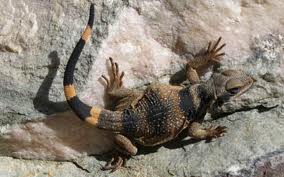
   Range/Habitat: Southwestern United States-Northern Mexico/desert

   Diet: Herbivore: fruit, leaves, flowers, succulents

   Length: 11-16 ½”

  Conservation Status: common


Fun Facts:

  • Chuckwallas are large, wide and flat bellied lizards.
  • Their name comes from a Native American word!
  • Chuckwallas like hot conditions. They are often seen basking in the sun during the day!
  • When threatened chuckwallas jam themselves in crevices and inflate their lungs and flaps of skin, so that is impossible for a predator to get them out!
  • They have thick long tails.
  • Male chuckwallas are larger and often have black heads.
  • They have a life span of up to 25 years.


Wow, they lizards are not only cool, but they have a cool name! Try saying Chuckwalla three times fast! Chuckwalla, chuckwalla, chuckwalla… We got tongue tied just typing it :)!
       

Categories: Animals, Children, education, Environment, lizards, nature, reptiles, science, wildlife | Tags: , , , , , , , | 4 Comments

MAMMAL MONDAY # 38

MAMMAL MONDAY # 38

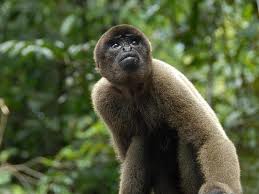
We’re back to our regular programming today after celebrating some great animal dads last week! Today we’re heading to the rainforests of South America to meet one adorable and wooly monkey! Grab your climbing gear because we’re going up!

MEET THE GRAY WOOLY MONKEY!

   Range/Habitat: Central-South America/ rainforest

   Diet: Omnivore: fruit, seeds, flowers, small animals

   Length/Weight: 20-26”/ 8 ¾-22 lbs

   Conservation Status: vulnerable

Fun Facts:

  • Gray Wooly Monkeys are arboreal (they live in the trees).
  • They have thick, soft and curly fur.
  • Gray wooly monkeys have a prehensile tail (they can hang from it). The tail has a bald spot on near the end for better gripping.
  • They live in large troops with a dominant male and lower females and males.
  • Gray wooly monkeys have stocky bodies with strong shoulders and hips. These adaptations are for a life in the trees.
  • They are known to have a gentle nature.

Gray wooly monkeys sure are cute! Don’t you just want to hug one? We sure do, but we won’t because these monkeys are best left in their rainforest home as wild monkeys! Remember though that their home is disappearing, so it’s important that we all work to make sure it is safe!

Categories: Animals, Children, education, Environment, mammals, nature, rainforests, science, wildlife | Tags: , , , , , , , , | Leave a comment

DAD’S WEEK DAY # 5

DAD’S WEEK DAY #5

It’s the last day of dad’s week and we sure hope you’ve enjoyed meeting all of our dad friends! Today we’re going back to South America to meet a large and in charge bird dad! So shed your parka from yesterday and put on those khakis, hats and sunscreen and let’s head out to the plains of Argentina!

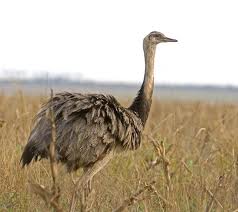
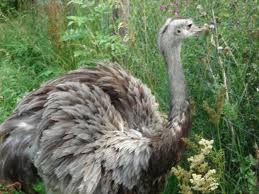
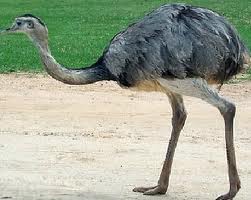
MEET THE GREATER RHEA!

   Range/Habitat: Eastern South America/ desert-grasslands

   Diet: Omnivore: fruits, seeds, lizards, insects

   Length/Weight: 3-5ft/ 33-60 lbs

   Conservation Status: common

Fun Facts:

  • The Greater Rhea is the largest bird in South America.
  • They are flightless and are related to the Ostrich and Emu.
  • Male Greater rheas attract up to 12 females with a booming call and wing display.
  • Female greater rheas (up to 12 ladies) then lay their eggs in a nest the male has dug out.
  • Male Greater rheas then take sole charge of the eggs.
  • They are highly protective of the nest and eggs and the chicks after they hatch.
  • Male Greater rheas even take care of all the chicks after they hatch!

These big old birdies sure make great dads! We wouldn’t want to mess with these dads while they’re protecting their young! Way to go Rhea dads!


Categories: Animals, birds, Children, dads, education, Environment, nature, science, wildlife | Tags: , , , , , , , | 2 Comments

DADS WEEK DAY # 4

DAD’S WEEK DAY #4

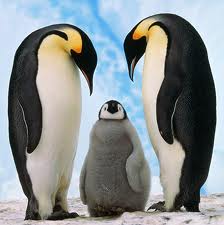
We’ve already made it to Day 4 of Dads week can you believe it? So far we’ve met some awesome dads, all of whom live in a tropical or warm habitat, but not today! We’re putting on the parkas, big boots and snow shoes to meet today’s feathery dad! Talk about enduring the elements, these South Pole residents sure live in a harsh climate! Are you ready to go?

MEET THE EMPEROR PENGUIN!

   Range/Habitat: Antarctica, coastline and oceans

   Diet: Carnivore: fish

   Length/Weight: up to 3 ½ ft/ up to 82 lbs

   Conservation Status: common


Fun Facts:

  • Emperor Penguins are the largest of all penguin species.
  • They breed in the winter.
  • Female Emperor Penguins lay their eggs and immediately give them to the males.
  • Male Emperor Penguins then carry the eggs on their feet and cover them with a pouch of skin to keep them warm.
  • Females return to the sea to eat while the males incubate the egg.
  • Male Emperor Penguins fast for around 65 days while they incubate the egg.
  • They huddle together in the harsh conditions to keep warm. The penguins rotate in the center of the huddle to get warm.

Emperor Penguins are fantastic birds! These dads go through a very harsh winter with eggs on their feet to ensure that their chicks are safe! We are very impressed by these birds! What about you?


Categories: Animals, birds, Children, dads, education, Environment, nature, oceans, penguins, science, wildlife | Tags: , , , , , , , , , , | Leave a comment

DADS WEEK # 3

DAD’S WEEK DAY #3!

We’re going snorkeling today to meet one amazing dad! These funny looking fish are related to Edmond. Ok, they’re not really related to him, but they are the horses of the sea! Hehe! Do you have your goggles, wetsuit and snorkel? Let’s take a dip!

MEET THE COMMON SEAHORSE!

Range/Habitat: Indo-Pacific Oceans/ shallow coasts, coral reefs

Diet: Carnivore: plankton (tiny animals)

Length: up to 6 ½”

Conservation Status: vulnerable


Fun Facts:

  • Common Seahorses have bony plates covering their bodies.
  • They swim upright and are propelled by a small dorsal (on back) fin.
  • Common seahorses have prehensile tails that they use to anchor themselves to coral.
  • Female common seahorses place their eggs in a pouch that is on the front of a male seahorse.
  • Male common seahorses carry the eggs for about 4-5 wks.
  • They give “birth” when the seahorses hatch!

Wow! How cool are seahorse dads? They come with their own built in pouch for incubating eggs! And you thought that they were just cute- in a funny kind of way!


Categories: Animals, Children, dads, education, Environment, fish, nature, oceans, science, wildlife | Tags: , , , , , , , , | 2 Comments

DAD’S WEEK DAY # 2

DAD’S WEEK DAY #2

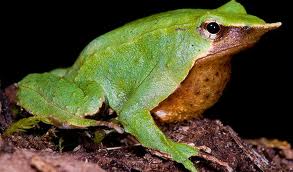
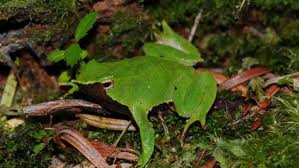
We’re staying in South America today to meet this exceptional amphibian dad! This frog was discovered Charles Darwin himself! Grab your boots and rain gear because we’re going to a mountainous rainforest to meet these amazing dads!

MEET THE DARWIN’S FROG!

   Range/Habitat: Southern South America/ mountain rainforest

   Diet: Carnivore: insects, small animals

   Length: up to 1 ¼ “

   Conservation Status: common

Fun Facts:

  • Darwin’s Frogs have sharp pointy snouts that look like leaves.
  • Male Darwin’s frogs attracted females with a low call that sounds like a bell.
  • They are nocturnal (active at night).
  • Female Darwin’s frogs lay around 30 eggs.
  • Male Darwin’s frogs protect the eggs for about two weeks and then scoop them up in their vocal sacs.
  • The eggs hatch in their vocal sacs, where the tadpoles eat the yolk from the egg. They emerge from dad’s vocal sac as little froglets!

These little funny look frogs are spectacular dads. It’s pretty crazy that they carry around the eggs in their mouths until they are little frogs!


Categories: amphibians, Animals, Children, earth day, Environment, frogs, nature, rainforests, science, Uncategorized, wildlife | Tags: , , , , , , , , | Leave a comment

DAD’S WEEK!!

DAD’S WEEK!

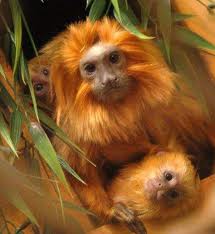
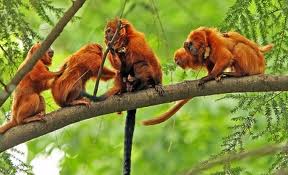
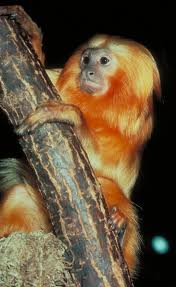
We’re celebrating great animal dads this week in honor of Father’s Day! We bet you thought that animal moms did all the work, but we’ve found some most fabulous dads too! Today we are off to the rainforests of Brazil to meet a tiny little mammal who lives in the trees! These primate dads sure are cute! We’re gearing up to zipline through the rainforest canopy! You ready?

MEET THE GOLDEN LION TAMARIN!

   Range/Habitat: Eastern South America-Brazil/ rainforest

   Diet: Omnivore: fruit, grubs, insects

   Length/Weight: 8-10”/ 14-29 oz

  Conservation Status: critically endangered


Fun Facts:

  • Golden Lion Tamarins have beautiful golden coats and fluffy manes around their faces.
  • They are diurnal (active during the day) and arboreal (live in the trees).
  • Golden Lion Tamarins live in small family groups led by a female-male breeding pair.
  • Mother Golden lion tamarins give birth to 1 or 2 offspring.
  • Father Golden lion tamarins take care of the babies and carry them on their backs. They give them to their mom when it’s time for feeding.

Father Golden Lion Tamarins are excellent dads! They not only carry the babies around on their backs, but they help raise them! Whew, that’s a good thing for mom, because if she gives birth to twins, she has twice the amount of work to do! Way to go dad! These tamarins are critically endangered, but zoos across the country are working very hard to save them. Read about their program here.


Categories: Animals, Children, education, Environment, mammals, nature, rainforests, science, wildlife | Tags: , , , , , , , | 2 Comments

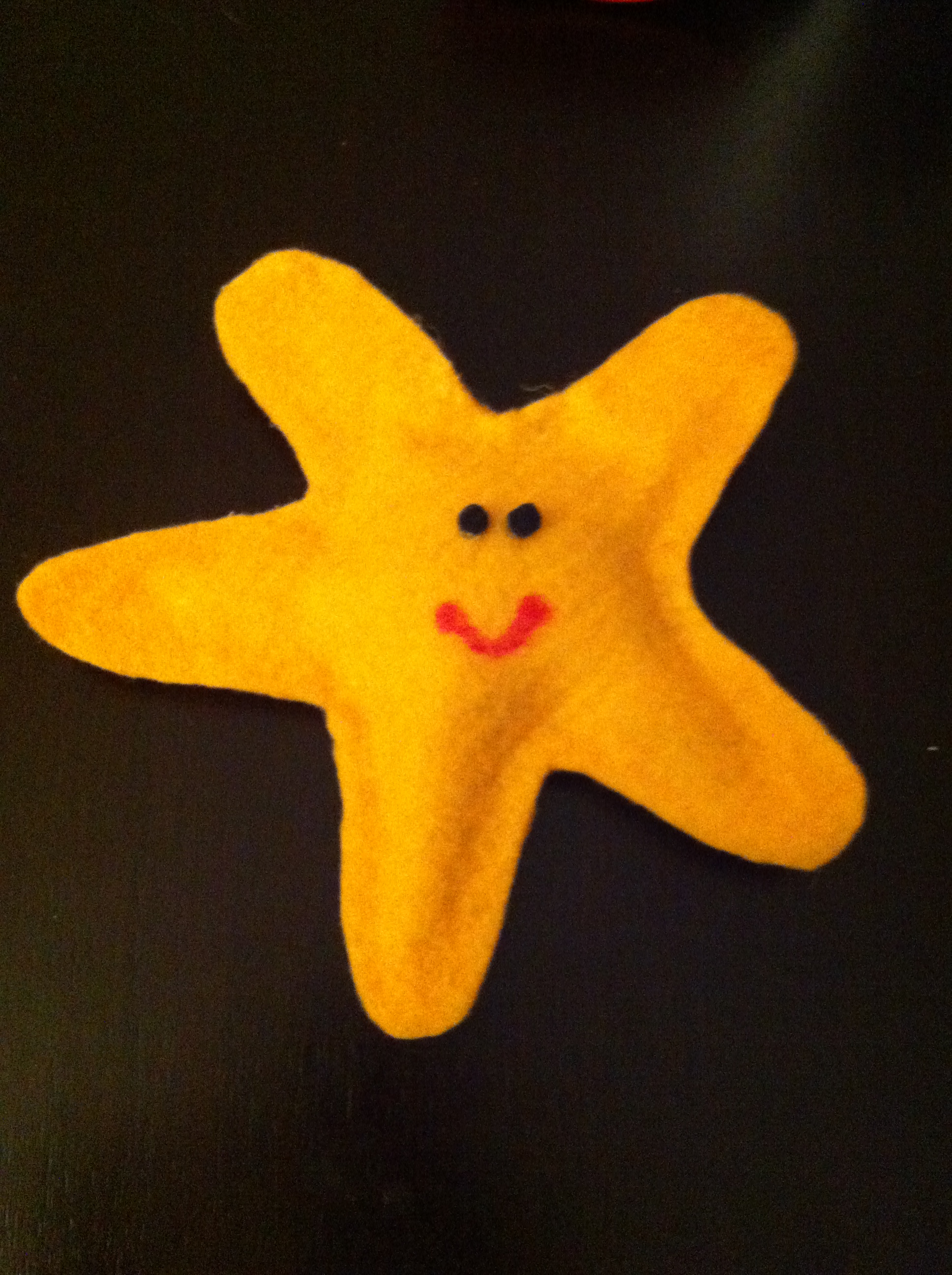
SEA STAR BEAN BAG

SEA STAR BEAN BAG

We’re making stuffed sea star bean bags for World’s Oceans Day! We hope you like them! Share your photos of your sea stars too!

MATERIALS:


  • Sea Star Pattern
  • Scissors
  • Felt (any color)
  • Hot glue gun (used by an adult)
  • Flax seed or stuffing
  • Funnel
  • Sharpie
  • Pom poms or googly eyes

Directions:

1)   Cut out pattern.

2)   Cut out two sea stars on felt.

3)   Hot glue the two pieces together, leaving a small opening.

4)   Put the flax seed in the sea star. If you don’t have a funnel, you can easily make one with paper, by rolling it in a cone shape. If you don’t have flax seed, stuffing or small dry beans will work too.

5)   Make sure you don’t overstuff it. Then glue the opening shut.

6)   Glue on the eyes and draw on the mouth.

You’re done! Toss your sea star, use him as a paper weight, or just give him a hug!

Categories: Animals, Children, crafts, education, Environment, nature, oceans, science, sea stars, wildlife, Worlds Oceans Day | Tags: , , , , , , , , | 4 Comments

WORLD OCEANS DAY!!

HAPPY WORLD’S OCEANS DAY!!

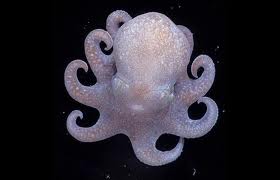
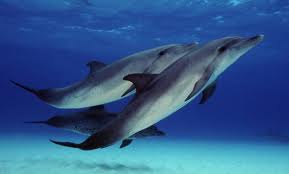
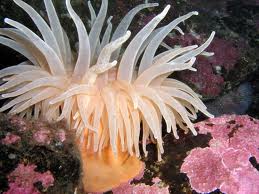
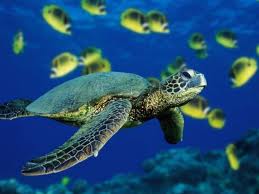
We’re celebrating the world’s oceans and their inhabitants today! The oceans of the world are magnificent in many ways! We land dwelling creatures have a hard time wrapping our heads around the oceans’ size and depth! Today we’re going to celebrate this watery habitat by sharing some fun facts and photos! We’ll also be sharing ways for you to help keep our oceans clean and healthy! And please share with us what you love about the ocean and its animals!

  • It’s estimated that 50-80% of life on earth live in the ocean.
  • The oceans have 99% of living space on the planet!
  • Humans have only explored 5-10% of the world’s oceans.
  • The oceans cover 71% of the earth’s surface!
  • The deepest point in the ocean is the Marianas Trench in the Pacific Ocean!
  • The Great Barrier Reef is the largest living structure on earth!
  • The oceans absorb CO2 to help keep our air clean.
  • The ocean absorbs heat from the atmosphere and distributes that warmth around the planet!

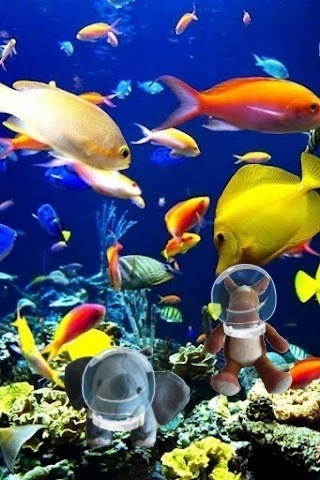
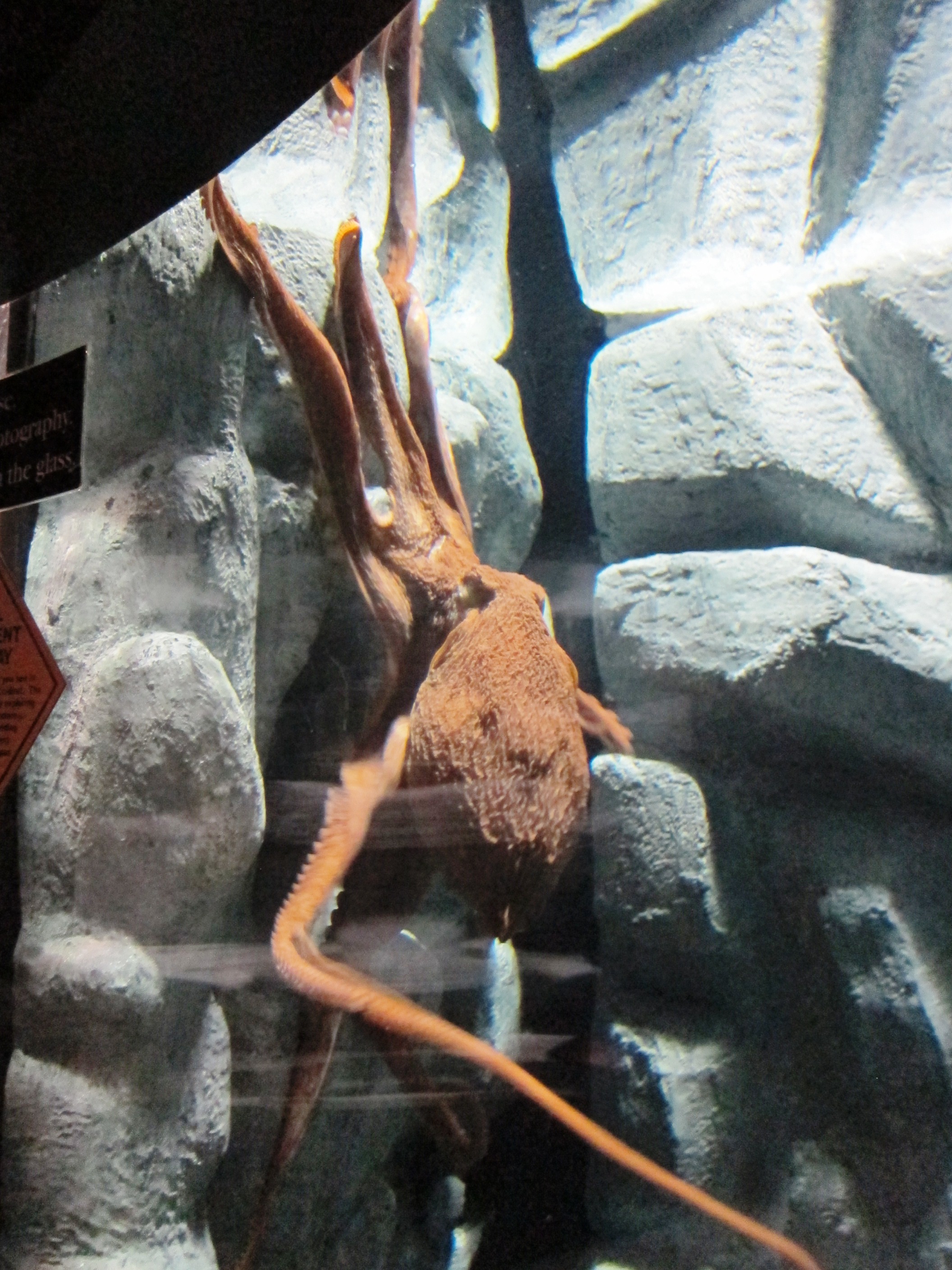
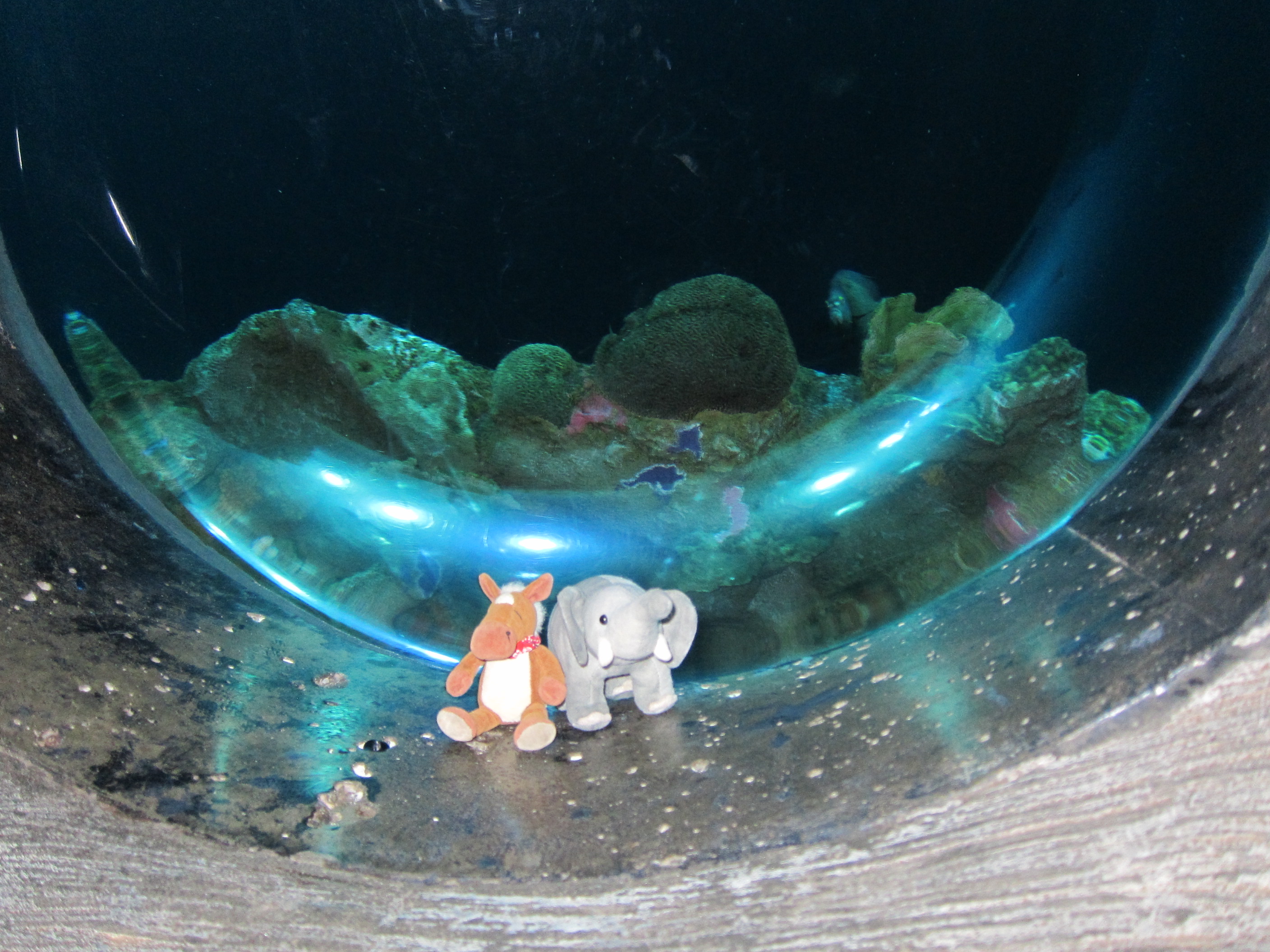
Wow! The ocean is sooo large and strange! Can you believe humans have only explored 10% of them? We have so much to learn! Let’s check out some photos of the some of the wild and wonderful creatures that call the ocean their home!


It is vital that we keep the world’s oceans clean and healthy not just for the animals that call it home, but for the land dwelling animals too! Want to know some easy ways to help? Well, we have those for you right here!

  • Pick up your trash! Trash can float into the ocean and it is often mistaken for food by many animals!
  • Pick up your pet’s waste. Poop is not good for anyone J!
  • Participate in a local beach or river clean-up! Remember that all rivers eventually make their ways to the oceans and so can the trash in them.
  • Use cloth or reusable bags when shopping. Plastic bags are a big killer of ocean life. Sea turtles especially mistake them for their favorite food- jellies.
  •  Eat Sustainable Seafood. We are eating many species in to extinction. Check out Monterey Bay Aquarium’s Seafood Watch Program! They even have a smart phone app that helps you pick out the best seafood to eat!
  • When you fish, make sure you throw away extra line and hooks. The hooks can become embedded in all kinds of creatures and the line can be swallowed or wrap around an animal.
  • Cut up your soda six pack rings.
  • RECYCLE!
  • Join an organization that works to protect the world’s oceans, like the Ocean Conservancy!
  • Visit your local aquarium and learn about some amazing animals! Also learn what your aquarium is doing for conservation! 
Categories: Animals, Children, education, Environment, fish, mammals, nature, oceans, octopus, penguins, science, turtles, wildlife, Worlds Oceans Day | Tags: , , , , , , , , , , | 5 Comments

SUPER SURPRISE THURSDAY # 37

SUPER SURPRISE THURSDAY# 37

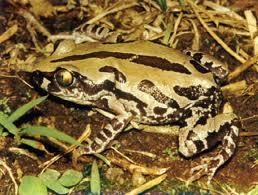
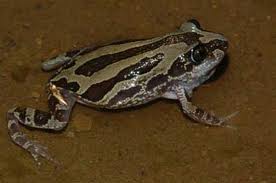
We’re off to Africa today to meet our Super Surprise animal of the day! We’ve found an amazing amphibian friend in the grasslands and ponds! Get ready to watch them move, because they like to walk more than hop! Are you ready to go?

MEET THE BUBBLING KASSINA!

   Range/Habitat: Central-Southeast Africa/ grasslands near ponds

   Diet: Carnivore: spiders, insects

   Length: 1 ¼-2”

   Conservation Status: Common


Fun Facts:

  • Bubbling Kassinas are members of the tree frog family.
  • They are also called the Senegal Running Frog.
  • Bubbling kassinas are great at walking. They do not hop as much as other frogs.
  • They have slender limbs and slightly webbed feet.
  • Their coloration varies from yellow to grey with black and brown blotches.
  • Bubbling kassinas live on the ground.

These great frogs have amazing camouflage! People who live in Africa near these frogs love to hear them at night during the breeding season! We love hanging out at night to listen to frogs “sing” too.


Categories: amphibians, Animals, Children, education, Environment, frogs, nature, science, wildlife | Tags: , , , , , , , , | 3 Comments

Blog at WordPress.com.