Posts Tagged With: environment

SCIENCE WORD OF THE WEEK!

SCIENCE WORD OF THE WEEK!
swow

Hello students! It is so nice to be back in Science Word class after our break! I hope you are ready to learn some new vocabulary as we get back in the swing of things. Today’s word is all about a group of animals! So let’s get started!

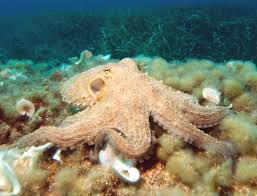
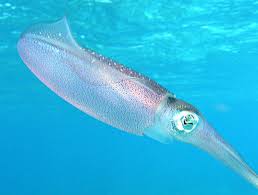
Today’s word is Cephalopod: a mollusk of the class Cephalopoda that has tentacles attached to a head. Cephalopods include cuttlefish, squid and octopus. Cephalopods are known for their ability to change their color and texture. They are also known for being highly intelligent. Ellie and Edmond and Professor Sylvia will be sharing more about cephalopods the rest of the week!

cuttlefishsquid

octopus

Categories: adventure, Animals, Children, conservation, education, Environment, nature, science, wildlife | Tags: , , , , , , , , , | 2 Comments

GREAT PROSIMIANS!!

GREAT PROSIMIANS!!

Who’s ready to meet an amazing primate- a prosimian!  Well, they are primates, but they don’t have all the adaptations that monkeys and apes do! Prosimians include, lemurs and aye-ayes! Are you ready to meet this furry primate?

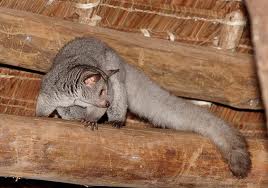
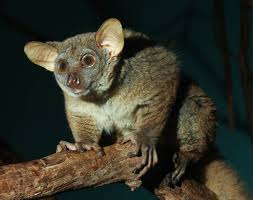
MEET THE BROWN GREATER GALAGO!

Range/Habitat: Central-Southern Africa/woodlands

Diet: Omnivore: fruit, tree sap, insects

Length/Weight: 10-16”/2 ¼-4 ½ lbs

Conservation Status: common

galago

Fun Facts:

  • Brown Greater Galagos are the largest of the galago family.
  • Brown Greater galagos are also known as Thick-tailed Bush babies.
  • They are called bush babies because of their childlike cries.
  • They are nocturnal (active at night) and have large eyes and ears that help them navigate and find food in the dark.
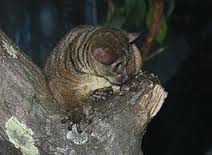
  • Brown Greater galagos are arboreal (spend most of their time in trees).
  • Brown Greater galagos have strong feet with pads to help them climb and jump.
  • They have brownish-grey fur.

galago2

Wow, these little primates have perfect adaptations for a life in the trees! But you won’t see one unless you are willing to head into the woods at night. Is anyone up for a nighttime adventure? Bring your night vision goggles and let’s go!

Categories: adventure, Animals, Children, conservation, education, Environment, mammals, nature, science, wildlife | Tags: , , , , , , , , , | Leave a comment

WE SPY!!

WE SPY!!

FullSizeRender

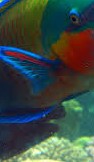
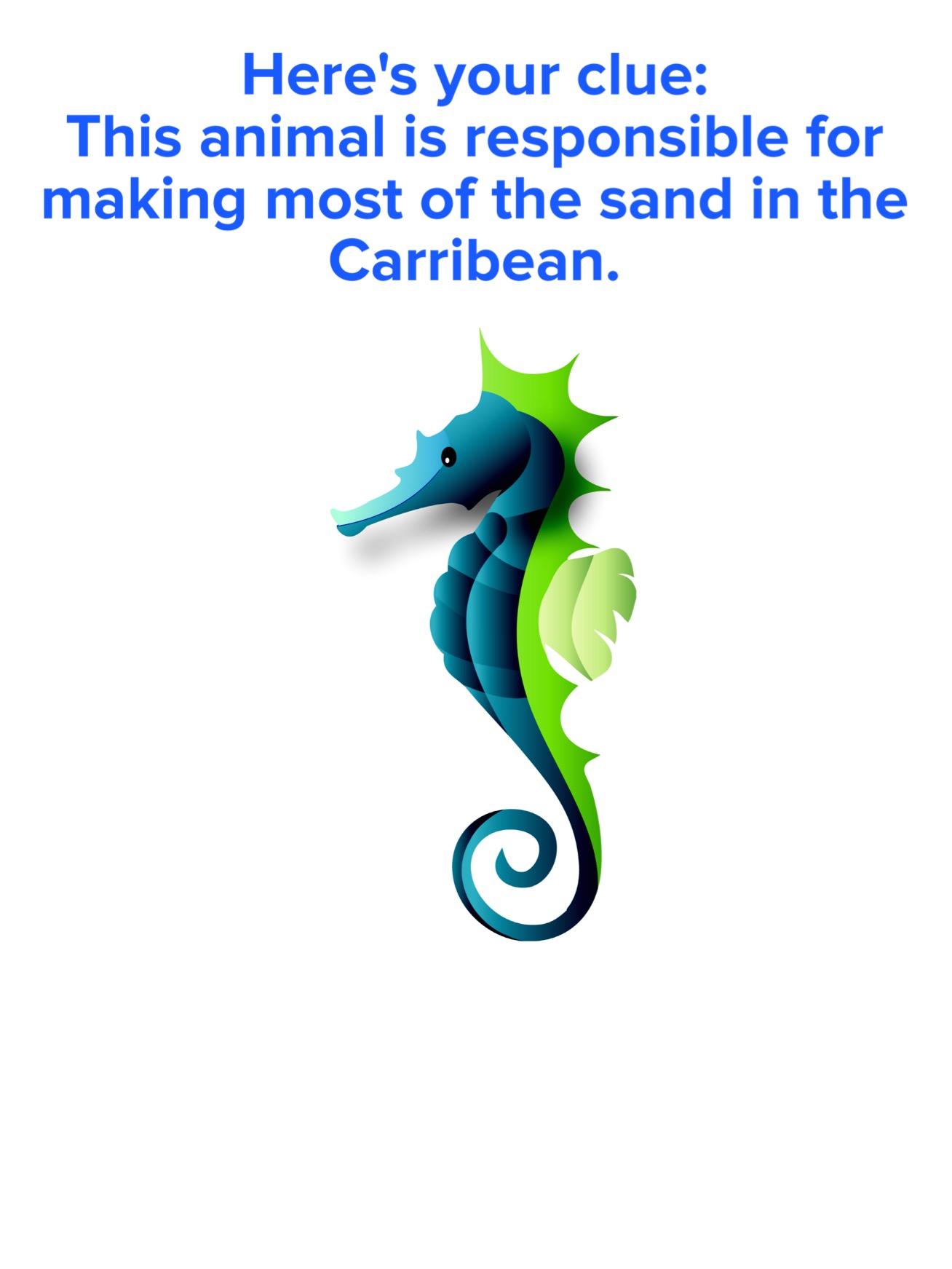
We’re back with an all new we spy! Today’s clue will be given by Sylvia the Seahorse! Get those thinking caps on and tell us who we spy!

we spy

IMG_9982

Categories: adventure, Animals, Children, conservation, education, Environment, nature, science, wildlife | Tags: , , , , , , , , , , | Leave a comment

WORLD RHINO DAY!!!

WORLD RHINO DAY!

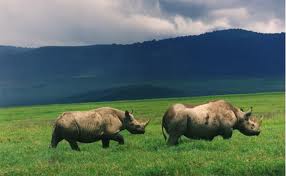
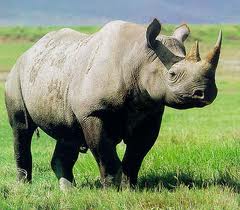
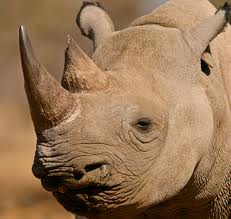
We’re celebrating our friends the rhinoceros today! These magnificent animals are one of our very favorites, with their large bodies, hairy ears and fabulous horns!

We’re going to give you some fun rhino facts, a coloring sheet and some great resources to help our friends!

RHINO FUN FACTS:

  • There are 5 species of rhinos, the Black Rhino, the White Rhino (the African species), the Northern India Rhino, the Sumatran Rhino and the Javan Rhino (the Asian species).
  • Rhinoceros is Greek for nose and horn!

  • All rhinos have poor eyesight.
  • White rhinos have a large broad mouth for grazing grass.
  • Black rhinos have a narrow prehensile lip to help them grasp leaves.
  • Rhino horns are made of keratin, the same protein that makes up your hair and fingernails.
  • Rhinos’ ears can move and rotate independently of each other. This adaptation helps the rhino hear.
  • Rhinos are herbivores.

  • Rhinos are related to horses, tapirs and zebras! Woohoo!
  • The Sumatran Rhino is the smallest rhino weighing around 1,700 lbs and the White rhino is the largest weighing around 5,000 lbs.
  • A group of rhinos is called a crash!
  • All rhinos are endangered. Many organizations, like Saving Rhinos are working very hard to save and protect these amazing animals. Check them out and see how you can help!


We have a cute rhino for you to color! As always, remember to share your pictures when you color them!

Categories: adventure, Animals, Children, conservation, education, Environment, nature, science, wildlife | Tags: , , , , , , , , , | Leave a comment

INTERNATIONAL RED PANDA DAY!!

INTERNATIONAL RED PANDA DAY!!!

Who loves Red Pandas? We love Red Pandas! And today on International Red Panda Day we’re celebrating the original panda! That’s right folks, red pandas were discovered and named panda before the Giant Panda was discovered!

red panda

  • Red pandas are classified in their own families, but are related to raccoons. 
  • They are nocturnal.
  • They live in mountainous forests in parts of Southeast Asia.

red panda2

  • Red pandas are arboreal.
  • They are solitary.
  • Red pandas are also called The Fire Fox or the Red Cat Bear.

red panda3

  • Red pandas eat bamboo, grass, fruit and eggs.
  • They have very thick fur and very bushy tails to keep them warm.
  • Red pandas have a psuedo thumb that helps them grasp bamboo.

These adorable little red pandas are endangered, mainly due to habitat loss. There is a great organization working very hard to protect our favorite red pals! The Red Panda Network celebrates Red Panda Day, conserves forests and educates people about the fire fox!

Categories: adventure, Animals, Children, conservation, education, Environment, mammals, nature, science, wildlife | Tags: , , , , , , , , , | 1 Comment

UPDATE!

UPDATE!

We have an update on the new website- it’s almost ready and it will be here next week!

Whew- who knew this was so hard :)!

Thank you so much for your patience with us!!

Sincerely,

Ellie and Edmond

Categories: Animals, education, science, wildlife | Tags: , , , , | Leave a comment

INTERNATIONAL VULTURE DAY!

INTERNATIONAL VULTURE DAY!!

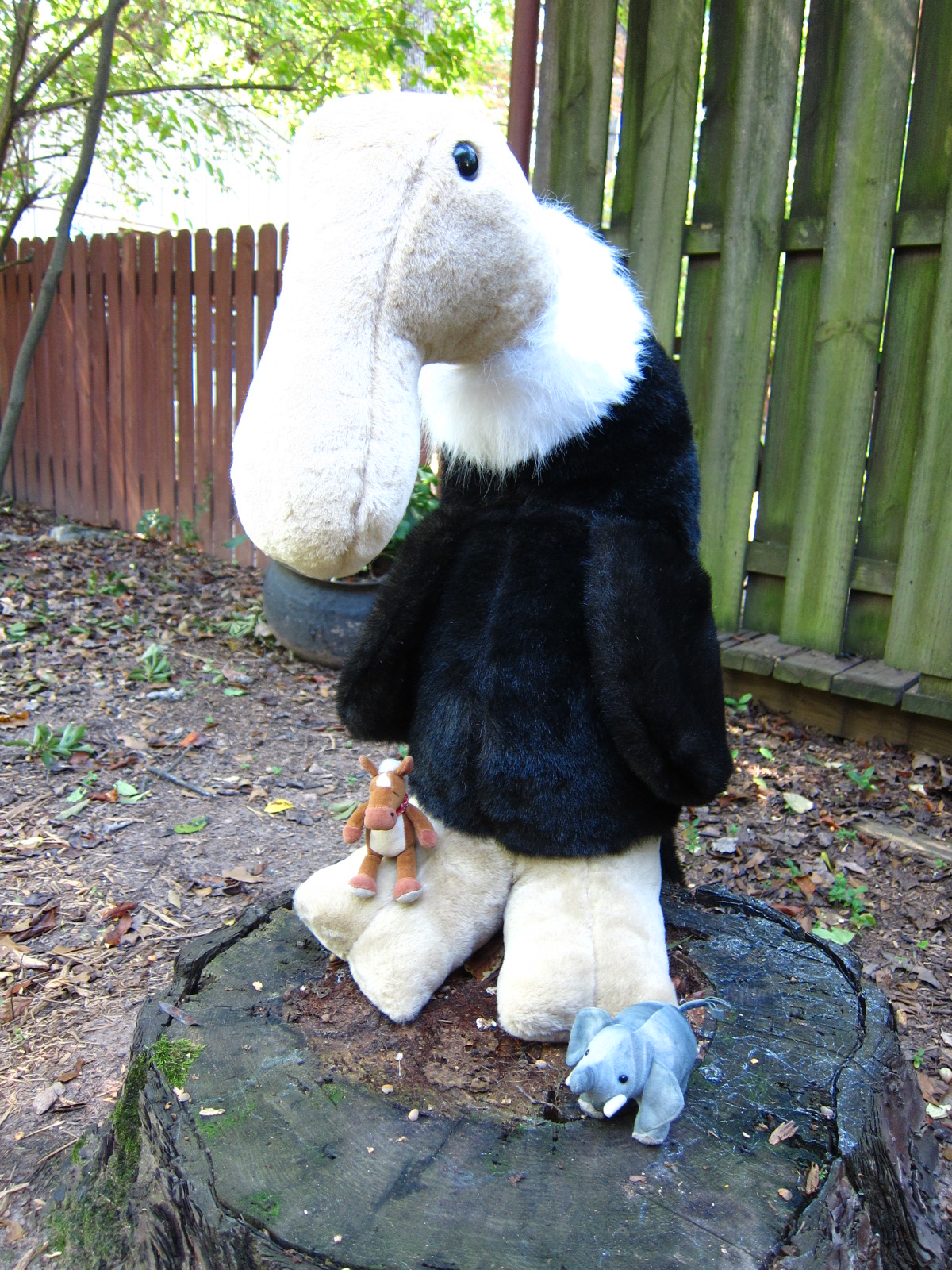
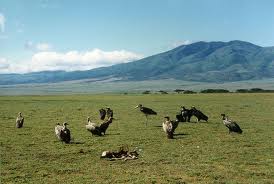
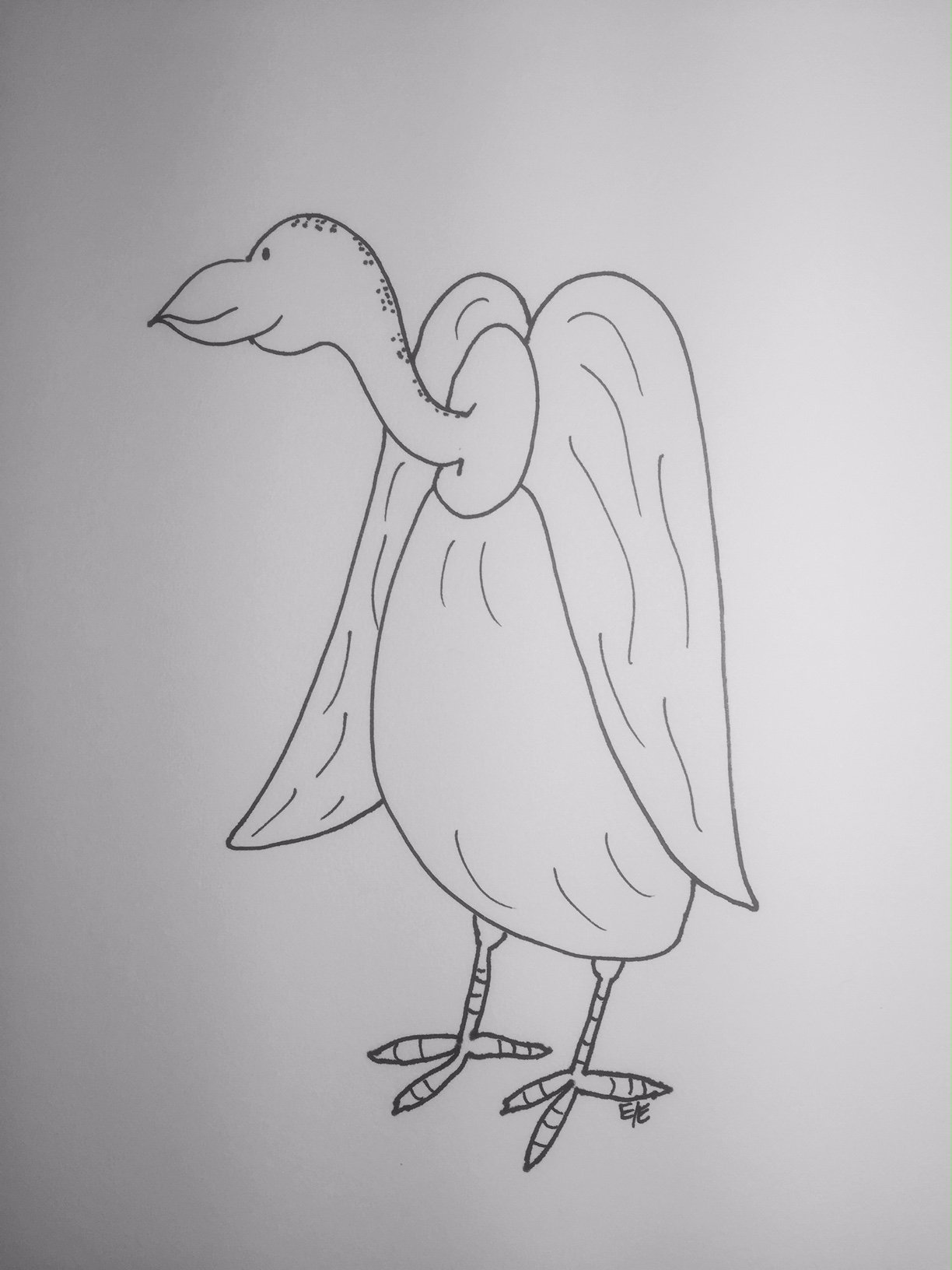
We’re celebrating vultures today! We bet you aren’t ready for your International Vulture Day party are you? Well, we have you covered! We’ve got pictures, fun facts and a coloring sheet!

Our pal Vinny!

Our pal Vinny!

FUN FACTS:

  • There are 23 species of vultures in the world. Fourteen of them are listed as endangered.
  • Vultures are classified as Old world (Europe, Asia, Africa) and New world (Americas).
  • Recent DNA shows that Old world and New world vultures are not related and probably have different ancestors.
  • Vultures eat carrion (dead animals). We like to call them the garbage birds of the world as they can eat things no other animal can.
  • Vultures are social animals.

IMG_3854

  • Vultures have an excellent sense of smell and sight!
  • Vultures have featherless heads. This keeps them free of bacteria and parasites!
  • Vultures also urinate on their legs to keep them cool and free of bacteria. Eeeeewwww!
  • The Andean Condor is the largest species of vulture. They have a 9-10 foot wingspan!
  • The Hooded condor is the smallest species of vulture. They are about the size of a crow.
  • When threatened vultures throw up! Double eeeeeeeewww!!!

vulture  vulture2


FullSizeRender(18)

Categories: adventure, Animals, birds, Children, conservation, education, Environment, nature, science, wildlife | Tags: , , , , , , , , | 1 Comment

SYLVIA THE SEAHORSE!

SYLVIA THE SEAHORSE!

ellie_edmund_professors-seahorse(1)

Hi everyone! I’m Sylvia the Seahorse! I’m the last of the new professors to introduce myself here at the University of Ellie and Edmond! I’m named after Sylvia Earl, the famous ocean explorer! I’ll be here to teach you all about the fish of the world’s oceans and freshwater habitats. Fish come in all sizes and shapes and we live at the very deepest parts of the oceans to the rivers at the tops of mountains! Some of us are colorful and oddly shaped and others of us are plain.
Most people don’t know that I am a fish, but I am! I live in the Great Barrier Reef off the coast of Australia! I’m not the strongest swimmer as my dorsal fin is very small, so I stay close to the corals, where I hang on with my tail. I eat small plankton and crustaceans that I suck into my snout. I must constantly eat because I have no stomach. I can eat up to 3,000 shrimp a day! They sure are tasty. I have a mate who incubates our young. That’s right the male seahorse has a pouch that he carries the eggs in until the hatch.
I am so excited to share more about myself and my fish friends here at The University! I hope you’re excited too!

Categories: adventure, Animals, Children, conservation, education, Environment, fish, nature, science, wildlife | Tags: , , , , , , , , , , | 1 Comment

GRACIE THE GRASSHOPPER!

GRACIE THE GRASSHOPPER!

ellie_edmund_professors-grasshopper

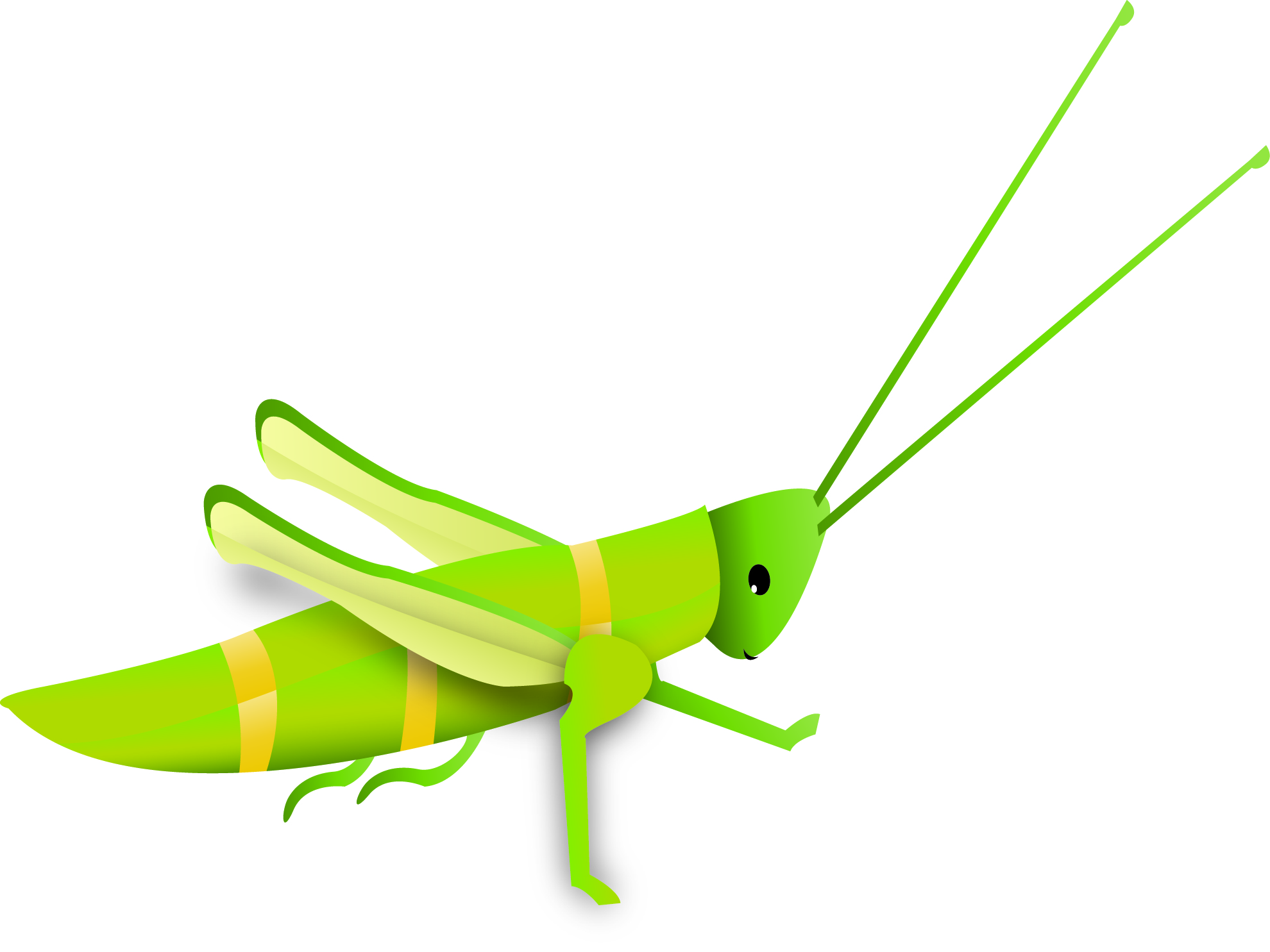
Hellooooo!!! I’m Gracie the Grasshopper! I am the new professor of insects and invertebrates here at the University of Ellie and Edmond. I’m hoping with excitement to share the world of my insect friends with you. I know Carl the Chameleon and Rita the rat think they get no respect, well try being a small multi-legged animal that people think are gross, horrifying or yucky!!
I’ve got a big job ahead of me to teach you about all the amazing insects of the world. Ok, it may not be all the insects of the world, because there are nearly 1 million species of insects and scientists estimate that number is only about 80% of what has been discovered.  That’s right folks, we insects rule the earth!! And without us you couldn’t survive!!

I live right near the University! Ellie and Edmond were out taking a stroll and we struck up a conversation! I was so elated when they asked me to take this position. Along with my other grasshopper relatives I am an herbivore.  I have large compound eyes and antennae on my head. I also have a nifty exoskeleton and I can camouflage to hide myself rom predators! Man can I jump! I love jumping! I jump from plant to plant munching away! I’m ready to jump into the world of insects and I hope you come along!!!

Categories: adventure, Animals, Children, conservation, education, Environment, insects, nature, science, wildlife | Tags: , , , , , , , , | Leave a comment

WHALE SHARK DAY!!

WHALE SHARK DAY!!

 whale shark2

Today it International Whale Shark Day! So let’s celebrate these gentle giants of the oceans!

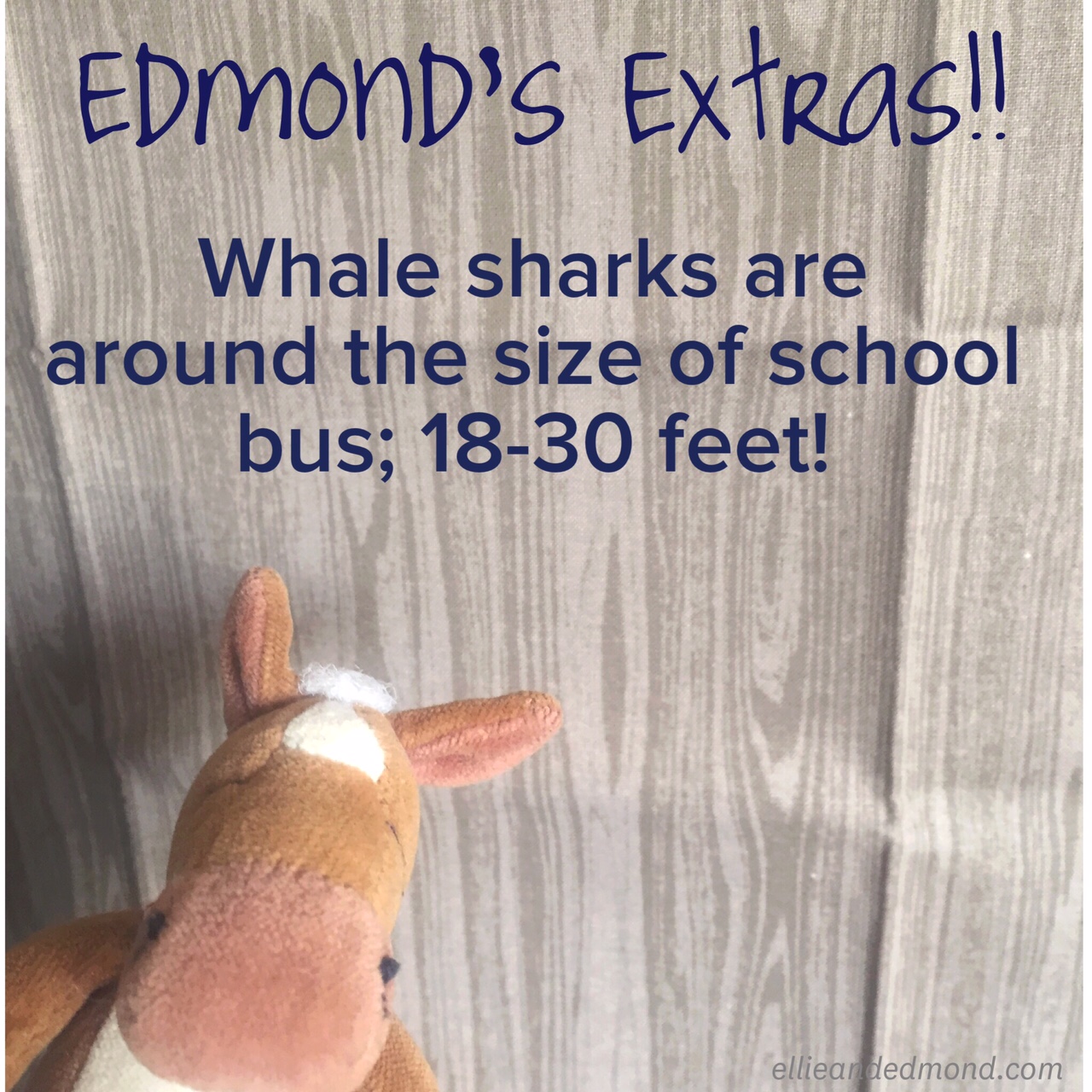
  • Whale sharks are the largest fish in the oceans!
  • They are sharks, with full cartilaginous skeletons!
  • Whale sharks are filter feeders! They eat plankton that they filter out of the water.

IMG_3785

  • Whale sharks prefer temperate to tropical waters.
  • Whale sharks are listed as vulnerable on the IUCN list.
  • Whale sharks can live up to 70 years!
  • Every whale shark has a unique spot pattern.
  • Whale sharks are classified as carpet sharks, which include nurse sharks and our favorite the wobbegong!

whale sharks

IMG_3786


Answer: A) 3 feet

Categories: adventure, Animals, Children, conservation, education, Environment, fish, nature, oceans, science, wildlife | Tags: , , , , , , , , , , | 3 Comments

Blog at WordPress.com.