Posts Tagged With: environment

Wear Your Bonnet

Wear Your Bonnet

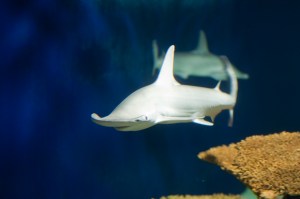
Can you imagine a shark wearing a bonnet? That would be funny looking- not to mention hard to swim with- hahaha! Today we are meeting a relative of the hammerhead- the bonnethead shark!!

IMG_0317

Bonnethead Shark Fun Facts: 

  • Bonnetheads are smaller sharks- they can grow up to 59 inches- about the length of a refrigerator.
  • They call estuaries, bays and sandy bottoms their home.
  • Their heads are more rounded than that of the larger hammerhead species.
  • Like all other sharks they are carnivores.
  • Bonnethead sharks live in small groups.
  • They can live up to 15 years.


IMG_0324

These smaller hammerheads are so cool. A recent study by scientists may suggest that they eat sea grass, which would make them omnivores! Wow! That would be super cool!

Categories: adventure, aliens, Animals, camp, Children, conservation, education, endangered species, Environment, fish, oceans, science, Today's Post, wildlife | Tags: , , , , , , , , , , , | 1 Comment

Rocking with the Guitar

HRocking with the Guitar

It’s SHARK WEEK here at Camp E&E by the Sea! We love our cartilaginous friends and we are so excited for our campers to meet a few sharks and one of their relatives in the ray family. These creatures have been calling the world’s oceans home for over 400 million years. Today we’re going to meet a member of the ray family- the shovelnose guitarfish.

IMG_0316


Shovelnose Guitarfish Fun Facts: 

  • Shovelnose guitarfish are members of the ray family.
  • They look like you combined a ray and shark all in one.
  • They range in color from olive to grey to tan.
  • Females are larger than males.
  • These bottom dwellers eat mollusks, crustaceans and fish.
  • Shovelnose guitarfish are listed as Near Threatened by the IUCN.
  • They have a row of spines along their back near the tail.


IMG_0318

These amazing fish are so neat! Can you guess why they are called guitarfish? They are shaped like a guitar, but they have no strings attached! Hahaha!!

Categories: adventure, Animals, Children, conservation, education, endangered species, Environment, fish, nature, oceans, science, Today's Post, wildlife | Tags: , , , , , , , , , , , | 1 Comment

Whoooooo’s Crafty?

Whoooooo’s Crafty?

We’re in the craft cabin today to make stuffed owls! Whooooo is excited as we are? Woohoot! Hehehe! Let’s get started!

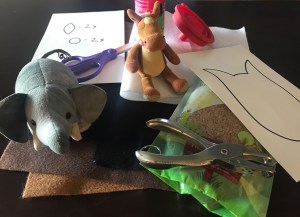
Materials:

FullSizeRender(1)

  • Felt in browns, black, white & yellow (color not shown)
  • Scissors
  • Felt glue or hot glue (not shown)
  • Hole punch
  • Whole flax seed or stuffing (not shown)
  • Funnel
  • Pattern

Instructions:

  • Cut out all your pieces. Make sure to cut two owls!IMG_4811
  • Use a hole punch to make the irises for your owl’s eye.

IMG_4812(1)

  • Place all the pieces together. We free hand cut a beak.
  • Glue to body parts to the one piece of your owl.

IMG_4813

  • Glue the two bodies together- leaving a small opening at the bottom. If you are using felt glue, let your owl dry before filling it.

IMG_4814

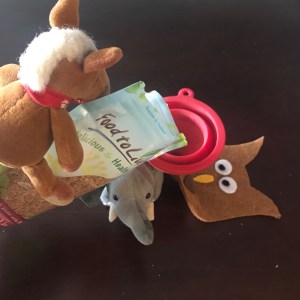
  • Use the funnel to fill your with flax seed. If you do not have a funnel- you can make a cone from paper that will work! If you are using stuffing- just stuff it in with a chopstick.

FullSizeRender(2)

  • Glue the bottom opening together! Don’t want your owl to lose stuffing.
  • Then enjoy hanging out with your stuffed owl!

IMG_4820

Categories: adventure, Animals, birds, camp, Children, conservation, crafts, education, Environment, nature, owls, science, Today's Post, wildlife | Tags: , , , , , , , , , , | 1 Comment

End of the Year!

End  of the Year!

Well it’s the end of the year and we had such a fabulous time traveling all around the world to meet so many amazing animals that we share this big planet with! Thank you to everyone who joined us! We are taking next week off to get ready for Summer Camp on June 5th! We’ll be heading back to Lake Salamander and then off to beach camp in July! Woohoo- bring on the fun in the sun!

Here are some of our year book pictures from the university with some inspirational quotes!

IMG_3508

Make new friends wherever you go!

IMG_3510

Tip the scales in your favor- reduce, reuse and recycle!

IMG_3511

Live by this bear principle- honey is better shared.

IMG_3512

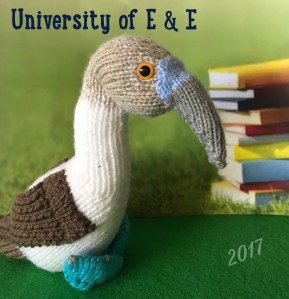
Think twice before calling someone a bird brain- we are quiet smart!


IMG_3509

Learn something new everyday!

IMG_3507

If it comes from the horses mouth- you know it punny!

Categories: adventure, Animals, Children, conservation, education, elephants, Environment, nature, science, Today's Post, wildlife | Tags: , , , , , , , | 2 Comments

Cuscus or Couscous?

Cuscus or Couscous?

We went on a little night tour near the camp where we are staying this week! We were looking for a super cute animal that calls the forest home! They have a funny name- that sounds similar to that delicious side dish coucous!

ground cuscus


IMG_4026


Date: 5/9

Location: Raja Ampat Islands

Ground Cuscus Fun Facts:

  • Ground cuscus are marsupials.

IMG_4027

  • They have prehensile tail. They use it to grip branches.
  • Even ground cuscus are still mostly arboreal, but nest in burrows during the day.
  • They have little to no fur on their ears.
  • Ground cuscus are solitary and mark their territories with urine.
  • Because they are fruit eaters, they disperse seeds throughout the forest causing new growth! Seed dispersers are important for the ecosystems.

We had such a great time watching this little marsupial in the trees. They are quiet and slow moving, but sooooo cool!

Categories: adventure, Animals, Children, conservation, education, Environment, mammals, nature, science, Today's Post, wildlife | Tags: , , , , , , , , , | 1 Comment

The Clowns of the Ocean!

The Clowns of the Oceans!

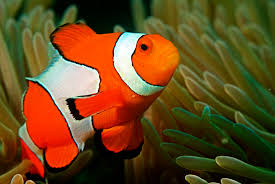
While snorkeling we also encountered one of the reef’s most iconic residents- the clown anemonefish! These brightly colored fish became famous after a certain movie. Well we’re going to teach you some cool clown fish facts!

clown

IMG_3988


Date: 5/4

Location: Raja Ampat Islands

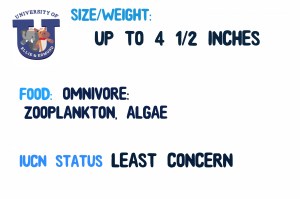
Clown Anemonefish Fun Facts:

  • Clown anemonefish are one of many species of anemonefish.
  • They have a three white and black stripes on their orange bodies.
  • Clown anemonefish have a layer of mucus that protects them from their anemone and its stinging cells.
  • The fish and the anemone share a symbiotic relationship (where both animals benefit). The anemone gets food and some protection from the fish and vice/versa.
  • Clown anemonefish live in small groups with a dominate female.

IMG_3990

  • Clown anemonefish spawn during the fool moon.
  • The males defend the eggs.

clown2

clown3


The relationship that clown anemonefish have with their anemones are so cool. There are many symbiotic relationships found in nature! Elephants have birds that bugs and parasites of them! Pretty neat right?


Categories: adventure, Animals, Children, conservation, education, Environment, fish, nature, oceans, science, Today's Post, wildlife | Tags: , , , , , , , , , , , | 1 Comment

Hello Wallaby!

Hello Wallaby!

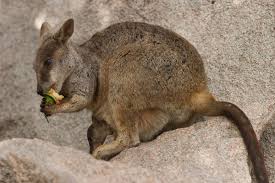
We met one of the cutest inhabitants of the desert today! These hopping marsupials are so fun! Let’s learn more about the Brush-tailed rock wallaby!

rock wallaby

IMG_3811


Date: 4/24

Location: Great Victorian Desert

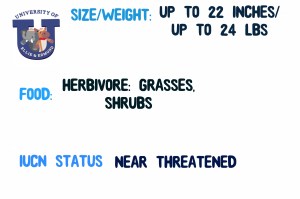
Brush-tailed Rock Wallaby Fun Facts:

  • Brush-tailed Rock Wallabies have rough padded feet to help them get around the rocky terrain.
  • They live in groups where each animal has their own territory. One male’s territory overlaps several female’s territory.
  • Brush-tailed rock wallabies are crepuscular (active at dawn & dusk).

IMG_3812

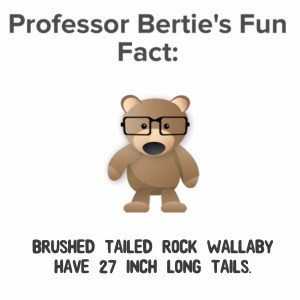
  • Those long tails help them balance on the rocky habitats.
  • They find shelter in caves or rocky crevices.

rock wallaby2

Rock wallaby’s are just the cutest! They are threatened due to habitat lose and the introduction of the non-native red fox. Ecosystems are very delicate and invasive species can quickly destroy it.

Categories: adventure, Animals, Children, conservation, education, endangered species, Environment, nature, science, Today's Post, wildlife | Tags: , , , , , , , , , , | 1 Comment

Gotta Have Heart

Gotta Have Heart

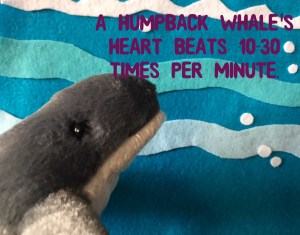
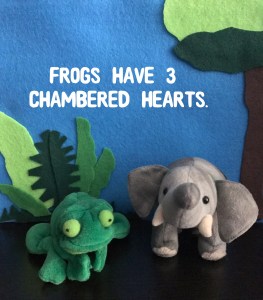
Since it’s Valentine’s Day, we thought we would share some fun facts about animal hearts!

img_2237


img_2238


img_2239


img_2241

img_2242


img_2236

img_2240


Categories: adventure, Animals, Children, conservation, education, Environment, nature, science, Today's Post, wildlife | Tags: , , , , , , , , | 2 Comments

Hello Antelope!

Hello Antelope!

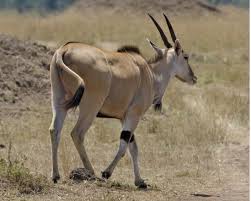
So nice to start off the week off enjoying the herds of animals on the plains! We took particular interest in the common eland. These large antelopes are graceful!

common-eland3

img_2208


Date: 2/13

Location: Serengeti

Common Eland Fun Facts:

  • The common eland is the second largest antelope in the world. The giant eland is the biggest.
  • Eland is Dutch for Elk.

img_2211

  • A male’s horns are thicker and shorter. They use their horns to compete for females during mating season.
  • Females use their horns for defense.
  • While they are not the fastest antelope, they can run long distances at slower speeds. They can also jump up to 8 ft.
  • Common elands are crepuscular.
  • They make a clicking sound when walking or running. This is unusual for antelopes.


common-eland2

common-eland


We loved watching these large and graceful animals. Often when you think of antelopes, you think of Thompson Gazelles. But these gentle giants and their tapping toes are super neat!

Categories: adventure, Animals, Children, conservation, education, Environment, mammals, nature, science, Today's Post, wildlife | Tags: , , , , , , , , , | 1 Comment

Spots! Spots Everywhere!

Spots! Spots Everywhere!

After spending our first night and day adjusting, we stayed up in to the wee hours of the night to go exploring for some spotted hyenas! These social mammals are mostly nocturnal, so it was best to try and spot them at night. One of our guides is even teaching us and Professor Rita, Swahili! She’ll be sharing some of the vocabulary with you each day!

img_1836

spotted-hyena2


Date: 2/2

Location: Serengeti plain

Spotted Hyena Fun Facts

  • Spotted hyenas are the largest species of hyena.
  • They live in large clans that are led by the dominant females. The females are larger then the males.
  • Their have very complex social structures that look more like that of primates then of any other carnivore.
  • Hyenas are intelligent and resourceful predators and scavengers.

img_1842

  • They can digest every part of prey- including skin and bone!
  • Hyena have stout forelimbs and shoulders. They can run for long distances without getting tired.
  • Their large strong heads can produce a bite more than 40% stronger than that of a leopard.
  • Hyenas are very vocal and use a rang of sounds, including the famous “laughing” sound. That “laugh” is a signal of agitation or aggression.

spotted-hyena

spotted-hyena3


These marvelous animals can out hunt lions and chase them away from a kill. They are one of the most successful predators in the Serengeti. They have earned a bad reputation over years- one that is not deserved. These intelligent amazing animals have much to teach us. Remember, even the predators of the plains deserve our love and respect (from a distance of course :)!


Categories: adventure, africa, Animals, Children, conservation, Environment, mammals, nature, science, Today's Post, wildlife | Tags: , , , , , , , , | 1 Comment

Blog at WordPress.com.