Posts Tagged With: environment

Fluffy White Owl

Fluffy White Owl

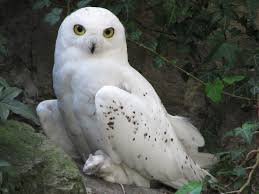
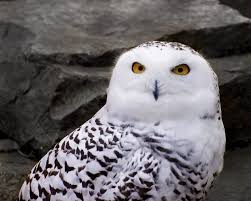
We started out our Arctic circle adventure looking for one of its most famous residents. We went out looking for the snowy owl. These large owls are known from the Harry Potter books. They are amazing and so cool to see!
snowy-owl3img_0676


ellie_edmund_professors-bfbooby


Date: 12/6

Location: Northern Canada- arctic circle

  • Snowy owls are covered in long white feathers. The feathers cover every part of them including their feet and beak.
  • They are most active at dusk and dawn, but are diurnal (active during the day) during the summer when there is little darkness.

img_0681

  • Females are larger than males and have molted or spotted brown colors on their feathers. This helps them blend in with the ground.
  • Snowy owls nest on the ground.
  • They have excellent hearing and eyesight.
  • Snowy owls mate for life and both the male and female take care of the chicks.
  • Snowy owls are ambush predators!

snowy-owl2 snowy-owl


After watching these amazing predators for several hours, we headed back to our cabin for the rest of the day to warm up. We had to rest up to meet tomorrow’s animal.
Categories: adventure, Animals, birds, Children, conservation, education, Environment, nature, science, Today's Post, wildlife | Tags: , , , , , , , , , | Leave a comment

Off to the Arctic

Off to the Arctic

e-e-arctic

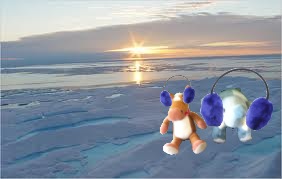
We had such a great time in the Pacific Northwest in November, but it’s off to the Arctic for December. The arctic is so iconic during this time of year, as it is the home of the big fat guy in the red suit- Santa! We thought it would be fun to meet the animals that call the Arctic home including; reindeer, owls, fox and marine mammals! We can hardly wait to meet these amazing creatures that have adapted to live in this cold weather climate.

We have packed a whole bunch of gear and we’ll be wearing our cold weather gear when we go on our adventures. Horses and elephants are built for these cold temps- but that’s the fun of going on adventures- surviving the habitat and weather!

Fun Arctic Facts:

  • The Arctic is the northern most habitat on our earth. The Arctic circle runs through Asia, Europe and North America.
  • The Arctic has one day of full night (during winter) and one day of full light (during summer).
  • The Arctic gets is name from the Greek word for bear- Arktos. This is from the constellations that are over the northern skies- Little Bear & Great Bear.
  • The Arctic ocean lies within the Arctic circle.
  • Much of the Arctic is the tundra, which has permanent frozen ground. Most plants that grow in the Arctic are small shrubs, moss and lichen.

Grab your cold weather gear and let’s get ready for a great adventure this month!

Categories: adventure, Animals, Children, conservation, education, Environment, nature, science, Today's Post, wildlife | Tags: , , , , , , , , | Leave a comment

Sooty Sooty

Sooty Sooty!

We spent our last day in the lovely temperate rainforest meeting the Sooty grouse! These funny birds were so fun and gregarious. We had never met a grouse- so it was exciting to meet this one!

sooty-grouse3img_0390


ellie_edmund_professors-bfbooby


Date: 11/30

Location: Temperate Rainforest

  • Sooty grouse spend most of their time foraging on the ground.
  • They will eat pine needles in trees during the winter.
  • They are closely related to dusky and blue grouse.
  • Males sing deep loud songs and strut with their tail feathers raised and their neck feathers puffed out!

img_0391

  • Females incubate the eggs and raise the chicks, who follow their mother around.
  • Chicks are full grown at 13 weeks.

sooty-grouse2sooty-grouse


We had fun watching these birds walking around and heading up into the trees to eat. We love their funny tail feathers. We think the grouse look like a peacock and a turkey had a baby! They are cute and funny looking at the same time!


Categories: adventure, Animals, birds, Children, conservation, education, Environment, nature, science, Today's Post, wildlife | Tags: , , , , , , , , , | Leave a comment

Hellooooo Big Amphibian!

Hellooooo Big Amphibian!

We went in search of the Coastal Giant Salamander today. It was such fun looking around the woods. We spotted all kinds of critters, insects and such too. We also saw fungus and other kinds of plants. There was so much to see, but the star of the show was the salamander.

cgsimg_0389


ellie_edmund_professors-chameleon(1)


Date: 11/29

Location: Pacific Northwest Temperate rainforest

  • Coastal giant salamanders has four toes on the front feet and five toes on the back feet.
  • They dig small burrows during the rainy season.
  • Coastal giant salamanders are known to eat small rodents.
  • Coastal giant salamanders are vocal. They can bark and growl.
  • They live in streams while they are still larva.
img_0392

  • Adults have a marbled coloration.
  • Some adults live their whole lives in water and keep their external gills.

cgs2

Salamanders are amazing creatures. It fascinates us that not all of them live on land as adults. There are so many wonders in nature! We just love each and every one of them.

Categories: adventure, amphibians, Animals, Children, conservation, education, Environment, nature, science, Today's Post, wildlife | Tags: , , , , , , , , , | Leave a comment

We Love Muskrats!

We Love Muskrats!

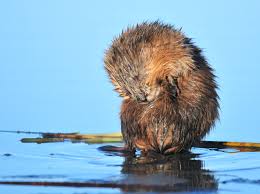
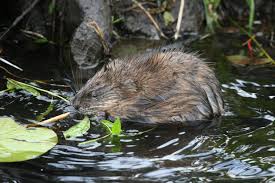
We are enjoying are last few days here in the Pacific Northwest after the holiday. We set up a new camp in order to locate the last few animals that we wanted to meet. It has gotten chilly up here, so it’s nice to a cabin at our new spot. We headed out to the local lake to see if we could spot the animal called the muskrat! We were so excited when we spotted one!

muskrat3img_0388

ellie_edmund_professors-bear

  • Muskrats are rodents, that are closely related to voles and lemmings.
  • They give off a musky odor to mark their territorial.
  • Muskrats have flat tails to help them swim. They leave a distinctive trail when they walk on land.
  • Their tails are covered in scales not fur.

img_0393

  • They close their ears while swimming.
  • Muskrats live in small family groups.
  • They are crepuscular or nocturnal.
  • Sometimes they build dome shaped lodges out of sticks, similar to beavers.

muskrat2muskrat


We had a nice time watching these rodents. One could mistake them for beavers, but they are much smaller. Their dens are different, as they are just plants, where as beavers use sticks and tree stumps. Muskrat is super fun to say too!

Categories: adventure, Animals, Children, conservation, education, Environment, mammals, nature, science, Today's Post, wildlife | Tags: , , , , , , , , | 1 Comment

Grateful for Nature

Grateful for Nature

img_1539

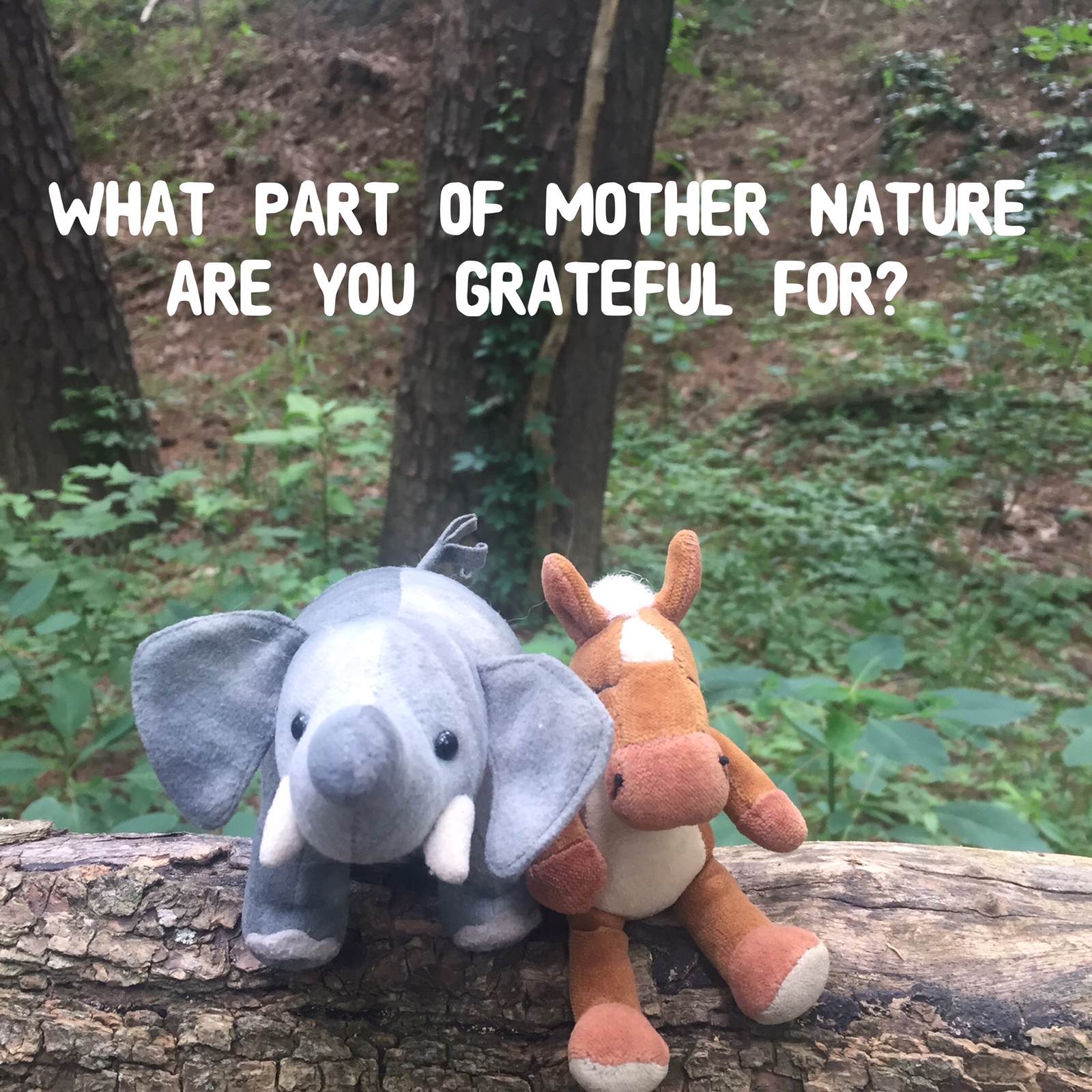
Thanksgiving is this week here at HQs and we have decided to use this week to talk about what we are grateful for- in nature! If we love this earth and all its animal inhabitants, then we can use that passion to help protect it! We asked all our fans and friends on social media what part of nature are they grateful for and here are there answers:

img_0408

Daphne: Sunshine

Katy: Autumn

Traveling Mocha: Bananas

Mr Bear: Bears

Tourguide Ted: bees

Muckle & Peedie:

The magic, wonder, beauty, power, mystery, peacefulness, inspiration, hope. Nature nourishes my heart & soul.

Milos Parrots: All of it

Sears Bear: Food, winter cave & hibernation

Shy Bun: the sun! A sunny day and sun puddles make this family smile!

Teresa: Green- trees, leaves, grass, plants- love them all.

April: her ability to change seasons and remain beautiful.

Hiking Diva: Sunrises -Sunsets- Waterfalls- Vistas- Critters- Paw prints- Solitude- Color- Geology- Serenity

These were some great reasons to be grateful for nature! Can you think of what you are grateful for in nature? We are grateful for large habitats for animals to call home. We are grateful for all the humans who help protect those homes and the animals that live here!

Categories: adventure, Animals, Children, conservation, education, Environment, nature, science, Today's Post, wildlife | Tags: , , , , , , , , | Leave a comment

We Spot a Spotted Owl

We Spot a Spotted Owl

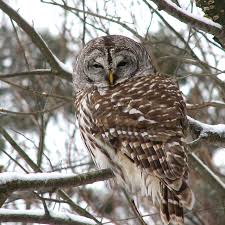
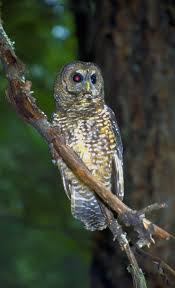
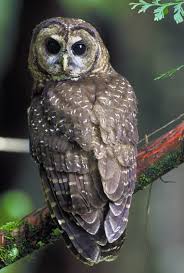
After spending the day watching Clark’s Nutcrackers, we took a nap and had dinner by the fire. We wanted to stay up to find another bird. These raptors were are threatened by habitat loss, so we were very lucky to find them in the dark of night.

spotted3img_0310


ellie_edmund_professors-bfbooby


Date: 11/17

Location: Temperate Rainforest

  • Spotted owls are rather large.
  • They are known to eat flying squirrels and bats in flight!
  • Spotted owls have dark colored eyes, as opposed to yellow or orange like most owls.
  • Spotted owls prefer old growth forests.

img_0311

  • Like other raptors, the females are larger than the males.
  • They do mate for life.

spotted2spotted


We loved spotting these rare birds. The three subspecies are scattered and with their forest disappearing it is making harder to for them to survive. We can all help,  by using less paper and recycling as  much paper as you can! Every little bit helps!


Categories: adventure, Animals, birds, Children, conservation, education, Environment, nature, science, Today's Post, wildlife | Tags: , , , , , , , , , , | 1 Comment

A Bird Named Clark

A Bird Named Clark

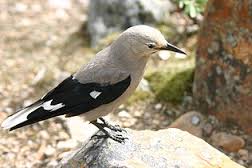
We spent today bird watching again. We wanted to find a really interesting bird that is known for its amazing memory! So off we went with our binoculars in search of the Clark’s Nutcracker!

clarksimg_0308


ellie_edmund_professors-bfbooby


Date: 11/16

Location: Temperate Rainforest

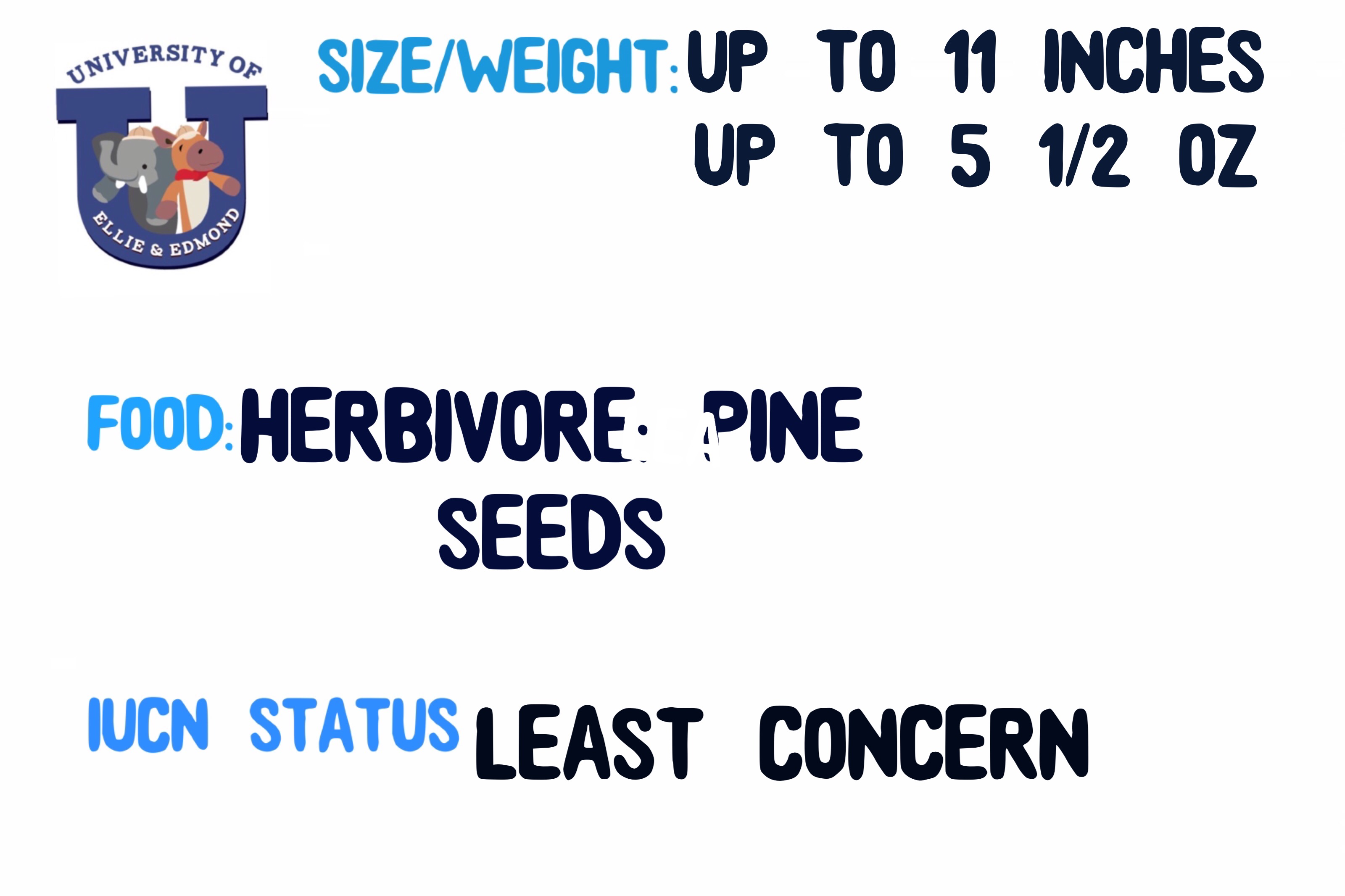
  • Clark’s nutcrackers have long shark beaks for extracting pine seeds from cones.
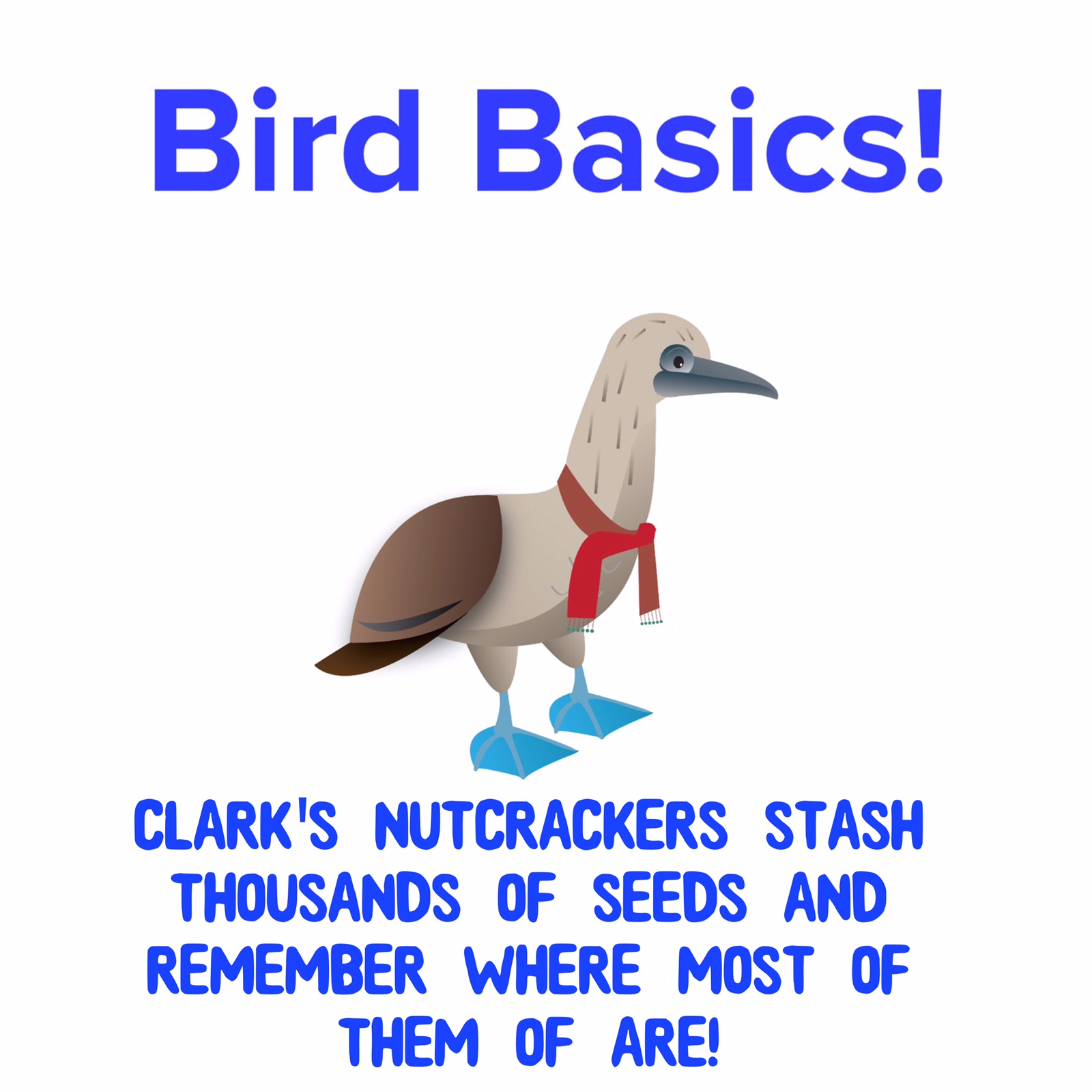
  • They store these seeds for the winter.

img_0309


  • Scientists say Clark’s nutcrackers make a spacial map in their brain and that is how they remember where their food caches are!
  • Unlike other birds, Clark’s nutcrackers are active during winter and often may have chicks in January or February.
  • These amazing birds do forget seeds over the season and in turn plant pine trees all over the forest.
  • Clark’s nutcrackers are members of the corvid family (crows and jays).
  • These great little birds were discovered by William Clark on his expedition west with Meriwether Lewis!
  • They do stay in monogamous pairs. Both female and males incubate the eggs.

clarks3clarks2


We had so much fun watching these gregarious birds in the forest! We are so fascinated by their cache behavior. Their memory is crazy. Scientist have studied these little birds to learn about how intelligent they really are. Edmond swears they keep little maps with X marks to keep up with all of those seeds!

Categories: adventure, Animals, birds, Children, conservation, education, Environment, nature, science, Today's Post, wildlife | Tags: , , , , , , , , , | Leave a comment

Another Newt

Another Newt

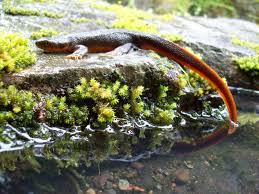
We headed back to our main camp by the rainforest to find a very small animal compared to large bears we meet yesterday! We discovered this little amphibian under some rocks and leaves. We did the happy  dance when we met the rough skinned newt!

rough-skinned-newt3img_0305


ellie_edmund_professors-chameleon(1)


Date: 11/14

Location: Temperate Rainforest


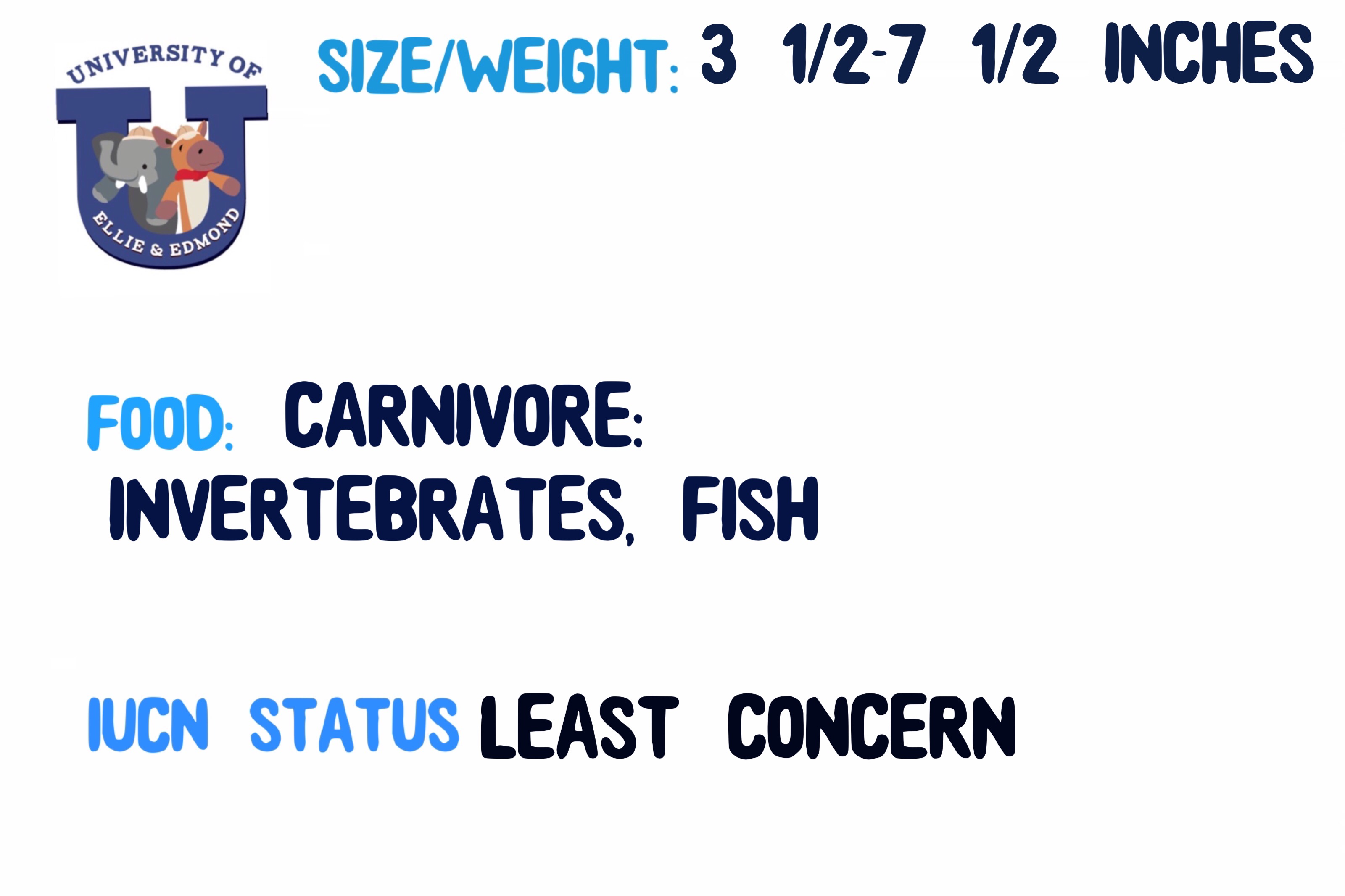
  • Rough skinned newts have rough, bumpy skin as implied by their name.
  • They are brownish-black in color with yellow to orange bellies.
  • Rough skinned newts feed at night.

img_0306

  • Rough skinned newts toxin is similar to the toxin that puffer fish produce.
  • They can live as long as 12 years!
  • The common garter snake is the rough skinned newt’s only predator. The snakes have developed immunity to their toxin.

rough-skinned-newt2rough-skinned-newt

These toxic little amphibians are definitely cute! We had fun looking for them in the rainforest! Of course, it was a look don’t touch expedition for sure though!


Categories: adventure, amphibians, Animals, Children, conservation, education, Environment, nature, science, Today's Post, wildlife | Tags: , , , , , , , , , | Leave a comment

Brown Bear Brown Bear

Brown Bear Brown Bear

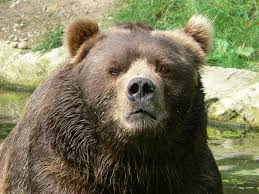
We headed up to Alaska to meet one special resident- the Kodiak Bear. They are a subspecies of the brown bear and they are only found on the islands west of Alaska! We had to bundle up to watch these bears as they get ready for winter! But, wow- what a day watching these massive creatures!

kodiakimg_02531


ellie_edmund_professors-bear


Date: 11/14/16

Location: Kodiak Islands, Alaska

  • The Kodiak bears are the largest subspecies of brown bears.

img_02541

  • Kodiak bears colors vary from light blond to orange to brown.
  • Kodiak bears are mostly diurnal.
  • You can find them together more than their cousin the grizzly bear.
  • Kodiak bears have been on the islands for around 12,000 years.
  • Kodiak bears are considered to be very intelligent.

kodiak3kodiak2


We had a fabulous day observing these magnificent bears! And  man are they huge! We were glad to have a guide show us the bears. It is crucial that humans (and horses & elephants) do not interfere with the bears. There are few reports of bears attacking humans, but making sure they don’t get used to humans and more importantly their food, makes it safe for bears and people alike!

Categories: adventure, Animals, Children, conservation, education, Environment, mammals, nature, science, Today's Post, wildlife | Tags: , , , , , , , , , | Leave a comment

Blog at WordPress.com.