Posts Tagged With: fish

Blind in the Cave

Blind in the Cave

7746A4E3-6E79-4777-9715-1E2AEF979E74

We are enjoying spelunking with the campers this week! Deep in the cave there is a lake, it is part of the same system of water that makes up Lake Salamander! It is in the cave lake we can find some of the most interesting and alien like animals on the earth! Make sure you have on your head lamps campers!

blind cave fish

Blind Cave Fish Fun Facts:

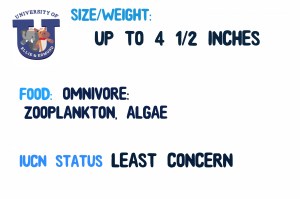
  • These little fish only get up to 4 1/2 inches long.
  • Blind cave fish have lost their ability to see and some of have even lost their eyeballs. Crazy right!?
  • They use their lateral lines along their bodies to get around. Those lateral lines detect different kinds of pressure.
  • They eat bat droppings.
  • Scientists think the fish lost their eyesight to reduce energy use!


blind cave fish2

These little fish were such a fun find! Woohoo! Camp is just the best!
Categories: adventure, Animals, camp, Children, conservation, education, Environment, fish, nature, science, Today's Post, wildlife | Tags: , , , , , , , , , | 1 Comment

Barracuda!

Barracuda!

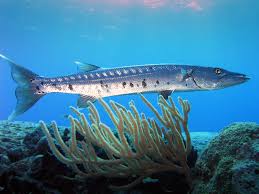
We had a blast snorkeling the next day after our night drive. We saw one of the coolest fish in all of the oceans- the barracuda! They even have their own song! We bet you don’t much about these long predators. Well it’s time to change that!

barracuda2

IMG_4298


Date: 5/22

Location: Raja Ampat Islands

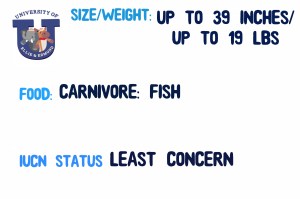
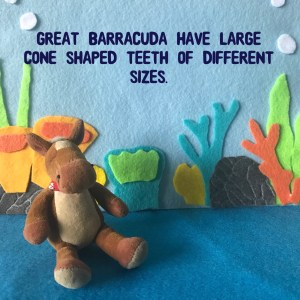
Barracuda Fun Facts:

  • Barracuda have underbites- hehehe!
  • They have large powerful jaws.

FullSizeRender

  • They are known to hunt in groups and gather a school of fish in a area to guard them when they are hungry.
  • Barracuda have a reputation for being aggressive to divers, but that reputation in unwarranted.
  • It is not a good idea to go spear fishing around barracuda though, as they make away with your meal.
  • They have few natural predators.

barracuda3

barracuda


It is always fun to spot some barracuda! We like to wave and swim the in the other direction. They may not be aggressive, but those teeth don’t say let’s be friends.

Categories: adventure, Animals, Children, conservation, education, Environment, fish, nature, oceans, science, Today's Post, wildlife | Tags: , , , , , , , , , , | 1 Comment

Firefish!

Firefish!

We saw of the most amazing fish on our night dive trip today! The one we are meeting toady was so crazy looking and a bit scary! You think sharks are scary? Wait to til you meet a venomous fish!

firefish

IMG_4238


Date: 5/18

Location: Raja Ampat Islands

Blackfoot Firefish Fun Facts:

  • Blackfoot firefish are members of the scorpionfish family. Other members include the famous lionfish.
  • They use their flashy fins and spines to ward away predators.
  • They also use those fins to corner prey.
  • Blackfoot firefish are mostly nocturnal.
  • They are know to bury themselves in the the sand to ambush predators.
  • Their spines are venomous.


We were surprised to see one of these amazing fish! We have spotted lionfish before, but not this species! Believe us, this is one fish you want to spot from a good distance! And don’t touch those spines!

Categories: adventure, Animals, Children, conservation, education, Environment, fish, nature, oceans, science, Today's Post, wildlife | Tags: , , , , , , , , , | 1 Comment

The Clowns of the Ocean!

The Clowns of the Oceans!

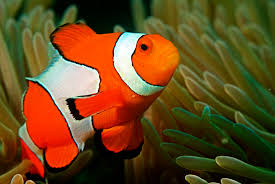
While snorkeling we also encountered one of the reef’s most iconic residents- the clown anemonefish! These brightly colored fish became famous after a certain movie. Well we’re going to teach you some cool clown fish facts!

clown

IMG_3988


Date: 5/4

Location: Raja Ampat Islands

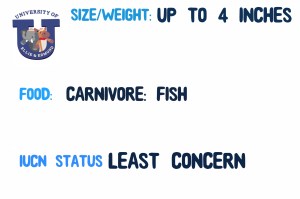
Clown Anemonefish Fun Facts:

  • Clown anemonefish are one of many species of anemonefish.
  • They have a three white and black stripes on their orange bodies.
  • Clown anemonefish have a layer of mucus that protects them from their anemone and its stinging cells.
  • The fish and the anemone share a symbiotic relationship (where both animals benefit). The anemone gets food and some protection from the fish and vice/versa.
  • Clown anemonefish live in small groups with a dominate female.

IMG_3990

  • Clown anemonefish spawn during the fool moon.
  • The males defend the eggs.

clown2

clown3


The relationship that clown anemonefish have with their anemones are so cool. There are many symbiotic relationships found in nature! Elephants have birds that bugs and parasites of them! Pretty neat right?


Categories: adventure, Animals, Children, conservation, education, Environment, fish, nature, oceans, science, Today's Post, wildlife | Tags: , , , , , , , , , , , | 1 Comment

Sharky Shark Shark

Sharky Shark Shark

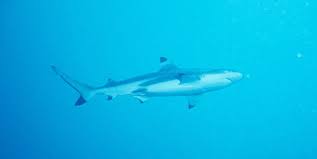
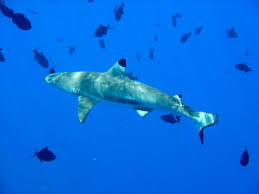
We strapped on our snorkel equipment to go exploring! We spotted so many fish, but we were most excited to see the black tip reef shark! These sleek predators are common inhabitants of the reef!

reef shark3

IMG_3999


Date: 5/3

Location: Raja Ampat Islands

Black Tip Reef Shark Fun Facts:

  • Blacktip Reef Sharks are the most common shark in coral reefs of the Pacific Ocean.
  • Blacktip reef sharks have streamlined bodies with black color on the tips of their fins.
  • They are powerful are strong and quick swimmers.

FullSizeRender

  • Blacktip reef sharks must swim to breath. The motion moves the water over their gills that extract oxygen from the water.
  • They can be curious of divers.

reef shark2

reef shark


Blacktip reef sharks are fast! They are very important in their coral reef habitats, because they’re apex predators (top of the food chain). Blacktip reef sharks look so sleek and smooth! Do you think they feel that way? Nope- they feel like sandpaper! Neat, huh?
Categories: adventure, Animals, Children, conservation, education, endangered species, Environment, fish, nature, oceans, science, Today's Post, wildlife | Tags: , , , , , , , , , , , | 1 Comment

It’s a Ray! It’s a Bat Ray!

It’s a Ray! It’s a Bat Ray!

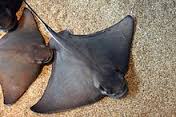
We wrapped up our last day on the west coast diving and we found this amazing ray. Rays are such graceful and neat fish and we were super excited to meet the bat ray!

img_1692

bat-ray


Date: 1/26

Location: Kelp forest

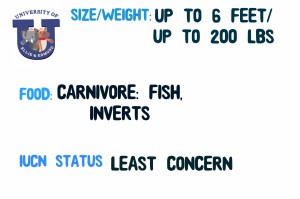
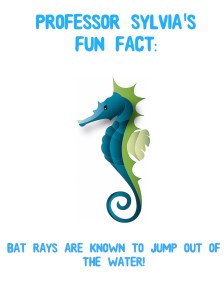
Bat Ray Fun Facts:

  • Bat rays belong in the eagle ray family.
  • They use their pectoral fins to swim and to stir-up sand and reveal prey.
  • When these rays “dig” out holes from the sand, they leave holes that other fish, like the horn shark use to hide in.
  • Bat rays have strong crushing plates that they use to crush hard shells.

img_1694

  • Bat rays give live birth. The pups have the venomous spine, but it is soft and covered in a sheath to protect the mother.
  • Bat rays have spiracles that move water over their gills when they are resting on the ocean floor.
  • Bat rays are mostly solitary.

bat-ray2

Wow! We so enjoyed watching the rays swim so gracefully in the waters just off the coast! We couldn’t have picked a better last day! We did miss many animals though; that just means we’ll have to come back! For now, we’ll head back to our HQs at the University and get our things back for the Serengeti! That’s right, we’re going to Africa and back to Ellie’s home! We are so excited!!!

Categories: adventure, Animals, Children, conservation, Environment, fish, nature, science, Today's Post, Uncategorized | Tags: , , , , , , , , , , | 1 Comment

It’s An Orange Fish

It’s An Orange Fish

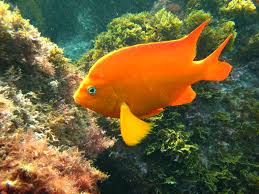
On our first dive yesterday, one of the most striking fish we saw was the Garibaldi fish. These orange fish get their name from a famous Italian politician who often work bright orange/red. Mother nature gave this fish their color and thank goodness it did!

garibaldi3

img_15751


Date: 1/19

Location: Kelp forest

Garibaldi fish fun facts:

  • Garibaldi are members of the damselfish family.
  • They are the largest member of the damselfish family.
  • Garibaldi are very territorial.
  • Males will aggressively defend eggs while they are incubating. They are even known to bite divers who get to close.
  • When they charge, they make a grunting noise as a warning.

img_15761

  • Garibaldi are the state marine fish of California.
  • Females choose their mates by how much they like the nest a male has. Females can check out over a dozen nests before choosing the right one.
  • They often choose a nest that has other females’ eggs in it. This means the male defends the nest well.

garibaldi2

garibaldi

It’s amazing how nature works. Who knew that female Garibaldi were so picky. But who can blame them, when there are many predators in the sea who find your eggs to be so tasty.

Categories: adventure, Animals, Children, conservation, education, Environment, nature, oceans, science, Today's Post, wildlife | Tags: , , , , , , , , , | 1 Comment

A Fish with a Bite!

A Fish with a Bite!

img_2322red-pirahna3


ellie_edmund_professors-seahorse(1)


Date: 9/26

Location: Amazon River

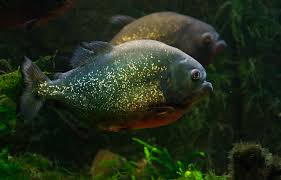
  • Red Bellied Piranha  are also known as red piranha.
  • They live in shallow waters of the Amazon river.
  • Red bellied piranha have a mouth full of triangular sharp teeth.
  • They can bite with enormous force.
  • Red bellied piranha rarely feed in groups. Feeding frenzies are rare.
  • If a feeding frenzy does take place, it happens when the fish are starving.
  • Attacks on humans are rare.
  • Red piranha make sounds using muscles associated with their swim bladder.

img_2329

  • They use these sounds to communicate with each other.

red-pirahna2red-pirahna

Piranha have such a bad reputation, but that is mostly a myth. They are mostly solitary and they even eat nuts and seeds! We learned quiet a bit about these misunderstood fish on our boat trip today. Tomorrow we head up in to the cloud forest to meet a tiny amphibian.

Categories: adventure, Animals, Children, conservation, education, Environment, fish, nature, science, Today's Post, wildlife | Tags: , , , , , , , , , | Leave a comment

ONE BIG FISH!

ONE BIG FISH!

img_2134 arapiama3


ellie_edmund_professors-seahorse(1)


We had to head back to the University for a few days last week to honor one of our dear students who we lost. We’re back in the Amazon Rainforest today to meet a large fresh water fish- the arapaima.

arapiama

Date: 9/19

Location: Amazon Rainforest

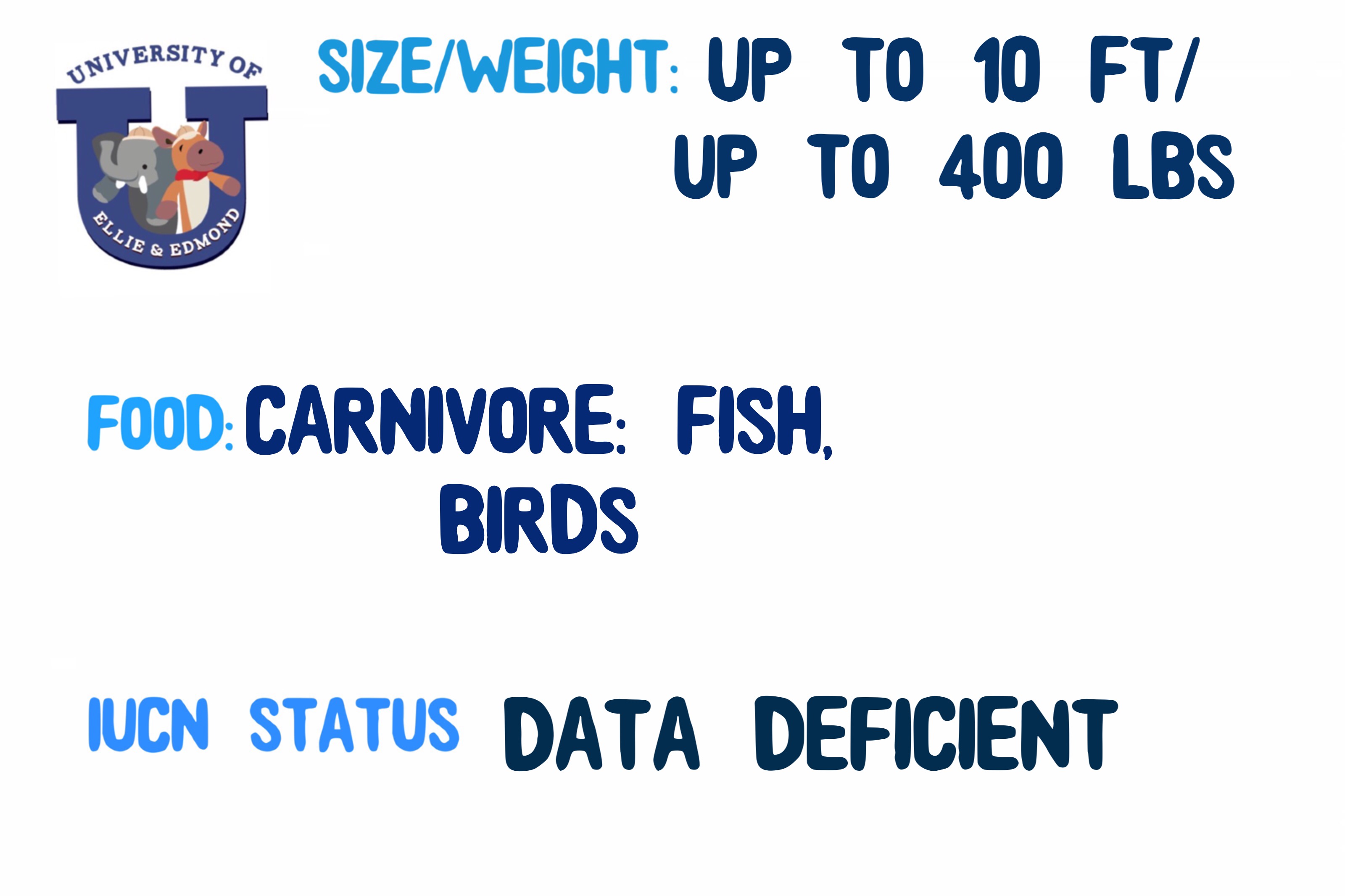
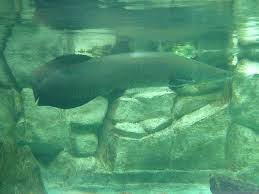
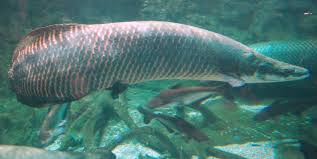
Arapaima Facts:

  • Arapaima have long torpedo shaped bodies.
  • Arapaima scales are hard, heavy and are covered in minerals. These help protect them.
  • They are the largest fresh water fish on earth.

img_2136

  • They do have gills, but use a specialized organ to breathe air from the surface too.
  • They come to the surface every 5 to 15 minutes to breathe.
  • Male arapaima protect the babies in their mouths until they are big enough to protect themselves.
  • Arapaima have bony tongues.
  • While they are listed as data deficient by the IUCN, they are listed as endangered by CITES and are protected from over fishing.

img_2135arapiama2


Arapaima are amazingly cool fish! Did you know there were fish that breathed air too? Isn’t that neat? It’s a great adaptation to have when you live in water that may not be very oxygen rich. We’re off to meet some new friends tomorrow!

Categories: adventure, Animals, Children, conservation, education, Environment, fish, nature, science, Today's Post, wildlife | Tags: , , , , , , , , , | Leave a comment

WE SPY!!

WE SPY!!

FullSizeRender

We’re back with an all new we spy! Today’s clue will be given by Sylvia the Seahorse! Get those thinking caps on and tell us who we spy!

we spy

IMG_9982

Categories: adventure, Animals, Children, conservation, education, Environment, nature, science, wildlife | Tags: , , , , , , , , , , | Leave a comment

Blog at WordPress.com.