Posts Tagged With: mammals

BEAR WEEK DAY #1

BEAR WEEK!

It is March’s theme week and we’re spotlighting one of our favorite animals- Bears! We’ll be meeting several of the 8 species of bears, making a bear craft and we’ll have guess the bear! Whew! Are you ready to start this unbearleavablely exciting week? Well then, let’s head out to the Appalachian Mountains of North America to meet..

e e mountains

MEET THE BLACK BEAR!

black bear Range/Habitat: North America-Mexico/ forests, mountains

Diet: Omnivore: berries, grubs, nuts, insects

Length/Weight: 4 ¼-6 ¼ ft/ 120-600 lbs

Conservation Status: common


Fun Facts:

  • Black bears are excellent climbers.
  • They have long claws to help them dig for food and for climbing.
  • They have prehensile lips. Those lips help them grab small food items.
  • Black bears sleep through the winter in the northern ranges. They do not hibernate.
  • Black bear mothers are extremely protective of their cubs.
  • The cubs stay with their mothers for about two years.

Black bears are agile and cute. They are also smart and are known to get in human food and trash. It’s important for people to keep their trash in containers that are bear proof!


black bear2 black bear3


Categories: adventure, Animals, bears, Children, conservation, education, Environment, mammals, nature, science, wildlife | Tags: , , , , , , , , , , | 3 Comments

MAMMAL MONDAY # 63

MAMMAL MONDAY # 63

We’ve backed our bags and are going to Europe to find a member of the flying mammal club! And since there’s only one member of this club, it’s obvious we are going to meet a bat! Grab those night vision goggles and let’s head off on today’s adventure.

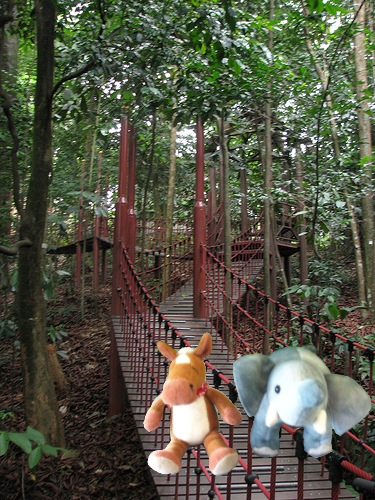
e & e night rainforest

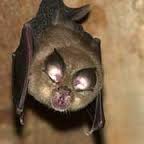
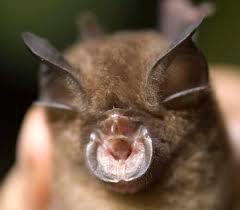
MEET THE LESSER HORSESHOE BAT!

lesser horseshoe bat   Range/Habitat: Europe-North Africa-W. Asia/ scrub-woods

   Diet: Insectivore: insects

   Length/Weight: 1 ½”/ 3/8 oz

   Conservation Status: common


Fun Facts:

  • Lesser Horseshoe bats are one of the smallest bats in the world.
  • They have a horseshoe shaped nose.
  • Lesser horseshoe bats live in colonies.
  • Lesser horseshoe bats are smaller than a human thumb.
  • They hibernate underground in the winter.
  • Lesser horseshoe bats usually fly close to the ground.

These tiny little flying mammals are ugly and cute and the same time. Bats come in all shapes and sizes and they are all beneficial! Bats rock!

lesser horseshoe bat2   lesser horseshoe bat3

Categories: adventure, Animals, bats, Children, conservation, education, Environment, mammals, nature, science, wildlife | Tags: , , , , , , , , , , | 1 Comment

MAMMAL MONDAY # 61

MAMMAL MONDAY # 62

We’re jetting off to Southeast Asia on this Mammal Monday to meet one high flying mammal! Keep your eyes and ears pealed because these apes like to sing! Are you ready?

e & e rainforest2

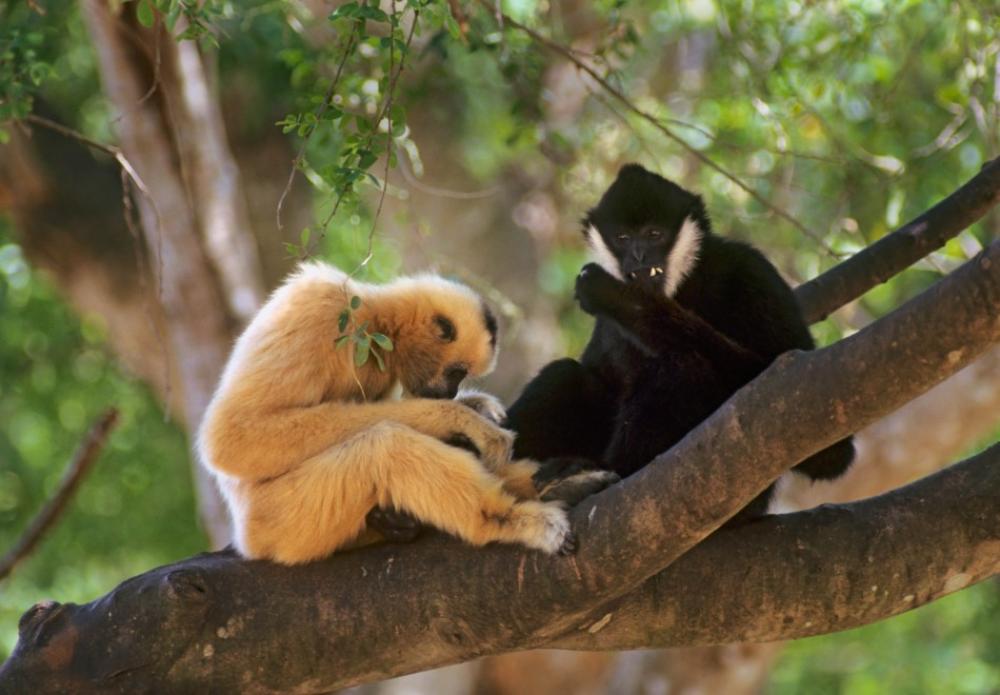
MEET THE BLACK CRESTED GIBBON!

crested gibbon2   Range/Habitat: Southeast Asia/ rainforest-mountains

   Diet: Herbivore: fruit, leaves, shoots

   Length/Weight: 18-25”/10-20 lbs

   Conservation Status: critically endangered


Fun Facts:

  • Black crested gibbons are arboreal (spend most of their time in trees).
  • They have long arms to help them swing through the trees.
  • Black crested gibbons live in small family groups.
  • Male black crested gibbons are black with white cheeks and females are tan with black crests on their heads.
  • Black crested gibbons produce songs, as pairs and as individuals.
  • They are lesser apes.

Black crested gibbons are so gorgeous. Do you know what makes them apes and not monkeys? One key feature is that they do not have tails! Neat!

crested gibboncrested gibbon3


Categories: adventure, Animals, apes, Children, conservation, education, Environment, mammals, nature, rainforests, science, wildlife | Tags: , , , , , , , , , | 2 Comments

WE MEET SOME EXTREME MAMMALS!!

We Meet Some Extreme Mammals!

IMG_0105

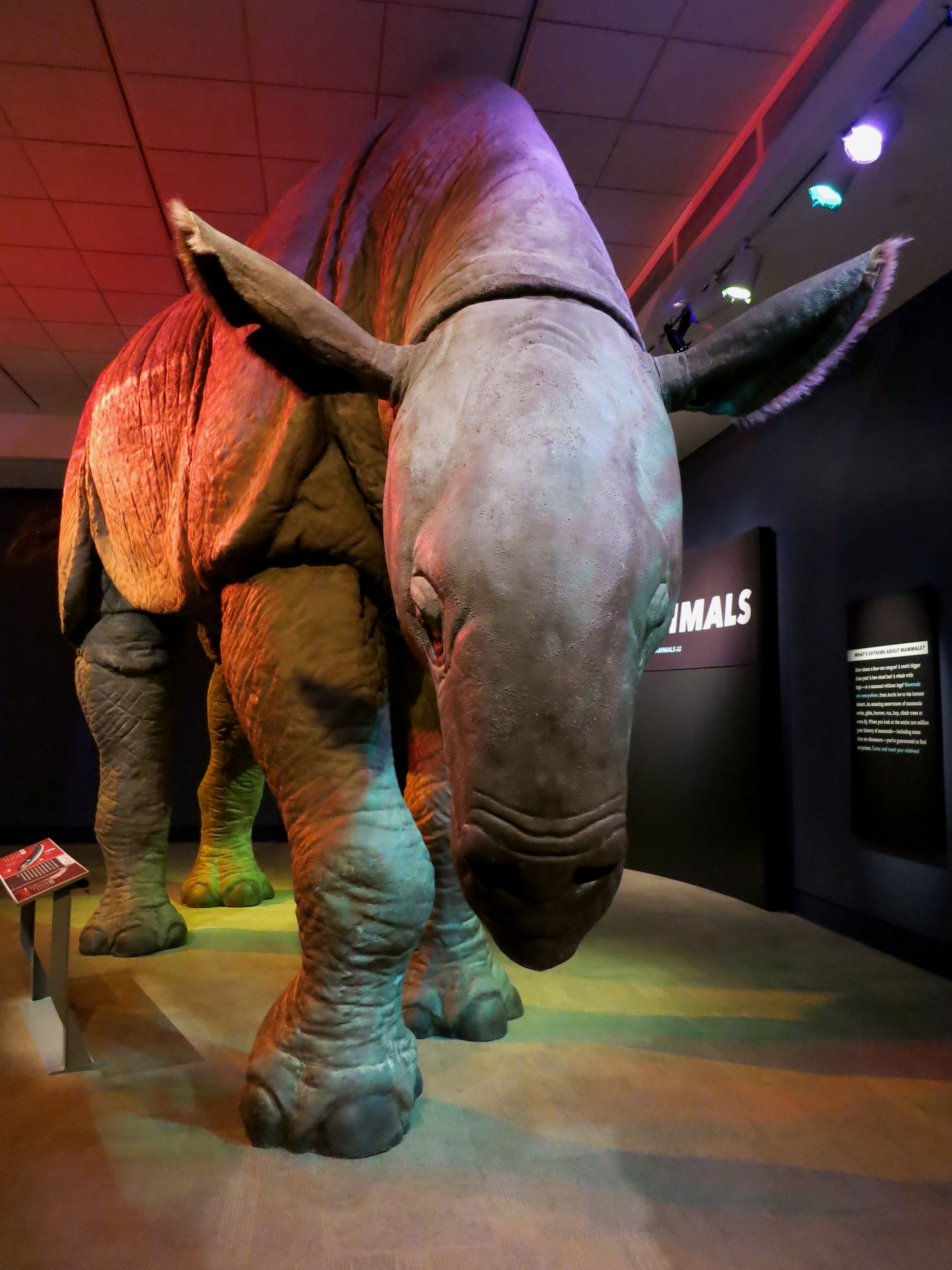
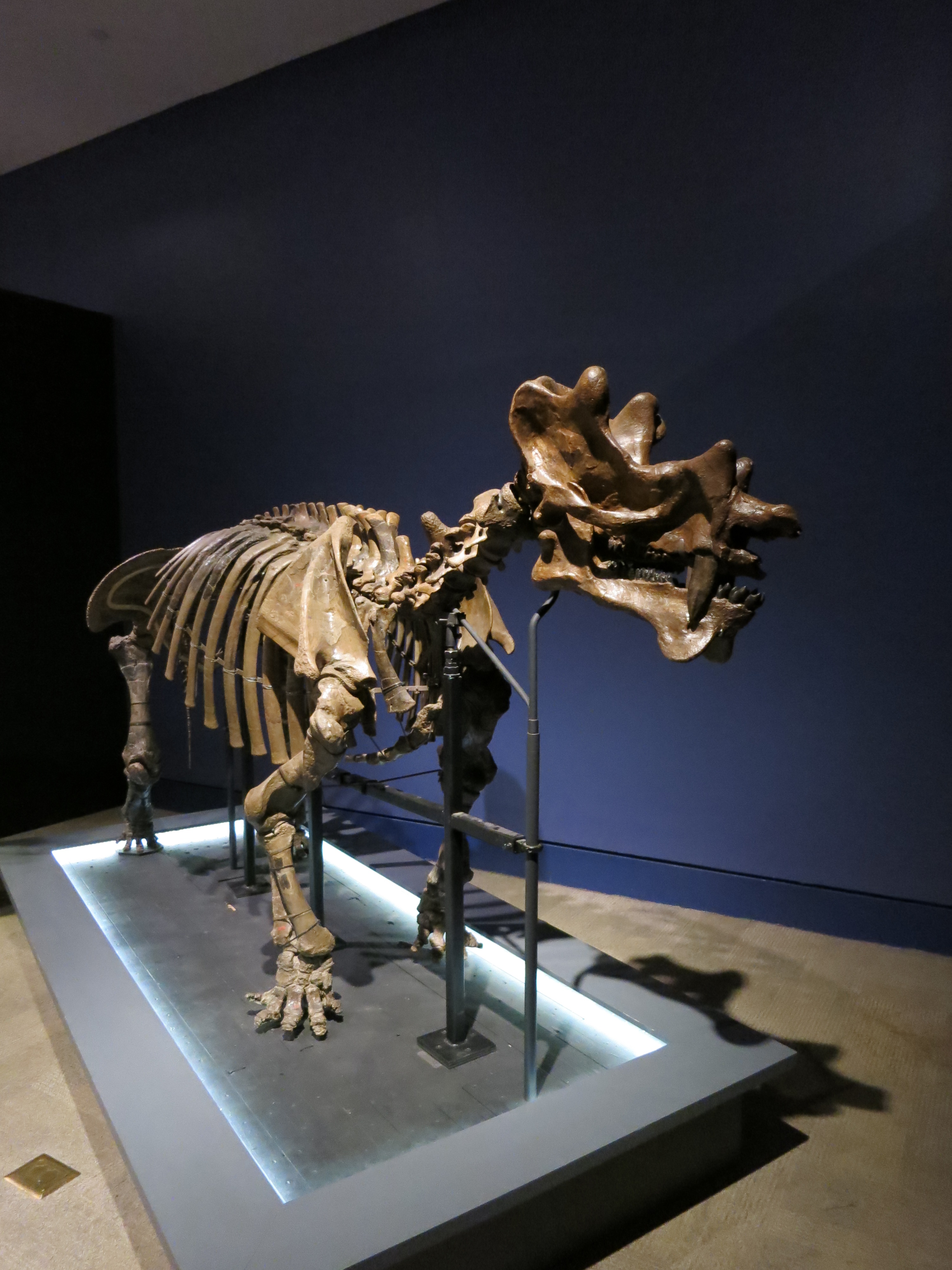
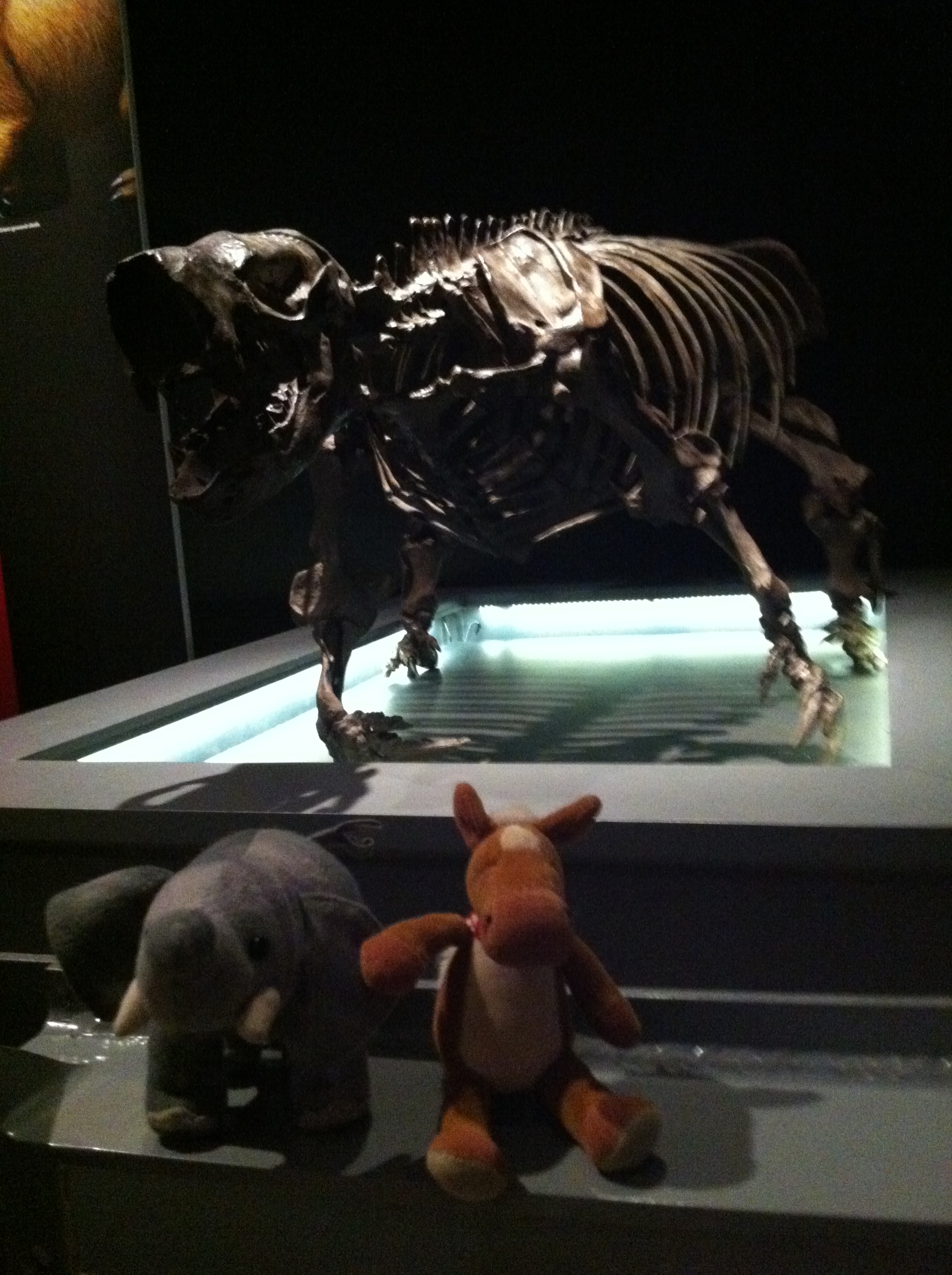
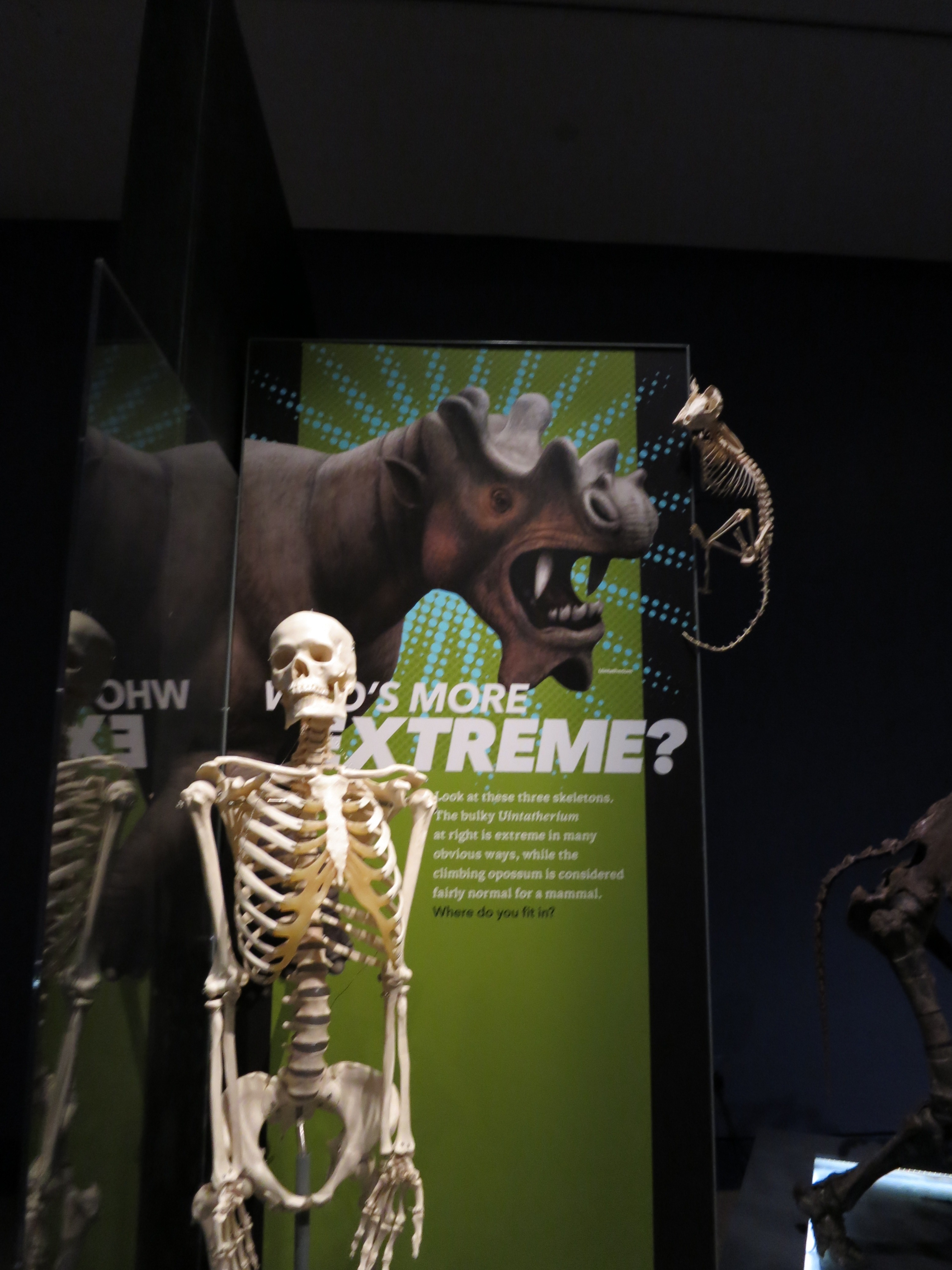
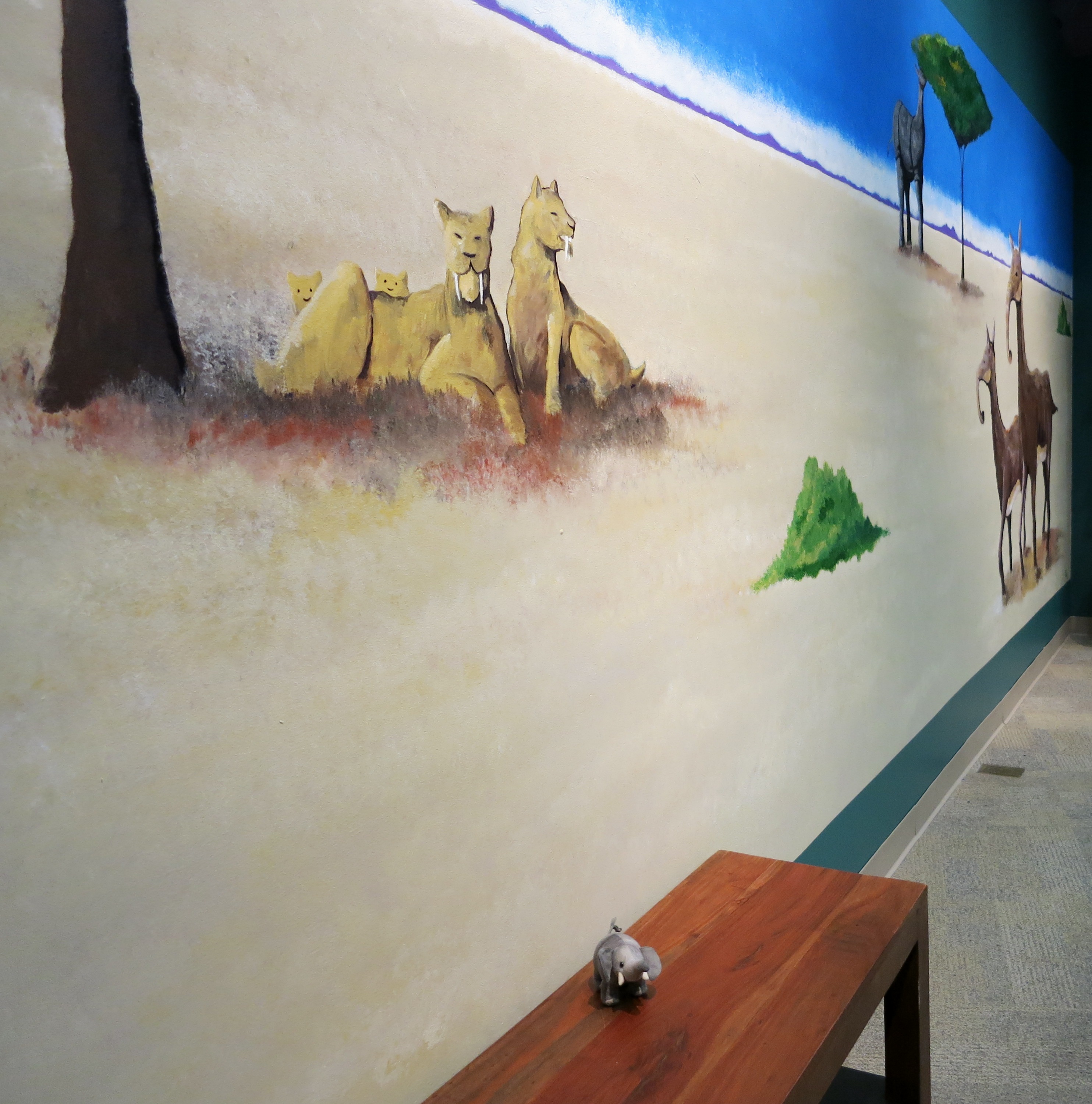
We caught a preview of the new exhibit at Fernbank Museum of Natural History – EXTREME MAMMALS! This awesome exhibit goes through the evolution of how mammals came to be! We are one diverse group, we come in all sizes, shapes, coverings and live in all kinds of habitats! We make up one special class, so we’re giving out class superlatives to take you through this amazing exhibit!

Let’s Meet the Ellie and Edmond Extreme Mammal Class Superlatives!

"The

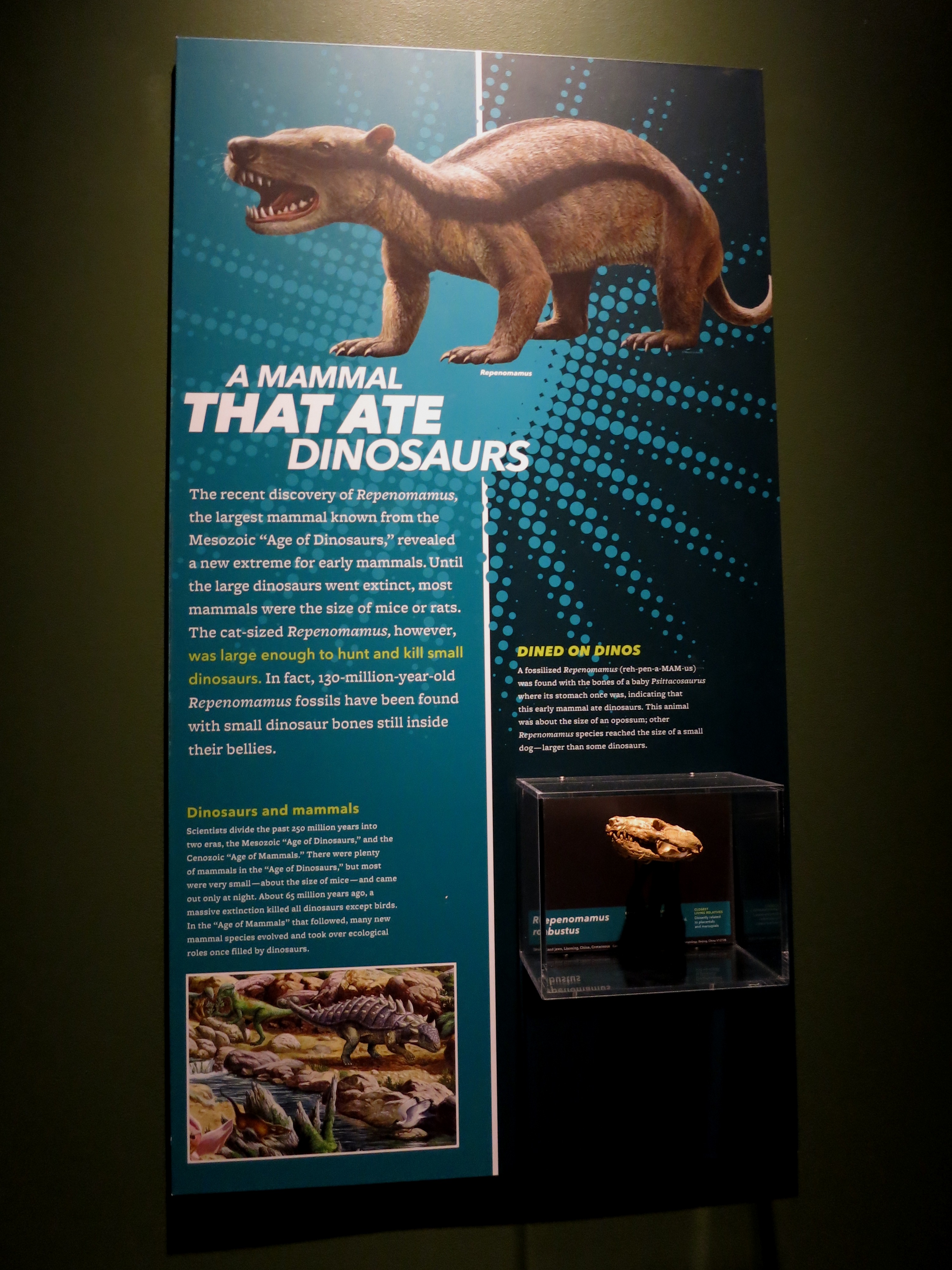
Most Likely to a Dinosaur!!

The Repenomamus!
Most Likely to eat a Dinosaur!!

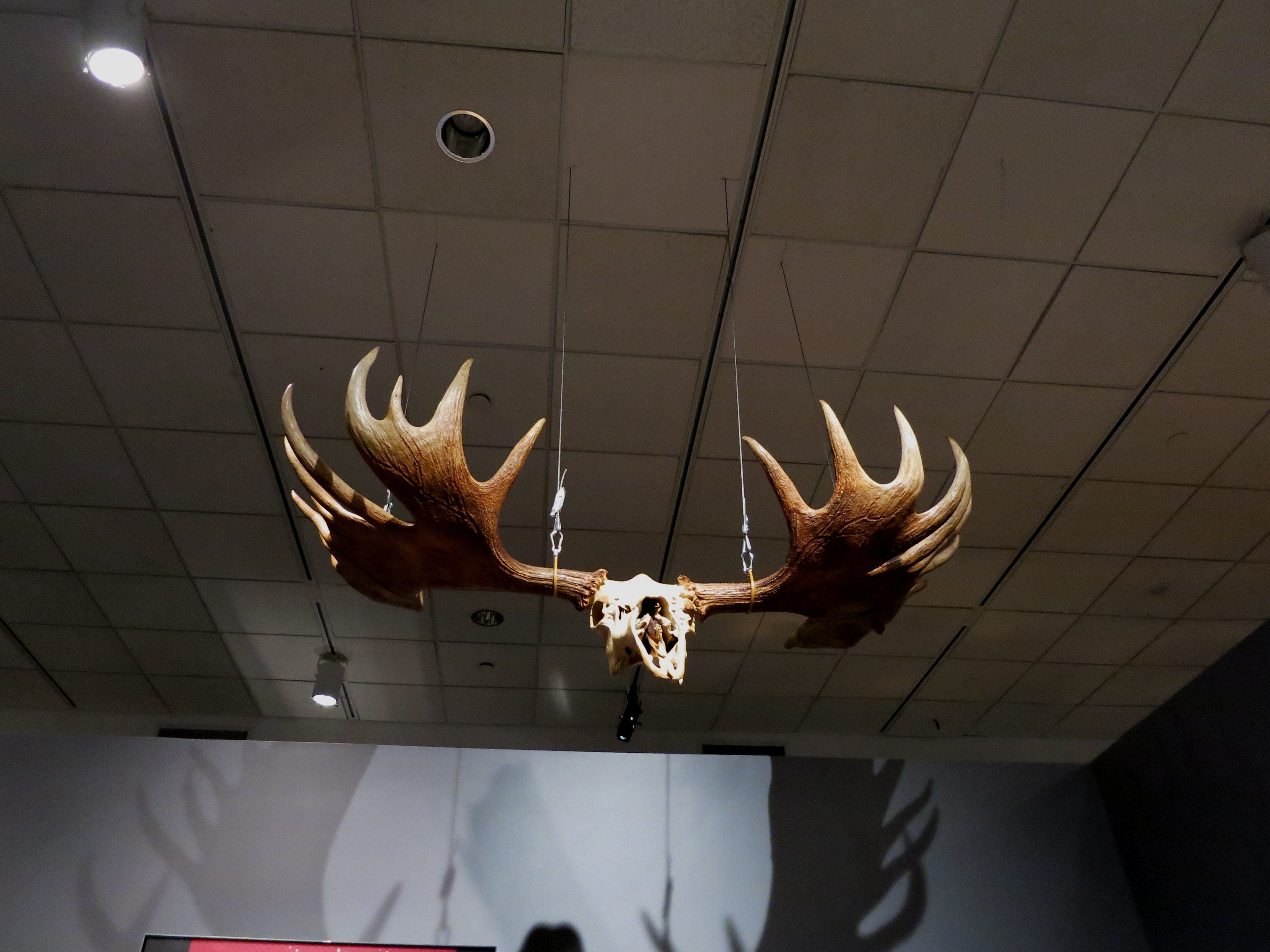
Best Antlers Goes to our pals the modern day moose!

Best Antlers Goes to our pals the modern day moose!

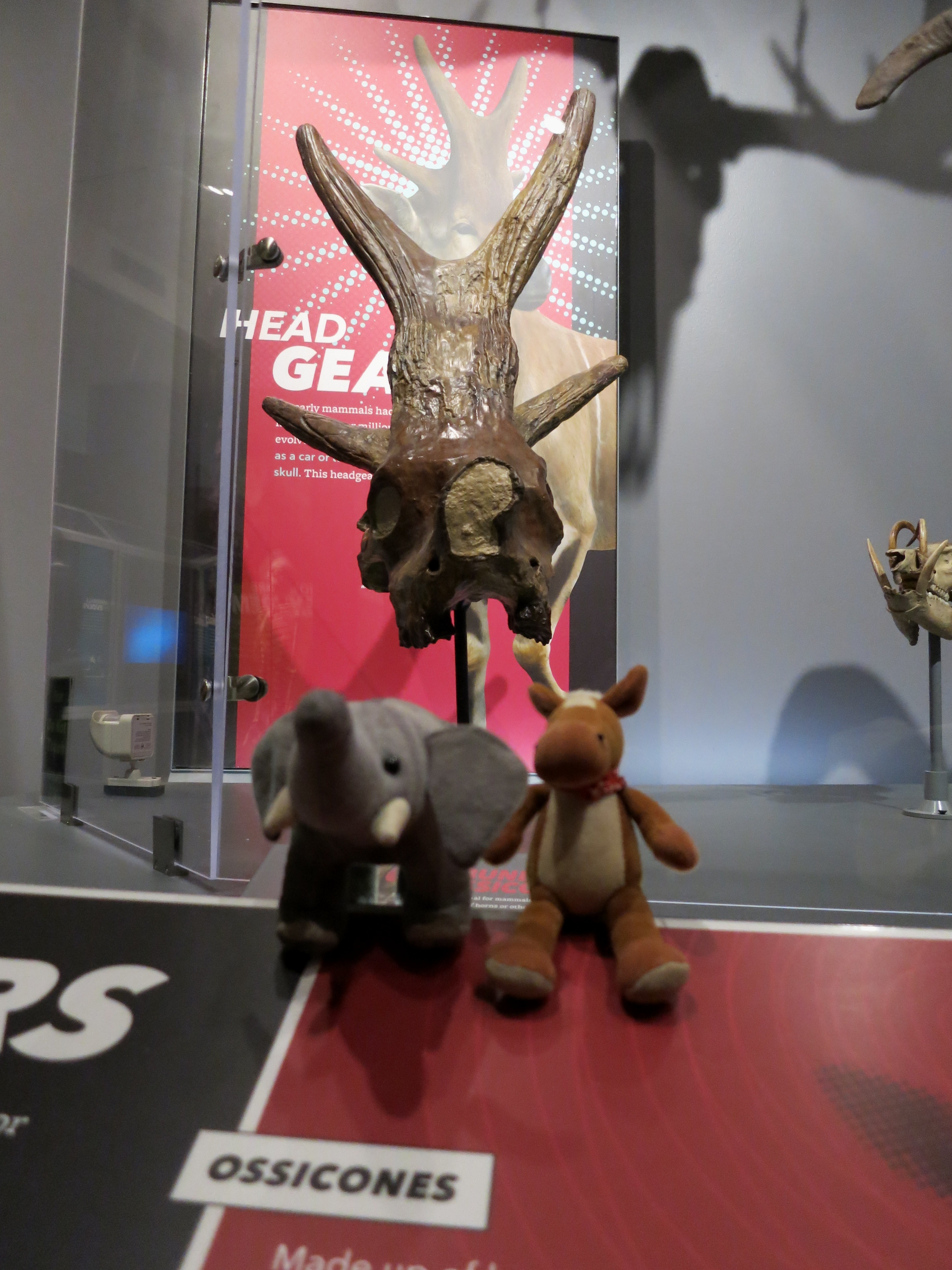
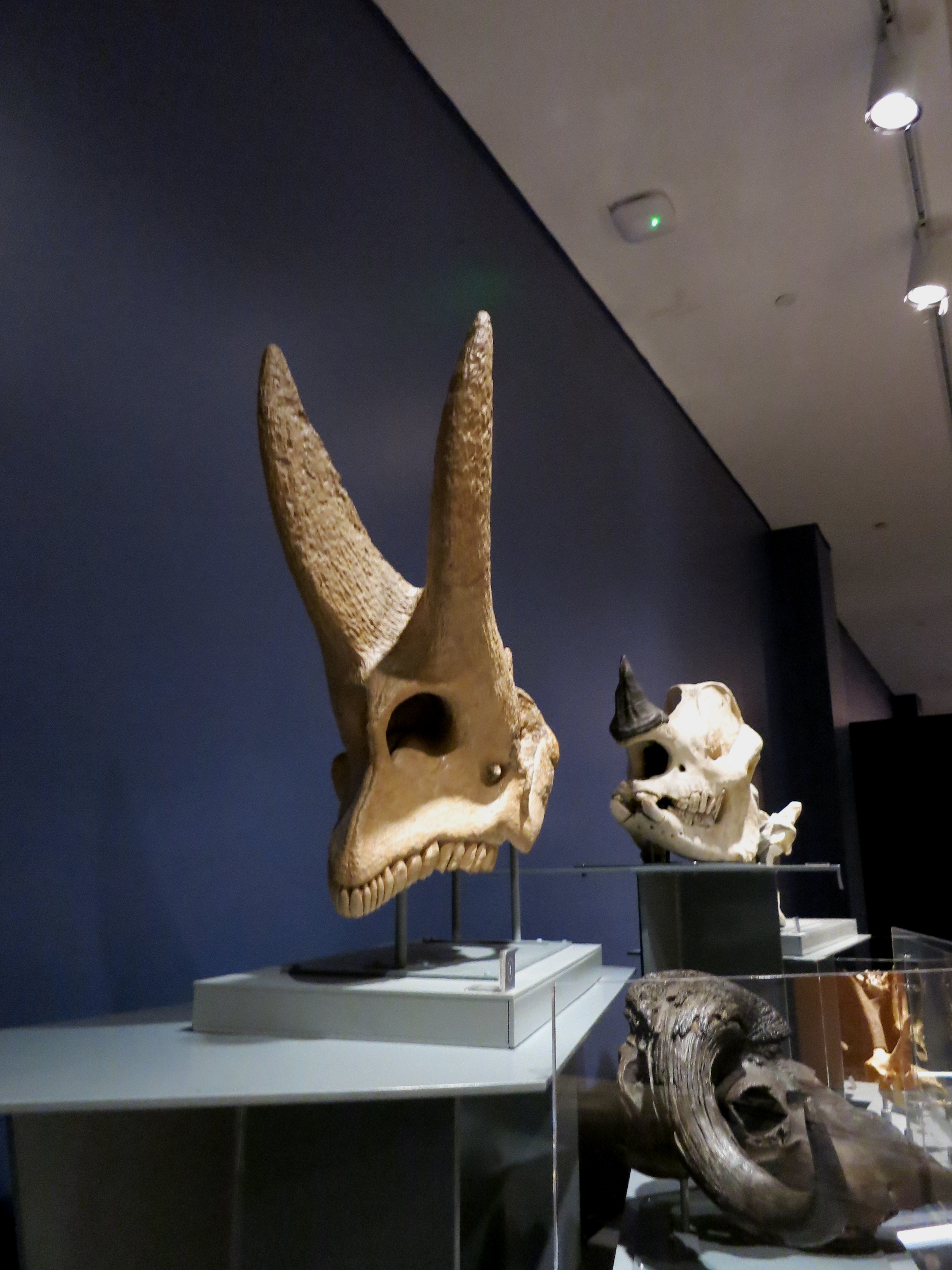
Best Ossicones goes to this guy- he had 5!

Best Ossicones goes to this guy- he had 5!

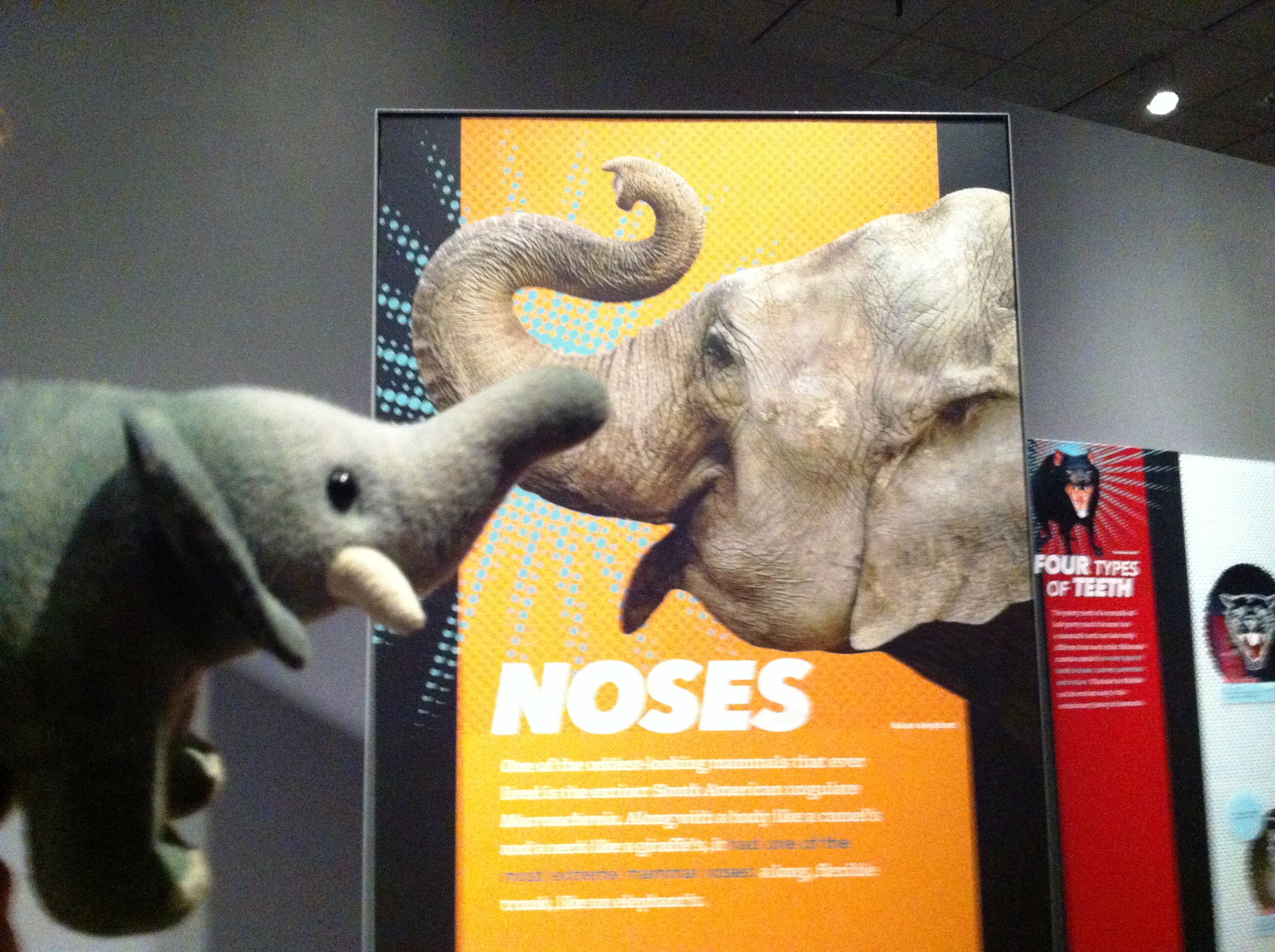
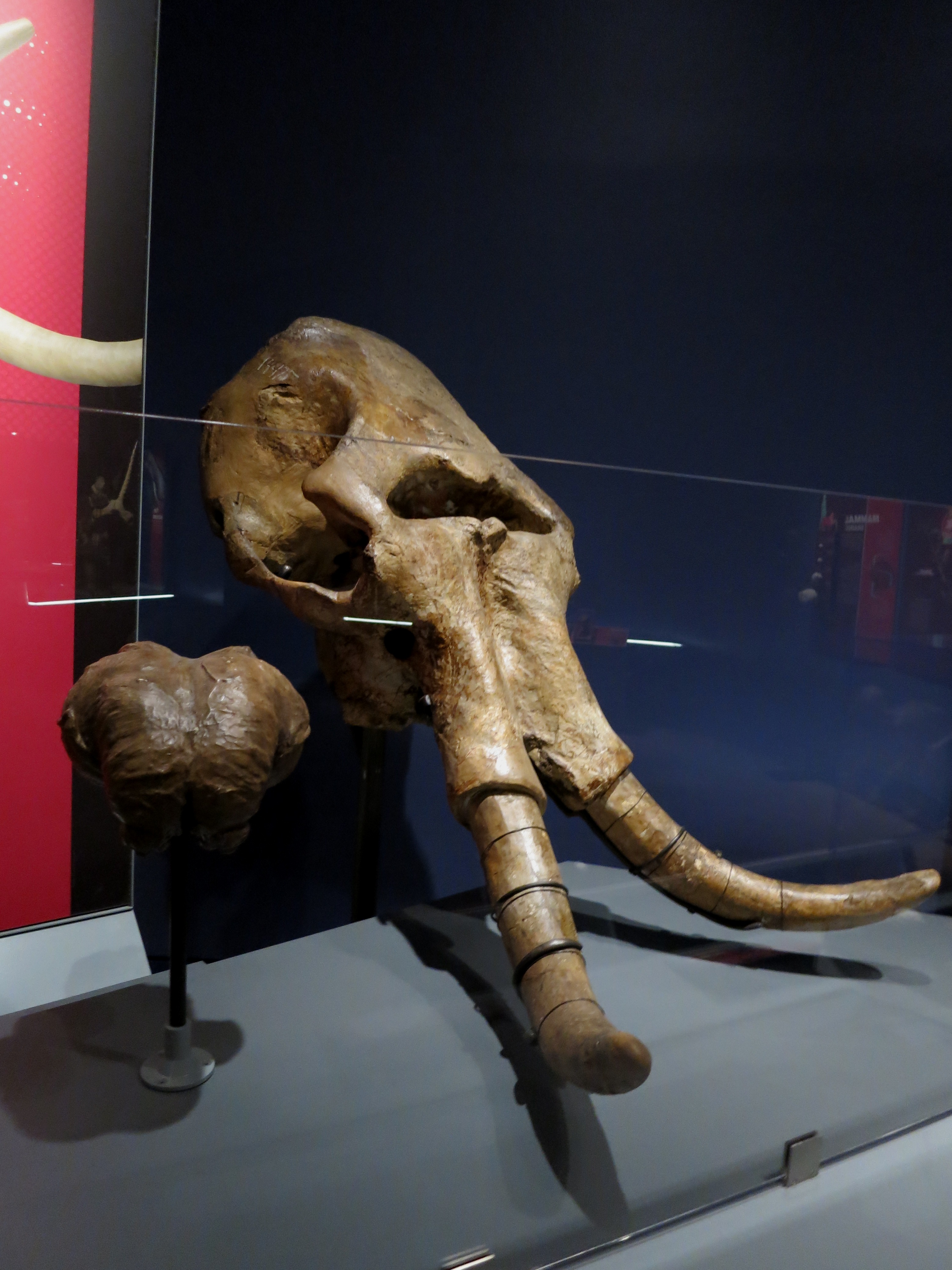
Best Nose goes to Elephants!

Best Nose goes to Elephants!

Sharpest!

Sharpest!

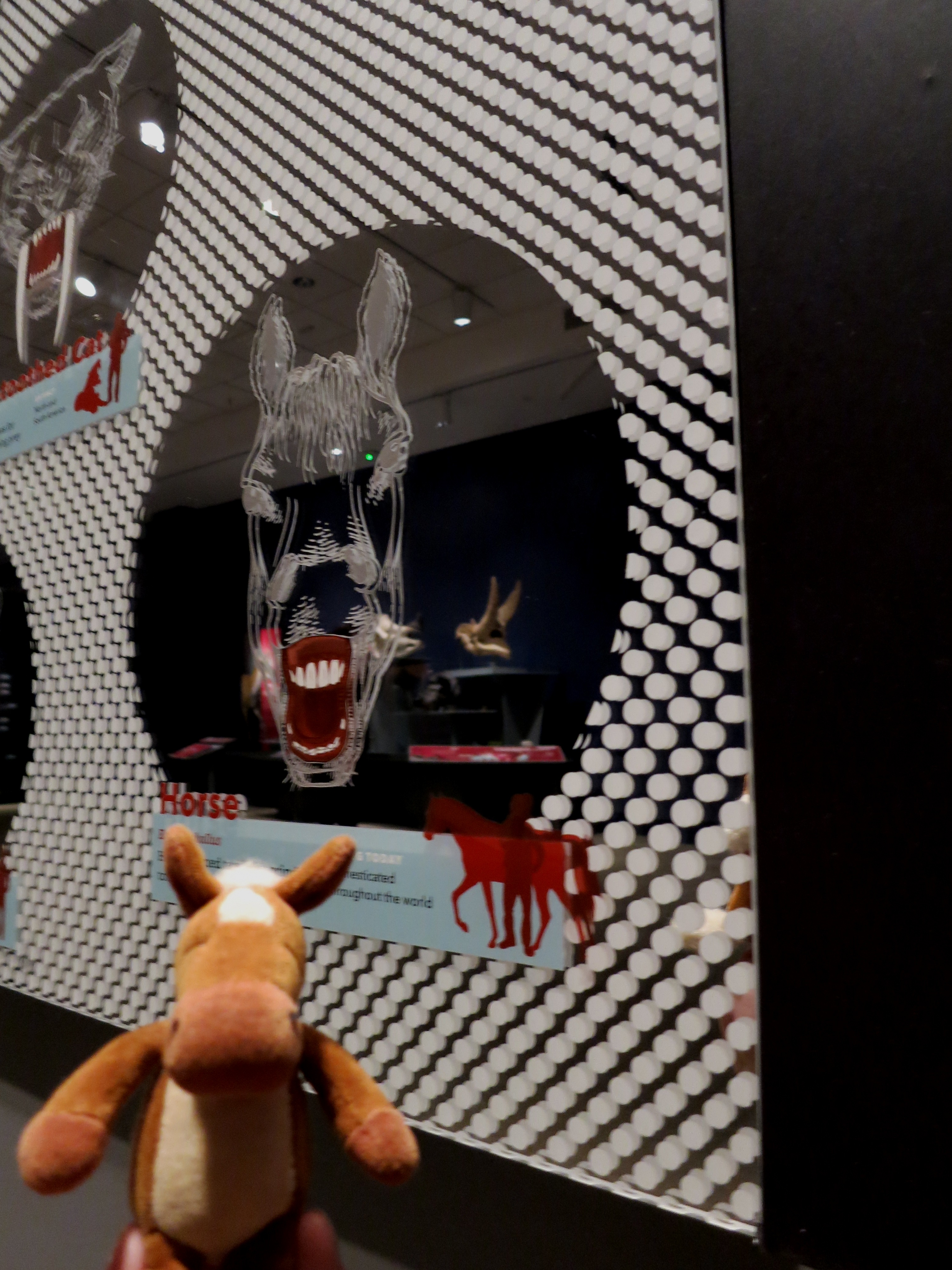
Best smile!

Best smile!

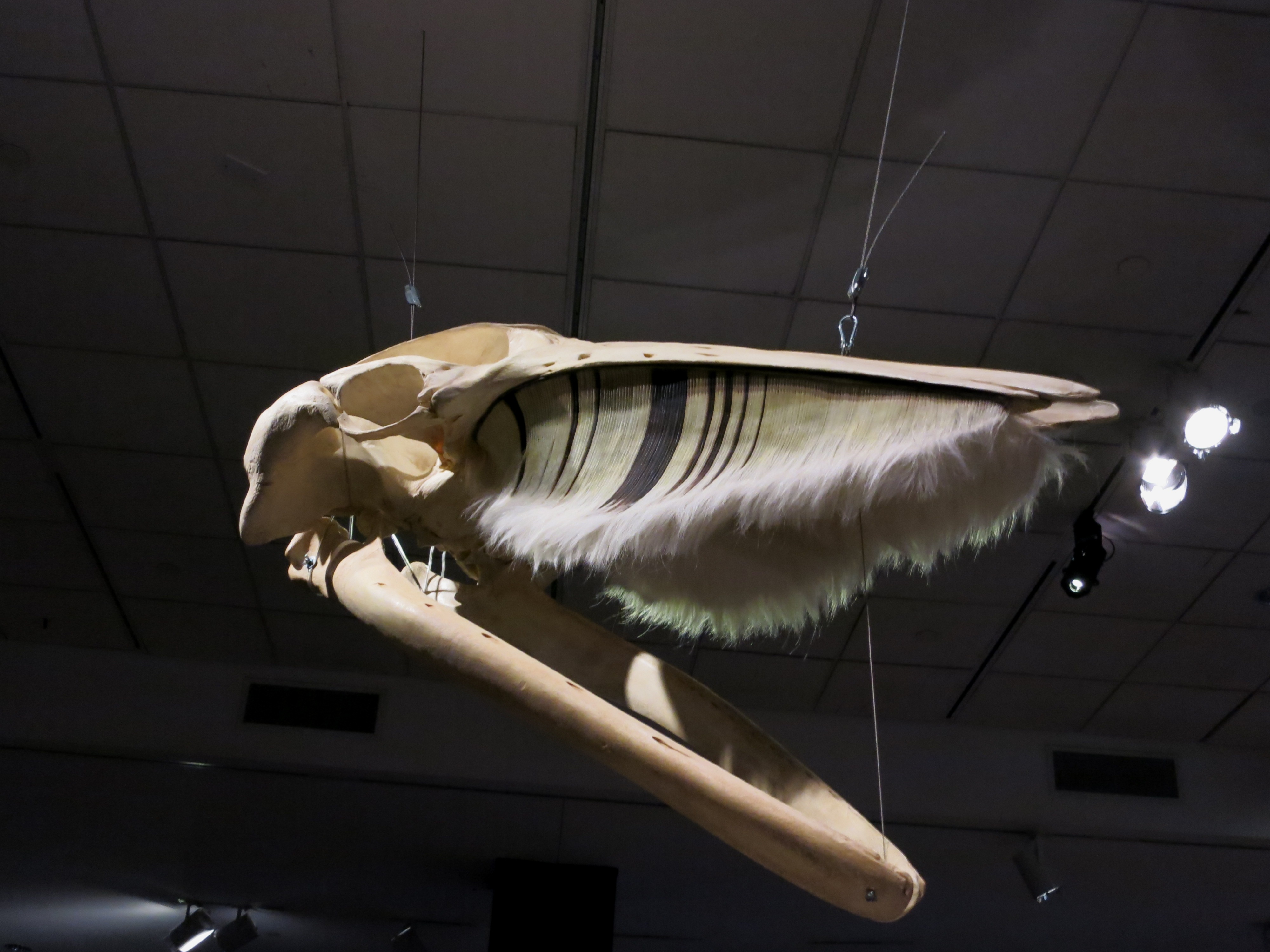
Most Broom Like Teeth goes to our Baleen Whale Friends!

Most Broom Like Teeth goes to our Baleen Whale Friends!

Least likely to find a hat that fits!

Least likely to find a hat that fits!

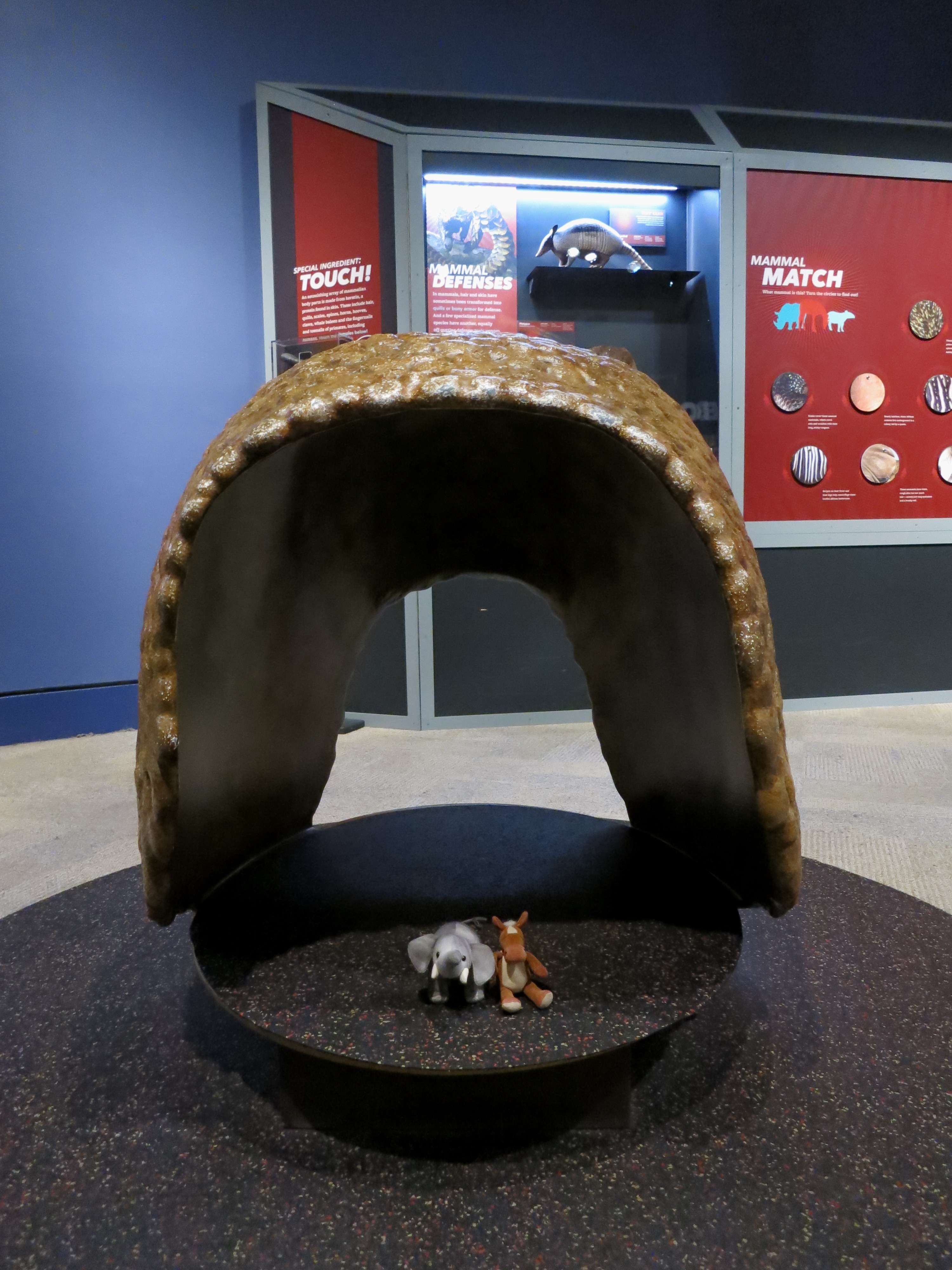
Best Armor goes to the mammal who wore this- the Glyptodont!

Best Armor goes to the mammal who wore this- the Glyptodont!

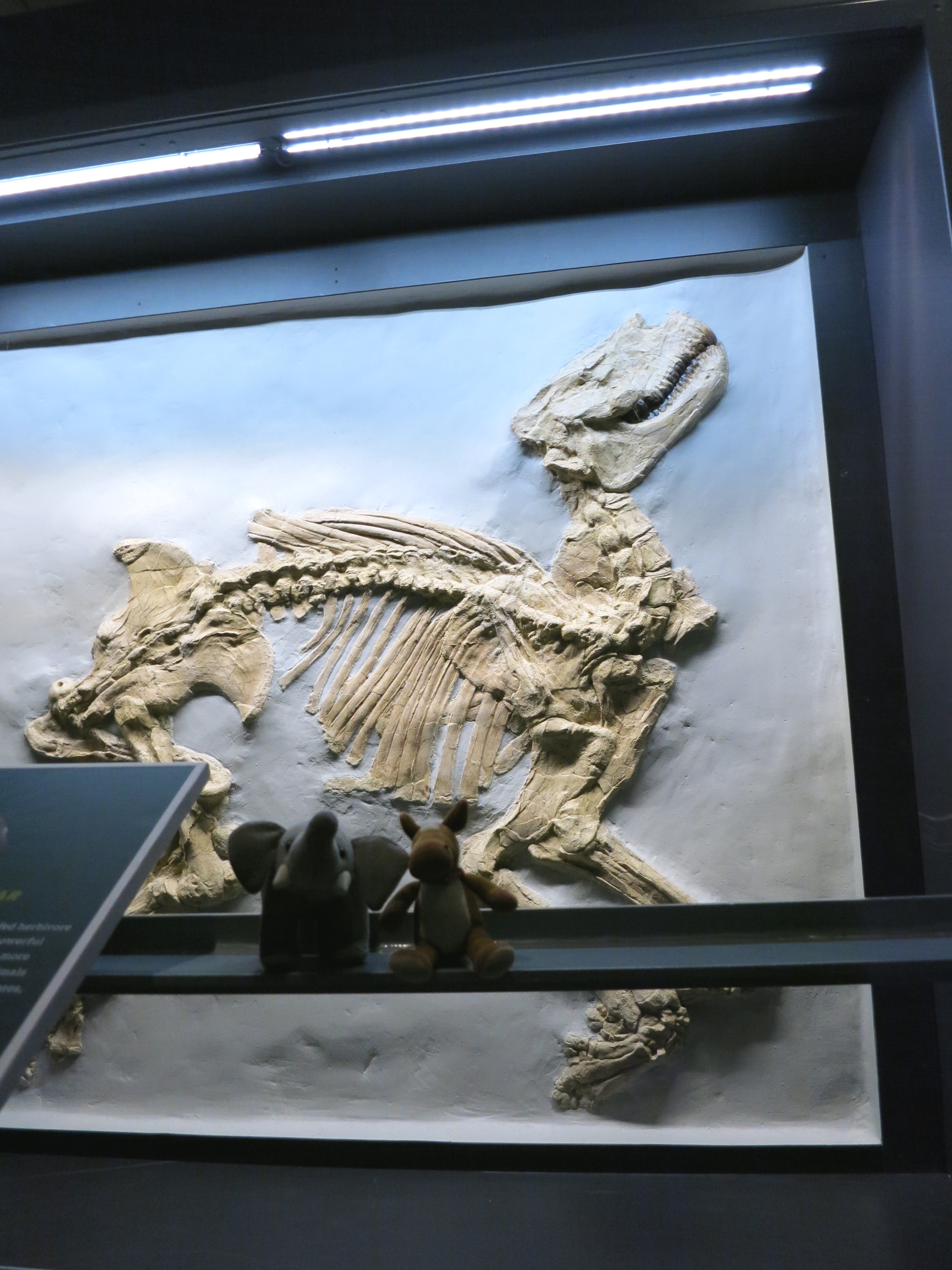
Most Likely to Make a Paleontologist's Day!

Most Likely to Make a Paleontologist’s Day!

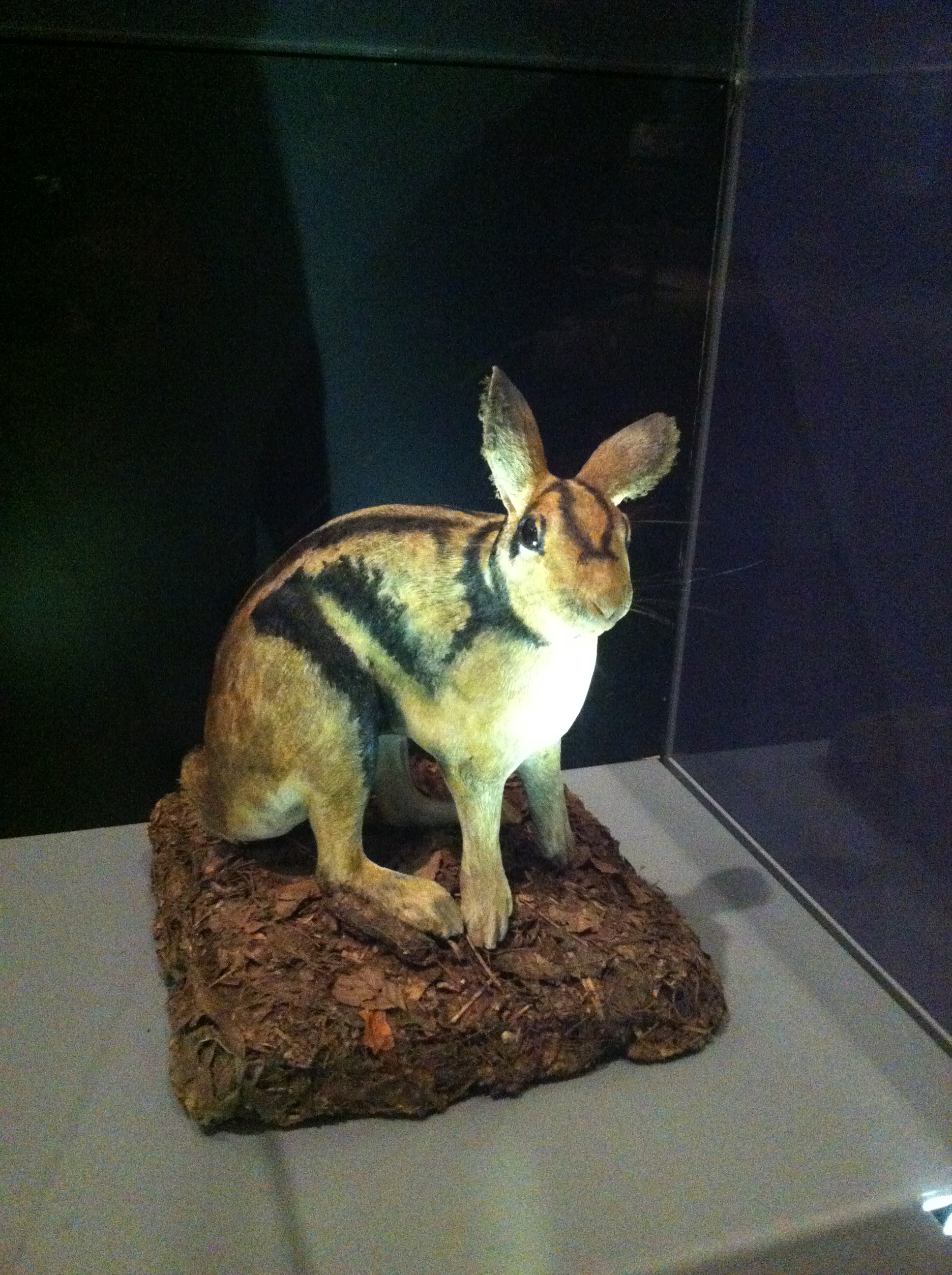
Best Newcomer- The Striped Rabbit who was discovered in 1999!

Best Newcomer- The Striped Rabbit who was discovered in 1999!

Most Likely to Move Like Molasses- The Giant Ground Sloth!

Most Likely to Move Like Molasses- The Giant Ground Sloth!

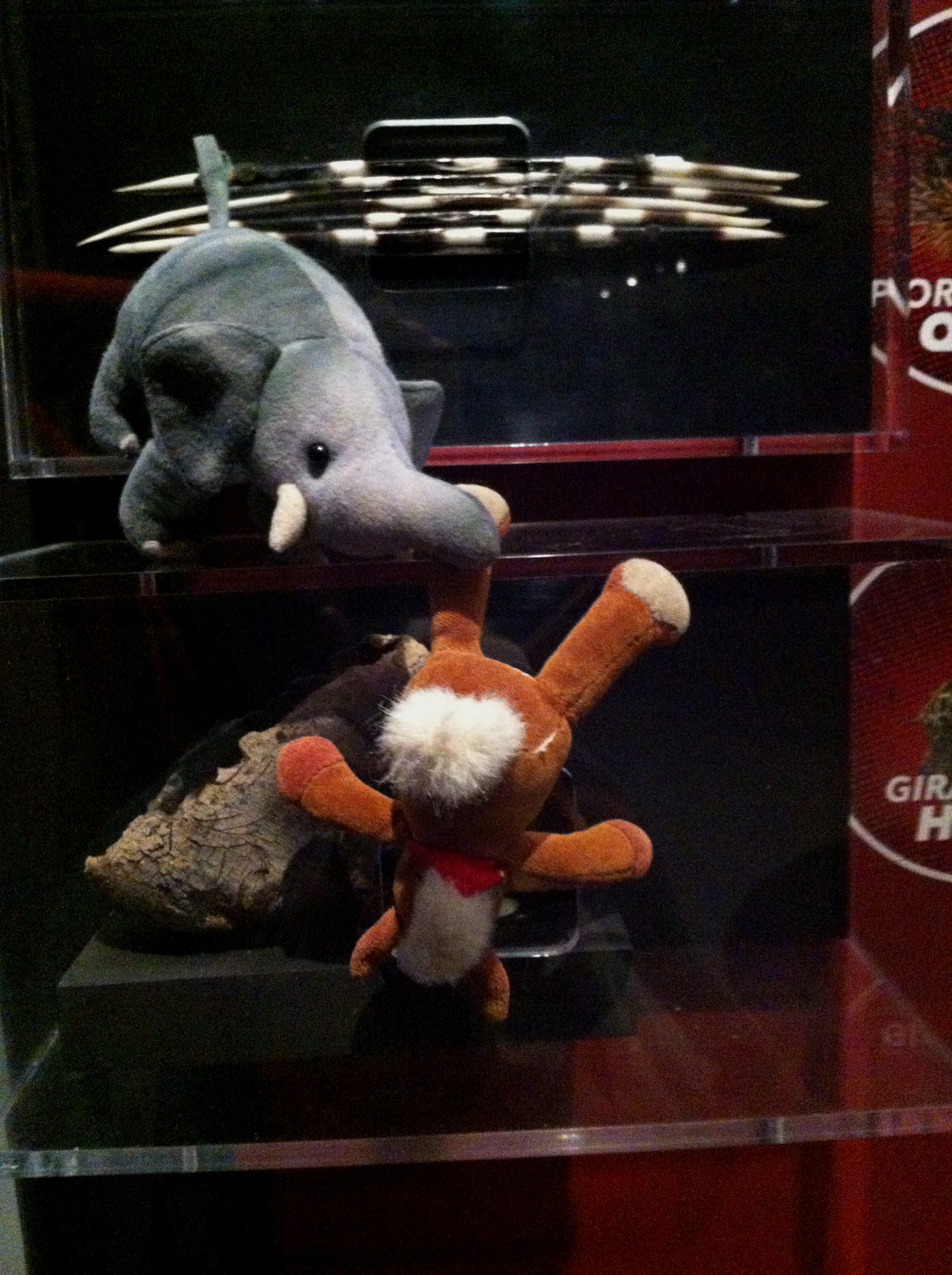
Class Clown- Edmond for his acrobatics try to touch a giraffe hoof!
Class Clown- Edmond for his acrobatics trying to touch a giraffe hoof!
We had such a blast exploring and learning about mammals through time! These stand out stars are just the tip of the iceberg (we didn’t want to give away the whole exhibit)!

Make sure you take your bipedal mammal self over to catch EXTREME MAMMALS at Fernbank and learn all about mammals of the past and present! And  who knows you might decide if you humans are  extreme mammals too :)!

Are you an extreme mammal?

Are you an extreme mammal?

For more information on times and tickets check out Fernbank’s website!

We’re going to leave you with a few more fun photos!

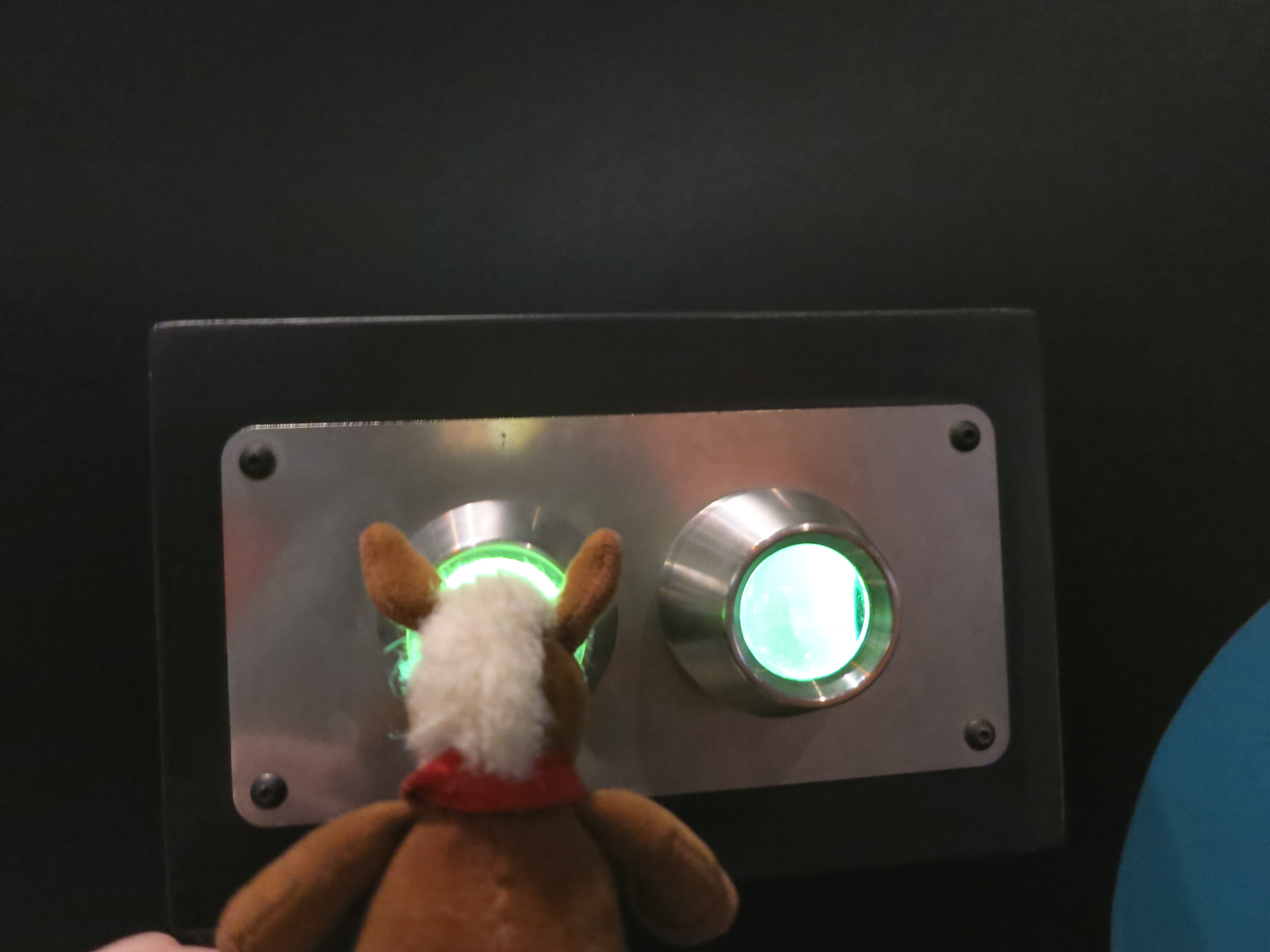
Edmond checking out what's behind the glasses!

Edmond checking out what’s behind the glasses!

E

Ellie in an ancient Savannah!

Mammoths had big heads and big brains!

Mammoths had big heads and big brains!

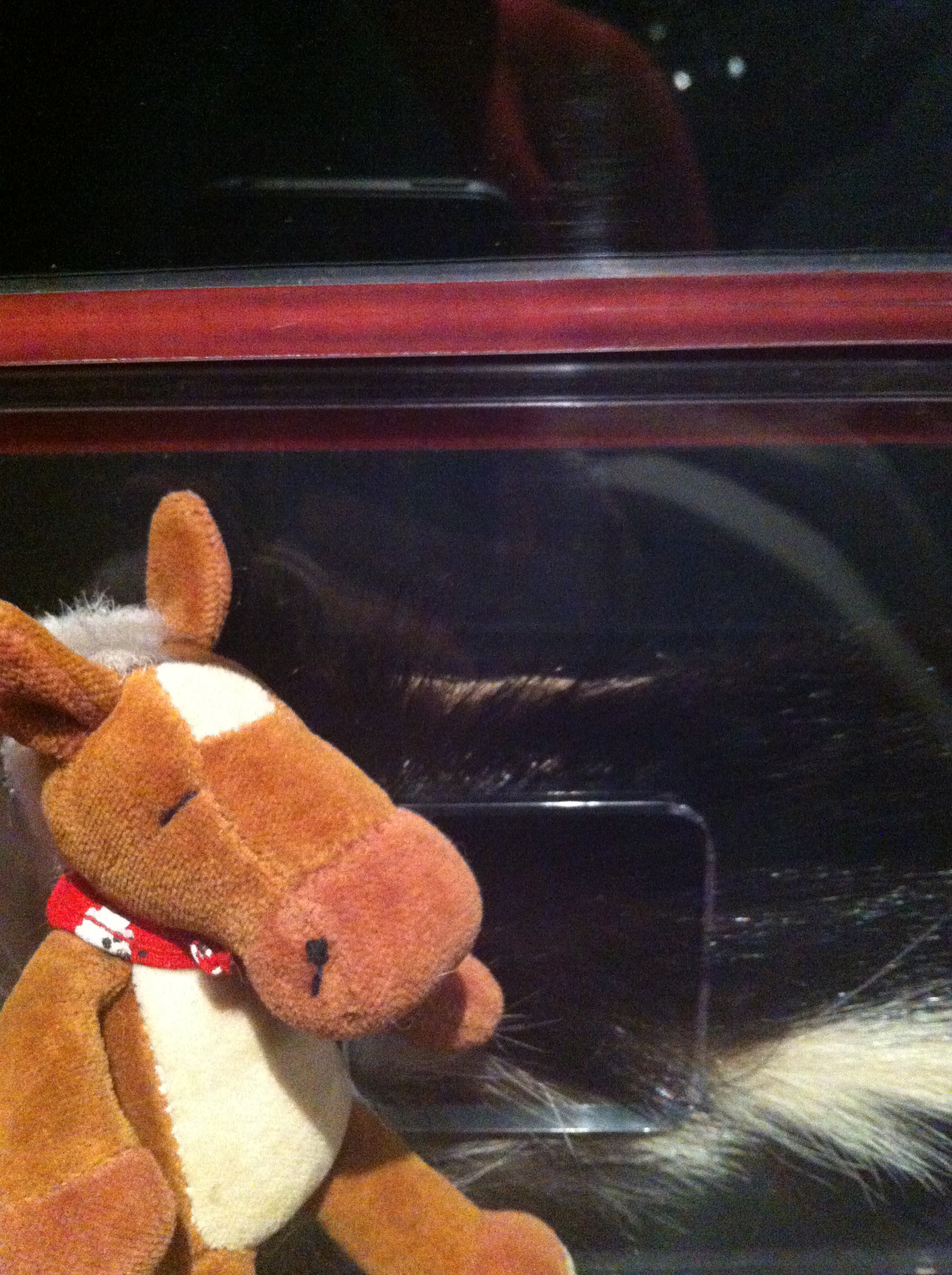
Edmond touching skunk fur!

Edmond touching skunk fur!

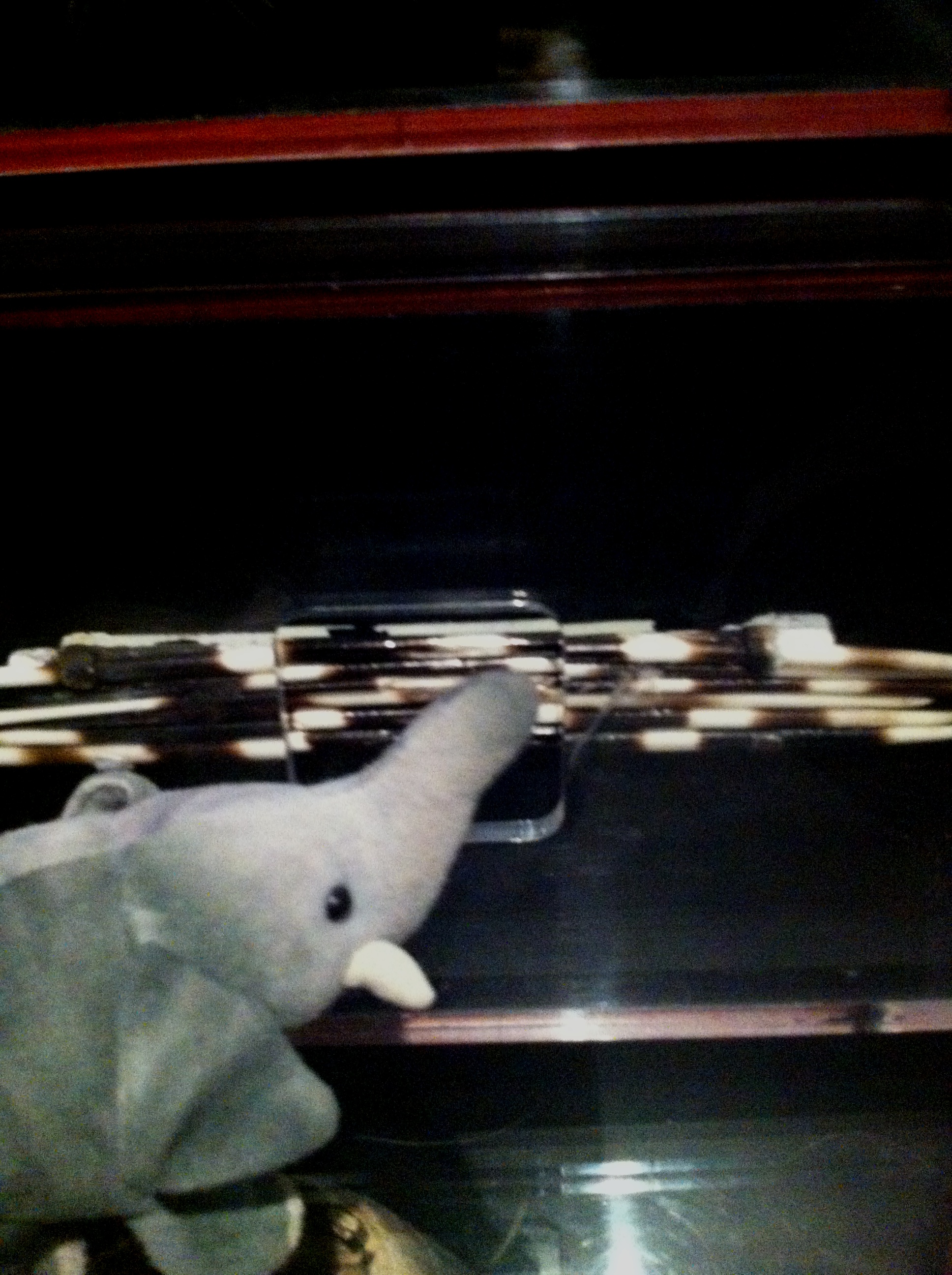
Ellie touching porcupine quills! Watch our for the ends!

Ellie touching porcupine quills! Watch our for the ends!

Categories: adventure, Animals, Children, conservation, education, Environment, mammals, nature, science, wildlife | Tags: , , , , , , , , , | 2 Comments

INTERNATIONAL POLAR BEAR DAY!

INTERNATIONAL POLAR BEAR DAY!

e e arctic

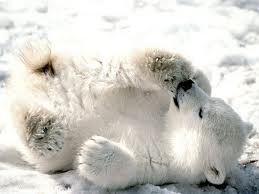
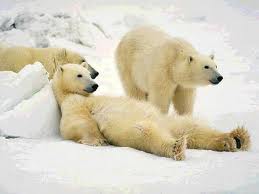
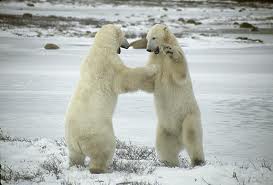
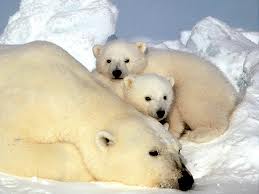
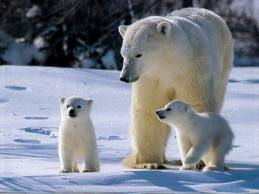
We’re celebrating one of favorite marine mammals on this very special day! These majestic bears call the icy arctic their home. We’re going to share some photos and fun facts about polar bears, as well as some great resources to help these bears as their snowy home disappears. 

polar bearpolar bear2

  • Polar Bears are excellent swimmers, they have been miles off shore.
  • They have a thick layer of fur, including on the bottoms of their paws.
  • Polar bears are carnivores.
  • Polar bears have black skin that helps them soaks up the warmth of the sun.
  • Polar bear mothers build a den to have their cubs.
  • Polar bear cubs stay with their mothers for up to two years.
  • Polar bears have no natural predators.
  • Polar bears are the largest land predator on earth.
  • Adult male polar bears can weigh up to 1,200 pounds.
  • Polar bears are protected in Norway, Canada, Russia, Denmark and the U.S.

polar bear3  polar bear4


Polar bears are endangered, mainly from habitat loss, as the arctic ice is melting. We can help these fabulous bears! You can adopt a bear (they won’t live at your house), you can donate to organizations that work with polar bears or you can learn what you can do at home to help. Check out Polar Bears International and One World One Ocean.

We love polar bears and we’ll definitely be working to make sure they are around for long time to come!

HAPPY INTERNATIONAL POLAR BEAR DAY!

polar bear8


Categories: adventure, Animals, Children, conservation, education, Environment, mammals, nature, oceans, science, wildlife | Tags: , , , , , , , , , , | 2 Comments

MAMMAL MONDAY # 61

MAMMAL MONDAY #61

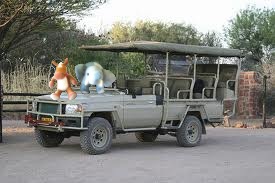
Are you ready for a new adventure today? We’re going to Africa today to meet a small, cute but stinky little mammal! Grab your safari gear and let’s head out!

e & e safari van

MEET THE AFRICAN STRIPED WEASEL!

african striped weasel   Range/Habitat: Central-South Africa/grasslands

   Diet: Carnivore: mice, rodents

   Length/Weight: 10-14”/8-13 oz

   Conservation Status: common


Fun Facts:

  • African Striped Weasels have long slim bodies.
  • They have long claws for digging.
  • African striped weasels have long white striped down their back and tails.
  • African striped weasels live in burrows.
  • They spray a stinky liquid from glands located on their behinds to defend themselves.


These weasels look like the African version of the skunk! We’ll admire them from a distance in order to not catch a whiff of their defensive spray!

african striped weasel2

Categories: adventure, Animals, Children, conservation, education, Environment, mammals, nature, science, wildlife | Tags: , , , , , , , , , | 1 Comment

MAMMAL MONDAY # 60

MAMMAL MONDAY #60

We are off to meet a mammal who lives in a watery habitat in South America! So hop aboard our boat as we float down a river to find one cool mammal!

e & e river boat

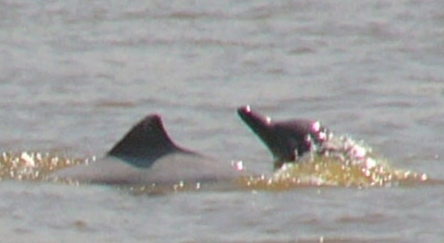
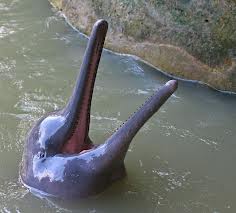
MEET THE GREY RIVER DOLPHIN!

grey river dolphin   Range/Habitat: Central America-Northern South America/rivers,

estuaries, coasts

   Diet: Carnivore: fish, squid

   Length/Weight: 4 ½-6 ½ ft/ 77-88 lb

   Conservation Status: data deficient


Fun Facts:

  • Grey River Dolphins live in freshwater habitats and estuaries.
  • They have long prominent beaks.
  • Grey river dolphins are very acrobatic.
  • They are small and stocky.
  • They have large dorsal fins.
  • Grey river dolphins are solitary or live in pairs.

Grey river dolphins are amazing animals! Did you know that there were dolphins that live in rivers? We had no idea! We continue to be surprised by all the different animals on our planet!

grey river dolphin2   grey river dolphin3


Categories: adventure, Animals, Children, conservation, education, Environment, mammals, nature, rainforests, rivers, science, wildlife | Tags: , , , , , , , , , | 2 Comments

MAMMAL MONDAY #59

MAMMAL MONDAY #59

We sure hope everyone enjoyed the Year of the Snake celebration. We’re back to our regular schedule and it’s off to Central America for us, to meet a member of the rodent family! Can you gopher for that? (Edmond loves puns)

e e grasslands

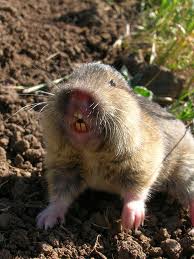
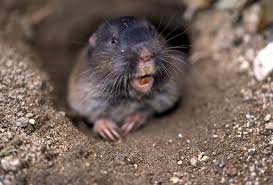
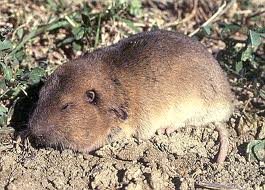
MEET THE GIANT POCKET GOPHER!

giant pocket gopher   Range/Habitat: Central-South America/ grasslands

   Diet: Herbivore: roots, grasses, vegetation

   Length/Weight: 4.7-12”/2.2 lbs

   Conservation Status: common


Fun Facts:

  • Giant Pocket Gophers are the largest member of the pocket gopher family.
  • They have large cheek pouches that go from their mouth to their shoulders; these pouches are where they get their name.
  • Giant pocket gophers live in burrows and tunnels.
  • They have long sharp teeth.
  • Giant pocket gophers have large claws for digging.
  • Giant pocket gophers are also called the Mexican pocket gopher.
  • They are solitary.

Giant pocket gophers are funny looking little creatures with their big teeth and small eyes! They work very hard to dig their burrow homes and hoard the food they eat!

giant pocket gopher2   giant pocket gopher3

Categories: adventure, Animals, Children, conservation, education, Environment, mammals, nature, science, wildlife | Tags: , , , , , , , , | Leave a comment

HAPPY GROUNDHOG DAY!!

HAPPY GROUNDHOG DAY!!

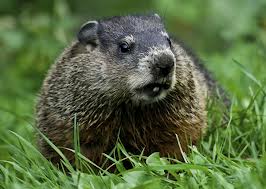
HAPPY GROUNDHOG DAY! Every year on February 2nd legend has it that if a groundhog comes out of his burrow and sees his shadow then there will be six more weeks of winter. If he doesn’t see his shadow then spring will come early! Neat! We’re celebrating these weather predicting rodents with fun facts, photos and an original coloring sheet drawn by Ellie herself!
 

Fun Facts:

  • Groundhogs are also known as the Woodchuck.
  • Groundhogs live in North America in woodland and grassland habitats.
  • They are herbivore and eat seeds, fruits, grasses and the occasional insect.
  • Groundhogs are rodents and are the largest member of the ground squirrel or marmot family.
  • They are excellent at climbing and swimming.
  • Groundhogs burrow in the ground.
  • They gorge all summer on food to fatten up!
  • Groundhogs hibernate in the winter.
  • They are known to whistle when threatened.

We love groundhogs and not just for their ability to predict the weather! These cool rodents get to hibernate all winter! Who wouldn’t love a long winter’s nap? Groundhogs are also pretty cute if you ask us!

groundhog   groundhog2

Click here for more history on Groundhog Day.

Image

Categories: adventure, american, Animals, Children, conservation, education, Environment, groundhog day, mammals, nature, science, wildlife | Tags: , , , , , , , , , , | 2 Comments

MAMMAL MONDAY # 58

MAMMAL MONDAY #58

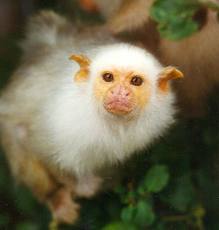
It’s that amazing day of the week when we go on an adventure to meet a mammal! We’re packing our bags and heading the Amazonian rainforest to find a small monkey who lives high in trees! Grab your binoculars and let’s head out!

e & e rainforest2

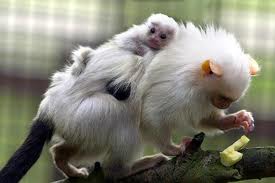
MEET THE SILVERY MARMOSET!

silvery marmoset   Range/Habitat: South America/rainforest

   Diet: Omnivore: fruits, eggs, sap

   Length/Weight: 8-9”/12-13 oz

   Conservation Status: common


Fun Facts:

  • Silvery Marmosets have pale silvery fur.
  • They have black tails.
  • They are arboreal (spend their lives in the trees).
  • Silvery marmosets have pink faces and ears.
  • They live in small family troops.
  • Every member of the silvery marmoset family takes care of the offspring.

These tiny little monkeys are gorgeous with their silvery coats of fur. We just can’t get enough of them!


silvery marmoset2  silvery marmoset3


Categories: adventure, Animals, Children, conservation, education, Environment, mammals, nature, rainforests, science, wildlife | Tags: , , , , , , , , , | 1 Comment

Blog at WordPress.com.