Posts Tagged With: science

GREATEST HITS- FEATHERY FRIDAY!!

GREATEST HITS- FEATHERY FRIDAY

It’s that special day of the week dedicated to our feathery friends! So are you ready to head to Central America to meet a duck who doesn’t quack? Let’s head out on today’s adventure!

e & e wetlands

MEET THE MUSCOVY DUCK!

muscovy duck   Range/Habitat: Central-South America/ wetlands, lakes, rivers

   Diet: Omnivore: roots, leaves, fish, insects

   Length/Weight: 26-33”/ 7-15 lbs

   Conservation Status: common


Fun Facts:

  • Muscovy Ducks have wild and domesticated populations.
  • They are not very vocal and only make a few noises, including hisses!
  • Muscovy ducks have black and white feathers.
  • They have wide flat tails.
  • Muscovy ducks perch in trees.
  • Muscovy ducks have claws on their feet.

Muscovy ducks are super cute! Who knew there were ducks out there that didn’t quack! Neat! Hiss! Hiss!

muscovy duck2   muscovy duck3

Categories: adventure, Animals, birds, Children, conservation, education, Environment, nature, science, wildlife | Tags: , , , , , , , , , | Leave a comment

GREATEST HITS- SUPER SURPRISE THURSDAY!!

GREATEST HITS- SUPER SURPRISE THURSDAY

We’re going to the rainforests of South America today to meet one gorgeous and colorful bird! We’ll have to climb to the top to find them! Are you ready?

e & e rainforest2

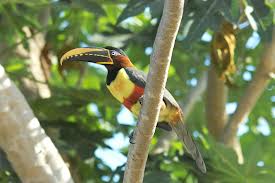
MEET THE CHESTNUT-EARED ARACARI!

chestnut eared aracari   Range/Habitat: Central- Northern South America/ rainforests

   Diet: Frugivore: fruit, insects

   Length/Weight: 13-16”/ 11 oz

   Conservation Status: common


Fun Facts:

  • Chestnut-eared aracari have black feathers with yellow bellies.
  • They live in the canopies of the rainforest.
  • Chestnut-eared aracari have large bills with yellow teeth like looking markings.
  • They are members of the toucan family.
  • Chestnut-eared aracari live in small groups.

We just love these gorgeous birds! Those beaks are just perfect for picking fruit from the trees! What do you think?

chestnut eared aracari3


Categories: adventure, Animals, birds, Children, conservation, education, Environment, nature, science, wildlife | Tags: , , , , , , , , , | 1 Comment

GREATEST HITS WATERY WEDNESDAY!

GREATEST HITS- WATERY WEDNESDAY!

We’ve had some technical difficulties at HQs we’re posting greatest hits for the rest of week! We hope you enjoy meeting these animals again!

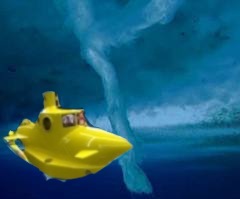
We’re taking the E & E submarine to the cold waters of the South Pole. Luckily the submarine is heated because you wouldn’t want to be caught in these cold waters unless you are one of these amazing fish! All aboard….

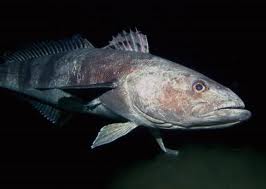
MEET THE ANTARCTIC TOOTHFISH!

   Range/Habitat: Antarctic Circle/ oceans

   Diet: Carnivore: crabs, squid, fish

   Length/Weight: up to 7 ¼ ft/ up to 260 lbs

   Conservation Status: common


Fun Facts:

  • Antarctic Toothfish live in very deep waters.
  • They are very slow growing.
  • Antarctic toothfish have a special protein in their blood that acts as an anti-freeze.
  • Antarctic toothfish have high body fat content and light bones.
  • They have a cartilaginous skull.

Wow, these fish are really cool and kind of creepy! Yet again we are fascinated by the animals that call the deep ocean their home! Those deep dark waters really are like another planet!

Categories: adventure, Animals, Children, conservation, education, Environment, fish, nature, science, wildlife | Tags: , , , , , , , , , | Leave a comment

GREATEST HITS- FEATHERY FRIDAY!!

GREATEST HITS- FEATHERY FRIDAY!!

We’re off to Africa today to find a colorful and most famous bird! We all know these pinkies! Have you guessed it by now? That’s right; it’s time to meet a flamingo! Grab your wellies again, we’re going wading!

e e grasslands

MEET THE LESSER FLAMINGO!

   Range/Habitat: West-Central-Southern Africa/ wetlands, lakes

   Diet: Herbivore: blue-green algae

   Length/Weight: up to 3 ¼ ft/ up to 4 ½ lbs

   Conservation Status: Near threatened


Fun Facts:

  • Lesser flamingos are the smallest of all flamingos.
  • They are light to dark pink in coloration.
  • Lesser flamingos have long dark beaks.
  • They feed at dusk and dark.
  • Lesser flamingos live in large colonies. There have been flocks of up to 1 million birds.
  • You can see hundreds are of flamingos move together in elaborate courtship rituals.
  • Lesser flamingos build mud mounds to lay their one egg on.
  • They can live up to 50 years.

We just love flamingos! They’re long legs and bright pink feathers make them one of the most iconic birds on the planet! And yes they do sleep on one leg; it helps them conserve body heat! Hhhmm… we might practice being flamingos, but that is hard with four legs!


Categories: adventure, Animals, birds, Children, conservation, education, Environment, nature, science, wildlife | Tags: , , , , , , , , , | Leave a comment

GRESTEST HITS- SUPER SURPRISE THURSDAY!!

GREATEST HITS- SUPER SURPRISE THURSDAY!!

We have a new post today! It’s Super Surprise Thursday and it’s time to check out the picture, read the clues and tell us who you think it is!

beach

  • We’re best friends!
  • We love adventure!
  • Teaching about animals and conservation is our thing!

WHO ARE WE?

Categories: adventure, Animals, Children, conservation, education, Environment, nature, science, wildlife | Tags: , , , , , , , , | 2 Comments

GREATEST HITS- WATERY WEDNESDAY!!

GREATEST HITS- WATERY WEDNESDAY!!

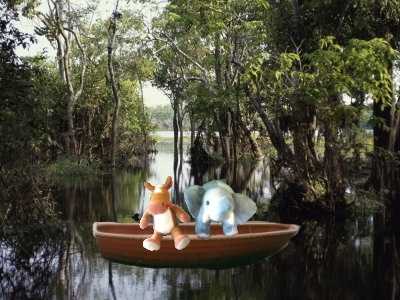
Today we’re jetting to South America to meet one large and unusual fish! These guys don’t have any top fins and they can electrocute a human! Best if we stand next to the river to catch a peek, don’t you think?

e & e river boat

MEET THE ELECTRIC EEL!

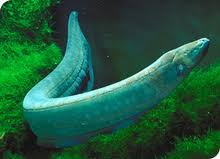
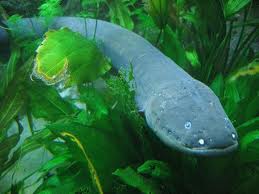
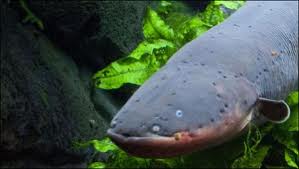
electric eel   Range/Habitat: Northern South America/ rivers, streams

   Diet: Carnivore: fish, amphibians, birds

   Length/Weight: 6-8 ft/ up to 44 lbs

   Conservation Status: common


Fun Facts:

  • Electric eels are not true eels; they are actually members of the knifefish family.
  • They are one of the largest fresh water fish in South America.
  • Electric eels have one long fin on their underside. They have no top or tail fins.
  • Electric eels have poor eyesight.
  • They have specialized cells that store electricity like batteries.
  • They use electrical pulses to help them find their way around in murky rivers and streams.
  • Electric eels also use jolts of electricity to stun prey. They can produce jolts up to 600 volts at one time.

WOW! Electric eels are amazing animals. Who knew there were fish out in the world that could light things up? We just never ceased to be amazed by all the cool animal adaptations there are on earth! We do wonder if an electrical eel could light our lamp for us! Hahahaha!

electric eel2   electric eel3


Image

Categories: adventure, Animals, Children, conservation, education, Environment, fish, nature, science, wildlife | Tags: , , , , , , , , , | Leave a comment

GREATEST HITS- REPTILIAN TUESDAY

GREATEST HITS- REPTILIAN TUESDAY

We’re off to the rainforests of Central America to meet a really cool reptile that has a special adaptation! Can you run on top of water? We didn’t think so! Let’s head out on today’s adventure!

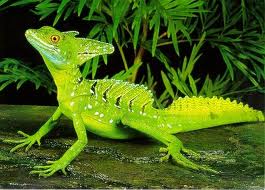
MEET THE PLUMED BASILISK!

   Range/Habitat: Central America/ rainforests-wetlands

   Diet: Omnivore: insects, rodents, fruits

   Length: 23 ½-30”

   Conservation Status: common


Fun Facts:

  • Plumed Basilisks are arboreal (they live in trees).
  • They live near streams and rivers.
  • Plumed basilisks run across the surface of the water on their hind feet.
  • Plumed basilisks have 3 crests on body; on their head, back and tails.
  • They are excellent swimmers and can stay under water for 30 minutes.
  • Male plumed basilisks are very territorial. They preside over a territory with numerous females.

These lizards are sooo cool! Can you believe they can run on water? We wish we could do that, alas we only doggie paddle, or elephant and horse paddle in this case!


Categories: adventure, Animals, Children, education, Environment, nature, reptiles, science, wildlife | Tags: , , , , , , , , , | Leave a comment

GREATEST HITS WEEK!!

GREATEST HITS WEEK!

We’re on holiday this week, so we’re sharing some of our greatest hits you may have missed!!

Today we’re putting on our diving suits and taking a dip in the cold waters of the subarctic to meet this swimming mammal! Are you ready? Let’s do this!

e & e coast

MEET THE HARBOR PORPOISE!

   Range/Habitat: North Atlantic-North Pacific Ocean/ coasts, rivers

   Diet: Carnivores: fish, herring, capelin

   Length/Weight: 4 ½-6 ½ ft/ 110-200 lbs

   Conservation Status: vulnerable

Fun Facts:

  • The Harbor Porpoise is also called the common porpoise.
  • They prefer temperate and subarctic waters.
  • They generally shy and elusive.
  • Harbor porpoises tend to feed on the bottom.
  • They use echolocation to help them find their prey.
  • Harbor porpoises are black on top and white on the underside.
  • Harbor porpoises have been known to travel into fresh water rivers.

These shy porpoises are wonderful! Scientists don’t know much about these porpoises because of their shy nature. Ocean dwelling animals are very hard to study since humans don’t have gills :)!


Categories: adventure, Animals, Children, conservation, education, Environment, mammals, nature, science, wildlife | Tags: , , , , , , , , , , | Leave a comment

ELEPHANT APPRECIATION DAY!
ELEPHANT APPRECIATION DAY!

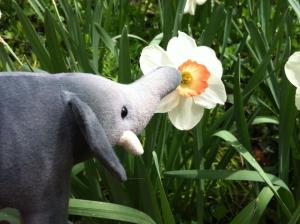
ellie flower

We’re celebrating Elephants today! Ellie could not be more excited! We would normally share some fun facts with you on this excellent day, but we are changing things up a bit! Elephant populations are in danger, all because of the illegal ivory trade! So we’re giving you some great resources and saying thank you to the organizations that are helping out elephants all over the world!

First up: The David Sheldrick Wildlife Trust!  This amazing organization takes in orphaned elephants are raise them to be released in the wild! Most of their orphans come in because they lost their mother to poachers. They world tirelessly protecting elephants and rhinos too! Check out their website- you can adopt an orphan or contribute to the center!

Next up: iWorry- this campaign was started by the David Sheldrick Trust. They are organizing marches around the world to educate people about the illegal wildlife trade! Check out their website and see if there is a march near you!

Next up: United for Wildlife! This collaboration was started by Prince William of England! Along with his pal David Beckham, they are partnering with World Wildlife Fund, Conservation International, IUCN and others to stop illegal wildlife trade, including ivory! Check out how you can help here!

Last up: Save the Elephants and Yao Ming- these two are partnering to end the ivory and rhino horn trade and educate people about the harm of killing elephants and rhinos! Learn more about their excellent campaign here!

elephantEllie and her wild pals thank you for helping out elephants!!

Categories: adventure, Animals, Children, conservation, education, elephants, Environment, mammals, nature, science, wildlife | Tags: , , , , , , , , , | Leave a comment

RED PANDA DAY!!

RED PANDA DAY!!!

Who loves Red Pandas? We love Red Pandas! Good thing it’s Red Panda Day! We’re celebrating with pictures, fun facts about red pandas and how you can help these endangered animals!

red panda

  • Red pandas are classified in their own families, but are related to raccoons.
  • They are nocturnal.
  • They live in mountainous forests in parts of Southeast Asia.


red panda2

  • Red pandas are arboreal.
  • They are solitary.
  • Red pandas are also called The Fire Fox or the Red Cat Bear.

red panda3

  • Red pandas eat bamboo, grass, fruit and eggs.
  • They have very thick fur and very bushy tails to keep them warm.
  • Red pandas have a psuedo thumb that helps them grasp bamboo.

These adorable little red pandas are endangered, mainly due to habitat loss. There is a great organization working very hard to protect our favorite red pals! The Red Panda Network celebrates Red Panda Day, conserves forests and educates people about the fire fox! Check out their website!

Categories: adventure, Animals, Children, conservation, education, Environment, mammals, nature, science, wildlife | Tags: , , , , , , , , , | Leave a comment

Blog at WordPress.com.