Posts Tagged With: wildlife

Halloween Week- Mole Rats

Halloween Week- Mole Rats

16B00976-9D1D-4FD4-BE9A-79B21F28B077


Today we are meeting one cool rodent! It is super cute and creepy!

Demon Mole Rat Fun Facts: 

  • They use their teeth to dig burrows underground.
  • Demon mole rats are solitary and territorial.
  • They bang their heads on their burrows to communicate with other mole rats.
  • They are related to naked mole rats.
  • They live in East Africa and call savanas their home.
  • They have orange teeth.


Categories: adventure, Animals, Children, conservation, education, Environment, Halloween, nature, science, Today's Post, wildlife | Tags: , , , , , , , | 1 Comment

Halloween Week- Getting Crabby

Halloween Week- Getting Crabby

89A1670C-A798-4A5A-A163-08690D980CE8


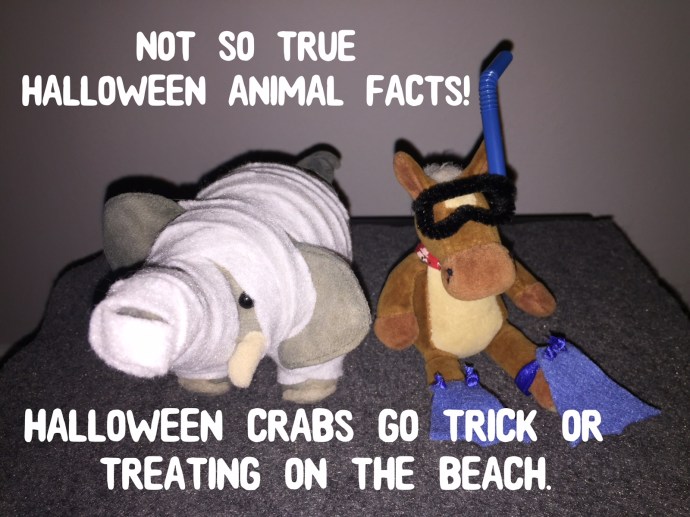
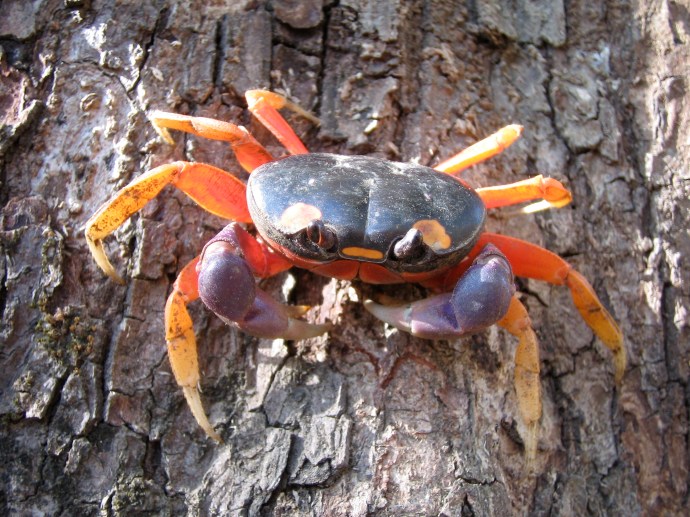
Have you ever heard of the Halloween Crab? We hadn’t either! These colorful land crabs remind us of this festive time of year!

Halloween Crab Fun Facts: 

  • They call the Pacific coast home.
  • Halloween crabs have large purple claws.
  • They are nocturnal.
  • They are also known as the Halloween moon crab.
  • Halloween crabs dig burrows.
  • They are herbivores.

83C25C87-1CEB-43F3-8BDC-C8C92E51845A

Categories: adventure, Animals, Children, conservation, education, Environment, nature, oceans, science, Today's Post, wildlife | Tags: , , , , | Leave a comment

What the Quail?

What the Quail?

We are so excited to meet today’s bird! We have never met a quail before and of course we have to find the ones with the cutest feathers around!

F17CCC68-D345-426E-AD8B-FE99BFF65F33

Gambel’s Quail Fun Facts: 

  • Both males and females have the topknot of feathers on their head. Males have a black patch on their bellies.
  • They are about the size of a basketball.
  • Gambel’s quails are ground dwellers. You can see them running around the ground.
  • They live in groups called coveys.
  • They are omnivores. They eat insects as chicks and graduate to mostly plant material as adults.
  • Females chirp to their eggs before they  hatch and the chicks cheep back to her.

02BDE3D4-FA25-4777-90B8-D5C1B9656A60

These funny little quails can fly, but they mostly run around looking for food! They are so neat to watch in their little family groups.

Categories: adventure, Animals, birds, Children, conservation, education, Environment, nature, science, Today's Post, wildlife | Tags: , , , , , , , , | 1 Comment

Sheep!

Sheep!

We headed to the mountains today to find one neat and large mammal. We had fun climbing all around the trails and looking for these sheep that can climb mountains.

B83CA329-A763-4950-8BF9-DBB1FA7F351C

Desert Bighorn Sheep Fun Facts: 

  • Bothe male and females have horns. The males are large and curved while the females are smaller.
  • It can take a male up to 8 years to have fully formed horns. Their horns can weigh up to 30 lbs.
  • They can weigh up to 280 lbs.
  • Males are known for their head to head combat during mating season.
  • They have excellent eyesight.
  • They live in small herds, made up females and offspring. The males live in bachelor groups.
  • These herbivores are diurnal.
  • They use their horns and hooves to removes spines from cactus so they can eat them.

C6EF8F45-4B09-4EDD-9BBE-CF7AF0E83B01

These agile sheep and so amazing! They are built to climb and to survive in the scrub land. Watching the males go head to head can be quiet impressive and a bit scary!

Categories: adventure, Animals, Children, conservation, education, Environment, mammals, nature, science, Today's Post, wildlife | Tags: , , , , , , , , , , | 1 Comment

Bird in the Burrow

Bird in the Burrow

We had a great adventure looking for an unusual bird today. This owl doesn’t live in trees it lives in burrows underground. Neat!

E280C23C-AA84-4FCC-B2E3-F12BAE3E311D

Burrowing Owl Fun Facts: 

  • Burrowing owls live in burrows they dig themselves or ones that other animals have made, like prairie dogs.
  • Burrowing owls are carnivores. They eat small mammals, insects, lizards and birds.
  • They hunt day or night.
  • Burrowing owls line their burrow entrances with animal poop. This marks their territory and it attracts insects that the owls eat.
  • They stow food to have during the incubation period of their eggs.
  • Burrowing owls spend most of their time near the ground.

B73E42DF-566F-4792-BADA-C7C1AD64586A

Burrowing owls are so gorgeous. They are more tolerant of Co2 because they live underground where the gas can be more concentrated. This bird’s adaptations are so cool.

Categories: adventure, Animals, birds, Children, conservation, education, Environment, nature, science, Today's Post, wildlife | Tags: , , , , , , , , , , , | 1 Comment

Armadillo Armadillo

Armadillo Armadillo

We headed out to find one of the most iconic animals of the southwest today! We didn’t have to travel far- these funny armored mammals were hanging out right in our camp! Often only seen as roadkill it was fun to observe one wandering around in the wild.

778802F7-7667-4965-B34E-D33C3EB6E6CF

Nine banded armadillo fun facts: 

  • Armadillos are related to sloths and anteaters. Their relatives, including the giant armadillos have been on earth for around 50 million years.
  • They are carnivores. They can eat up to 40,000 ants at a time!
  • Unlike other mammals who must maintain a high body temperature, they keep their temp at around 90 degrees.
  • They can grow up to 30 inches long.
  • Not all nine banded armadillos have nine bands- they can have anywhere from 8 to 11 bands.
  • These nocturnal animals are covered in a keratin based armor, except on their ears, legs and underside.
  • Nine banded armadillos live in burrows that they dig.
  • These armadillos are unable to curl up in to a ball to avoid predators.

FC3EDF97-EF42-4AED-9817-AA00ED4DBA5B

Armadillos are definitely odd looking with their built in suit of armor, their pig like snouts and their clawed feet. We always love seeing them forage for grubs. And can you believe they are related to sloths?


Categories: adventure, Animals, Children, conservation, education, Environment, mammals, nature, science, Today's Post, wildlife | Tags: , , , , , , , , , | 2 Comments

Blue Spines

Blue Spines

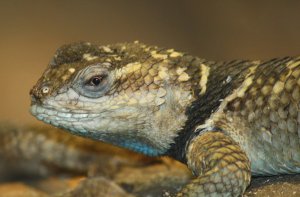
After encountering a prairie dog town yesterday, we met a little reptile who calls these parts home! It’s always good to see so many species and this unusual looking lizard definitely caught our eye.

C7D754CF-B105-4BA2-899F-DB9CB36D424C

Blue Spiny Lizard Fun Facts: 

  • These lizards can grow up to 14 inches long.
  • They have spiny scales,
  • Males are more blue-green in color. Both males and females have a black ring around on their neck.
  • These relatives of the iguana spend much of their day under rocks and crevices to avoid the hottest part of the day.
  • Blue spiny lizards are carnivores. They eat insects.
  • They are listsed as Least Concern by the IUCN.

F1A2C0EC-BC17-47C0-B5E4-9C2B6D175CD6

These interesting lizards are so neat looking with bumpy scales. We think they are quiet handsome.

Categories: adventure, animal rescue, Children, conservation, education, Environment, nature, reptiles, science, Today's Post, wildlife | Tags: , , , , , , , , , , | 1 Comment

Doggies of the Desert!

Doggies of the Desert!

We headed out from camp today to meet on the residents for the prairie and the desert. We were excited to find these rodents. Can you guess who were are meeting?

Let’s learn more about the prairie dog!

Prairie Dog

Black Tailed Prairie Dog Fun Facts: 

  • Prairie dogs live in groups called coteries. These family groups include a male or two and several females. The females stay in their group for their whole lives.
  • Their prairie dog towns give shelter to other animals. Their towns also attract insects which birds depend on.
  • They are vocal. Scientists are just beginning to realize how complicated their language is.
  • Prairie dog populations have fallen by 95%, this is mainly due to habitat loss.
  • These prairie dogs do not hibernate.
  • Prairie dogs are herbivores.
  • Black tailed prairie dogs are listed as Least Concern by the ICUN.
  • They get their name from the barking noises they make.
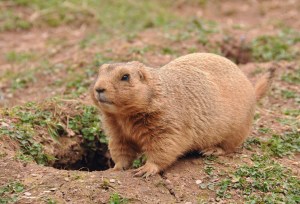
29820FC6-4FBF-44D5-AEE7-AB759AF5D153These rodents and cousins of the common grey squirrel are one of our favorites. There are five species of these little dudes. Scientists are working to protect their habitat and them as they are important for the survival of many species.

Categories: adventure, Animals, Children, conservation, education, endangered species, Environment, mammals, nature, science, Today's Post, wildlife | Tags: , , , , , , , , , , | 1 Comment

Run Bird Run!

EepRun Bird Run!

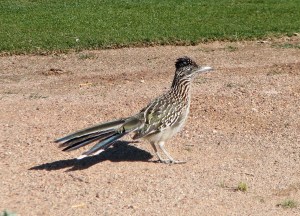
We are meeting one of the coolest birds in the southwest today- the greater roadrunner! Luckily this one didn’t have a coyote chasing it!

897872ED-5657-4BBD-B6CB-685B1DCAEBE3

Greater Roadrunner Fun Facts: 

  • Roadrunners have X shaped feet. The Pueblo people consider this shape sacred as it is thought to ward off evil spirits.
  • They are carnivores. They spent most of our time on the ground hunting small mammals, reptiles and toads.
  • These fierce predators slam their prey against rocks. They are also known for their ability to kill rattlesnakes, scorpions and venomous lizards.
  • Roadrunners can reach speeds of up to 20 mph.
  • They have a special gland by their eye to help excrete excess salt!
  • Roadrunners are territorial.
  • They are not good fliers.

8A15DF21-A884-42D4-B84A-9ABE0C9B87FA

These funny looking birds are suited for the terrestrial habitat. Those fast feet give them an advantage in finding food and staying away from predators. Once only found in the southwest, these birds are moving east can be found as far as Louisiana now.

Categories: adventure, Animals, birds, Children, conservation, education, Environment, nature, science, Today's Post, wildlife | Tags: , , , , , , , , , , , | 1 Comment

Hello Kitty!

Hello Kitty!

EEA2B434-D773-447F-AE67-FD375D02B0EB

We are excited to meet our first animal of this year’s travels. We unpacked our gear at our camp. We’ll be exploring several kinds of habitats here the Southwest. We spent our first evening looking for a wild cat, the ocelot. These spotted cats roam in the southern most regions of the southwest. They are not easy to spot, but we were lucky and found one!

04A4EBB4-3127-441F-B433-A632945C473C

Ocelot Fun Facts: 

  • Ocelots are mostly nocturnal. Like all cats, they are carnivores. They eat rabbits, rodents, birds and reptiles.
  • Ocelots can swim well.
  • Ocelots are mostly solitary. They scent mark their territories.
  • They are kept as pets, which is a very bad idea. They are not like your domestic housecat, They are strong and destructive. These cats belong in the wild.
  • They are know to be shy.
  • Females give birth to a litter in a den, where the cubs will stay til they around 3 months old.

5FB30FE2-8FA7-4DDC-99F7-66ECC20A1FB2

These small big cats are gorgeous. The were once listed as threatened by the IUCN because they were hunted for their coats. They still are losing habitat, but for now their populations are stable. Yay!!!

Categories: adventure, Animals, Children, conservation, education, endangered species, Environment, nature, science, Today's Post, wildlife | Tags: , , , , , , , , , | 1 Comment

Blog at WordPress.com.