birds

Bird Brain!

Bird Brain!

e e alaska

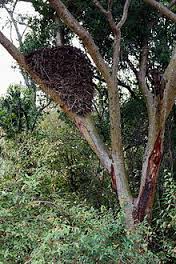
We’re off to the mountains of the northeastern United States to meet one amazing bird today! These birds have memories that are hard to match! Come meet the Clark’s nutcrackers!

Range/Habitat: Northwestern United States/mountainous forests

IMG_0196
Diet: Omnivore: seed, insects and small animals
Length/Weight: 10-11 inches/3-6 oz
Conservation Status: least concern

clark's nutcrakers

Fun Facts:

  • These birds stay active in the winter and therefore must have food all year round even with snow on the ground.
  • Clark’s nutcrackers store thousands of seeds a year and remember where most of them are stored.
  • Clark’s nutcrackers are members of the crow family.
  • They have a special pouch under their tongue that can hold up to 150 seeds at a time.
IMG_4424

  • Clark’s nutcrackers are essential for the seed dispersal of several species of pine trees!
  • Clark’s nutcrackers were discovered on the famous expedition by Lewis and Clark!
  • Both male and female nutcrackers incubate the egg.
  • Clark’s nutcrackers bond for many years.

clark's nutcrakers3clark's nutcrakers2


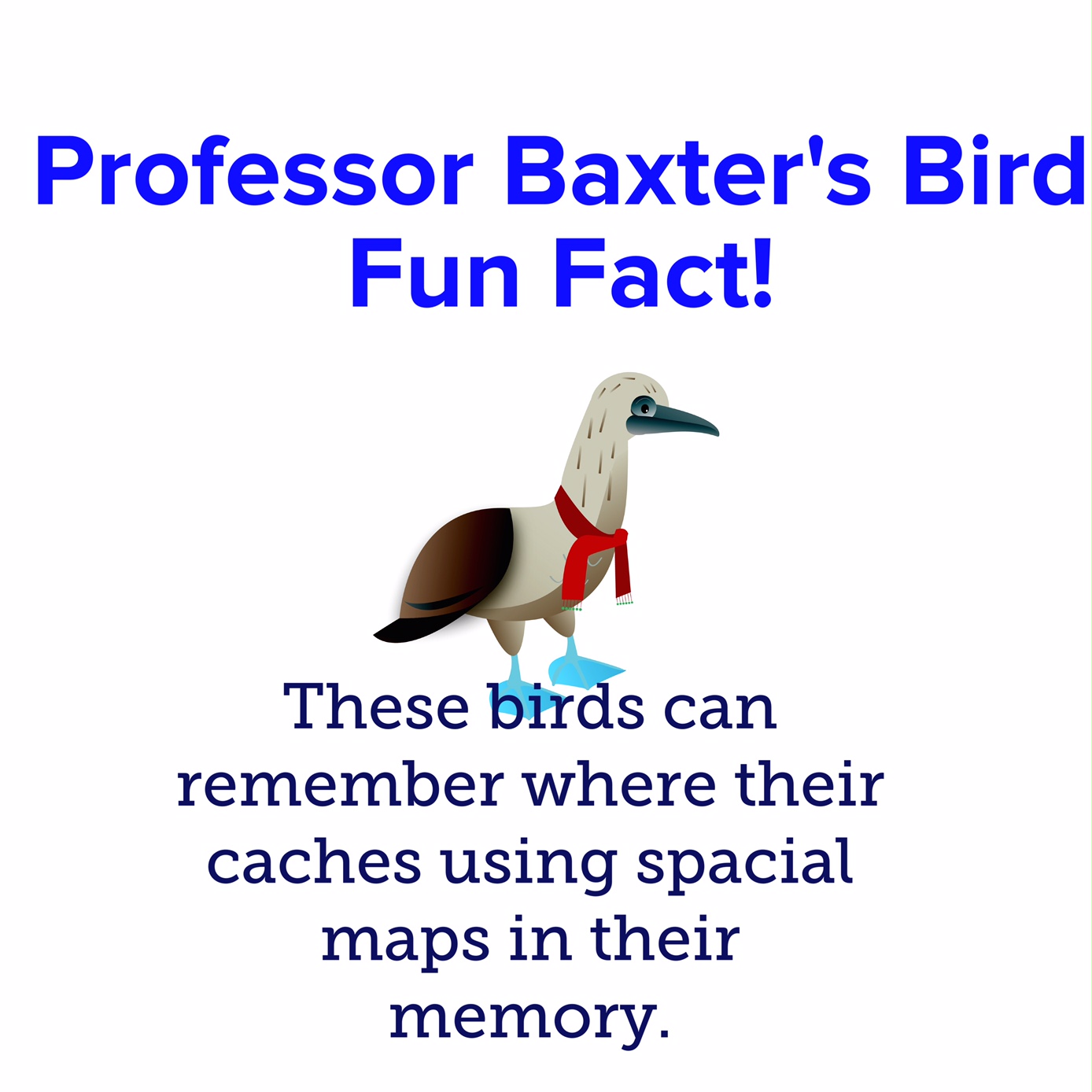
Clark’s nutcrackers have amazing capabilities! These birds form maps in their minds of where they have stashed thousands and thousands of seeds! It’s like if you close your eyes you can picture where things are in your bedroom- but on a much bigger scale! It is truly awe inspiring! Go Clark’s nutcrackers!
Categories: adventure, Animals, birds, Children, conservation, education, Environment, nature, science, wildlife | Tags: , , , , , , , , , | Leave a comment

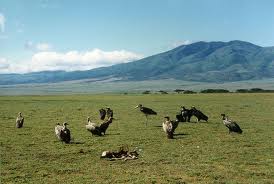
INTERNATIONAL VULTURE DAY!

INTERNATIONAL VULTURE DAY!!

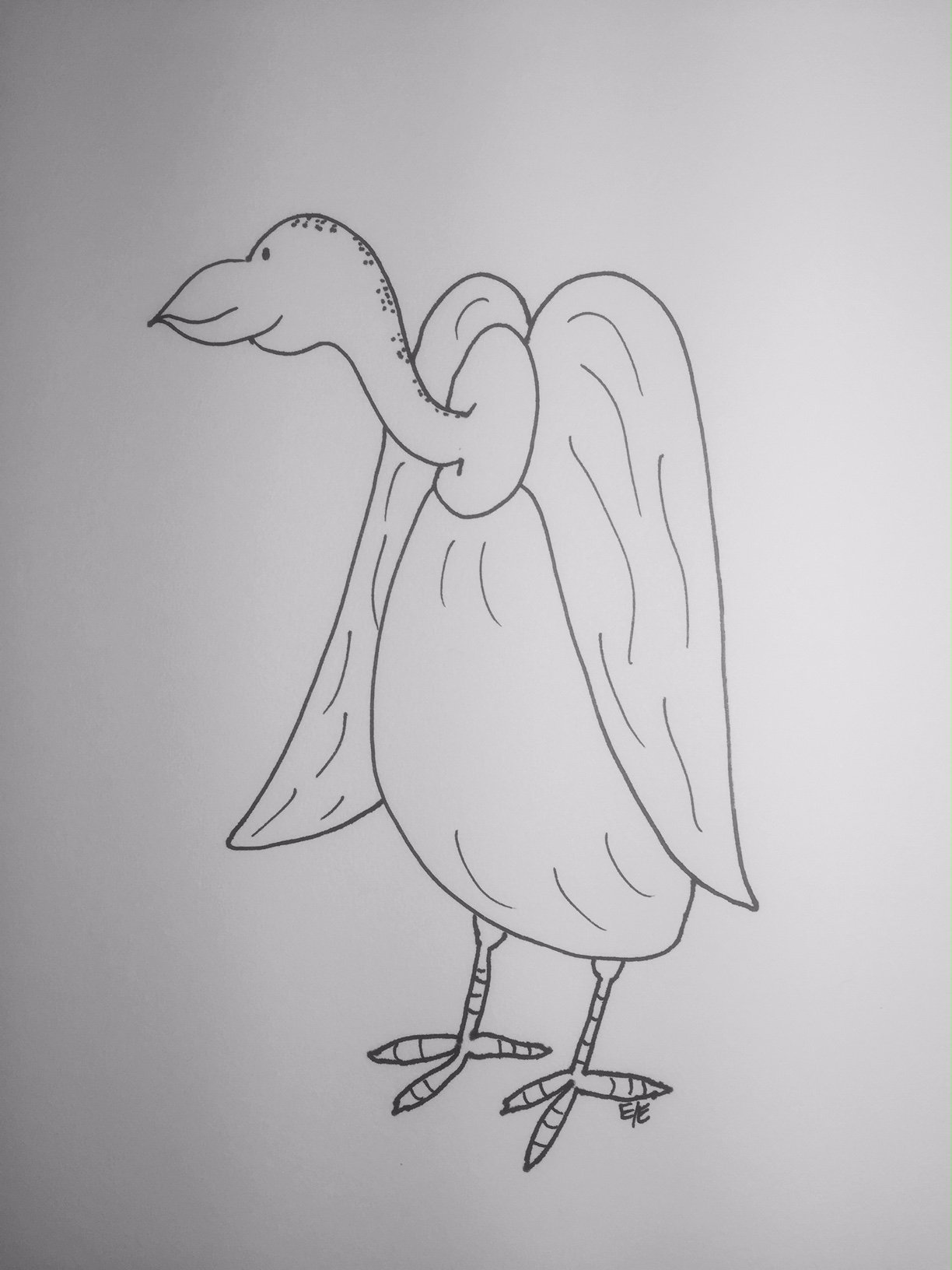
We’re celebrating vultures today! We bet you aren’t ready for your International Vulture Day party are you? Well, we have you covered! We’ve got pictures, fun facts and a coloring sheet!

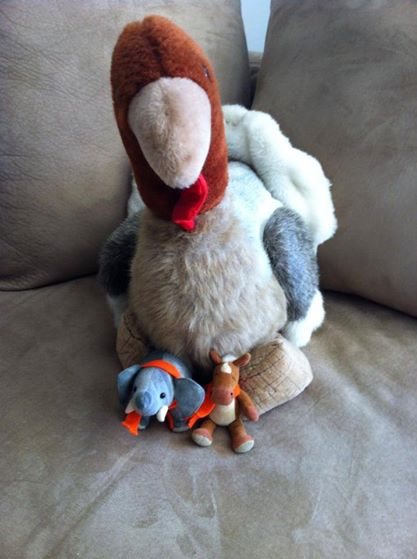
Our pal Vinny!

Our pal Vinny!

FUN FACTS:

  • There are 23 species of vultures in the world. Fourteen of them are listed as endangered.
  • Vultures are classified as Old world (Europe, Asia, Africa) and New world (Americas).
  • Recent DNA shows that Old world and New world vultures are not related and probably have different ancestors.
  • Vultures eat carrion (dead animals). We like to call them the garbage birds of the world as they can eat things no other animal can.
  • Vultures are social animals.

IMG_3854

  • Vultures have an excellent sense of smell and sight!
  • Vultures have featherless heads. This keeps them free of bacteria and parasites!
  • Vultures also urinate on their legs to keep them cool and free of bacteria. Eeeeewwww!
  • The Andean Condor is the largest species of vulture. They have a 9-10 foot wingspan!
  • The Hooded condor is the smallest species of vulture. They are about the size of a crow.
  • When threatened vultures throw up! Double eeeeeeeewww!!!

vulture  vulture2


FullSizeRender(18)

Categories: adventure, Animals, birds, Children, conservation, education, Environment, nature, science, wildlife | Tags: , , , , , , , , | 1 Comment

MEET PROFESSOR BAXTER!

MEET PROFESSOR BAXTER!

ellie_edmund_professors-bfbooby

Hello! I am Baxter the Blue Footed Booby and I am the new professor of birds here at the University of Ellie and Edmond. I’m going to tell you a bit about myself today!

I hail from the Galapagos Islands which are located off the coast of South America in the Pacific Islands.
I am sea bird. I fly far off the coast of the islands looking for my favorite foods, anchovies. We Blue footed boobies are excellent divers. Luckily, the University keeps a supply for me in the cafeteria.
My favorite thing to do in the world, is dance! I use my famous blue feet to attract female blue footed boobies! We apparently looked funny to the Spanish explorers who first saw us. The word Booby is thought to come from the Spanish word “bobo”- meaning “stupid”. I’ll admit we are bit silly looking when we dance, but it sure is fun!
I’ll be sharing my knowledge of birds here at the University with all of our new students! Besides giving you the basics, we’ll be meeting bird species from all around the world! I’m excited to share the world of all of my feathery friends!

Categories: adventure, Animals, birds, Children, conservation, education, Environment, nature, science, wildlife | Tags: , , , , , , , , , | Leave a comment

WE SEE GULLS!

WE SEE GULLS!

beach3

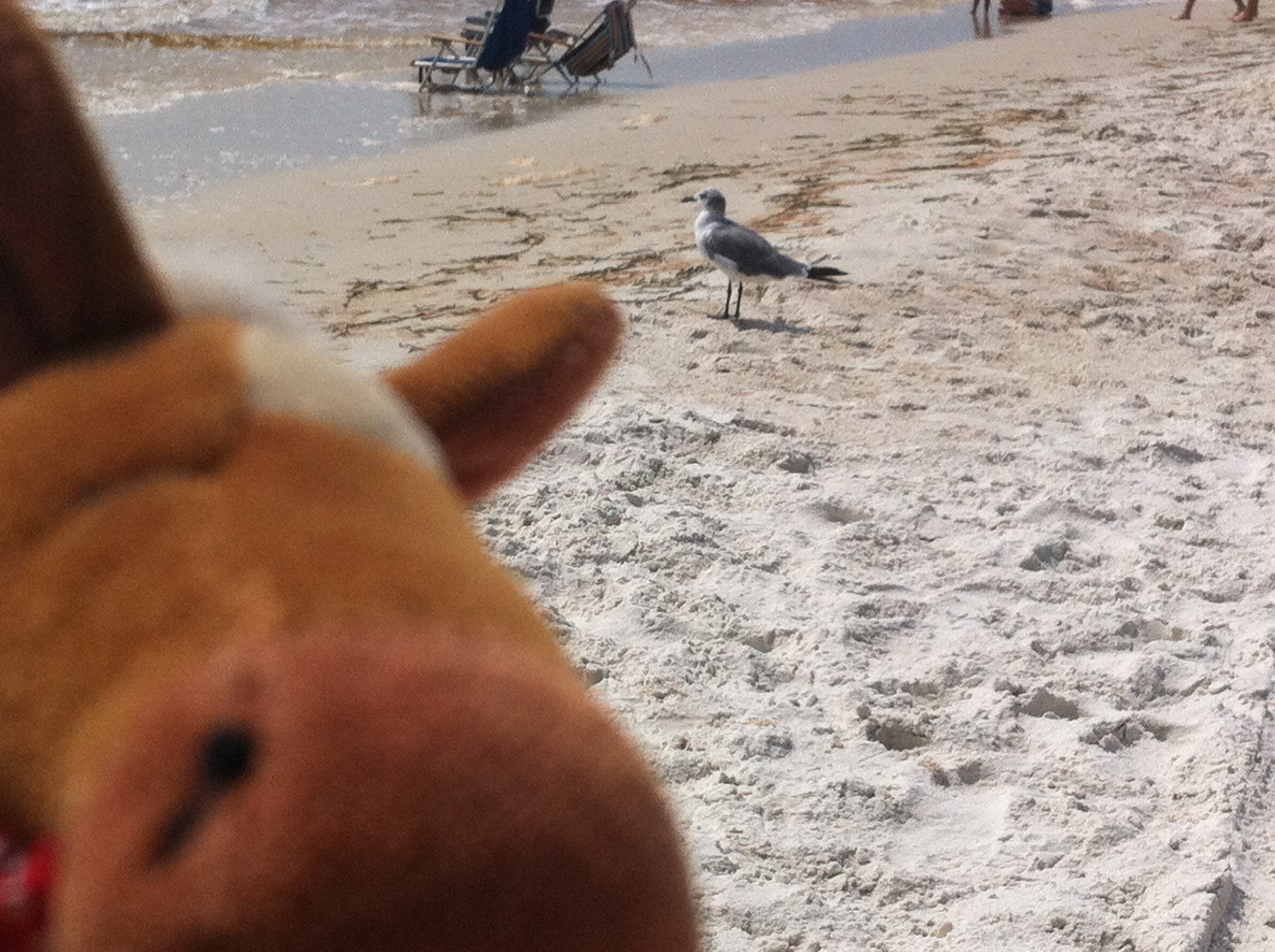
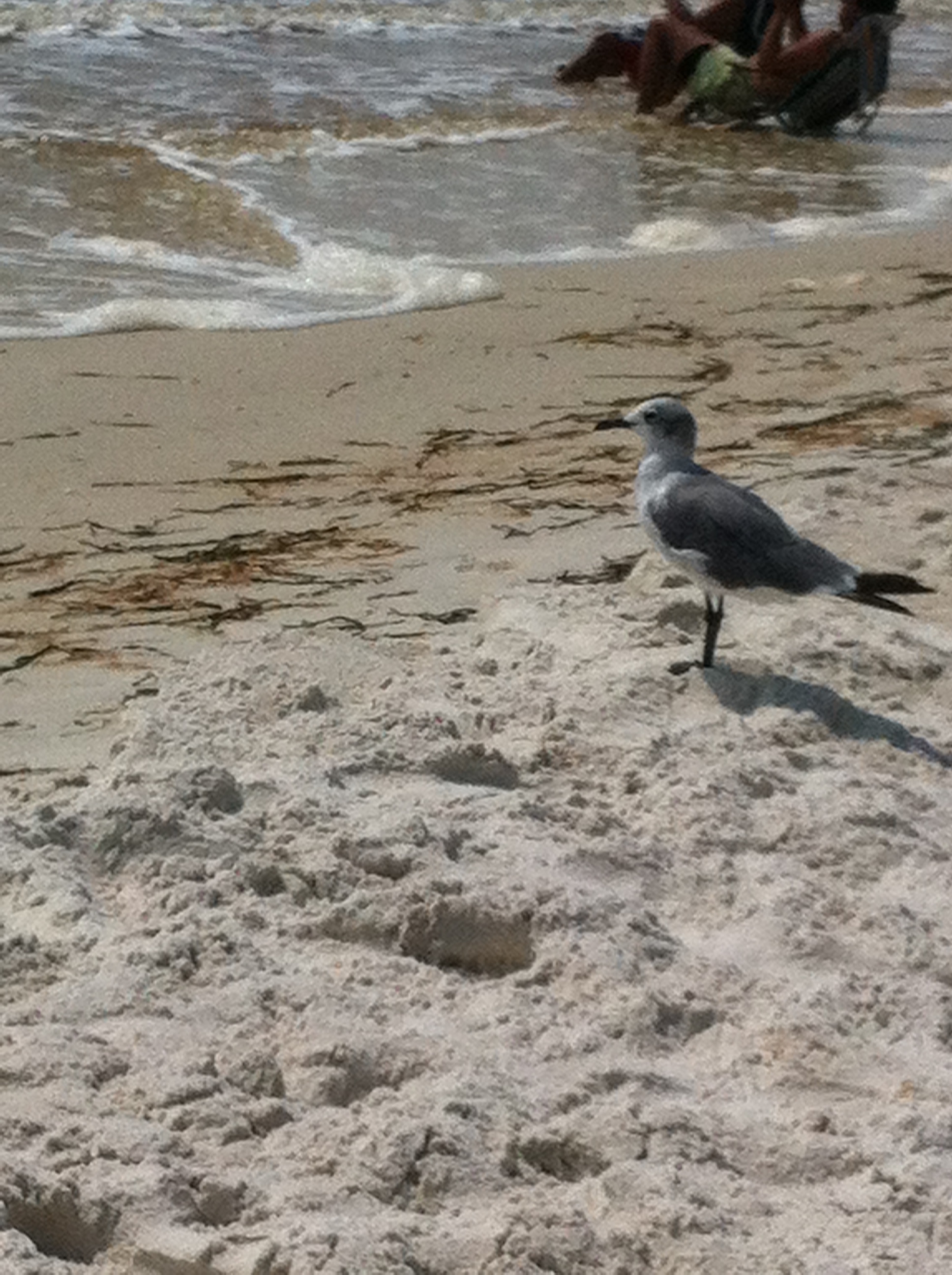
We love gulls! These noisy, gregarious and intelligent birds get a bad rap and we’re here to change that perception! Get ready to learn some fun facts and enjoy a great gull coloring sheet!

Gull Fun Facts:

  • Gulls can be found on all the continents.
  • Gulls can drink sea water. They have a gland that allows them get rid of the excess salt.
  • The lava gull is lives in the Galapagos islands and is all black to camouflage in with the volcanic shore lines.  

lava gull

  • Gulls stamp their feet on the sand to mimic the sound of rain. This causes worms to come to the surface and provides the gulls a tasty meal.
  • Gulls are known to use tools, including rocks to open mollusks and using bits of bread to “fish” for fish.
  • Gulls range in size from 29 cm to 75 cm.
  • A group of gulls is called a colony.

gull

  • Gulls have complex systems of communication.
  • Gulls are carnivores, but will scavenge any food they find. DO NOT FEED THESE BIRDS! Human food can lead to aggressive gulls that can be a nusiance!
  • Gulls mate for life.
  • Most gulls do not get their adult plumage until the age of 3 or 4 years old.beach2Sketches - 87


Categories: adventure, Animals, birds, Children, conservation, education, Environment, nature, science, wildlife | 1 Comment

WORLD PENGUIN DAY!!

WORLD PENGUIN DAY!!

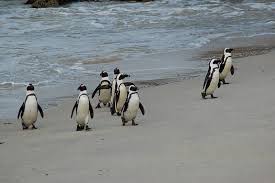
penguin

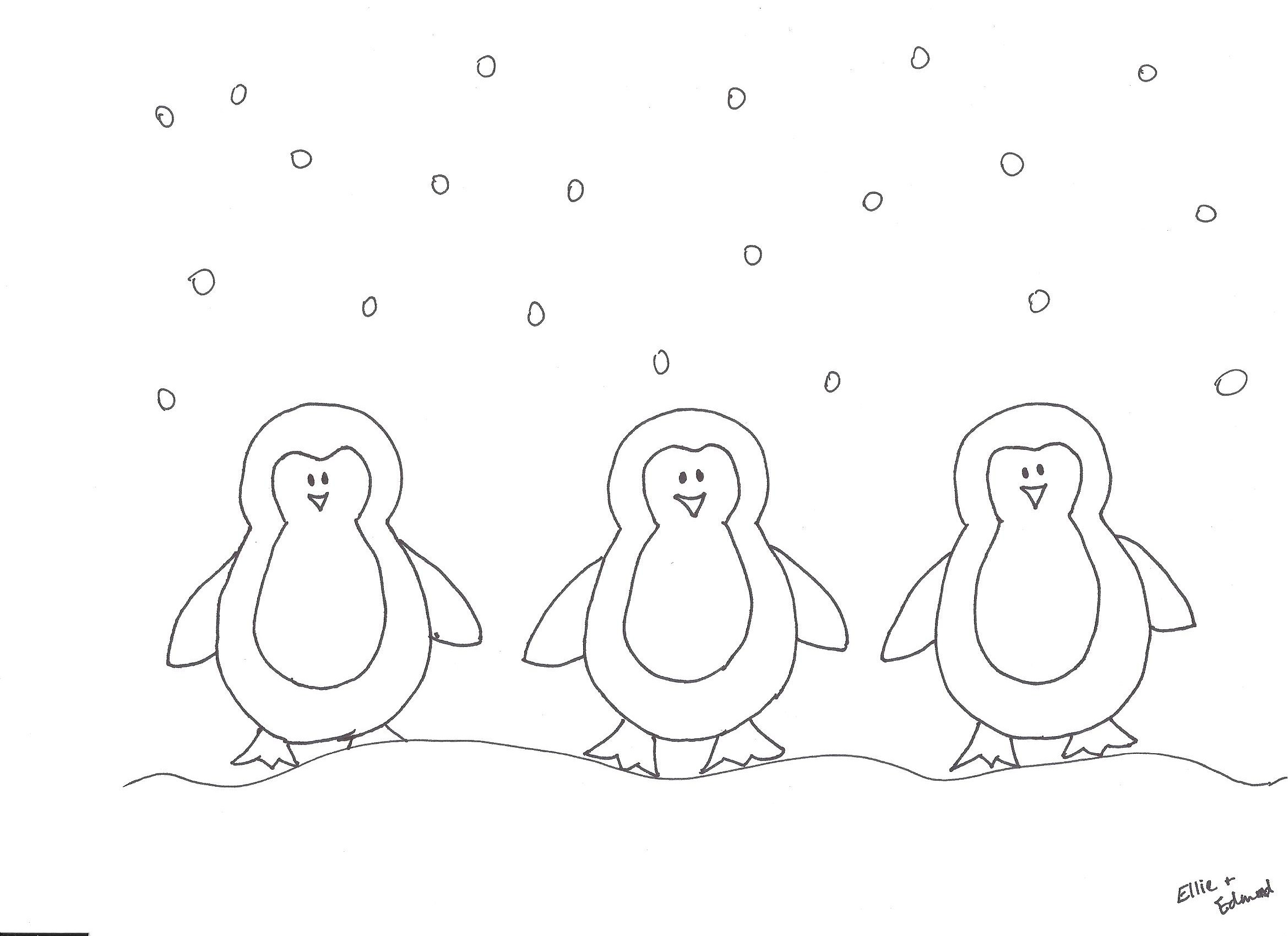
 We just love these flightless birds! Edmond was so inspired to by penguins he wrote a poem for them on World Penguin Day! You can check out last year’s post with fun drawings here!  Ellie drew a wonderful penguin coloring sheet too! Make sure to check out our Instagram account (@ellieandedmond) for our How to Draw a Penguin video too!

penguins2

Penguins

by Edmond Horse

Penguins! We love you for your formal attire; even though you aren’t great fliers!

Penguins! We love the way you waddle; you have no time to dawdle!

Penguins! We love your little hidden knees! We wish we could see them- pretty please?

Penguins! We love that you sneeze salt; this adaptation we exalt!

Penguins! We love that you are big fish eaters and you can dive many meters!
Penguins! We love the largest of your species; those Emperors live where it freezes!

Penguins! We love it when your feathers molt, it’s as if they all revolt!

Penguins, penguins, penguins so many reasons to love you and these have been just a few!

Image

Categories: adventure, Animals, birds, Children, conservation, education, Environment, nature, penguins, science, wildlife | Tags: , , , , , , , , , | 1 Comment

BUILD A NEST AND THEY WILL COME!

BUILD A NEST AND THEY WILL COME!

Valentine’s Day is fast approaching and we wanted to talk birds! We met some birds who do some fancy building when they are looking for a mate! First up- the Bowerbird!

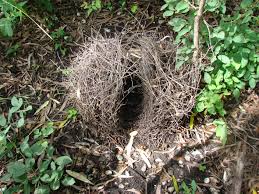
bowerbird2bowerbird

  • Male Bowerbirds build large courtship sites.
  • They build a tunnel like avenue and courtyard called a bower!
  • Bowerbirds live in Australia.
  • A female will inspect the bower and decide if the male is worth mating with.
  • Watch this video by David Attenborough about these birds!
  • Scientists also think Bowerbirds make an optical illusion with their bowers! These birds are soooo cool!


Meet the Hammerkop

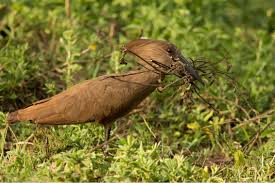
hammerkophammerkop2

  • Hammerkops live in Africa and Madagascar.
  • A pair of hammerkops build a nest together.
  • The nests can be up to 5ft across, can have many chambers and weigh up to 55 lbs.
  • They are wading birds.
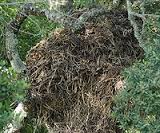
  • They build the largest nest of any bird in Africa.
  • Abandon nests are used by many other species.

These two species of birds are quiet amazing! That is loads of work to attract a mate and have chicks! We are tired just thinking about all that nest building! Anyone out there planning on building a nest for their Valentine this year?


Categories: adventure, Animals, birds, Children, conservation, education, Environment, nature, science, wildlife | Tags: , , , , , , , , , | Leave a comment

RED FEET NOT BLUE…

RED FEET NOT BLUE…

red footed booby3

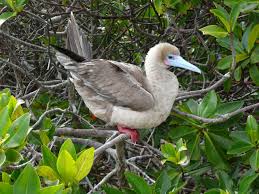
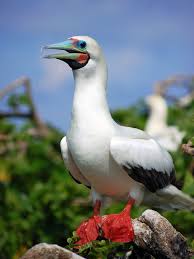
Did everyone get our We Spy animal yesterday? It was the Blue Footed Booby, one of our most favorite birds! Today we’re near the Galapagos Islands and we’re meeting a the Red Footed Booby! Those blue footed birds get the spotlight often, but we were really interested in meeting their sea going cousins! Come join us as we find these amazing birds!

e e galapagos

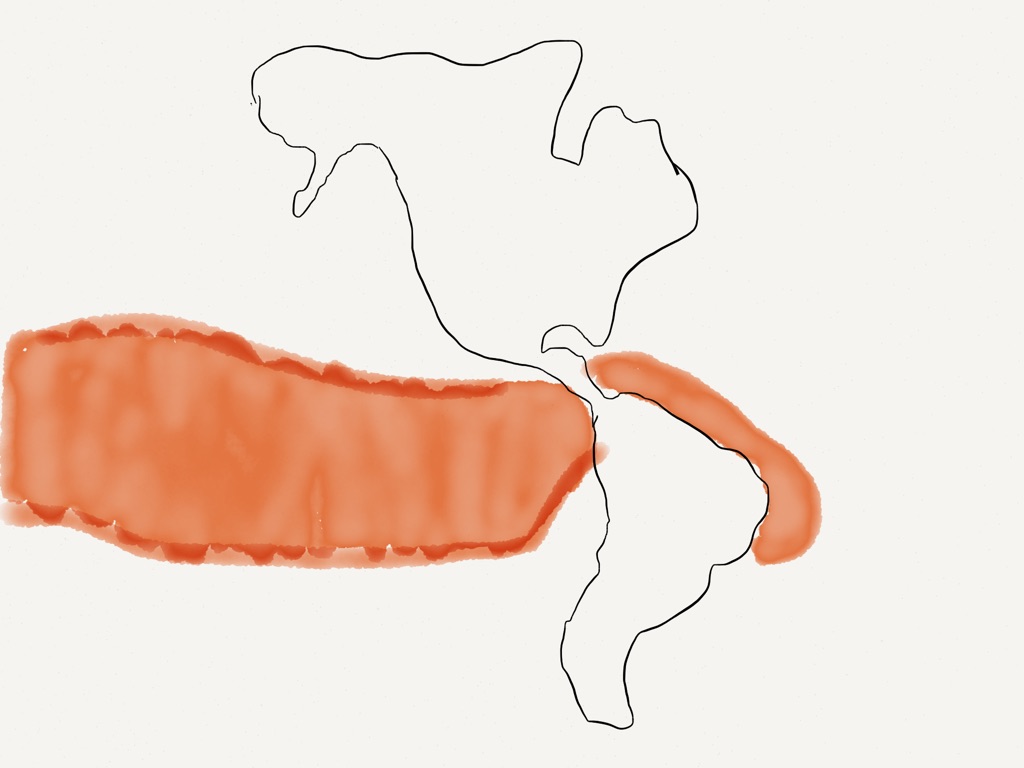
Habitat/Range: Tropical/subtropical Pacific, Indian and Atlantic Oceans

map map2

Weight/Length: 30-39 oz/25-30″

Diet: Carnivore: fish, squid

Conservation Status: least concern

red footed booby4

Fun Facts:

  • Red footed boobies are the smallest member of the booby bird family.
  • They feed at sea, but nest and land in coastal areas.
  • Red footed boobies can dive up to 98 ft in to the water to catch their prey.
  • Red footed boobies can close their nostrils when diving!
  • They live in large groups called colonies.
  • Red footed boobies do not migrate.
  • Both male and female red footed boobies take care of the egg and chick.
  • Red footed boobies can live up to 20 years!

red footed booby2   red footed booby

These birds had us laughing! They are quiet loud and playful as a group! Those red feet are hard to miss! We giggle every time we see them!

Categories: adventure, Animals, birds, Children, conservation, education, Environment, nature, science, wildlife | Tags: , , , , , , , , , | 1 Comment

SCIENCE WORD OF THE WEEK- ORNITHOLOGY!

SCIENCE WORD OF THE WEEK!!

swow ornithology

Hello and welcome back to class everyone!! We are so excited to be back to class here at the University of E & E! We had a lovely break, but I am ready to get back to learning our science words! Today’s word is related to National Bird Day, which we celebrated yesterday! Starting next week- I’ll be introducing our Professor of Travel and he’ll be letting you know where Ellie and Edmond are traveling for the week!

Today’s word is Ornithology: the study of birds. An ornithologist is a scientist who studies birds.

Did you know that there are nearly 10,000 species of birds on the planet? That makes for a lot of subjects for scientists to study! We love our feathery friends. Being an ornithologist is hard work! If you were going to study birds, which ones would you study? I know Ellie and Edmond would head straight to the Galapagos to study the Blue Footed Booby!

This our Blue Footed Booby pal!

This our Blue Footed Booby pal!

Categories: adventure, Animals, birds, Children, conservation, education, Environment, nature, science, vocabulary, wildlife | Tags: , , , , , , , , , | 1 Comment

NATIONAL BIRD DAY!!

NATIONAL BIRD DAY!!

national bird day

We are so excited to be back! We hope you like the new bold look of our website! Look for more graphics and pictures too! We’re kicking off the year with National Bird Day! Let’s learn some cool facts about ancient and modern birds!

  • The largest bird egg ever was laid by the extinct Elephant Bird.
Elephant bird egg on right next to an ostrich egg.

Elephant bird egg on right next to an ostrich egg.

  • The largest egg known today is laid by the ostrich.
  • The oldest known bird lived 150 million years ago and was called the Archaeopteryx.Archaeopteryx
  • Kiwi and penguins are flightless birds.
penguin

We can fly underwater!

kiwi

I have no wings!


  • About 1/5 of a bird’s weight consists of air sacs.
  • Bird bones are hollow inside.
  • There are 9,865 species of birds today! WOW!!
  • Birds have no teeth!
bird beak

See- no teeth!


  • Hammerkop males build large nests to attract a mate!

nesthammerkop


We just love birds! They come in so many sizes and colors! They can fly! They can swim! They can dive! Birds are so diverse and amazing! Do you have a favorite bird? We were the proud adopters of a snowy plover this holiday! He’s quiet the fantastic feathery friend!

plover

Categories: adventure, Animals, birds, Children, conservation, education, Environment, nature, science, wildlife | Tags: , , , , , , , , , | 1 Comment

We’re Talking Turkey

We’re Talking Turkey!

e e turkey

We’re talking turkeys today! We love these amazing birds! Wild turkeys are often under appreciated if you ask us! Come learn some fun facts about turkeys!

turkey3

  • Turkeys live in North America. They are found throughout the U.S.
  • Turkeys can fly! They have around 5-6 thousand feathers!
  • Male turkeys are more colorful than females. Males have the beards and the big fanned out tail.
  • Male turkeys are called gobblers and females are called hens.
  • Turkeys can run up to 25 mph!
  • Turkeys can fly up to 55 mph! Who knew?
  • Baby turkeys are called poults!
  • Turkeys live in open areas and woodland habitats.
  • Turkeys are omnivores. They eat nuts, seeds and insects.
  • By the early 1900s there were only 30,000 turkeys in North America, but with conservation efforts there around 7 million wild turkeys today!
  • You can hear a turkey’s call up to a mile and half away! Wow!

turkey2turkey


We bet you had no idea how cool wild turkeys real are! We hope you’ll have a better appreciation for these majestic birds! We know we sure do! Let’s go Turkeys!!

Categories: adventure, Animals, birds, Children, conservation, education, Environment, nature, science, wildlife | Tags: , , , , , , , , , | 1 Comment

Blog at WordPress.com.