Posts Tagged With: conservation

REPTILIAN TUESDAY # 71

REPTILIAN TUESDAY # 71

We’re going to sure the pond in our neighborhood for today’s adventure. Let’s grab some snacks for a picnic and head out to meet today’s reptile friend!  

e e stream

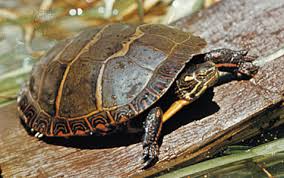
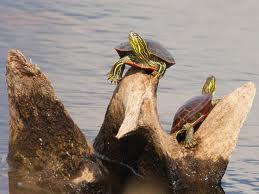
MEET THE RED EARED SLIDER!

red eared slider   Range/Habitat: Southern United States-Mexico/wetlands, ponds,

   rivers

   Diet: Omnivore: fish, tadpoles, plants

   Length: 8-13”

   Conservation Status: common


Fun Facts:

  •          Red eared sliders have red dashes around their ears.
  •          They bask in the sun during the day.
  •          Red eared sliders don’t have saliva and must eat their food under water.
  •          Red eared sliders have claws on their front feet.
  •          They brumate (become less active and hang out on the bottom of rivers/ponds during the fall and winter).

Red eared sliders are so cute. They are very popular pet to have too. Remember, if you do decide a pet turtle is for you; get them from a breeder and not from the wild. And as always do your homework, because all pets have specialized needs.

 red eared slider2  red eared slider3

Categories: adventure, Animals, Children, conservation, education, Environment, nature, reptiles, science, turtles, wildlife | Tags: , , , , , , , , , , | Leave a comment

FEATHERY FRIDAY # 70

FEATHERY FRIDAY #70

We’re heading to South America to meet a little brown bird in the rainforest! Grab your adventure gear and let’s head out on today’s adventure.

e & e rainforest

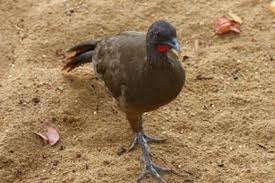
MEET THE LITTLE CHACHALACA!

little chachalaca3   Range/Habitat: Northern South America/rainforest

   Diet: herbivore: berries, fruit

   Length/Weight: 15”/ 21 oz

   Conservation Status: common 


Fun Facts:

  •          Chachalaca are related to curassows.
  •          They are noisy birds.
  •          Chachalaca get their name from their call.
  •          Chachaalca have long tails.
  •          They have molted brown feathers.

These little plain looking birds have a great call! You can check it out here. We think we might practice it the rest of the day!

little chachalaca   little chachalaca2

Categories: adventure, Animals, birds, Children, conservation, education, Environment, nature, science, wildlife | Tags: , , , , , , , , , | 1 Comment

WORLD TURTLE DAY!

WORLD TURTLE DAY!

002

It’s World Turtle Day and we’re celebrating our shelled reptile friends with fun facts and photos! Tell us what you love about turtles and tortoises!

  • Turtles have been on the earth for about 200 million years.
  • Box turtles can live to be over a 100 years old.
  • Turtles live on every continent except Antarctica.

turtle

  • There are seven species of sea turtles. The Leatherback is the largest.
  • The top shell is called the carapace and the bottom shell is the called the plastron.

turtle2

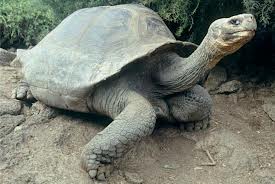
  • Turtles and tortoises are attached to their shells.
  • The shells are part of their skeleton.
  • turtle3The coverings on the top shell are called scutes.
  • Scutes are made up of keratin, the same protein that makes up human hair and nails.
  • turtle4Turtles don’t have ears.
  • There are about 250 species of turtles.
  • turtle8Some sea turtles can dive as deep as 3,000 feet.
  • Turtles are reptiles.
  • turtle7Turtles lay eggs.
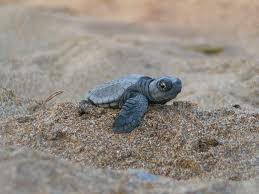
  • Hatchlings have a special tooth that they use to crack open their eggs.

turtle6    turtle5

Categories: adventure, Animals, Children, conservation, education, Environment, nature, reptiles, science, turtles, wildlife | Tags: , , , , , , , , , | 1 Comment

WATERY WEDNESDAY # 70

WATERY WEDNESDAY # 70

 We’re taking the E & E sub out today to meet one cool and amazing fish! These fish can fly, but beware of that mouth full of teeth! We’re starting the engines and getting ready to dive down and head out on today’s adventure!

e e deep sea

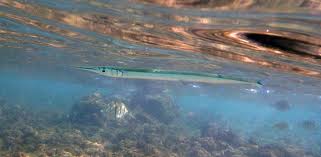
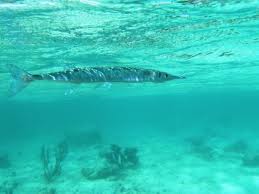
MEET THE GIANT NEEDLEFISH!

needlefish2   Range/Habitat: Tropical-temperate oceans worldwide

   Diet: Carnivore: fish, squid

   Length/Weight:  3-5ft/ up to 7 lbs

   Conservation Status: common


Fun Facts:

  •          Giant needlefish are the largest species member of the needle fish family.
  •          They have long slender bodies.
  •          Giant needlefish have a mouth full of sharp teeth.
  •          Giant needlefish can leap out of water.

Needlefish are crazy looking with their long snouts and large pointy teeth. They can harm people when they leap out of the water to escape predators and land in boats. So watch for flying fish!

needlefish


Categories: adventure, Animals, Children, conservation, education, Environment, fish, nature, oceans, science, wildlife | Tags: , , , , , , , , , , | Leave a comment

AMPHIBIAN TUESDAY # 70

AMPHIBIAN TUESDAY # 70

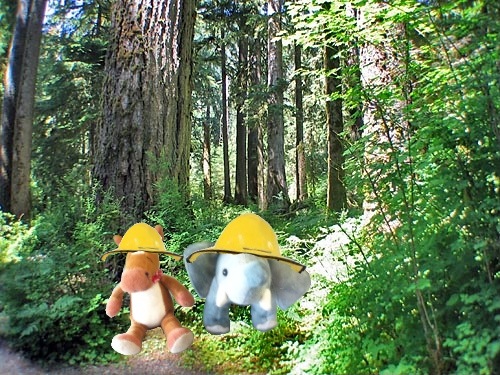
It’s Amphibian Tuesday and we’re going to meet a little salamander that lives just north of us. We’re going on a hike in the woods, so grab your backpack, walking stick and a hat and let’s head out on today’s adventure!

e e woods (2)

MEET THE THREE LINED SALAMANDER!

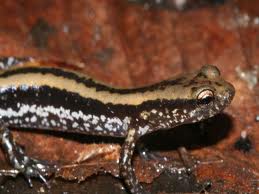
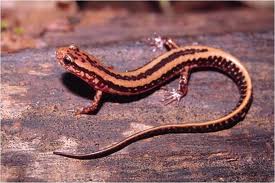
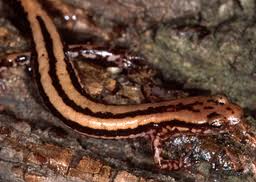
three lines salamander    Range/Habitat: Eastern United States/ woodland

    Diet: carnivore: insects, spiders, flies

    Length: 4-7”

    Conservation Status: common


Fun Facts:

  •          Three lined salamanders have long slender bodies.
  •          Three lined salamanders also have very long tails.
  •          They are nocturnal.
  •          Three lined salamanders have dark stripes down their backs and sides.
  •          They winter underground.

These little salamanders are adorable. We would love to spend a few days in the woods looking for amphibians of all kind. Did you know amphibians are a keystone species? They often help scientist determine the health of a habitat. If the amphibian population is healthy, then the habitat is probably pretty healthy too!

three lines salamander2   three lines salamander3

Categories: adventure, amphibians, Animals, Children, conservation, education, Environment, nature, science, wildlife | Tags: , , , , , , , , , | 1 Comment

MAMMAL MONDAY #70

MAMMAL MONDAY # 70

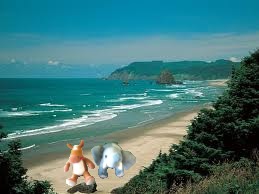
We’re going to New Zealand today to meet a native marine mammal. We love pinnipeds and these guys are no exception! Grab your passport and your bags and let’s goooooo…

e & e coast

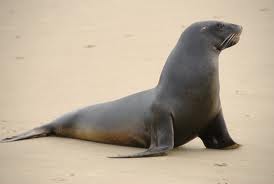
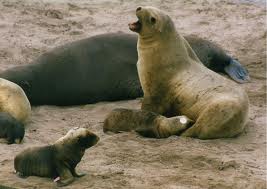
MEET THE NEW ZEALAND SEA LION!

new zealand sea lion   Range/Habitat: New Zealand-surrounding islands/ coasts, oceans

   Diet: Carnivore: fish, squid

   Length/Weight: 5 ¾-11 ft/ 200-1,000 lbs

   Conservation Status: vulnerable


Fun Facts:

  •          New Zealand Sea Lions are also known as the Hooker’s Sea Lion.
  •          They are the rarest sea lion on earth.
  •          New Zealand sea lions have blunt noses.
  •          Male New Zealand sea lions are dark and the females are light gray.
  •          They are pretty agile on land.
  •          New Zealand sea lions have external ears.

These regal looking sea lions are protected in their homeland and there are conservation efforts being made to make sure they will be around for a very long time!

new zealand sea lion2    new zealand sea lion3

Categories: adventure, Animals, Children, conservation, education, Environment, mammals, nature, science, wildlife | Tags: , , , , , , , , , | Leave a comment

ENDANGERED SPECIES DAY!

ENDANGERED SPECIES DAY!

We’ve been highlighting endangered species and how you can help them all week. We want to explain a bit more about endangered species and have you meet a few animals who have success stories!
e & e eco explorers

First, what is an endangered species? Well, that is a complicated answer. The IUCN (International Union for Conservation of Nature) is an International group that is made up of scientist, conservation organizations and governments from all over the world. They work on conservation issues all around the globe and help determine populations of animals. They have ranking system that starts at Data Deficient and goes to Critically Endangered to Extinct. Individual countries sometimes have their own ranking system and that here in the U.S. started with the Endangered Species Act. It lists animals who need protection or help due to low populations. When an animal is put on the endangered species list, it helps people protect their habitat and their population.

We often hear so many negative stories when it comes to endangered species and we wanted to share some success stories! We can make a difference and we can help protect critical habitats and the animals who live there!

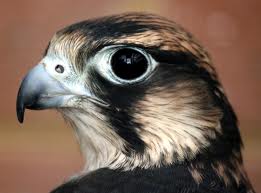
Peregrine Falcons

At one time there were just 324 pairs of these fast fliers left, but now there are over 1,700 pairs*!
perigrin falcon

Sea Otters

These adorable otters have gone from 1,700 individuals to over 2,700 due to protecting their habitat and rehabilitation efforts by places like the Monterey Bay Aquarium!

sea otter

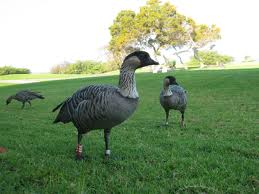
Hawaiian Goose

The state bird of Hawaii has gone from just 400 birds to several thousand due to captive breeding programs that reintroduce the birds in their habitats!
hawaiian goose

Gray Whale

These giants of the ocean are protected from hunting internationally and have seen their numbers grow under that protection. They now number in the 30,000s!
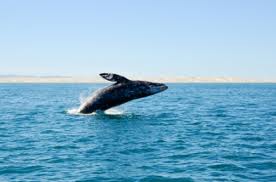
gray whale

*Numbers from biologicaldiversity.org

We love sharing animal success stories! You can make a difference when it comes to helping endangered species. You can  get involved with local and global conservation organizations. You can participate in a habitat clean up. You can recycle, reduce your trash and reuse items. You can take a trip to your local AZA accredited zoo or aquarium, all of which not only work with the animals they house, but with wild populations. Lastly, share your passion and love of animals with everyone you know!

Categories: adventure, Animals, Children, conservation, education, endangered species, Environment, nature, science, wildlife | Tags: , , , , , , , , , | 3 Comments

ENDANGERED SPECIES WEEK DAY # 5

ENDANGERED SPECIES WEEK

DAY # 5

Today’s adventure takes us to South America to meet one gorgeous parrot. These beauties are endangered and we can’t imagine living in a world where these feathery friends aren’t around! Grab your gear, your binoculars and let’s go meet these big blue birds!

e & e rainforest

MEET THE HYACINTH MACAW!

hyacinth macaw   Range/Habitat: Central South America/ rainforest

   Diet: Herbivore: nuts, fruits

   Length/Weight: 3 ¼ ft/ 3 lbs

   Conservation Status: endangered


Fun Facts:

  •          Hyacinth Macaws are the largest member of the parrot family that can fly.
  •          They have bright blue feathers.
  •          Hyacinth macaws are very social.
  •          Hyacinth macaws have long tails.
  •          They have large curved beaks to help them crack open nuts.


Hyacinth macaws are one of our favorites. They are endangered mainly due to the pet trade. If you decide a pet parrot is right for your home, make sure you get one from a reputable breeder. Remember that parrots are very social and live a very long time, so they are very high maintenance and require a lot of care.

hyacinth macaw3    hyacinth macaw2

Categories: adventure, Animals, birds, Children, conservation, endangered species, Environment, nature, science, wildlife | Tags: , , , , , , , , , , | Leave a comment
ENDANGERED SPECIES- GUESS THE ANIMAL!

ENDANGERED SPECIES WEEK- GUESS THE ANIMAL

WHO AM I?

snow leopard

  • I live in the mountains in Asia.
  • I am able to jump 50 feet in one leap.
  • I am large cat.

WHO AM I?

Categories: adventure, Animals, Children, conservation, education, endangered species, Environment, mammals, nature, science, wildlife | Tags: , , , , , , , , , , | 10 Comments

ENDANGERED SPECIES WEEK- MANATEE BOOKMARK

Endangered Species Week- Craft Day

We’re making a manatee bookmark today. These amazing marine mammals are listed as vulnerable and there is much that we can do to help them; like making sure their ocean and river habitats are free of trash. Also making sure if you are boating in their habitat you go slow as not to hurt them. Lastly, help reduce the pollution that goes in our waterways, by using natural cleaning products. Let’s get started on this adorable bookmark that will remind you how neat manatees are!

manatee craft5


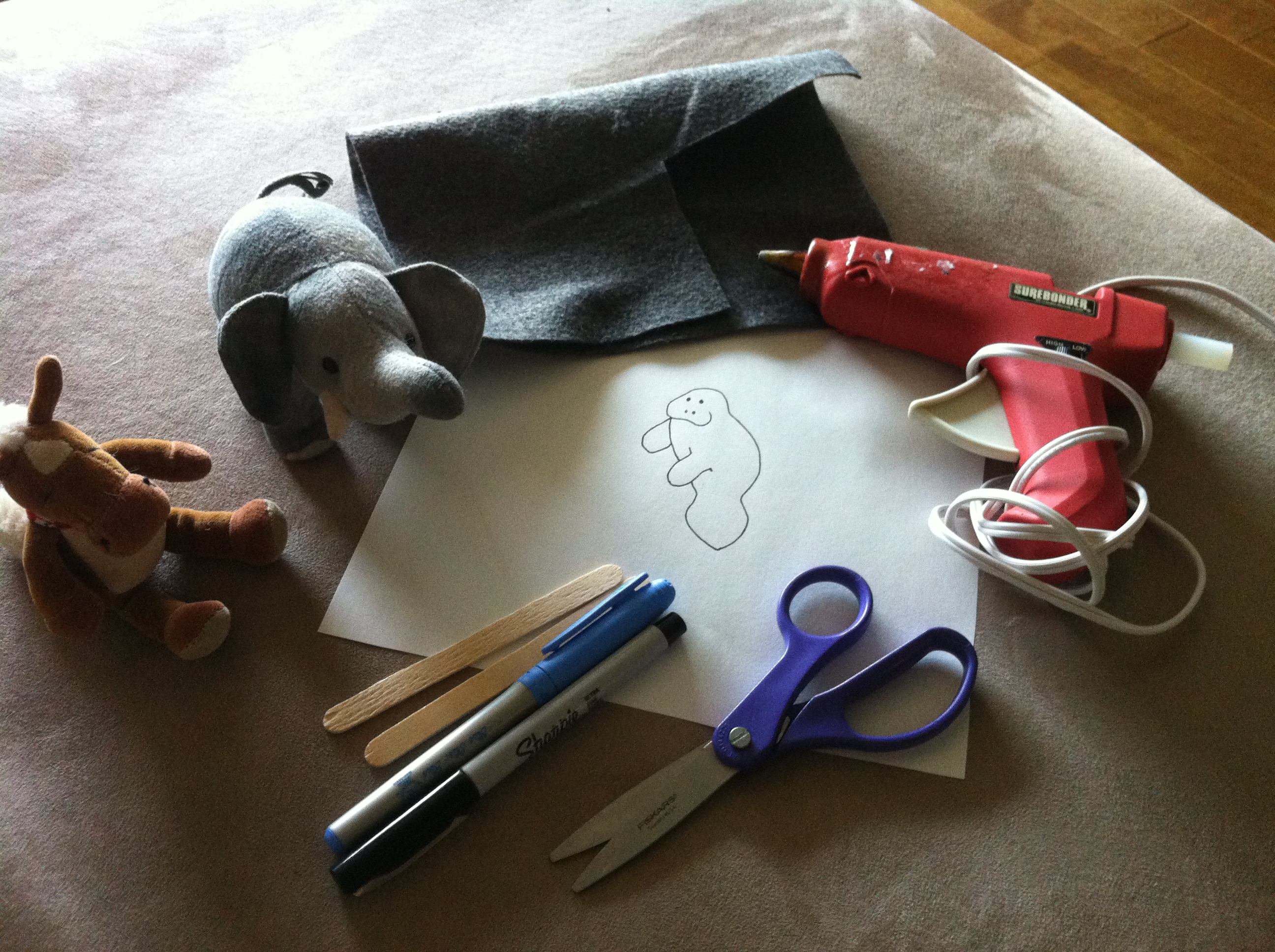
Materials:

  • A popsicle stick
  • Gray Felt
  • Hot glue (to be used by an adult)
  • Black marker and blue marker


Instructions:

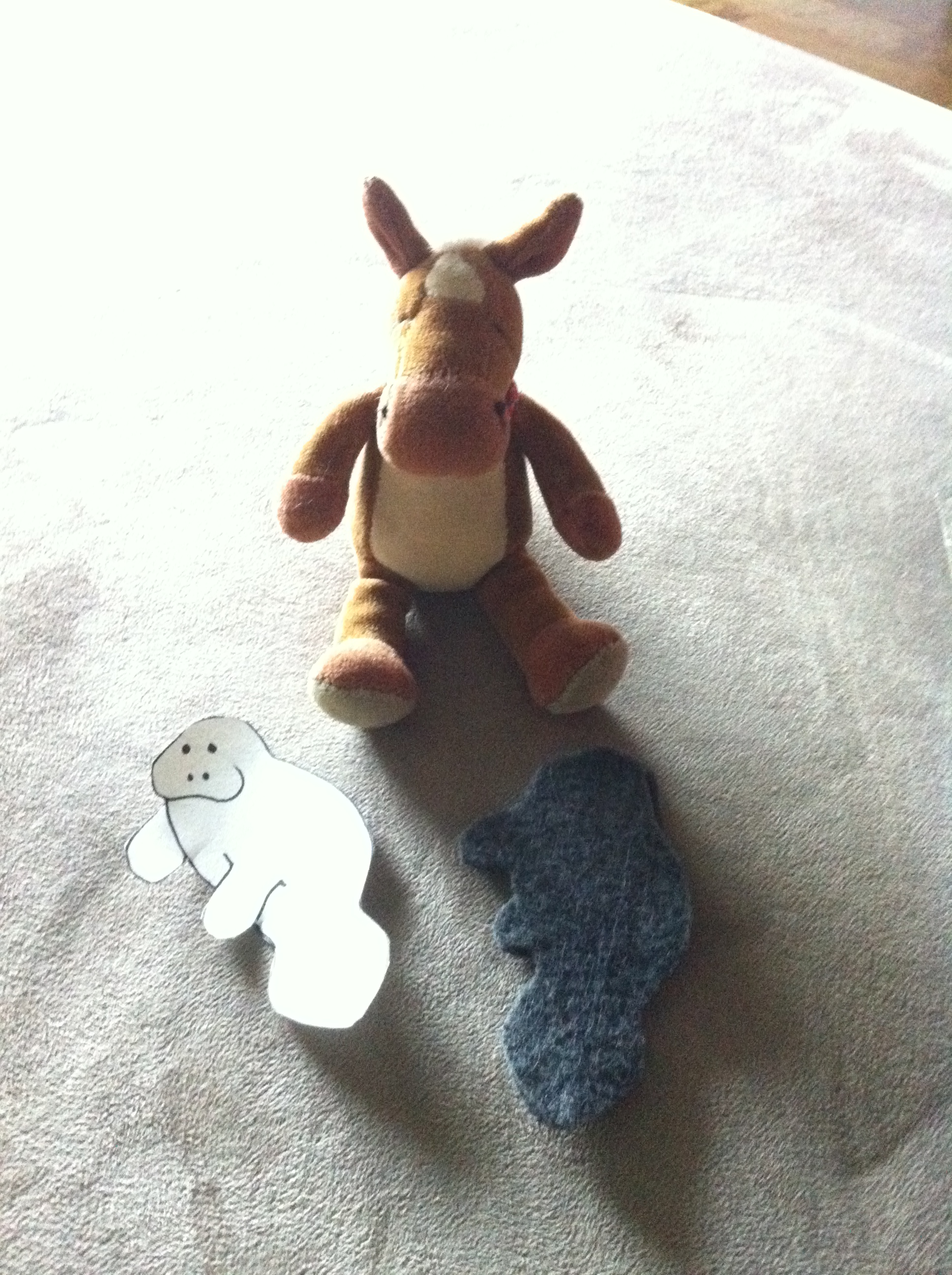
  • Print pattern (below) and trace on the felt. You’ll need two manatees.
  • Cut out your manatees.

manatee craft4

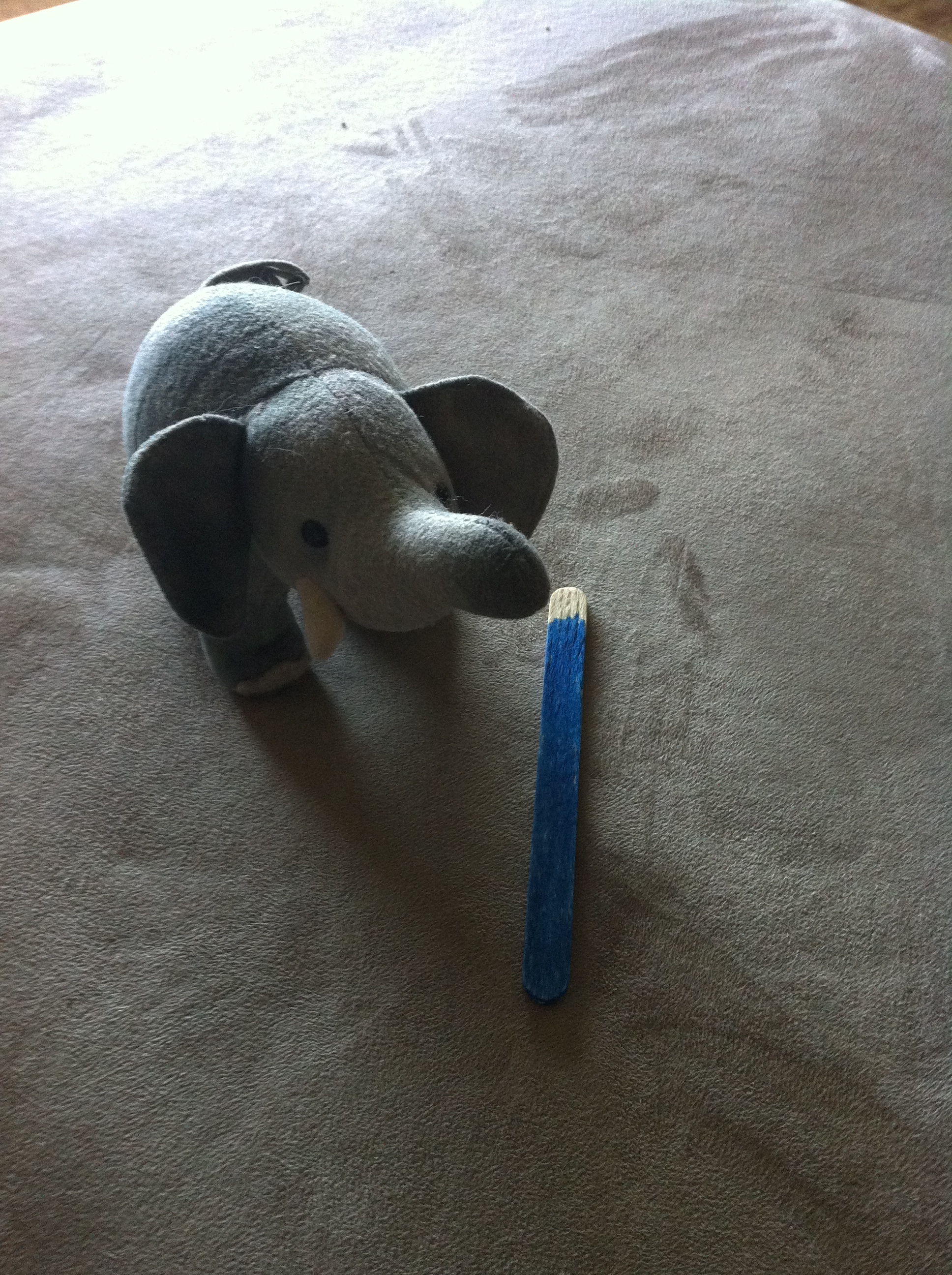
  • Color your popsicle stick with the blue marker.

manatee craft1

  • Place one manatee down, then the popsicle stick, then the other manatee on top- glue this together.

manatee craft3

  • Add face details to your manatee.

manatee craft

Image

Categories: adventure, Animals, Children, conservation, crafts, education, endangered species, Environment, mammals, nature, wildlife | Tags: , , , , , , , , , | Leave a comment

Blog at WordPress.com.