Posts Tagged With: environment

SCIENCE WORD OF THE WEEK!

SCIENCE WORD OF THE WEEK!

swow bat

Hello and welcome to class! We’re gearing up for Bat Week here at the University and then Ellie and Edmond will be celebrating Owl-O-Ween! So who’s ready to learn a super cool word today?

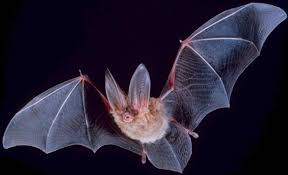
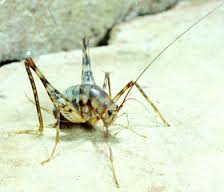
Today’s word is Trogolophile: trogolophiles are animals that live just inside the entrance of a cave. Light can be abundant and the animals don’t have adaptations to survive in complete darkness. The word trogolophile comes from greek words (troglos- cave) and (phileo- love). Some trogolophiles include bats, rats, insects and salamanders.

batsalamander

cave cricket 

Categories: adventure, Animals, Children, conservation, education, Environment, nature, science, vocabulary, wildlife | Tags: , , , , , , , , , | Leave a comment

INTERNATIONAL SNOW LEOPARD DAY

INTERNATIONAL SNOW LEOPARD DAY!

e e ear muffs

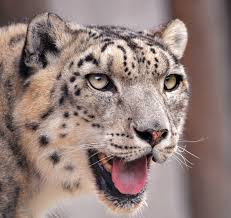
Woohoo! We’re heading to the chilly mountains of Asia to meet one of the more gorgeous and elusive big cats on earth! Happy International Snow Leopard Day! We’re going to celebrate with some fun facts about these neat cats!

snow leopard2

  • Snow leopards live in the mountains of Central Asia.

IMG_0199

  • They have some of thickest fur of any animal on earth, up to 5 inches thick.
  • Snow leopards can jump up to 50 feet in on leap.
  • Snow leopards are carnivores, they eat blue sheep and small mammals.
  • Their long tails can grow up to 36 inches, almost as long as their bodies. Their tails help the snow leopard with balance and warmth.

snow leopard

  • Snow leopards are endangered.
  • Snow leopards are known to be shy and solitary.
  • Their feet are built like snow shoes.

snow leopard3

Categories: adventure, Animals, Children, conservation, education, Environment, mammals, nature, science, wildlife | Tags: , , , , , , , , , | Leave a comment

World Wombat Day!

World Wombat Day!!

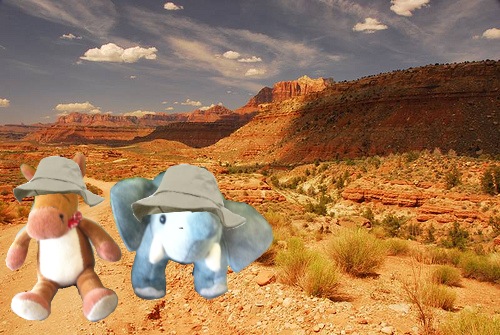
e e desert

Come celebrate the wonderful wombat with us today! We love these marsupials from the land down under! Hopefully you will too after you learn some cool stuff about them!

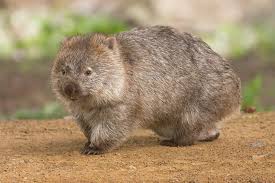
wombat4wombat2

  • Wombats live in Australia.

IMG_0201

  • They are marsupials.
  • Wombat pouches face toward the rear instead of towards the mother’s head. This is to make sure the mother doesn’t get dirt in the pouch when digging burrows.
  • They live in burrows that they dig. Some species of wombats share their burrow and some live alone.
  • Wombats are herbivores; they eat grasses, roots and barks.

IMG_4470

  • It can take up to 14 days for a wombat to digest its food.
  • Wombat teeth never start growing.
  • Wombats are nocturnal.

wombat

  • Wombats can run up to 25 mph.
  • A wombat’s bum is primarily made up of cartilage.
  • During the ice age, wombats were giant sized! They were the largest marsupial known to have ever lived.

giant wombat

Categories: adventure, Animals, Children, conservation, education, Environment, mammals, nature, science, Uncategorized, wildlife | Tags: , , , , , , , , , | 1 Comment

INTERNATIONAL SLOTH DAY!

INTERNATIONAL SLOTH DAY!

e & e rainforest2

sloth2

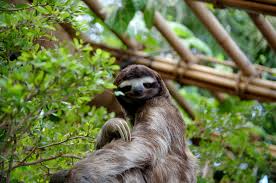
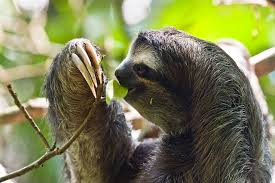
  • Sloths sleep up to 20 hours a day.
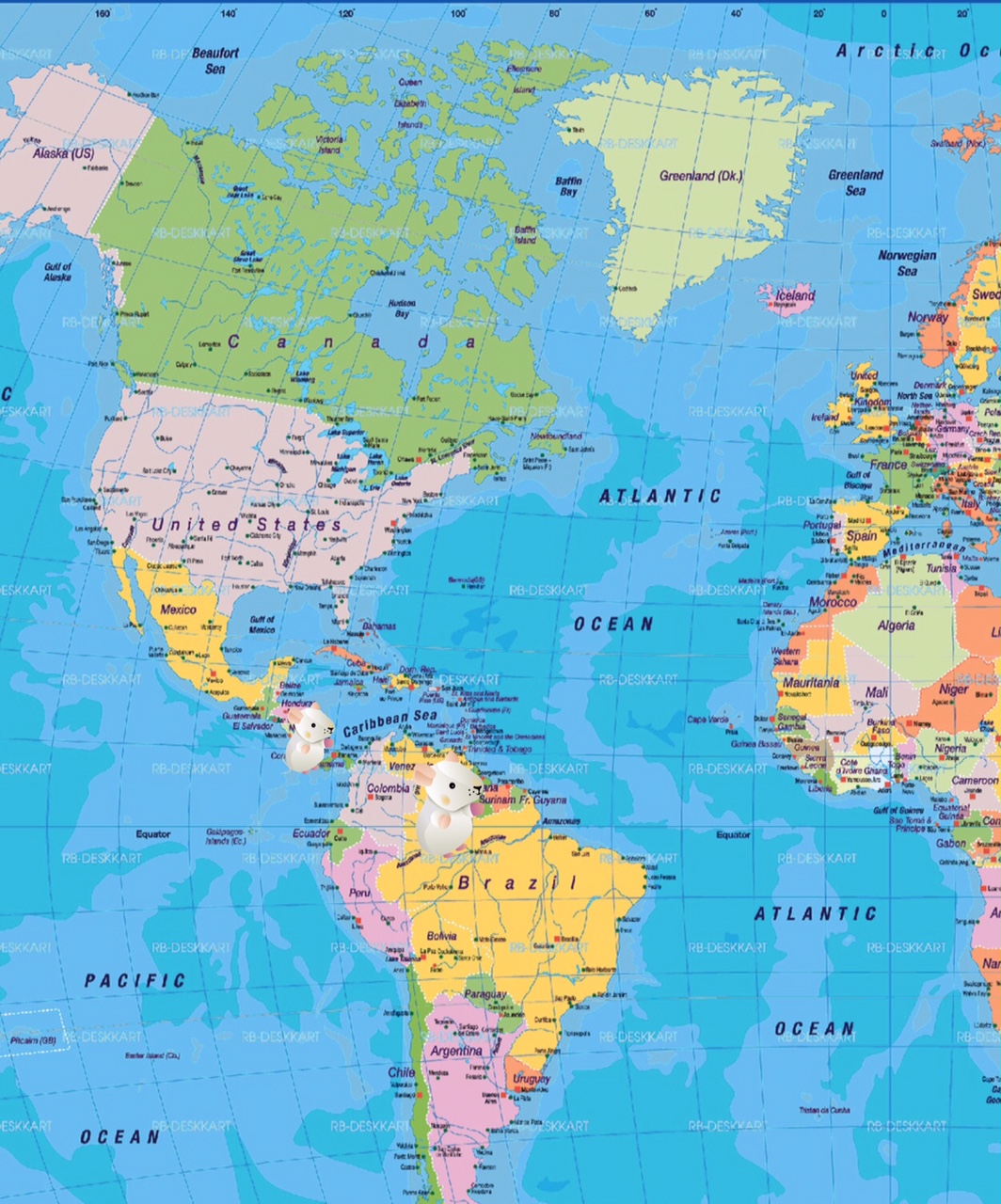
  • Sloths live in the rainforests of South and Central America.

FullSizeRender(20)

  • Sloths are related to armadillos and anteaters.
  • Sloths have algae that grow on their fur; it helps them camouflage in the trees.
  • There are two main species- two toed and three toed sloths.

IMG_4468

  • They are herbivores, eating leaves, shoots and fruit.
  • Sloths only go on the ground about once a week and they do that to poop and pee. This keeps their scent away from their tree top homes.

sloth

  • Giant sloths roamed the earth during the time of woolly mammoths, around 11,000 years ago.

sloth4

  • Sloths are great swimmers!
  • Sloths have a four chambered stomach.
  • Baby sloths cling to their mothers in their first weeks of life.

sloth3

Check out the Sloth Sanctuary of Costa Rica for more information about these amazing animals and how you can help!

Categories: adventure, Animals, Children, conservation, education, Environment, mammals, nature, science, wildlife | Tags: , , , , , , , , , | Leave a comment

Bird Brain!

Bird Brain!

e e alaska

We’re off to the mountains of the northeastern United States to meet one amazing bird today! These birds have memories that are hard to match! Come meet the Clark’s nutcrackers!

Range/Habitat: Northwestern United States/mountainous forests

IMG_0196
Diet: Omnivore: seed, insects and small animals
Length/Weight: 10-11 inches/3-6 oz
Conservation Status: least concern
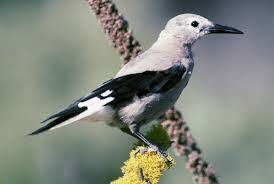
clark's nutcrakers

Fun Facts:

  • These birds stay active in the winter and therefore must have food all year round even with snow on the ground.
  • Clark’s nutcrackers store thousands of seeds a year and remember where most of them are stored.
  • Clark’s nutcrackers are members of the crow family.
  • They have a special pouch under their tongue that can hold up to 150 seeds at a time.
IMG_4424

  • Clark’s nutcrackers are essential for the seed dispersal of several species of pine trees!
  • Clark’s nutcrackers were discovered on the famous expedition by Lewis and Clark!
  • Both male and female nutcrackers incubate the egg.
  • Clark’s nutcrackers bond for many years.
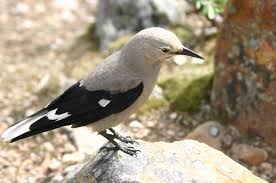
clark's nutcrakers3clark's nutcrakers2


Clark’s nutcrackers have amazing capabilities! These birds form maps in their minds of where they have stashed thousands and thousands of seeds! It’s like if you close your eyes you can picture where things are in your bedroom- but on a much bigger scale! It is truly awe inspiring! Go Clark’s nutcrackers!

Categories: adventure, Animals, birds, Children, conservation, education, Environment, nature, science, wildlife | Tags: , , , , , , , , , | Leave a comment

We’re Seeing Red!

We’re Seeing Red!

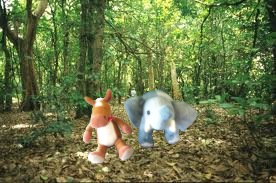
e e woods (2)

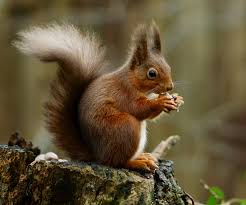
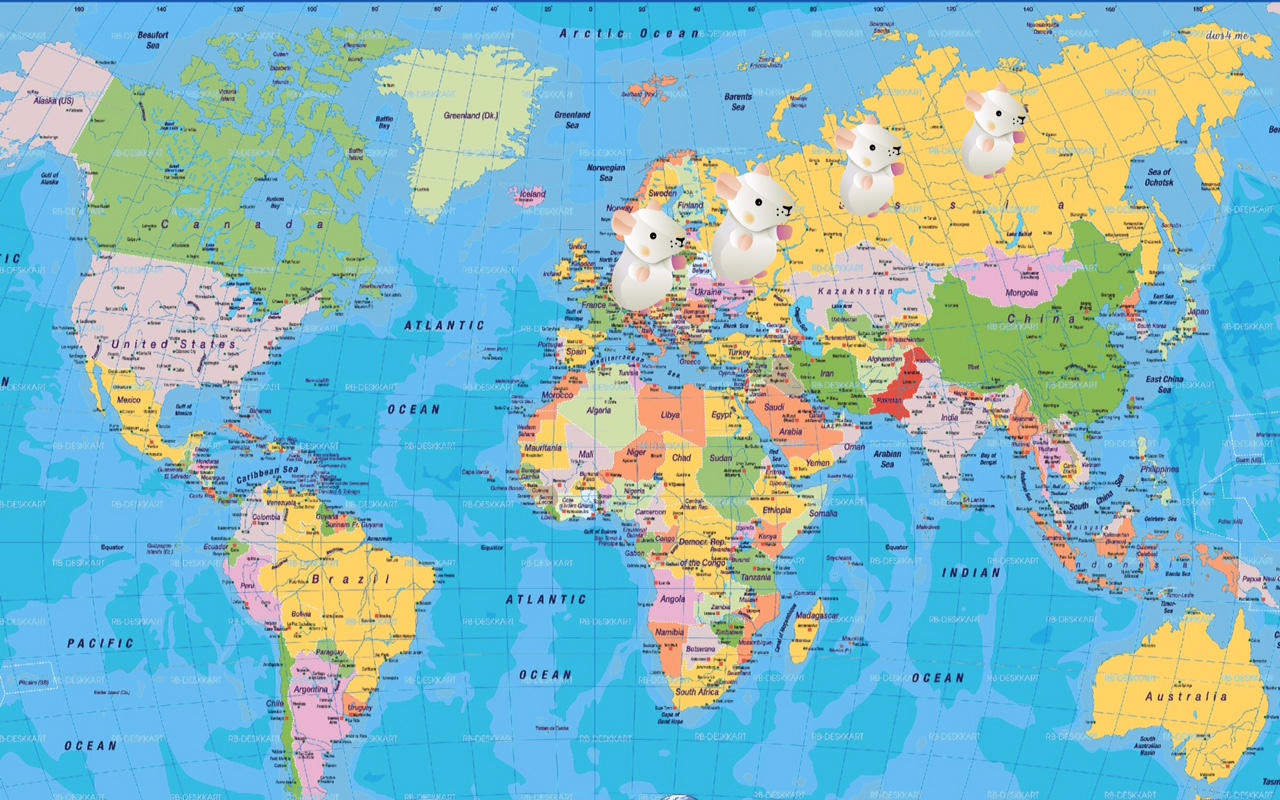
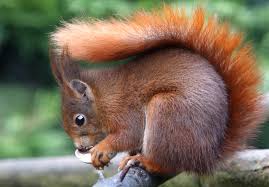
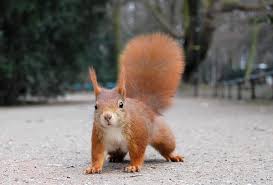
Fall has arrived in the Northern Hemisphere and that means many animals are starting to hoard or cache food for the winter! Today we are heading to Europe to meet a small rodent who hoards food for the winter! Let’s go meet the red squirrel!

red squirrel

Range/Habitat: Northern Europe- Asia

IMG_0197
Diet: Omnivore: seeds, nuts, fungus and bird eggs
Length/Weight: 5-8 inches/ 9-12 oz
Conservation Status: least concern

Fun Facts:

  • Red squirrels coloration depends on where they are located. They can go from red to black.
  • Red squirrels can swim.
  • They are crepuscular.
  • Red squirrels molt their fur generally twice a year.  IMG_4416
  • Red squirrels do not hibernate.
  • They store caches of food for when supplies might be low in the winter. What seed caches are forgotten help plant new trees.
  • Red squirrels are more arboreal.
  • They spend most of their waking days foraging for food.

red squirrel2red squirrel3


Categories: adventure, Animals, Children, conservation, education, Environment, mammals, nature, science, wildlife | Tags: , , , , , , , , , | 2 Comments

SCIENCE WORD OF THE WEEK!

SCIENCE WORD OF THE WEEK!

hoardingswow

Welcome back to class this week! Who’s ready to learn today’s word? Ellie and Edmond will be meeting some animals this week that are busy during the fall getting ready for winter. Today’s word has to do with that behavior.

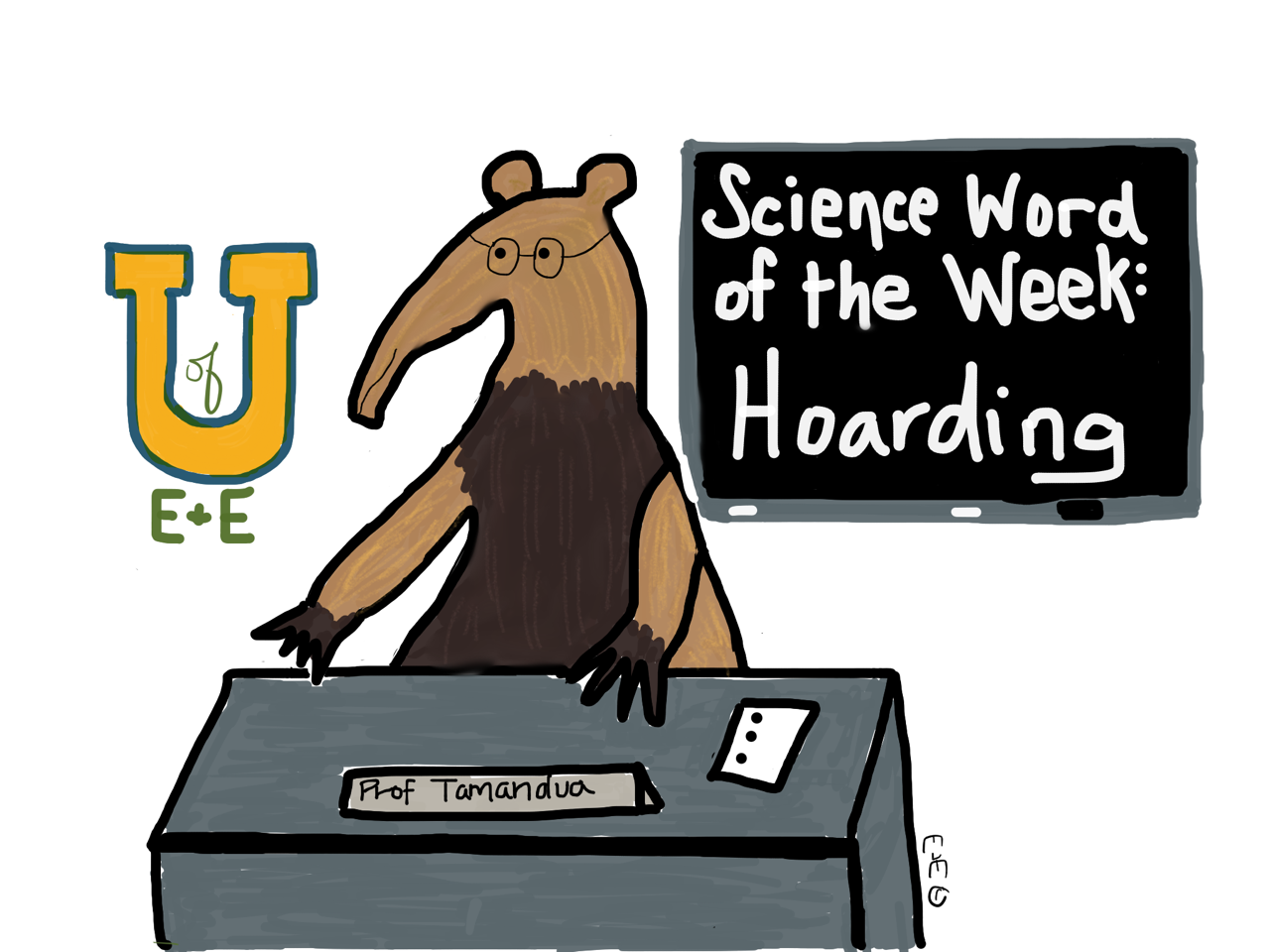
Today’s word is Hoarding: gathering and storing food to be eaten later. There are two kinds of hoarding behavior. Larder hoarding is where an animal stores all its food in one place.  Scatter hoarding is where an animal stores its food in different places. Caching is also used in place of hoarding.

Animals who hoard food include squirrels, ravens, hamsters and nutcrakers.

Categories: adventure, Animals, Children, conservation, education, Environment, nature, science, vocabulary, wildlife | Tags: , , , , , , , , , | Leave a comment

Eight is Great!

World Octopus Day!

octopus

Woohoo- we’re celebrating thew wonderful and intelligent Octopus today! With eight great arms to hug you with- we couldn’t think of a better way to wrap up Cephalopod Appreciation Week!

Let’s learn some fun facts about octopus and print our coloring sheet!

octopus3

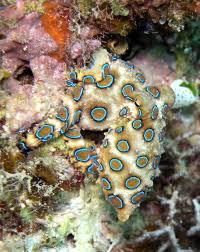
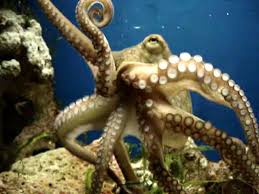
  • There are over 100 species of octopus in the world’s oceans.
  • The Blue-ringed octopus has venom that can paralyze an adult human.
  • Octopuses are known to use tools.
  • Octopuses are masters of camouflage.
  • A common octopus has 240 suckers on each arm.
  • The oldest known octopus fossil found is 296 million years old.
  • Octopuses have 3 hearts.
  • The word octopus comes from a Greek word that means, eight foot.
  • Octopuses have blue blood.

octopus4octopus2


octopus coloring

Categories: adventure, Animals, Children, conservation, education, Environment, nature, oceans, science, wildlife | Tags: , , , , , , , , , | Leave a comment

Who wants to cuttle?

Who wants to cuttle?

e & e snorkeling

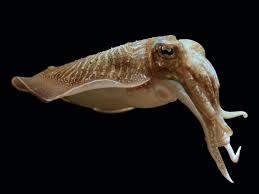
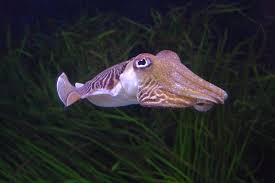
Today’s cephalopod is a common cuttlefish! We are so excited introduce this little invertebrate to you!

cuttlefish2

  • Common cuttlefish live off the west coast of Britain to the Baltic Sea to South Africa.IMG_0195
  • Cuttlefish are carnivores. They eat shrimp, copepods and small fish.
  • IUCN Conservation status: least concern.
  • They grow to about 15 inches and weigh up to 8 lbs.
  • Cuttlefish have one long fin around their body that runs behind the head.
  • Cuttlefish, like squid have 8 arms with suckers and two tentacles to grab prey. IMG_4380
  • Cuttlefish are able to change their color and texture in seconds. They are masters in camouflage.
  • Cuttlefish have a shell inside their body which is called the cuttlebone. It helps the cuttlefish with buoyancy.
  • They can use jet propulsion to help them get away quickly. They expel water in from their body to move fast!
  • Cuttlefish can also release ink to deter predators.

cuttlefish3cuttlefish


Cuttlefish are intelligent creatures. We have met several over the years. They are so amazing to watch. Their ability to change color and texture is fascinating.


Categories: adventure, Animals, Children, conservation, education, Environment, nature, oceans, science, wildlife | Tags: , , , , , , , , , | Leave a comment

Meet a Giant!

Meet a Giant!

e e deep sea

We are celebrating Cephalopod Appreciation Week with a giant- a giant squid that is! We are super excited to share some great facts about these amazing creatures!

giant squid

There isn’t much known about these mysterious animals, but what we do know is fascinating!

  • Giant squid inhabit the deep oceans all over the world.IMG_0194
  • Giant squid are the largest invertebrates in the world!
  • They can growth up to 60 feet in length and weigh almost a 1,000 lbs! WOW!
  • Giant squids are carnivores, they eat squid, fish and maybe even small whales.
  • It wasn’t until 2006, that researchers took a picture of a live giant squid!
  • Giant squid have eight arms and two tentacles that use to get food.

IMG_4379

  • Like other squid, they have sharp beaks to eat their prey.
  • The only known predator of a giant squid is the sperm whale.
  • Giant squid arms have small suction cups that have serrated edges to help them catch their prey! Just imagine a cup with a rim like a knife! Ouch!


Wowzers! Giant squid are just mind blowing! There have been tales told of these “monsters” for hundreds of years told by sailors! Luckily these deep sea dwellers aren’t out hunting boats! The oceans are full of animals that we have know so little about!


Categories: adventure, Animals, Children, conservation, education, Environment, nature, oceans, science, wildlife | Tags: , , , , , , , , , | Leave a comment

Blog at WordPress.com.