Posts Tagged With: nature blogs

Know Your Sharks

Know Your Sharks

Today we have four coloring sheets for you in our continued series- know your sharks! So head on over to the craft cabin and grab something to color with and get to know your sharks!
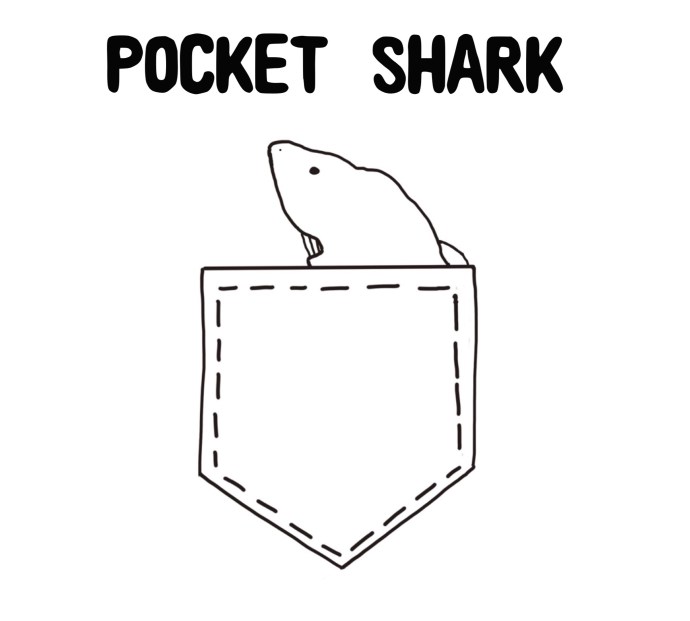
FullSizeRender

Pocket Sharks have two pouches or pockets, one on each side of their body in front of their fins. Scientists are unsure of their purpose.


FullSizeRender

Bamboo Sharks are mostly nocturnal and only grow up to 37 inches long. 


FullSizeRender

Zebra sharks lose their stripes as they grow. Adults are actually covered in spots!
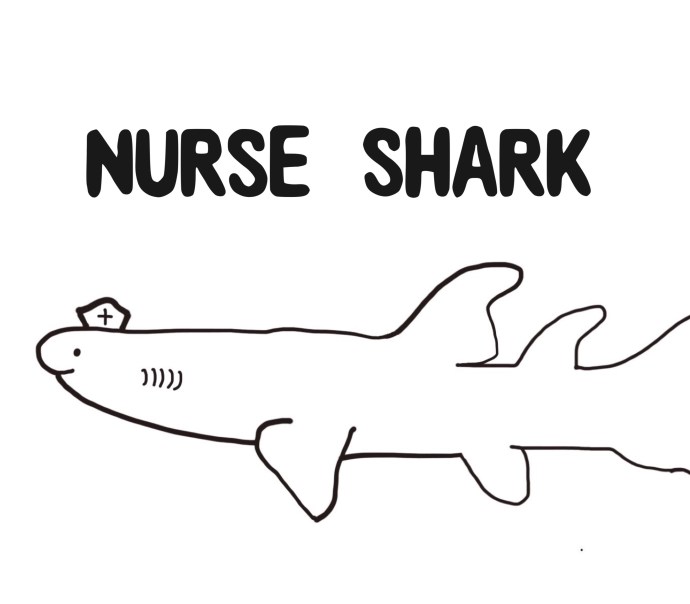
FullSizeRender


These large sharks (up to 14 ft) often rest on the ocean floor. They pump water over their gills using spiracles to pull in water. 


FullSizeRenderFullSizeRender


Categories: adventure, Animals, camp, Children, conservation, education, endangered species, Environment, fish, nature, oceans, science, Today's Post, wildlife | Tags: , , , , , , , , , , , , , | 1 Comment

Finding the Sandbar

Finding the Sandbar

We are heading out on the S.S E&E to meet a shark today! Often when you are at the beach, you’ll see where more sand has accumulated and even sticks out of the water- this is called sandbar! Well today we are meeting the sandbar shark! They are found around bays, estuaries and sandy bottoms.

IMG_0314

Sandbar Shark Fun Facts: 

  • These streamline sharks can grow up to 8 feet long.
  • Sandbar sharks have large dorsal fins.
  • These carnivores eat mollusks, crustaceans and fish.
  • Sandbar sharks are also called brown sharks.
  • They are listed as Vulnerable by the IUCN.
  • Sandbar sharks give birth to live young!


IMG_0323

These relatives of the bull shark are not aggressive like their cousins. Like other sharks, they are threatened by humans- due to shark finning, pollution and over fishing.

Categories: adventure, Animals, Children, conservation, education, endangered species, Environment, fish, nature, oceans, science, sharks, Today's Post, wildlife | Tags: , , , , , , , , , , , , | 1 Comment

Rocking with the Guitar

HRocking with the Guitar

It’s SHARK WEEK here at Camp E&E by the Sea! We love our cartilaginous friends and we are so excited for our campers to meet a few sharks and one of their relatives in the ray family. These creatures have been calling the world’s oceans home for over 400 million years. Today we’re going to meet a member of the ray family- the shovelnose guitarfish.

IMG_0316


Shovelnose Guitarfish Fun Facts: 

  • Shovelnose guitarfish are members of the ray family.
  • They look like you combined a ray and shark all in one.
  • They range in color from olive to grey to tan.
  • Females are larger than males.
  • These bottom dwellers eat mollusks, crustaceans and fish.
  • Shovelnose guitarfish are listed as Near Threatened by the IUCN.
  • They have a row of spines along their back near the tail.


IMG_0318

These amazing fish are so neat! Can you guess why they are called guitarfish? They are shaped like a guitar, but they have no strings attached! Hahaha!!

Categories: adventure, Animals, Children, conservation, education, endangered species, Environment, fish, nature, oceans, science, Today's Post, wildlife | Tags: , , , , , , , , , , , | 1 Comment

Thorny Sea Star

Thorny Sea Star

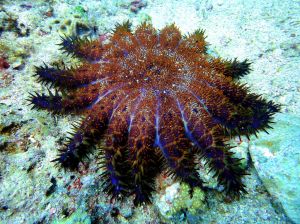
We are meeting our last sea star of the week!  This one is best to be observed but not to touch! Ouch- watch out for the crown-of-thorns sea star.

Crown of Thorns

Crown-of-thorn sea star fun facts: 

  • The thorns on this sea star are venomous.
  • These indimidating looking sea stars predate on coral!
  • They have only one predator- giant triton sea snail.
  • As you can see they have more than five arms.
  • They do have tube feet to move them along the reefs.
  • Unfortunately these predators have grown in numbers. Too many of them and that can mean trouble for a reef. They can destroy large areas.
  • Scientists and conservationists now will actively remove them when there is population boom.

IMG_0302

We love sea stars of all kinds, but this one might have gone to the dark side. Keeping a balance in habitats is crucial for all the animals that live there.

Categories: adventure, Animals, camp, Children, conservation, education, Environment, nature, oceans, sea stars, Today's Post, wildlife | Tags: , , , , , , , , , , , , | 1 Comment

Dave the Daddy Long Legs!

Dave the Daddy Long Legs!

IMG_4667

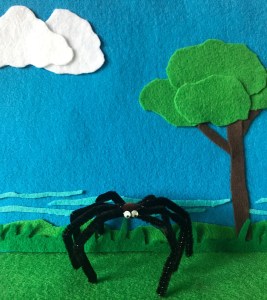
Hi! I’m Dave the daddy long legs! I’m that familiar arachnid that everyone knows, but what do your really know about me? Well campers I’m here to tell you 8 great things about daddy long legs!

  1. I’m not a true spider! Yes, I am an arachnid, but I have one solid body and one pair of eyes. Technically I’m more closing related to scorpions.
  2. I belong to a group of arachnids who are called harvestmen. We get that name because we are spotted near the time of the harvest.
  3. We’ve been on the planet for 400 million years! You can find my relatives on every continent but Antarctica- we leave that cold place for the penguins! Brrrrrrr!
  4. I don’t have venom. So that old wives tail that I’m deadly but my fangs are too short is just a big ole lie, because I don’t have fangs either!
  5. There are around 6,000-7,000 known species of us harvestmen. We come in big and small sizes and let me tell you- some of us are wild looking!
  6. No- my legs do not grow back! So, please leave them on me!
  7. We are clean and tidy. After meals, we run our legs through our jaws to clean them! We’re the cats of the arachnid world! Hahaha!
  8. We’re not in to traveling. We live our whole lives in one small area. So no need to try and sell us a suitcase.

daddy long legs

Well I hope now that you more about me and my cousins, it will make you appreciate us! Don’t worry- we won’t bite :)!


Categories: adventure, Animals, camp, Children, conservation, education, Environment, nature, science, Today's Post, wildlife | Tags: , , , , , , , , , , , | 1 Comment

Hello Crayfish!

Hello Crayfish!

It’s almost the end of cave week here at Camp E&E! We met one really cute little critter in the caves on our way out.

cave crawfish

Southern Cave Crayfish Fun Facts:

  • These little crayfish spend their entire lives in caves.
  • Cave crayfish lack sight! They use touch and smell to get around.
  • Most cave crayfish are translucent.
  • Females are larger than men.
  • They are one of the largest animals in the cave ecosystem. Due to a lack of food, animals evolve to be smaller in these dark habitats.
  • The cave ecosystem can be low in oxygen.
  • Southern cave crayfish can live up to 15-20 years.
  • They eat insects and blind cave fish!

These crazy crayfish are so cool! They are slow to grow and live  long life due to the lack of resources in the cave system. These caves are not for the weak!

Categories: adventure, Animals, camp, Children, conservation, education, Environment, nature, science, Today's Post, wildlife | Tags: , , , , , , , , , | 1 Comment

Giant Crab!

Giant Crab!

We were exploring another island and met an infamous arthropod! These giant, slightly creepy looking creatures are the coconut crab and man are we excited for you to meet them too!

coconut crab

IMG_4048


Date: 5/10

Location: Raja Ampat Islands

Coconut Crab Fun Facts:

  • Coconut crabs are the largest land arthropods in the world.

IMG_4049

  • Young coconut crabs use other animals’ shells to protect themselves, just like other hermit crabs. As they grow older their exoskeleton hardens.
  • They do eat coconuts. They scrape away the fibrous outside and crack open the shell to get to the meaty inside.
  • As a coconut crab grows, they shed their exoskeleton and grow a new one.
  • Coconut crabs have an excellent sense of smell.
  • They are solitary and territorial.
  • Coconut crabs can live up to 40 years.


coconut crab3

coconut crab2


These giant creatures may be one of our favorites! They are the stuff of bad B horror movies, but aren’t they cool. People do not eat them- which is good. They are tough! Hahahaha!

Categories: adventure, Animals, Children, conservation, education, Environment, nature, science, Today's Post, wildlife | Tags: , , , , , , , , , , | 1 Comment

Cuscus or Couscous?

Cuscus or Couscous?

We went on a little night tour near the camp where we are staying this week! We were looking for a super cute animal that calls the forest home! They have a funny name- that sounds similar to that delicious side dish coucous!

ground cuscus


IMG_4026


Date: 5/9

Location: Raja Ampat Islands

Ground Cuscus Fun Facts:

  • Ground cuscus are marsupials.

IMG_4027

  • They have prehensile tail. They use it to grip branches.
  • Even ground cuscus are still mostly arboreal, but nest in burrows during the day.
  • They have little to no fur on their ears.
  • Ground cuscus are solitary and mark their territories with urine.
  • Because they are fruit eaters, they disperse seeds throughout the forest causing new growth! Seed dispersers are important for the ecosystems.

We had such a great time watching this little marsupial in the trees. They are quiet and slow moving, but sooooo cool!

Categories: adventure, Animals, Children, conservation, education, Environment, mammals, nature, science, Today's Post, wildlife | Tags: , , , , , , , , , | 1 Comment

One Large Bat

One Large Bat

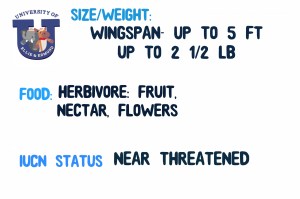
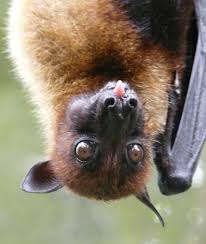
We decided to explore some of the islands this week. We do love our oceans, but the islands have some really neat creatures to meet too! Today we are meeting one of the largest flying mammals in the world and we couldn’t be more excited!

flying fox

IMG_4024


Date: 5/8

Location: Raja Ampat Islands

Large Flying Fox Fun Facts:

  • Large flying fox live in large colonies.
  • They are able to hang upside down just as smaller bats do.
  • Large flying foxes have long tongues to help them eat nectar and fruit.

IMG_4025

  • Large flying foxes are pollinators and seed disperses. Their poop contains seeds that they disperse and they get pollen on their fur when they eat nectar. They spread the pollen from plant to plant.
  • They feed in the upside down position.

flying fox2

flying fox3


These large bats are so cool to see! We spotted a whole tree full just roosting and came back at night to watch them head out to find food! They fly silently, but they are a noisy bunch when they are eating! Edmond can be a loud eater too!

Categories: adventure, Animals, Children, conservation, education, endangered species, Environment, nature, science, Today's Post, wildlife | Tags: , , , , , , , , , , , | 1 Comment

The Clowns of the Ocean!

The Clowns of the Oceans!

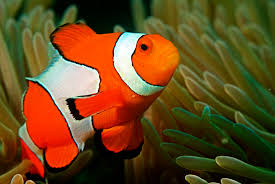
While snorkeling we also encountered one of the reef’s most iconic residents- the clown anemonefish! These brightly colored fish became famous after a certain movie. Well we’re going to teach you some cool clown fish facts!

clown

IMG_3988


Date: 5/4

Location: Raja Ampat Islands

Clown Anemonefish Fun Facts:

  • Clown anemonefish are one of many species of anemonefish.
  • They have a three white and black stripes on their orange bodies.
  • Clown anemonefish have a layer of mucus that protects them from their anemone and its stinging cells.
  • The fish and the anemone share a symbiotic relationship (where both animals benefit). The anemone gets food and some protection from the fish and vice/versa.
  • Clown anemonefish live in small groups with a dominate female.

IMG_3990

  • Clown anemonefish spawn during the fool moon.
  • The males defend the eggs.

clown2

clown3


The relationship that clown anemonefish have with their anemones are so cool. There are many symbiotic relationships found in nature! Elephants have birds that bugs and parasites of them! Pretty neat right?


Categories: adventure, Animals, Children, conservation, education, Environment, fish, nature, oceans, science, Today's Post, wildlife | Tags: , , , , , , , , , , , | 1 Comment

Blog at WordPress.com.