Animals

Not a Raccoon, but it looks like one!

Not a Raccoon, but it looks like one!

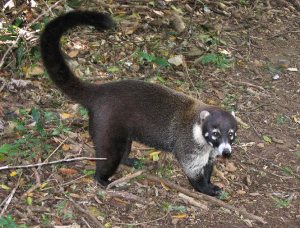
We are meeting our first animal here in Costa Rica. It is super cute relative of the racoon.                  Today we are meeting the white-nosed coati. These neat little mammals are one of our favorites.
699E862A-95F6-4374-BA1C-19098E2D089E


White-nosed coati fun facts: 

  • These coatis are the largest of the coati species. They call Central America & Mexico home.
  • Coatis live in small family groups made up of females and their offspring. Males are solitary.
  • These omnivores eat everything from fruit to insects to seeds.
  • Coatis are mostly diurnal.
  • Coatis are very vocal. They use numerous vocalizations to communicate with each other.
  • They often forage on the ground, but sleep in the trees.
  • Coatis use their ring tails to communicate with each other too.

7B1DB0D7-21A3-4F76-978A-B182D7BFF236

These intelligent michevious little animal is so fun. We love to watch them run around in th little groups all with their tails up in the air! People think they make good pets, but these wild animals can be very destructive. They have sharp teeth and claws for climbing. Stick with a dog people.
Categories: adventure, Animals, Children, conservation, education, Environment, mammals, nature, science, Today's Post, trees, wildlife | 1 Comment

Costa Rica!

Costa Rica!

IMG_2913

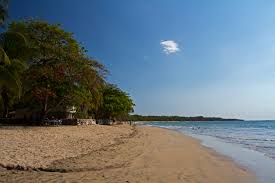
Hello and greetings from Central America! We are settling in to our tree house that we are using for base camp. We’re going to learn more about this gorgeous little country today before we begin some of the awesome animals next week! Woohoo!

costa rica3


Costa Rica Fun Facts:

  • Costa Rica is located in Central America. The capital is San Jose.
  • Costa Rica’s marine areas are larger than its land area.
  • There are 7 active volcanoes in the country. Poas volcano has the 2nd largest crater in the world.

costa rica

  • There are 52 species of hummingbirds in Costa Rica.
  • 10% of the world’s butterflies call Costa Rica home. That is about 1,000 species.
  • Costa Rica has a rainy season & a dry season. We are end of the rainy season.
  • Costa Rica contains about 5% of the world’s biodiversity.
  • It borders the Pacific ocean and the Caribbean ocean.

costa rica2

This is one super neat place full of amazing species! We can hardly wait to meet some of them! See you Monday!


Categories: adventure, Animals, Children, conservation, education, endangered species, Environment, nature, science, Today's Post, wildlife | Tags: , , , , , , , , , | 1 Comment

Where will the next E&E adventure be?

Where will the next E&E adventure be?

We are heading off for our next adventure and it’s time to guess where it will be? Tell us here or on our social media and the first correct guess will win an E&E prize.

We are heading to a tropical place!

It has rainforests, volcanoes and beaches at the base!

The coasts meet the Carribbean and the Pacific.

They say it is quiet terrific.

Hummingbirds are all around.

Insects, spiders and butterflies abound.

A quarter of the country is protected.

All those things are connected.

Can you guess where we are? Come on and try! Let’s get this next adventure started!

Categories: adventure, Animals, Children, conservation, education, Environment, nature, oceans, science, Today's Post, wildlife | Tags: , , , , , , , , | 4 Comments

Halloween Week- Vampires

Halloween Week- Vampires

We are continuing the Halloween fun with some vampires of the ocean! That’s right- vampire squid!

1AB9DDBA-282B-4105-BBDC-8B534E73556B

Vampire Squid Fun Facts: 

  • Vampire squid are black to red color.
  • They have skin that connects its eight arms.
  • Each arm has spines on it.
  • They eat marine animal debris that falls to the ocean floor.
  • Adults have two small fins on their mantle (head).
  • They are covered in light producing organs called photophores.
  • They are unable to change their skin color and texture like other squid.

Vampire squid are so amazing and weird! They call the dark deep ocean their home and it sure is a weird place!

Categories: adventure, Animals, Children, conservation, education, Environment, nature, oceans, science, Today's Post, wildlife | Tags: , , , , , , , , , | 1 Comment

Halloween Week- Mole Rats

Halloween Week- Mole Rats

16B00976-9D1D-4FD4-BE9A-79B21F28B077


Today we are meeting one cool rodent! It is super cute and creepy!

Demon Mole Rat Fun Facts: 

  • They use their teeth to dig burrows underground.
  • Demon mole rats are solitary and territorial.
  • They bang their heads on their burrows to communicate with other mole rats.
  • They are related to naked mole rats.
  • They live in East Africa and call savanas their home.
  • They have orange teeth.


Categories: adventure, Animals, Children, conservation, education, Environment, Halloween, nature, science, Today's Post, wildlife | Tags: , , , , , , , | 1 Comment

Halloween Week- Getting Crabby

Halloween Week- Getting Crabby

89A1670C-A798-4A5A-A163-08690D980CE8


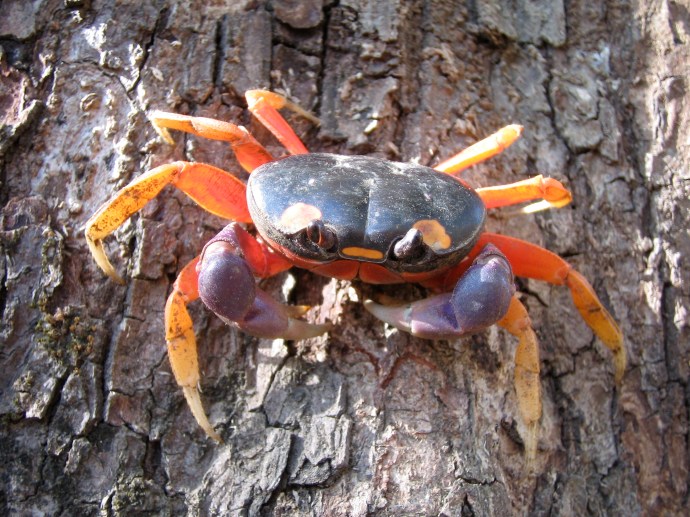
Have you ever heard of the Halloween Crab? We hadn’t either! These colorful land crabs remind us of this festive time of year!

Halloween Crab Fun Facts: 

  • They call the Pacific coast home.
  • Halloween crabs have large purple claws.
  • They are nocturnal.
  • They are also known as the Halloween moon crab.
  • Halloween crabs dig burrows.
  • They are herbivores.

83C25C87-1CEB-43F3-8BDC-C8C92E51845A

Categories: adventure, Animals, Children, conservation, education, Environment, nature, oceans, science, Today's Post, wildlife | Tags: , , , , | Leave a comment

Halloween Week

Halloween Week

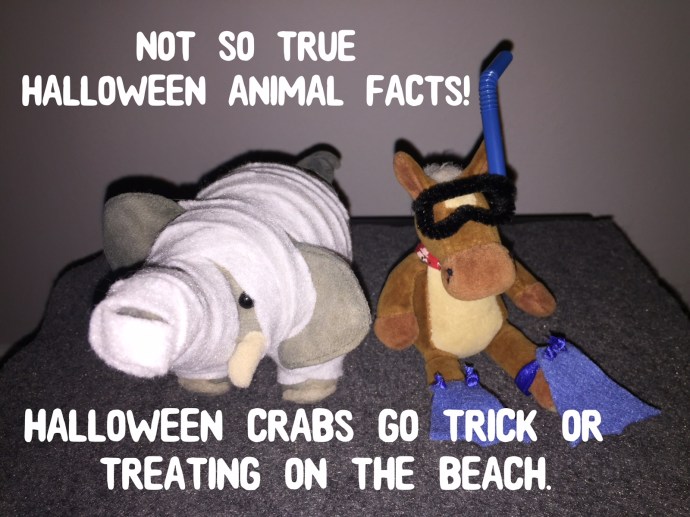
We are taking a break from our usual programming to share some fun animals that remind us of Halloween- one of our favorite holidays! We’re sharing a Not So True Halloween Facts and then we’ll share some true facts about the animal!


2E5A4ED2-8651-4C5F-BB45-93E2B2B78B58

Goblin Shark Fun Facts: 

  • Goblin sharks live in the deep ocean.
  • They are able to thrust their jaws forward out of their mouth by 3 inches.
  • They can grow up to 12 ft long.
  • Goblin sharks are found mostly off the coast of Japan.
  • They are thought to be solitary.
  • Their upper jaw contains up to 53 teeth and their lower jaw can contain up to 62 teeth!

F5DA657A-6310-4245-AFF9-AC6B403869F1

Categories: adventure, Animals, Children, conservation, education, endangered species, Environment, fish, nature, oceans, science, sharks, Today's Post, wildlife | Leave a comment

What the Quail?

What the Quail?

We are so excited to meet today’s bird! We have never met a quail before and of course we have to find the ones with the cutest feathers around!

F17CCC68-D345-426E-AD8B-FE99BFF65F33

Gambel’s Quail Fun Facts: 

  • Both males and females have the topknot of feathers on their head. Males have a black patch on their bellies.
  • They are about the size of a basketball.
  • Gambel’s quails are ground dwellers. You can see them running around the ground.
  • They live in groups called coveys.
  • They are omnivores. They eat insects as chicks and graduate to mostly plant material as adults.
  • Females chirp to their eggs before they  hatch and the chicks cheep back to her.

02BDE3D4-FA25-4777-90B8-D5C1B9656A60

These funny little quails can fly, but they mostly run around looking for food! They are so neat to watch in their little family groups.

Categories: adventure, Animals, birds, Children, conservation, education, Environment, nature, science, Today's Post, wildlife | Tags: , , , , , , , , | 1 Comment

Slow Mover

Slow Mover

We headed to the heart of the Mojave Desert in search of one of two species of tortoises! These desert tortoises call this their home and we were thrilled to learn more about them!

7C6942F8-76AB-4ED6-867E-F9624A0E245C

Desert Tortoise Fun Facts:

  • These tortoises spend most of their time in burrows and shelters. They are inactive most of the year. They stay in cool areas to avoid losing water during the heat and they hibernate during the winter.
  • You’ll find them mostly after a rain.
  • They can live up to 80 years.
  • Desert tortoises have sharp claws that help them dig burrows. They can spend 95% of their lives in burrows.
  • Desert tortoises are slow growing. They still are only around 8 inches at 16 years old. They can reach up to 30 inches total.
  • These herbivores are listed as threatened and vulnerable- depending on the population.
  • Their biggest threat is habitat loss.

Desert Tortoise

These amazing creatures are made for the desert. They can survive a year without direct access to water! WOW!!

Categories: adventure, Animals, Children, conservation, education, endangered species, Environment, nature, reptiles, science, Today's Post, wildlife | Tags: , , , , , , , , , , | 1 Comment

Sheep!

Sheep!

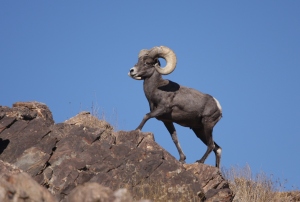
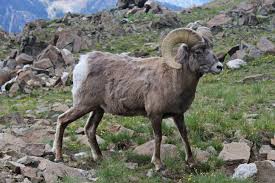
We headed to the mountains today to find one neat and large mammal. We had fun climbing all around the trails and looking for these sheep that can climb mountains.

B83CA329-A763-4950-8BF9-DBB1FA7F351C

Desert Bighorn Sheep Fun Facts: 

  • Bothe male and females have horns. The males are large and curved while the females are smaller.
  • It can take a male up to 8 years to have fully formed horns. Their horns can weigh up to 30 lbs.
  • They can weigh up to 280 lbs.
  • Males are known for their head to head combat during mating season.
  • They have excellent eyesight.
  • They live in small herds, made up females and offspring. The males live in bachelor groups.
  • These herbivores are diurnal.
  • They use their horns and hooves to removes spines from cactus so they can eat them.

C6EF8F45-4B09-4EDD-9BBE-CF7AF0E83B01

These agile sheep and so amazing! They are built to climb and to survive in the scrub land. Watching the males go head to head can be quiet impressive and a bit scary!

Categories: adventure, Animals, Children, conservation, education, Environment, mammals, nature, science, Today's Post, wildlife | Tags: , , , , , , , , , , | 1 Comment

Blog at WordPress.com.