Posts Tagged With: adventure

The Dam at Lake Salamander

The Dam at Lake Salamander

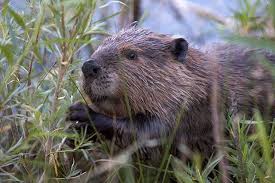
We went canoeing on the lake today! It is so peaceful and we always stop to meet the turtles, the birds and the fish. We decided to canoe all the way to the other side of the lake to see the dam. We aren’t talking about a man made dam! We went to see the giant one made by Lake Salamander’s very own beaver family! And man is it a beauty!
beaver


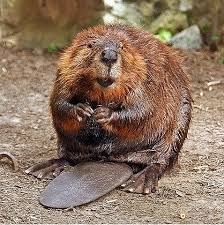
Beaver Fun Facts:

  • Beavers are rodents and large ones, they can get up to 45 bs.
  • These big herbivores love to eat plants, twigs, bark and leaves.
  • Beavers are built for the water! They have webbed back feet and large flat tails they use as rudders.
  • Beavers have a  clear nictitating membrane that covers their eye and let’s them see underwater! And they can stay underwater for up to 15 minutes!
  • Beavers are very beneficial. Their dams and lodges create watery habitats that other animals use! They benefit salmon, birds and an area’s biodiversity!
  • Their dams can even help drought stricken areas.
  • Beavers are able to change a habitat more than any other animal, beside humans!
  • There are an estimated 10 to 15 million beavers in the U.S. now, but at one point there were thought to be 200 million.

beaver3

beaver2

We loved stopping by the beaver lodge! There is a lovely family inside! The birds who live near by love it too! They said it’s the fanciest house in the neighborhood! Hahaha!

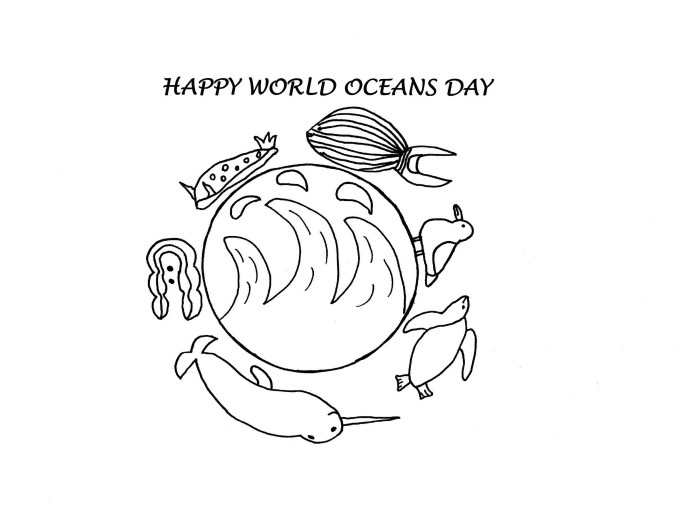
Today is World Ocean’s Day! All water makes it was to the ocean eventually! We are all connected to the oceans of the worlds! Let’s spend our afternoon coloring the sheet to celebrate! Just save, print & color.
Scan20170605193400 (2)


Categories: adventure, Animals, camp, Children, conservation, education, Environment, nature, science, Today's Post, wildlife | Tags: , , , , , , , , , | 1 Comment

Taking Flight at Camp

Taking Flight at Camp!

IMG_0163

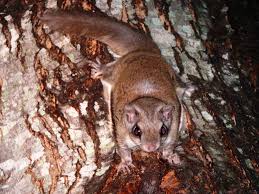
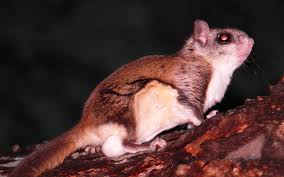
We are ready to meet our first animal who lives at Camp E&E! This little creature comes out at night, so we were thrilled to spot some after the welcome bonfire! With our bellies full of marshmallows and chocolate we head out to meet the flying squirrels that call the Salamander Woods home.


flying squirrel2

Flying Squirrel Fun Facts:

  • Flying squirrels are small critters- only reaching about a foot in length.
  • Flying squirrels are nocturnal.
  • They do not actually fly- they glide. (Can you name the only flying mammal?)
  • They have a large flap of skip from their wrists to their ankles that acts like a parachute allowing them to glide from branch to branch!
  • Flying squirrels are such excellent flyers they can change direction mid-flight.
  • They have flat tails that they use a rudder.

  • Flying squirrels love to nibble on berries, bark, snails and nuts. They collect nuts for the winter months.
  • They live in groups in holes of trees.

flying squirrel

These little rodents are just so stinking cute! Meeting them on the first night of camp was super special. Many of our campers stayed up in the wee hours talking about these amazing creatures. Who can blame them? Camp is so exciting!

Categories: adventure, Animals, camp, Children, conservation, education, Environment, nature, science, Today's Post, wildlife | Tags: , , , , , , , , | 1 Comment

Barracuda!

Barracuda!

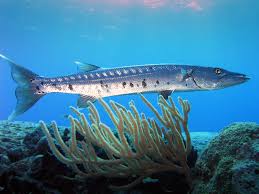
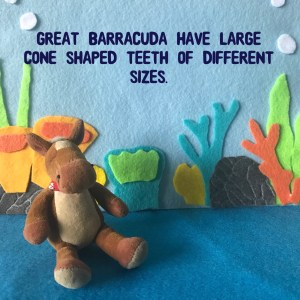
We had a blast snorkeling the next day after our night drive. We saw one of the coolest fish in all of the oceans- the barracuda! They even have their own song! We bet you don’t much about these long predators. Well it’s time to change that!

barracuda2

IMG_4298


Date: 5/22

Location: Raja Ampat Islands

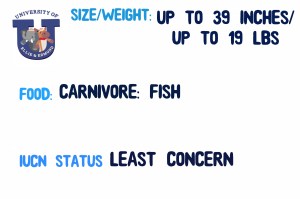
Barracuda Fun Facts:

  • Barracuda have underbites- hehehe!
  • They have large powerful jaws.

FullSizeRender

  • They are known to hunt in groups and gather a school of fish in a area to guard them when they are hungry.
  • Barracuda have a reputation for being aggressive to divers, but that reputation in unwarranted.
  • It is not a good idea to go spear fishing around barracuda though, as they make away with your meal.
  • They have few natural predators.

barracuda3

barracuda


It is always fun to spot some barracuda! We like to wave and swim the in the other direction. They may not be aggressive, but those teeth don’t say let’s be friends.

Categories: adventure, Animals, Children, conservation, education, Environment, fish, nature, oceans, science, Today's Post, wildlife | Tags: , , , , , , , , , , | 1 Comment

Firefish!

Firefish!

We saw of the most amazing fish on our night dive trip today! The one we are meeting toady was so crazy looking and a bit scary! You think sharks are scary? Wait to til you meet a venomous fish!

firefish

IMG_4238


Date: 5/18

Location: Raja Ampat Islands

Blackfoot Firefish Fun Facts:

  • Blackfoot firefish are members of the scorpionfish family. Other members include the famous lionfish.
  • They use their flashy fins and spines to ward away predators.
  • They also use those fins to corner prey.
  • Blackfoot firefish are mostly nocturnal.
  • They are know to bury themselves in the the sand to ambush predators.
  • Their spines are venomous.


We were surprised to see one of these amazing fish! We have spotted lionfish before, but not this species! Believe us, this is one fish you want to spot from a good distance! And don’t touch those spines!

Categories: adventure, Animals, Children, conservation, education, Environment, fish, nature, oceans, science, Today's Post, wildlife | Tags: , , , , , , , , , | 1 Comment

Feeling Blue

Feeling Blue

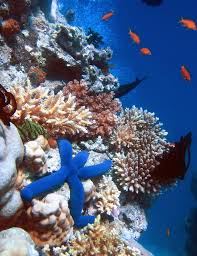
Who’s feeling blue? Not us, but we are meeting a very blue echinoderm (sea stars, sand dollars & sea urchins)! That’s right- we’re meeting the blue sea star!

seastar

IMG_4184


Date: 5/16

Location: Raja Ampat Islands

Blue Sea Stars Fun Facts:

  • Blue sea stars come in several different shades of blue.
  • They have short yellow tube feet.
  • Blue sea stars are slow movers.
  • Blue sea stars can regenerate body parts.
  • They are also known as the Blue Comet sea star.

seastar2

There were numerous blue sea starts in the reef we were exploring! They are so gorgeous and brighten up the reef!


Categories: adventure, Animals, Children, conservation, Environment, nature, oceans, science, Today's Post, wildlife | Tags: , , , , , , , , , , | 1 Comment

King Bird in Paradise

King Bird in Paradise

We decided to do some bird watching while we were on land. There are so many amazing birds here and it was hard to pick a favorite. But we did love the Paradise Kingfisher with it’s long tail and bright blue colors.

kingfisher2

IMG_4046


Date: 5/11

Location: Raja Ampat Islands

Paradise Kingfisher Fun Facts:

  • A pair of kingfishers in highly territorial.
  • They make their nests out of termite mounds on trees. IMG_4047
  • Paradise kingfishers do not migrate.
  • Both parents care for the chicks.

kingfisher

These adorable birds are just one of the island inhabitants we enjoyed meeting! We head back to the boat and the coral reef next week to meet more ocean dwellers!

Categories: adventure, Animals, birds, Children, conservation, education, Environment, nature, science, Today's Post, wildlife | Tags: , , , , , , , , , | 1 Comment

Giant Crab!

Giant Crab!

We were exploring another island and met an infamous arthropod! These giant, slightly creepy looking creatures are the coconut crab and man are we excited for you to meet them too!

coconut crab

IMG_4048


Date: 5/10

Location: Raja Ampat Islands

Coconut Crab Fun Facts:

  • Coconut crabs are the largest land arthropods in the world.

IMG_4049

  • Young coconut crabs use other animals’ shells to protect themselves, just like other hermit crabs. As they grow older their exoskeleton hardens.
  • They do eat coconuts. They scrape away the fibrous outside and crack open the shell to get to the meaty inside.
  • As a coconut crab grows, they shed their exoskeleton and grow a new one.
  • Coconut crabs have an excellent sense of smell.
  • They are solitary and territorial.
  • Coconut crabs can live up to 40 years.


coconut crab3

coconut crab2


These giant creatures may be one of our favorites! They are the stuff of bad B horror movies, but aren’t they cool. People do not eat them- which is good. They are tough! Hahahaha!

Categories: adventure, Animals, Children, conservation, education, Environment, nature, science, Today's Post, wildlife | Tags: , , , , , , , , , , | 1 Comment

Off to the Islands!

Off to the Islands!

FullSizeRender

We have arrived at our last destination of the school year- the Raja Ampat Islands of Indonesia. These remote and magical islands are home to some of the most beautiful and diverse coral reefs in the world. It’s those reefs and one or two island stops that we will be exploring! We have the SS Ellie and Edmond ready to go and explore all around the Pacific Ocean!

islands

  • The islands consist of up to 1,500 small islands and cays. There are four large main islands where most of the population lives.
  • Canderawasih Bay is the largest marine sanctuary in Indonesian.
  • The Coral triangle is considered to be the most bio-diverse reef habitat in the world.
  • These islands are remote and mostly uninhabited, so the reefs are mostly undisturbed. The islands that do house sparse populations of people that still live in a very different world.
  • These islands contain some of the most beautiful birds and flora anywhere in the world.

islands2

islands3

The big draw is in the ocean though! And that’s where we will be exploring the most! Stay tuned for tomorrow!

Categories: adventure, Animals, Children, conservation, education, Environment, fish, nature, oceans, science, Today's Post, wildlife | Tags: , , , , , , , , , | 1 Comment

We Call Fowl!

We Call Fowl!

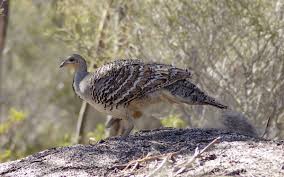
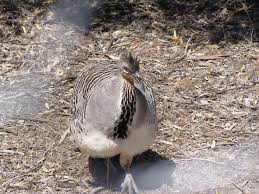
We met our last animal of our visit to the Great Victorian Desert! We will be heading to the coral reefs of the Raja Ampat Islands for the last month of the school year! We can hardly wait! And then- we head off to Camp E & E for the summer- where you are all invited!

malleefowl

IMG_3828


Date: 4/27

Location: Great Victorian Desert

Malleefowl Fun Facts:

  • Malleefowl tend to stay on the ground. They only fly when threatened.
  • They are distantly related to chickens.
  • Malleefowl are mostly solitary.
  • Malleefowl can also freeze when they spot a predator, causing them to blend in with their surroundings.
  • Males build large nest mounds on the ground. The building is complicated and it done so the eggs are kept at a constant temperature.
  • Chicks are born in their underground nest and must dig their way out when they hatch. It can take 2-15 hours for the chick to reach the surface.
  • Chicks tend to hatch one at a time and then they do not interact with the adults or their siblings.

IMG_3829

We spotted a few of these stout birds and they do indeed stop motionless when they see you! It’s amazing that the little chicks have to survive with no parental help or care!

malleefowl2

Categories: Animals, birds, Children, conservation, education, Environment, nature, science, Today's Post, wildlife | Tags: , , , , , , , , , , | 1 Comment

What’s a Bibly?

What’s a Bibly?

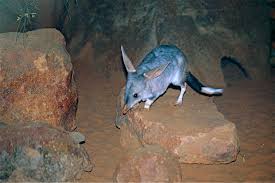
We headed out to find one of Australia’s neatest little animals! These crazy looking marsupials are so cool and we couldn’t believe we met one! Are you ready to meet them too?

bilby3

IMG_3826


Date: 4/26

Location: Great Victorian Desert

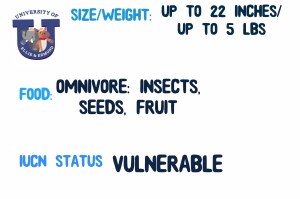
Greater Bibly Fun Facts:

  • Greater biblies are also known as bandicoots.
  • Bilbies have long snouts, large ears, back legs like a kangaroo and black & white tails! In other words- they are crazy looking!
  • They are nocturnal.

IMG_3827

  • Greater biblies are mostly solitary.
  • Their pouches face backward to keep dirt out of it.
  • Greater bilbies do not drink water, they get all the moisture they need from the food they eat.

bilby2

bilby


Bilbies are neat little critters! They are listed as vulnerable though. Again, their populations have dropped from predation from animals such as fox and feral cats. There are great conservation efforts happening to reintroduce bilbies in habitats where they were once gone.

Categories: adventure, Animals, Children, conservation, endangered species, Environment, marsupial, nature, science, Today's Post, wildlife | Tags: , , , , , , , , , | 1 Comment

Blog at WordPress.com.