Posts Tagged With: envrionment

Here Comes the Sun!

To Here Comes the Sun!

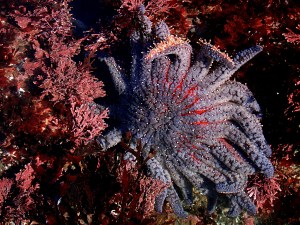
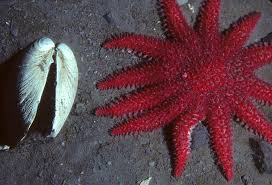
We are meeting another sea star family member here at camp! We are meeting the sunflowers sea star today! They may not have the crazy arms like a basket star, but they do have more than five!
OLYMPUS DIGITAL CAMERA


Sunflower sea star Fun Facts:

  • They have a large central disc.
  • Sunflowers sea stars have can numerous arms. One species has 24 arms.
  • They can reach 3 feet across.
  • They have up to 15,000 tube feet on the bottom of their bodies.
  • Sunflower sea stars can move over 40 inches per minute- a record speed for sea stars.
  • They are voracious predators! They eat snails, clams and sea cucumbers.
  • Sunflower sea stars star out with 5 arms and quickly grow the others.
  • They can shed their arms and grow them back.
IMG_0300


Who doesn’t love a sea star? And now there is more to love with the sunflower sea star and all those arms!

Categories: adventure, Animals, camp, Children, conservation, education, Environment, nature, sea stars, Today's Post, wildlife | Tags: , , , , , , , , , | 1 Comment

Whooooo is that in the Woods?

Whooooo is that in the Woods?

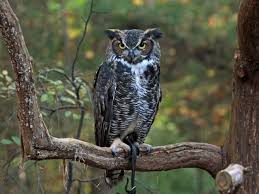
We are meeting one last animal here at camp at Lake Salamander. Next month we head to Camp E&E by the Sea! This month has just flown by way too fast too! Maybe we’ll come back for a few weeks in August before school starts! The animals we are meeting tonight, is a big bird and one of course that prefers the night! Let’s hope the Great Horned Owl sings tonight!

gho2

Great Horned Owl Fun Facts:

  • Great horned owls have those two fabulous tufts on their heads. Those are not its ears. They are thought to help with camouflage or identify individuals.
  • Their ears are actually on their facial disk and are not symmetrical. The right one is higher than the left. This gives them super hearing and enables them to locate prey that is moving and not in sight!
  • They can catch prey that is larger than themselves, as well as prey as small as scorpions.
  • Great horned owls have powerful talons. They use them to snap the spine of their prey.
  • Females are larger than males.
  • Crows are not the great horned owl’s friend. The owl’s are their top predator, so crows are known to harass them.

gho

We could sit out here all night and listen to these great and powerful predators call to each other. Just give a listen here!

Categories: adventure, Animals, birds, camp, Children, conservation, education, Environment, nature, science, Today's Post, wildlife | Tags: , , , , , , , , , | 1 Comment

Say Hello to Our Stinky Friend

Say Hello to Our Stinky Friend

IMG_0163

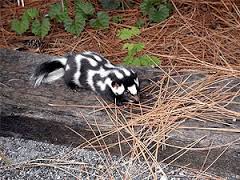
The Salamander Woods are home to another night time creature- the spotted skunk! You heard it here folks, not all skunks are striped- some are spotty! We’re going to learn more about them this evening as we roast marshmallows at the campfire!

spotted skunk

Spotted Skunk Fun Facts:

  • These skunks are not very big, only about 21 inches long with tail. They only weigh around 1 1/2 pounds!
  • They are part of the mustelid family, which include weasels, otters and badgers.
  • Spotted skunks are considered to be the most active of all the skunks.
  • They live underground or in trees.
  • These little stinkers stomp their feet before spraying a predator. They then do a handstand to get the best shot at shooting their prey with extra stinky spray.
  • They are omnivores.

spotted skunk2

We sure are glad the family of skunks here at camp are friendly. We would hate it if one of our campers was sprayed. Luckily we have a solitary tent for those who make get it! Hahahaha!

Categories: adventure, Animals, camp, Children, conservation, education, Environment, mammals, nature, science, Today's Post, wildlife | Tags: , , , , , , , , , | 1 Comment

Awesome Opossum!

Awesome Opossum!

This week- we are staying up late and meeting the critters who are nocturnal and one of our favorite camp nocturnal residents is the opossum! These marsupials get a bad rap, but they are truly amazing! We invited our friend Ophelia Opossum to come and share some neat facts with us here at camp!

IMG_4724

Hi everyone! I’m here to share with you more about me! Yay!!!

  • I am the only marsupial in North America! That’s right- I have a pouch where my babies grow as they develop!
  • The name is Opossum- true possums live all the way around the other side of the world in Australia and New Guinea! So- remember the O!
  • We are mostly immune to venomous snakes! That’s right- we ain’t afraid of those legless reptiles!
  • I love to eat snails, slugs, beetles and most importantly – ticks! Yep- I can eat around 4,000 ticks a week! That’s good because those nasty bugs can transmit some dangerous diseases.
  • You primates think you are the only ones with opposable toes, well I am here to tell you- I have them too! They help me climb!
  • I also have a prehensile tail! I can hang from it, but only for short periods. I can also carry things like grass with it.
  • I have 50 teeth in my mouth! Say cheese!
  • Finally- I do play dead when I am threatened. It is an involuntary response- I can not control it. I can stay in this state for up to 4 hours!


opossum

People say we aren’t cute, but I totally disagree! Look at that pink nose and cute ears! We are much more helpful than you realized! Let’s all give the opossums out there some love and respect! Now, who wants to go play opossum with me down by Lake Salamander?

Categories: adventure, Animals, camp, Children, conservation, education, Environment, mammals, marsupial, nature, science, Today's Post, wildlife | Tags: , , , , , , , , , | 1 Comment

Craft Day- Clay Butterflies!

Craft Day- Clay Butterflies!

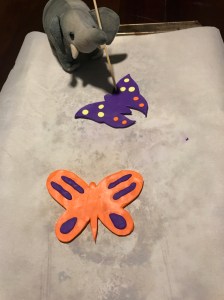
We’re in the craft cabin today and we’re making clay butterflies! Does everyone have a seat and their supplies?

Materials:

IMG_4685

  • Scissors
  • Butterfly pattern
  • Exacto knife
  • Oven baked clay in multiple colors
  • Parchment paper
  • Rolling pin


Instructions:

  • Cut out patterns.

FullSizeRender

  • Warm up the clay with your hands or hooves.

IMG_4687

  • Roll out your clay with the rolling pin on parchment paper.

IMG_4688

  • Place your butterfly on the clay and cut around it. Be careful with the exacto- ask an adult for help if you need too.

IMG_4689

  • Use the other clay colors to decorate your butterfly. Make sure you press these into your butterfly or they can fall off.

IMG_4690

  • If you are going to hang your butterfly, use a chopstick to poke a small hole.

IMG_4691

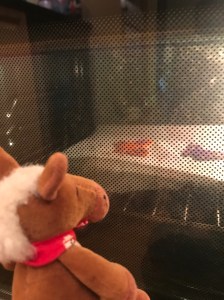
  • Bake your butterflies at 275 degrees for 15 minutes.

IMG_4692

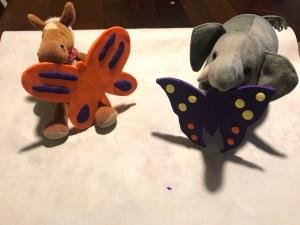
  • Add magnets or string to your butterflies so they can fly all over!

IMG_4704

As always- show us your work campers! Post to Instagram and tag us! Post to our Facebook wall or tweet us! Woohoo!


Scan20170612195541

Categories: adventure, Animals, butterflies, camp, Children, conservation, crafts, education, Environment, nature, science, Today's Post, wildlife | Tags: , , , , , , , , , | 1 Comment

Bees, Bugs & Butterflies

Bees, Bugs & Butterflies

IMG_4406

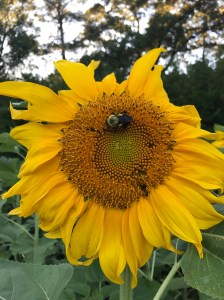
We are so excited for week 3 of Camp E & E! We’re meeting insects and the like this week! But first, we are taking the campers to garden here at camp to get our hands dirty! We’ll be planting a bee and butterfly garden. So get your pots, soil and garden tools out! We’re helping the bees!

FullSizeRender

Tips for planting a Bee Friendly Garden:

  • Plant native flowers and herbs to your area. Some good choices are: sunflowers, lavender (which keeps mosquitoes away), basil, blueberries, blackberries, black eyed susans, peonies, bachelor buttons, tulips, goldenrod and honeysuckle.
  • Plant the same flowers in one group or row.
  • Try to pick plants that bloom more than once in a season.
  • Fill a shallow dish with rocks and fresh water for the bees to drink!
  • Make sure to not use any pesticides and herbicides in your garden. They are toxic to bees.
  • Leave the weeds! Clover, dandelions and milkweed are all important to bees and butterflies! Weeds are friends!


FullSizeRender(1)

Bees are essential for the survival of all living things! Without bees to pollinate food and crops, we will all be in big trouble! Unfortunately our bee friend populations are in steep decline. So let’s give them a chance and some great habitats! And if you have deer or rabbits that nibble your garden, that’s ok too!


Categories: adventure, Animals, backyard, butterflies, camp, Children, conservation, education, endangered species, Environment, nature, science, Today's Post, wildlife | Tags: , , , , , , , , , , | 1 Comment

Bat Mask!

Bat Mask!

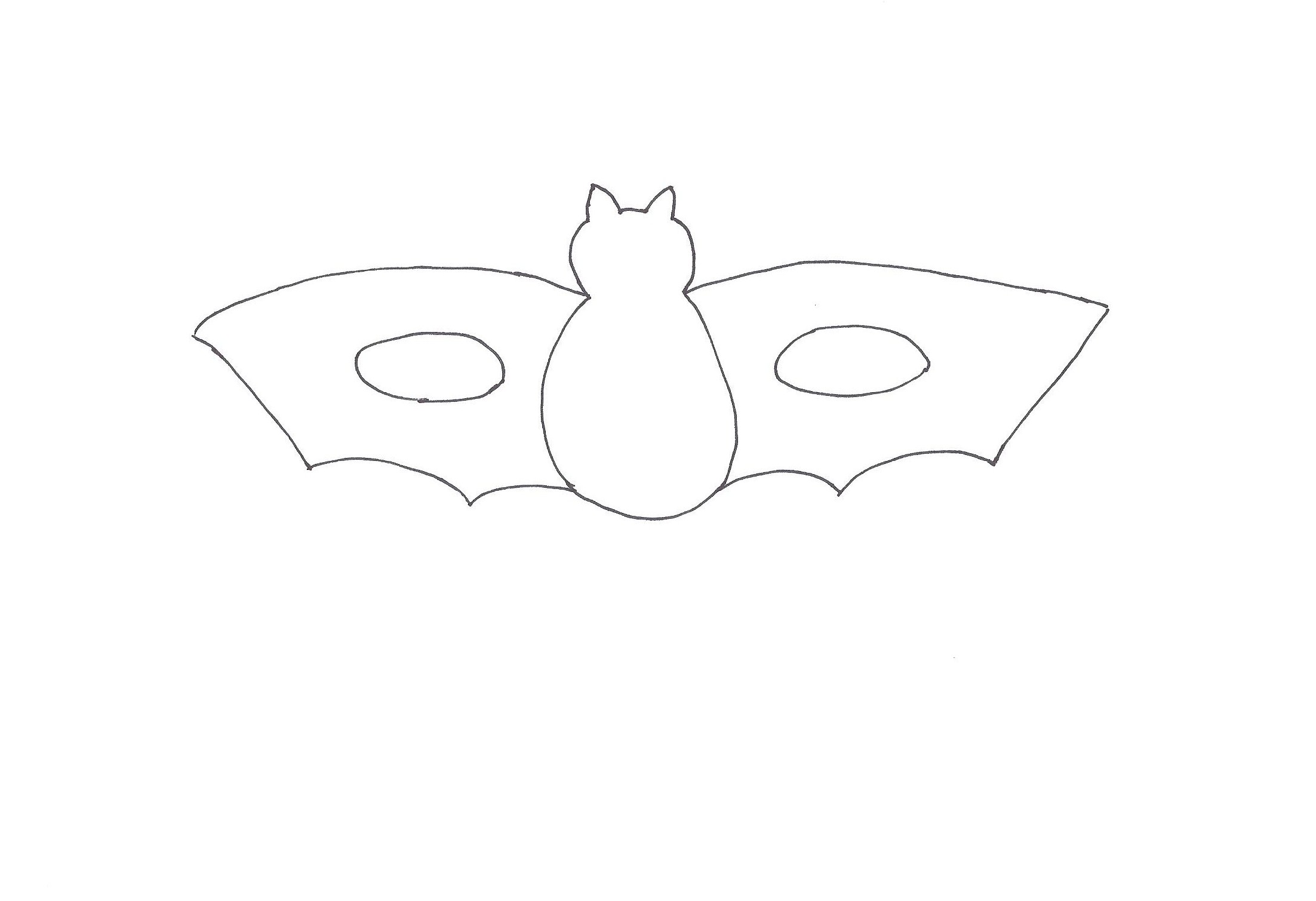
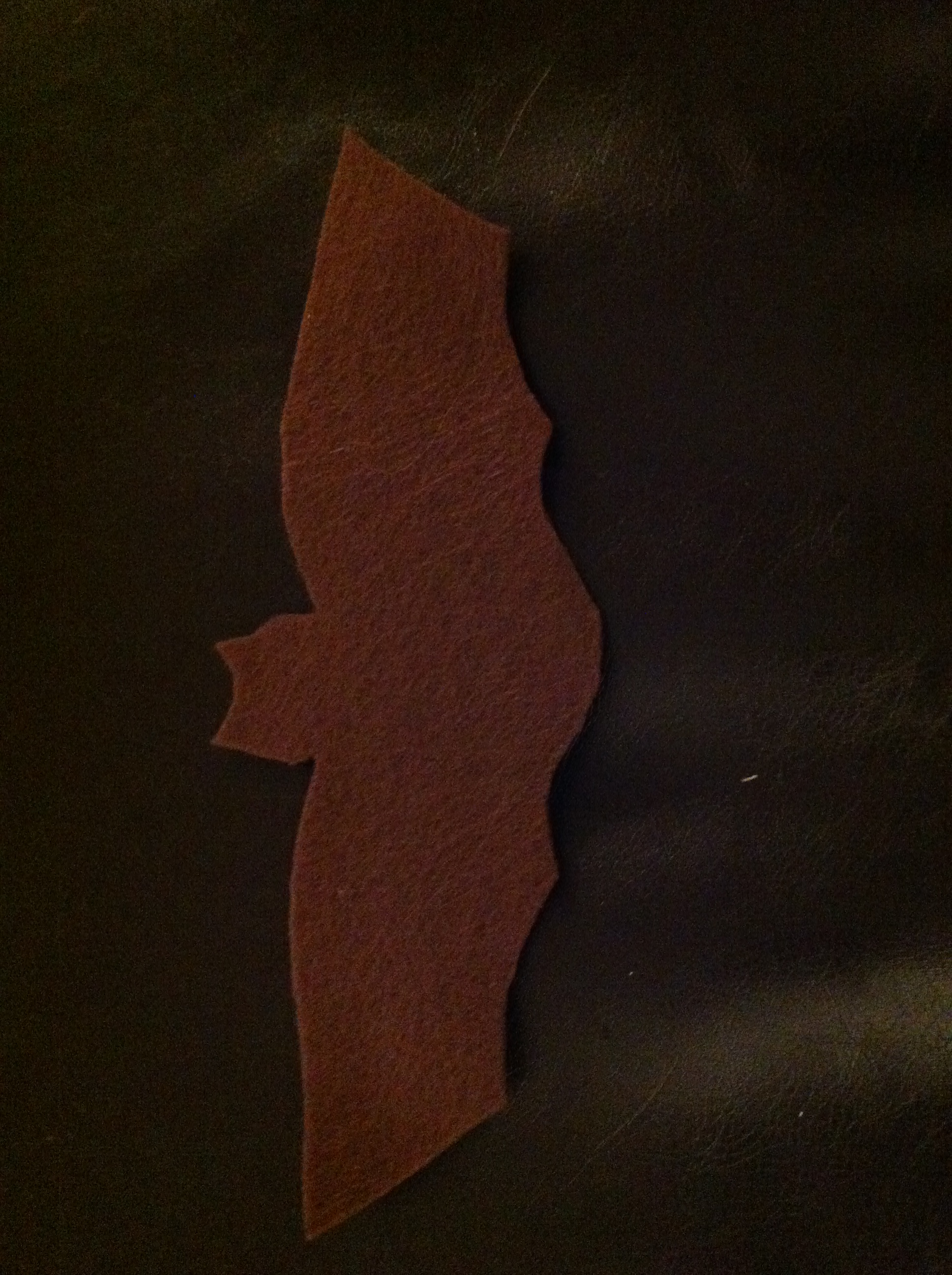
We have come up with a bat mask design for our campers for craft day! Now if we could all make wings to help us fly! Hahahahaha! 

Materials:

  • Pattern for mask
  • Brown or black felt 
  • Hot glue or felt glue
  • Hole punch
  • Scissors
  • String or ribbon (For both)


Instructions :

1.     Print out Pattern and trace it on the felt.


2.     Cut out the mask. When done, cut out eye holes by folding bat wing in half & cutting an oval.


3.     Decorate your mask with glitter, etc… if you want to dress it up!

4.     Punch holes in the sides of mask. Tie or glue ribbon to the holes.


5.     Wear your mask!

As usual campers! Show us your masks! We want to see your crafts! 

Categories: adventure, Animals, camp, Children, conservation, crafts, education, Environment, nature, science, Today's Post, wildlife | Tags: , , , , , , , , , | Leave a comment

Hello Crayfish!

Hello Crayfish!

It’s almost the end of cave week here at Camp E&E! We met one really cute little critter in the caves on our way out.

cave crawfish

Southern Cave Crayfish Fun Facts:

  • These little crayfish spend their entire lives in caves.
  • Cave crayfish lack sight! They use touch and smell to get around.
  • Most cave crayfish are translucent.
  • Females are larger than men.
  • They are one of the largest animals in the cave ecosystem. Due to a lack of food, animals evolve to be smaller in these dark habitats.
  • The cave ecosystem can be low in oxygen.
  • Southern cave crayfish can live up to 15-20 years.
  • They eat insects and blind cave fish!

These crazy crayfish are so cool! They are slow to grow and live  long life due to the lack of resources in the cave system. These caves are not for the weak!

Categories: adventure, Animals, camp, Children, conservation, education, Environment, nature, science, Today's Post, wildlife | Tags: , , , , , , , , , | 1 Comment

Blind in the Cave

Blind in the Cave

7746A4E3-6E79-4777-9715-1E2AEF979E74

We are enjoying spelunking with the campers this week! Deep in the cave there is a lake, it is part of the same system of water that makes up Lake Salamander! It is in the cave lake we can find some of the most interesting and alien like animals on the earth! Make sure you have on your head lamps campers!

blind cave fish

Blind Cave Fish Fun Facts:

  • These little fish only get up to 4 1/2 inches long.
  • Blind cave fish have lost their ability to see and some of have even lost their eyeballs. Crazy right!?
  • They use their lateral lines along their bodies to get around. Those lateral lines detect different kinds of pressure.
  • They eat bat droppings.
  • Scientists think the fish lost their eyesight to reduce energy use!


blind cave fish2

These little fish were such a fun find! Woohoo! Camp is just the best!

Categories: adventure, Animals, camp, Children, conservation, education, Environment, fish, nature, science, Today's Post, wildlife | Tags: , , , , , , , , , | 1 Comment

Bat Fun Facts

Bat Fun Facts

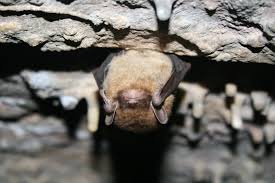
We love our bat friends! They come out every night by camp searching for mosquitoes.   Brown bats are the ones we see the most at camp! They live just inside the caves on the other side of the lake. These little buddies can eat up to 1000 mosquitoes an hour! Yay! Let’s learn more about bats!

brown bat3


  • Bats are the only true flying mammal on earth!
  • There are around 1,200 different species.
  • Bats have specialized wings that help them fly- bat wings have five appendages- including a thumb on top to help them climbs.
  • Bat wings are covered in a thin membrane called the patagium.
  • Scientists believe that bats evolved around 100 million years ago.

brown bats

  • Bats are nocturnal.
  • Bats use echolocation to detect prey, especially flying insects.
  • Most bats are very social and live in large groups.
  • Some bats do sleep upside down.
  • When a bat’s feet are gripped around a branch upside down they are in a relaxed position. When humans make a fist, their muscles are rigid. That is the opposite with bat feet! Pretty neat huh? 

brown bats2

These beneficial little critters don’t spend all of their lives in caves, they must come out to find food every night! We just love them!!


Categories: adventure, Animals, bats, camp, Children, conservation, education, Environment, mammals, nature, science, Today's Post, wildlife | Tags: , , , , , , , , , , | 1 Comment

Blog at WordPress.com.