Posts Tagged With: oceans

Another Ocean Giant

Another Ocean Giant

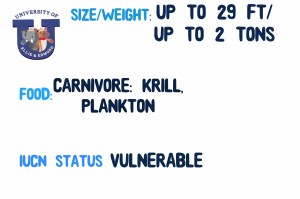
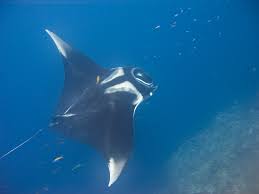
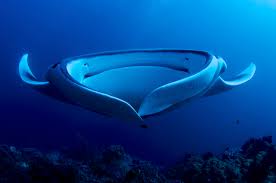
We met another giant of the ocean on our snorkeling trip- the Giant Manta Ray! These graceful creatures are so fun to watch “fly” through the water!  They are truly magical.
giant manta

IMG_4350


Date: 5/24

Location: Raja Ampat Islands

Giant Manta Ray Fun Facts:

  • Giant Manta Rays are the largest member of the ray family.
  • They are filter feeders and use their front lobes to push food in their mouths. Recent discoveries have shown that they also eat larger deep sea fish!
  • Scientists guess that they can live up to 50 years.
  • Mantas get their name for the Spanish word that means blanket.
FullSizeRender

  • Manta rays are covered in a protective mucus coating.
  • Manta rays do not have the venomous barb.
  • It is thought they have been around 5 million years.
giant manta2

giant manta

Our time here in these amazing islands is done and we are bummed. There is so much more to see and do! We head back to the University and get ready for camp to start in June! We will definitely be back!
 

Categories: adventure, Animals, Children, conservation, education, endangered species, Environment, fish, nature, oceans, science, Today's Post, wildlife | Tags: , , , , , , , , | 1 Comment

One Big Mollusk!

One Big Mollusk!

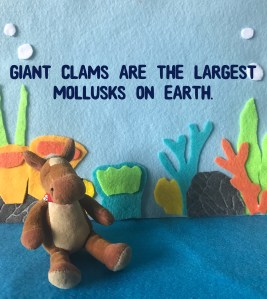
While snorkeling we came upon one big animal- the giant clam! And they are a sight to see! We had to share this amazing creature with you!

giant clam

IMG_4305


Date: 5/23

Location: Raja Ampat Islands

Giant Clam Fun Facts:

  • Giant clams live their whole lives in one spot on the reef. It’s hard to move 500 lbs of body.
  • They share their bodies with algae. They feed off the sugar and proteins the algae give off.

IMG_4304

  • Each clam has a unique color pattern.
  • Giant clams have a siphon to pull in water in plankton.
  • They can not close their shell completely.
  • Giant clams can live up to 100 years!


We love these giant mollusks! Do you remember the largest land arthropod? We met them not to long ago! Mollusks are so amazing!

Categories: adventure, Animals, Children, conservation, education, endangered species, Environment, nature, oceans, science, Today's Post, wildlife | Tags: , , , , , , , , , | 1 Comment

Barracuda!

Barracuda!

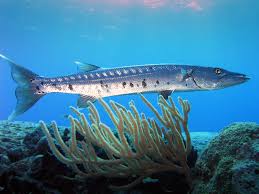
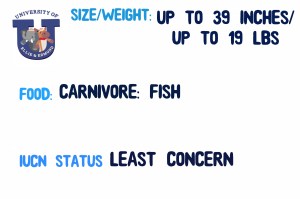
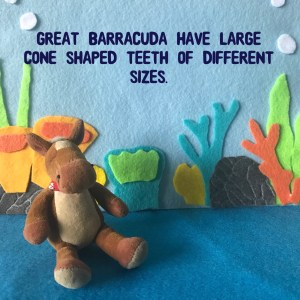
We had a blast snorkeling the next day after our night drive. We saw one of the coolest fish in all of the oceans- the barracuda! They even have their own song! We bet you don’t much about these long predators. Well it’s time to change that!

barracuda2

IMG_4298


Date: 5/22

Location: Raja Ampat Islands

Barracuda Fun Facts:

  • Barracuda have underbites- hehehe!
  • They have large powerful jaws.

FullSizeRender

  • They are known to hunt in groups and gather a school of fish in a area to guard them when they are hungry.
  • Barracuda have a reputation for being aggressive to divers, but that reputation in unwarranted.
  • It is not a good idea to go spear fishing around barracuda though, as they make away with your meal.
  • They have few natural predators.

barracuda3

barracuda


It is always fun to spot some barracuda! We like to wave and swim the in the other direction. They may not be aggressive, but those teeth don’t say let’s be friends.

Categories: adventure, Animals, Children, conservation, education, Environment, fish, nature, oceans, science, Today's Post, wildlife | Tags: , , , , , , , , , , | 1 Comment

Feeling Blue

Feeling Blue

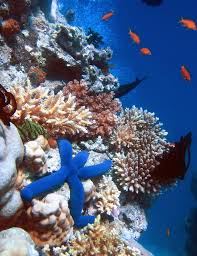
Who’s feeling blue? Not us, but we are meeting a very blue echinoderm (sea stars, sand dollars & sea urchins)! That’s right- we’re meeting the blue sea star!

seastar

IMG_4184


Date: 5/16

Location: Raja Ampat Islands

Blue Sea Stars Fun Facts:

  • Blue sea stars come in several different shades of blue.
  • They have short yellow tube feet.
  • Blue sea stars are slow movers.
  • Blue sea stars can regenerate body parts.
  • They are also known as the Blue Comet sea star.

seastar2

There were numerous blue sea starts in the reef we were exploring! They are so gorgeous and brighten up the reef!


Categories: adventure, Animals, Children, conservation, Environment, nature, oceans, science, Today's Post, wildlife | Tags: , , , , , , , , , , | 1 Comment

The Clowns of the Ocean!

The Clowns of the Oceans!

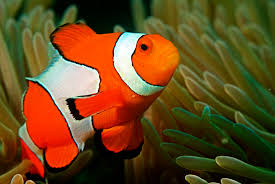
While snorkeling we also encountered one of the reef’s most iconic residents- the clown anemonefish! These brightly colored fish became famous after a certain movie. Well we’re going to teach you some cool clown fish facts!

clown

IMG_3988


Date: 5/4

Location: Raja Ampat Islands

Clown Anemonefish Fun Facts:

  • Clown anemonefish are one of many species of anemonefish.
  • They have a three white and black stripes on their orange bodies.
  • Clown anemonefish have a layer of mucus that protects them from their anemone and its stinging cells.
  • The fish and the anemone share a symbiotic relationship (where both animals benefit). The anemone gets food and some protection from the fish and vice/versa.
  • Clown anemonefish live in small groups with a dominate female.

IMG_3990

  • Clown anemonefish spawn during the fool moon.
  • The males defend the eggs.

clown2

clown3


The relationship that clown anemonefish have with their anemones are so cool. There are many symbiotic relationships found in nature! Elephants have birds that bugs and parasites of them! Pretty neat right?


Categories: adventure, Animals, Children, conservation, education, Environment, fish, nature, oceans, science, Today's Post, wildlife | Tags: , , , , , , , , , , , | 1 Comment

Sharky Shark Shark

Sharky Shark Shark

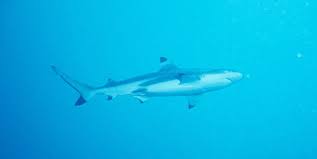
We strapped on our snorkel equipment to go exploring! We spotted so many fish, but we were most excited to see the black tip reef shark! These sleek predators are common inhabitants of the reef!

reef shark3

IMG_3999


Date: 5/3

Location: Raja Ampat Islands

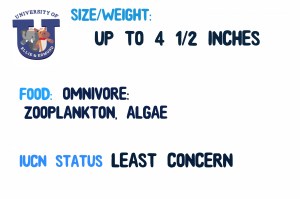
Black Tip Reef Shark Fun Facts:

  • Blacktip Reef Sharks are the most common shark in coral reefs of the Pacific Ocean.
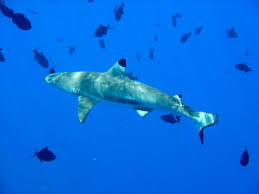
  • Blacktip reef sharks have streamlined bodies with black color on the tips of their fins.
  • They are powerful are strong and quick swimmers.

FullSizeRender

  • Blacktip reef sharks must swim to breath. The motion moves the water over their gills that extract oxygen from the water.
  • They can be curious of divers.

reef shark2

reef shark


Blacktip reef sharks are fast! They are very important in their coral reef habitats, because they’re apex predators (top of the food chain). Blacktip reef sharks look so sleek and smooth! Do you think they feel that way? Nope- they feel like sandpaper! Neat, huh?

Categories: adventure, Animals, Children, conservation, education, endangered species, Environment, fish, nature, oceans, science, Today's Post, wildlife | Tags: , , , , , , , , , , , | 1 Comment

Off to the Islands!

Off to the Islands!

FullSizeRender

We have arrived at our last destination of the school year- the Raja Ampat Islands of Indonesia. These remote and magical islands are home to some of the most beautiful and diverse coral reefs in the world. It’s those reefs and one or two island stops that we will be exploring! We have the SS Ellie and Edmond ready to go and explore all around the Pacific Ocean!

islands

  • The islands consist of up to 1,500 small islands and cays. There are four large main islands where most of the population lives.
  • Canderawasih Bay is the largest marine sanctuary in Indonesian.
  • The Coral triangle is considered to be the most bio-diverse reef habitat in the world.
  • These islands are remote and mostly uninhabited, so the reefs are mostly undisturbed. The islands that do house sparse populations of people that still live in a very different world.
  • These islands contain some of the most beautiful birds and flora anywhere in the world.

islands2

islands3

The big draw is in the ocean though! And that’s where we will be exploring the most! Stay tuned for tomorrow!

Categories: adventure, Animals, Children, conservation, education, Environment, fish, nature, oceans, science, Today's Post, wildlife | Tags: , , , , , , , , , | 1 Comment

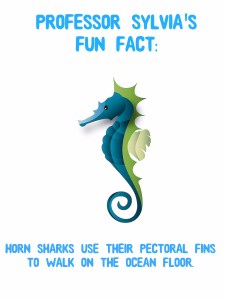
Walking a Shark

Walking a Shark!

We are enjoying our last few days here in the kelp forest. After early morning smoothies (at 4am) we boarded the SS Ellie and Edmond and headed out for one last dive. We were hoping to find a little shark who is super neat!

img_1691

horn-shark3


Date: 1/25

Location: Kelp forest

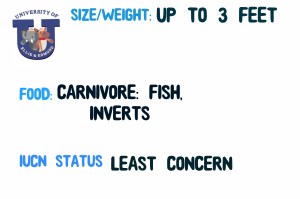
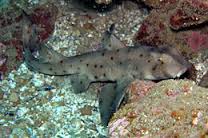
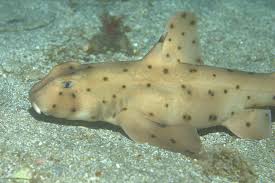
Horn Shark Fun Facts:

  • Horn sharks have blunt snouts.
  • They have a sharp spine on each dorsal fin that helps protect them from predators.
  • Horn sharks are nocturnal and solitary.

img_1693

  • Horn sharks stay in a small home territory.
  • Female horn sharks lay cone shape eggs they wedge in between rocks.
  • Young sharks live in the kelp forests in rock crevices or holes made by bat rays.
  • They use their strong jaws to suck in prey. They then crush the outer shells and eat the meat inside.

horn-shark2

horn-shark

We had such a great time on our dive. Luckily we spotted another elasmobranch on our trip and we’ll tell you more about them tomorrow!


Categories: adventure, Animals, Children, conservation, education, Environment, fish, nature, oceans, science, Today's Post, wildlife | Tags: , , , , , , , | 1 Comment

We’re Having a Whale of a Time

We’re Having a Whale of a Time

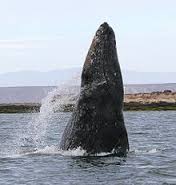
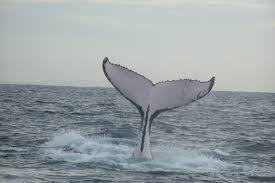
We’re entering our last week here at the Kelp Forest. We sure have had a blast. Today we boarded the SS Ellie and and Edmond and went whale watching. We have met humpbacks off the coast of California, but we have never spotted the gray whale. So we headed out to find these giants of the deep.

img_1668

grey-whale3


Date: 1/23

Location: Off the California coast

Gray Whale Fun Facts:

  • Gray whales are baleen whales. They have plates of fine hair to filter out the tiny food they eat.
  • Their baleen is a cream color, unlike other baleen whales with black colored baleen.
  • Most gray whale lay on their right side to scoop sediment from the ocean floor.
  • Gray whales have two v-shaped blowholes on top of their head.
  • Gray whales have no dorsal fin, instead sport a bumpy dorsal ridge.

img_1672

  • They are often covered in barnacles.
  • The Northern pacific population of grey whales is the largest population in the world.

grey-whale2

grey-whale


We had such a fabulous time watching for these migrating giants. We love whales. Gray whales were almost hunted to extinction, but with protections put in place their populations grew and the Pacific populations are now stable.

Categories: adventure, Animals, Children, conservation, education, endangered species, nature, oceans, science, Today's Post, wildlife | Tags: , , , , , , , | 1 Comment

It’s An Orange Fish

It’s An Orange Fish

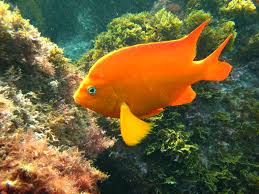
On our first dive yesterday, one of the most striking fish we saw was the Garibaldi fish. These orange fish get their name from a famous Italian politician who often work bright orange/red. Mother nature gave this fish their color and thank goodness it did!

garibaldi3

img_15751


Date: 1/19

Location: Kelp forest

Garibaldi fish fun facts:

  • Garibaldi are members of the damselfish family.
  • They are the largest member of the damselfish family.
  • Garibaldi are very territorial.
  • Males will aggressively defend eggs while they are incubating. They are even known to bite divers who get to close.
  • When they charge, they make a grunting noise as a warning.

img_15761

  • Garibaldi are the state marine fish of California.
  • Females choose their mates by how much they like the nest a male has. Females can check out over a dozen nests before choosing the right one.
  • They often choose a nest that has other females’ eggs in it. This means the male defends the nest well.

garibaldi2

garibaldi

It’s amazing how nature works. Who knew that female Garibaldi were so picky. But who can blame them, when there are many predators in the sea who find your eggs to be so tasty.

Categories: adventure, Animals, Children, conservation, education, Environment, nature, oceans, science, Today's Post, wildlife | Tags: , , , , , , , , , | 1 Comment

Blog at WordPress.com.