Author Archives: Ellie and Edmond ©

Unknown's avatar

About Ellie and Edmond ©

Explorers, Adventurers, Educators and Best Friends. We love all animals and love to share cool info about them! Join us and learn!

A Large Island Off The Coast Of Africa

A Large Island Off The Coast Of Africa

img_2756

We’re back from our vacation and we’re packed up and heading to the large island nation off the east coast of Africa- Madagascar. We are so excited to explore this neat island!

madagascar2

We have some fun facts about Madagascar for you!

  • Madagascar is the only home to lemurs. In fact 70% of the wildlife species in Madagascar are only found there.
  • It is the fourth largest island on earth.
  • Two-thirds of all the chameleon species on earth call Madagascar home.
  • The island is one of the biggest producers of vanilla.
  • It has everything from mountains to coasts.
  • Madagascar split from the Indian sub-continent around 88 million years ago.
  • There are two official languages in Madagascar- French & Malagasy.

madagascar3

We can hardly wait to explore the habitats of this large island. We plan to meet the island’s most famous residents- the lemur; along with reptiles and other interesting characters like the fossa! We’ll see you tomorrow with our newest animal friend!
Categories: Animals, Children, conservation, education, endangered species, nature, science, Today's Post, wildlife | Tags: , , , , , , , , , | Leave a comment

Fishing for an Eagle

Fishing for an Eagle

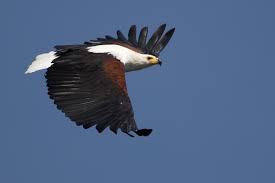
It’s our last day here in Africa. We head on vacation next week, so new posts til March. We will definitely be coming back! In March we will be heading to the large island just off the coast of Africa- Madagascar. Woohoo! Today we meet a large bird – the African Fishing Eagle.

fish-eagle

img_2361


Date: 2/23

Location: Serengeti

African Fish Eagle Fun Facts:

  • Female African Fish Eagles are larger than the males.
  • They have white heads and bodies and brown/black wings.
  • African fish eagles are known for their loud cry that can be heard around their habitats.

img_2362

  • They build nests in trees close to the water. The nests grow in size every year.
  • African fish eagles can live up to 24 years in the wild.
  • They are the national bird of Zimbabwe and they appear on Zimbabwe’s flag.

fish-eagle2

fish-eagle3


We had a fabulous time in Africa. We are super excited to head to Madagascar in March though! Woohoo!

Categories: adventure, Animals, birds, Children, conservation, education, Environment, nature, science, Today's Post, wildlife | 1 Comment

The Infamous Badger

The Infamous Badger

We have spent our day looking for an infamous inhabitant of the Serengeti- the honey badger! These tenacious creatures are the stuff of legends. We learned so much about them!

honey-badger3

img_2340


Date: 2/22

Location: Serengeti

Honey Badger Fun Facts:

  • Another name for the honey badger is the ratel.
  • They have loose thick skin that helps protect them from predators. Even porcupine quills can not penetrate it.
  • Honey badgers live in burrows. They can dig a hiding burrow in a matter of minutes.
  • Honey badgers are intelligent and are known to use tools.

img_2341

  • They are tenacious and will attack animals much larger than themselves, including lions.
  • Honey badgers have a gland at the base of their tale that releases a foul smelling liquid. It is used to mark their territory and to ward off predators.
  • They partner with honeyguide birds to locate a hive. The birds enjoy the spoils after the honey badger destroys the hive.

honey-badger2

honey-badger


We love these nasty, tough critters. They are one of the most fascinating animals we have seen. We sure wouldn’t pick a fight with one!

Categories: adventure, africa, Animals, Children, conservation, education, Environment, mammals, nature, science, Today's Post, wildlife | Tags: , , , , , , , , , , | 1 Comment

A is for Aardvark

A is for Aardvark

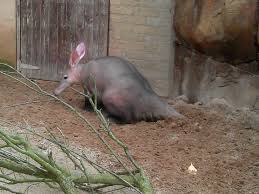
We had a lovely weekend exploring the area on our own. We headed out Sunday night with our ranger to see if we could find one super awesome and odd looking animal- the aardvark. We were so excited to find one snuffling around for eats!

img_2317

Date: 2/20

Location: Serengeti

Aardvark Fun Facts:

  • Aardvarks are burrowers. They live in large burrows during the day and forage for food at night.
  • They have large claws for digging in to ant and termite mounds. Those claws also help protect them.
  • Aardvarks have long tongues they use to eat their favorite meal. They close their nostrils to avoid dust and getting the insects in their snouts.

img_2318

  • Aardvarks have a keen sense of hearing with those large ears.
  • They have tough skin with little fur that helps protect them from insect bites.
  • Aardvarks can eat up 50,000 insects a day.
  • Aardvarks have webbed feet.

img_2319

aardvark2

Aardvarks are funny looking creatures with their large ears, long thick tails, snouts & claws. They are the most fun if you ask us! We can’t help but giggle when we see one! Do you love them as much as we do?

Categories: adventure, Animals, Children, conservation, education, Environment, mammals, nature, science, Today's Post, wildlife | Tags: , , , , , , , , , | 1 Comment

Hornbills

Hornbills

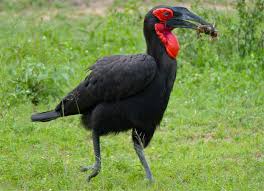
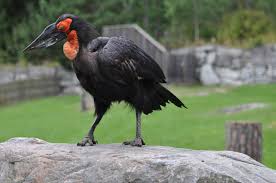
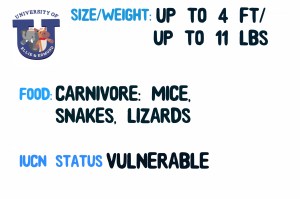
We enjoyed the best day learning more about some super neat birds- the Southern Ground Hornbill. We headed back to camp after getting to know them and then enjoyed a lovely night at base camp listening to the lions roar.

hornbill2

img_2243


Date: 2/16

Location: Serengeti

Southern Ground Hornbill Fun Facts:

  • Southern Ground hornbills earned that name, because they spend most of their time on the ground foraging for food.
  • They are the largest of the hornbill family.
  • Females have a blue/black patch on their red throat pouch.
  • Southern Ground hornbills live in small family groups with a dominant pair.
  • The other birds help the dominate pair raise the young.
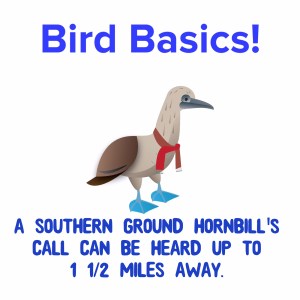
  • They are famous for their low pitches, haunting call.

img_2244

  • Ground hornbills can live up to 50-60 years.
  • They are known to groom warthogs to eat the parasites that live on them.

hornbill

honrbill


We love these vocal birds! They have such personalities! And the best eyelashes to help keep dirt out of their eyes. That is a great adaptation out on the Serengeti plain!

Categories: adventure, Animals, birds, Children, conservation, education, Environment, nature, science, Today's Post, wildlife | Tags: , , , , , , , , , | 1 Comment

We Found a New Secretary

We Found a New Secretary

Today we hung out with one of most favorite birds, the Secretary Bird. We wanted him to come be our new secretary at HQs, alas he decided to stay in the Serengeti- probably a good plan!

sec-bird

img_2209


Date: 2/14

Location: Serengeti

Secretary Fun Facts:

  • Secretary birds are diurnal (they’re active during the day) and nests in Acacia trees at night.
  • They have long powerful legs that they use for striking prey.
  • It’s thought that they were named after English secretaries because the crests on their heads look like quills that secretaries used to write with, but it’s now thought that is it comes from an Arabic word meaning “hunter bird”.

img_2210

  • Secretary birds walk more than they fly. They can walk up to 15 miles a day in search of food.
  • It is admired in Africa for its hunting skills, especially its ability to kill venomous snakes.
  • It’s even part of the Coat of Arms for South Africa.

sec-bird3

sec-bird2


We love these graceful menacing looking birds. You better watch out if you’re a snake in this bird’s path!

Categories: adventure, Animals, birds, Children, conservation, education, nature, science, Today's Post, wildlife | Tags: , , , , , , , , , , , | 1 Comment

Gotta Have Heart

Gotta Have Heart

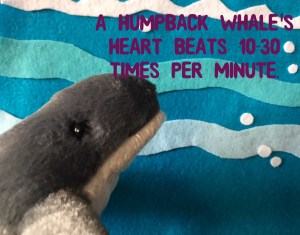
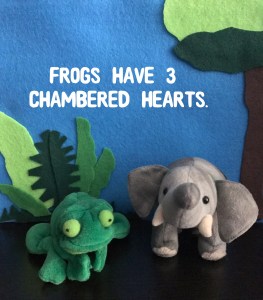
Since it’s Valentine’s Day, we thought we would share some fun facts about animal hearts!

img_2237


img_2238


img_2239


img_2241

img_2242


img_2236

img_2240


Categories: adventure, Animals, Children, conservation, education, Environment, nature, science, Today's Post, wildlife | Tags: , , , , , , , , | 2 Comments

Hello Antelope!

Hello Antelope!

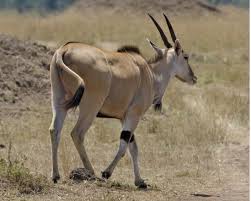
So nice to start off the week off enjoying the herds of animals on the plains! We took particular interest in the common eland. These large antelopes are graceful!

common-eland3

img_2208


Date: 2/13

Location: Serengeti

Common Eland Fun Facts:

  • The common eland is the second largest antelope in the world. The giant eland is the biggest.
  • Eland is Dutch for Elk.

img_2211

  • A male’s horns are thicker and shorter. They use their horns to compete for females during mating season.
  • Females use their horns for defense.
  • While they are not the fastest antelope, they can run long distances at slower speeds. They can also jump up to 8 ft.
  • Common elands are crepuscular.
  • They make a clicking sound when walking or running. This is unusual for antelopes.


common-eland2

common-eland


We loved watching these large and graceful animals. Often when you think of antelopes, you think of Thompson Gazelles. But these gentle giants and their tapping toes are super neat!

Categories: adventure, Animals, Children, conservation, education, Environment, mammals, nature, science, Today's Post, wildlife | Tags: , , , , , , , , , | 1 Comment

Ellie and Edmond Valentine’s

Ellie and Edmond Valentine’s

We made our annual Valentine’s for you to print and share! Save the photos to make cards or signs or to decorate a Valentine mailbox! Let your imagination go wild!

And if you are in the mood to send your sweetie something extra special-click on

Edmond’s Valentine Video and share the link with all your pals!

img_1822

img_1821

Categories: adventure, Animals, Children, crafts, education, Environment, nature, science, Today's Post, Valentines, wildlife | Tags: , , , , , , , , | 1 Comment

Pinkies!

Pinkies!

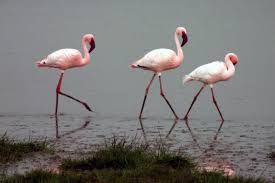
We’re back- after having an internet issue out here in the Serengeti, we got our signal back. We headed off to meet some bright pink birds! Flamingos are always one of our favorites!

img_2150

flamingo2

Date: 2/9

Location: Serengeti

Lesser Flamingo Fun Facts:

  • Lesser flamingos have black edges on their wings.
  • They have deep red bills and crimson legs.
  • Flamingos have no sense of smell.

img_2151

  • Lesser flamingos are famous for their group mating dances. These can include a few bird or up to several hundred.
  • Male and females incubate the egg.
  • Lesser flamingos travel around lakes to find food.

flamingo

We had fun watching these fabulous flamingos dance around and eat. We love long legged birds and flamingos fit the bill. Hehehe!


Categories: adventure, Animals, birds, Children, conservation, education, endangered species, Environment, nature, science, Today's Post, wildlife | Tags: , , , , , , , , , | 1 Comment

Blog at WordPress.com.