birds

We Found a New Secretary

We Found a New Secretary

Today we hung out with one of most favorite birds, the Secretary Bird. We wanted him to come be our new secretary at HQs, alas he decided to stay in the Serengeti- probably a good plan!

sec-bird

img_2209


Date: 2/14

Location: Serengeti

Secretary Fun Facts:

  • Secretary birds are diurnal (they’re active during the day) and nests in Acacia trees at night.
  • They have long powerful legs that they use for striking prey.
  • It’s thought that they were named after English secretaries because the crests on their heads look like quills that secretaries used to write with, but it’s now thought that is it comes from an Arabic word meaning “hunter bird”.

img_2210

  • Secretary birds walk more than they fly. They can walk up to 15 miles a day in search of food.
  • It is admired in Africa for its hunting skills, especially its ability to kill venomous snakes.
  • It’s even part of the Coat of Arms for South Africa.

sec-bird3

sec-bird2


We love these graceful menacing looking birds. You better watch out if you’re a snake in this bird’s path!

Categories: adventure, Animals, birds, Children, conservation, education, nature, science, Today's Post, wildlife | Tags: , , , , , , , , , , , | 1 Comment

Pinkies!

Pinkies!

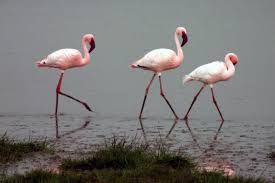
We’re back- after having an internet issue out here in the Serengeti, we got our signal back. We headed off to meet some bright pink birds! Flamingos are always one of our favorites!

img_2150

flamingo2

Date: 2/9

Location: Serengeti

Lesser Flamingo Fun Facts:

  • Lesser flamingos have black edges on their wings.
  • They have deep red bills and crimson legs.
  • Flamingos have no sense of smell.

img_2151

  • Lesser flamingos are famous for their group mating dances. These can include a few bird or up to several hundred.
  • Male and females incubate the egg.
  • Lesser flamingos travel around lakes to find food.

flamingo

We had fun watching these fabulous flamingos dance around and eat. We love long legged birds and flamingos fit the bill. Hehehe!


Categories: adventure, Animals, birds, Children, conservation, education, endangered species, Environment, nature, science, Today's Post, wildlife | Tags: , , , , , , , , , | 1 Comment

Hello Birdie!

Hello Birdie!

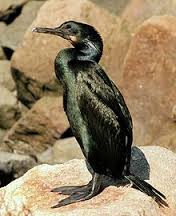
After spending the day on the boat whale watching, we decided to chill on the shore and have a picnic while bird watching. We found a group of black birds called pelagic cormorants who were quiet entertaining!


img_1673

comorants


Date:1/23

Location: coast near the kelp forests

Pelagic Cormorant Fun Facts:

  • Male and females look the same.
  • They are not very efficient flyers, due to short wings.
  • Those short wings help with diving for prey.
  • Pelagic cormorants are also clumsy walkers on land.
  • Unlike other water birds, cormorants do not have waterproof feathers. They must dry and preen them on shore.
  • They do not nest in large colonies, but in small groups.

img_1674

  • Both male and females help incubate the eggs and raise the chicks.

comorants2

comorants3


We had a lovely afternoon watching the cormorants and the other shore birds. Pelicans are still our favorites with their big beaks. Having a healthy population of shore birds is often an indicator for healthy oceans. But like marine mammals, our shore bird friends suffer from ingesting plastic! So keep up the recycling and throw away that trash!


Categories: Animals, birds, Children, conservation, education, nature, science, Today's Post, wildlife | Tags: , , , , , , , | 1 Comment

Bird of the Sea!
Bird of the Sea!

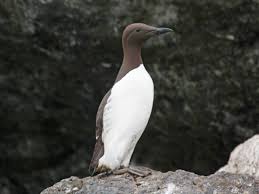
We spent the day on the cliffs bird watching. So many sea birds to love and learn about. We were especially thrilled to spot some black and white birds, reminiscent of penguins in appearance, but better fliers!

img_1445

common-mure


Date: 1/12

Location: kelp forest coastline

Common Murre Fun Facts:

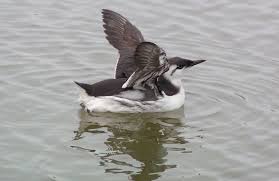
  • Common murres are not very agile flyers, but are amazing at diving.
  • Common murres use their wings to propel them deep in the water to catch fish.
  • They have been recorded diving at depths of 590 ft.
  • They are related to gulls and terns.

img_1458

  • Common murre eggs are pointed on one end. They are also different colors.
  • It is thought the eggs are different colors to help the breeding pairs tell them apart.
  • After mating season, both females and males molt. During the molting season they can not fly.

common-mure3

common-mure2


We had a great time watching these birds dive and hang out on the rocks. It was a great way to end the week!

Categories: adventure, Animals, birds, Children, conservation, education, Environment, nature, oceans, science, Today's Post, wildlife | Tags: , , , , , , , | 1 Comment

Fluffy White Owl

Fluffy White Owl

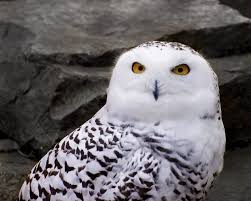
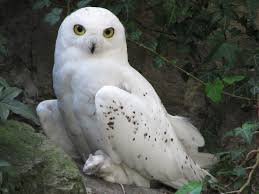
We started out our Arctic circle adventure looking for one of its most famous residents. We went out looking for the snowy owl. These large owls are known from the Harry Potter books. They are amazing and so cool to see!

snowy-owl3img_0676


ellie_edmund_professors-bfbooby


Date: 12/6

Location: Northern Canada- arctic circle

  • Snowy owls are covered in long white feathers. The feathers cover every part of them including their feet and beak.
  • They are most active at dusk and dawn, but are diurnal (active during the day) during the summer when there is little darkness.

img_0681

  • Females are larger than males and have molted or spotted brown colors on their feathers. This helps them blend in with the ground.
  • Snowy owls nest on the ground.
  • They have excellent hearing and eyesight.
  • Snowy owls mate for life and both the male and female take care of the chicks.
  • Snowy owls are ambush predators!

snowy-owl2 snowy-owl


After watching these amazing predators for several hours, we headed back to our cabin for the rest of the day to warm up. We had to rest up to meet tomorrow’s animal.

Categories: adventure, Animals, birds, Children, conservation, education, Environment, nature, science, Today's Post, wildlife | Tags: , , , , , , , , , | Leave a comment

Sooty Sooty

Sooty Sooty!

We spent our last day in the lovely temperate rainforest meeting the Sooty grouse! These funny birds were so fun and gregarious. We had never met a grouse- so it was exciting to meet this one!

sooty-grouse3img_0390


ellie_edmund_professors-bfbooby


Date: 11/30

Location: Temperate Rainforest

  • Sooty grouse spend most of their time foraging on the ground.
  • They will eat pine needles in trees during the winter.
  • They are closely related to dusky and blue grouse.
  • Males sing deep loud songs and strut with their tail feathers raised and their neck feathers puffed out!

img_0391

  • Females incubate the eggs and raise the chicks, who follow their mother around.
  • Chicks are full grown at 13 weeks.

sooty-grouse2sooty-grouse


We had fun watching these birds walking around and heading up into the trees to eat. We love their funny tail feathers. We think the grouse look like a peacock and a turkey had a baby! They are cute and funny looking at the same time!


Categories: adventure, Animals, birds, Children, conservation, education, Environment, nature, science, Today's Post, wildlife | Tags: , , , , , , , , , | Leave a comment

We Spot a Spotted Owl

We Spot a Spotted Owl

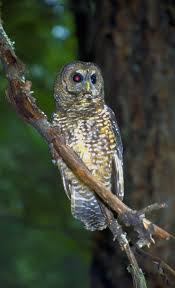
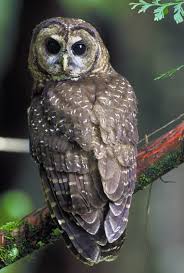
After spending the day watching Clark’s Nutcrackers, we took a nap and had dinner by the fire. We wanted to stay up to find another bird. These raptors were are threatened by habitat loss, so we were very lucky to find them in the dark of night.

spotted3img_0310


ellie_edmund_professors-bfbooby


Date: 11/17

Location: Temperate Rainforest

  • Spotted owls are rather large.
  • They are known to eat flying squirrels and bats in flight!
  • Spotted owls have dark colored eyes, as opposed to yellow or orange like most owls.
  • Spotted owls prefer old growth forests.

img_0311

  • Like other raptors, the females are larger than the males.
  • They do mate for life.

spotted2spotted


We loved spotting these rare birds. The three subspecies are scattered and with their forest disappearing it is making harder to for them to survive. We can all help,  by using less paper and recycling as  much paper as you can! Every little bit helps!


Categories: adventure, Animals, birds, Children, conservation, education, Environment, nature, science, Today's Post, wildlife | Tags: , , , , , , , , , , | 1 Comment

A Bird Named Clark

A Bird Named Clark

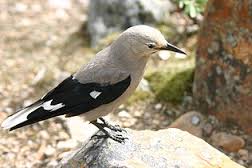
We spent today bird watching again. We wanted to find a really interesting bird that is known for its amazing memory! So off we went with our binoculars in search of the Clark’s Nutcracker!

clarksimg_0308


ellie_edmund_professors-bfbooby


Date: 11/16

Location: Temperate Rainforest

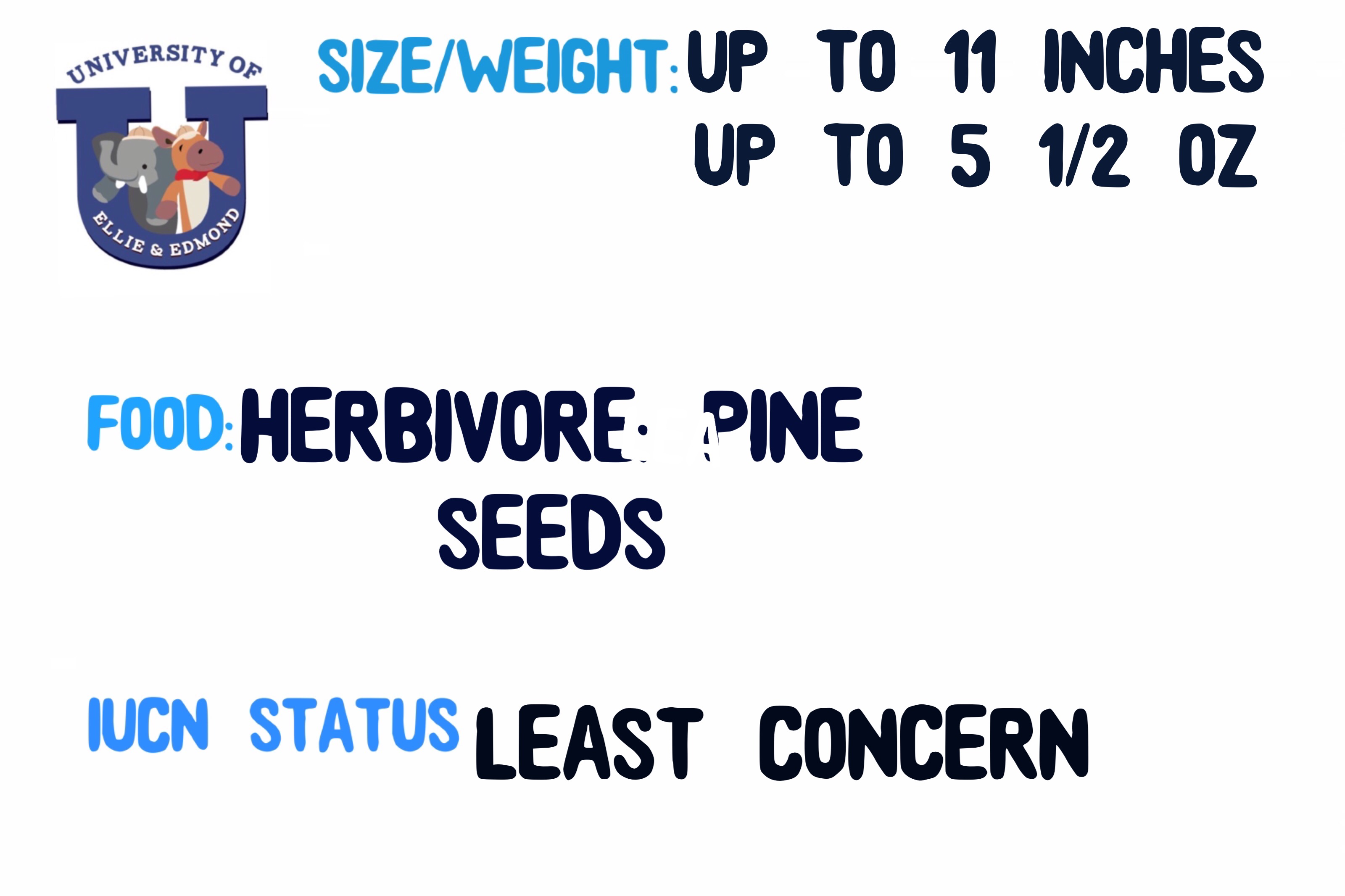
  • Clark’s nutcrackers have long shark beaks for extracting pine seeds from cones.
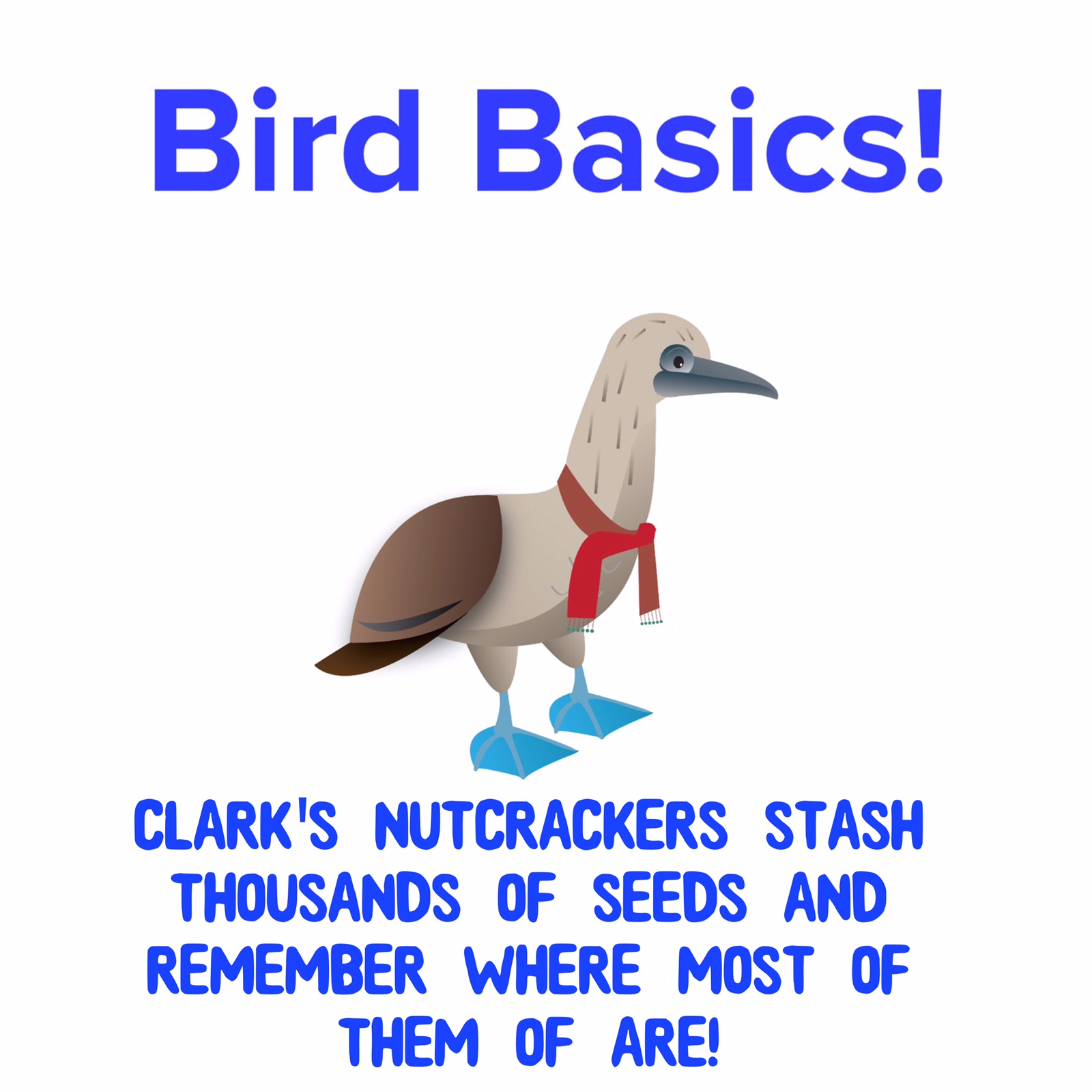
  • They store these seeds for the winter.

img_0309


  • Scientists say Clark’s nutcrackers make a spacial map in their brain and that is how they remember where their food caches are!
  • Unlike other birds, Clark’s nutcrackers are active during winter and often may have chicks in January or February.
  • These amazing birds do forget seeds over the season and in turn plant pine trees all over the forest.
  • Clark’s nutcrackers are members of the corvid family (crows and jays).
  • These great little birds were discovered by William Clark on his expedition west with Meriwether Lewis!
  • They do stay in monogamous pairs. Both female and males incubate the eggs.

clarks3clarks2


We had so much fun watching these gregarious birds in the forest! We are so fascinated by their cache behavior. Their memory is crazy. Scientist have studied these little birds to learn about how intelligent they really are. Edmond swears they keep little maps with X marks to keep up with all of those seeds!

Categories: adventure, Animals, birds, Children, conservation, education, Environment, nature, science, Today's Post, wildlife | Tags: , , , , , , , , , | Leave a comment

Very Varied Cute Birds!

Very Varied Cute Birds!

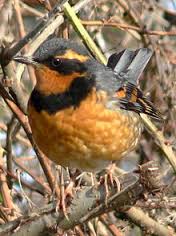
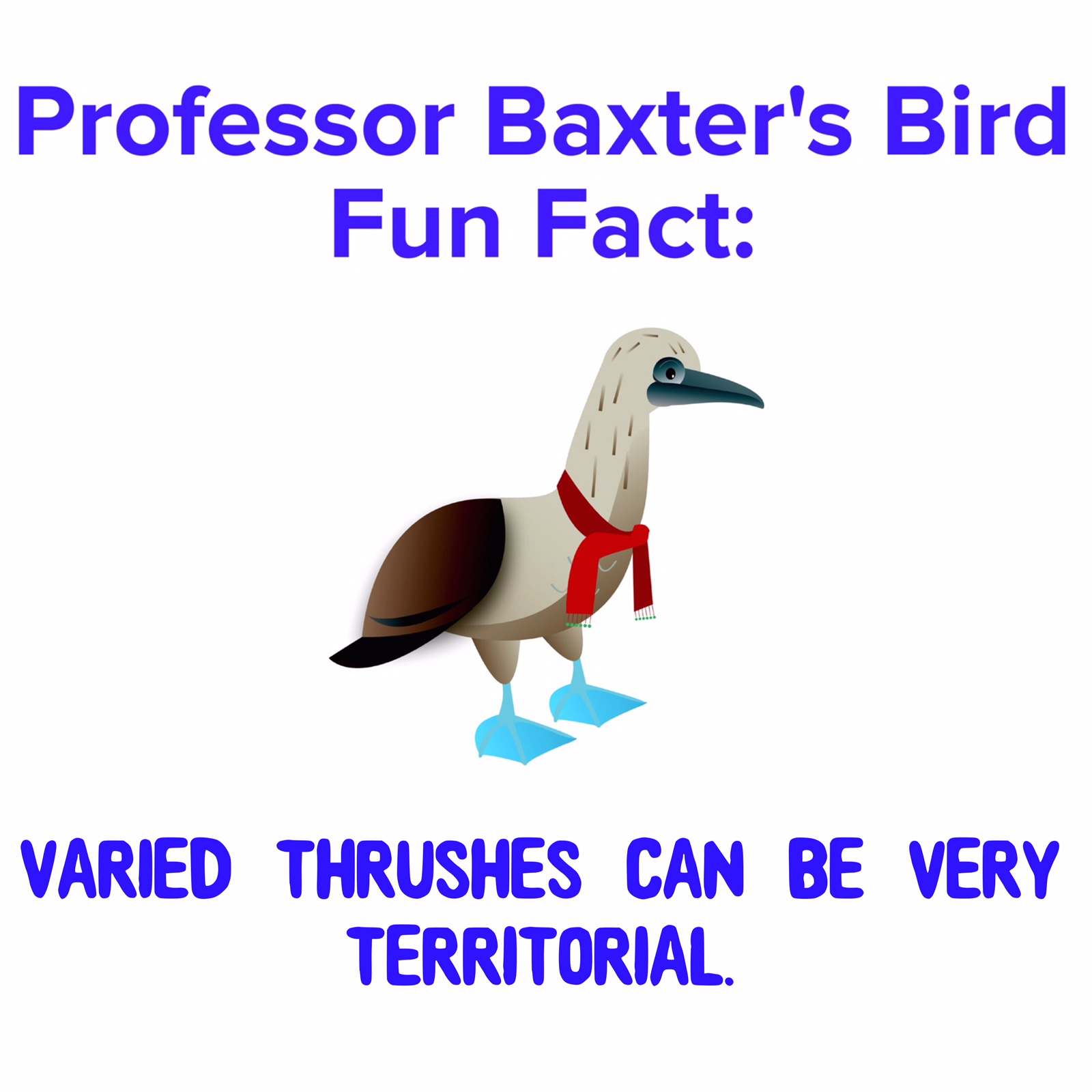
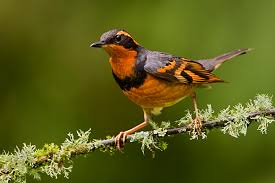
We decided to go birding today! We were on the lookout for the Varied Thrush. Luckily after wandering around the for a while we finally spotted our bird!

img_02131varied-thrush2


ellie_edmund_professors-bfbooby


Date: 11/10

Location: Pacific northeast temperate rainforest

  • Varied thrushes are song birds.
  • You can often hear them long before they are seen.
  • Varied thrushes forage on the ground.

img_0214

  • Females incubate the eggs, but both parents help feed the chicks.

varied-thrush

We enjoyed listening to these gorgeous song birds while we walked the woods. We loved their bright orange coloration. They are often compared to robins, the plump song birds we have near HQs. We love robins, but these varied thrush are much brighter!

Categories: Animals, birds, Children, conservation, education, Environment, nature, science, Today's Post, wildlife | Tags: , , , , , , , , , | Leave a comment

Whoooooo Did We Spot?

Whoooooo Did We Spot?

horned-owl3img_0126


ellie_edmund_professors-bfbooby


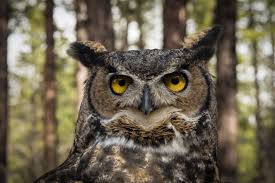
We spent our first night in a cabin in the forest. The trees are so big and tall. We hope to learn more about the trees while we are here, not just the animals. It is definitely chilly, but we sat on the back porch so that we could listen and look for this animal. And man did we hear them and we did spot one with our night vision goggles! We found the great horned owl.

horned-owl2


  • Great horned owls have feathery tufts on their heads.
  • They are the most abundant owl in the Americas.

img_0127

  • They have been known to predate on falcons, other owls and even scorpions.
  • Great horned owls are nocturnal.
  • Male great horned owls are smaller than the females.
  • Great horned owls are known to mate for life. You can often hear pairs call to each other.
  • They have bright amazing yellow eyes.


horned-owl

We could have stayed up all night to listen to the owls calling each other! Take a listen to their haunting calls. These amazing raptors can be found all over North America, but it sure was neat to spot them on our first night in the temperate rainforest!

Categories: adventure, Animals, birds, Children, conservation, education, Environment, nature, science, Today's Post, wildlife | Tags: , , , , , , , , , | Leave a comment

Blog at WordPress.com.