endangered species

Rocking with the Guitar

HRocking with the Guitar

It’s SHARK WEEK here at Camp E&E by the Sea! We love our cartilaginous friends and we are so excited for our campers to meet a few sharks and one of their relatives in the ray family. These creatures have been calling the world’s oceans home for over 400 million years. Today we’re going to meet a member of the ray family- the shovelnose guitarfish.

IMG_0316


Shovelnose Guitarfish Fun Facts: 

  • Shovelnose guitarfish are members of the ray family.
  • They look like you combined a ray and shark all in one.
  • They range in color from olive to grey to tan.
  • Females are larger than males.
  • These bottom dwellers eat mollusks, crustaceans and fish.
  • Shovelnose guitarfish are listed as Near Threatened by the IUCN.
  • They have a row of spines along their back near the tail.


IMG_0318

These amazing fish are so neat! Can you guess why they are called guitarfish? They are shaped like a guitar, but they have no strings attached! Hahaha!!
Categories: adventure, Animals, Children, conservation, education, endangered species, Environment, fish, nature, oceans, science, Today's Post, wildlife | Tags: , , , , , , , , , , , | 1 Comment

Meeting a SeaEdmond

Meeting a SeaEdmond

IMG_5264

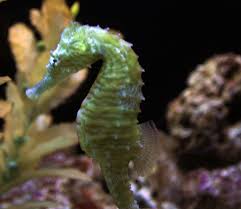
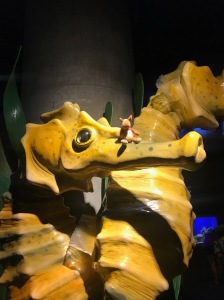
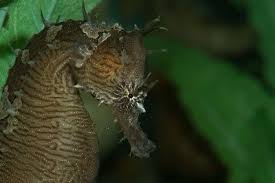
Our week of diving is continuing at camp and we are meeting a seahorse- or a SeaEdmond as we like to call them! Everyone ready? Grab those flippers and let’s goooooo!

Lined Seahorse Fun Facts:

  • These tiny crustacean eaters are fish!
  • Lined seahorses camouflage in with their surroundings and ambush their prey.
  • Their eyes can rotate around and move independently of each other.
  • Males are larger and have longer tails than females.
  • They mate for life.
  • Like other seahorses, the males incubate the eggs in a pouch. They give birth to the baby seahorses. They are about the size of a flat thumbtack.
  • These little guys are not strong swimmers and attach to sea grass or other substrate to protect themselves.

lined seahorse2

lined seahorse

Categories: adventure, Animals, camp, Children, conservation, education, endangered species, Environment, fish, nature, oceans, science, Today's Post, wildlife | Tags: , , , , , , , , , , , | 1 Comment

Bees, Bugs & Butterflies

Bees, Bugs & Butterflies

IMG_4406

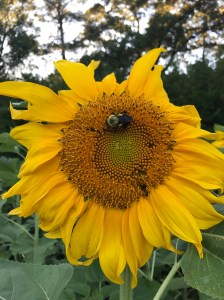
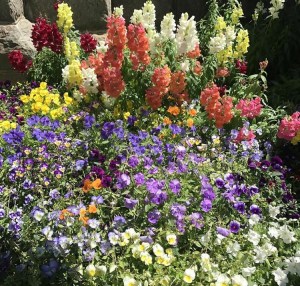
We are so excited for week 3 of Camp E & E! We’re meeting insects and the like this week! But first, we are taking the campers to garden here at camp to get our hands dirty! We’ll be planting a bee and butterfly garden. So get your pots, soil and garden tools out! We’re helping the bees!

FullSizeRender

Tips for planting a Bee Friendly Garden:

  • Plant native flowers and herbs to your area. Some good choices are: sunflowers, lavender (which keeps mosquitoes away), basil, blueberries, blackberries, black eyed susans, peonies, bachelor buttons, tulips, goldenrod and honeysuckle.
  • Plant the same flowers in one group or row.
  • Try to pick plants that bloom more than once in a season.
  • Fill a shallow dish with rocks and fresh water for the bees to drink!
  • Make sure to not use any pesticides and herbicides in your garden. They are toxic to bees.
  • Leave the weeds! Clover, dandelions and milkweed are all important to bees and butterflies! Weeds are friends!


FullSizeRender(1)

Bees are essential for the survival of all living things! Without bees to pollinate food and crops, we will all be in big trouble! Unfortunately our bee friend populations are in steep decline. So let’s give them a chance and some great habitats! And if you have deer or rabbits that nibble your garden, that’s ok too!


Categories: adventure, Animals, backyard, butterflies, camp, Children, conservation, education, endangered species, Environment, nature, science, Today's Post, wildlife | Tags: , , , , , , , , , , | 1 Comment

Another Ocean Giant

Another Ocean Giant

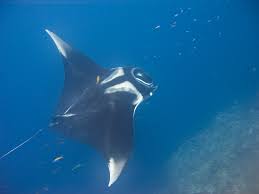
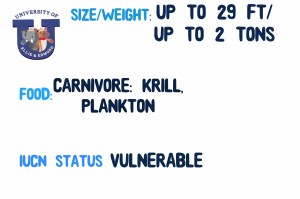
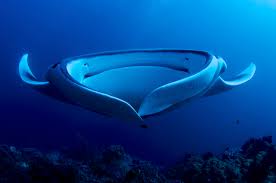
We met another giant of the ocean on our snorkeling trip- the Giant Manta Ray! These graceful creatures are so fun to watch “fly” through the water!  They are truly magical.

giant manta

IMG_4350


Date: 5/24

Location: Raja Ampat Islands

Giant Manta Ray Fun Facts:

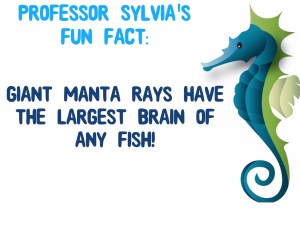
  • Giant Manta Rays are the largest member of the ray family.
  • They are filter feeders and use their front lobes to push food in their mouths. Recent discoveries have shown that they also eat larger deep sea fish!
  • Scientists guess that they can live up to 50 years.
  • Mantas get their name for the Spanish word that means blanket.

FullSizeRender

  • Manta rays are covered in a protective mucus coating.
  • Manta rays do not have the venomous barb.
  • It is thought they have been around 5 million years.

giant manta2

giant manta

Our time here in these amazing islands is done and we are bummed. There is so much more to see and do! We head back to the University and get ready for camp to start in June! We will definitely be back!


Categories: adventure, Animals, Children, conservation, education, endangered species, Environment, fish, nature, oceans, science, Today's Post, wildlife | Tags: , , , , , , , , | 1 Comment

One Big Mollusk!

One Big Mollusk!

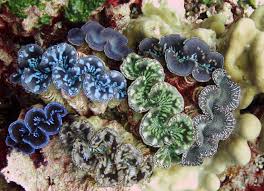
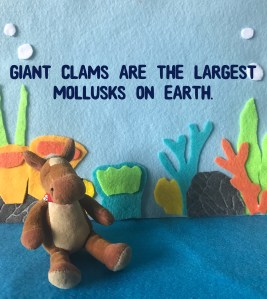
While snorkeling we came upon one big animal- the giant clam! And they are a sight to see! We had to share this amazing creature with you!

giant clam

IMG_4305


Date: 5/23

Location: Raja Ampat Islands

Giant Clam Fun Facts:

  • Giant clams live their whole lives in one spot on the reef. It’s hard to move 500 lbs of body.
  • They share their bodies with algae. They feed off the sugar and proteins the algae give off.

IMG_4304

  • Each clam has a unique color pattern.
  • Giant clams have a siphon to pull in water in plankton.
  • They can not close their shell completely.
  • Giant clams can live up to 100 years!


We love these giant mollusks! Do you remember the largest land arthropod? We met them not to long ago! Mollusks are so amazing!

Categories: adventure, Animals, Children, conservation, education, endangered species, Environment, nature, oceans, science, Today's Post, wildlife | Tags: , , , , , , , , , | 1 Comment

One Large Bat

One Large Bat

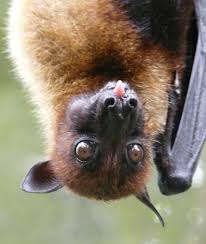
We decided to explore some of the islands this week. We do love our oceans, but the islands have some really neat creatures to meet too! Today we are meeting one of the largest flying mammals in the world and we couldn’t be more excited!

flying fox

IMG_4024


Date: 5/8

Location: Raja Ampat Islands

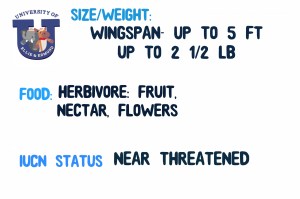
Large Flying Fox Fun Facts:

  • Large flying fox live in large colonies.
  • They are able to hang upside down just as smaller bats do.
  • Large flying foxes have long tongues to help them eat nectar and fruit.

IMG_4025

  • Large flying foxes are pollinators and seed disperses. Their poop contains seeds that they disperse and they get pollen on their fur when they eat nectar. They spread the pollen from plant to plant.
  • They feed in the upside down position.

flying fox2

flying fox3


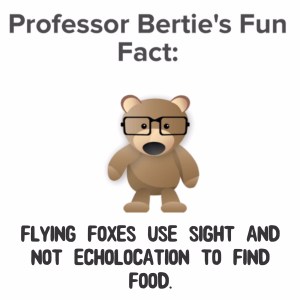
These large bats are so cool to see! We spotted a whole tree full just roosting and came back at night to watch them head out to find food! They fly silently, but they are a noisy bunch when they are eating! Edmond can be a loud eater too!

Categories: adventure, Animals, Children, conservation, education, endangered species, Environment, nature, science, Today's Post, wildlife | Tags: , , , , , , , , , , , | 1 Comment

Sharky Shark Shark

Sharky Shark Shark

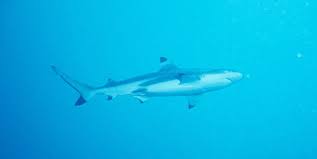
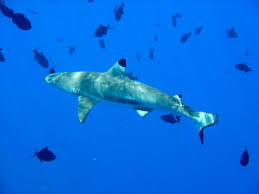
We strapped on our snorkel equipment to go exploring! We spotted so many fish, but we were most excited to see the black tip reef shark! These sleek predators are common inhabitants of the reef!

reef shark3

IMG_3999


Date: 5/3

Location: Raja Ampat Islands

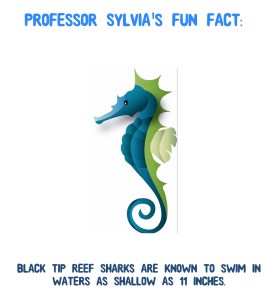
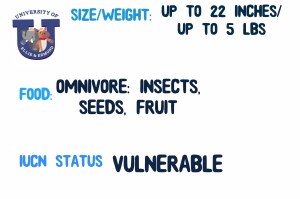
Black Tip Reef Shark Fun Facts:

  • Blacktip Reef Sharks are the most common shark in coral reefs of the Pacific Ocean.
  • Blacktip reef sharks have streamlined bodies with black color on the tips of their fins.
  • They are powerful are strong and quick swimmers.

FullSizeRender

  • Blacktip reef sharks must swim to breath. The motion moves the water over their gills that extract oxygen from the water.
  • They can be curious of divers.

reef shark2

reef shark


Blacktip reef sharks are fast! They are very important in their coral reef habitats, because they’re apex predators (top of the food chain). Blacktip reef sharks look so sleek and smooth! Do you think they feel that way? Nope- they feel like sandpaper! Neat, huh?

Categories: adventure, Animals, Children, conservation, education, endangered species, Environment, fish, nature, oceans, science, Today's Post, wildlife | Tags: , , , , , , , , , , , | 1 Comment

What’s a Bibly?

What’s a Bibly?

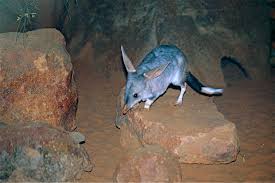
We headed out to find one of Australia’s neatest little animals! These crazy looking marsupials are so cool and we couldn’t believe we met one! Are you ready to meet them too?

bilby3

IMG_3826


Date: 4/26

Location: Great Victorian Desert

Greater Bibly Fun Facts:

  • Greater biblies are also known as bandicoots.
  • Bilbies have long snouts, large ears, back legs like a kangaroo and black & white tails! In other words- they are crazy looking!
  • They are nocturnal.

IMG_3827

  • Greater biblies are mostly solitary.
  • Their pouches face backward to keep dirt out of it.
  • Greater bilbies do not drink water, they get all the moisture they need from the food they eat.

bilby2

bilby


Bilbies are neat little critters! They are listed as vulnerable though. Again, their populations have dropped from predation from animals such as fox and feral cats. There are great conservation efforts happening to reintroduce bilbies in habitats where they were once gone.

Categories: adventure, Animals, Children, conservation, endangered species, Environment, marsupial, nature, science, Today's Post, wildlife | Tags: , , , , , , , , , | 1 Comment

The Parrot with a Crown!

The Parrot with a Crown!

We met a feathered friend in the outback! This shy green bird is not always easy to spot, but we were lucky!

princess parrot2

IMG_3813


Date: 2/25

Location: Great Victorian Desert

Princess Parrot Fun Facts:

  • Princess parrots were named after Princess Alexandra of Denmark.
  • They are quiet colorful, with bluish heads, pink throats and blue tails.
  • Males have longer tails and brighter colors than females.

IMG_3814

  • They make loud calls.
  • Princes parrots are known to live around 30 years.

princess parrot

We were so excited to find a few of these chatty little birds! They tend to gather in a group for mating and then disappear again!

Categories: adventure, Animals, birds, Children, conservation, education, endangered species, Environment, nature, science, Today's Post, wildlife | Tags: , , , , , , , , , | 1 Comment

Hello Wallaby!

Hello Wallaby!

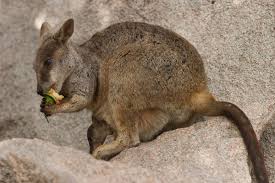
We met one of the cutest inhabitants of the desert today! These hopping marsupials are so fun! Let’s learn more about the Brush-tailed rock wallaby!

rock wallaby

IMG_3811


Date: 4/24

Location: Great Victorian Desert

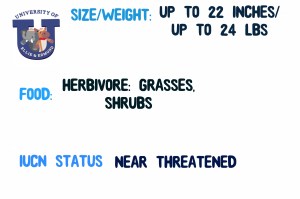
Brush-tailed Rock Wallaby Fun Facts:

  • Brush-tailed Rock Wallabies have rough padded feet to help them get around the rocky terrain.
  • They live in groups where each animal has their own territory. One male’s territory overlaps several female’s territory.
  • Brush-tailed rock wallabies are crepuscular (active at dawn & dusk).

IMG_3812

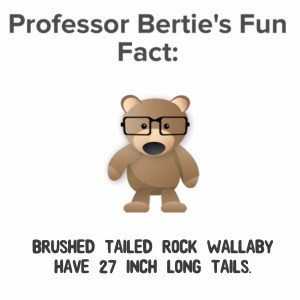
  • Those long tails help them balance on the rocky habitats.
  • They find shelter in caves or rocky crevices.

rock wallaby2

Rock wallaby’s are just the cutest! They are threatened due to habitat lose and the introduction of the non-native red fox. Ecosystems are very delicate and invasive species can quickly destroy it.

Categories: adventure, Animals, Children, conservation, education, endangered species, Environment, nature, science, Today's Post, wildlife | Tags: , , , , , , , , , , | 1 Comment

Blog at WordPress.com.