Posts Tagged With: envrionment

Hornbills

Hornbills

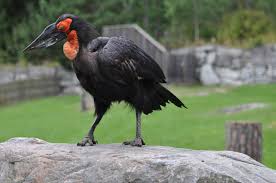
We enjoyed the best day learning more about some super neat birds- the Southern Ground Hornbill. We headed back to camp after getting to know them and then enjoyed a lovely night at base camp listening to the lions roar.

hornbill2

img_2243


Date: 2/16

Location: Serengeti

Southern Ground Hornbill Fun Facts:

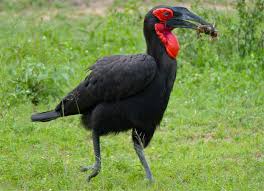
  • Southern Ground hornbills earned that name, because they spend most of their time on the ground foraging for food.
  • They are the largest of the hornbill family.
  • Females have a blue/black patch on their red throat pouch.
  • Southern Ground hornbills live in small family groups with a dominant pair.
  • The other birds help the dominate pair raise the young.
  • They are famous for their low pitches, haunting call.
img_2244

  • Ground hornbills can live up to 50-60 years.
  • They are known to groom warthogs to eat the parasites that live on them.
hornbill

honrbill


We love these vocal birds! They have such personalities! And the best eyelashes to help keep dirt out of their eyes. That is a great adaptation out on the Serengeti plain!

Categories: adventure, Animals, birds, Children, conservation, education, Environment, nature, science, Today's Post, wildlife | Tags: , , , , , , , , , | 1 Comment

We Found a New Secretary

We Found a New Secretary

Today we hung out with one of most favorite birds, the Secretary Bird. We wanted him to come be our new secretary at HQs, alas he decided to stay in the Serengeti- probably a good plan!
sec-bird

img_2209


Date: 2/14

Location: Serengeti

Secretary Fun Facts:

  • Secretary birds are diurnal (they’re active during the day) and nests in Acacia trees at night.
  • They have long powerful legs that they use for striking prey.
  • It’s thought that they were named after English secretaries because the crests on their heads look like quills that secretaries used to write with, but it’s now thought that is it comes from an Arabic word meaning “hunter bird”.

img_2210

  • Secretary birds walk more than they fly. They can walk up to 15 miles a day in search of food.
  • It is admired in Africa for its hunting skills, especially its ability to kill venomous snakes.
  • It’s even part of the Coat of Arms for South Africa.

sec-bird3

sec-bird2


We love these graceful menacing looking birds. You better watch out if you’re a snake in this bird’s path!

Categories: adventure, Animals, birds, Children, conservation, education, nature, science, Today's Post, wildlife | Tags: , , , , , , , , , , , | 1 Comment

Pinkies!

Pinkies!

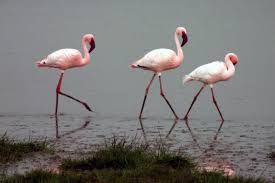
We’re back- after having an internet issue out here in the Serengeti, we got our signal back. We headed off to meet some bright pink birds! Flamingos are always one of our favorites!

img_2150

flamingo2

Date: 2/9

Location: Serengeti

Lesser Flamingo Fun Facts:

  • Lesser flamingos have black edges on their wings.
  • They have deep red bills and crimson legs.
  • Flamingos have no sense of smell.

img_2151

  • Lesser flamingos are famous for their group mating dances. These can include a few bird or up to several hundred.
  • Male and females incubate the egg.
  • Lesser flamingos travel around lakes to find food.

flamingo

We had fun watching these fabulous flamingos dance around and eat. We love long legged birds and flamingos fit the bill. Hehehe!


Categories: adventure, Animals, birds, Children, conservation, education, endangered species, Environment, nature, science, Today's Post, wildlife | Tags: , , , , , , , , , | 1 Comment

Dogs in Africa

Dogs in Africa

We spent our day watching a pack of wild dogs. These amazing canines are so fascinating. Let’s learn more about them!


wild-dog4


img_2094


Date: 2/7

Location: Serengeti

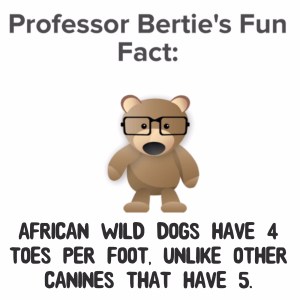
African Wild Dog Fun Facts:

  • African wild dogs’ name in Latin means painted wolf.
  • They are highly social. They live in a pack with a dominate breeding pair.
  • African wild dogs hunt in packs.
  • They can reach speeds of up to 35 mph. They generally can not outrun a prey animals, but instead can wear it out.

img_2095

  • Females are the ones who leave the pack when they are mature adults.
  • The entire pack eats together with no show of aggression to each other.
  • The pack also helps raise the pups.

wild-dog3

wild-dog


These gorgeous canines need a large territory. Unfortunately as their habitat disappears, so do the dogs. Many zoos in the US are working with partners in Africa to make sure these dogs are around for future generations.

Categories: adventure, Animals, Children, conservation, education, endangered species, Environment, mammals, nature, science, Today's Post, wildlife | Tags: , , , , , , , , , | 1 Comment

We’re Monitoring a Monitor

We’re Monitoring a Monitor

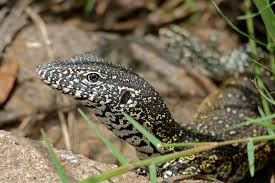
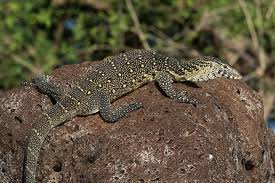
We’re spent our day looking for a large lizard that calls the Serengeti home. The monitor family includes the famous Komodo dragon! The lizard we were searching for does not get to be as big as a komodo, but they are just as cool!

nile-monitor3

img_2025


Date: 2/6

Location: Serengeti

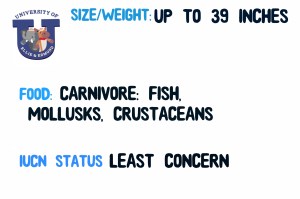
Nile Monitor Fun Facts:

  • Nile monitor lizards are known by many names including the African small grain lizard.
  • Nile monitor lizards have long sharp claws for climbing, digging and ripping apart prey.
  • They have a range of colors from olive to to brown.
  • Nile monitors are the largest lizard in Africa.
  • They have a stout strong tail to help ward off predators.

img_2026

  • Those forked tongues give the Nile monitor a keen sense of smell.
  • They are known to hunt cooperatively. One monitor will lead a crocodile away from the  nest, while another eats the eggs.
  • Nile monitors are excellent swimmers and will take to water to escape a predator.

nile-monitor2

nile-monitor


We watched a monitor for quiet a while. These amazing lizards are intimidating to see in the wild. They are often kept as pets. As with all exotic pets, it is important to do your homework before getting a pet that will grow large and possibly unruly. There are now populations of Nile monitors in California and Florida. These lizards can be harmful to the local wildlife.

Categories: adventure, africa, Animals, Children, conservation, education, Environment, nature, reptiles, science, Today's Post, wildlife | Tags: , , , , , , , , , , | 1 Comment

One Swell Shark

One Swell Shark

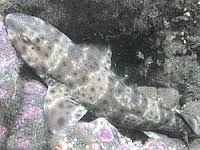
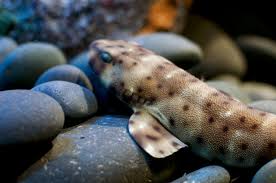
We went diving again today in the kelp forest. Our goal was to meet some of the fish who call this special place home! First up is one cool shark! Don’t worry- they are pretty shy and small :)!

img_1453

swell-shark

Date: 1/18

Location: Kelp forest

Swell Shark Fun Facts:

  • Swell sharks get their name from their unique defense mechanism. They grab their tail in their mouth and pump air or water in their stomach and swell to double their normal size.
  • They let out a barking noise when releasing the excess air.
  • Swell sharks are not strong swimmers.
  • They spend their days hiding in caves or crevices.
  • Swell sharks are mostly nocturnal and venture out to find prey.

img_14541

  • They lay eggs, called mermaids purses. The eggs are attached to hard structure to stay in play.
  • Swell sharks are biofluorescent. They absorb light electromagnetic light waves and re-emit as a different color. This neat adaptation was only discovered a few years ago.

swell-shark2

swell-shark3

We dove at two separate times -once during the day and once at night. We knew the little swell shark would be out at night. We were so excited to spot on swimming in the water. They are very shy and often when they see divers, freeze. It’s a shark that plays opossum- hehehe!

Categories: adventure, Animals, Children, conservation, education, Environment, nature, oceans, sharks, Today's Post, wildlife | Tags: , , , , , , , , , | 1 Comment

Bat of the sea!

Bat of the Sea!

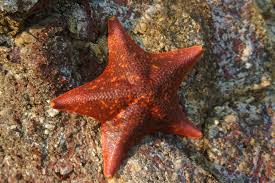
We’re spent the day looking for little sea stars that look a little funny- bat stars! We were lucky and found some!

batstar3

img_1449


Date: 1/16

Location: kelp forest

Bat Star Fun Facts:

  • Bat stars come in a variety of colors.
  • Some bat stars have more than 5 arms.

img_1455

  • Bat stars have gill like stars on their back.
  • Bat stars are scavengers. They eat prey and algae from the sea floor.
  • They have annelid worms that live in the groves of one arm eating bits of food leftover from the bat star.
  • Bat stars do not have endoskeleton or exoskeleton. They are covered in hard plates that are connected and embedded in the tissues of the bat star.

batstar2


batstar

We had fun searching tide pools for bat stars. These little echinoderms live all around the kelp forest and along the coast line. Sea stars are so cool.


Categories: adventure, Animals, Children, conservation, education, Environment, nature, oceans, science, Today's Post, wildlife | Tags: , , , , , , , | 1 Comment

We’re Seeing Red

We’re Seeing Red

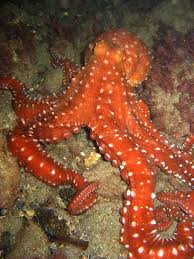
We decided to go diving in the kelp forest today to see if we could find an elusive but super cool animal- the red octopus! Octopus are one of our favorites. These cephalopods are intelligent and amazing!

img_1434

red-octopus


Date: 1/10

Location: Kelp forest

Red Octopus Fun Facts

  •  Red octopus have thousands of chemical receptors on their suckers to help them find food. Those same suckers also have millions of touch receptors.
  • Adult red octopus can be found as deep as 600 feet below the ocean’s surface.
  • Like other octopus, they can change color and texture in seconds!
  • Red octopus have a nasty venom they spit out after biting prey or a predator.
  • They use their sharp beaks to pry open shells of their favorite prey.

img_1435

  • Red octopus have excellent eyesight.
  • They are nocturnal.
  • Often red octopus leave the shells of their prey outside the caverns they hide in.

red-octopus2

These cunning predators are amazing to watch. Cephalopods always astound us with their ability to change color and texture so quickly. They are also highly intelligent and have been known to work out complicated puzzles in aquariums! Neat!


Categories: adventure, Animals, Children, conservation, education, Environment, nature, oceans, science, Today's Post, wildlife | Tags: , , , , , , | 1 Comment

We’re Seaing Lions

We’re Seaing Lions


img_0709      img_14241


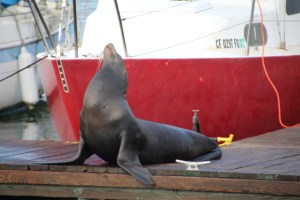
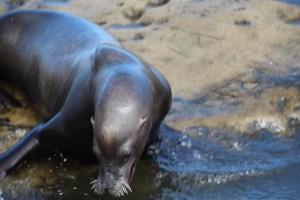
We’re starting off the week on the coast meeting some large, stinky and loud mammals.  Sea lions are so gregarious and fun to watch.

Date: 1/9

Location: California coast

California Sea Lion Fun Facts:

  • The large and in charge California sea lion is the fastest member of the pinniped family. They can reach speeds up to 25 mph.
  • A group of California sea lions is called a colony.
  • They have a thick layer of blubber to keep them warm in the cold waters off the coast of California.
  • They are agile swimmers. Their rear flippers rotate to help navigate when the haul out on land.

img_1425

  • Sea lions can slow their heart rates to help them stay under water for up to 10 mins.
  • Males are larger than females.
  • California sea lions are extremely social. They live in groups with a dominate male and females and their offspring.
  • They are very vocal. Their characteristic bark  is loud.
  • California sea lions are highly intelligent.


img_1464

img_1466


We had so much watching the sea lions interact with each other. They made us laugh. But goodness are they loud and they stink of fish :)!


Categories: adventure, Animals, Children, conservation, education, Environment, mammals, nature, science, Today's Post, wildlife | Tags: , , , , , , , | 1 Comment

NATIONAL BIRD DAY!!

NATIONAL BIRD DAY!!

national bird day

We are so excited to be back! We hope you like the new bold look of our website! Look for more graphics and pictures too! We’re kicking off the year with National Bird Day! Let’s learn some cool facts about ancient and modern birds!

  • The largest bird egg ever was laid by the extinct Elephant Bird.
Elephant bird egg on right next to an ostrich egg.

Elephant bird egg on right next to an ostrich egg.

  • The largest egg known today is laid by the ostrich.
  • The oldest known bird lived 150 million years ago and was called the Archaeopteryx.Archaeopteryx
  • Kiwi and penguins are flightless birds.
penguin

We can fly underwater!

kiwi

I have no wings!


  • About 1/5 of a bird’s weight consists of air sacs.
  • Bird bones are hollow inside.
  • There are 9,865 species of birds today! WOW!!
  • Birds have no teeth!
bird beak

See- no teeth!


  • Hammerkop males build large nests to attract a mate!

nesthammerkop


We just love birds! They come in so many sizes and colors! They can fly! They can swim! They can dive! Birds are so diverse and amazing! Do you have a favorite bird? We were the proud adopters of a snowy plover this holiday! He’s quiet the fantastic feathery friend!

plover

Categories: adventure, Animals, birds, Children, conservation, education, Environment, nature, science, wildlife | Tags: , , , , , , , , , | 1 Comment

Blog at WordPress.com.