Posts Tagged With: wildlife

Another Ocean Giant

Another Ocean Giant

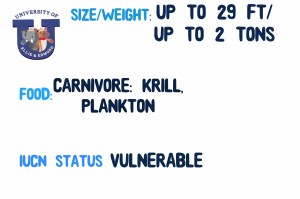
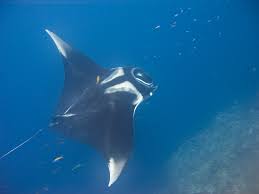
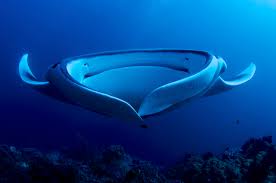
We met another giant of the ocean on our snorkeling trip- the Giant Manta Ray! These graceful creatures are so fun to watch “fly” through the water!  They are truly magical.
giant manta

IMG_4350


Date: 5/24

Location: Raja Ampat Islands

Giant Manta Ray Fun Facts:

  • Giant Manta Rays are the largest member of the ray family.
  • They are filter feeders and use their front lobes to push food in their mouths. Recent discoveries have shown that they also eat larger deep sea fish!
  • Scientists guess that they can live up to 50 years.
  • Mantas get their name for the Spanish word that means blanket.
FullSizeRender

  • Manta rays are covered in a protective mucus coating.
  • Manta rays do not have the venomous barb.
  • It is thought they have been around 5 million years.
giant manta2

giant manta

Our time here in these amazing islands is done and we are bummed. There is so much more to see and do! We head back to the University and get ready for camp to start in June! We will definitely be back!
 

Categories: adventure, Animals, Children, conservation, education, endangered species, Environment, fish, nature, oceans, science, Today's Post, wildlife | Tags: , , , , , , , , | 1 Comment

One Big Mollusk!

One Big Mollusk!

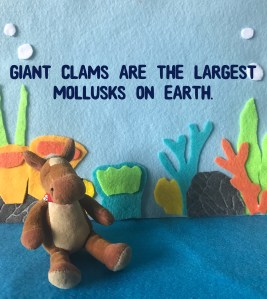
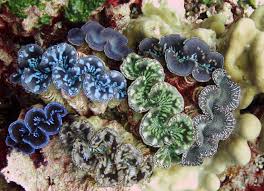
While snorkeling we came upon one big animal- the giant clam! And they are a sight to see! We had to share this amazing creature with you!

giant clam

IMG_4305


Date: 5/23

Location: Raja Ampat Islands

Giant Clam Fun Facts:

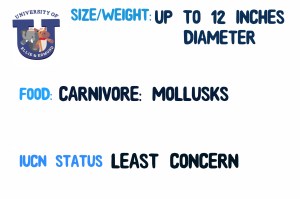
  • Giant clams live their whole lives in one spot on the reef. It’s hard to move 500 lbs of body.
  • They share their bodies with algae. They feed off the sugar and proteins the algae give off.

IMG_4304

  • Each clam has a unique color pattern.
  • Giant clams have a siphon to pull in water in plankton.
  • They can not close their shell completely.
  • Giant clams can live up to 100 years!


We love these giant mollusks! Do you remember the largest land arthropod? We met them not to long ago! Mollusks are so amazing!

Categories: adventure, Animals, Children, conservation, education, endangered species, Environment, nature, oceans, science, Today's Post, wildlife | Tags: , , , , , , , , , | 1 Comment

Barracuda!

Barracuda!

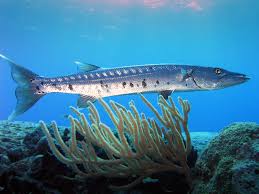
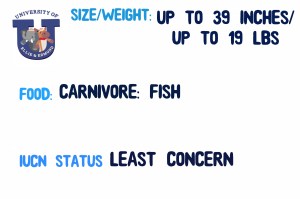
We had a blast snorkeling the next day after our night drive. We saw one of the coolest fish in all of the oceans- the barracuda! They even have their own song! We bet you don’t much about these long predators. Well it’s time to change that!

barracuda2

IMG_4298


Date: 5/22

Location: Raja Ampat Islands

Barracuda Fun Facts:

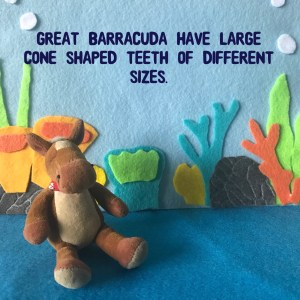
  • Barracuda have underbites- hehehe!
  • They have large powerful jaws.

FullSizeRender

  • They are known to hunt in groups and gather a school of fish in a area to guard them when they are hungry.
  • Barracuda have a reputation for being aggressive to divers, but that reputation in unwarranted.
  • It is not a good idea to go spear fishing around barracuda though, as they make away with your meal.
  • They have few natural predators.

barracuda3

barracuda


It is always fun to spot some barracuda! We like to wave and swim the in the other direction. They may not be aggressive, but those teeth don’t say let’s be friends.

Categories: adventure, Animals, Children, conservation, education, Environment, fish, nature, oceans, science, Today's Post, wildlife | Tags: , , , , , , , , , , | 1 Comment

Firefish!

Firefish!

We saw of the most amazing fish on our night dive trip today! The one we are meeting toady was so crazy looking and a bit scary! You think sharks are scary? Wait to til you meet a venomous fish!

firefish

IMG_4238


Date: 5/18

Location: Raja Ampat Islands

Blackfoot Firefish Fun Facts:

  • Blackfoot firefish are members of the scorpionfish family. Other members include the famous lionfish.
  • They use their flashy fins and spines to ward away predators.
  • They also use those fins to corner prey.
  • Blackfoot firefish are mostly nocturnal.
  • They are know to bury themselves in the the sand to ambush predators.
  • Their spines are venomous.


We were surprised to see one of these amazing fish! We have spotted lionfish before, but not this species! Believe us, this is one fish you want to spot from a good distance! And don’t touch those spines!

Categories: adventure, Animals, Children, conservation, education, Environment, fish, nature, oceans, science, Today's Post, wildlife | Tags: , , , , , , , , , | 1 Comment

Feeling Blue

Feeling Blue

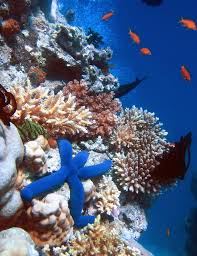
Who’s feeling blue? Not us, but we are meeting a very blue echinoderm (sea stars, sand dollars & sea urchins)! That’s right- we’re meeting the blue sea star!

seastar

IMG_4184


Date: 5/16

Location: Raja Ampat Islands

Blue Sea Stars Fun Facts:

  • Blue sea stars come in several different shades of blue.
  • They have short yellow tube feet.
  • Blue sea stars are slow movers.
  • Blue sea stars can regenerate body parts.
  • They are also known as the Blue Comet sea star.

seastar2

There were numerous blue sea starts in the reef we were exploring! They are so gorgeous and brighten up the reef!


Categories: adventure, Animals, Children, conservation, Environment, nature, oceans, science, Today's Post, wildlife | Tags: , , , , , , , , , , | 1 Comment

Fancy Shrimp

Fancy Shrimp

We are back on the boat and we’re spending this week snorkeling and diving so we can meet some of the most amazing animals of the reef! It’s hard to chose who we should share with you guys even! The shrimp we saw today was so fantastic though- we knew you had to meet them!

harlequin shrimp

IMG_4188


Date: 5/15

Location: Raja Ampat Islands

Harlequin Shrimp Fun Facts:

  • Harlequin shrimp live in pairs.
  • They have two large claws and four walking legs.
  • Females are slightly larger than males.
  • Harlequin shrimp are secretive.

FullSizeRender

  • They flip over their sea star prey and eat the tube feet!
  • Harlequin shrimp are toxic from the sea stars they eat.

harlequin shrimp2

harlequin shrimp3


We were so excited to spot these tiny little shrimp. They are so colorful and amazing. We do recommend that is you are a sea star- you stay away.

Categories: adventure, Animals, Children, conservation, education, Environment, nature, oceans, science, Today's Post, wildlife | Tags: , , , , , , , | 1 Comment

King Bird in Paradise

King Bird in Paradise

We decided to do some bird watching while we were on land. There are so many amazing birds here and it was hard to pick a favorite. But we did love the Paradise Kingfisher with it’s long tail and bright blue colors.

kingfisher2

IMG_4046


Date: 5/11

Location: Raja Ampat Islands

Paradise Kingfisher Fun Facts:

  • A pair of kingfishers in highly territorial.
  • They make their nests out of termite mounds on trees. IMG_4047
  • Paradise kingfishers do not migrate.
  • Both parents care for the chicks.

kingfisher

These adorable birds are just one of the island inhabitants we enjoyed meeting! We head back to the boat and the coral reef next week to meet more ocean dwellers!

Categories: adventure, Animals, birds, Children, conservation, education, Environment, nature, science, Today's Post, wildlife | Tags: , , , , , , , , , | 1 Comment

Giant Crab!

Giant Crab!

We were exploring another island and met an infamous arthropod! These giant, slightly creepy looking creatures are the coconut crab and man are we excited for you to meet them too!

coconut crab

IMG_4048


Date: 5/10

Location: Raja Ampat Islands

Coconut Crab Fun Facts:

  • Coconut crabs are the largest land arthropods in the world.

IMG_4049

  • Young coconut crabs use other animals’ shells to protect themselves, just like other hermit crabs. As they grow older their exoskeleton hardens.
  • They do eat coconuts. They scrape away the fibrous outside and crack open the shell to get to the meaty inside.
  • As a coconut crab grows, they shed their exoskeleton and grow a new one.
  • Coconut crabs have an excellent sense of smell.
  • They are solitary and territorial.
  • Coconut crabs can live up to 40 years.


coconut crab3

coconut crab2


These giant creatures may be one of our favorites! They are the stuff of bad B horror movies, but aren’t they cool. People do not eat them- which is good. They are tough! Hahahaha!

Categories: adventure, Animals, Children, conservation, education, Environment, nature, science, Today's Post, wildlife | Tags: , , , , , , , , , , | 1 Comment

Cuscus or Couscous?

Cuscus or Couscous?

We went on a little night tour near the camp where we are staying this week! We were looking for a super cute animal that calls the forest home! They have a funny name- that sounds similar to that delicious side dish coucous!

ground cuscus


IMG_4026


Date: 5/9

Location: Raja Ampat Islands

Ground Cuscus Fun Facts:

  • Ground cuscus are marsupials.

IMG_4027

  • They have prehensile tail. They use it to grip branches.
  • Even ground cuscus are still mostly arboreal, but nest in burrows during the day.
  • They have little to no fur on their ears.
  • Ground cuscus are solitary and mark their territories with urine.
  • Because they are fruit eaters, they disperse seeds throughout the forest causing new growth! Seed dispersers are important for the ecosystems.

We had such a great time watching this little marsupial in the trees. They are quiet and slow moving, but sooooo cool!

Categories: adventure, Animals, Children, conservation, education, Environment, mammals, nature, science, Today's Post, wildlife | Tags: , , , , , , , , , | 1 Comment

One Large Bat

One Large Bat

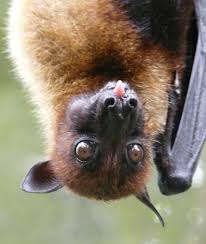
We decided to explore some of the islands this week. We do love our oceans, but the islands have some really neat creatures to meet too! Today we are meeting one of the largest flying mammals in the world and we couldn’t be more excited!

flying fox

IMG_4024


Date: 5/8

Location: Raja Ampat Islands

Large Flying Fox Fun Facts:

  • Large flying fox live in large colonies.
  • They are able to hang upside down just as smaller bats do.
  • Large flying foxes have long tongues to help them eat nectar and fruit.

IMG_4025

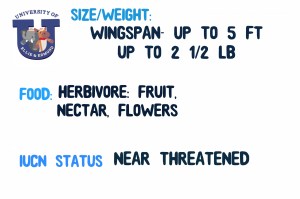
  • Large flying foxes are pollinators and seed disperses. Their poop contains seeds that they disperse and they get pollen on their fur when they eat nectar. They spread the pollen from plant to plant.
  • They feed in the upside down position.

flying fox2

flying fox3


These large bats are so cool to see! We spotted a whole tree full just roosting and came back at night to watch them head out to find food! They fly silently, but they are a noisy bunch when they are eating! Edmond can be a loud eater too!

Categories: adventure, Animals, Children, conservation, education, endangered species, Environment, nature, science, Today's Post, wildlife | Tags: , , , , , , , , , , , | 1 Comment

Blog at WordPress.com.