Animals

Hello Little Tenrec!

Hello Little Tenrec!

We spent our last day of the week in search of a very small mammal that looks like a hedgehog, but it’s not. The tenrec is found only in Madagascar and while they are similar they are not hedgehog relatives.

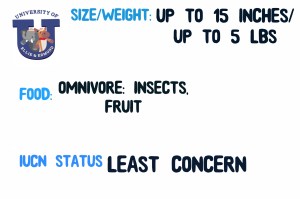
common tenrec

IMG_2892


Date: 3/16

Location: Madasgascar

Common Tenrec Fun Facts:

  • They are also known as the tailess tenrec. They are the largest tenrec species.
  • Common tenrecs do have a tail- up to 1 1/2 cm in length.
  • Tenrecs are related is not related to hedgehogs. It is thought that is related to elephants, aardvarks and manatees.
  • Tenrecs roll in a ball and have spines similar to hedgehogs, but they do not have the same strong muscle structure of a hedgehog.
IMG_2893

  • Tenrecs roll in sand to help them keep clean.
  • They can have up 32 babies at at time. All of the babies are born without spines.

common tenrec2

We love hedgehogs and their non cousin the tenrec! Can you believe that they might be related to Ellie? Who doesn’t love those cute little feet and funny ears!
 

Categories: adventure, Animals, Children, conservation, education, Environment, mammals, nature, science, Today's Post, wildlife | Tags: , , , , , , , , , , , | 1 Comment

Don’t Buzz Off Buzzard!

Don’t Buzz Off Buzzard!

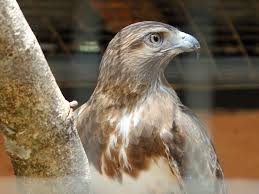
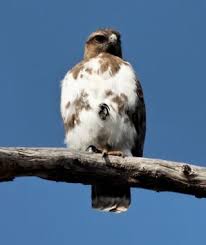
After sleeping in after our last two night adventures, we got up and did a little bird watching! We were happy to find one of Madagascar’s raptors!
madagascar buzzard2

IMG_2894


Date: 3/15

Location: Madagascar

Madagascar Fun Facts:

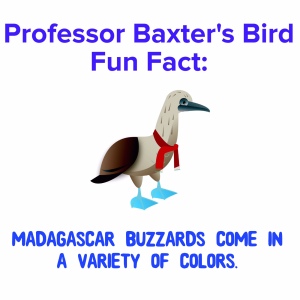
  • Madagascar buzzards are old world buzzards.

IMG_2895

  • They call many parts of the island home, including forests, open forest and rocky hillsides.
  • Some lemurs have alarm calls for the buzzard, so some scientists think they may prey on them.
  • Madagascar buzzards have broad wings for soaring.
  • They have yellow eyes and talons.
  • Madagascar buzzards chicks are born in September and October.

madagascar buzzard

We had a lovely time watching a few of these buzzards soar in the skies. Raptors will never cease to amaze us!
Categories: adventure, Animals, birds, Children, conservation, education, Environment, nature, science, Today's Post, wildlife | Tags: , , , , , , , , , | 1 Comment

Aye-Aye Captain!

Aye-Aye Captain!

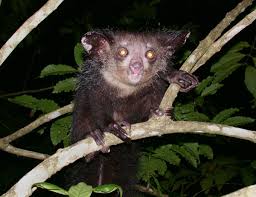
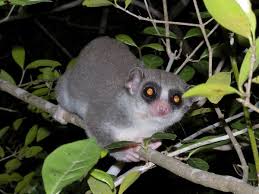
We slept all day after looking for frogs the night before! Our next adventure was at night too. We went looking for a shy and elusive primate that doesn’t look like a primate at all!

aye aye

IMG_2874


Date: 3/14

Location:  Madagascar

Aye-Aye Fun Facts:

  • Aye-aye’s are the largest nocturnal primate in the world.
  • They are members of the prosimian family, which includes lemurs.
  • They have one long stick like finger they use to grab grubs out of trees. They also use it to tap on trees and listen for bug tunnels!
  • Aye-aye’s are arboreal and rarely if never come to the ground.

IMG_2875

  • Aye-aye’s have long bushy tails to help them navigate their tree homes. In fact they have the longest tail of any prosimian!
  • They sleep during the day in nests of twigs. They rotate nests.
  • Aye-aye’s are solitary. They mark their territory with scent glands in their faces, necks and bums.

aye aye2

These wild and weird animals are alien looking! When scientists first discovered them they thought they were rodents! Nope- they are primates- related to apes, monkeys and lemurs. Who knew? The world’s rainforests are full such amazing creatures!

Categories: adventure, Animals, Children, conservation, endangered species, Environment, mammals, nature, science, Today's Post, Uncategorized, wildlife | Tags: , , , , , , , , , , , , | 1 Comment

Don’t Eat That Tomato

Don’t Eat That Tomato

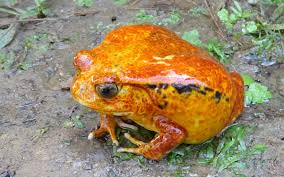
We went exploring in the forest last night. We were looking for a brightly colored frog. It’s been a while since we went on the hunt for amphibians, so it was a treat to find these guys. They weren’t hard to find, since it’s still frog breeding season and these little chippers are loud!

tomato frog2

IMG_2872


Date: 3/13

Location: Madagascar

Tomato Frog Fun Facts:

  • Tomato frogs are bright orange or red.
  • They are brightly colored to warn predators that they are toxic. They secrete a white substance that acts like a glue.
  • Tomato frogs can also inflate when threatened.
  • They are ambush predators.

IMG_2872

  • Tomato frog tadpoles are only 6 millimeters long when born!
  • Tomato frogs can live up to 8 years.

tomato frog3

tomato frog


Tomato frogs are near threatened due to habitat loss and collection of frogs for the pet trade. While frogs make neat pets, it is best to get one from a breeder. Taking animals from the wild damages delicate ecosystems. Keep these tomatoes in the forest.


Categories: adventure, amphibians, Animals, Children, conservation, education, endangered species, frogs, nature, science, Today's Post, wildlife | Tags: , , , , , , , , , , , | 1 Comment

Is That a Cat?

Is That a Cat?

We were so excited to meet today’s animal. We have seen this animal in zoos, but spotting this carnivore on Madagascar was a joy! We were jumping for joy- quietly of course!

fossa3

IMG_2774


Date: 3/8

Location: Madagascar

Fossa Fun Facts:

  • Fossas are solitary.
  • Fossas are related to mongooses and civets.
  • They are the largest predator on the island of Madagascar.
  • Fossas are excellent climbers and spent a great deal of time in the trees.

IMG_2775

  • Fossas use scent glands to mark their territory.
  • They have retractable claws.
  • Fossas have lost much of their forest home.

fossa2

fossa


It was great treat to spot this elusive and shy creature. They are gorgeous, stealthy and agile! Woohoo! We love fossas!

Categories: adventure, Animals, Children, conservation, education, endangered species, mammals, nature, science, Today's Post, wildlife | Tags: , , , , , , , , , , | 1 Comment

Fat Tails

Fat Tails

We spent our first night on the island exploring a forest near by. We managed to spot one of the smallest lemur species- the Fat Tailed Dwarf Lemur! Edmond could hardly contain his excitement, good thing I kept him quiet because he would have scared them away.

fat-tail

img_2754


Date: 3/6

Location: Madagascar

Fat Tailed Lemur Fun Facts:

  • Fat tailed lemurs are solitary during the wet season.
  • Fat tailed lemurs are nocturnal.
  • They mark their territories by leaving feces on branches.

img_2755

  • During the fall, fat tail lemurs gorge themselves and store fat in their tails. They can increase their weight by 40%.
  • During winter fat tailed lemurs enter a state of torpor- when their metabolisms slow down, their body temperatures drop and they are much less active.
  • Fat tailed lemurs can live up to 6 months in torpor.
  • They often share a den in a hollowed out tree with other fat tailed lemurs during the dry season when they are in torpor.

fat-tail2

We were so glad we caught a glimpse of these shy little lemurs. It’s just time for them to find a good napping spot for the dry season. Yaaaawn, speaking of naps- we need one after staying up all night.

Categories: adventure, Animals, Children, conservation, endangered species, Environment, nature, science, Today's Post, wildlife | Tags: , , , , , , , , , , , | 1 Comment

A Large Island Off The Coast Of Africa

A Large Island Off The Coast Of Africa

img_2756

We’re back from our vacation and we’re packed up and heading to the large island nation off the east coast of Africa- Madagascar. We are so excited to explore this neat island!

madagascar2

We have some fun facts about Madagascar for you!

  • Madagascar is the only home to lemurs. In fact 70% of the wildlife species in Madagascar are only found there.
  • It is the fourth largest island on earth.
  • Two-thirds of all the chameleon species on earth call Madagascar home.
  • The island is one of the biggest producers of vanilla.
  • It has everything from mountains to coasts.
  • Madagascar split from the Indian sub-continent around 88 million years ago.
  • There are two official languages in Madagascar- French & Malagasy.

madagascar3

We can hardly wait to explore the habitats of this large island. We plan to meet the island’s most famous residents- the lemur; along with reptiles and other interesting characters like the fossa! We’ll see you tomorrow with our newest animal friend!

Categories: Animals, Children, conservation, education, endangered species, nature, science, Today's Post, wildlife | Tags: , , , , , , , , , | Leave a comment

Fishing for an Eagle

Fishing for an Eagle

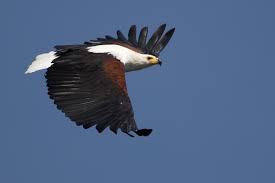
It’s our last day here in Africa. We head on vacation next week, so new posts til March. We will definitely be coming back! In March we will be heading to the large island just off the coast of Africa- Madagascar. Woohoo! Today we meet a large bird – the African Fishing Eagle.

fish-eagle

img_2361


Date: 2/23

Location: Serengeti

African Fish Eagle Fun Facts:

  • Female African Fish Eagles are larger than the males.
  • They have white heads and bodies and brown/black wings.
  • African fish eagles are known for their loud cry that can be heard around their habitats.

img_2362

  • They build nests in trees close to the water. The nests grow in size every year.
  • African fish eagles can live up to 24 years in the wild.
  • They are the national bird of Zimbabwe and they appear on Zimbabwe’s flag.

fish-eagle2

fish-eagle3


We had a fabulous time in Africa. We are super excited to head to Madagascar in March though! Woohoo!

Categories: adventure, Animals, birds, Children, conservation, education, Environment, nature, science, Today's Post, wildlife | 1 Comment

The Infamous Badger

The Infamous Badger

We have spent our day looking for an infamous inhabitant of the Serengeti- the honey badger! These tenacious creatures are the stuff of legends. We learned so much about them!

honey-badger3

img_2340


Date: 2/22

Location: Serengeti

Honey Badger Fun Facts:

  • Another name for the honey badger is the ratel.
  • They have loose thick skin that helps protect them from predators. Even porcupine quills can not penetrate it.
  • Honey badgers live in burrows. They can dig a hiding burrow in a matter of minutes.
  • Honey badgers are intelligent and are known to use tools.

img_2341

  • They are tenacious and will attack animals much larger than themselves, including lions.
  • Honey badgers have a gland at the base of their tale that releases a foul smelling liquid. It is used to mark their territory and to ward off predators.
  • They partner with honeyguide birds to locate a hive. The birds enjoy the spoils after the honey badger destroys the hive.

honey-badger2

honey-badger


We love these nasty, tough critters. They are one of the most fascinating animals we have seen. We sure wouldn’t pick a fight with one!

Categories: adventure, africa, Animals, Children, conservation, education, Environment, mammals, nature, science, Today's Post, wildlife | Tags: , , , , , , , , , , | 1 Comment

A is for Aardvark

A is for Aardvark

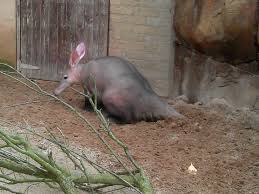
We had a lovely weekend exploring the area on our own. We headed out Sunday night with our ranger to see if we could find one super awesome and odd looking animal- the aardvark. We were so excited to find one snuffling around for eats!

img_2317

Date: 2/20

Location: Serengeti

Aardvark Fun Facts:

  • Aardvarks are burrowers. They live in large burrows during the day and forage for food at night.
  • They have large claws for digging in to ant and termite mounds. Those claws also help protect them.
  • Aardvarks have long tongues they use to eat their favorite meal. They close their nostrils to avoid dust and getting the insects in their snouts.

img_2318

  • Aardvarks have a keen sense of hearing with those large ears.
  • They have tough skin with little fur that helps protect them from insect bites.
  • Aardvarks can eat up 50,000 insects a day.
  • Aardvarks have webbed feet.

img_2319

aardvark2

Aardvarks are funny looking creatures with their large ears, long thick tails, snouts & claws. They are the most fun if you ask us! We can’t help but giggle when we see one! Do you love them as much as we do?

Categories: adventure, Animals, Children, conservation, education, Environment, mammals, nature, science, Today's Post, wildlife | Tags: , , , , , , , , , | 1 Comment

Blog at WordPress.com.