Posts Tagged With: envrionment

Tiny Marsupial

Tiny Marsupial

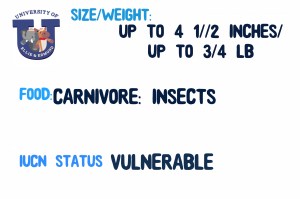
Well it doesn’t get much cuter than today’s animal! These tiny marsupials look like rodents, but they are not!

sandhill dunnart2

IMG_3325


Date : 4/5

Location: Great Victorian Desert

Sandhill Dunnart Fun Facts:

  • They are one of the largest members of the Dunnart family.
  • Sandhill dunnart have stiff black hairs on the underside of the tail.
  • These little marsupials are carnivores!
  • Their tails are longer then their bodies.

IMG_3352

  • They live in burrows under the spinifex hummocks shrubs.
  • Sandhill dunnarts store fat in their tails.

sandhill dunnart

These little marsupials are threatened unfortunately. There are efforts in Australian zoos to increase their numbers! Woohoo!

Categories: adventure, Animals, Children, conservation, education, endangered species, Environment, marsupial, nature, science, Today's Post, wildlife | Tags: , , , , , , , , , , , | 1 Comment

A Skink not a Skunk!
A Skink not a Skunk!

After we settled in at camp we decided where we should go on our first adventure! We wanted to meet a neat little lizard we knew lived in this habitat! We headed off for the day with our day packs full of snacks and MUD SPF 30 sunscreen!

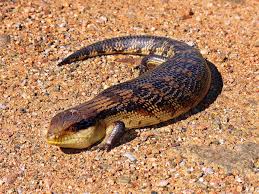
great desert skink

IMG_3315


Date: 4/3

Location: Great Victorian Desert

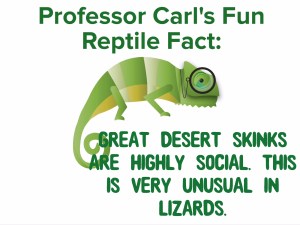
Great Desert Skink Fun Facts:

  • Great desert skinks vary in color from tan to grey or dark brown.
  • They store fat in their tales during the winter.
  • Males are slightly larger than females.
  • Great desert skinks live in complex burrows with several entrances and areas.

IMG_3316

  • A family group occupies the burrow. Babies stay with their family for up to three years.
  • They generally hunt at night in the hotter months.

great desert skink2

We had such fun going to look for these little short legged lizards! They remind us of another Australian skink- the blue tongued skink! They are both so cool! And they aren’t slimy at all- very smooth!

Categories: adventure, Animals, Children, conservation, education, endangered species, Environment, nature, reptiles, Today's Post, wildlife | Tags: , , , , , , , , , , | 1 Comment

Desert Down Under

Desert Down Under

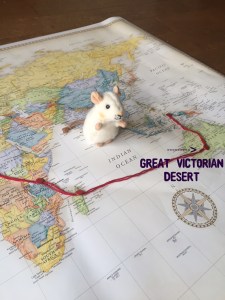
We have backed our bags again and headed off to the great island nation of Australia! It is a long way from HQs. We unpacked at camp just at the edge of the Great Victorian Desert. After getting over our jet lag. We set out to learn more about this vast and interesting habitat!

IMG_3317

Great Victorian Desert Fun Facts:

  • It is the largest desert in Australia.  It’s about 135,000 square miles.
  • It is located in the Southwest of Australia.
  • Temps can range from 104 degree Fahrenheit in summer to 64 in the winter.
  • The Mamungari Conservation Park lies within the Great Victorian Desert.

e e desert

  • Only very hard plants survive in the desert, but there is a great variety of plants.
  • There is quiet a variety of animals in the desert that are adapted to live in the harsh environment!

great victorian desert

We are super excited to meet some of the inhabitants of this great desert! We’ll be meeting an interesting lizard tomorrow! See you then!


Categories: adventure, Animals, Children, conservation, education, Environment, nature, science, Today's Post, wildlife | Tags: , , , , , , , , , | 1 Comment

Give us a V for Parrot!

Give us a V for Parrot!

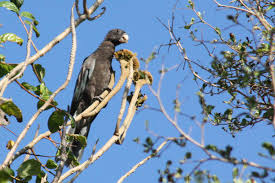
We wanted to meet one of the parrots of Madagascar! We were lucky enough to spot them in the trees on our afternoon trek yesterday! Let’s all get to know this bird together!

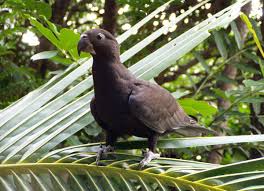
vasa parrot

IMG_3023


Date: 3/22

Location: Madagascar

Greater Vasa Parrot Fun Facts:

  • Vasa Parrots are dark grey to black in color.
  • Their dark beaks turn bright white during breeding season.

IMG_3024

  • Females are dominate and live with 3 to 8 males. This social set-up is highly unusual in parrots.
  • Vasa parrot eggs only incubate for 18 days. It’s the shortest incubation period for any parrot.
  • They are known to be voracious eaters.
  • Vasa parrots are vocal and intelligent.

vasa parrot2

vasa parrot3


We loved watching this interesting birds! They are not heard of much in the US or in the pet trade. We love to see parrots in the wild!

Categories: adventure, Animals, birds, Children, conservation, education, Environment, nature, Today's Post, wildlife | Tags: , , , , , , , , , | 1 Comment

Ghostly Sounds!

Ghostly Sounds!

Today, we met another super awesome lemur today! They aren’t as crazy looking as the aye-aye we met last week, but they are just as cool.

indri

IMG_3009


Date: 3/21

Location: Madagascar

Indri Fun Facts:

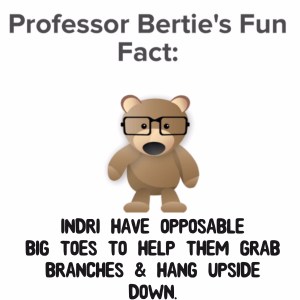
  • Indri are the largest lemur on earth.
  • They are arboreal and diurnal.
  • The native Malagasy name for them is babakoto.
  • Indri leap in a upright position from tree to tree.

IMG_3010

  • Indri mate for life and live in small family groups.
  • Indri are known for their loud songs that can be sung several times a day! These songs/calls are as haunting as they are beautiful!
  • Indri are considered sacred among the native people of Madagascar.

indri3

indri2


We so enjoyed watching these amazing lemurs. Those calls are so loud! Unfortunately, Indri are critically endangered mostly due to habitat loss. It is crucial that we all work together to use our resources wisely! Let’s all recycle as much as possible!


Categories: adventure, Animals, Children, conservation, Environment, mammals, nature, science, Today's Post, wildlife | Tags: , , , , , , , , , , , | 1 Comment

Hello Little Tenrec!

Hello Little Tenrec!

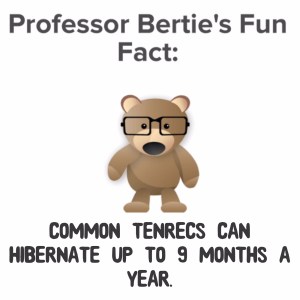
We spent our last day of the week in search of a very small mammal that looks like a hedgehog, but it’s not. The tenrec is found only in Madagascar and while they are similar they are not hedgehog relatives.

common tenrec

IMG_2892


Date: 3/16

Location: Madasgascar

Common Tenrec Fun Facts:

  • They are also known as the tailess tenrec. They are the largest tenrec species.
  • Common tenrecs do have a tail- up to 1 1/2 cm in length.
  • Tenrecs are related is not related to hedgehogs. It is thought that is related to elephants, aardvarks and manatees.
  • Tenrecs roll in a ball and have spines similar to hedgehogs, but they do not have the same strong muscle structure of a hedgehog.

IMG_2893

  • Tenrecs roll in sand to help them keep clean.
  • They can have up 32 babies at at time. All of the babies are born without spines.

common tenrec2

We love hedgehogs and their non cousin the tenrec! Can you believe that they might be related to Ellie? Who doesn’t love those cute little feet and funny ears!


Categories: adventure, Animals, Children, conservation, education, Environment, mammals, nature, science, Today's Post, wildlife | Tags: , , , , , , , , , , , | 1 Comment

Don’t Buzz Off Buzzard!

Don’t Buzz Off Buzzard!

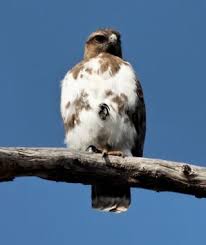
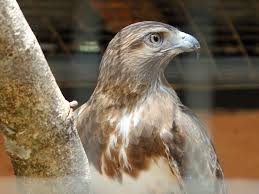
After sleeping in after our last two night adventures, we got up and did a little bird watching! We were happy to find one of Madagascar’s raptors!

madagascar buzzard2

IMG_2894


Date: 3/15

Location: Madagascar

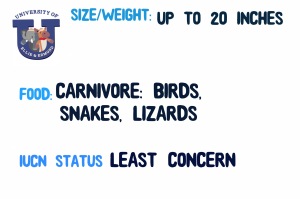
Madagascar Fun Facts:

  • Madagascar buzzards are old world buzzards.

IMG_2895

  • They call many parts of the island home, including forests, open forest and rocky hillsides.
  • Some lemurs have alarm calls for the buzzard, so some scientists think they may prey on them.
  • Madagascar buzzards have broad wings for soaring.
  • They have yellow eyes and talons.
  • Madagascar buzzards chicks are born in September and October.

madagascar buzzard

We had a lovely time watching a few of these buzzards soar in the skies. Raptors will never cease to amaze us!

Categories: adventure, Animals, birds, Children, conservation, education, Environment, nature, science, Today's Post, wildlife | Tags: , , , , , , , , , | 1 Comment

Aye-Aye Captain!

Aye-Aye Captain!

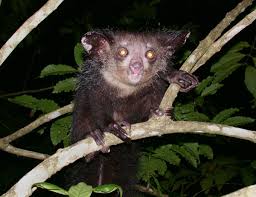
We slept all day after looking for frogs the night before! Our next adventure was at night too. We went looking for a shy and elusive primate that doesn’t look like a primate at all!

aye aye

IMG_2874


Date: 3/14

Location:  Madagascar

Aye-Aye Fun Facts:

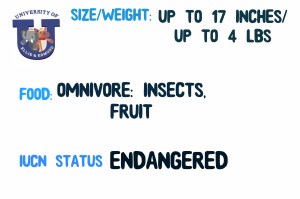
  • Aye-aye’s are the largest nocturnal primate in the world.
  • They are members of the prosimian family, which includes lemurs.
  • They have one long stick like finger they use to grab grubs out of trees. They also use it to tap on trees and listen for bug tunnels!
  • Aye-aye’s are arboreal and rarely if never come to the ground.

IMG_2875

  • Aye-aye’s have long bushy tails to help them navigate their tree homes. In fact they have the longest tail of any prosimian!
  • They sleep during the day in nests of twigs. They rotate nests.
  • Aye-aye’s are solitary. They mark their territory with scent glands in their faces, necks and bums.

aye aye2

These wild and weird animals are alien looking! When scientists first discovered them they thought they were rodents! Nope- they are primates- related to apes, monkeys and lemurs. Who knew? The world’s rainforests are full such amazing creatures!

Categories: adventure, Animals, Children, conservation, endangered species, Environment, mammals, nature, science, Today's Post, Uncategorized, wildlife | Tags: , , , , , , , , , , , , | 1 Comment

Don’t Eat That Tomato

Don’t Eat That Tomato

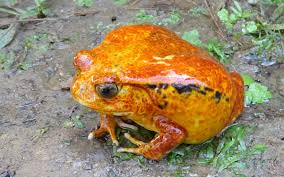
We went exploring in the forest last night. We were looking for a brightly colored frog. It’s been a while since we went on the hunt for amphibians, so it was a treat to find these guys. They weren’t hard to find, since it’s still frog breeding season and these little chippers are loud!

tomato frog2

IMG_2872


Date: 3/13

Location: Madagascar

Tomato Frog Fun Facts:

  • Tomato frogs are bright orange or red.
  • They are brightly colored to warn predators that they are toxic. They secrete a white substance that acts like a glue.
  • Tomato frogs can also inflate when threatened.
  • They are ambush predators.

IMG_2872

  • Tomato frog tadpoles are only 6 millimeters long when born!
  • Tomato frogs can live up to 8 years.

tomato frog3

tomato frog


Tomato frogs are near threatened due to habitat loss and collection of frogs for the pet trade. While frogs make neat pets, it is best to get one from a breeder. Taking animals from the wild damages delicate ecosystems. Keep these tomatoes in the forest.


Categories: adventure, amphibians, Animals, Children, conservation, education, endangered species, frogs, nature, science, Today's Post, wildlife | Tags: , , , , , , , , , , , | 1 Comment

The Infamous Badger

The Infamous Badger

We have spent our day looking for an infamous inhabitant of the Serengeti- the honey badger! These tenacious creatures are the stuff of legends. We learned so much about them!

honey-badger3

img_2340


Date: 2/22

Location: Serengeti

Honey Badger Fun Facts:

  • Another name for the honey badger is the ratel.
  • They have loose thick skin that helps protect them from predators. Even porcupine quills can not penetrate it.
  • Honey badgers live in burrows. They can dig a hiding burrow in a matter of minutes.
  • Honey badgers are intelligent and are known to use tools.

img_2341

  • They are tenacious and will attack animals much larger than themselves, including lions.
  • Honey badgers have a gland at the base of their tale that releases a foul smelling liquid. It is used to mark their territory and to ward off predators.
  • They partner with honeyguide birds to locate a hive. The birds enjoy the spoils after the honey badger destroys the hive.

honey-badger2

honey-badger


We love these nasty, tough critters. They are one of the most fascinating animals we have seen. We sure wouldn’t pick a fight with one!

Categories: adventure, africa, Animals, Children, conservation, education, Environment, mammals, nature, science, Today's Post, wildlife | Tags: , , , , , , , , , , | 1 Comment

Blog at WordPress.com.